REVIEW · MUSEUMS
London: The Courtauld Gallery at Somerset House Entry Ticket
Book on GetYourGuide →Operated by The Courtauld · Bookable on GetYourGuide
Art and architecture share the same room.
The Courtauld Gallery inside Somerset House is a great place to see major names without the chaos that often comes with bigger London museum days. I like the way the ticket focuses on the permanent collection, so you can build a clear plan and not feel rushed. I also like the setting: Somerset House gives the whole visit a calm, dignified start before you even reach the galleries. One drawback to plan around: this entry ticket does not include the temporary exhibitions, so you’ll want to accept that your highlights are from the core collection.
If you want a one-day hit of Western art history, this is a smart choice. The route moves from Impressionist and Post‑Impressionist stars in the LVMH Great Room, up to Renaissance through 18th-century works in the Blavatnik Fine Rooms, and then into Medieval and 20th-century spaces. A consideration: with so many quality rooms in a single day, you’ll get more out of it if you decide in advance which paintings you want to spend extra time with.
In This Review
- Key things that make this ticket worth it
- Somerset House: where the visit starts before you see a single painting
- LVMH Great Room: Manet, Van Gogh, Cézanne, and the big names first
- Upstairs at Blavatnik Fine Rooms: Renaissance through 18th century, room by room
- Ruddock Family Gallery: Medieval and Early Renaissance at a human scale
- The Courtauld’s 20th-century spaces and the Bloomsbury Group feel
- Audio guide (English): your best friend for turning wall labels into meaning
- Price and value: is $16 a good deal?
- Who this visit fits best (and who might want to think twice)
- Quick practical tips for a smooth one-day museum plan
- Should you book? My take
- FAQ
- Where is the Courtauld Gallery located?
- How long is the experience valid for?
- What is included with the entry ticket?
- Are temporary exhibitions included?
- Is an audio guide included?
- What languages are supported?
- Is the venue wheelchair accessible?
- Who provides the host or greeter?
- Is there free cancellation?
- Is reserve & pay later available?
Key things that make this ticket worth it
- A permanent-collection-focused route so your time stays predictable
- LVMH Great Room with major Impressionist and Post‑Impressionist paintings
- Blavatnik Fine Rooms upstairs for Renaissance through 18th century
- Ruddock Family Gallery for Medieval and Early Renaissance art
- Audio guide in English to help you move at your own pace
- Somerset House setting where the building feels as good as the art
Somerset House: where the visit starts before you see a single painting
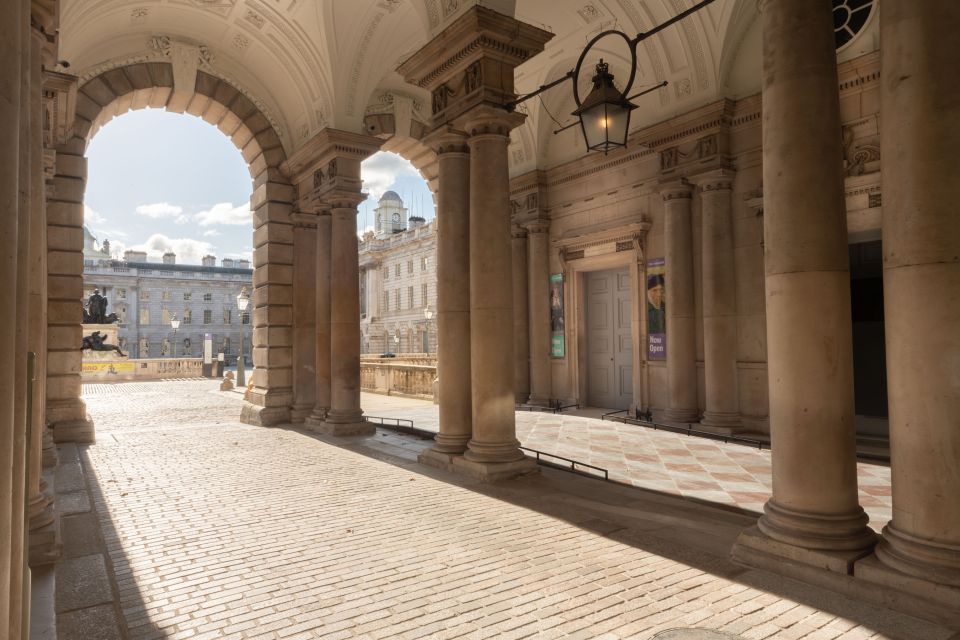
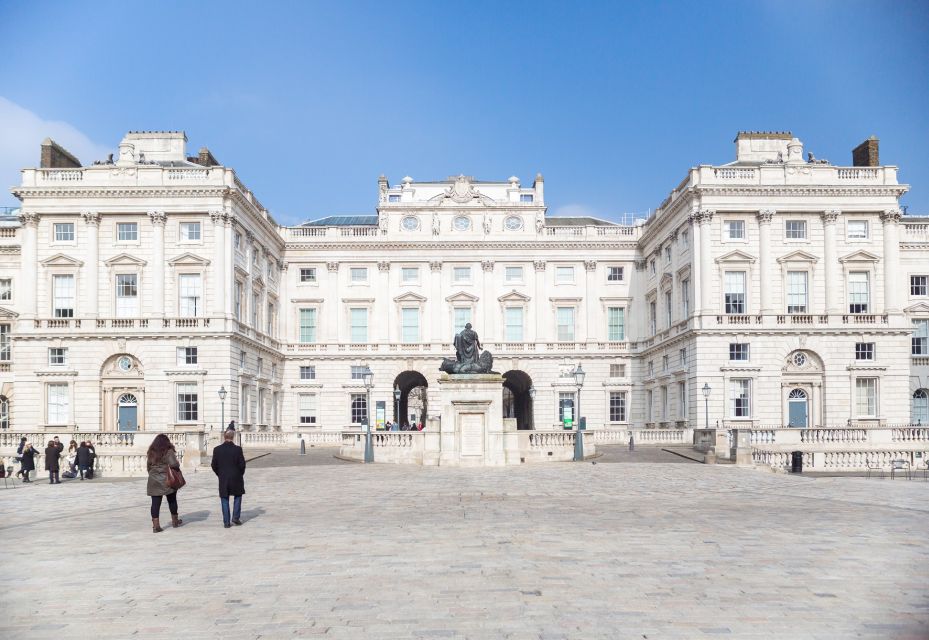
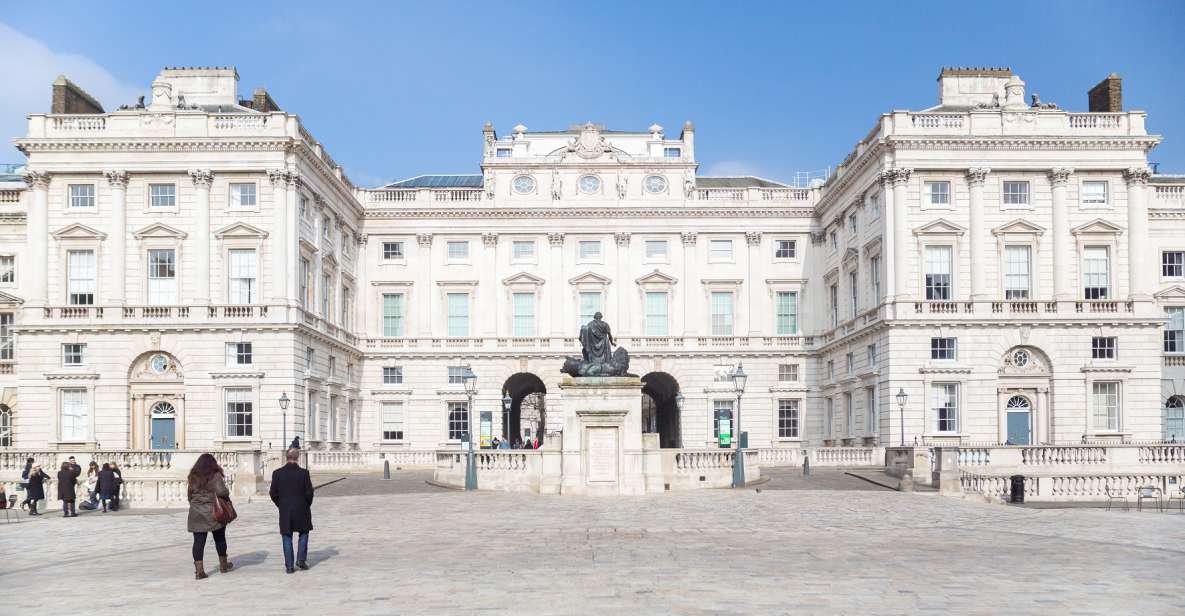
Somerset House is not just a backdrop. It’s the kind of London setting that makes you slow down a notch, which matters because art galleries reward patience. The Courtauld is within the complex, so you’re not zigzagging across the city to “find” the museum day—your destination is straightforward.
I also like that the experience is built around getting you into the galleries with a clear flow. The ticket is for the Courtauld Gallery’s permanent collection entry, and that shows in the way the spaces are grouped by time period. It’s easier to enjoy the art when you’re not constantly re-orienting yourself.
Practical note: since the ticket is for the permanent collection, you should mentally treat temporary exhibitions as a bonus if they’re running. Don’t build your day around them, because this specific ticket doesn’t cover that.
You can also read our reviews of more tours and experiences in London



LVMH Great Room: Manet, Van Gogh, Cézanne, and the big names first
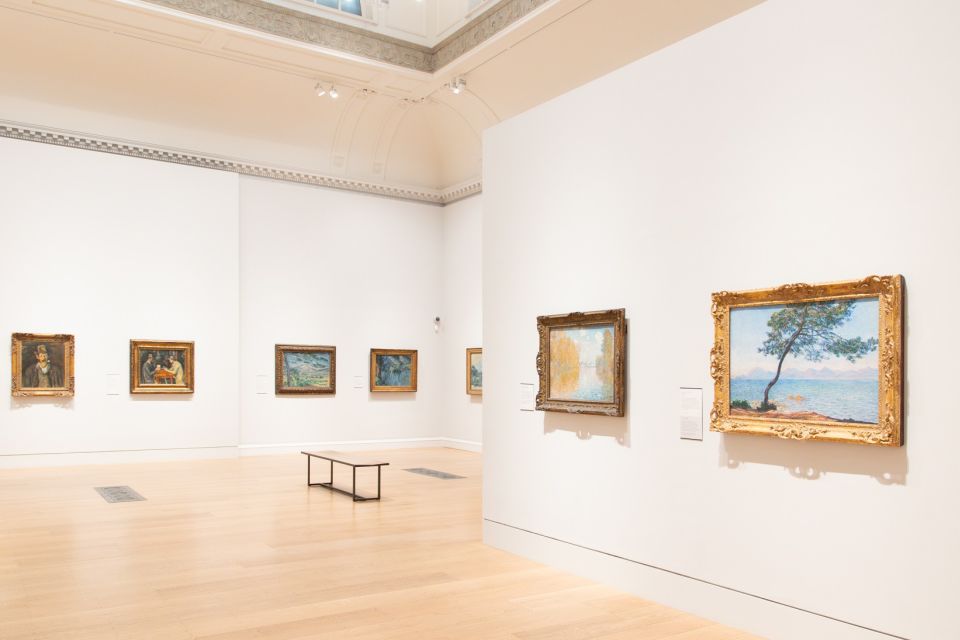
You begin with the LVMH Great Room, where the focus is on Impressionist and Post‑Impressionist painting. This is where you’ll feel the museum’s strengths fast—famous names, strong works, and a room layout that supports first-time visitors.
In this main space, you can see Manet’s A Bar at the Folies Bergère and Van Gogh’s Self‑Portrait with Bandaged Ear. Those two works alone are worth the ticket price because they represent very different kinds of intensity. Manet’s scene has that crisp, Parisian pull—sharp figures, clear presence, and a sense of modern life. Van Gogh’s self-portrait brings the emotion closer and makes you pause longer, whether you’re new to him or already a fan.
The Great Room also includes a UK treasure trove connected to Cézanne, plus other Impressionist/Post‑Impressionist works that set you up for what comes next. If you’re the type who likes to understand the timeline of art styles, this is a useful opening act: you start with modern paint language, then you move backward and sideways through art history later in the building.
Upstairs at Blavatnik Fine Rooms: Renaissance through 18th century, room by room
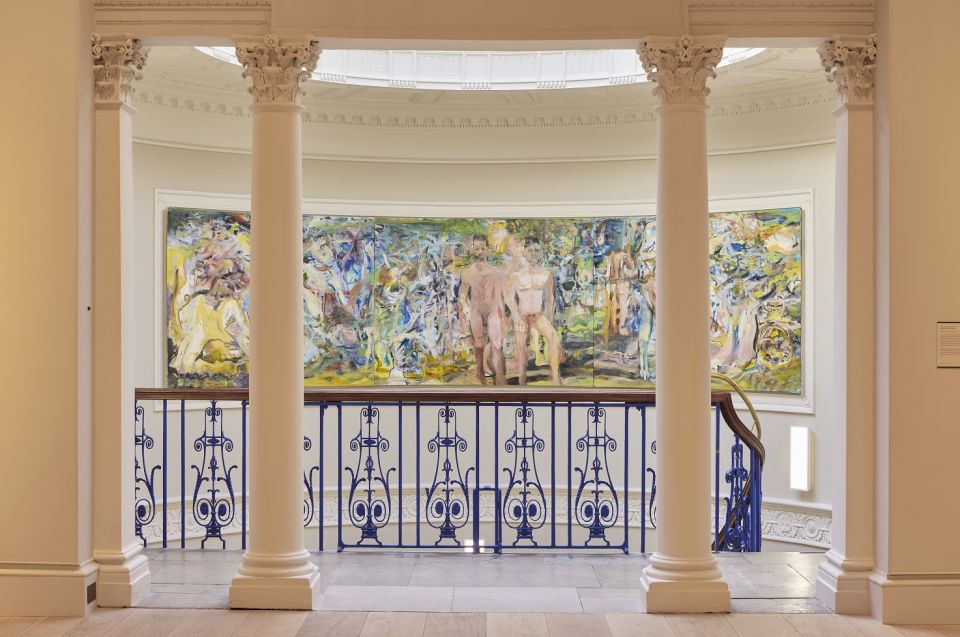
Next you go to the Blavatnik Fine Rooms on the second floor, and this shift is one of the biggest reasons to choose this Courtauld visit. The upstairs galleries change the mood—more focus on Renaissance and beyond, and less of the quick punch you get from the Impressionist room.
This is where the “beauty and drama” side of art history gets loud. You’ll see Lucas Cranach’s Adam and Eve, a work that brings Renaissance-era symbolism to life through iconic figures and clear visual storytelling. Then there’s Peter Paul Rubens’ The Descent From The Cross, which gives you a different kind of power—movement, weight, and that baroque sense that the scene is happening right now.
And yes, this is also where the Botticelli moment lives. Botticelli’s The Trinity with Saints is highlighted as a masterpiece of beauty, and if you’ve ever found yourself wishing museum days included more than just the usual wall labels, this is exactly that kind of stop. The painting’s inclusion here matters because the Courtauld’s collection doesn’t treat Renaissance art as “background.” It treats it as central.
Another standout in these rooms is Pieter Bruegel the Elder’s Landscape with a flight into Egypt. Even if you’re not usually a landscape-focused person, the title alone suggests you’ll be looking at more than scenery—you’ll be tracking the action, figures, and story inside the broader setting.
If you only have one day, this upstairs section is where you should plan to slow down most. It’s tempting to rush because the list of famous works is long, but the rooms reward attention.
Ruddock Family Gallery: Medieval and Early Renaissance at a human scale
After the big-name Renaissance spaces, you’ll find the Ruddock Family Gallery dedicated to Medieval and Early Renaissance art. This part of the visit is useful because it fills in the gaps between eras, showing how ideas and visual approaches develop before the major breakthroughs you may already associate with later masters.
The key value here isn’t just that the art is older. It’s that the museum gives you an actual transition point. You go from Renaissance grandeur and storytelling to an area that helps you understand the roots—where figures, symbolism, and artistic conventions come from.
If you like art history that makes sense as a chain (not a set of disconnected masterpieces), this gallery is one of the best places to focus for a deeper payoff.
The Courtauld’s 20th-century spaces and the Bloomsbury Group feel
The museum doesn’t stop at old masters. You’ll also move through 20th-century art spaces, including displays connected to the Bloomsbury Group world.
What makes this section interesting is the way it changes your mindset. After centuries of paintings that look like formal statements, 20th-century works can feel more direct, more experimental, and sometimes more personal. The Courtauld’s approach helps you see that “modern” art isn’t a single jump—it’s a shift happening over time.
One practical thing to remember: these 20th-century displays are described as ever-changing. That means you should treat this part as your flexible bonus zone. If you see something that catches your eye, spend time with it. If not, don’t stress—it’s not the part of the visit that anchors the whole experience.
You can also read our reviews of more museum experiences in London






Audio guide (English): your best friend for turning wall labels into meaning
An English audio guide is included, and for a collection like this, it’s a big part of why the ticket works. Instead of reading every label for every room, you can use the audio guide to pick up context as you move—especially for works that are famous but not always understood right away.
I like audio guides in situations like this because they help you notice what to look for. You can pause where you want, and you can keep moving when you’re ready. If you’re traveling with limited time, that control matters.
Tip: if your day feels packed, don’t try to listen to everything from start to finish. Use the guide as a tool—follow it for the paintings you consider “must-see,” then let the rest of the galleries happen at your pace.
Price and value: is $16 a good deal?
At about $16 per person, this ticket is strong value if your goal is a clear, high-quality one-day art visit. Why? Because what you’re paying for is direct access to the Courtauld Gallery’s permanent collection, and the highlights listed here include major works by Manet and Van Gogh, plus Renaissance anchors like Botticelli and Rubens.
This is also value-friendly for a practical reason: the Courtauld’s permanent collection is the core product. You’re not forced to spend extra time or money tracking temporary rooms that aren’t part of your ticket.
The trade-off is that you should not expect temporary exhibition access. If your trip planning depends on a specific temporary show, you’d need a different ticket. But if you’re happy with the permanent collection focus, you’re paying for what the Courtauld does best.
Who this visit fits best (and who might want to think twice)
This Courtauld ticket is ideal for:
- First-time London museum visitors who want top-tier art without a day-long transit scramble
- People who like chronological storytelling through galleries
- Anyone drawn to Impressionism/Post‑Impressionism and then wants a shift into Renaissance to 18th century
It may be less ideal if:
- You’re only interested in temporary exhibitions and will feel disappointed that they’re not included
- You get overwhelmed by too many famous works in one visit and would rather choose a smaller, more focused route
A good strategy if you’re not sure where to spend your time: pick a short list from each section—one from the Great Room, two from the Blavatnik Fine Rooms, and one from either the Ruddock gallery or the 20th-century rooms. You’ll still see a lot, but you’ll leave with real favorites.
Quick practical tips for a smooth one-day museum plan
Because this ticket is for one day, your biggest “make it better” move is pacing. The art is not going anywhere, but your energy level will decide how much meaning you get from each room.
- Start with the Great Room so you get the Impressionist/Post‑Impressionist hits while you’re fresh.
- Plan to spend extra time upstairs in the Blavatnik Fine Rooms. It’s the biggest time shift in the visit.
- Use the audio guide where you want context, and don’t feel forced to listen nonstop.
- Since the 20th-century spaces can change, let your eye lead you there rather than forcing a fixed checklist.
Also, the fact that the visit is within Somerset House is a big practical win. You’re not trying to connect two distant locations, and you can keep the day feeling cohesive.
Should you book? My take
Book this Courtauld Gallery ticket if you want a well-structured, one-day art route through some of Europe’s most influential painters—starting with major modern-era works and then stepping back into Renaissance brilliance. It’s especially worth it when you like the idea of a permanent-collection experience where you can trust what you’re buying: LVMH Great Room highlights, Blavatnik Fine Rooms treasures, and the rest of the collection filling in the timeline.
If you’re chasing a specific temporary exhibition, or if you only want a tiny slice of the museum, then you might need a different plan. But for a balanced “best of the Courtauld” day, this is a sensible, good-value ticket that keeps your day focused and rewarding.
FAQ
Where is the Courtauld Gallery located?
The Courtauld Gallery is within Somerset House.
How long is the experience valid for?
The ticket is valid for 1 day. You’ll check availability to see starting times.
What is included with the entry ticket?
It includes entry to the Courtauld Gallery permanent collection.
Are temporary exhibitions included?
No, temporary exhibitions are not included with this ticket.
Is an audio guide included?
Yes, an English audio guide is included.
What languages are supported?
The audio guide and related information are in English.
Is the venue wheelchair accessible?
Yes, it is wheelchair accessible.
Who provides the host or greeter?
An English host or greeter is included.
Is there free cancellation?
Yes. You can cancel up to 24 hours in advance for a full refund.
Is reserve & pay later available?
Yes. You can reserve now and pay later.