REVIEW · BRITISH MUSEUM TOURS
London: Tour of the British Museum
Book on GetYourGuide →Operated by Paseando por Europa · Bookable on GetYourGuide
A British Museum tour is the fastest way to focus. I like the official guide format and the subject-specific storytelling that turns huge rooms into a clear route, and I love the way the visit stitches together Ancient Egypt, Assyria, and Greece in one 2-hour sweep. The one snag: the meetup point is busy, and the blue-green flag can be easy to miss, so plan extra time.
You get a short, high-impact walk through some of the museum’s most important artifacts. The best part is the context: funerary rites, empire scale, and even museum myths that help you see what you might otherwise just pass by. If you dislike crowds or want total freedom to wander on your own schedule, you may feel a bit boxed in by the fixed highlights route.
In This Review
- Quick hits you’ll care about
- Why this British Museum highlight tour keeps things human
- Getting to the meeting point at Great Russell Street
- Is $14 a fair deal for a 2-hour museum sprint?
- Outside the museum: the classical first impression you can notice
- Hall of Enlightenment: King George III and 60,000 books
- Ancient Egypt and Assyria: funerary rites to imperial scale
- Parthenon fragment and Greek connections you can actually track
- Aztecs plus Hoa Hakananai’a: ending with a two-meter surprise
- Pacing, guides, and how the best moments happen
- Who this tour is best for (and who might skip it)
- Should you book this British Museum tour?
- FAQ
- FAQ
- How long is the London British Museum tour?
- What languages is the live guide available in?
- Where exactly do I meet the guide?
- What should I look for at the meeting point?
- What is included in the price?
- Is food or drinks included?
- Is the tour wheelchair accessible?
- What items are not allowed during the tour?
- Can I cancel for a full refund?
- Is reserve now, pay later available?
Quick hits you’ll care about
- A human timeline: you walk through key moments that shaped the idea of humanity itself
- Hall of Enlightenment stop: King George III’s books turn a museum room into a story
- Myths + hidden details: you’re shown what people often miss or misunderstand
- Cultural mix in one route: Egypt, Assyria, Greece, plus Aztec objects and the Easter Island moai
- Guides get praised for energy: many guides bring humor and let you ask questions
- You’ll still have time to keep exploring: the tour is short enough that you can continue after
Why this British Museum highlight tour keeps things human
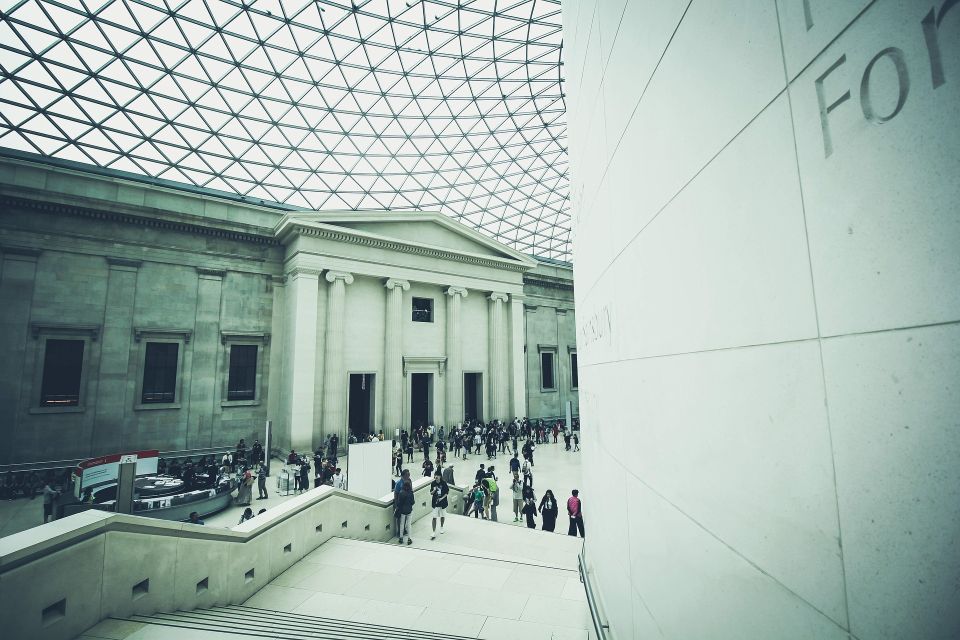
The British Museum is the kind of place that can swallow a whole day. This tour avoids that problem by doing something simple: it focuses your attention on the moments that help everything else make sense. You’re not trying to “see it all.” You’re learning how the collection fits together.
I like that the tour is built around a clear idea—history of mankind—rather than a random list of artifacts. You move through big chapters of world history in a logical sequence, so when you catch sight of a familiar symbol or a famous piece, you know why it matters.
The duration matters, too. In 2 hours, you can get the best “first visit” value without needing museum stamina. You’ll also leave with mental anchors, so later wandering feels easier.
You can also read our reviews of more museum experiences in London



Getting to the meeting point at Great Russell Street
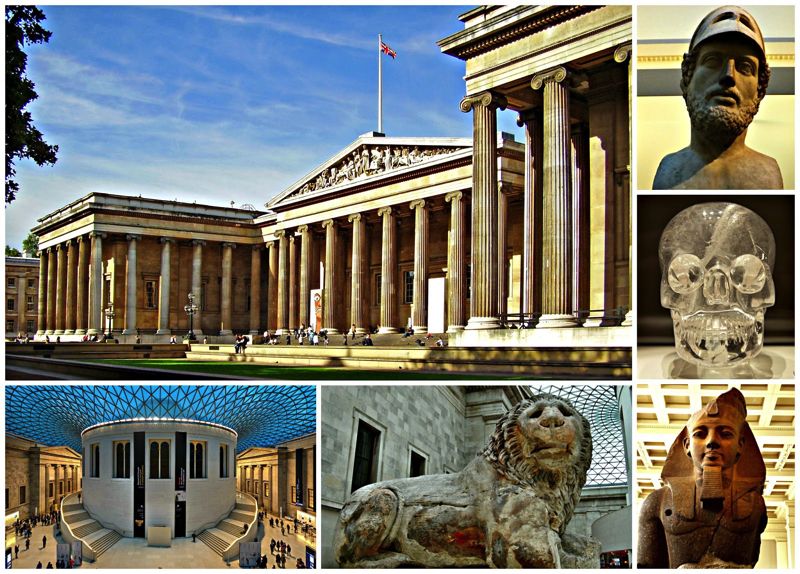
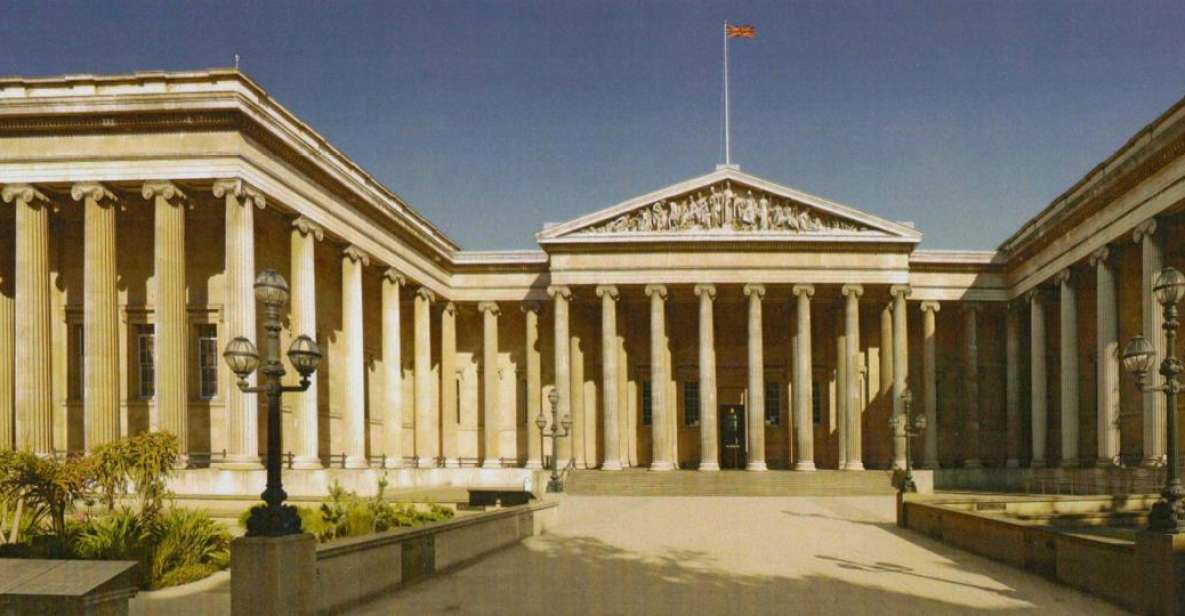
Meet at the stairs to the main entrance of the museum on Great Russell Street, in front of Starbucks. You should pass through the security checkpoint first, then look for your guide holding a blue-green flag with the Paseando por Europa logo.
Here’s my practical advice: go early and treat it like a timed sport. The museum entrance queues can slow everything down, and the flag isn’t described as huge. One review note even points out that you have to look around a bit, so don’t rely on “I’ll spot them at the last second.”
Bring your printed confirmation email or your mobile voucher. That’s the one thing you don’t want to gamble on when you’re already standing in a crowd.
Is $14 a fair deal for a 2-hour museum sprint?
At $14 per person for a 2-hour guided walking tour, the value is mostly about reduction of wasted time. The museum is free to enter, but “free” doesn’t mean “easy.” Without a route, it’s very easy to drift and miss the rooms you came for.
This tour pays off because it strings together the museum’s biggest themes into one path: Hall of Enlightenment, Ancient Egypt, Assyria, Greek material linked to the Parthenon, then an ending that spans Aztec pieces and a famous Easter Island moai.
And the included format is simple: you get a guide and a walking tour. No food is included, which is honest and common for a short highlight visit. You’re paying for guidance and storytelling, not meals.
If your plan is a first visit, this is one of those purchases that often feels like a shortcut to better seeing. If you already know the museum well and you want total independence, you might decide to skip it and just wander.
Outside the museum: the classical first impression you can notice
The tour starts outside, at the entrance. You’ll notice the building’s resemblance to architecture tied to Classical Greece. That’s a smart opening because it sets a theme you’ll see again inside—Greece isn’t just one stop. It’s a thread.
This outside moment also helps you orient fast. You’re not fumbling for where to go after security. The guide immediately gives you a starting frame, so your first inside steps feel purposeful instead of random.
Hall of Enlightenment: King George III and 60,000 books
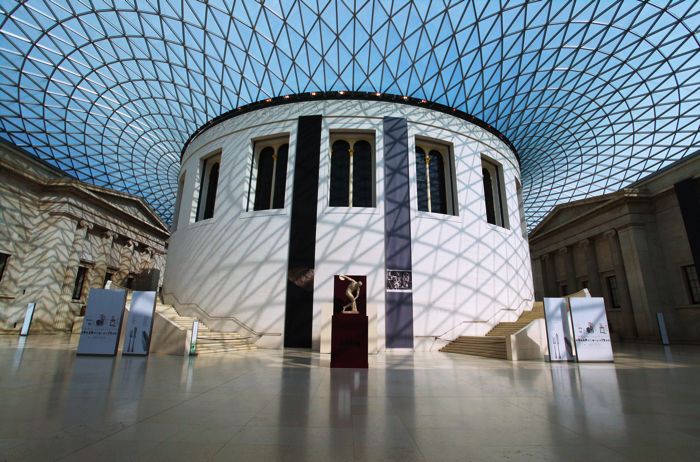
One of the tour’s key anchors is the Hall of Enlightenment, described as the oldest hall in the museum. The main focus here is a mind-bending fact: it houses a collection of more than 60,000 books by King George III.
This stop is more than a cool statistic. It changes how you see the museum. Instead of thinking of the British Museum as only objects behind glass, you get reminded that it was also built around learning, collecting, and knowledge transmission. That matters, because the rest of the tour is basically storytelling through objects.
You’ll also be in a room where the guide can explain the museum’s myths and how people often misunderstand what they see. That’s especially helpful when a famous museum piece looks obvious to you at first glance, but becomes much more interesting once you know the context.






Ancient Egypt and Assyria: funerary rites to imperial scale
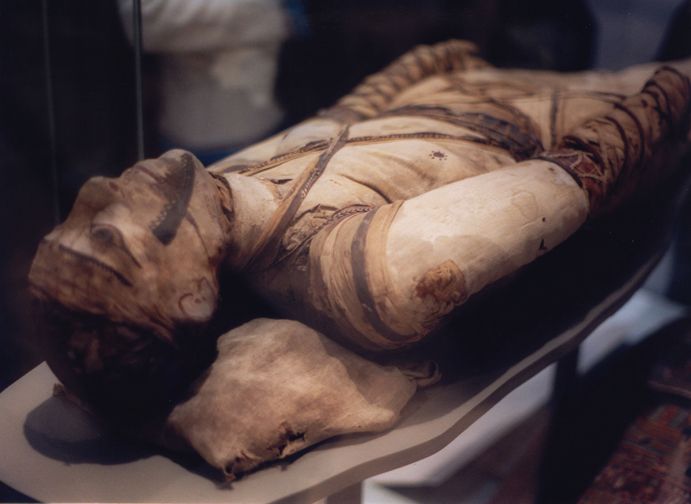
After the Hall of Enlightenment, the tour moves into Ancient Egypt. You’ll learn details of Egyptian funerary rites, which is a great choice for a highlights route. Funerary practice is one of the most revealing windows into belief systems, power, and daily life—so you’re not just learning dates. You’re learning how people thought.
Next comes the Assyrian civilization. This part is about empire and influence, and it helps you connect the dots between cultures across time. Assyria sits in your mental timeline as you move forward, so when Greece shows up later, it doesn’t feel like a sudden change. It feels like the next chapter.
A practical note: these rooms can be visually intense and busy. The guide’s job is to slow you down in the right places. You’ll likely find that with a guide, you spot details you’d normally miss while rushing.
Parthenon fragment and Greek connections you can actually track
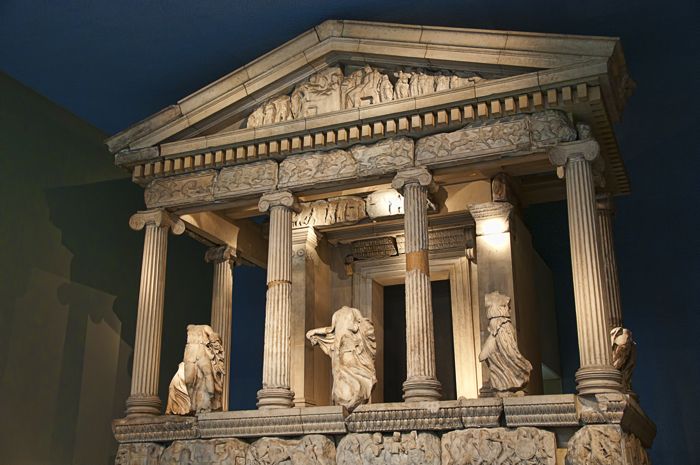
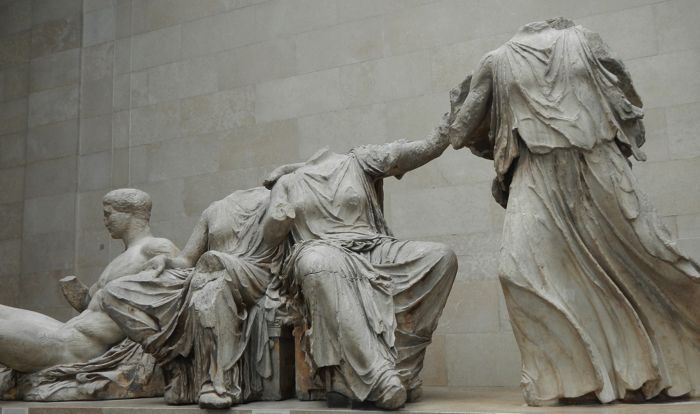
Greek material lands next, including an important part of the structure of the Parthenon of Athens. For a lot of people, the Parthenon is famous but abstract. This is where it becomes real.
The tour’s Greek stop works because it was set up from the beginning. You saw the building’s Classical Greece resemblance outside, then you get Greek context inside, and now the Parthenon element isn’t just a famous name. You can follow why it’s there and what kind of legacy it represents.
Also, the guide’s myth-busting approach helps here. Museum myths can distort what you think you’re seeing. When someone explains the story clearly, you end up looking differently—less like a tourist snapshot collector, more like a person reading a visual language.
Aztecs plus Hoa Hakananai’a: ending with a two-meter surprise
The tour wraps up with Aztec pieces and then a meeting with Hoa Hakananai’a, a moai from Easter Island more than two meters high.
That ending is clever because it shifts geography and scale at the same time. You go from European connections to the Americas and then to a monumental figure from the Pacific. In 2 hours, that’s a lot of jump, but the tour makes it feel connected through the theme of civilization and meaning.
The moai detail—its size—does a lot of emotional work. If you want a strong final memory, this is it. It’s the kind of object that makes the tour stop feeling like more than a checklist item.
Pacing, guides, and how the best moments happen
The overall pace is one of the tour’s biggest strengths. A common theme in the experience feedback is that guides bring the right amount of information, so you’re not drowning in facts. You also get space to ask questions and take your time with the highlights the guide points out.
Several guide names show up with praise, including Puri and Miguel, with other guides such as Miguel, Eduardo, Fernando, and Ferran also noted for strong performance. When different people are singled out for passion and clarity, it’s a good signal that the format tends to land well.
One small consideration: the meetup can be tricky in a packed entrance area. If you arrive right at the start time, you’ll spend energy scanning for the flag instead of getting settled for the first stop. You’ll enjoy this more if you arrive early and let the first room feel calm.
If you rely on an app for directions, don’t wait until the last minute. One note in the feedback mentions an app being temperamental during a packed day. Even a short tour benefits from smooth logistics.
Who this tour is best for (and who might skip it)
You’ll be a good match if:
- You’re visiting the British Museum for the first time and want direction.
- You like world history told through objects, not lectures.
- You want a short, high-value plan that still leaves time to explore afterward.
- You’re visiting with teenagers or adults who can handle a walking pace without needing a long sit-down break.
You might skip this tour if:
- You already know the galleries and want full freedom to wander at your own rhythm.
- You dislike being guided through a set route, even if it’s paced lightly.
- You only want one region and would rather spend the time there in depth.
Should you book this British Museum tour?
If your goal is to see the museum’s most meaningful highlights without getting lost in a maze, I think this is an easy yes. The route hits major themes: Hall of Enlightenment with the 60,000+ books of King George III, Ancient Egypt funerary rites, Assyria, a Parthenon of Athens structure element, and a memorable finish with Aztec pieces and the more-than-two-meter Hoa Hakananai’a.
At $14 for 2 hours, you’re buying guidance that helps you look better, not just look faster. Do the one thing that makes it work: arrive early, find your guide at the stairs meeting point in front of Starbucks, and start with a clear mindset—this tour is about focus, not exhaustion.
FAQ
FAQ
How long is the London British Museum tour?
It lasts 2 hours.
What languages is the live guide available in?
The tour is available in Spanish and English.
Where exactly do I meet the guide?
Meet at the stairs to the main entrance of the museum on Great Russell Street, in front of Starbucks, after passing the security checkpoint.
What should I look for at the meeting point?
Look for a guide with a blue-green flag with the Paseando por Europa logo.
What is included in the price?
The tour includes a guide and a walking tour.
Is food or drinks included?
No, food and drinks are not included.
Is the tour wheelchair accessible?
Yes, the tour is wheelchair accessible.
What items are not allowed during the tour?
Pets, oversize luggage, smoking, and luggage or large bags are not allowed.
Can I cancel for a full refund?
Yes. You can cancel up to 24 hours in advance for a full refund.
Is reserve now, pay later available?
Yes. You can reserve your spot and pay later.