REVIEW · JACK THE RIPPER TOURS
London: The Original Jack the Ripper Walking Tour
Book on GetYourGuide →Operated by See Your City · Bookable on GetYourGuide
Whitechapel feels closer than you expect. This 2-hour Ripperologist walk takes you through real 1888 streets in Whitechapel, using clue talk and theories to explain what happened and why it mattered to everyday life. I love how it points to specific locations you can stand in front of, like Mitre Square and the Ten Bells area, instead of staying in theory-land. I also love the victims-first tone, including how guides frame the human stakes without turning it into cheap entertainment. One caution: the tour is outdoors and includes graphic details and visual content, so dress for the weather and come prepared.
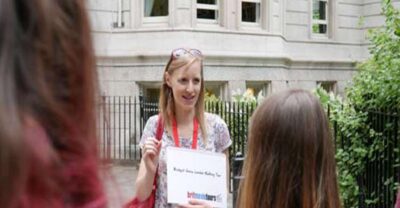
What makes the experience feel better than a basic history lecture is the guide style. Many sessions are led by standout storytellers such as Martin Cheng, Nic, Ivan, Anna, Bettina, and Gabby, and the common thread is pacing that keeps the group involved and questions welcomed. If you like true-crime thinking paired with real London street-walking, you’ll likely enjoy the format. Just remember you’ll be on your feet the whole time, so bring comfortable shoes and don’t overpack.
In This Review
- Key things I’d plan around
- Finding your way to the starting point at St Marys Whitechapel Church Memorial
- What makes the tour work: solving a mystery in real time, for two hours
- Route breakdown: from Christ Church Spitalfields to Ten Bells Pub
- Christ Church Spitalfields
- Old Spitalfields Market
- Mitre Square
- Brick Lane
- Petticoat Lane
- Ten Bells Pub (finish point)
- The crime-scene mindset: what you should notice while you walk
- Whitechapel daily life: why the neighborhood matters as much as the killer
- Sherlock Holmes context: how Victorian London shaped detective fiction
- Price and value: is $25 for two hours worth it?
- Who this tour suits (and who should skip it)
- Practical tips for an outdoor East End walk
- Should you book the London Jack the Ripper walking tour?
- FAQ
- How long is the London Jack the Ripper walking tour?
- What does it cost?
- Where do I meet the guide?
- Which Underground station is nearest?
- What languages are the tours available in?
- Is the tour wheelchair accessible?
- What should I wear or bring?
- Is the tour suitable for children?
- Does the tour include graphic content?
- Is there free cancellation and a reserve now pay later option?
Key things I’d plan around
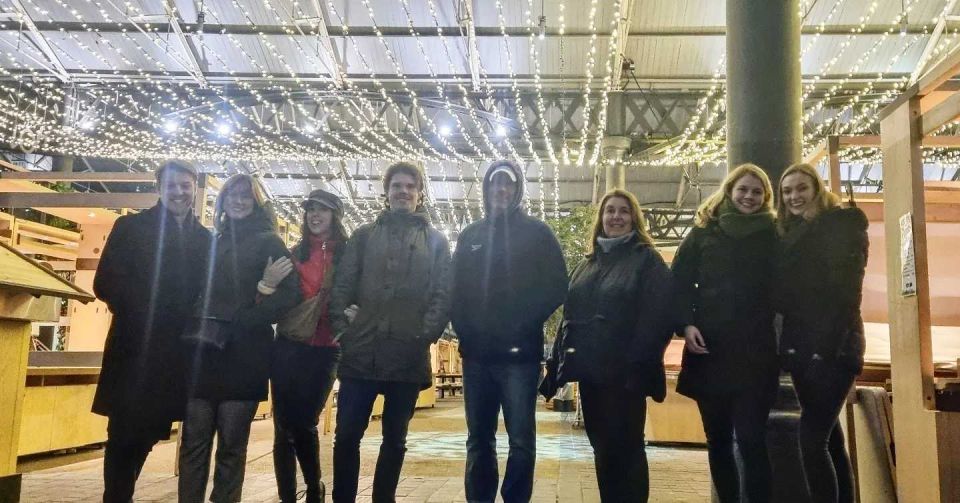
- A clue-based route through East End landmarks: stops like Brick Lane, Petticoat Lane, Spitalfields Market, and Ten Bells help you map the story onto real streets.
- Photographic evidence and suspect theories: you’re encouraged to assess what was found and consider competing explanations.
- Victims and daily life get center stage: the tour focuses on the people of Whitechapel and the neighborhood’s hardships, not just the killer’s silhouette.
- Sherlock Holmes context, explained through Victorian culture: you’ll connect the era that shaped detective fiction to what was going on locally.
- Guides who balance mood with respect: several guides are noted for keeping things respectful, sometimes with light humor, and often with a story-driven delivery.
- Two hours that work as a standalone evening plan: it’s long enough to feel satisfying, short enough to fit into a normal London day.
Finding your way to the starting point at St Marys Whitechapel Church Memorial
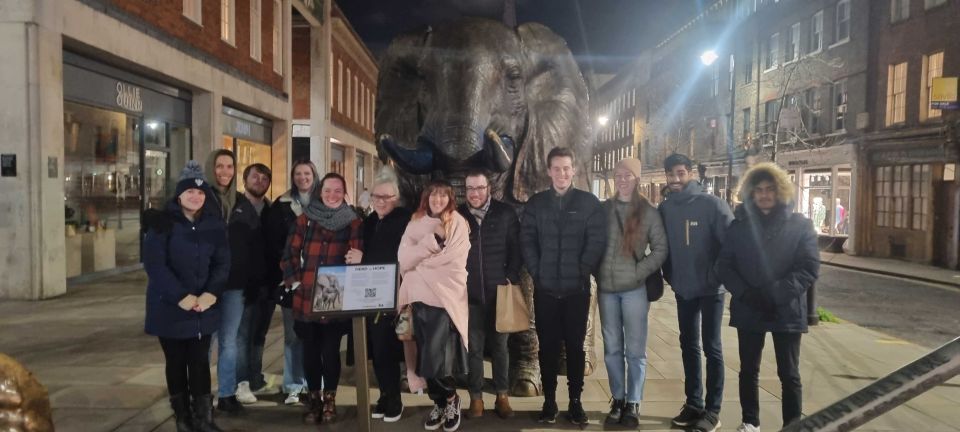
The tour starts at St Marys Whitechapel Church Memorial, but the easiest part is locating your guide. Meet at the west entrance to Altab Ali Park, at the corner of White Church Lane and Whitechapel High Street, by the large iron arch gate. If you’re coming by Tube, Aldgate East Station is the nearest option, and your guide will be holding a blue flag.
This is one of those practical tours where showing up a little early really pays off. East End streets can be loud and busy, and you don’t want to be sprinting to find a blue flag while your group gathers. A quick buffer helps you start calm and ready to listen.
You can also read our reviews of more walking tours in London



What makes the tour work: solving a mystery in real time, for two hours
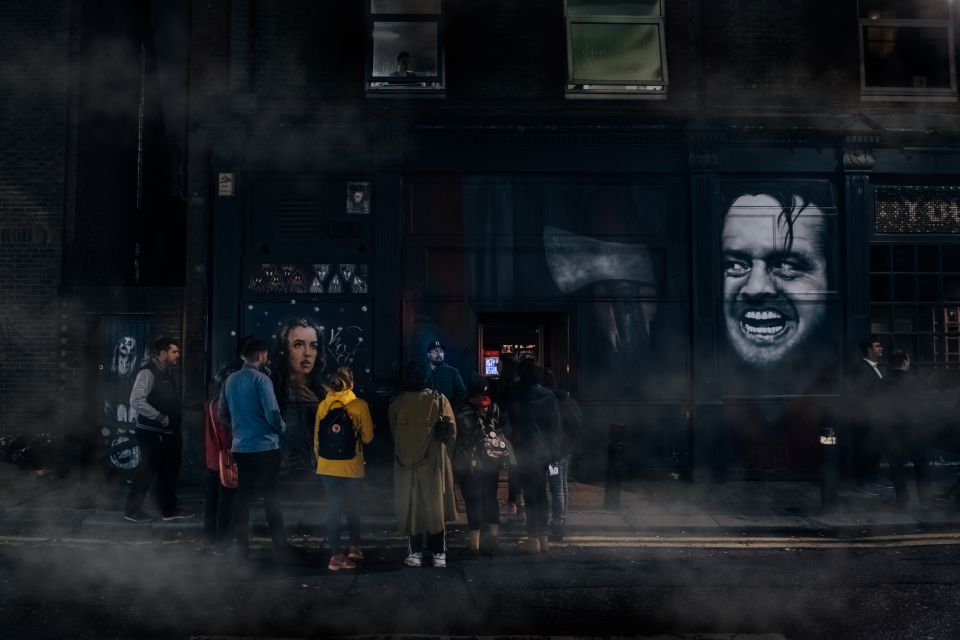
This isn’t just a walk-and-listen history route. The format is built around the question behind the legend: who could have done it, how people tried to investigate, and why the crimes clustered in Whitechapel. Your guide brings you back to 1888, then uses the material they cover to help you think through suspects and theories as you go.
You can expect a mix of story and analysis. The tour includes an approach that looks at things like photographic evidence and alleged perpetrators, while also addressing the big questions people always ask, such as whether anyone was close to being caught and where evidence was discovered. That clue-focused style is why the walk tends to feel more engaging than a straight chronology.
One more detail: the delivery can be atmospheric without being over-theatrical. Multiple accounts highlight guides who stay professional and respectful, sometimes even dressing up, but not turning the content into a gimmick. And because the tour includes graphic details and visual content, your guide’s tone matters a lot here—good guides keep it grounded and humane.
Route breakdown: from Christ Church Spitalfields to Ten Bells Pub
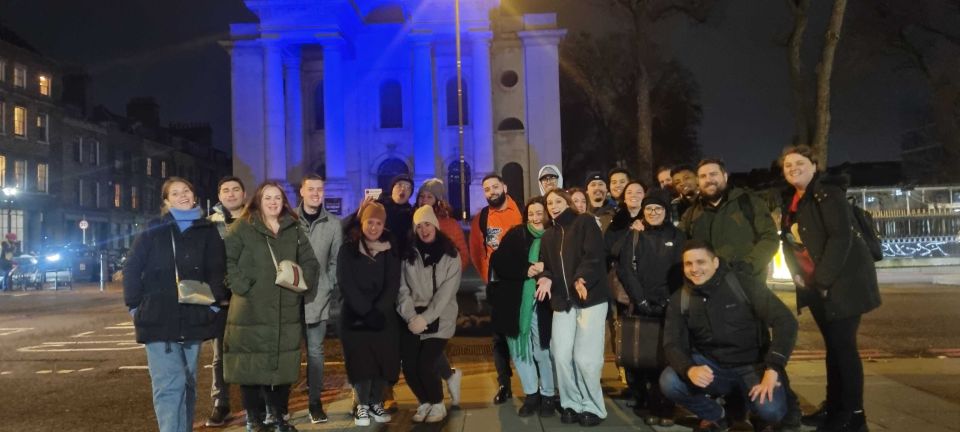
You’ll cover a classic chunk of East End on foot, with stops that feel like they each play a role in the story’s logic. Even if you’re not a hardcore true-crime fan, the walk has a nice rhythm: you move, you listen, you look around, and you start noticing how street corners and markets shaped daily life.
Christ Church Spitalfields
This is the first major stop area where you start tying the story to the neighborhood. Seeing a public religious building like Christ Church Spitalfields early helps you understand how the community organized itself—where people worshipped, gathered, and moved through the area.
The main value here is orientation. As you begin, your guide sets the frame for what Whitechapel looked like and why the story people know took root in this specific part of London.
Old Spitalfields Market
Next up is the market area—one of those places that helps you picture how the East End economy actually ran. Markets mattered because they created foot traffic, work routines, and crowded pockets of everyday life. In other words: it’s not just a crime story; it’s a neighborhood story.
If you like your history to feel practical, this is where it clicks. You can stand in the area and imagine how people moved, where information circulated, and why certain places became known to locals.






Mitre Square
Mitre Square is a sharp turn point in the walk because it’s the kind of location that can feel ordinary until your guide gives it context. Squares and intersections tend to be where lives overlap, and in a mystery like this, overlap is everything.
Watch how your guide ties the site to the theories and investigation details. The payoff is in learning to connect a physical place to a timeline and to the idea of who could have been near it.
Brick Lane
Brick Lane is where the tour shifts into the kind of street you might already recognize from modern London. But the benefit on this walk is seeing it through a different lens. You’re not just looking at a cultural street; you’re using it as a corridor back to Victorian-era daily life.
Even if you’ve walked Brick Lane before, this stop is more about context than photo ops. Your guide’s job is to help you notice how the neighborhood’s character could shape opportunity and fear.
Petticoat Lane
Petticoat Lane is another market-linked stop, which matters because the East End story isn’t limited to one street or one alley. It’s connected to how working neighborhoods functioned—where people shopped, worked, and interacted.
This is a great moment to listen for how your guide talks about ordinary people in a hard neighborhood. When the tour brings it back to everyday routines, the murders stop feeling like a distant headline and start feeling like something that tore through a community.
Ten Bells Pub (finish point)
You end at Ten Bells Spitalfields. Finishing here makes sense because the pub is a familiar anchor point in the imagination of Whitechapel stories. It’s also a strong way to end a walk that deals with dark material: you land back in a real-world meeting spot where conversations can continue without the atmosphere getting heavier.
If you want to keep your evening going, this finish point helps. You’ll have a clear destination to head from, instead of ending in the middle of nowhere.
The crime-scene mindset: what you should notice while you walk
A good Jack the Ripper tour doesn’t treat the mystery like a parlor game. It pushes you to look at the problem like investigators did: location, timing, and what evidence people did and didn’t have.
Here’s what to watch for as you go:
- how your guide separates what’s known from what’s speculation
- how the discussion of evidence (including photographic evidence) shapes which theories sound plausible
- where suspects theories get introduced—and how your guide frames them as possibilities rather than certainties
Some guides also help you avoid common misconceptions. One theme in the feedback is that certain guides aim to dispel antiquated myths and keep the story tied to what the tour can reasonably support. That’s a big deal, because the Ripper story has had a long life in rumor.
Whitechapel daily life: why the neighborhood matters as much as the killer
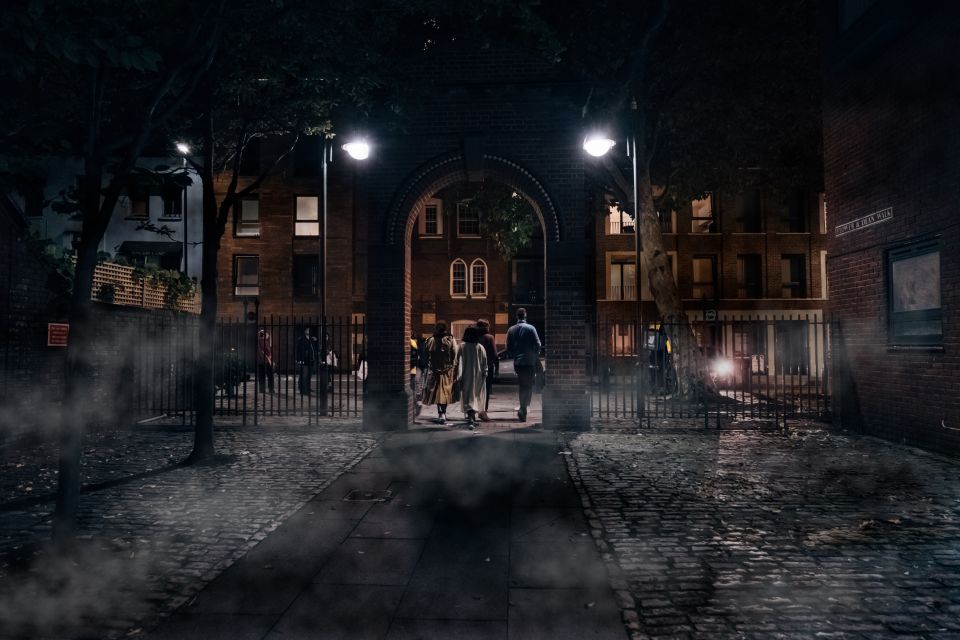
One of the most valuable parts of this type of tour is that it spends real time on the neighborhood that produced the crimes: an impoverished area where everyday life was tough. Your guide brings in the idea of what daily life in Whitechapel was like, and why those conditions shaped the way people lived and moved.
This isn’t filler. In a case like this, the environment affects everything—access, visibility, and vulnerability. When your guide talks about routine and hardship, you start to see the murders as part of a larger social picture, not just a set of isolated events.
Several guides are noted for telling the victims’ stories with care and respect. That matters because it keeps the tour from turning into gore-focused spectacle. You might see graphic details and images, but a respectful guide helps keep the focus on the lives that were affected, not on sensational shock.
Sherlock Holmes context: how Victorian London shaped detective fiction
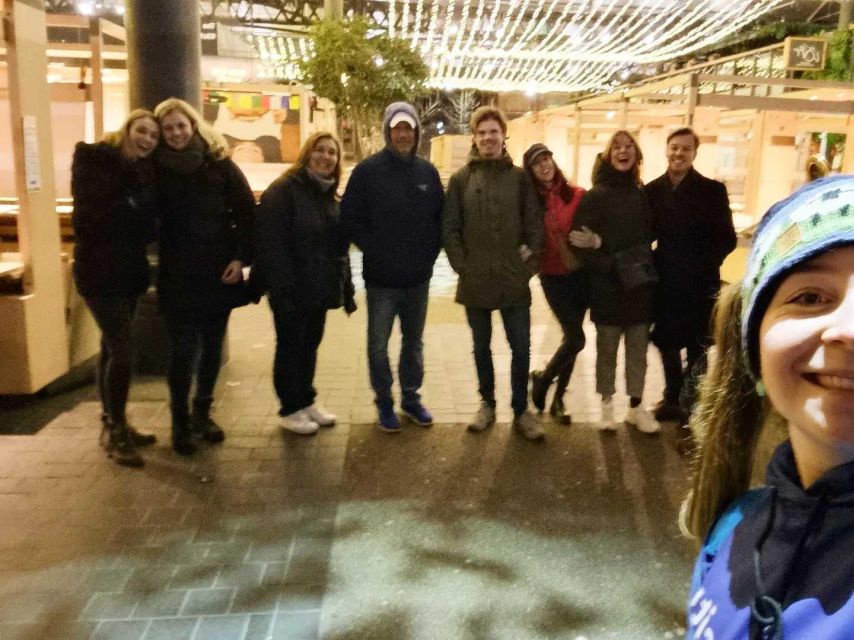
You also get a literary angle through the inspiration and cultural context behind Sherlock Holmes. The idea isn’t that Holmes was created from a single event; it’s that Victorian London offered the ingredients—urban fear, news cycles, and the growing public hunger for detective stories.
This portion is worth your attention if you like connecting art to place. It’s one thing to read about detective fiction. It’s another to understand how the real city’s anxieties and institutions made the genre feel urgent.
If you’re a Holmes fan, you’ll likely like hearing how the tour frames the culture around those enduring characters. And if you aren’t, it still helps you see the bigger point: this era was ripe for stories about crime and detection, because crime was already part of the public conversation.
Whitechapel after dark is one flavour of a big genre. tripstolondon.com keeps every London walking tour ranked by review volume, from royal parks strolls to the grimmer end of the East End, which helps you sequence a week of them without repeats.
Price and value: is $25 for two hours worth it?
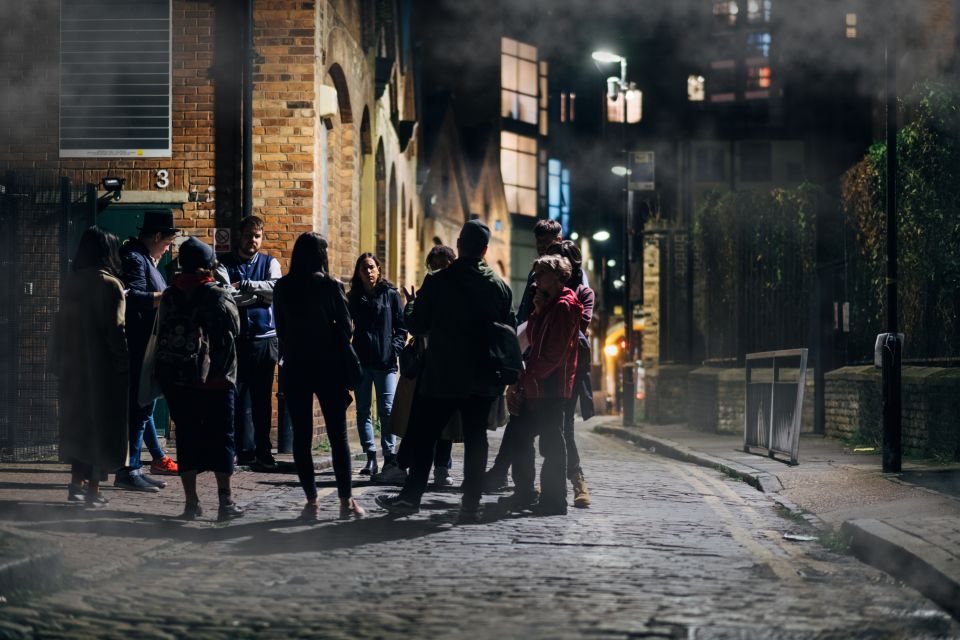
At about $25 per person for a 2-hour guided walk, the value comes from three things you’re not getting on a self-guided stroll: a strong narrative structure, guided on-the-spot context, and clue-based discussion that ties locations to theories.
If you walk Whitechapel on your own, you can absolutely see the streets. But you’ll miss the “why these places” layer—how evidence talk, suspect theories, and Victorian daily life get connected in the same flow. Here, the guide is the product.
The pricing also makes it easy to fit into an itinerary. Two hours is manageable even on a busy London schedule, and it’s a good option when you want an evening plan that doesn’t require timed entry tickets or museum pacing.
Who this tour suits (and who should skip it)
This one is ideal if you want:
- a street-based history experience
- true-crime thinking with a victims-first tone
- a guide-led explanation of suspects, evidence, and theories
- a dose of Victorian context that links real places to popular culture
It’s not ideal for very young kids. It’s not suitable for children under 12, and it includes graphic details and visual content. Also, unaccompanied minors aren’t allowed, so plan on attending as an adult with any youth in your group.
Because it’s outdoors, weather matters. You’ll want layers and weather-appropriate clothing, and you should be ready to keep walking even when it’s chilly.
Practical tips for an outdoor East End walk

- Wear shoes you trust. The tour takes place entirely outdoors, and you’ll be walking the full route.
- Dress for the weather. It’s not an indoor break-heavy plan.
- Expect varying public paths. Even though there aren’t many inclines or stairs mentioned, surfaces and conditions can change along the way.
- If you want to ask questions, do. Several guides are noted for answering questions well and interacting with the group rather than racing forward.
Also, if you’re sensitive to graphic material, be honest with yourself going in. The tour includes graphic details and visual content, so choose this only if you feel up to it.
Should you book the London Jack the Ripper walking tour?
I’d book it if you want an evening that blends real East End streets with clue-focused storytelling and a respectful look at victims’ lives. At around $25 for two hours, it’s strong value when you factor in the guide work: tying locations to theories, discussing evidence, and giving context like the cultural world behind Sherlock Holmes.
Skip it if you don’t handle graphic details and visuals well, or if you’re looking for a light, casual stroll. This tour can be atmospheric, but it’s still about real crimes and a hard neighborhood reality.
FAQ
How long is the London Jack the Ripper walking tour?
It lasts 2 hours.
What does it cost?
The price is listed as $25 per person.
Where do I meet the guide?
Meet at the west entrance to Altab Ali Park, at the corner of White Church Lane and Whitechapel High Street, near the large iron arch gate.
Which Underground station is nearest?
Aldgate East Station is the nearest Underground station.
What languages are the tours available in?
The live tour guide is available in Spanish, Italian, French, English, and German.
Is the tour wheelchair accessible?
Yes, it is wheelchair accessible.
What should I wear or bring?
Wear comfortable shoes and dress for the weather since it takes place outdoors.
Is the tour suitable for children?
It is not suitable for children under 12, and unaccompanied minors are not allowed.
Does the tour include graphic content?
Yes. The tour contains graphic details and visual content.
Is there free cancellation and a reserve now pay later option?
The tour offers free cancellation up to 24 hours in advance for a full refund, and it also offers a reserve now & pay later option.