REVIEW · BRITISH MUSEUM TOURS
British Museum Tour: Rosetta Stone, Parthenon, Mummies
Book on GetYourGuide →Operated by Move Venezia · Bookable on GetYourGuide
A single tour, five eras, zero wandering.
I like how this visit stays focused on headline objects you actually remember, and I also like the way a licensed guide connects the dots between language, empire, and burial life. The one catch: the museum is huge and the group tour pace means you can’t linger, plus the guide may be soft-spoken and the crowds can make hearing tricky.
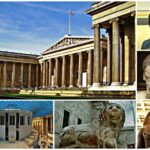
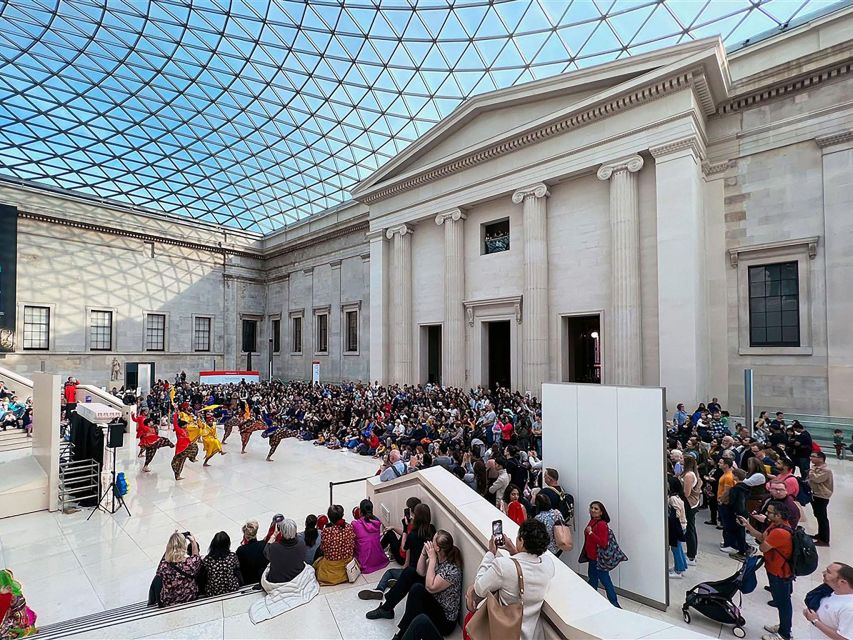
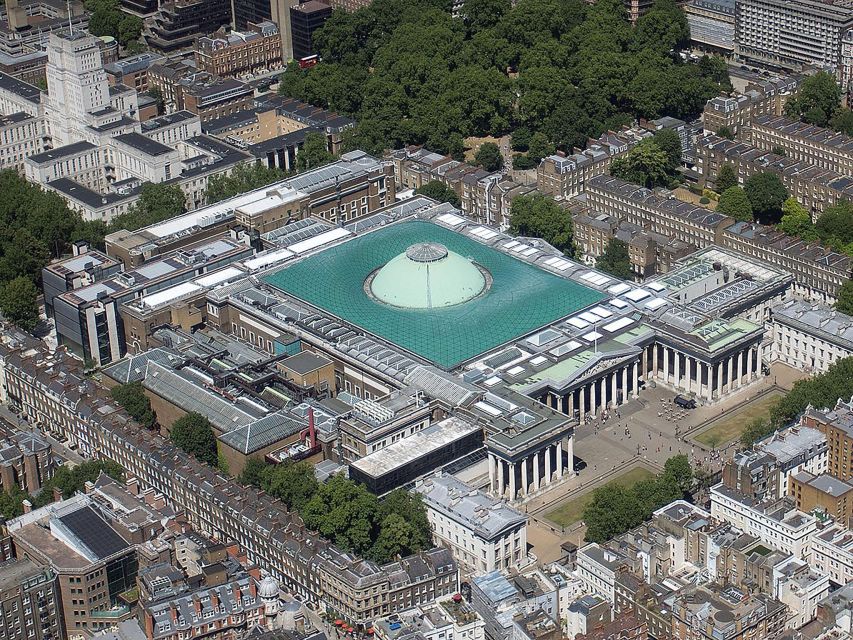
You start with the building itself, then move fast to the objects people come for. The Great Court and its glass roof are a great way to get your bearings before you hit the galleries, and the tour format keeps the experience from turning into a random museum stroll.
If you want a slow, self-guided day, this probably won’t scratch that itch. Also, it’s on foot, and it’s not set up for wheelchair users, so wear real shoes and plan for lots of moving.
In This Review
- Key highlights worth your time
- Starting at the British Museum: get your bearings fast
- The Rosetta Stone stop: the language key behind it all
- Parthenon sculptures: beautiful art with a complicated past
- Ancient Egyptian galleries: mummies and burial artifacts with context
- Sutton Hoo: Anglo-Saxon elite burial treasures
- Khorsabad Winged Bulls: Assyrian power you can stand next to
- How the guide shapes the whole experience
- Value for your money: why $84.69 for 2 hours can work
- Timing and logistics that actually affect your day
- What to bring (and what to wear)
- Who should book this tour
- Should you book this British Museum highlights tour?
- FAQ
- What is the duration of the British Museum tour?
- Where do we meet the guide?
- What should I bring to the British Museum?
- Is the tour private or group-based?
- What’s included in the price?
- Can I cancel for a full refund?
Key highlights worth your time
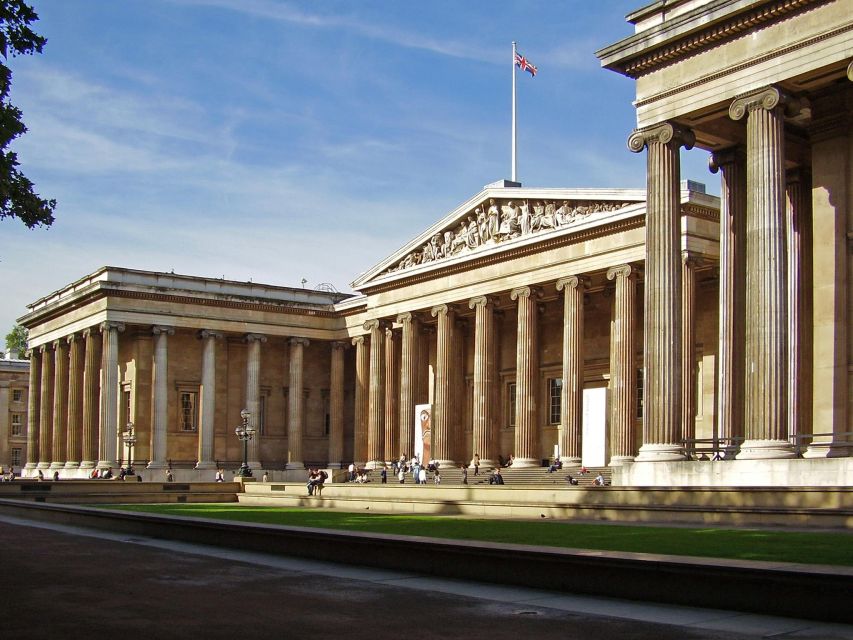
- Rosetta Stone: see the famous script key that helped scholars decode Egyptian hieroglyphs
- Parthenon sculptures: get the story behind the removal debate tied to Lord Elgin
- Mummies and burial finds: understand funerary practice and everyday life through artifacts
- Sutton Hoo treasures: spot Anglo-Saxon elite burial items from an early medieval site
- Khorsabad Winged Bulls: look at monumental Assyrian palace guardians and their craft
Starting at the British Museum: get your bearings fast
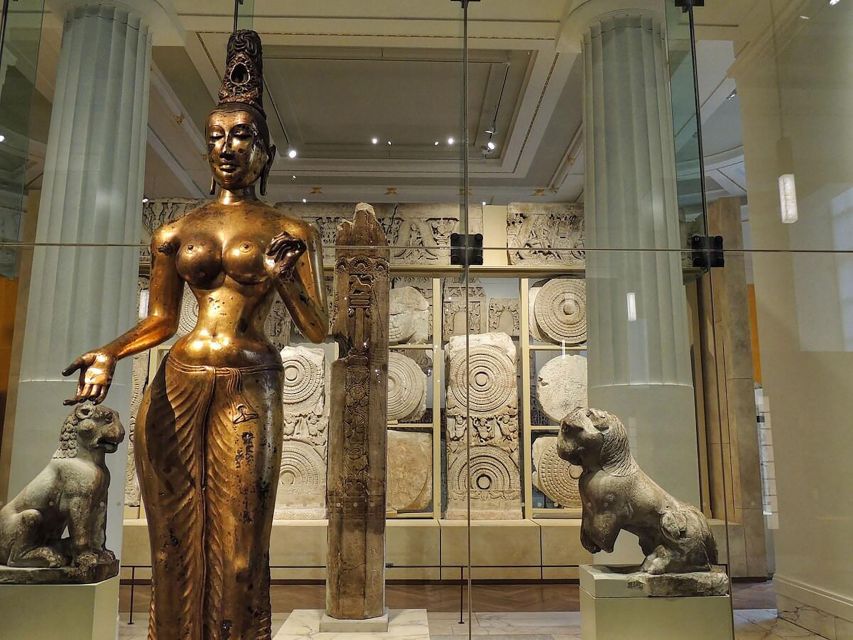
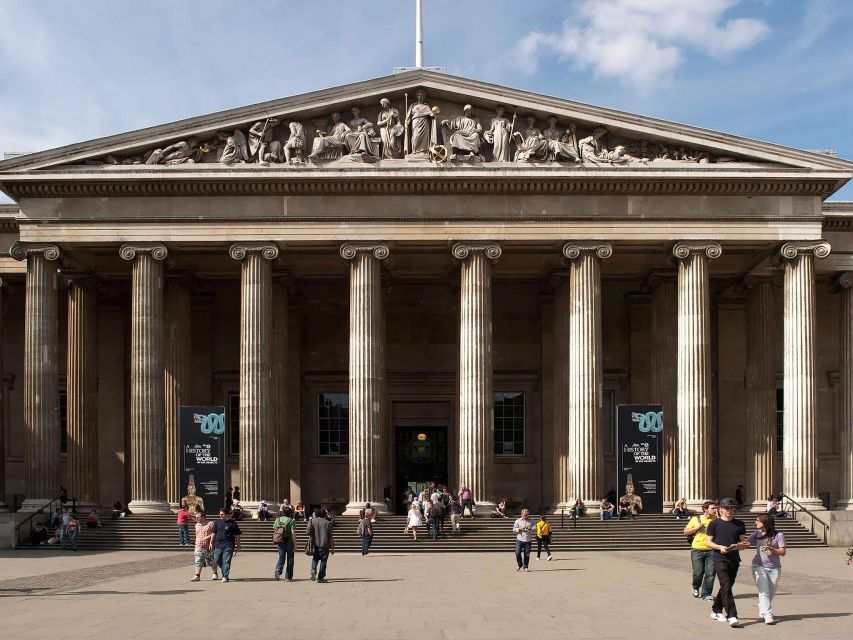
The meeting point is practical: meet your guide on the stairs at the main entrance, after you pass through security. Aim to arrive at least 15 minutes early. That buffer matters here because the British Museum can be full even before the tour starts, and you’ll want time to settle in before you’re whisked toward the first big stop.
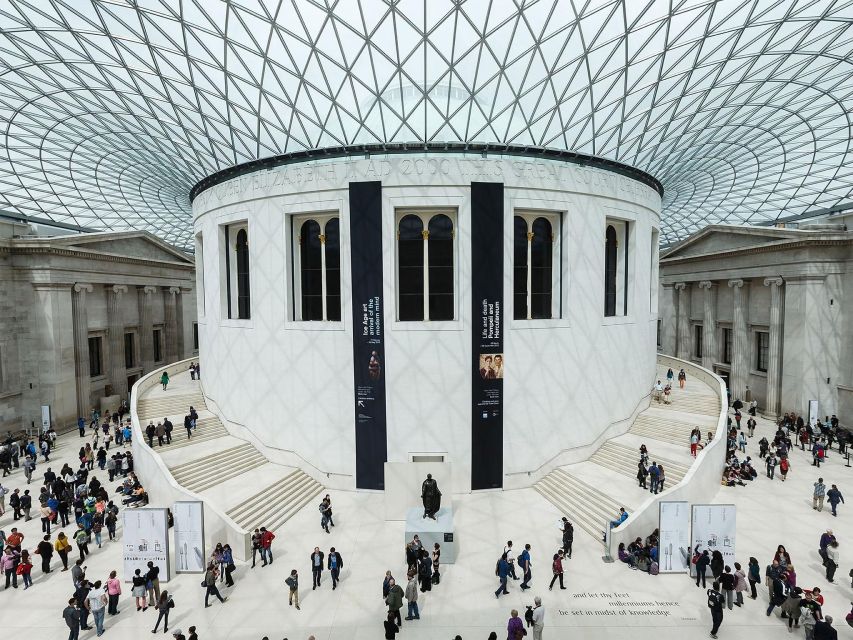
Then you’ll get your first real “this is why people love museums” moment: the Great Court’s glass roof. Even if you’ve seen photos, being under it feels different. It’s a clever mix of old space and modern design, and it gives you a visual map for what’s ahead. I like doing this early because it helps you understand the museum’s layout before you start chasing specific rooms.
A good sign: this tour is designed around a tight time window, about two hours. That means you should expect walking and “look, then listen” energy rather than a slow soak. For many people, that’s a feature, not a bug. You’ll leave with clear anchors instead of a foggy list of what you saw.
You can also read our reviews of more museum experiences in London



The Rosetta Stone stop: the language key behind it all
The Rosetta Stone is the kind of object that makes you stop and actually think. Your guide positions you to see why it matters: it’s tied to deciphering Egyptian hieroglyphs, which is why it sits at the center of ancient Egypt studies for so many visitors.
What I like about this stop is that it’s not just a big famous rock behind glass. With a guide telling the right story, you get the sense that this artifact changed scholarship itself. That’s a powerful way to experience museum history. You’re standing at the physical clue that helped people read the past, not just admiring ancient art.
The practical note: the area around major objects can get crowded. If you find yourself straining to hear, shift your stance slightly and angle toward the guide. The crowd doesn’t usually stop, but good positioning helps a lot.
Also, because the tour is short, you won’t get time to chase every nearby display. That’s okay. The point is to hit the most important “I get it now” moments, then move on.
Parthenon sculptures: beautiful art with a complicated past
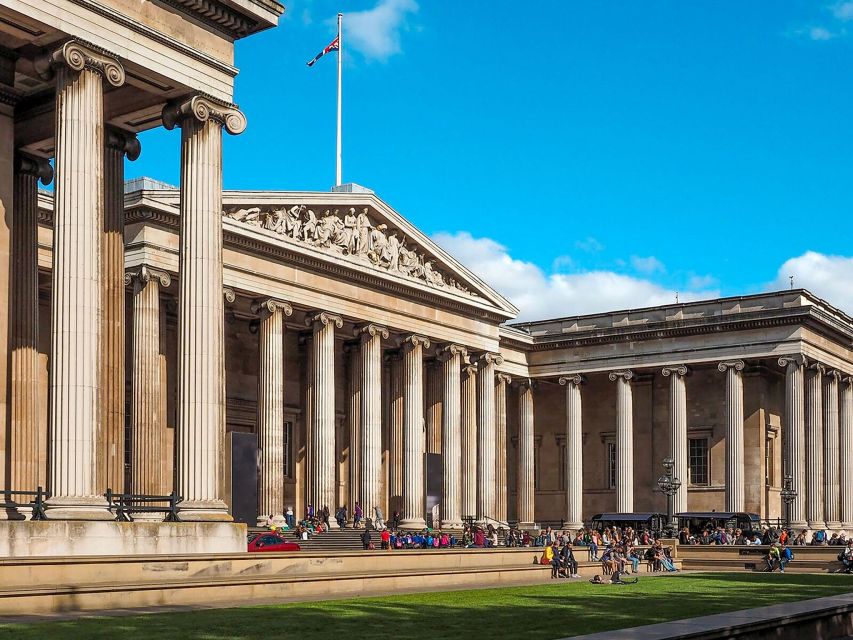
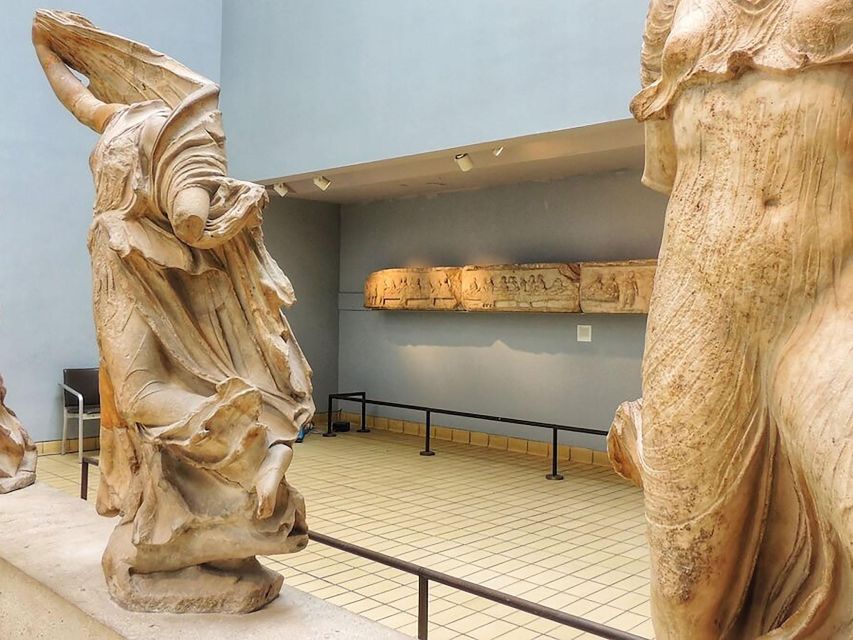
Next comes the Parthenon sculptures, and this is where the British Museum often feels less like a picture-book tour and more like a history seminar you can walk through. Your guide explains how these pieces were removed from the Parthenon in Athens by Lord Elgin when he was the British ambassador to the Ottoman Empire, and why that story is still controversial.
Here’s what this stop can do for you: it shows how art travels with power. Even if you’ve heard versions of this argument before, hearing it threaded through the objects makes the debate feel real. You can look at craftsmanship and composition, but you also learn to ask the other question: who moved these things, and what did they mean at the moment they were taken?
A caution: if you expect a neutral “just look at the marble” vibe, you might find this stop more opinionated than you want. The value is in understanding the layers—art history on one side, imperial history on the other.
Tip for comfort: keep your shoulders loose and stand back a touch. When groups cluster tightly, you may see less even while your eyes strain more. Back up slightly, then use your eyes for the full view rather than trying to stare down every chisel mark.
Ancient Egyptian galleries: mummies and burial artifacts with context
Then you’ll move into the Egyptian galleries and spend time with mummies and burial artifacts. This is one of those museum experiences where the spectacle is real, but the best part is what you learn behind it.
Your guide connects what you see to burial practice and spiritual beliefs, while also pointing out details that hint at daily life. That balance is what makes the Egyptian section work on a tour. It keeps mummies from feeling like only shock value. You start to recognize them as cultural evidence: how people prepared, what they believed, and what they wanted for the afterlife.
What to expect in practice: you’ll be in a gallery environment where people move slowly, linger for photos, and then suddenly stop when something grabs their attention. Because your group is moving on a set plan, you’ll want to keep your eyes on the guide’s cues. If someone ahead of you pauses for a shot, be ready to step slightly sideways to keep your view.
If you’re sensitive to the idea of mummies, you might not want to overthink it. Just know this tour includes Egyptian burial material as part of the headline route, and the guide’s job is to frame it in historical and cultural terms.
Sutton Hoo: Anglo-Saxon elite burial treasures
After Egypt, the tour pivots to Sutton Hoo and its burial treasures. Sutton Hoo is one of those names that can sound like a lecture topic until you actually see the items connected to an early medieval burial site. Then it clicks: this is the material evidence of status, craftsmanship, and ritual choices.
The guide helps you connect Sutton Hoo to the bigger picture of early medieval life, not just the romance of ancient wealth. It’s a smart contrast to the Egyptian stop because you’re switching from ancient Egypt’s long-established funerary traditions to an English context where the artifacts tell a different story about power and identity.
Because the tour is only two hours, you won’t cover every gallery. But this stop is valuable because it adds a British thread to the museum’s global sweep. You don’t just leave thinking about faraway empires. You also leave with the sense that the British Museum holds key chapters of what would become local European history.






Khorsabad Winged Bulls: Assyrian power you can stand next to

The final major highlight is the Winged Bulls from Khorsabad. These are monumental sculptures that once guarded a palace, and your guide frames them as ancient Mesopotamian art and architecture—especially Assyrian power and planning.
What I find striking here is scale and detail. These aren’t tiny decorative pieces meant for a private home. They look built to impress, to intimidate, and to signal that a ruler’s world was organized around strength and order. Seeing them in person is different from seeing them in a book because your body reacts to size and presence.
A practical note: like the other headline objects, this area can gather attention fast. If the group queues up tightly, you may need to wait for a clearer sight line. Don’t worry about getting “the best photo.” Use the moment to look for patterns: wing shapes, faces, and the sense of motion in the figures. Those are the things that come through even without perfect camera angles.
How the guide shapes the whole experience
Two guide traits matter for this specific tour. First, your guide is licensed and gives live commentary in English, so you’re not stuck reading labels with no context. Second, the style of teaching seems to vary. In some cases, the guide is very knowledgeable and the delivery can be soft-spoken, which means you may struggle in a busy room.
Here’s how you can fix that fast: stand where you can see the guide’s face and body language. If you can’t hear clearly, tilt your head slightly toward them rather than trying to raise your voice internally. And keep an eye on the guide’s movement. When groups shuffle, your best chance to hear is often right when everyone pauses for the next object.
Also, the guide helps you understand how exhibits got to the museum, not just what they are. That context is part of the value, especially for the Parthenon sculptures where provenance and politics sit right alongside artistry.
Value for your money: why $84.69 for 2 hours can work
The price listed is $84.69 per person for a two-hour, non-private, on-foot tour. That’s not a bargain in the way a free-entry museum sounds from the outside, but it can still be good value if you know what you’re buying.
You’re paying for three things:
- Time saving: a short route through the objects people care about most
- Interpretation: connections between language, myth, empire, and funerary culture
- A plan: in a museum this big, direction beats wandering
If you’re the kind of person who can happily spend a whole day reading labels, you might not need a guide. But if you want an efficient hit of five major topics with commentary, the structure helps. The British Museum is huge enough that a guided focus prevents decision fatigue. You’ll spend your attention on meaning, not navigation.
Timing and logistics that actually affect your day
This tour runs on foot and lasts about two hours. Starting times vary, so check availability before you lock in your plans.
You also need to think about how short tours behave when the museum crowd grows. Your best move is simple: arrive early, keep moving, and don’t treat every stop like it’s a personal appointment. Your guide is steering you between highlights, and the reward is leaving with a coherent mental route.
There are also plan-shift rules: if the time you pick isn’t available, you can be transferred to another time on the same day. On last-minute bookings, if there aren’t seats, you may be placed on the day following your booked date. That’s worth knowing so you don’t build a tight schedule around a single slot.
What to bring (and what to wear)
Bring a passport or ID card. That’s the stated requirement for entry.
For clothing, comfortable shoes are the real ticket. This is a lot of walking in a large building, and the tour isn’t set up as an easy “stand and look” experience. If you plan to wear dress shoes, I’d reconsider. You want stable footing more than anything else.
Also, since it’s not private and it’s not wheelchair suitable, assume the group will be moving close together at key points.
Who should book this tour
This is a great match if:
- you want a short, focused museum experience instead of a full-day self-guided marathon
- you like guided context for big objects like the Rosetta Stone and Parthenon sculptures
- you’d rather see a curated selection across Egypt, Mesopotamia, Anglo-Saxon England, and Greek art than pick just one topic
It’s less ideal if:
- you hate crowds or need long quiet time at individual displays
- you want a detailed, room-by-room deep read of the entire collection
- you need an accessible route for wheelchair users
Should you book this British Museum highlights tour?
Yes, if your goal is to walk out feeling oriented and informed after a couple of hours. The route gives you meaningful anchors: Rosetta Stone, Parthenon sculptures with a removal debate, mummies with burial context, Sutton Hoo treasures, and the Winged Bulls from Khorsabad. It’s the kind of tour that helps you turn a massive museum into a story you can actually remember.
Think twice only if you need lots of listening time at each object or if you’re very hearing-sensitive in crowded spaces. In that case, plan for close-up positioning when you pause, and be ready to move quickly between stops.
FAQ
What is the duration of the British Museum tour?
The tour lasts 2 hours, with different starting times depending on availability.
Where do we meet the guide?
Meet your guide on the stairs at the main entrance, after security checks.
What should I bring to the British Museum?
You should bring a passport or ID card.
Is the tour private or group-based?
This is not a private tour. It’s a group experience.
What’s included in the price?
The tour includes a knowledgeable guide and online support at the time of boarding.
Can I cancel for a full refund?
Yes. You can cancel up to 24 hours in advance for a full refund.