REVIEW · 2-HOUR EXPERIENCES
James Bond Shooting Locations 2-Hour Walking Tour of London
Book on GetYourGuide →Operated by Brit Movie Tours · Bookable on GetYourGuide
Few cities feel as cinematic as London. This James Bond Shooting Locations walk turns real streets in Westminster and Vauxhall into movie-ready backdrops, with more than 10 recognizable filming spots. I like how the tour blends Bond scenes with the politics and spy-flavored corners of the city.
My other favorite part is the guide-led storytelling. Guides such as Owen and Rob are praised for being fun, fast to explain, and good at keeping the group together, even when road closures mess with the plan. Expect you’ll get more than trivia too: you’ll hear how filming choices connect to the look and feel of Bond, plus how Ian Fleming’s world influenced what you see.
One key consideration: this is a walking tour and it’s not suitable for wheelchair users or people with mobility impairments or hearing impairment. Also, bring an Oyster card since you’ll use bus travel during the tour, and cash isn’t accepted on public transport.
In This Review
- Key highlights I’d circle before you go
- Starting at Charing Cross: The meeting point and the mood
- Westminster’s spy world: politics outside the movie frame
- Trafalgar Square to Whitehall: where Bond scenes feel believable
- Horse Guards and Big Ben: familiar landmarks with sharper meaning
- Bond moments: filming locations where you actually play along
- MI6 in Vauxhall: the finish that feels like a finale
- Guides make it: humor, quick fixes, and story clarity
- Pace and time: how to prepare for 2.5 hours on foot
- Value check: why this tour is priced around $22
- Who should book this, and who should skip it
- Final call: should you book this James Bond walking tour?
- FAQ
- Where is the meeting point?
- How long is the tour?
- How much does it cost?
- Do I need an Oyster card?
- What should I bring?
- Is the tour suitable for wheelchair users or hearing impairment?
Key highlights I’d circle before you go
- 10+ James Bond locations covered in about 2.5 hours, with stops tied to films like Skyfall and SPECTRE
- Make-your-own Bond moment at filming spots, so you’re not just looking but posing and imagining
- Westminster + real spy context, from government buildings to the vibe of secret services
- Guide energy and adaptability, including route changes when roads get blocked
- A strong finish at MI6 in Vauxhall, the fortress-like headquarters used in the movies
Starting at Charing Cross: The meeting point and the mood
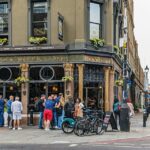
You’ll start outside Charing Cross railway station, in front of Boots and next to the Clermont Charing Cross Hotel. It’s an easy landmark to find, and it puts you right where London’s “official” face meets the chaos of street life.
From the start, the tone is clear: this isn’t just about collecting filming locations. You’re meant to act like a secret agent for the day—watching buildings like they’re plot devices, and connecting streets to scenes.
Wear comfortable shoes. This is the kind of tour where you’ll keep stopping to look up, turn corners, and wait for the group photo moment. If your feet aren’t happy, your Bond performance won’t be either.
You can also read our reviews of more walking tours in London

Westminster’s spy world: politics outside the movie frame
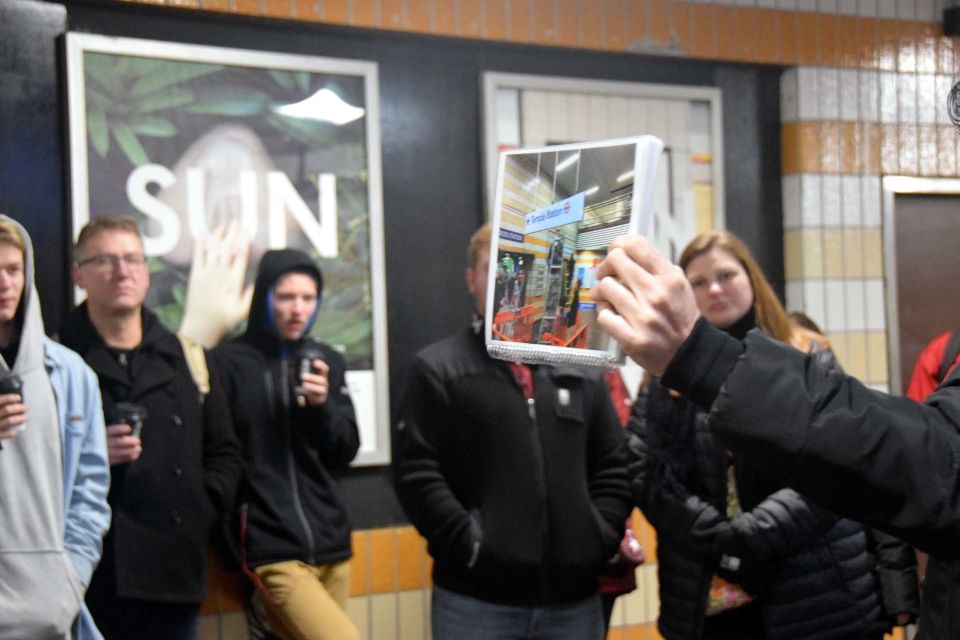
A big chunk of the walk leans into Westminster, the beating heart of British politics. That matters because Bond doesn’t just use London as scenery; it borrows London’s power structures and makes them feel dangerous.
You’ll hear stories tied to intrigue around government buildings and even mentions of secret bunkers. It’s a clever pairing: Bond fans get the movie connections, and history-minded people get a sense of how real institutions create the backdrop that filmmakers love.
This part of the tour works best when you keep your eyes moving. Look for sightlines, edges of streets, and how landmarks sit relative to each other. The guide will point out why a location reads on screen even when the street looks ordinary in real life.
Trafalgar Square to Whitehall: where Bond scenes feel believable
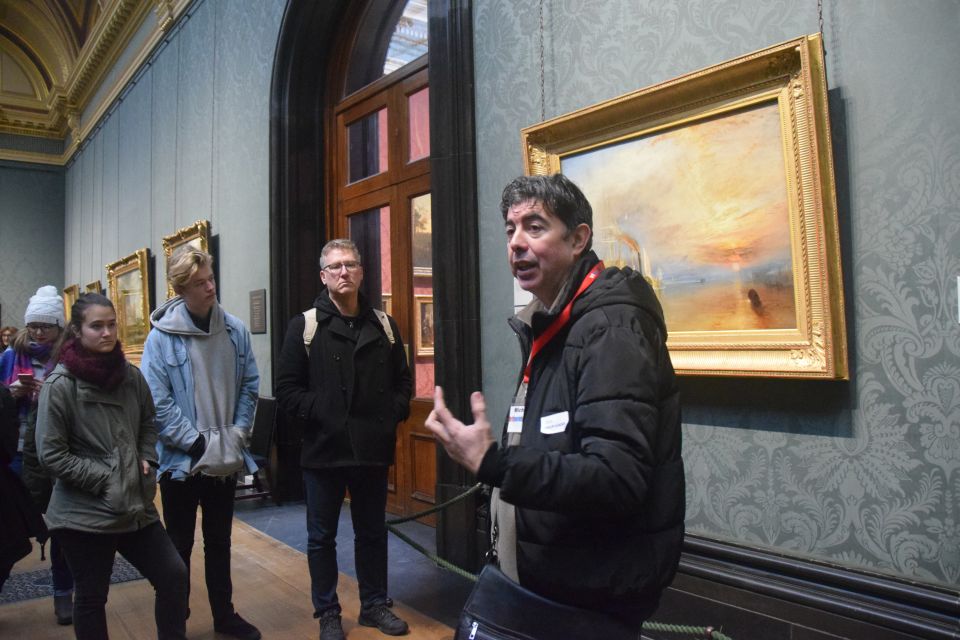
The tour threads through some of London’s most famous public spaces, including Trafalgar Square and the broader Whitehall area. Even if you’ve walked past these places a dozen times, you’ll likely notice new details once someone points out the filming angle and the movie symbolism.
One of the smartest ways this tour gives value is by teaching you how filming locations are chosen. You’ll hear what makes a street look dramatic on camera and how that ties back to what Bond needs—power, secrecy, distance, and escape routes.
There’s also room for the unexpected. One guide was noted for bringing extra attention to small, specific police-station details around the area. That’s the kind of stop that makes the walk feel more like a guided hunt than a drive-by photo session.
Horse Guards and Big Ben: familiar landmarks with sharper meaning
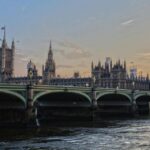
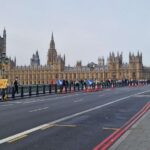
At some point, you’ll get that classic London mix: grand buildings, ceremonial streets, and the instant-recognizable skyline of Big Ben and the Horse Guards area. The tour doesn’t treat these as generic sights. It uses them as reference points for how Bond frames authority and spectacle.
This is where you’ll start connecting scenes to architecture. You’ll learn how the same location can feel different depending on camera position and what else is happening around it—light, crowds, and even the mood of the surrounding streets.
If you’re the kind of Bond fan who argues about which era is best, this section gives you plenty to think about. Different films use London in different ways, and the walk helps you spot those shifts rather than just admire them.
Bond moments: filming locations where you actually play along
One of the tour’s promises is that you’ll create your own Bond moment at locations used in films such as Skyfall and SPECTRE, along with other Bond titles. That’s more than a gimmick. It helps you remember the places because you’re doing something physical there—posing, timing your photo, and imagining the scene.
You’ll also get a sense of the filmmaking process behind the Bond look. A Q-scene symbolism explanation shows up on this tour, which is a neat example of how small story elements connect to what you’re seeing on the street.
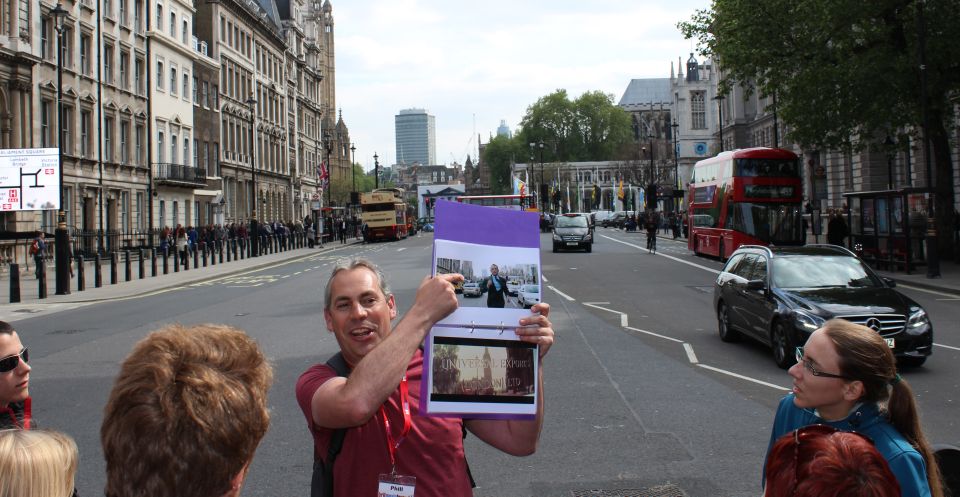
Some guides bring movie visuals to match locations to the exact moments on screen. That’s a big help if you want to understand what you’re looking at instead of just trusting a guide’s word. Seeing the scene frame beside the street makes the whole thing click.
You can also read our reviews of more tours and experiences in London
MI6 in Vauxhall: the finish that feels like a finale
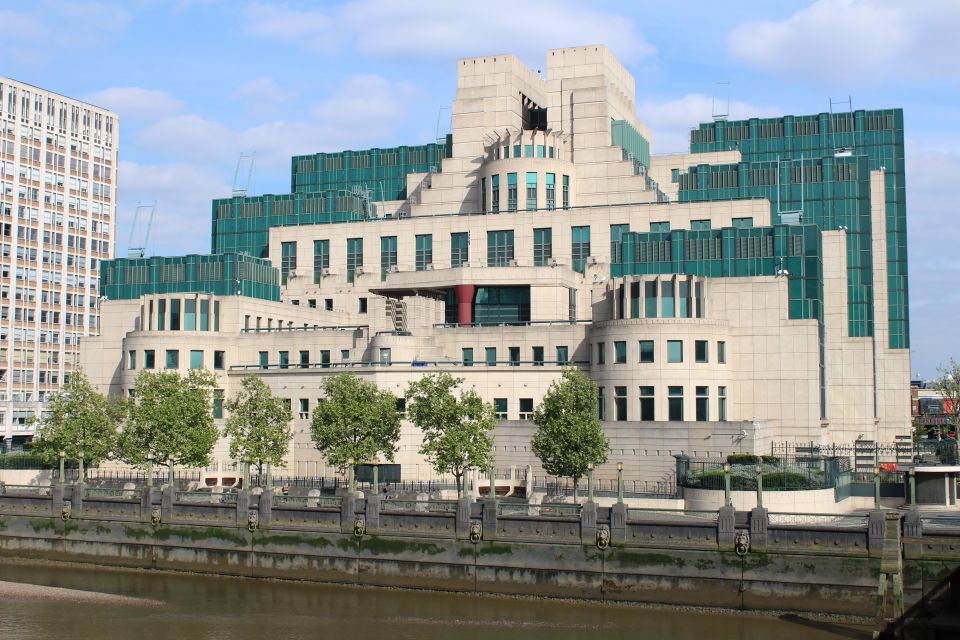
The tour ends outside the MI6 building in Vauxhall—the fortress-like headquarters that’s instantly recognizable from the films. This ending matters because it gives the walk a clear narrative arc: you start in central London’s public power zone, you weave through secret-agent flavor, and you close with the iconic spy base.
Expect a stronger “movie moment” feeling here than earlier stops. You’re standing at the kind of location that Bond repeatedly uses to represent the machinery behind the mission—quiet walls, heavy security vibes, and the sense that something important is happening just out of sight.
It’s also a practical place to wrap up your day. From here, you’re still in a transport-connected part of London, so you can easily continue sightseeing or head back without feeling stuck in the middle of nowhere.
Guides make it: humor, quick fixes, and story clarity
Most of the praise you’ll see for this tour points to the same thing: the guide. Owen is repeatedly singled out for being knowledgeable and funny, with a pace that doesn’t feel rushed. Rob gets credit for being entertaining and for staying flexible when plans change due to events and closures.
One standout example from the guide stories: Rob was able to persuade police to allow the group into a blocked street briefly for viewing. The officer supervising them was also impressed by the facts shared. Even if you’re not expecting a celebrity-style access moment, this tells you the guide group has a real knack for handling the real-world messiness of London.
Guides are also described as keeping the group together and watching the crowd. That matters on busy streets where it’s easy to lose people or miss the start of the explanation.
Pace and time: how to prepare for 2.5 hours on foot
The duration is listed as 2.5 hours, and the tour style is consistent with that time window: frequent short stops, story beats, and some photo moments. The “walk isn’t too fast” part is something that comes up in guidance-style feedback, so you should be able to keep up without feeling sprinty.
Still, treat it like a real walking activity. You’re on public streets with uneven sidewalks, and you’ll be doing lots of looking. Comfortable shoes aren’t optional here; they’re what keeps the tour fun instead of annoying.
Because there’s bus travel during the tour, plan for a short stretch of sitting and moving again. And remember the important detail: an Oyster card is required, and cash won’t work on public transport.
Value check: why this tour is priced around $22
At about $22 per person for a 2.5-hour guided experience, the value comes from more than just coverage of famous locations. You’re paying for a guide who can connect film scenes to real streets, add Ian Fleming context, and translate “Bond magic” into understandable choices behind the camera.
You also get a good mix of Bond fandom and London orientation. That’s a rare combo in tours: lots of film walks stop at film trivia. Here, the framing is London-first, then Bond. It helps if you’re visiting and want your day to feel grounded, not like a theme-park tour with occasional benches.
If you’re a casual Bond fan, you’ll still get something because the guide ties scenes to places you can’t miss and to how London’s institutions shape the tone. If you’re a die-hard fan, you’ll enjoy the film-specific location focus and the chance to spot connections between movies and the streets themselves.
Who should book this, and who should skip it
This tour is a great fit if you’re:
- A Bond fan who wants to see film locations in real context
- Interested in how filmmaking choices create a believable spy world
- Curious about Ian Fleming and how his ideas connect to London
- Someone who likes guided walks through central landmarks like Trafalgar Square and Whitehall
It’s not a great fit if you:
- Use a wheelchair or need mobility support (it’s not suitable for mobility impairments or wheelchair users)
- Need accommodations for hearing impairment (it’s not suitable for hearing-impaired people)
- Are traveling with a baby stroller (strollers aren’t allowed)
- Are with an unaccompanied minor (unaccompanied minors aren’t allowed)
Final call: should you book this James Bond walking tour?
I think you should book if you want a Bond experience that stays grounded in actual London. The ending at MI6 gives you a clear finish, the Westminster focus gives the story a serious backbone, and the guide-led energy makes it feel like a mission rather than a list.
Skip it if you’re sensitive to walking time, need accessibility accommodations, or you’d rather do sightseeing without extra stop-and-start. Also, make sure you can handle the Oyster card requirement and plan around bus travel.
If you match the target audience—Bond-curious, film-interested, and willing to walk—you’ll likely feel like you just walked through a movie set built out of the city you came to see.
FAQ
Where is the meeting point?
You meet outside Charing Cross railway station, in front of Boots and next to the Clermont Charing Cross Hotel.
How long is the tour?
The tour duration is listed as 2.5 hours.
How much does it cost?
The price is $22 per person.
Do I need an Oyster card?
Yes. An Oyster card is required for travel during the tour, including bus travel. Cash is no longer accepted on public transport.
What should I bring?
Bring comfortable shoes for the walking portion.
Is the tour suitable for wheelchair users or hearing impairment?
No. The tour is listed as not suitable for people with mobility impairments, wheelchair users, or hearing-impaired people.