REVIEW · JACK THE RIPPER TOURS
London: Jack the Ripper Walking Tour
Book on GetYourGuide →Operated by Golden Tours - Gray Line London · Bookable on GetYourGuide
Whitechapel has a way of sticking to you. This London Jack the Ripper walking tour takes you through the East End streets tied to the 1888 murders, with your guide working to separate facts from the myths that grew around them. I especially like the hands-on route through places like Trader’s Gate and Goulston Street, and I also like how the storytelling style turns each stop into something you can picture fast.
One heads-up: the meeting point can be easy to miss, and a couple of minutes of uncertainty at Tower Hill can eat into your pre-walk time. Arrive a bit early and follow the exact start instructions for your time slot.
In This Review
- Key things to know before you go
- Whitechapel in 1888: why this story still pulls people in
- The exact walking route: Trader’s Gate to Hanbury Street
- Trader’s Gate and Aldgate High Street: getting your bearings fast
- Mitre Square: where the story gets personal and immediate
- Goulston Street and the search for a vital clue
- Commercial Street: a practical pause that keeps you oriented
- Hanbury Street and Anne Chapman: the emotional core of the route
- What the guides do well (and why it matters)
- Timing, pace, and practical tips for a 1.5-hour walk
- Cost and value: what $20.20 gets you
- Who should book this Jack the Ripper walking tour
- Should you book it?
- FAQ
- FAQ
- How long is the London Jack the Ripper walking tour?
- How much does the tour cost?
- Where do I meet for the 3:30 PM tour?
- Where do I meet for the 6:00 PM tour?
- What are the main streets and locations visited?
- Does the tour include a guided guide?
- Is food or drink included?
- Is admission to attractions included?
- What language is the tour guide speaking?
- Can children join the tour?
Key things to know before you go
- Trader’s Gate to Hanbury Street: you walk a focused stretch in Whitechapel rather than vague sightseeing
- Myth vs fact framing: the guide works to explain what’s known and what’s still argued
- Mitre Square and Goulston Street: two stops that get extra attention because of how the story is remembered
- Anne Chapman’s discovery: Hanbury Street is the emotional center of the route
- Live guide in English with strong story craft
- 1.5 hours on your feet, so comfy shoes matter
Whitechapel in 1888: why this story still pulls people in
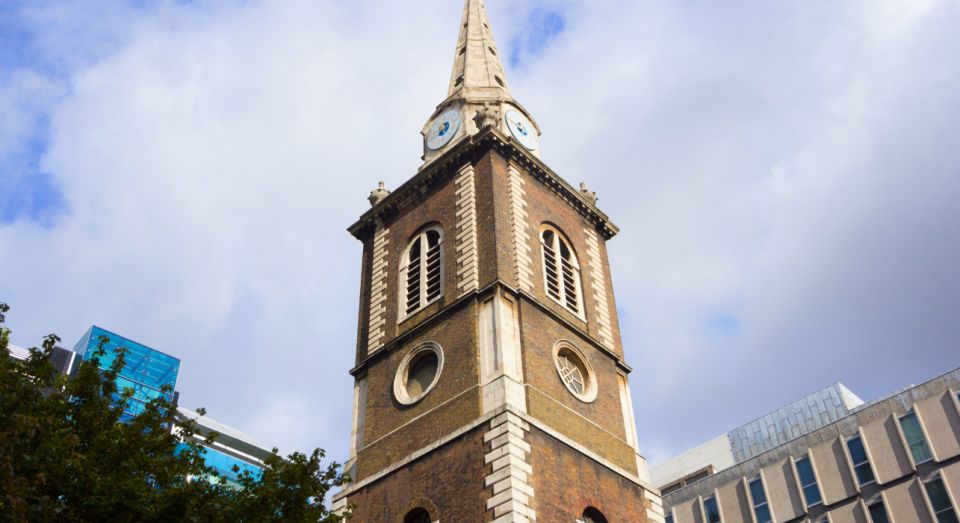
London loves big sights, but the Whitechapel Jack the Ripper story hits a different nerve. In the early hours of 31 August 1888, a man walking to work spotted a shapeless bundle near some gates and investigated. That grim discovery is what kicked off one of the most famous manhunts in history, and it remains unsolved in the way people most want unsolved answers.
This tour’s appeal isn’t just the macabre hook. What works well is that you’re not treated like you already know everything. The guide frames the case as a mix of enduring mystery, street-level detail, and Victorian-era context. You’ll hear about the way ripperologists and amateur sleuths keep pushing for an identity, and how the “Jack the Ripper” legend grew louder over time.
For modern-day visitors, there’s also a useful balance here: you’re invited to consider both the facts that are commonly cited and the myths that grew around them. That lets you enjoy the story without turning it into pure spectacle.
You can also read our reviews of more walking tours in London



The exact walking route: Trader’s Gate to Hanbury Street
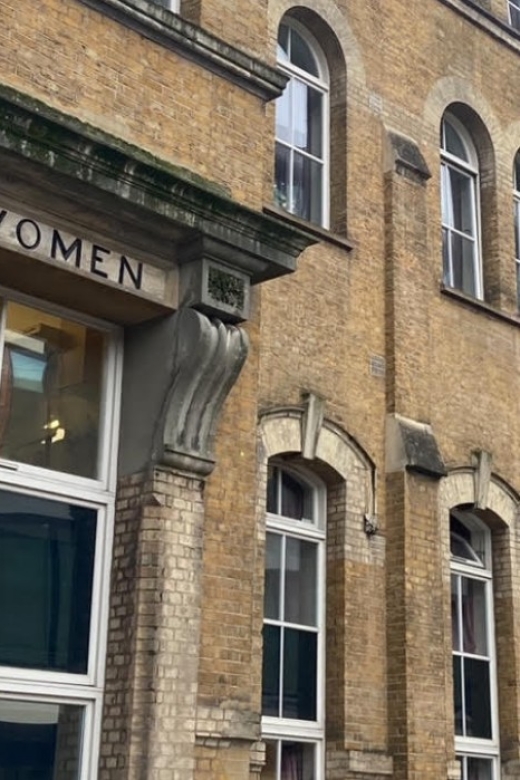
This is a route you can follow on a map because it’s built around real street locations, not generic mentions. You start at Trader’s Gate, then move through a sequence of East End streets that each connect to a key beat in the narrative.
Here’s how the walk builds momentum:
- Trader’s Gate: the starting point sets the East End tone, placing you right where the story begins to feel grounded in place.
- Aldgate High Street: the route continues so you can picture the day-to-day geography of Whitechapel rather than only the headline moments.
- Mitre Square: this stop stands out in the tour because it’s remembered as a place linked to more than one victim.
- Goulston Street: the guide points out this area as potentially crucial to the case. Even if you don’t leave with certainty, you’ll leave knowing why people obsess over it.
- Commercial Street: a transition stop that helps you keep oriented as the route pushes deeper into Whitechapel’s story space.
- Hanbury Street: the end of the case’s emotional arc, where the body of Anne Chapman was discovered.
What I like about this structure is the pacing. You get enough stops to keep interest high, but the walk still feels like one coherent “trail,” especially when the guide ties each location back to the central question: who was Jack the Ripper, and what can be supported versus what can’t?
Trader’s Gate and Aldgate High Street: getting your bearings fast
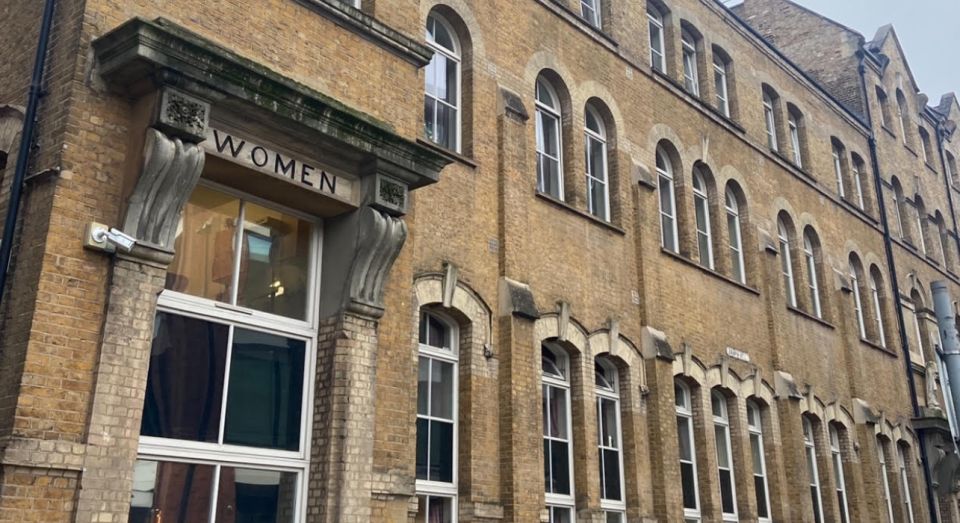
If you’ve only ever seen London from the postcard viewpoint, the East End can feel like a different city entirely. That’s why the early parts of the route matter.
Starting at Trader’s Gate gives you an immediate sense of where Whitechapel’s story sits within broader London geography. Then Aldgate High Street helps you understand how movement and daily routines would have looked in that era. You’re not learning about a museum exhibit. You’re walking through a living city, and your guide helps you read the street pattern like clues.
The best guides in this tour style do something subtle: they make you notice how people used to pass through these areas at certain times. The story doesn’t just happen to the “victims.” It happens to the neighborhood, the streets, and the timing—because that’s what sparked the investigation in the first place.
Practical tip: this is a walking tour, so give yourself a little buffer for the first 10 minutes. If you spend that time checking where you are, the story loses some of its early punch.
Mitre Square: where the story gets personal and immediate
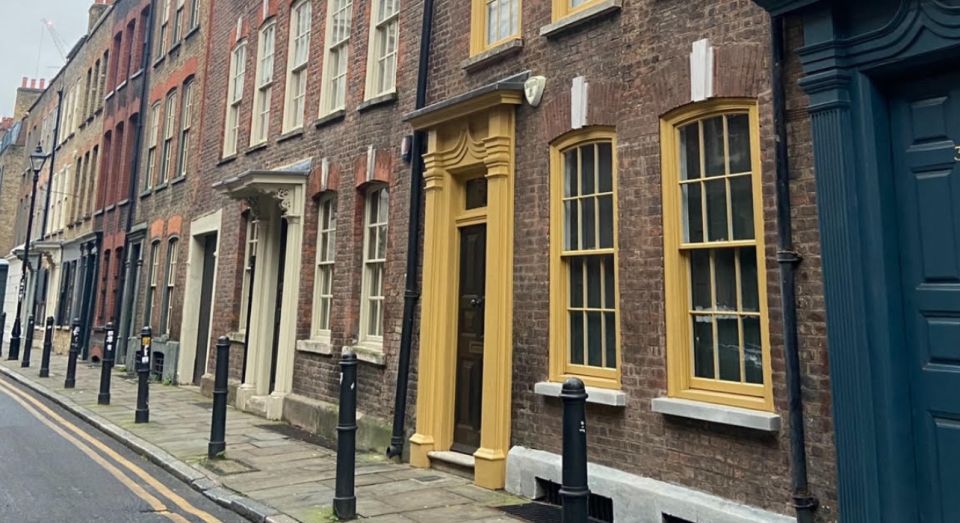
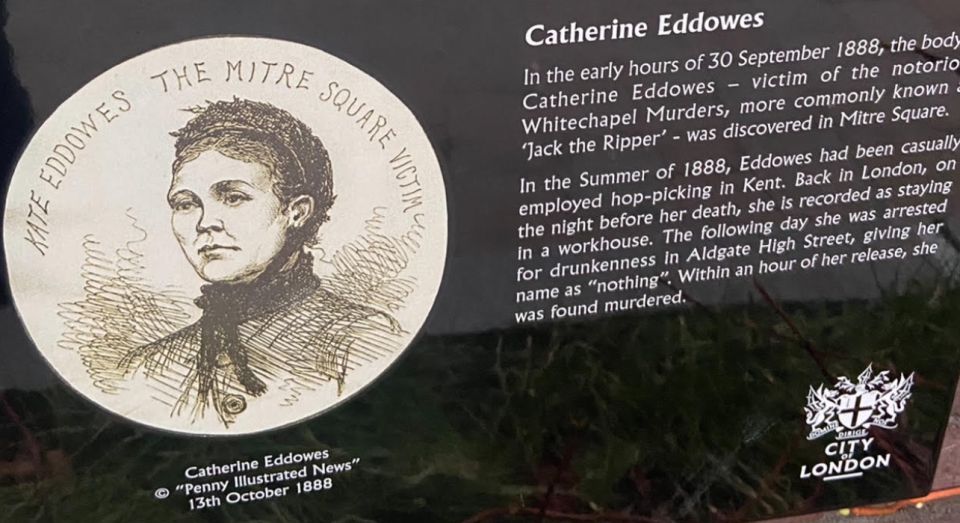
Mitre Square is one of the stops designed to hit harder. It’s infamous in Ripper legend because it’s tied to not one, but two victims.
In a good tour presentation, you don’t just hear names and dates. You hear how the location became part of the wider narrative. That’s the value here: the square isn’t treated like a random point on a map. It’s treated like a place people would have passed, noticed, and remembered—especially once the case made headlines.
One reason this stop lands is that it changes your mental image. Early on, you’re still absorbing the route. By Mitre Square, the story feels more like an event unfolding in the open. The guide’s tone and pacing can make the difference between a fun walk and a serious one, and the strongest guides on this route are known for turning locations into scenes you can picture.
Also, yes, the subject is grim. If you’re bringing kids, remember they’re allowed under parental discretion—but you’ll want to think carefully about how sensitive your group is to violent content.
Goulston Street and the search for a vital clue
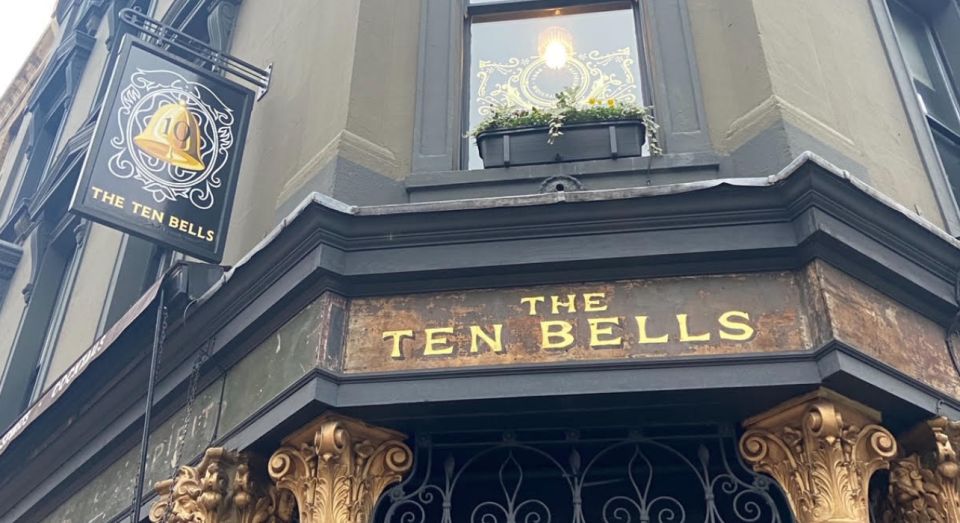
Then comes Goulston Street, one of the key “why this matters” stops. The tour frames it as a location where a potentially vital clue might be found. That wording matters, because it signals the tour’s main approach: facts and theories together, without pretending the case is solved.
What you’ll get from this stop is perspective. People still argue because they’re chasing something specific—some piece of evidence that can pull the whole story into focus. The guide will connect that idea back to the bigger mystery of Jack the Ripper’s identity and why the manhunt story became so famous.
I like this part because it invites you to think like a detective without asking you to pretend you’re one. Even if you’re skeptical, you leave with a clear sense of what keeps people interested: the case still has loose ends.



Commercial Street: a practical pause that keeps you oriented
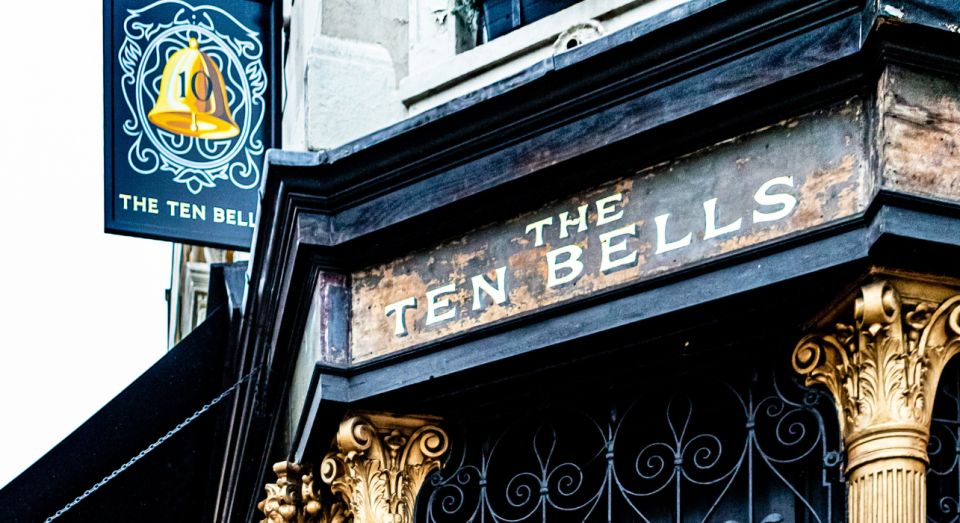
Commercial Street is not just “more walking.” It’s a corridor stop that helps you stay oriented as the route carries you through Whitechapel’s key locations.
This is a good place to catch your breath and reset your brain. The tour is a steady 1.5-hour block, so a mid-route stop that keeps context flowing helps you hold onto the narrative. And if you’re the kind of person who likes to look around, Commercial Street gives you a chance to glance at your surroundings and remember you’re in the same area where Victorian stories still echo.
In other words, this stop helps the whole experience feel like a trail, not a sequence of disconnected facts.
Hanbury Street and Anne Chapman: the emotional core of the route
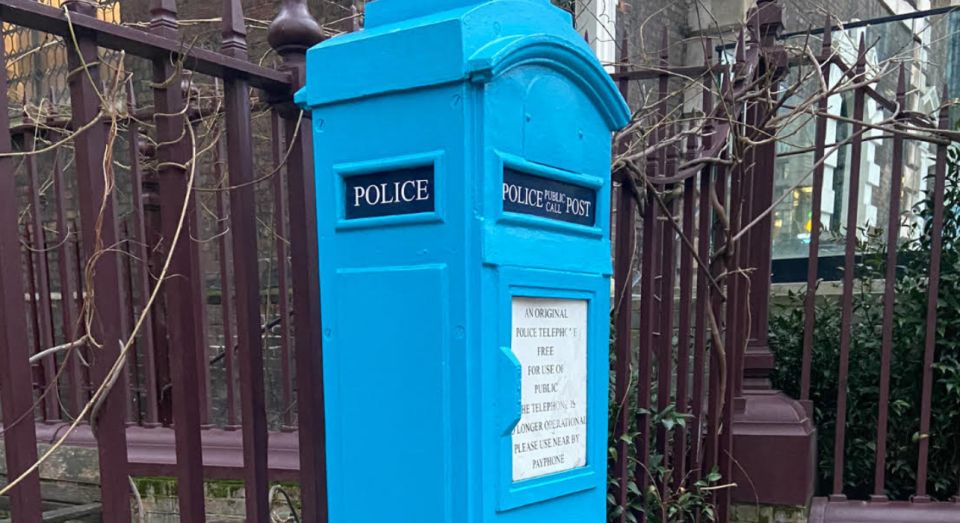
The route culminates at Hanbury Street, where the tour explains that the body of Anne Chapman was discovered.
This is where the walk shifts from “case overview” to “this is what made the investigation explode.” The guide’s job here is hard: they have to present a violent episode with care while still keeping the story understandable. Done well, it doesn’t feel like shock value. It feels like historical explanation tied to a specific street.
I also appreciate that the tour doesn’t try to force certainty. It sticks to the idea that the murders became part of a broader mystery, and that even today there’s no single agreed-upon answer about who Jack the Ripper was. That’s the part that makes Hanbury Street linger in your mind after you’ve left the sidewalks behind.
What the guides do well (and why it matters)
This tour is run by Golden Tours (Gray Line London), and the biggest difference you’ll feel on the day is guide delivery. Reviews repeatedly highlight guides who are strong story tellers and can hold a group’s attention while staying serious about the subject.
Names that come up often include Robin, Marc, Matthew/Mathew, Alice, Johnny, Brian, Elena, and Greta. Different personalities show up, but the praise clusters around a few traits:
- The guide sets scenes in a way that helps you picture the East End of 1888
- They connect each location back to the central Jack the Ripper question
- They keep the walk understandable, not tangled
One review also points to a fair improvement area: meeting instructions could be clearer, and another person wished the tour had more night-time realism. That tells you something useful: if you want mood, plan for the time of day you book, and be patient at the start until you confirm the exact meeting spot.
Timing, pace, and practical tips for a 1.5-hour walk
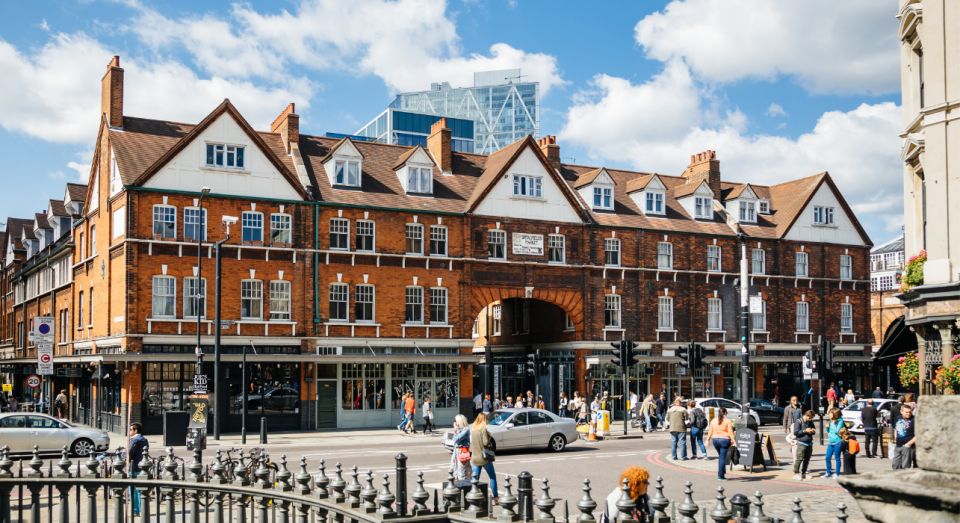
With a 1.5-hour duration, this tour is built for focus. You won’t get time to wander off-topic or linger at every corner. That’s good, honestly. It means you’re paying for a guided narrative, not for someone to point at buildings from 50 meters away.
Start times listed:
- 3:30 PM meeting at the Golden Tours Open Top bus stop 9 near Tower Hill
- 6:00 PM meeting at Tower Hill Underground, exiting and waiting near the Tower Hill Tram ice cream refreshments stand
Because the end point returns you to the meeting area, plan the rest of your evening around getting back in time—especially if you want dinner or a show.
Practical prep:
- Wear shoes you can walk in for an hour and a half
- Bring a small layer for cooler weather (London shifts fast)
- If you need a snack, grab one before you go since food and beverages aren’t included
And if you’re traveling with kids under 16, go in with the right expectations. This is a murder-story walk, and parental discretion is specifically noted.
Cost and value: what $20.20 gets you
At $20.20 per person, you’re paying for one thing: a guided walking route through specific Jack the Ripper-linked locations in Whitechapel. There’s no attraction admission bundled in, and there’s no food included. So the value comes down to the quality of the guide and the strength of the route.
This is the kind of tour where the price makes sense if you care about:
- a tight itinerary with real addresses and place-based storytelling
- a clear, timed narrative you can follow
- learning how myths formed around an unsolved case
If you’re expecting a museum experience with indoor exhibits, you’ll likely feel it’s too simple. But if you like walking London with a purpose, the cost lines up well with what you actually do for 90 minutes: follow a trail, hear the story, and leave with a stronger map of East London in your head.
Who should book this Jack the Ripper walking tour
You’ll enjoy this most if you:
- like crime history that’s tied to streets and geography
- want a guided story that separates facts and myths as it goes
- prefer short, focused walking tours over half-day plans
- are comfortable with a serious subject matter
It’s also a solid choice if you’re doing other London classics earlier in the day. The meeting point is anchored around Tower Hill, so you can pair this with nearby sights without needing complicated travel plans.
If you’re booking for a group that includes people who want only light sightseeing or total avoidance of violent details, you may want to think twice. The tour is frank about the crimes and the locations.
Should you book it?
Yes, book it if you want an East End route you can actually follow and a guide who can tell the Jack the Ripper story in a way that feels grounded in place. The best part is the focus: Trader’s Gate to Hanbury Street, with the case built stop by stop around places like Mitre Square, Goulston Street, and Anne Chapman’s discovery location.
Skip it if you’re after a big-time theater version of the story or if you need very clear meeting logistics to feel comfortable. In that case, do yourself a favor: arrive early, match the meeting spot instructions carefully for your time slot, and plan to start on time.
FAQ
FAQ
How long is the London Jack the Ripper walking tour?
The tour lasts 1.5 hours.
How much does the tour cost?
The price is $20.20 per person.
Where do I meet for the 3:30 PM tour?
For the 3:30 PM start, meet at the Golden Tours Open Top bus stop 9, Tower of London, Tower Hill, opposite, next to Tower Hill Station Tourist Bus Stop.
Where do I meet for the 6:00 PM tour?
For the 6:00 PM start, exit Tower Hill Underground Station and wait at the Tower Hill Tram, near the ice cream refreshments stand by the station exit.
What are the main streets and locations visited?
The walk includes Trader’s Gate, Aldgate High Street, Mitre Square, Goulston Street, Commercial Street, and Hanbury Street.
Does the tour include a guided guide?
Yes. A guided tour is included.
Is food or drink included?
No. Food and beverages are not included.
Is admission to attractions included?
No. Admission to attractions is not included.
What language is the tour guide speaking?
The live tour guide speaks English.
Can children join the tour?
Children under 16 can join at their parent’s discretion.