REVIEW · LONDON TRANSPORT MUSEUM
London Transport Museum Entrance Ticket
Book on GetYourGuide →Operated by London Transport Museum · Bookable on GetYourGuide
London runs on stories you can touch. At the London Transport Museum, you trace how transport shaped London since the 1800s, from the world’s first underground steam train to the modern Elizabeth line experience. I love the hands-on Tube driver training setup, and you’ll also get a smart, visual look at how iconic London branding took form.
One heads-up: it can feel loud on weekends and school holidays, so if you like calmer museums, plan an earlier slot—last entry is 5:00 PM and the museum closes at 6:00 PM.
In This Review
- Key things to know before you go
- London Transport Museum in Covent Garden: where you start
- The big transport timeline: steam, early Underground, and the electric Tube
- Driving training and the Future Engineer simulation that works for all ages
- Posters, logos, and the Underground map you think you know
- The Global Poster Gallery (free): 100+ works and How to Make a Poster
- Temporary exhibitions: extra value if you like variety
- Families vs. quiet time: how to enjoy the museum at your pace
- Timing tricks: last entry at 5 PM, museum close at 6 PM
- Price and value: is $33 worth a one-day ticket?
- Should you book this London Transport Museum ticket?
- FAQ
- Is the Global Poster Gallery included with my ticket?
- What time should I plan to arrive?
- How long should I plan for?
- Is the museum wheelchair accessible?
- Can I bring luggage or large bags?
- Is there a place to park a stroller or buggy?
- Is this good for families with children?
Key things to know before you go
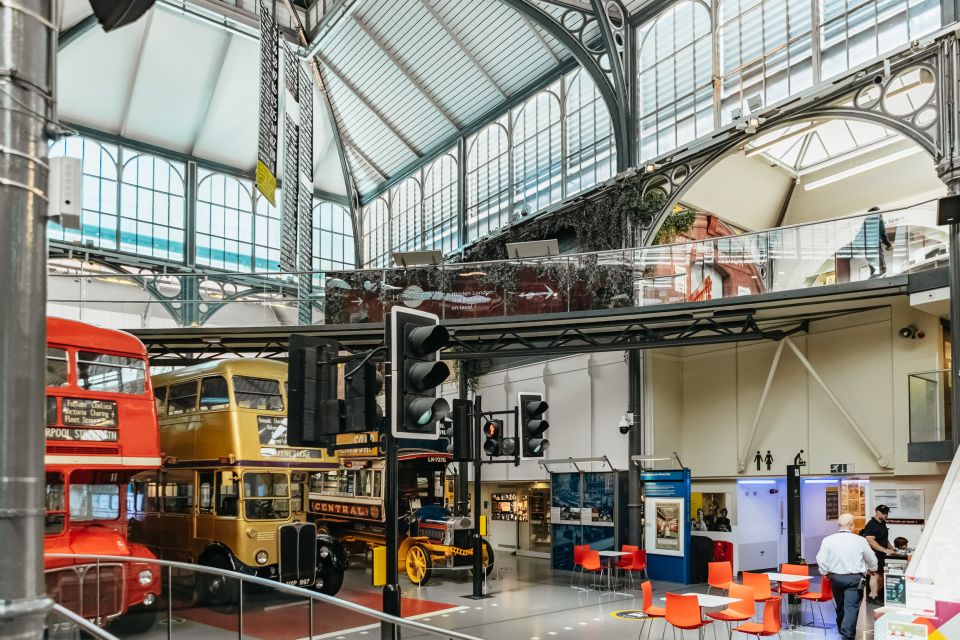
- A tight timeline of real vehicles: You’ll see key moments from early public transport to the electric Tube era.
- Elizabeth line simulation fun: The Future Engineer’s interactive train experience lets you get behind the controls in a modern way.
- Poster design you can actually see: The museum leans hard into how posters, logos, and maps shaped what you think of as London.
- The Global Poster Gallery is free with admission: Opened in October 2023, it features 100+ poster works plus a hands-on look at poster-making.
- Interactive training and play: There are kid-friendly activities and tech-style exhibits, including a Tube driver training simulator.
- A day that fits families or solo visitors: You can do it in about 1–1.5 hours for highlights, or stretch it to 3–4 hours if you read more.
London Transport Museum in Covent Garden: where you start
Plan to begin right at the museum entrance in Covent Garden. This location matters because it’s easy to tack on a walk to nearby streets before or after your visit, and you won’t feel stuck in a far-off attraction zone.
The museum ticket is built for a one-day visit, and the entrance time is tied to daily availability. I’d treat this like a flexible “choose-your-speed” day: do the major exhibits first, then slow down where you’re curious.
One practical note: large bags and luggage aren’t allowed, so travel light. If you’re coming from a day of sightseeing, keep your load manageable so you don’t lose time finding storage options.
The museum is wheelchair accessible, and stroller/buggy parking is available, which makes the whole place easier for families. If you’re traveling with mobility needs, it’s worth going in expecting lots of interactive zones, which can be fun but also tight in places when it’s busy.
The big transport timeline: steam, early Underground, and the electric Tube
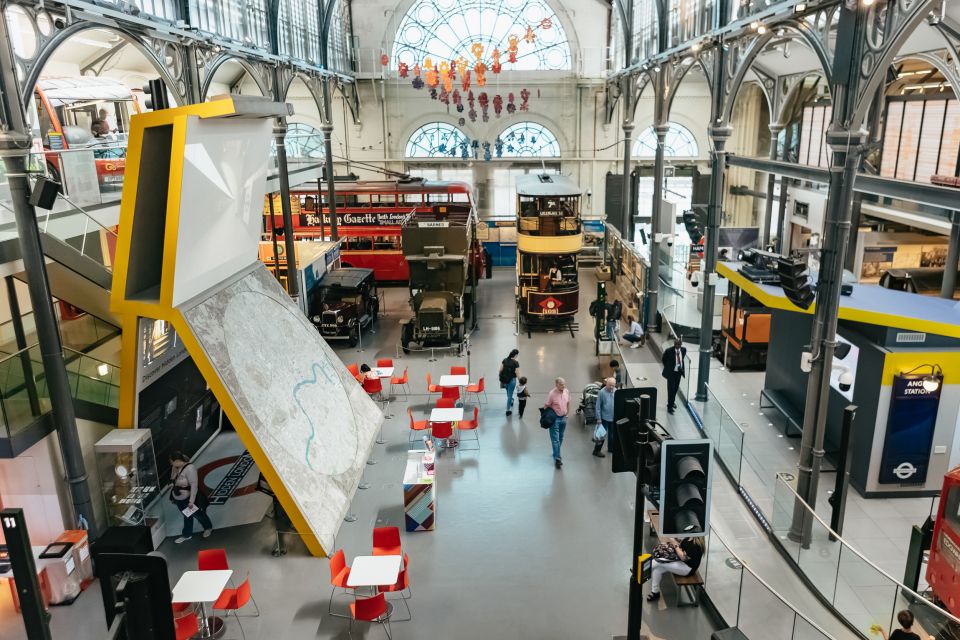
Start by thinking of this museum as a story engine. The exhibits connect transport technology with London’s growth, so you’re not just looking at old trains—you’re learning why those systems mattered to where people lived and worked.
You’ll encounter major landmark moments, including the world’s first underground steam train and the electric Tube railway. Those two exhibits are the kind of comparison that makes the history click: steam to electric isn’t just a tech change, it’s a new rhythm for moving through the city.
As you move through the galleries, pay attention to how the museum builds cause and effect. It links early vehicle types like horse-drawn services with later innovations, then connects the Underground to London’s identity as a modern city.
If you like visuals, look for the branding elements—there are displays that help you connect the dots between engineering and graphic design. That matters because the Underground wasn’t only built to run trains. It was also built to make itself understandable to millions.
Driving training and the Future Engineer simulation that works for all ages
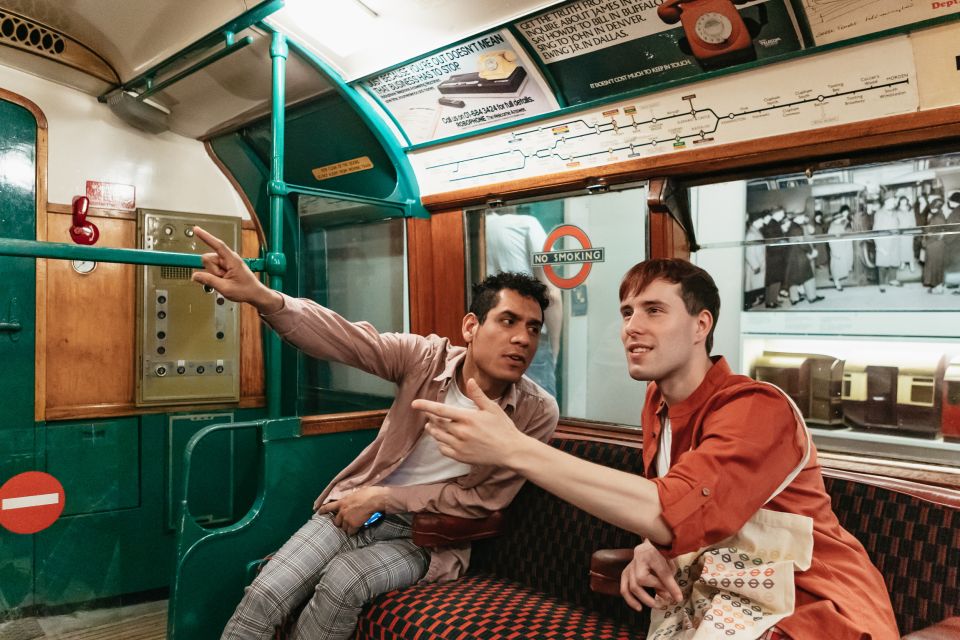
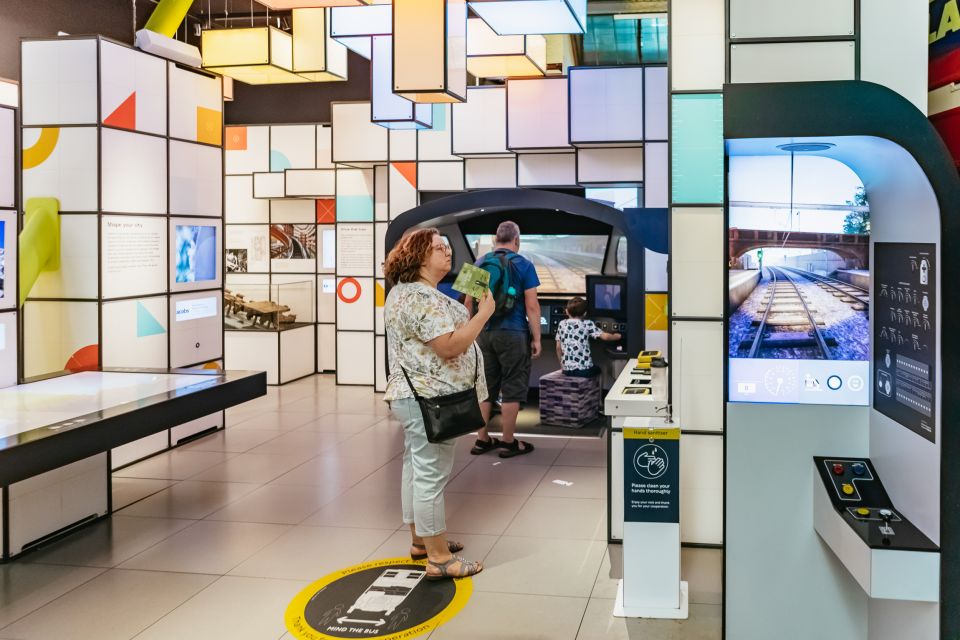
The museum’s interactive side is a big part of why people return. Two standout experiences are the Tube driver training simulator and the Future Engineer simulation where you get to drive a modern Elizabeth line train.
Even if you’re not a train-nerd, these setups do something smart: they turn a complex system into a game-like challenge. You’re not stuck reading panels, and you’re not waiting for a demo either.
Here’s how to get the most out of them. Do the training-style exhibits earlier in your visit if you can, because interactive stations tend to slow down when it gets crowded. Also, don’t worry if you miss details on the first run—these exhibits are designed so you can learn as you try.
If you’re with kids, this is where the energy usually peaks. The museum clearly caters to young visitors, and the best part is that adults aren’t shut out. Adults can enjoy the logic of the controls and the step-by-step feeling of operating a rail system.
You’ll also see other hands-on activities that lean into learning-by-doing. Think along the lines of stations where you can manipulate elements and see how changes affect the system.
Posters, logos, and the Underground map you think you know

A lot of London visitors carry one mental image of the Tube: the map. The museum treats that map as an invention, not a given.
Look for the exhibits about how the Underground map was created. The point isn’t only cartography. It’s usability—how to take a messy reality and turn it into something legible at a glance.
Then there’s branding. You’ll see references to the Underground’s iconic visual identity, including elements like the bullseye Tube logo and diagram-style map graphics. When you spot these, it helps you see how design decisions became part of everyday life.
If you care about graphic design, don’t skim this section. The museum uses posters and design artifacts to show how communication shaped public behavior—how people understood routes, stations, and services.
For me, the big takeaway is that transport in London has always been two things at once: engineering and messaging. The museum shows both sides, so you leave with a clearer sense of why London looks the way it does.
The Global Poster Gallery (free): 100+ works and How to Make a Poster

Opened in October 2023, the Global Poster Gallery is one of the best reasons to plan your visit on purpose. The museum spotlights the history of commercial poster art and design, with 100+ poster artworks included in the gallery.
Here’s the key value: you’re not only seeing finished posters. You’re also learning how posters were commissioned and created in the pre-digital age. That’s a rare angle for a transport museum, and it turns the visit into something you can talk about after.
Make time for the exhibit called How to Make a Poster. It’s a visual explanation of the creative process in a period when design meant physical decisions—typesetting, layout, color choices, and printing constraints.
The Global Poster Gallery is included at no extra charge with your museum admission. That means your money goes further here than it might at museums that charge separately for special exhibits.
If you’re short on time, prioritize this gallery after the transport timeline. Posters land better when you’ve already seen the system they supported—then the design choices feel like part of the same story.
Temporary exhibitions: extra value if you like variety
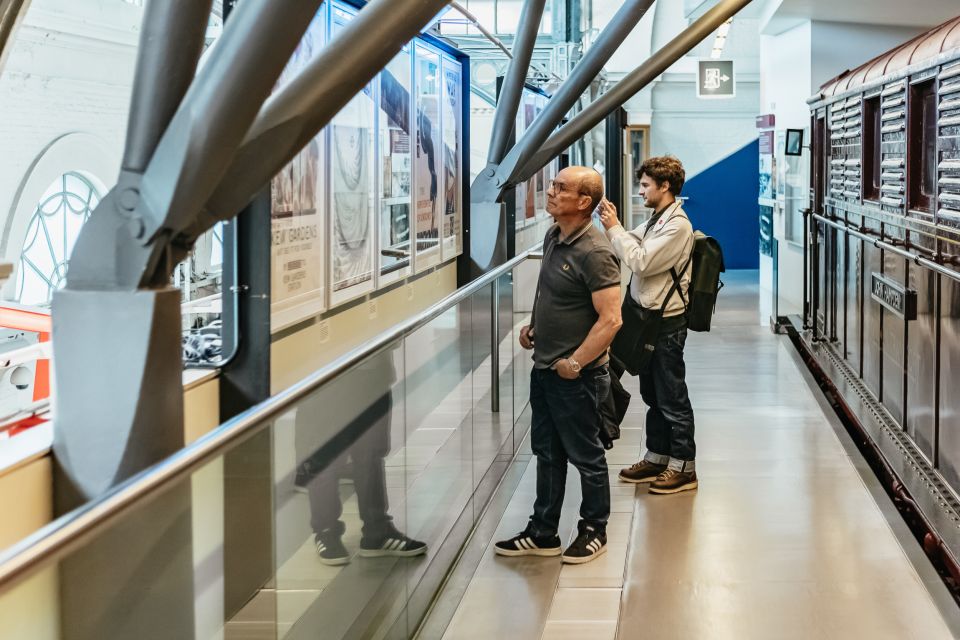
Your ticket also includes access to temporary exhibitions. The payoff is simple: you get the museum’s permanent anchors plus rotating content, which helps prevent the day from feeling repetitive.
Because temporary exhibits can shift, I’d treat them like optional bonuses. If you’re the kind of visitor who reads every panel, you’ll naturally want to spend time here. If you’re more “see the big stuff first,” you can use the temporary spaces to fill time after the essentials.
A good strategy is to skim the temporary areas once, then return later if something grabs you. That keeps you from getting stuck early while still respecting the parts that may take extra reading time.
Families vs. quiet time: how to enjoy the museum at your pace
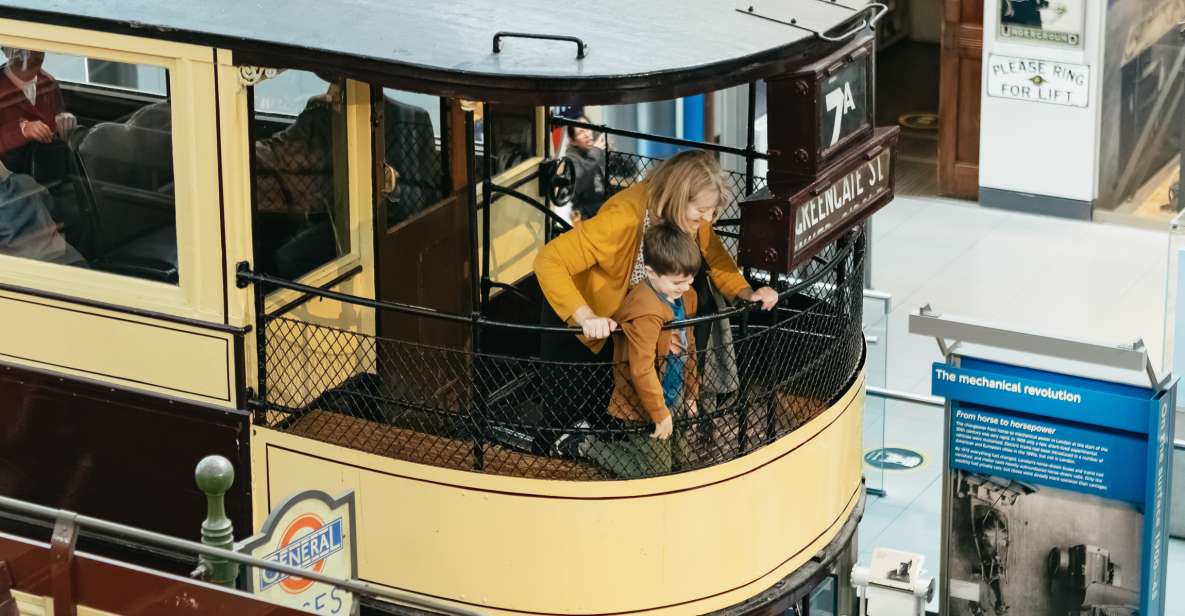
This museum works extremely well for families. There are multiple play and interaction zones, and the hands-on exhibits help kids stay engaged without needing constant entertainment from you.
If you’re traveling with younger children, you’ll likely appreciate the layout and the fact that there’s plenty to do beyond just looking at objects behind glass. The interactive parts are a big reason many families plan a longer visit.
That said, there’s a trade-off. The museum can be noisy, especially when kids are active and when crowds build on busier days. If you’re a couple or solo visitor who wants calm, you’ll enjoy it more if you pick a less crowded time and focus on the quieter galleries like poster design and timeline sections.
If you want a smoother experience, arrive with a simple plan. Hit the big history exhibits first, then move to the interactive stations next. Save poster galleries for after you’ve used your energy, so you can slow down and read without rushing.
Timing tricks: last entry at 5 PM, museum close at 6 PM
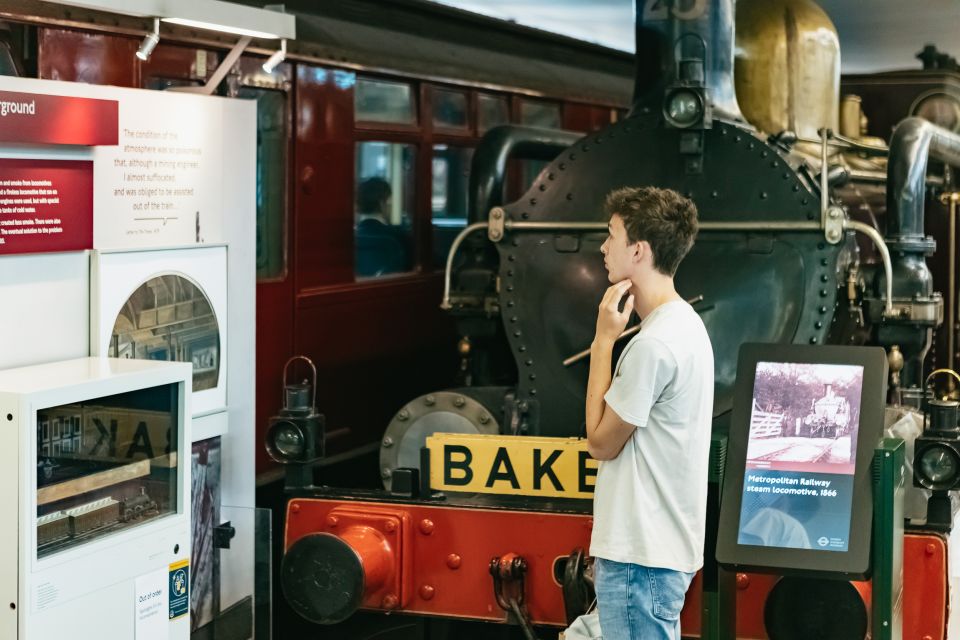
Your visit is time-bound. Last entry is 5:00 PM daily, and the museum closes at 6:00 PM. That means you should aim to start with enough buffer that you’re not sprinting toward the exits.
In real-life terms, you’ll likely do one of two styles:
- A highlights loop that can take about 1 to 1.5 hours
- A deeper read that can stretch toward 3 to 4 hours
If you want the poster gallery and you like reading, plan closer to the longer range. If you’re mainly there for the trains and hands-on stations, you can do a shorter visit without feeling guilty.
Also think about energy management. Interactive stations can create small bottlenecks, while reading galleries are easier to pace. Balance those two and you’ll feel in control.
Price and value: is $33 worth a one-day ticket?
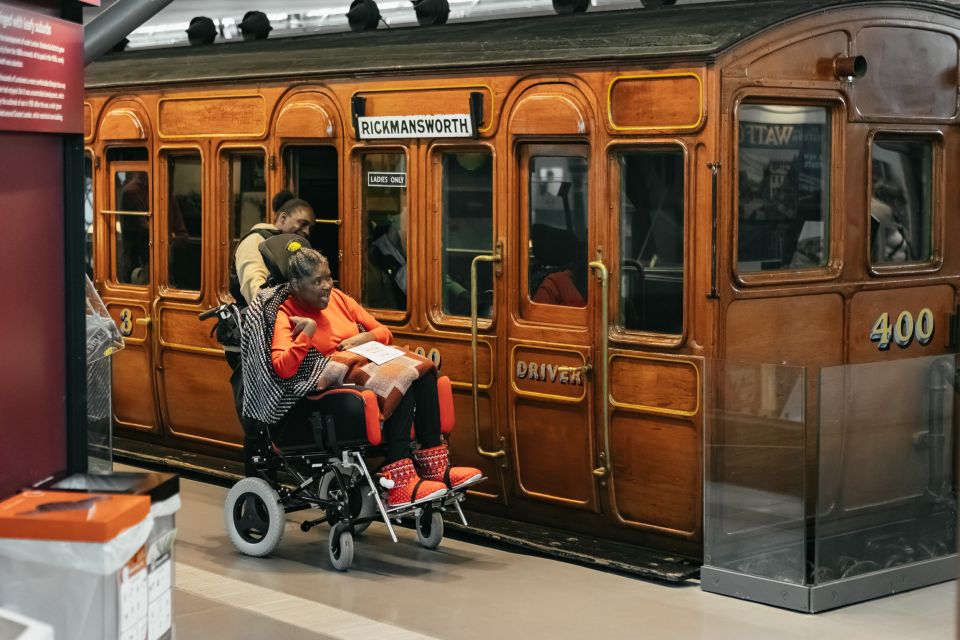
At around $33 per person, the value here comes from variety. You’re paying for a mix of major transport milestones, interactive tech-style experiences, and a poster design gallery that’s included with admission.
A big value signal is the Global Poster Gallery being free with your museum ticket. Many attractions package extra galleries separately, but here you get it as part of the same entry. For design lovers, that alone can justify the day.
Your time also matters. If you’re the type who will actually use the interactive exhibits and read enough to understand the Underground map story, you’ll get more out of the ticket. If you only want a quick look at the vehicles, you might end up wanting more time elsewhere.
There’s also a “return potential” angle. If you fall in love with the museum, ask about options related to memberships or upgrades. Some visitors have mentioned being able to convert admission into an annual pass, so it can pay off if London becomes your repeat playground.
Finally, the gift shop is a solid last stop. It’s the kind of place where you can buy something design-forward rather than random souvenirs, which matches the museum’s poster obsession.
Should you book this London Transport Museum ticket?
Book it if you want a smart, hands-on London attraction that isn’t just a standard history museum. This is especially worth it if you care about the mechanics of the Underground, like the idea of learning through simulations, or if you’re curious about why Tube design and the Underground map look the way they do.
Skip it or reconsider if you hate crowds and you’re very sensitive to noise. The museum can get lively, and the family-friendly energy is part of what makes it fun for many visitors.
If you’re short on time in London, pick this kind of attraction that gives you both big visuals and interactive moments in one stop. It’s a rare combo: transport history plus poster design plus training simulations, all in one ticket.
FAQ
Is the Global Poster Gallery included with my ticket?
Yes. Entry to the Global Poster Gallery is free with your museum admission.
What time should I plan to arrive?
Last entry is at 5:00 PM daily, and the museum closes at 6:00 PM.
How long should I plan for?
Many visitors do the museum in about 1 to 1.5 hours for highlights, while more detail-oriented visits can take around 3 to 4 hours.
Is the museum wheelchair accessible?
Yes. The experience is wheelchair accessible.
Can I bring luggage or large bags?
No. Luggage or large bags are not allowed.
Is there a place to park a stroller or buggy?
Yes. Stroller/buggy parking is available.
Is this good for families with children?
Yes. The museum has a lot of interactive areas and activity-friendly spaces that work well for children.