REVIEW · 2-HOUR EXPERIENCES
London: 2-Hour Guided Tour of the British Museum and History
Book on GetYourGuide →Operated by My tour London · Bookable on GetYourGuide
Two hours in, and the British Museum finally feels map-able. This guided route is interesting because it ties objects across continents into one clear story, starting with ancient Egypt and moving forward through Greece and Rome.
I especially like the focus on the Rosetta Stone, explained in plain terms so you understand why it mattered for decoding Egyptian hieroglyphs. I also like how the tour doesn’t treat famous works as silent trophies, including the controversial Elgin Marbles, with enough context to think about the bigger picture. One possible drawback: the museum can be loud and crowded, and if you end up far from the guide, hearing can get tricky.
In This Review
- Key highlights to know before you go
- Why this 2-hour British Museum highlights route makes sense
- Where to meet your guide and how to start smoothly
- Ancient Egypt first: pharaohs and the Rosetta Stone moment
- Greece and the Parthenon legacy, plus the Elgin Marbles debate
- Ancient Rome: engineering, mosaics, and gods you can recognize
- Sutton Hoo: Anglo-Saxon treasures with an early England lens
- Hoa Hakananai’a and the Moai from Easter Island
- How the tour connects the dots across continents
- Practical considerations: crowds, language, and hearing
- Value for $37: what you’re really buying
- Who should book this tour
- Should you book this British Museum highlights tour?
- FAQ
- How long is the British Museum guided highlights tour?
- Where do I meet the guide at the British Museum?
- Do I get entry tickets as part of the tour?
- How do I receive my tickets?
- What languages are available for the live guide?
- Is the British Museum accessible for wheelchairs?
- Can I cancel for a refund?
Key highlights to know before you go
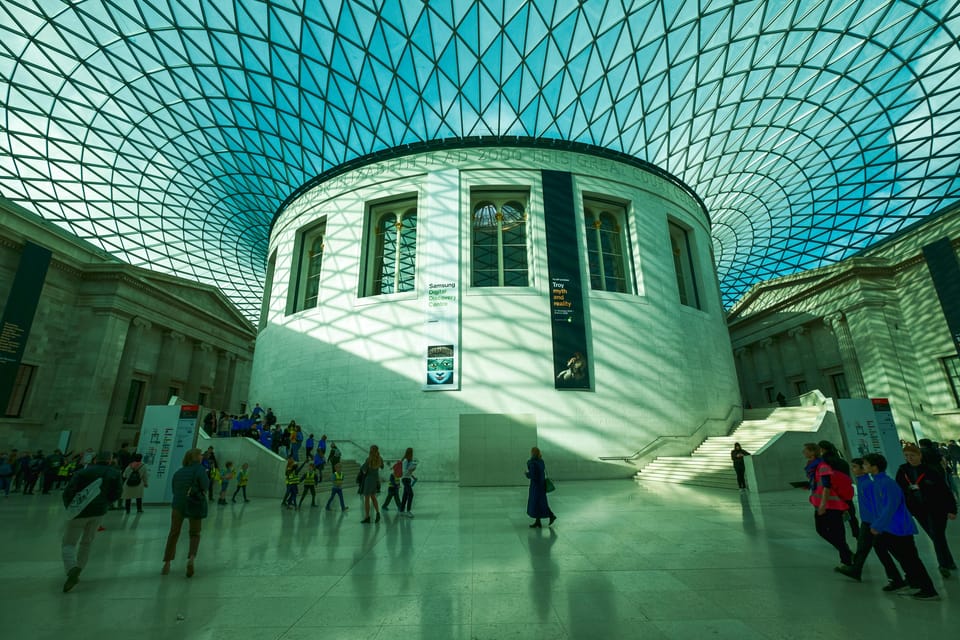
- A licensed guide’s path through the museum’s maze so you see the major stops without getting lost
- Egypt at the start, with pharaoh-related relics and the Rosetta Stone explained as the key to reading hieroglyphs
- Greece and the Parthenon legacy, including philosophy and art, plus the Elgin Marbles debate
- Ancient Rome objects you can visualize, from mosaics to statues of gods and heroes
- Two standout detours: Sutton Hoo treasures and the Moai Hoa Hakananai’a from Easter Island
Why this 2-hour British Museum highlights route makes sense
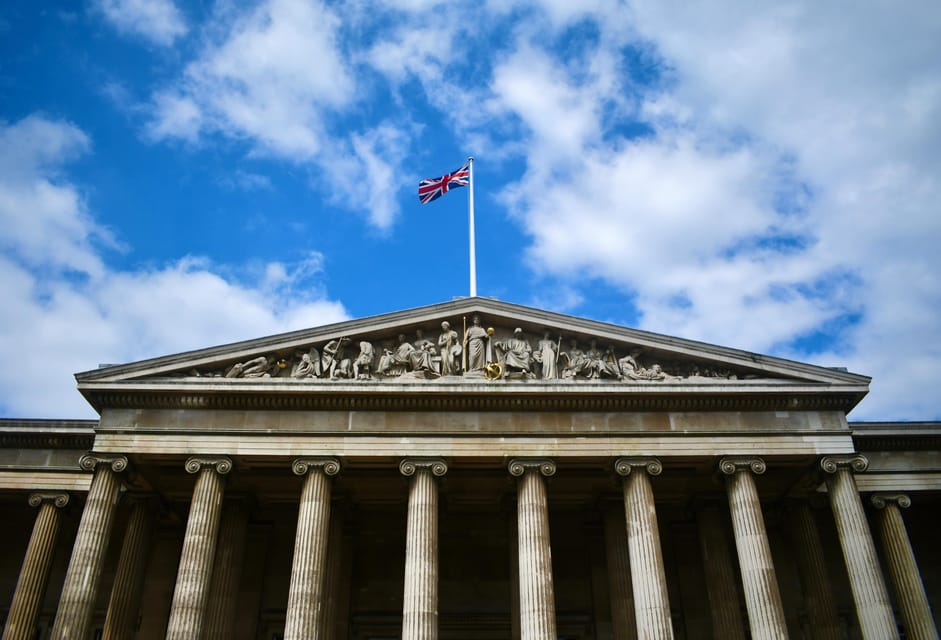
The British Museum is big enough to swallow a whole day. That’s great if you like wandering with zero pressure, but it can also turn into a blur of rooms and labels. A 2-hour guided highlights tour is a smart middle ground: you get a focused set of stops, plus the context to connect them.
The price is listed at about $37 per person, which is reasonable for what you get—especially because the tour includes the guidance and (depending on the package notes) may include an entry ticket as well. Either way, you’re paying for time savings and narration, not just access to galleries.
And the theme is strong: human culture over time. You’re not only looking at art and artifacts. You’re learning how different civilizations influenced one another and how ideas traveled.
You can also read our reviews of more guided tours in London



Where to meet your guide and how to start smoothly
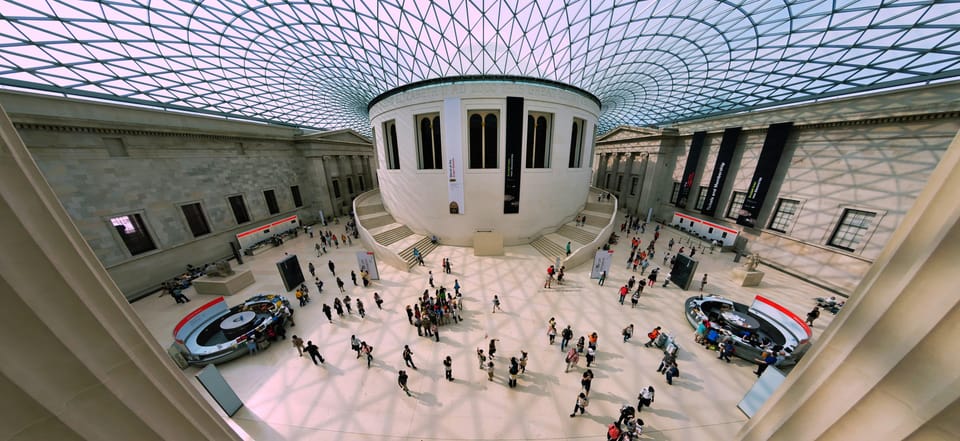
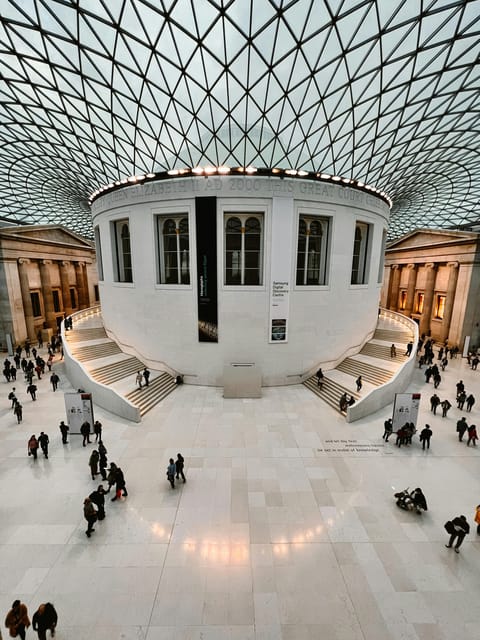
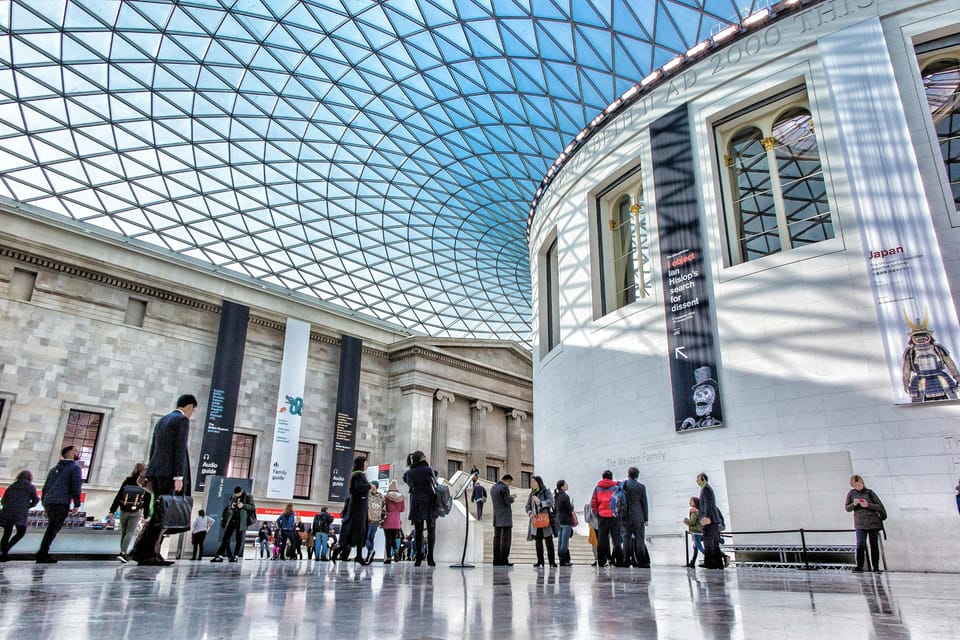
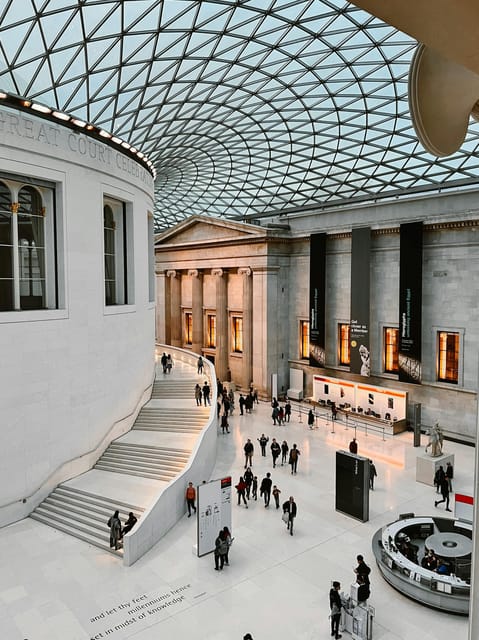
You’ll meet your guide in front of the British Museum portals, on the stairs near the pillars, after you pass through security. That detail matters. If you try to meet outside the gates, you’ll waste time and probably miss the group.
Tickets are provided 1 to 2 hours before the tour via WhatsApp. If you don’t use WhatsApp, the instructions say to contact by email so they can send your entry tickets.
Quick practical tip: arrive a bit early, use the security line you’re given, and then head straight to the stairs meeting area. The museum is easy to get turned around in, even when you think you know where you are.
Ancient Egypt first: pharaohs and the Rosetta Stone moment
The tour begins in the zone where most people feel the museum’s biggest “why” moment: Egypt. You’ll spend time with relics linked to pharaohs, then the tour pivots to the Rosetta Stone—the famous clue that helped people decipher Egyptian hieroglyphs.
This is a great opening stop because hieroglyphs can feel intimidating when you’re standing alone. With a guide, you’re not just looking at carved stone. You’re learning what made the breakthrough possible: the idea that the same message could be read through different scripts, which gave scholars a way to connect symbols to meaning.
I like this approach for first-timers. The best part is that it gives you a mental hook for everything you see next. After you understand why the Rosetta Stone matters, the rest of Egypt-related objects start feeling more like communication—and less like random ancient decoration.
Greece and the Parthenon legacy, plus the Elgin Marbles debate
Next comes ancient Greece, where you’ll connect art, philosophy, and the long afterlife of Greek ideas. The tour highlights sculptures linked to the Parthenon, and you’ll also hear about marble inscriptions and how they shaped Western thought.
Then there’s the stop that usually makes people sit up: the Elgin Marbles, tied to the Parthenon tradition but wrapped in controversy. The tour description flags it as controversial, and that’s important. A good guided story here doesn’t just say what the pieces are. It also frames why they’re disputed and why those arguments still matter today.
If you’ve ever felt stuck reading “famous artifact” captions, this is where a guide earns their fee. You don’t need to memorize every fact. You just need a clear storyline: Greece creates the ideas and forms, Rome adapts them, and later generations argue about cultural ownership and collections.
Ancient Rome: engineering, mosaics, and gods you can recognize
After Greece, you’ll move into ancient Rome, and the tone shifts. Instead of only thinking about philosophy and aesthetics, the tour leans into power and practicality—emperors, major public life, and engineering feats.
You’ll also see mosaics and statues connected to gods and heroes. Even if Roman mythology feels like a blur from school, these objects are often easier to connect when someone points out the visual cues—what the style is trying to communicate, and what the imagery was meant to do for viewers back then.
This stop works especially well on a highlights tour because Rome is visually satisfying. Mosaics and statues are made to be looked at, not just read about. If the guide keeps the pace moving, you get that satisfying feeling of recognition: art that tells you, without words, what mattered to the people who made it.
You can also read our reviews of more historical tours in London






Sutton Hoo: Anglo-Saxon treasures with an early England lens
Then the tour takes you forward in time to a different kind of story: Sutton Hoo. The description focuses on Anglo-Saxon treasures and what they offer as a glimpse into early English life.
This is one of those museum moments that can be easy to miss if you only chase the most famous ancient empires. Sutton Hoo grounds the visit in Britain’s own past and adds a human scale. Instead of thinking purely in terms of classics and conquests, you’re looking at objects that hint at beliefs, status, and daily meaning.
The big value here is variety. You’re not trapped in one civilization lane. The tour repeatedly resets your perspective, and Sutton Hoo is a strong reset point.
Hoa Hakananai’a and the Moai from Easter Island
Another standout comes later: Hoa Hakananai’a, a Moai from Easter Island. The tour description frames it in terms of spiritual essence and a distant civilization’s presence in the museum.
This part of the tour can do something practical for you: it turns the museum from a “European highlights” stop into a global culture experience. Easter Island is geographically remote, but the museum makes it feel close through the object’s physical presence and the story you’re given around it.
If you like when a tour adds unexpected variety, this is the section to look forward to. Even if you’ve heard of Moai before, you’ll likely get a clearer sense of what the specific piece represents.
How the tour connects the dots across continents
By the time you reach the end of the route, you’ll be looking at artifacts around the globe, not only items tied to famous Western classics. That matters because the British Museum’s real strength is comparison: you can see how human societies solve similar problems in different ways.
You also leave with a time ladder in your head. You go from Egypt to Greece to Rome, then jump to early English history, then outward to the spiritual world of Easter Island, and finally across more global artifacts. That structure makes it easier to come back later on your own.
And it’s a gentle way to broaden your curiosity. After this kind of tour, you can choose what to chase next—whether that’s more ancient Egypt, more classical sculpture, or more world cultures that you might not know where to start.
Practical considerations: crowds, language, and hearing
A highlights tour is only as good as your ability to follow the guide. The museum is busy, and even when the group is moving efficiently, you’ll still be in the middle of people reading labels, taking photos, and trying to get around.
One risk is that hearing can vary based on where you stand and how loud the room is. The provided information notes English, French, and Italian live guide options, so language clarity matters.
Also, be aware that headphones are not listed as part of the included experience. If you’re sensitive to sound or you struggle with accents, you might want to choose a guide language you feel very comfortable with and position yourself close to the front where you can focus on the guide’s voice.
Finally, pacing can be a personal thing. A 2-hour tour has to make choices. If the route feels a bit strict for your taste, remember that the goal is highlights and context, not a slow, object-by-object museum seminar.
Value for $37: what you’re really buying
Here’s the honest way to think about the price. You’re paying for three things at once:
1) Time: you don’t have to figure out what to see first in a museum that can swallow an entire day.
2) Context: the guide helps you connect objects across time, especially around bigger turning points like the Rosetta Stone and the Parthenon legacy.
3) Direction: the tour is designed as a tailor-made route through the public museum’s most remarkable parts.
That makes it worth it for first-timers and for anyone who wants a smart overview without spending hours planning.
On the other hand, if you already know the museum well and you love long self-guided wandering, you might feel constrained by a fixed 2-hour arc. The tour is best when you want a guided structure, not when you want pure freedom.
Who should book this tour
This is a strong fit if you:
- are visiting the British Museum for the first time and want the major story beats fast
- want a licensed guide to translate context into something you can actually use
- enjoy a mix of civilizations, from Egypt and Greece to Rome and beyond
- like tours with anecdotes and energetic delivery (guides such as Daniel and Filomena are mentioned in the provided info as examples of how guides can bring the material to life)
It’s also a good option if you’re bringing school-age kids, since the tour style can work well for keeping attention on key objects and their meaning.
Should you book this British Museum highlights tour?
I’d book it if you want a guided “greatest hits with meaning” experience in two hours, especially if you care about understanding why iconic objects matter—not just seeing them.
I’d slow down and think twice if hearing is a concern for you or if you prefer quiet, long museum time. In that case, you may prefer a self-guided plan. If you do book, choose a language you’re confident in and stand close to the guide when you can.
Also, because the package notes are a bit mixed about entry tickets, I strongly recommend you confirm what’s included in your confirmation message before you head to the museum doors.
FAQ
How long is the British Museum guided highlights tour?
The tour duration is 2 hours.
Where do I meet the guide at the British Museum?
Meet your guide in front of the British Museum portals, on the stairs near the pillars after passing the security check. The instructions specify not outside of the gates.
Do I get entry tickets as part of the tour?
The information provided is conflicting: it lists entry tickets as included, and also says entry tickets are not included. Check your confirmation message so you know for sure what you’ll have before you arrive.
How do I receive my tickets?
Tickets are said to be provided 1 to 2 hours before the tour via WhatsApp. If you don’t have WhatsApp, you’re instructed to contact them by email so they can send the entry tickets.
What languages are available for the live guide?
Live guides are offered in English, French, and Italian.
Is the British Museum accessible for wheelchairs?
The museum is listed as wheelchair accessible.
Can I cancel for a refund?
The tour offers free cancellation up to 24 hours in advance for a full refund.