REVIEW · BRITISH MUSEUM TOURS
British Museum Guided Tour
Book on GetYourGuide →Operated by The Great Weekender · Bookable on GetYourGuide
Two and a half hours can feel like a time machine. This British Museum guided tour helps you jump into the collection fast with timed entry and a guide who connects big headline objects to what came before and after.
I especially love the way you get hands-on context around major stops like the Rosetta Stone, rather than just snapping photos and moving on.
I also like how the guide keeps things efficient in a museum that’s famously huge, steering you through a tight selection (including Egypt, the Assyrians, and Ancient Greece) before you settle into the display highlights. One possible drawback: in 2.5 hours you can’t cover everything—this is a “best-of” route, so if you want to linger in every gallery, you may feel a little rushed.
In This Review
- Key moments that make this tour worth it
- Starting at Great Russell Street: your first win is easy access
- Timed entry and skip-the-line: how you actually gain time in a massive museum
- How the guided route balances overviews with object-by-object stories
- Egypt galleries first: getting the big picture before the headline stops
- Rosetta Stone: the stop that turns reading into understanding
- Elgin Marbles: a must-see highlight handled with context
- Sutton Hoo and Lewis Chessman: variety that keeps the tour from feeling stuck
- Prehistoric tools: why the smallest items can hit hardest
- Private group options: personalized attention for curious people
- Price and value: is $93 for 2.5 hours fair?
- Practical tips for a comfortable 2.5-hour museum walk
- Should you book the British Museum guided tour?
- FAQ
- How long is the British Museum guided tour?
- Where is the meeting point?
- Does this tour include timed entry and skip-the-line access?
- What highlights are included in the tour?
- Is the tour private?
- What language is the guide?
- What is the cancellation policy?
Key moments that make this tour worth it
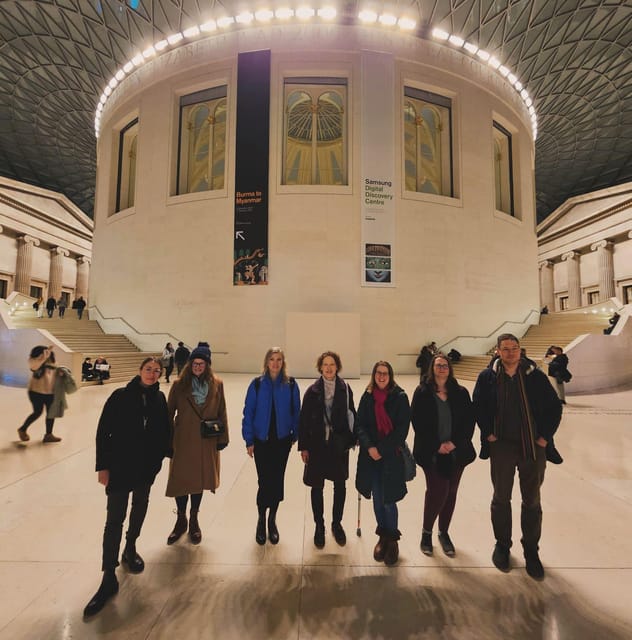
- Timed entry + skip-the-line access that saves you from museum chaos
- Rosetta Stone explained with story, not just labels
- Elgin Marbles featured as a must-see highlight stop
- Sutton Hoo and Lewis Chessman added for range across time
- Prehistoric tools that make early human life feel more concrete
- A guide who can deliver personalized attention for private groups
Starting at Great Russell Street: your first win is easy access
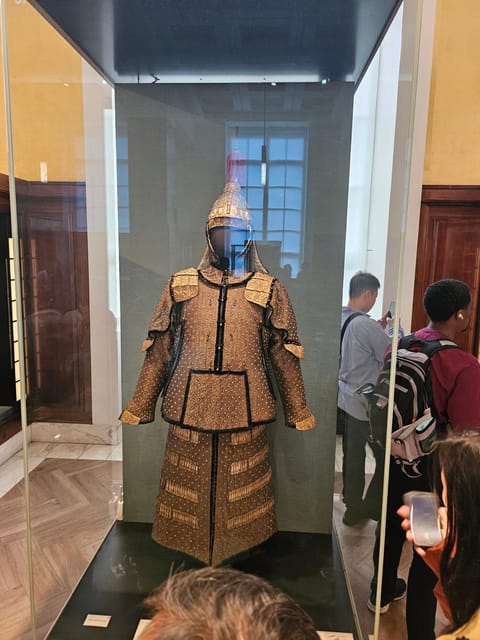
The tour starts at the museum area on Great Russell Street. Your meeting point can vary by option booked, but you’ll typically meet outside the Museum Tavern or by the red telephone boxes near the entrance.
That matters more than it sounds. In a place this busy, a clean start helps you lose less time to finding the group and more time hearing the stories behind the objects you came for. Wear comfortable shoes—this is a walking tour, but the distance isn’t a big marathon.
If you’re the type who likes to plan ahead, do a quick mental check before you arrive: you’re not touring “the museum,” you’re touring a curated path through some of its biggest names. Once you accept that, the experience clicks.
You can also read our reviews of more guided tours in London



Timed entry and skip-the-line: how you actually gain time in a massive museum
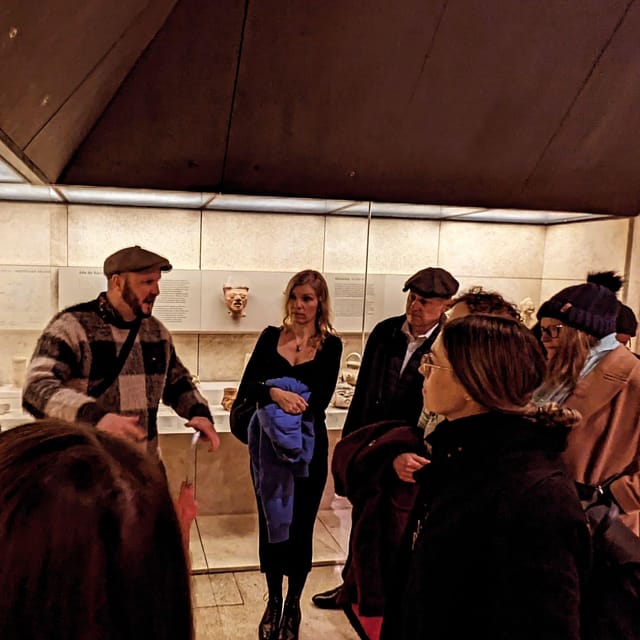
The British Museum is enormous—around 8 million artifacts in total, with about 80,000 objects on display. Even with the best intentions, “self-guided” can turn into a wandering loop of: Can we find the next thing? Where are we? How long will it take?
This tour tries to beat that problem at the entrance level. You get timed entry and skip the line through a separate entrance, which helps you get moving while the museum is still settling into its daily rhythm.
Then the guide keeps the pace useful. Instead of letting you bounce randomly from room to room, you head straight toward the historic highlights. You’ll still enjoy the atmosphere, but you won’t waste the first hour figuring out how to see the most important pieces.
How the guided route balances overviews with object-by-object stories

A guided museum tour works best when it does two things at once: give you a big picture and then zoom in. That’s exactly what this experience is designed to do.
As you move through the museum, your guide provides background for individual objects—connecting what you’re seeing to the broader timeline. One of the strongest benefits here is how the tour blends a quick “where you are in history” sense with specifics about each featured piece.
In practice, that means you don’t just watch other people take in the highlights. You’re given a reason to care about why each object matters, so the displays feel like a sequence rather than a pile. You’ll also get told what you’re looking at in a way that makes it easier to remember later.
Egypt galleries first: getting the big picture before the headline stops
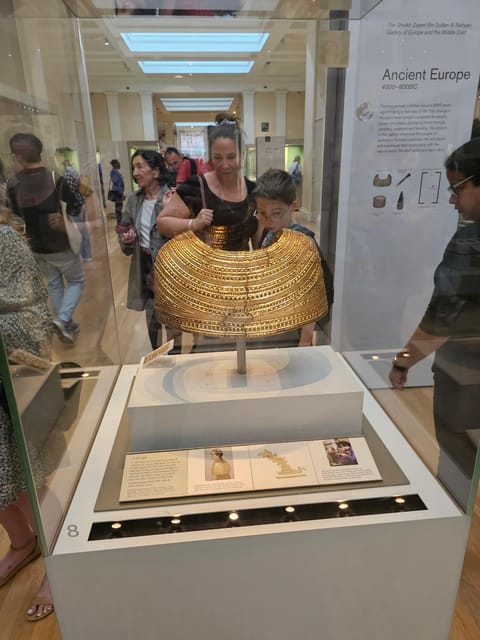
The British Museum’s layout can be intimidating, so it helps that this tour often includes a run through major areas like Egypt. You may also pass through rooms connected to the Assyrians and Ancient Greece as part of the curated sweep.
Why I like this approach: it gives your brain a set of handles before it tries to hold onto too many details. You’ll get the sense of how different civilizations appear in the collection, which makes the later stops feel less random.
If you’ve ever walked into a museum, stared at one object, and then felt lost five minutes later—this tour format is built to avoid that. Even when you’re heading for famous highlights, the guide keeps tying the dots so you don’t feel like you’re skipping from one era to another without context.
Rosetta Stone: the stop that turns reading into understanding
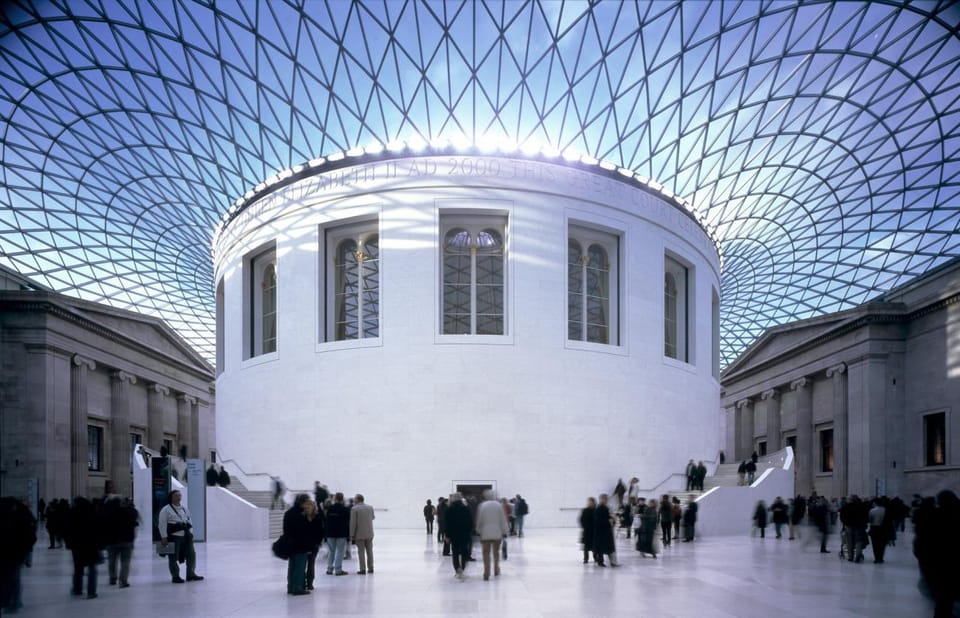
The Rosetta Stone is one of those objects that can feel intimidating if you only rely on labels. This tour gives you the missing layer: guided explanation that helps you understand what you’re looking at and why it’s such a key part of the museum’s story.
This is where a good guide really matters. In this experience, the guide doesn’t treat famous objects like checkboxes. They give background on the artifact so you can connect the name you’ve heard to the actual experience of standing in front of it.
If you like museums that teach you how to see, you’ll enjoy this moment. And if you’re traveling with someone who usually skims, the Rosetta Stone stop is the kind of anchor that makes the whole route feel purposeful.
You can also read our reviews of more museum experiences in London






Elgin Marbles: a must-see highlight handled with context
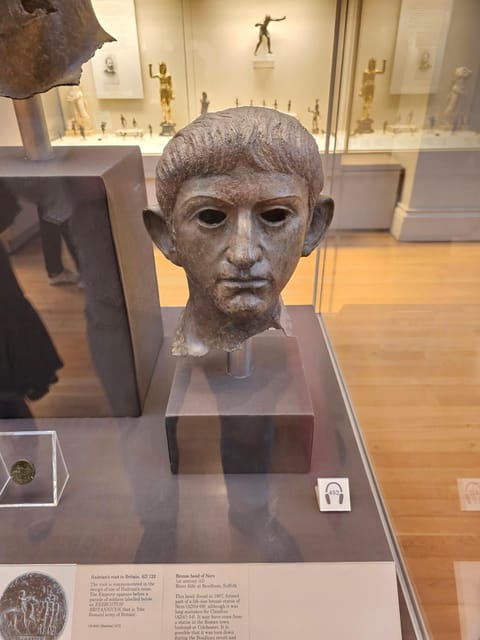
Another major highlight is the Elgin Marbles. These are the kind of objects that can be powerful even if you don’t know their story yet—just seeing them in person is impressive. But what makes this tour feel worth the money is the background you receive while you’re there.
The guide helps you look beyond size and fame. Instead of just moving on quickly, you get tailored information about the piece, and that changes the visit from visual-only to meaning-based.
There’s also a practical benefit. When you’re inside a museum with dozens of major works nearby, it’s easy to miss the emotional impact of standing in front of the ones you actually came for. This tour protects those moments by prioritizing the highlights early.
Sutton Hoo and Lewis Chessman: variety that keeps the tour from feeling stuck
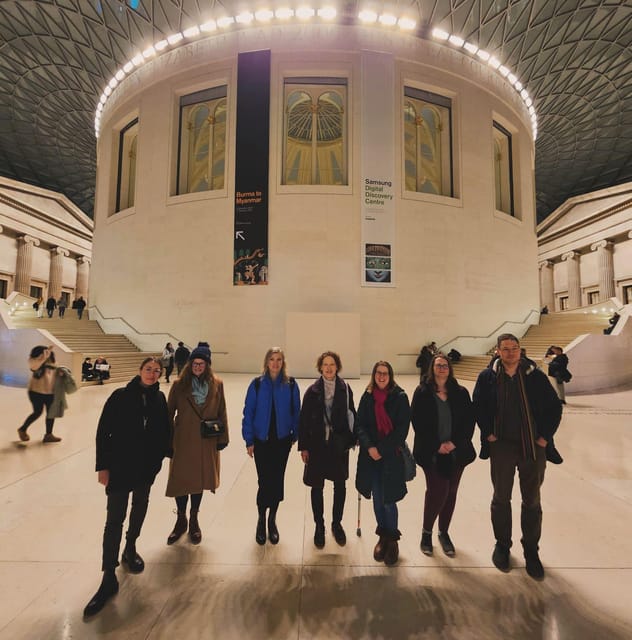
Two other standout stops are Sutton Hoo and the Lewis Chessman. I like including them because they add variety in tone and time period. They also help you see that the British Museum isn’t only about one kind of antiquity.
In a quick tour, variety can be a feature, not a distraction. Once you’ve seen the headline ancient-world names, you still need a sense of how the collection stretches across different eras and themes. These stops do that work for you.
Your guide also gives story-based information for each featured object. That means you’re not simply checking off a list; you’re learning enough to understand what you’re looking at right now—and remembering what you saw later.
Prehistoric tools: why the smallest items can hit hardest

Not every highlight is a giant, famous masterpiece. The tour also includes prehistoric tools, which are easy to overlook if you’re only hunting for the biggest “name” artifacts.
I find stops like this valuable because they make history feel physical. You’re looking at everyday-life objects (or at least objects made for early human needs), and that can shift how you think about time in the museum. Instead of only kings, wars, and empires, you get a glimpse of practical ingenuity.
And since your guide explains the background, those smaller items stop being vague. You get the story that helps you connect the object to real human activity.
Private group options: personalized attention for curious people
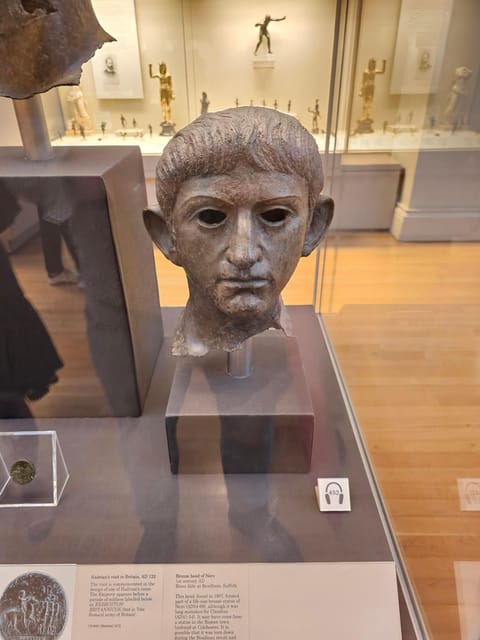
This experience is offered as a guided tour, and private group options are available. For private groups, the tour can be a bespoke experience, including customization of the itinerary and personalized attention from your guide.
If you’re traveling with friends, family, or a small club and you want a more tailored pace, this matters. You can focus more on what you’re most interested in—big-name highlights, specific regions, or the types of stories you want emphasized.
It’s also a good fit if you don’t want to feel like you’re being rushed by a large group schedule. With fewer people, your guide can adjust the pace and answer questions more directly, which makes a museum experience feel less like a lecture and more like a conversation.
Price and value: is $93 for 2.5 hours fair?
At $93 per person for a 2.5-hour tour, this isn’t a “cheap add-on.” The value is in the combination of (1) a focused route through the biggest highlights, (2) a real guide delivering background on individual objects, and (3) time-saving access with timed entry plus skip-the-line entry.
If your goal is to see famous objects fast and learn the stories behind them, this price starts to make sense. You’re paying for efficiency and interpretation, not for just being in the museum.
If you’re the type who loves wandering and studying every label for hours, you might find the tour too tight for your style. In that case, consider using the tour as a “starter” and then returning afterward for your own slow pass.
Practical tips for a comfortable 2.5-hour museum walk
Because this is a walking tour, comfortable shoes are a must. The distance isn’t described as extensive, but you’ll still be moving between rooms and key display areas.
Also, keep your expectations realistic. The British Museum is huge, so you’ll experience a curated highlights path rather than a full museum crawl. The trade-off is that you’ll leave with a clearer sense of what matters most and why each object is famous.
One more tip: if you’re thinking of making the tour even stronger for yourself, go in knowing which highlights you care about most. Then when the guide covers those stops, you’ll pay attention to the details that connect them to the rest of the timeline.
Should you book the British Museum guided tour?
If you want to see top highlights like the Rosetta Stone, Elgin Marbles, Sutton Hoo, and the Lewis Chessman, and you’d rather learn with a guide than figure it out solo, this tour is a solid choice. The timed entry and skip-the-line access help you spend more time looking and less time waiting.
Book it if you like an efficient route with story-based context, especially if you’re short on time or you don’t want to wrestle with the museum’s size. Skip it (or treat it as a warm-up) if you’re a slow, label-reading explorer who wants to roam freely for hours.
FAQ
How long is the British Museum guided tour?
The tour lasts 2.5 hours.
Where is the meeting point?
Meeting points can vary by option booked. You’ll meet next to the red telephone boxes on Great Russell Street near the museum entrance, or outside the Museum Tavern.
Does this tour include timed entry and skip-the-line access?
Yes. It includes timed entry to the museum and skip the line through a separate entrance.
What highlights are included in the tour?
Key highlights include the Rosetta Stone, the Elgin Marbles, Sutton Hoo, the Lewis Chessman, and prehistoric tools.
Is the tour private?
Private group options are available.
What language is the guide?
The live tour guide offers the tour in English.
What is the cancellation policy?
You can cancel up to 24 hours in advance for a full refund.