REVIEW · WALKING TOURS
London: Music walking tour of Soho
Book on GetYourGuide →Operated by Walking Music Tour of London's Soho · Bookable on GetYourGuide
Soho turns into a live playlist. On this Soho music walking tour, you trace the streets behind the Beatles, Bowie, punk, and more, guided through very specific doors, corners, and landmarks. I love the way the tour uses Denmark Street as the spine of the story, so the music scene feels real instead of like a vague timeline.
I also like that the guide blends famous names with street-level anecdotes, and then you end in a real pub setting at The Dog and Duck, a place with serious staying power since it first opened in 1734. A possible drawback: you’ll be outside for a good chunk of the walk, so comfy shoes and a weather plan matter more than you might expect.
In This Review
- Key things I’d circle on your map first
- Soho music, made practical: why two hours feels just right
- Meeting outside Dominion Theatre: the simple start that keeps things smooth
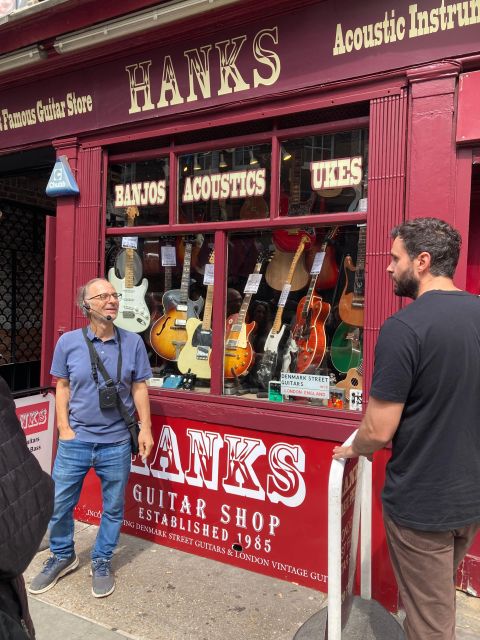
- Denmark Street: where the music-story density is the whole point
- “Sex Pistols here” and “Elton John’s tea boy job” on the Soho streets
- Soho Square and the business side of fame: more than just a pretty plaza
- Soho Lofts, Reckless Records, and the “you can still see it” factor
- The Trident Studios site and the recording-history feel of Soho
- Photo stops that actually work: how to get the most in 2 hours
- Price and what you really get for $33
- Finish at The Dog and Duck: why ending in a real pub works
- Who this Soho music tour suits best (and the one case to skip)
- Should you book the London Soho music walking tour
- FAQ
- Where does the tour start?
- How long is the London Soho music walking tour?
- What does the tour cost?
- Where does the tour finish?
- Is food or drinks included?
- Is the tour wheelchair accessible?
- Is it okay for kids?
- Is there free cancellation?
Key things I’d circle on your map first
- Dominion Theatre meetup at Tottenham Court Road: easy to find, right where the walk starts
- Denmark Street photo stops: the most concentrated pop/rock geography in London
- Punk to pop origin stories: Sex Pistols corners, Elton John’s early work, and Brian Epstein-era moments
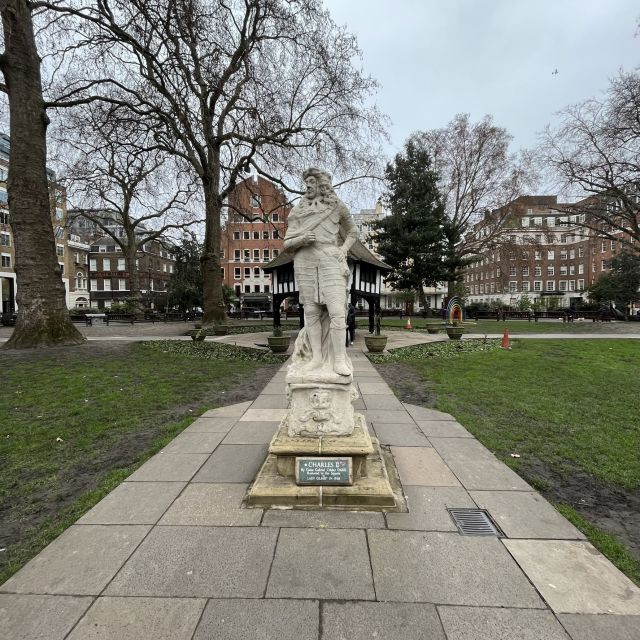
- Soho Square and its music-business links: including a stop tied to Paul McCartney’s business HQ
- Reckless Records and Soho Lofts: modern music retail and architecture-era connections
- Trident Studios site to Dog and Duck finish: recording history into a classic pub unwind
Soho music, made practical: why two hours feels just right
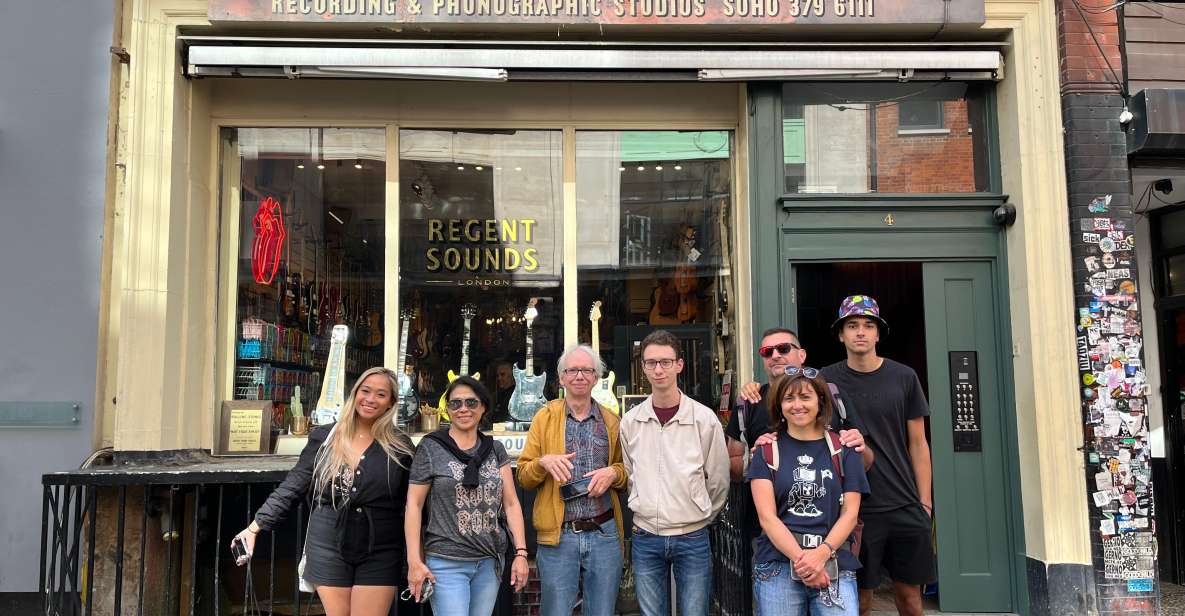
Soho can be overwhelming fast. You’ve got theaters, bars, galleries, and side streets that all look similar unless someone explains what you’re actually looking at. This walk is built for focus. In about 2 hours, you move through a compact area where major careers and music scenes really did cluster, then you connect those dots to places you can still see today.
I like that it’s not just artist trivia. You’re shown where stories happened: early jobs, early gigs, famous night-of-the-week momentum, and recording locations. When you stand in those spots, the famous names stop being abstract. They become street addresses.
And because the tour is paced like a walking conversation (short guided chunks plus photo stops), it works even if you’re not the kind of person who reads every plaque in a museum. You’re still learning, but you’re learning while you’re moving.
You can also read our reviews of more walking tours in London

Meeting outside Dominion Theatre: the simple start that keeps things smooth
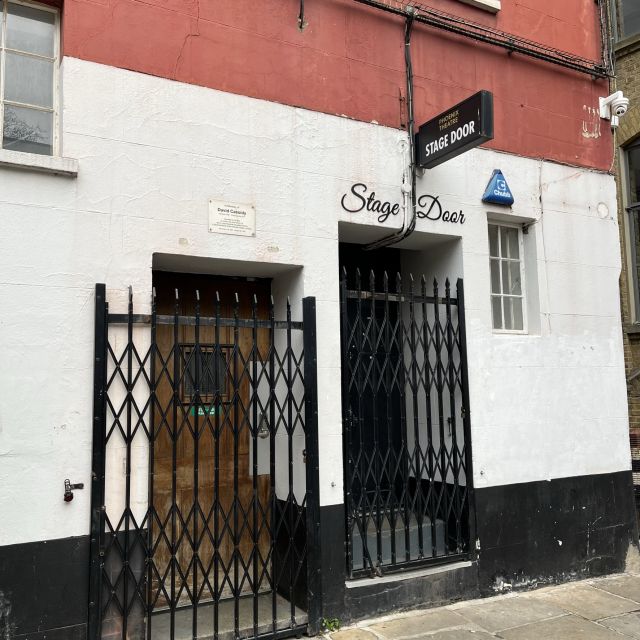
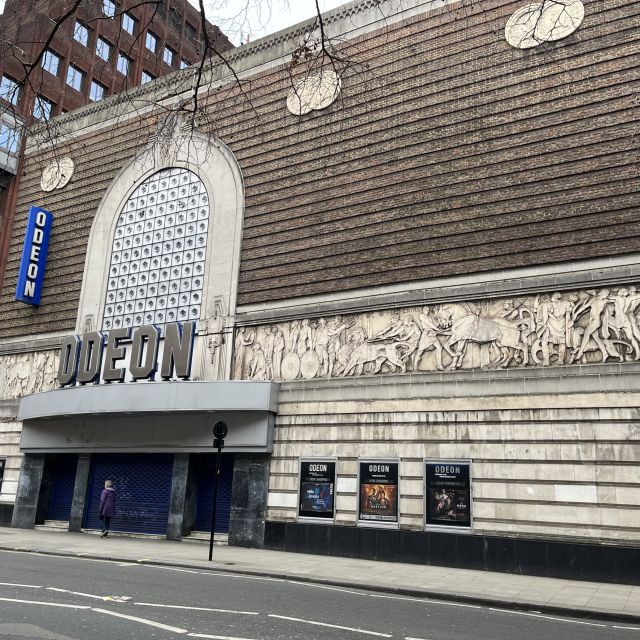
You meet outside the main entrance to the Dominion Theatre, by Tottenham Court Road Underground. That matters for two reasons: it’s easy to locate, and it puts you right in the middle of the Soho orbit without any awkward “how do we get out of this maze?” moments.
From there, the guide gets you oriented quickly with a first viewpoint/photo stop and a short guided start. You’re not expected to know the neighborhood already. The walk gently builds momentum, so after the first 15–20 minutes, you’ll feel like Soho has a map, not just a vibe.
If you’re someone who hates standing around waiting for the group, you’ll likely appreciate the structure. You’re moving frequently, with stops that don’t drag too long.
Denmark Street: where the music-story density is the whole point
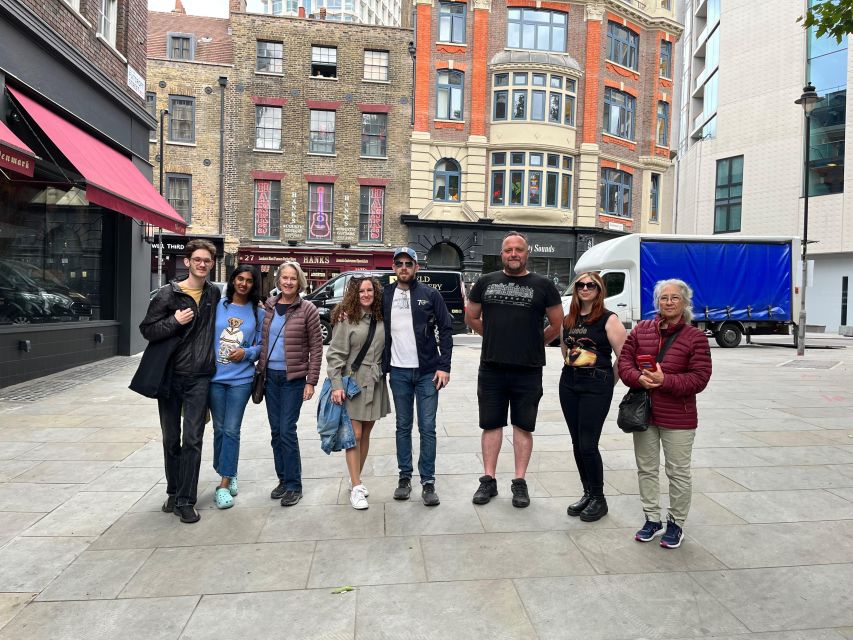
The walk’s first major named stop is Denmark Street (with a dedicated photo stop). If you’ve ever heard people call it one of the most iconic music streets in the UK, this is where that claim earns its reputation.
Denmark Street works because it’s a physical corridor of music culture. The guide uses it to set up what the neighborhood became known for: talent gathering, music retail energy, and the kind of industry rhythm that makes big careers look like they started overnight—when in reality, they started in ordinary places with the right people paying attention.
In a compact area like Soho, Denmark Street is also a shortcut for your brain. Instead of trying to remember 10 different names and 10 different streets, you get a single anchor street where many of those stories connect.
Practical note: bring your phone and give yourself a second to position for photos. Many of the “stand here” moments are quick, and great angles depend on timing.
“Sex Pistols here” and “Elton John’s tea boy job” on the Soho streets
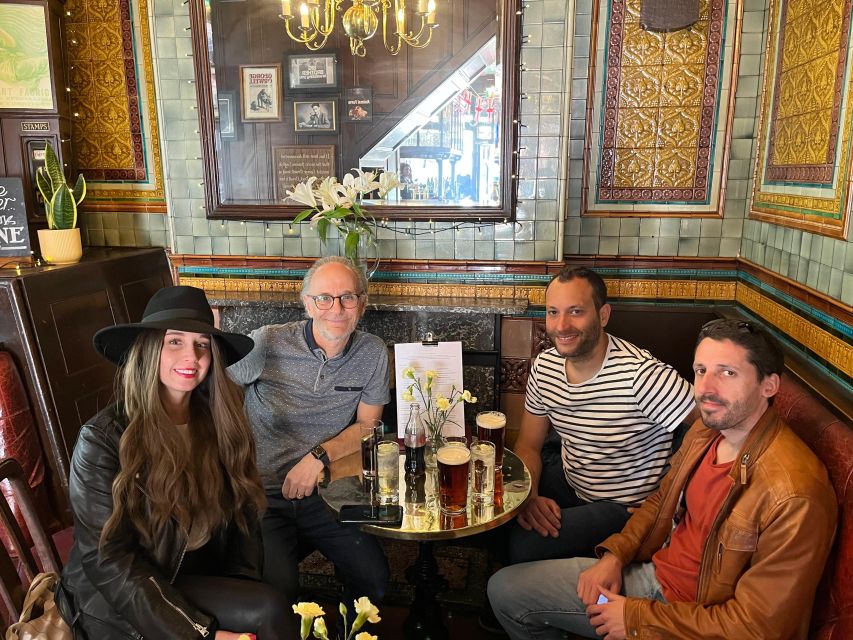
Once Denmark Street is out of the way, the tour shifts into the smaller, story-heavy corners that make the neighborhood famous. This is where you’ll hear about places linked to bands and personalities you might associate with huge stages—then you’ll get shown how early versions of those careers played out much closer to the ground.
Expect stops that connect to:
- the Sex Pistols and the neighborhood scene they’re tied to
- Elton John’s early job as a tea boy
- a Brian Epstein connection, including the venue he took over and the legendary Jimi Hendrix night in 1967
That mix is important. Soho’s music story isn’t only about rock gods. It’s also about the industry mechanics: managers, venues, and the jobs people took before they were famous. Seeing those pieces in sequence helps you understand why this area produced so many breakout arcs.
One consideration: because these are street-level stops, the details can feel subtle unless you listen closely. If you’re the type who wants constant narration without pauses, you’ll still be fine, but you’ll want to keep your attention on the guide instead of scanning shop windows.
Soho Square and the business side of fame: more than just a pretty plaza
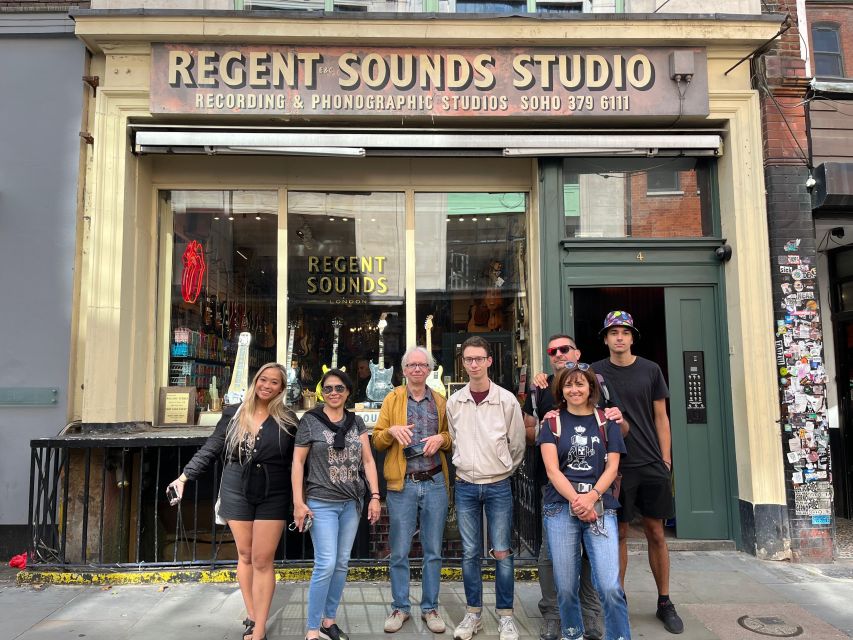
Next up is Soho Square, with a photo stop and guided talk time. This is a good moment in the tour to catch your breath, because squares and open areas give your eyes a break from narrow streets.
Here, the focus shifts to how music careers connect to business logistics—especially through the people behind the scenes. One highlight tied to this stop is Paul McCartney’s business headquarters, which helps you see Soho as an office-and-operations kind of ecosystem, not just a nightlife district.
This is also a moment where the tour becomes more than a walking playlist. You start to notice how the neighborhood served multiple functions at once:
- rehearsal and creativity
- venues and public attention
- business decision-making and management
If you’re a music fan who cares about the “how did it happen” side, this stop is a strong payoff.




Soho Lofts, Reckless Records, and the “you can still see it” factor
After Soho Square, the tour keeps moving through named points that help you connect eras of music culture to physical landmarks.
You’ll hit Soho Lofts (photo stop) and Reckless Records (photo stop). Those stops matter for a simple reason: they show that Soho’s music identity didn’t just belong to the 1960s and 70s. The neighborhood kept evolving, and it kept serving the music crowd in different ways.
Then you continue to more story points that connect to big pop moments, including:
- where John Lennon took part in a famous comedy routine
- the spot where an Oasis album cover was taken
- studio connections tied to David Bowie and the Beatles’ first release on Apple Records
Even if you’re not chasing album-cover trivia, these stops are valuable because they train your eye. You start to look at the facades, doorways, and street corners as part of the music story, not background scenery.
The Trident Studios site and the recording-history feel of Soho
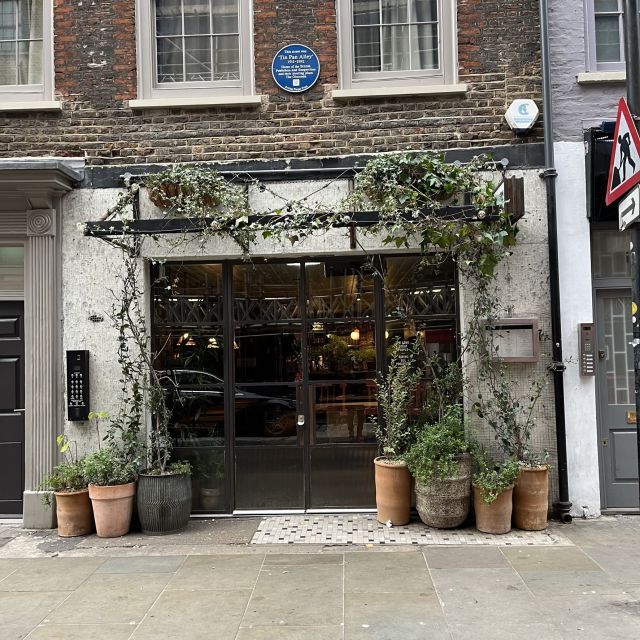
One of the most satisfying stops is the former site of Trident Studios. The words former site can sound abstract until you’re standing where it’s pointed out. Recording history is often treated like a myth—something that happened in a sealed room.
Here, the tour gives it street texture. You get a sense that music creation is also geography. The equipment and talent are huge, but the studios existed because of specific places that worked.
From this point, the tour also pulls you toward the recording/industry connections that include the Beatles and David Bowie threads mentioned earlier. The overall effect is that the neighborhood feels like a working music map, not a set of random famous stops.
Photo stops that actually work: how to get the most in 2 hours
This tour is built around photo opportunities and short guided moments. That’s great, but it only helps if you plan for it.
Here’s how I’d do it:
- Keep your camera/phone ready during each stop so you’re not fumbling while the group moves on.
- Pay attention to what the guide is pointing out first, then shoot second. The best photos often come after you understand what matters in that view.
- Expect some standing time. It’s a walking tour, not a seated lecture. If you get sore easily, give yourself a little cushion by wearing supportive shoes.
Also, weather counts. Soho streets can be windy, rainy, or just unexpectedly cold. Since you’re outside, dress like you’ll be outdoors for two hours.
Price and what you really get for $33
At $33 per person for a 2-hour guided walking tour, you’re paying for three things:
1) a focused route through a small area
2) a guide who connects music names to actual locations
3) a structured ending in a classic pub setting
Food and drinks are not included, so you’re not going to be handed a free meal. But you do get time to relax at the finish and order what you want.
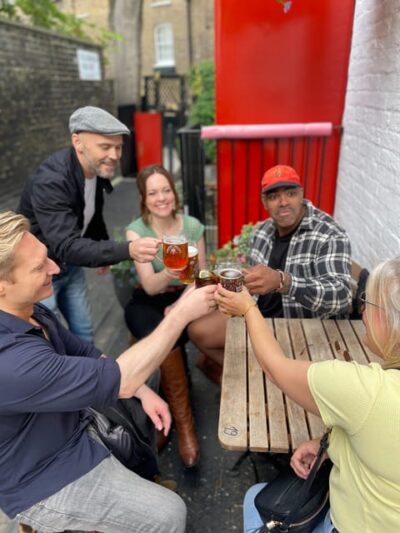
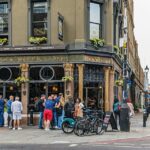
You’ll finish at The Dog and Duck, a pub that dates back to 1734. The tour includes a chunk of time at the end that’s specifically framed around drinks like beer or spirits, plus the option to grab something non-alcoholic (coffee is mentioned). It’s also a social moment: the guide can share personal music-industry stories in that pub environment, which is a better format than telling long stories on a sidewalk.
If you want value, this is one of those tours where paying for guidance beats self-guided roaming. You can certainly walk Soho on your own, but you’d be missing the concentrated “this happened here” links that make the walk click.
Finish at The Dog and Duck: why ending in a real pub works
Ending in an old pub isn’t just a cute tradition. It changes the tone. By the time you reach The Dog and Duck, your brain has been sorting names, decades, and locations for about two hours. A pub gives you a place to slow down and let the story settle.
Also, the tour is set up so you don’t just get a photo at the end. You get time to order drinks and hear the guide’s personal take on the music business, which adds texture to everything you saw earlier.
Practical tip: since you’re likely to be walking first and buying afterward, keep a small cash/card plan ready so you’re not doing payment gymnastics while the group is settling in.
Who this Soho music tour suits best (and the one case to skip)
This tour is ideal if:
- you love 60s and 70s rock and punk (the stories are weighted toward that world)
- you want a walking tour with named stops, not a vague “Soho vibes” stroll
- you enjoy learning how careers started, not just where they ended up
It’s also a good fit if you like British music retail and culture points like Reckless Records, because the tour isn’t only about legends. It includes the neighborhood ecosystem that helped those legends get attention.
It’s not listed as suitable for children under 11, so if you’re traveling with younger kids, you’ll want a different plan.
And it’s best if you’re comfortable standing and walking for the whole 2 hours. If you’re looking for indoor museum-style content, this street-focused format may feel more active than you want.
Should you book the London Soho music walking tour
I’d book it if your idea of a great London day is walking a compact route and having a guide connect the dots between famous musicians and real locations you can still visit. Denmark Street, Soho Square, the Trident Studios site, and the finish at The Dog and Duck are the kind of anchors that make the whole experience feel organized and worth the time.
Skip it if you only want casual sightseeing with no specific music focus, or if you don’t like outdoor walking stops. This is a tour for music-minded people who want names, locations, and stories in the same package.
FAQ
Where does the tour start?
The meeting point is outside the main entrance to the Dominion Theatre.
How long is the London Soho music walking tour?
It lasts 2 hours.
What does the tour cost?
The price is $33 per person.
Where does the tour finish?
It finishes at The Dog and Duck.
Is food or drinks included?
No. Food and drinks are not included. You’ll have time to buy drinks at the pub.
Is the tour wheelchair accessible?
Yes, the tour is wheelchair accessible.
Is it okay for kids?
It is not suitable for children under 11.
Is there free cancellation?
Yes, there is free cancellation up to 24 hours in advance for a full refund.