REVIEW · BRITISH MUSEUM TOURS
Unveil the Rosetta Stone, Parthenon at British Museum
Book on GetYourGuide →Operated by CENTURION · Bookable on GetYourGuide
A museum that can teach you to read time. In just 2 hours, this guided walk brings you face-to-face with major objects like the Rosetta Stone and the British Museum Great Court roof. You get more than staring at things; you get context that makes the museum feel organized and personal.
I also like that the tour moves through big worlds fast: Egypt, Greece, and early England, all in one route. One thing to consider is the walking pace. This is on foot, and the museum is huge, so comfy shoes matter.
In This Review
- Key Highlights to Look For
- Getting Your Bearings at the British Museum Great Court
- Rosetta Stone: Why One Object Can Change a Whole Language
- Parthenon Sculptures (Elgin Marbles): See Them First, Then Think About Them
- Ancient Egypt and the Mummy Galleries: Burial Practices With Purpose
- Sutton Hoo Helmet: Anglo-Saxon Craft and Status in One Stop
- Winged Bulls from Khorsabad: Assyrian Royal Guardians at Full Scale
- How the Live English Guide Makes the Two Hours Count
- Value for the Price: What $70.35 Buys You in a Museum Giant
- Who This Tour Fits Best (And Who Might Want Something Else)
- Final Call: Should You Book This British Museum Highlights Tour?
- FAQ
- What is the duration of the guided tour?
- Where do we meet the guide?
- What time should I arrive before the tour starts?
- What’s included in the price?
- Is pickup from a hotel included?
- Do I need to bring ID?
- What language is the tour guide?
- What happens if the time slot I choose isn’t available?
- Is it suitable for wheelchair users?
- Should You Bring Anything Extra?
Key Highlights to Look For
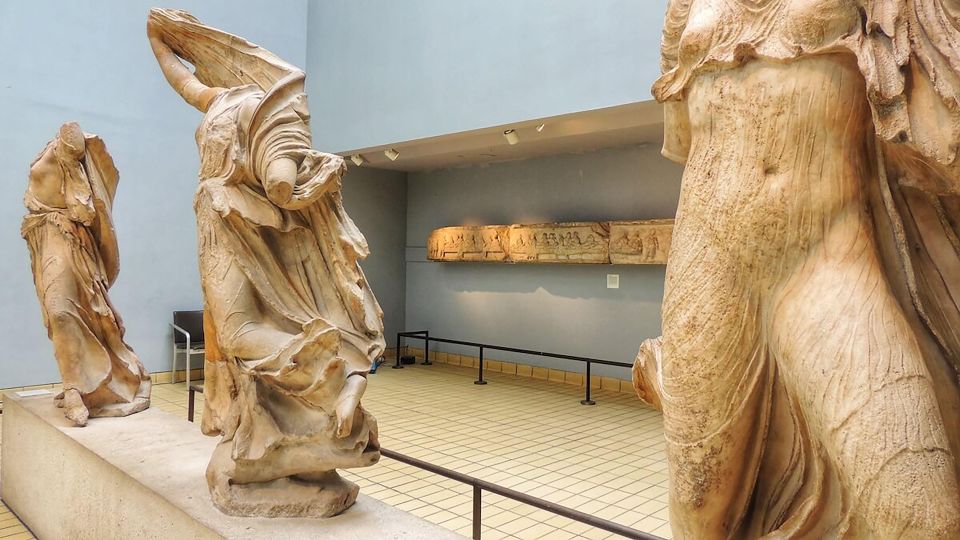
- Rosetta Stone basics made clear: how the breakthrough helped crack Egyptian hieroglyphs
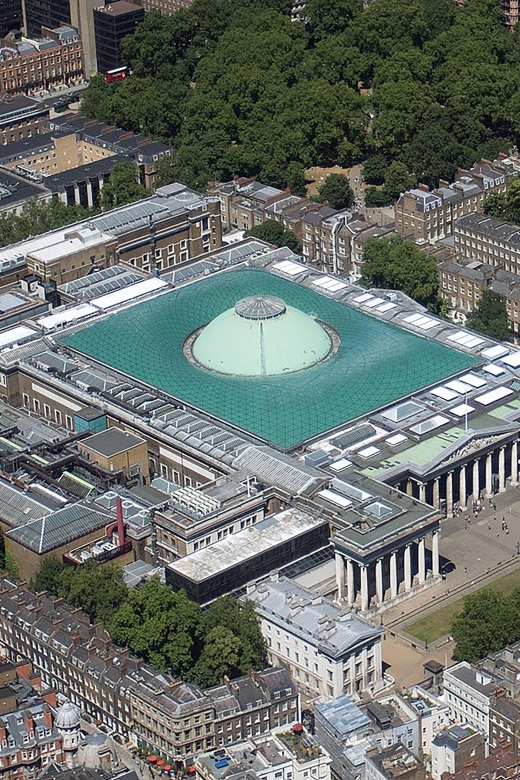
- Great Court first impression: a Norman Foster glass-roof view that sets the mood
- Parthenon sculptures with context: the Elgin Marbles and the repatriation debate in plain language
- Egyptian mummies with meaning: what burial practices and beliefs were doing in daily life
- Sutton Hoo helmet as a craft lesson: 7th-century treasure connected to a burial ship
- Winged Bulls as royal power: Assyrian guardian statues tied to Sargon II’s palace
Getting Your Bearings at the British Museum Great Court

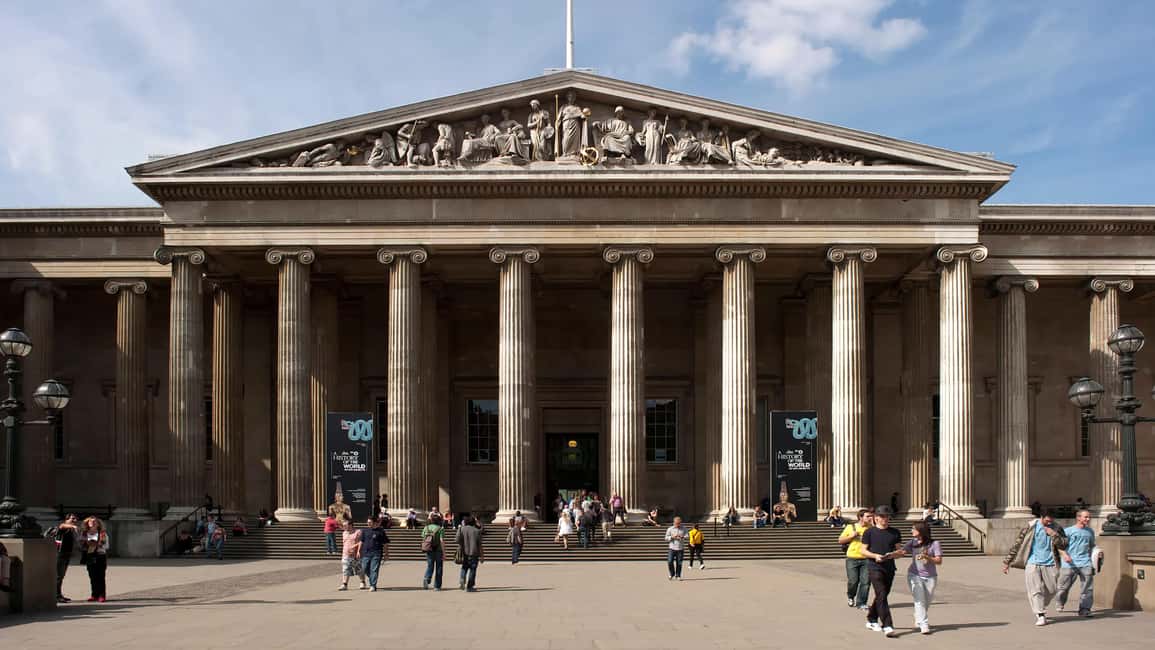
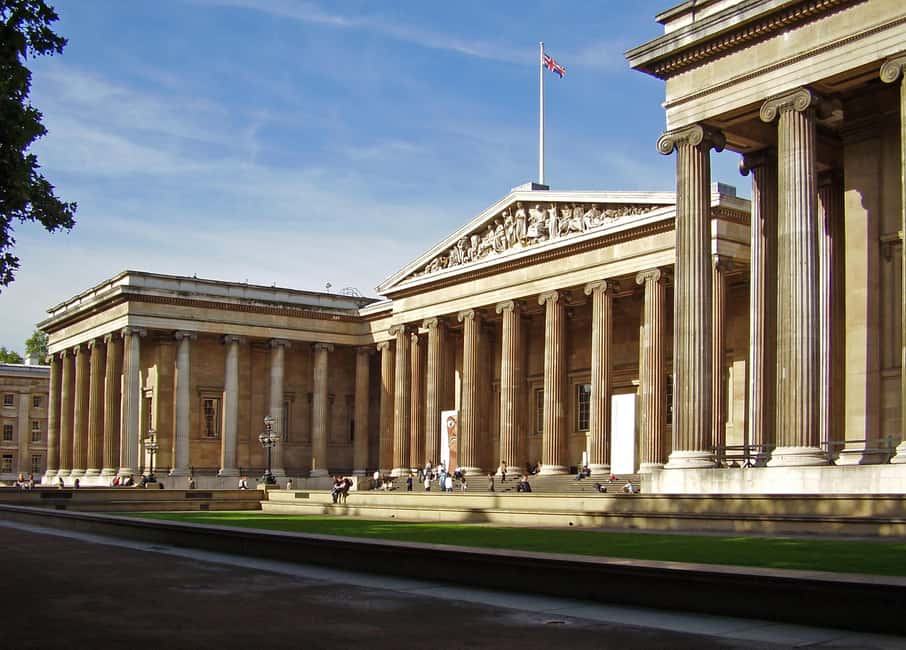
The tour starts at the British Museum’s main entrance, meeting your guide on the stairs after security checks. Aim to arrive at least 15 minutes early so you’re not stressed when the group forms. Once you’re in, you’ll quickly see why the museum feels like a small city.
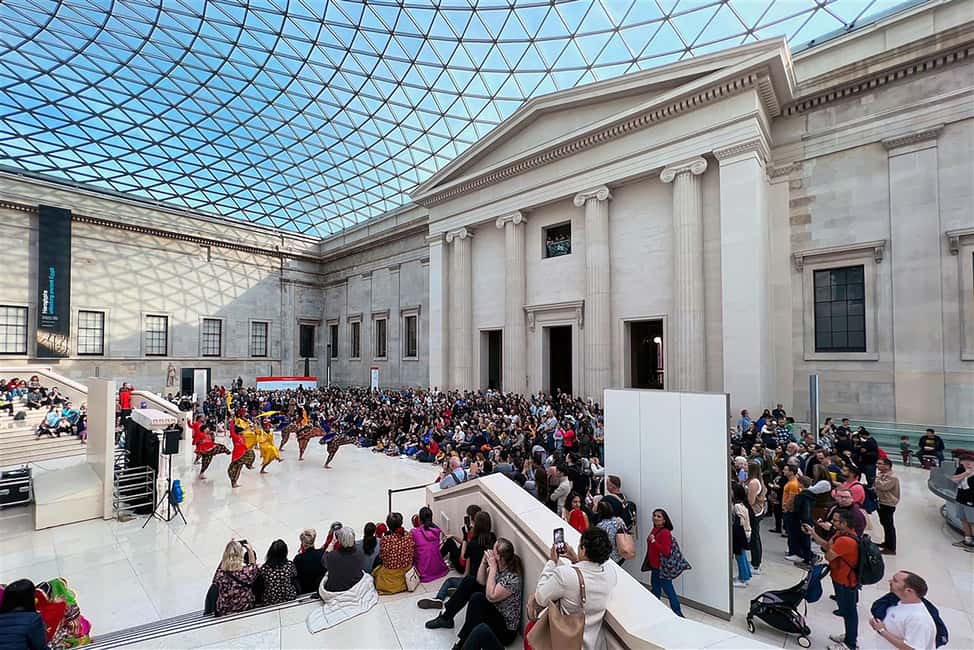
Your first major visual hit is the Great Court glass roof. It’s designed by Norman Foster, and the natural light can make the whole space feel calmer than you’d expect. Before you even get to the famous artifacts, the setting helps you understand how the museum moves: from open, airy space into focused galleries.
The other practical point: this is not a slow sit-down tour. You’re on foot, so you’ll want to keep your energy for the stops. If you’re sensitive to crowds or long standing, take breaks when your guide pauses and keep water in mind, even though food and drinks aren’t included.
You can also read our reviews of more museum experiences in London



Rosetta Stone: Why One Object Can Change a Whole Language

The first big stop is the Rosetta Stone. This is the artifact that helps crack Egyptian hieroglyphs, and your guide will explain why it mattered so much once it was discovered in 1799. Even if you know almost nothing about Egypt, you’ll leave with a simple sense of how translation breakthroughs work.
What I like about this stop is that it turns a museum label into a real story. The Rosetta Stone isn’t just a shiny piece of stonework; it’s treated like a key that unlocked reading. Your guide’s job here is to make the “how” feel understandable, not mystical.
There’s also a bonus effect: once you see the Rosetta Stone as a tool, the rest of the Egyptian section makes more sense. Hieroglyphs stop feeling like random symbols and start feeling like a system with rules and purpose. If you’re a first-timer at the British Museum, this is a smart first anchor.
One caution: you might feel a little short-changed if you were hoping for deep technical detail. This is a 2-hour tour, so the focus stays practical and story-driven, not academic.
Parthenon Sculptures (Elgin Marbles): See Them First, Then Think About Them
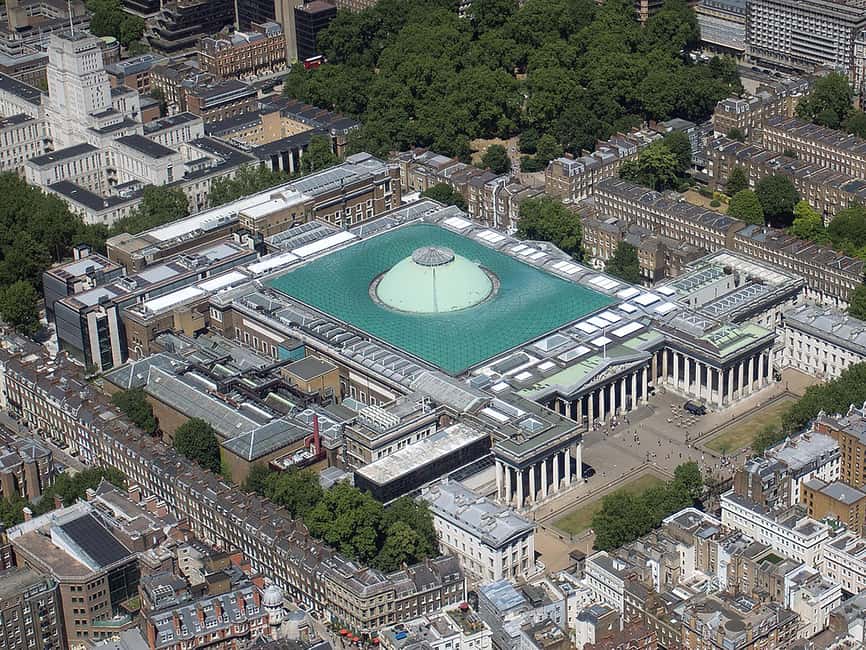
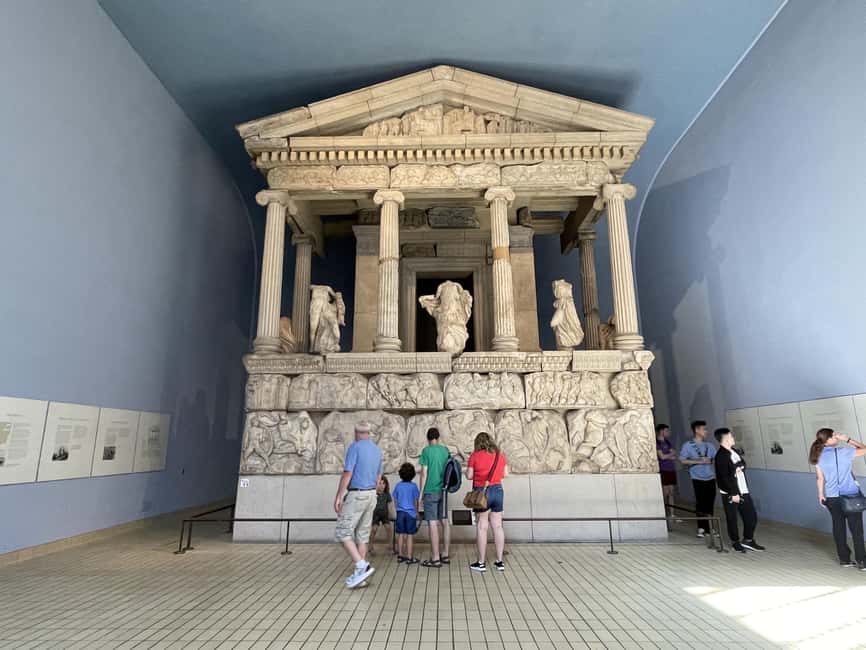
Next comes the Parthenon Sculptures, commonly known as the Elgin Marbles. These are marble carvings that were part of the Parthenon in Athens, then brought to Britain by Lord Elgin, described here as the former British ambassador to the Ottoman Empire. Your guide doesn’t treat this like a simple win for one country.
Instead, you’ll get a balanced look at why the sculptures are controversial. The presence of these works in the British Museum has sparked ongoing debate about cultural heritage and repatriation. Expect the guide to frame the arguments clearly, so you can form your own view without being dragged into slogans.
If you tend to get overwhelmed by political debates, this is still manageable. The key is to focus on what you can see: the scale, the craftsmanship, and the idea that these sculptures were designed as part of a larger architectural story. When you understand the original setting, the question of where they should live becomes more than a fact—it becomes a real ethical puzzle.
The drawback is unavoidable: you’ll only get a snapshot. If you want to study every figure and every historical layer on your own, this tour can’t replace a longer museum day. But as an introduction with thoughtful framing, it’s strong.
Ancient Egypt and the Mummy Galleries: Burial Practices With Purpose

After the Greek stop, the tour shifts into ancient Egypt. The museum’s Ancient Egyptian galleries include an impressive display of mummies, and your guide will explain burial practices and beliefs. This part is often where people feel the museum becomes more human.
Mummies can sound spooky from a distance, but the point here is cultural. You’ll learn how burial rituals connected to beliefs about the afterlife and the body’s role in that story. When a guide connects objects to beliefs, even hard-to-imagine practices start to feel logical.
I like that this section doesn’t just ask you to stare. It gives you a reason to look carefully. You’ll notice details more, because you know what those details were meant to communicate.
One practical consideration: mummy displays can be busy and emotionally intense for some visitors. If you’re traveling with kids or you’re sensitive to death-related topics, take it at your own pace and use the guide’s explanations to keep the tone grounded.
Sutton Hoo Helmet: Anglo-Saxon Craft and Status in One Stop
Then the tour brings you to Anglo-Saxon England through Sutton Hoo. This includes treasure from a 7th-century burial ship, and yes, one of the headline items is the iconic Sutton Hoo helmet. Your guide connects the helmet to the broader burial context, not just the wow-factor.
What makes this stop valuable is how it challenges the idea that the British Museum only belongs to “ancient empires.” Sutton Hoo is early medieval Britain, and it shows how skilled and powerful societies were here long before later kingdoms.
The helmet is a strong visual lesson in craftsmanship. Even in a quick tour, you’ll likely spend extra time here because it’s instantly recognizable and because your guide can explain what it suggests about status and identity. It’s the kind of object that makes history feel close.






Winged Bulls from Khorsabad: Assyrian Royal Guardians at Full Scale
The final standout stop is the Winged Bulls from Khorsabad. These are colossal Assyrian royal guardian statues that once guarded the entrance to the palace of Assyrian king Sargon II. Your guide will explain the role these guardians played in symbolizing power and protection at a royal site.
If you’ve never seen large-scale ancient sculpture in person, this is a great place to correct that. Scale matters for meaning, and guardian figures are meant to be faced, not admired from a distance. When you understand their job at an entrance, they stop being just impressive—they become purposeful.
This stop also adds variety to the tour’s timeline. You start with deciphering Egyptian writing, move through Greek architecture and modern ethical debates, shift to Egypt’s burial world, then jump to early medieval England, and finally land in Assyria. That range is why the tour works for people who want highlights without spending a full day planning.
How the Live English Guide Makes the Two Hours Count
A short tour lives or dies by the guide, and this one tends to get high marks for energy and clarity. One guide named Joe is praised for being upbeat and very knowledgeable, with a style that keeps attention from wandering. Another big win: the tour experience can work well for families, including kids who want stories, not just facts.
Because the guide is live and the language is English, you can also benefit from quick course corrections. If you look unsure, a good guide will point you back to what matters in the artifact. In museums, that’s half the battle: knowing what to look for so you don’t leave with only vague memories.
This tour is also explicitly not private. That means you’ll be part of a group moving together. Expect a steady rhythm with stops that feel like highlights rather than deep reading sessions. If you’re the type who likes slow, reflective gallery time, you might treat this as a warm-up, then plan a longer self-guided follow-up.
Value for the Price: What $70.35 Buys You in a Museum Giant
At $70.35 per person for a 2-hour guided experience, you’re paying for speed plus interpretation. You’re not just buying access to objects; you’re buying someone’s help sorting the museum’s noise so you can focus on major pieces.
Here’s what you do get:
- A guided British Museum route that hits major headline artifacts
- Online support around the time of boarding the tour
Here’s what you don’t get:
- No hotel pickup
- No food or drinks
For me, the value makes sense if you’re visiting the British Museum for the first time, you want the biggest works covered, and you like explanations that connect objects to their original worlds. It also fits well if your London schedule is tight. Two hours is enough time to leave impressed, but not enough time to do everything by yourself.
If you’re a museum super-fan who already has a list and wants maximum time at each gallery, a guided tour might feel like you’re moving through too quickly. In that case, you might prefer a longer independent visit. But for many people, a focused highlights route is a smart way to start.
Who This Tour Fits Best (And Who Might Want Something Else)
This tour is best for people who want context without homework. If you’re curious about decipherment, classical art, ancient belief systems, and early English treasure, this route packs a lot into a compact timeframe.
It’s also not designed for everyone. It’s listed as not suitable for wheelchair users, and since it’s on foot through a huge museum, comfortable shoes are a must. If mobility is an issue, you may want to look for an alternative format or a different accessibility-focused tour.
Families can be a good fit too. The guide’s storytelling style is a key strength, and one family experience specifically praised the guide for keeping a son interested.
Final Call: Should You Book This British Museum Highlights Tour?
I think you should book this tour if you’re arriving with limited time and you want the British Museum’s best-known objects tied to real meaning. The route covers major “name” artifacts across multiple civilizations, and the guide helps you see why they mattered—especially with the Rosetta Stone and the Parthenon sculptures handled in a thoughtful way.
Skip it if you want slow pacing, deep independent wandering, or if mobility limits make walking through a big museum stressful. In that case, a longer self-guided visit might suit you better.
If you do book, treat the two hours like a guided sampler. Then, if something grabs you—Egypt, the Parthenon story, or Sutton Hoo—plan extra time on your own during the rest of your museum visit.
FAQ
What is the duration of the guided tour?
The tour duration is 2 hours.
Where do we meet the guide?
Meet your guide on the stairs at the main entrance of the British Museum, after security checks.
What time should I arrive before the tour starts?
Arrive at least 15 minutes before your scheduled time at the museum entrance.
What’s included in the price?
The price includes a British Museum guided tour and online support at the time of boarding.
Is pickup from a hotel included?
No. Hotel pickup is not included.
Do I need to bring ID?
Yes. Bring a passport or an ID card.
What language is the tour guide?
The live tour guide is English.
What happens if the time slot I choose isn’t available?
If your chosen time isn’t available, you’ll be transferred to another time on the same day.
Is it suitable for wheelchair users?
No. The tour is listed as not suitable for wheelchair users.
Should You Bring Anything Extra?
Comfortable shoes are recommended since the tour is on foot and the museum is huge. Food and drinks are not included, so plan accordingly.
If you want, tell me your travel dates and whether this is your first British Museum visit, and I’ll help you decide if this 2-hour route matches your pace and interests.