REVIEW · ART GALLERIES & MUSEUMS
London: Natural History Museum Entry Ticket and Guided Tour
Book on GetYourGuide →Operated by UTG EXPERIENCE · Bookable on GetYourGuide
One hour here can spoil you for other museums. With a guide, you get a fast, focused pass through the Natural History Museum’s biggest hits, from Hintze Hall icons to the quiet Wildlife Garden, without getting lost. You’ll also appreciate the express security moment, though the 1-hour pace means you can’t linger everywhere.
The good news is your guide keeps the visit moving with clear explanations and included headsets if needed, so you don’t have to crane your neck in crowded halls. A standout detail: guides like Paul are repeatedly called out for handling questions well, which makes the museum feel less like a checklist and more like a guided conversation. The main trade-off is time: if you want to read every label and take your time, you’ll probably want a second visit afterward.
In This Review
- Key highlights you won’t want to miss
- Why the Natural History Museum feels different with a guide
- Meeting at South Kensington and getting inside faster
- Central Hall: where Diplodocus sets the mood
- Hintze Hall: dinosaurs plus the 25-meter blue whale
- Volcanoes and Earthquakes: learning the planet behind the rocks
- Evolution and the diversity of life
- Minerals, gems, and the butterfly collection: small details with big payoff
- Wildlife Garden: the calm break for birds, bees, and more
- How much you really get in 1 hour
- Price value: is $76 per person a good deal?
- Who should book this Natural History Museum guided tour
- Should you book this guided Natural History Museum tour?
- FAQ
- How long is the Natural History Museum guided tour?
- What’s included in the ticket price?
- Do I skip the security line?
- Where do we meet near South Kensington?
- What exhibits are covered during the hour?
- Is the tour wheelchair accessible and in English?
- Is free cancellation available?
Key highlights you won’t want to miss
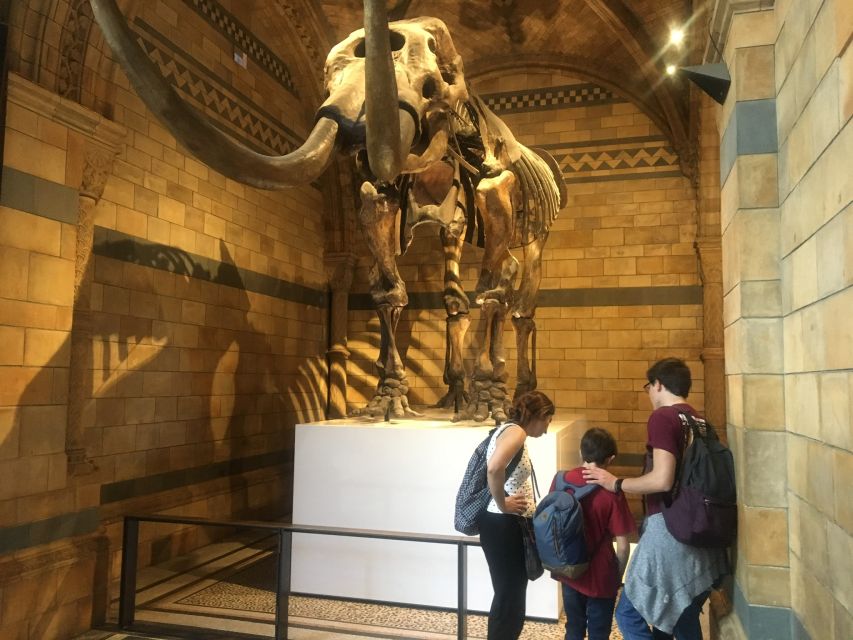
- Hintze Hall showstoppers: massive dinosaur skeletons plus an 82-foot blue whale sightline that’s hard to forget
- Earth science stops: Volcanoes and Earthquakes, with big-picture explanations of how our planet works
- Evolution and life on Earth: the stories behind diversity of life, not just pretty displays
- Butterfly collection and insect detail: small-scale beauty that’s easy to miss on your own
- Minerals and gems: learn why those shapes and colors matter
- Wildlife Garden reset: a calmer break with birds, bees, and other animals
Why the Natural History Museum feels different with a guide
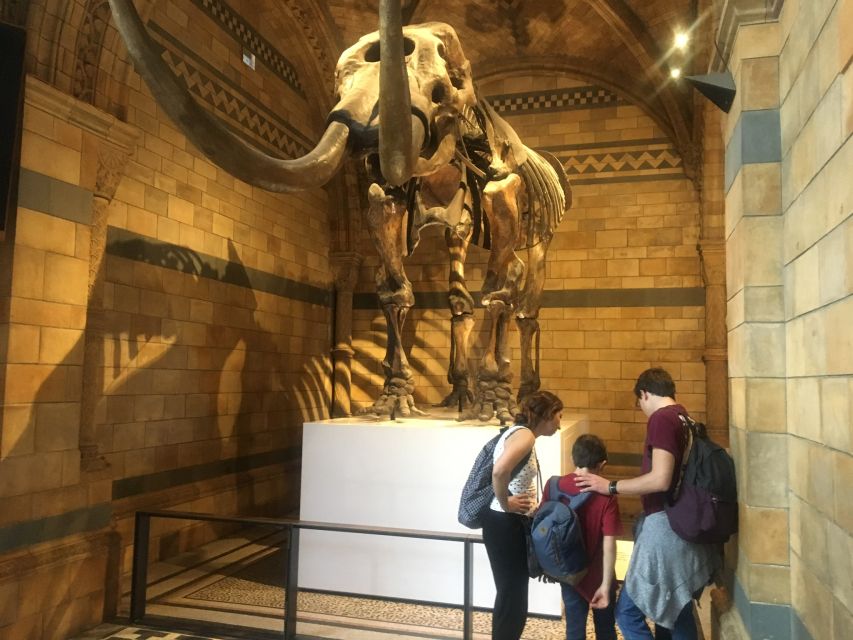
The Natural History Museum is famous for a reason, but it can also be overwhelming. Hundreds of displays fight for your attention, and without a plan you end up zig-zagging through rooms you might have skipped. A guided tour turns the museum into a set of connected stops, with a person steering you toward what’s most meaningful and most dramatic.
In one hour, you’ll get the kind of context that makes the objects feel alive. The guide doesn’t just point at labels. They explain what you’re looking at, why it’s there, and how scientists study and preserve specimens so they can teach future visitors. That last part matters more than you might think: it explains why the museum looks the way it does, and why conservation and research are part of the experience.
You can also read our reviews of more tours and experiences in London



Meeting at South Kensington and getting inside faster
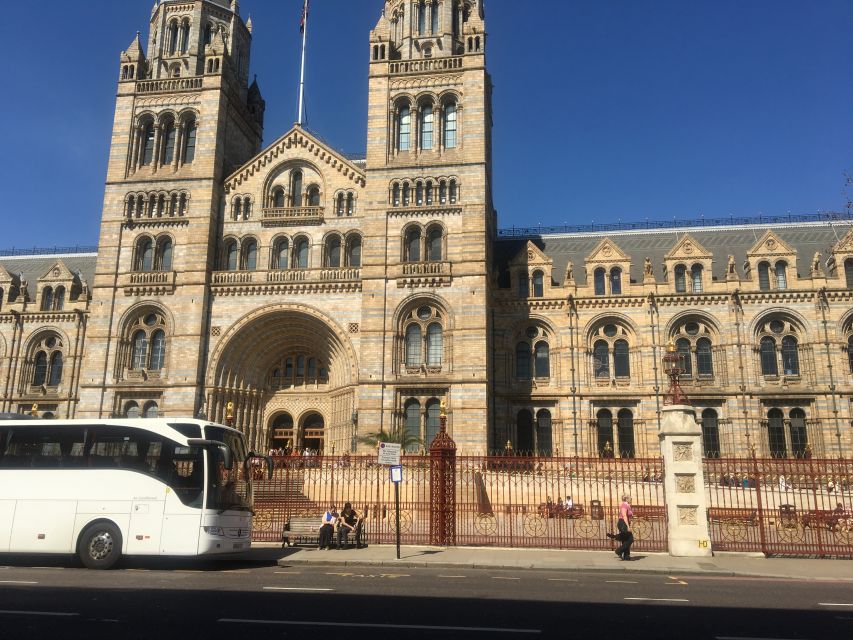
This tour starts at the Metro South Kensington area. You’ll take the exit for Natural History Museum Ismaili Centre, then meet your guide at the metal plate marked The Royal Borough of Kensington and Chelsea on Exhibition Road SW7.
Two practical advantages are baked in. First, you’re going to use an express security check, so you spend less time stuck in line before you even reach the galleries. Second, your reservation ticket is included, which helps keep the start smooth.
One small thing to watch: the meeting point description is specific, and if you’re arriving right at start time, you’ll want to give yourself a few extra minutes to orient yourself on Exhibition Road.
Central Hall: where Diplodocus sets the mood
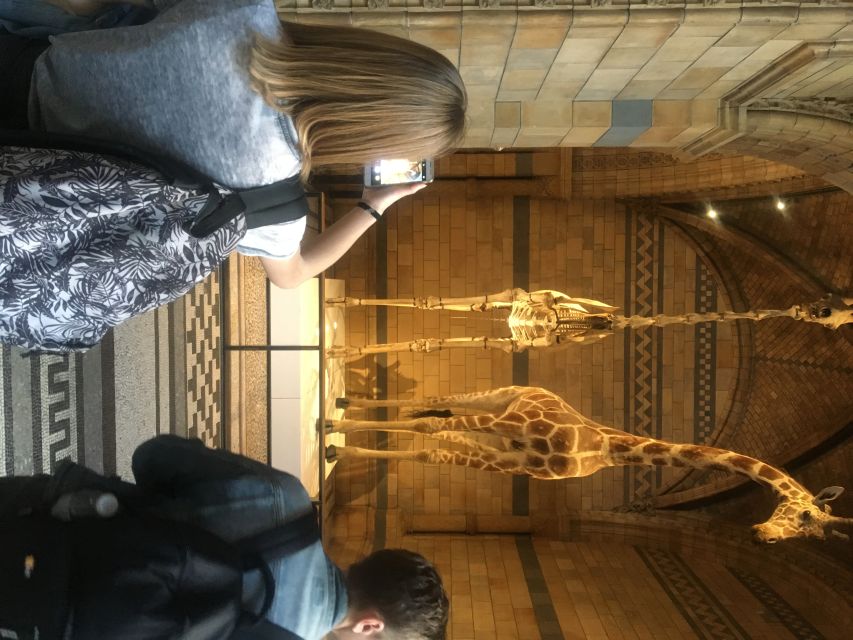
If you only saw one thing at the museum, it would still be worth it. The Central Hall is built to impress, and the giant dinosaur skeleton is part of the opening act. You’ll encounter the Diplodocus skeleton in the Central Hall early in the experience, so the tour starts with a strong “wow” before you settle into the rest of the museum’s themes.
What makes this stop work with a guide is the framing. Instead of treating the skeleton like a single photo opportunity, the guide connects it to the bigger story: evolution and deep time. That turns what could be a quick glance into a moment that actually sticks.
A possible drawback? The Central Hall is visually dominant, so it’s easy to feel rushed if you’re expecting time to wander and photograph freely. The tour is designed to move quickly between major scenes.
Hintze Hall: dinosaurs plus the 25-meter blue whale
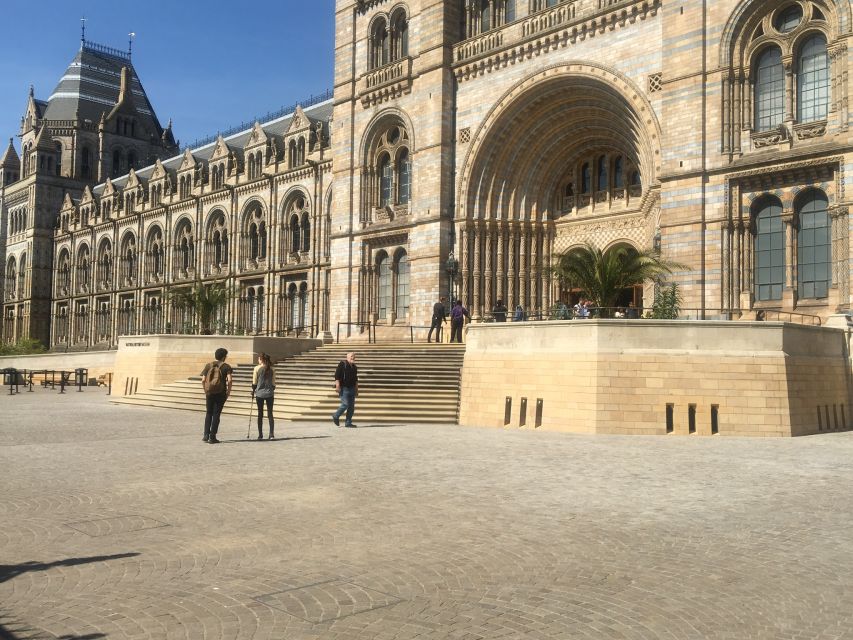
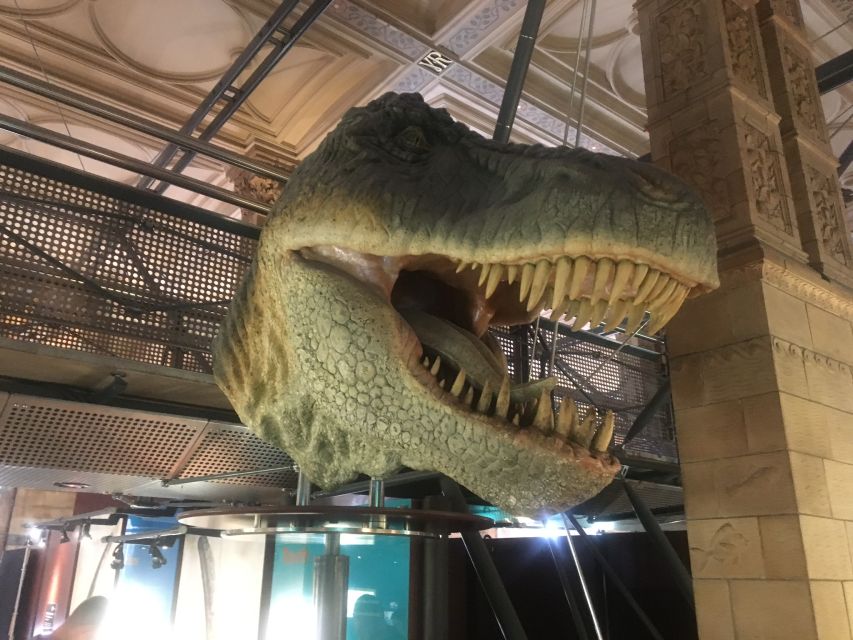
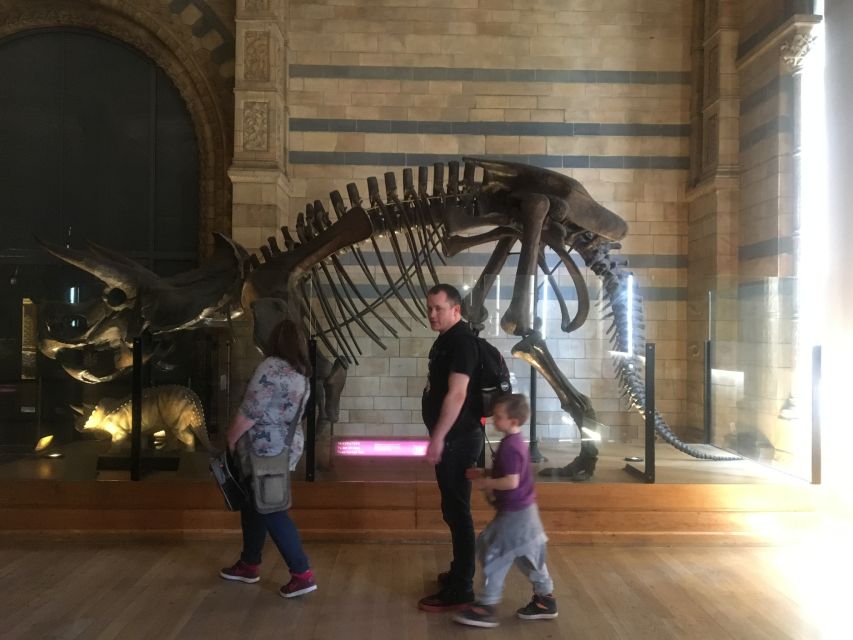
If Central Hall sets the tempo, Hintze Hall is the big crescendo. This is where you’ll see the massive dinosaur skeletons and the museum’s other heavyweight star: the enormous blue whale skeleton. It spans about 82 feet (25 meters) long, and the scale hits you even if you’ve seen pictures before.
With a guide, you’ll get more than size and silence. You’ll learn why this display is a powerful teaching tool for understanding life on Earth—especially how evolution, anatomy, and the fossil record connect to one another.
Here’s the practical value: Hintze Hall can easily swallow your time if you stop for too many photos. In a one-hour tour, that’s where the guide’s timing matters. You’ll get the signature views, then move before the next room becomes a slog.
Volcanoes and Earthquakes: learning the planet behind the rocks
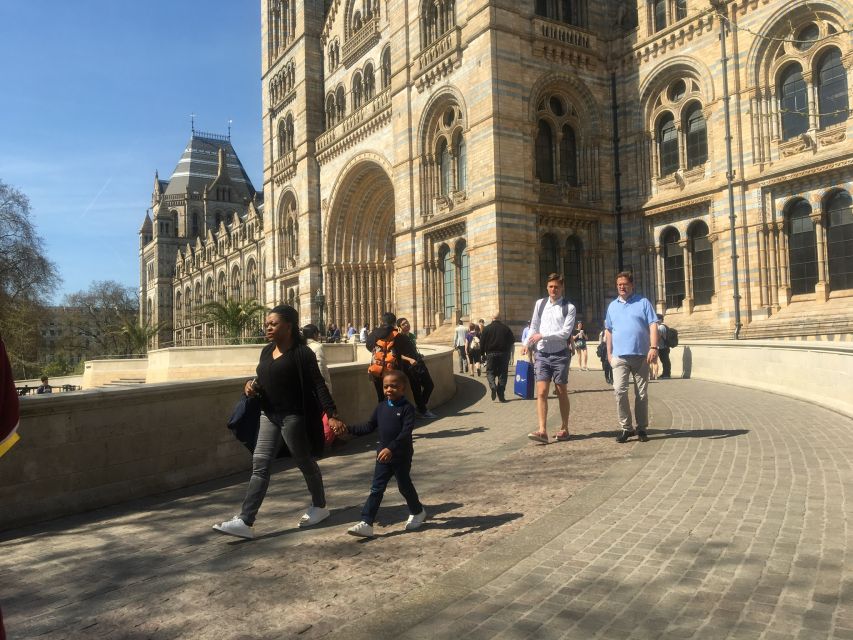
After the big animal moments, the tour shifts gears to how Earth works. In the Volcanoes and Earthquakes Gallery, you’ll explore questions like how the planet forms, how forces shape the land, and why geology is more than just old rocks in glass cases.
This is a smart pairing with the dinosaur and whale displays. Those are about life and evolution, while volcanoes and earthquakes focus on the planet’s physical changes over time. Together, they give you a more complete picture: life evolves on a changing world.
If you’re the type who likes to understand cause-and-effect, this gallery is a highlight. If you’re more in “show me the cool things fast” mode, it still helps to have a guide here because the science themes can feel scattered when you’re alone.
You can also read our reviews of more guided tours in London





Evolution and the diversity of life
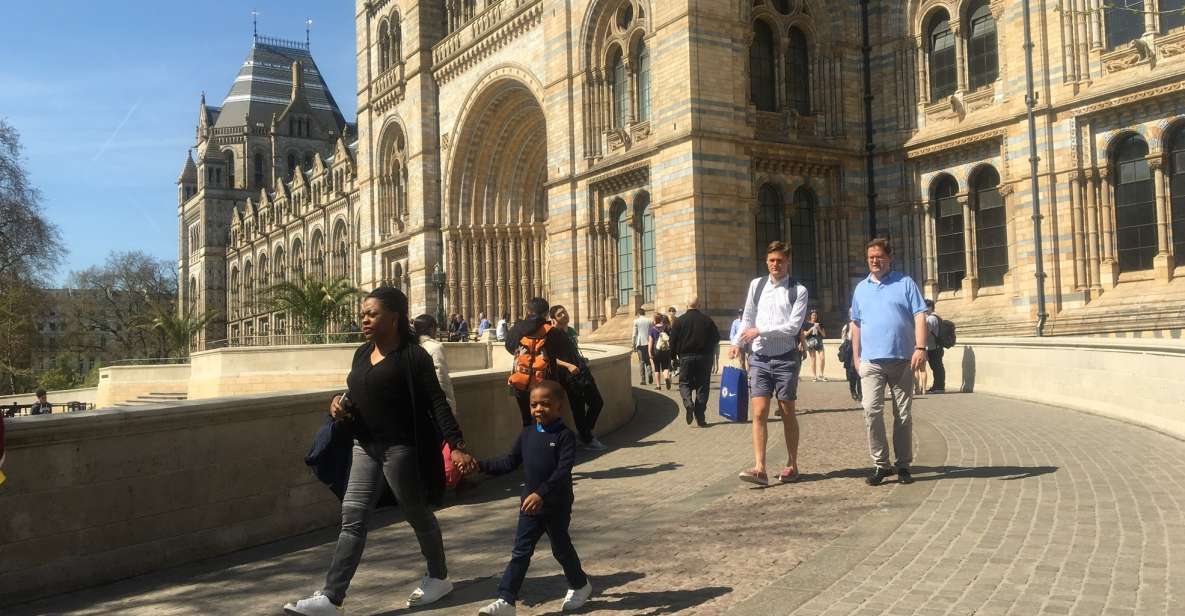
The Evolution gallery is where the museum’s message becomes less about spectacle and more about meaning. You’ll see how the museum connects evidence to stories—how scientists interpret specimens and displays to explain the diversity of life on Earth.
In a short tour, you can’t read every label, and you definitely can’t spot every detail by instinct. A guide helps you identify what’s central and what’s supporting. The result is that even if you move quickly, you leave with a clearer mental map of how the museum teaches evolution.
A good tip for you here: choose one display or theme to mentally bookmark as your “remember this” item. The guide’s explanations give you a reason to care, and your attention will last longer.
Minerals, gems, and the butterfly collection: small details with big payoff
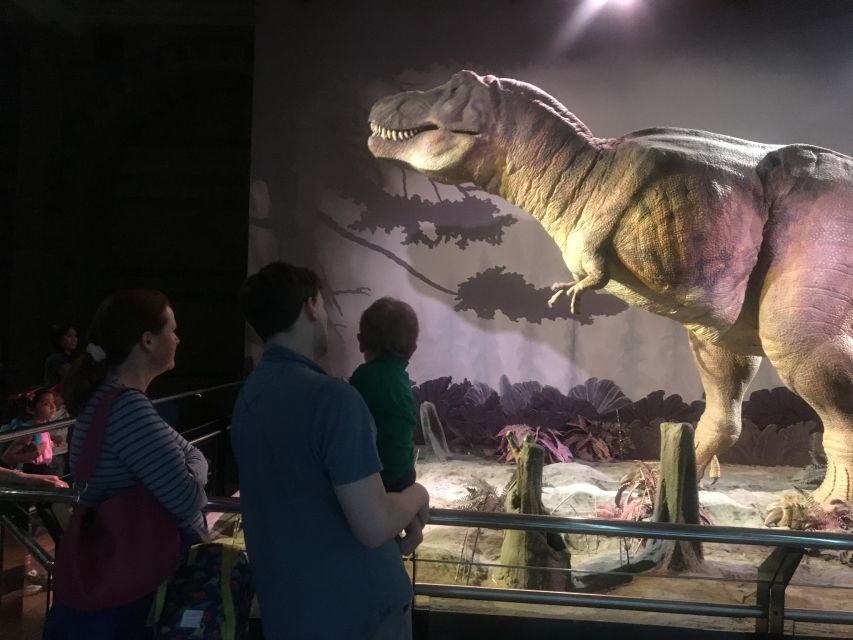
Not everything in the Natural History Museum is giant. The tour also includes stops that reward patience, like the intricate butterfly collection and the displays of minerals and gems.
These are the moments where you can slow down just enough without falling behind. The mineral and gem displays are especially useful for learning what the museum is really showing: not just pretty colors, but patterns, structures, and properties that help scientists classify and study natural materials. The butterfly collection does something similar on a different scale—it highlights how variation in form and design can be tied to the larger story of life.
If your group has mixed ages, this part tends to work well because it’s visually engaging but not dependent on dinosaur-size scale. Still, if you’re visiting with very young kids, you might find it tougher to keep attention steady through the smaller-detail rooms.
Wildlife Garden: the calm break for birds, bees, and more
Between the major halls and galleries, the tour includes the Wildlife Garden, which works like a breather. Instead of dim display rooms, you get an outdoor-feeling pause where birds, bees, and other animals are part of the experience.
This stop also adds balance to what came before. The museum is often associated with fossils and fossils-only vibes, but the Wildlife Garden brings the “living world” theme into your visit. Even in a short tour, it makes the whole outing feel less like a history lesson and more like an ongoing conversation with nature.
How much you really get in 1 hour
A one-hour guided tour at a museum this size is a sprint. That’s not a bad thing—it’s a strategy. The tour is built around the museum’s clearest anchors: Central Hall, Hintze Hall, major gallery themes, and the Wildlife Garden.
What you should expect to miss, at least if you want a deeper, slower look: the less-famous rooms and the displays that require more time to fully read and compare. If you’re the type who likes to linger, you’ll probably finish this tour already planning a second visit on your own or upgrading to a longer guided option.
The real win is that the tour helps you decide what’s worth your return time. You’ll see enough to know where your curiosity should go next.
Price value: is $76 per person a good deal?
At $76 per person for a 1-hour guided experience, the value comes from three things working together:
- You’re paying for someone to manage the museum’s scale and your attention.
- You get a reservation ticket plus express security, which reduces wasted time.
- You get headsets if needed, so the guide’s explanations stay clear even when rooms get crowded.
If you’re going to the museum anyway, this kind of guided hour is often worth it because it buys you direction. Without guidance, you’ll likely wander longer than you intended. With guidance, you’ll see the big anchors and leave with a better sense of what to revisit.
On the other hand, if your goal is to read everything slowly and you don’t mind getting oriented on your own, you may feel the price is less justified. Think of this as a “get the essentials right” ticket, not a “see everything forever” pass.
Who should book this Natural History Museum guided tour
This is a great fit if you want a high-impact overview and you like understanding what you’re looking at. It’s especially good for:
- First-time visitors to the museum who want the major hits efficiently
- Families who need help keeping the visit from turning into random wandering
- Adults who enjoy Q&A and want museum science explained in plain language
- Anyone visiting with limited time in London, where you can’t afford half-days of aimless browsing
It may be less ideal if you’re traveling with very small toddlers or anyone who needs a slow pace and lots of breaks. In a short tour, the museum’s pace can feel brisk.
Should you book this guided Natural History Museum tour?
Yes—if you want a smart, time-efficient way to experience the museum’s most famous moments. The big reason to book is the combination of express security and a guide who turns major displays into understandable stories. In an hour, you’ll hit the Diplodocus, the blue whale skeleton, key science galleries, and the Wildlife Garden—and you’ll know where to spend extra time on a follow-up visit.
If you have plenty of time and you love reading every label at your own speed, you might prefer a self-guided visit. But for most people with a packed London itinerary, this is the kind of tour that helps you leave impressed, not just tired.
FAQ
How long is the Natural History Museum guided tour?
The tour lasts 1 hour. Starting times depend on availability.
What’s included in the ticket price?
It includes a live English guide, a reservation ticket, and headsets if needed.
Do I skip the security line?
Yes. The tour includes express security check so you spend less time waiting to enter.
Where do we meet near South Kensington?
Meet at the metal plate labeled The Royal Borough of Kensington and Chelsea on Exhibition Road SW7, after exiting from the Natural History Museum Ismaili Centre exit from Metro South Kensington.
What exhibits are covered during the hour?
You’ll focus on major highlights such as the Diplodocus in the Central Hall, the blue whale skeleton and dinosaur skeletons in Hintze Hall, plus themes from the Volcanoes and Earthquakes gallery and the Evolution gallery. The Wildlife Garden is also included, along with details like the butterfly collection and mineral and gem displays.
Is the tour wheelchair accessible and in English?
Yes. The tour is wheelchair accessible and the live guide operates in English.
Is free cancellation available?
Yes. You can cancel up to 24 hours in advance for a full refund.