REVIEW · HISTORICAL TOURS
Roman Ruins to Blitz Bombings: London’s Fiery History
Book on GetYourGuide →Operated by Historic London Tours · Bookable on GetYourGuide
London’s streets hold ancient danger.
This 2-hour City of London walk strings together two thousand years of change, from Roman Londinium traces to later shocks of fire and war you can still feel in the stones. I especially like two things: the way you can spot Roman ruins where you’re standing, and the guide’s mix of hard facts with easy humor that keeps the pace moving. One drawback: it’s a brisk 2.5-mile loop, so if you need lots of sitting breaks or long stops, you might wish it lingered longer.
You’ll meet by Tower Hill Station and head toward Blackfriars on foot, with a small group capped at fifteen. That matters, because you’ll actually get room for questions, not just a one-way lecture. The tour is built around quick, focused stops, so you get momentum, but you also shouldn’t expect museum-level time at any single site.
The stories cover more than kings and dates. You’ll hear how Romans fit into the City’s beginnings, how later power shifted it again, and how characters like Anne Boleyn’s ghost and Queen Boudica pop up in the storytelling (with a connection to Harry Potter). The big promise here is a guided walk that makes London feel like one continuous plot, not a pile of disconnected attractions.
In This Review
- Key things you’ll get on this Roman-to-Tower walk
- Tower Hill start: the quickest way to get oriented
- Roman Wall of Londinium: spotting London’s oldest backbone
- Tower of London: where politics turns into bloodshed
- St Dunstan in the East Church Garden: a breather with meaning
- Monument to the Great Fire and London Stone remnants
- Bank of England: a vault-tunnel story with real context
- Guildhall, St Paul’s, and the City’s long grip on power
- Ye Olde Cheshire Cheese finish: a proper end to a sharp route
- Price, walking time, and value that actually makes sense
- Who should book this tour
- Should you book this Roman Ruins to Blitz Bombings style walk?
- FAQ
- How long is the tour?
- What distance do we walk?
- Where do I meet the guide?
- Where does the tour end?
- Is the tour in English?
- What is included in the price?
Key things you’ll get on this Roman-to-Tower walk
- Roman Londinium clues you can see on the street
- Tower of London history focused on human drama and consequences
- Great Fire landmarks that connect smoke, rebuilding, and survival
- London Stone and other “small” remnants that explain the City’s power
- A fun, guided take on the Bank of England vault-tunnel story
- A short, well-managed route that ends in a classic old pub
Tower Hill start: the quickest way to get oriented
The tour kicks off outside Tower Hill Station, and your best move is to arrive early enough to find the guide easily. Look for the person standing at the base of the steps leading up to the sundial, holding an Historic London Tours sign. The meeting point is right in the thick of it, near the kind of street-energy that makes London feel like it runs on footsteps and footnotes.
I like starting here because the area gives you instant context. Tower Hill already “sets the tone” for what’s coming: medieval power, serious architecture, and the sense that the City has always had a hard edge. And since the tour is only about two hours with a total distance around 2.5 miles, the first minutes count. You want those opening stories to help your brain map what you’re seeing—otherwise it can feel like you’re just collecting landmarks.
Also, since there’s a limit of fifteen attendees, you’re not fighting for attention. If you’re the type who asks odd questions—there are always a few—this format works well because the guide can answer without rushing you off.
You can also read our reviews of more historical tours in London



Roman Wall of Londinium: spotting London’s oldest backbone
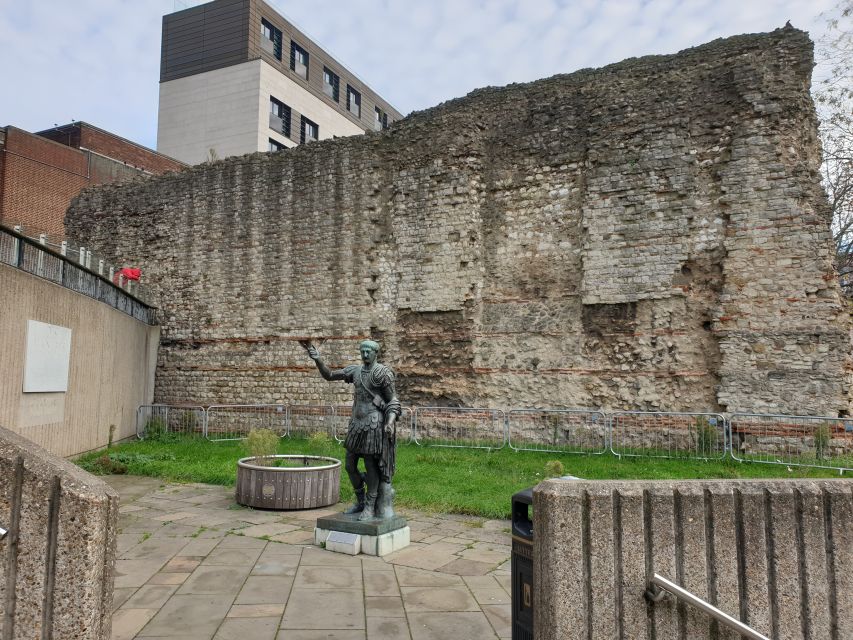
One of the most satisfying parts is the stop focused on the Roman Wall of Londinium. This is where the tour shifts from “London sounds cool” to “wait, this is real stone.” You’ll connect the City’s founding story to what survived physically, not just what historians write about later.
What I like about Roman-focused stops in general is that they force you to notice layering. London isn’t one era stacked neatly on another. It’s more like a palimpsest, where newer priorities reuse older space. Here, the guide helps you understand how Roman presence remains visible in the ancient heart of the capital—so you’re not just reading plaques; you’re learning to see the city’s bones.
A small consideration: the Roman elements can feel subtle if you’re expecting giant ruins. This is more about seeing traces and meaning in urban spaces than finding a perfectly preserved archaeological site. If you enjoy that “detective work,” you’ll love it. If you want dramatic visuals only, you may want to pair this with a museum visit later.
Tower of London: where politics turns into bloodshed
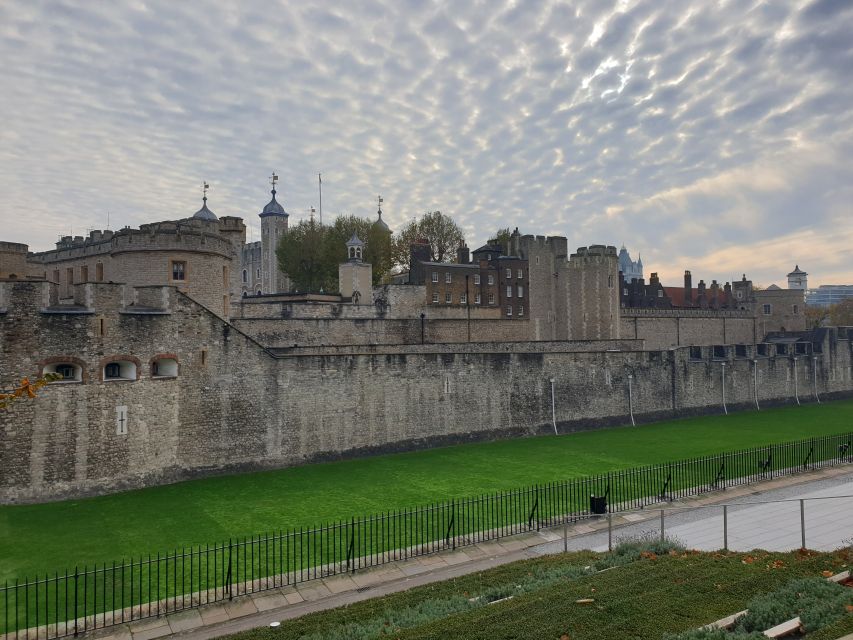
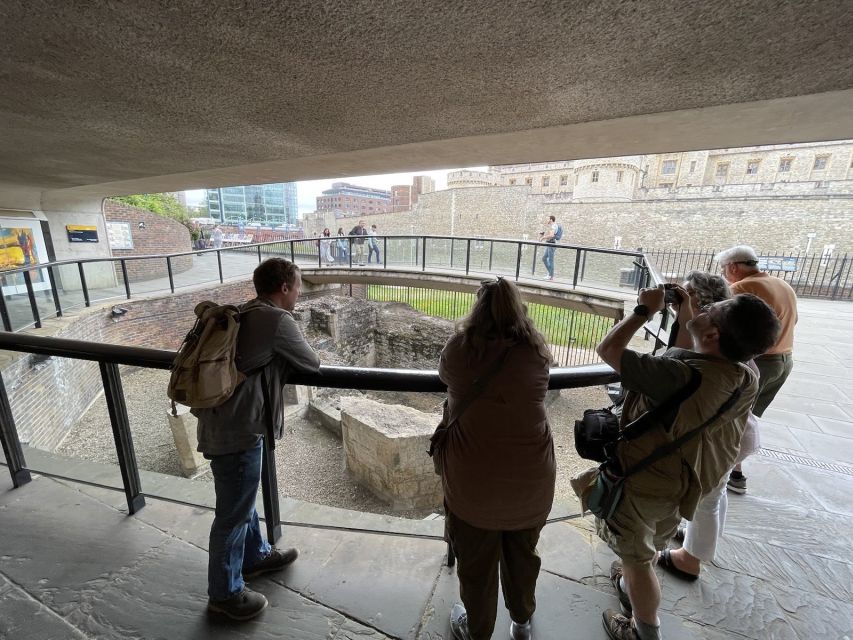
Next comes the Tower of London, and the tour doesn’t treat it like a postcard. You get the sinister side and the bloody past that helped the Tower become a symbol of control. That matters because the Tower isn’t just a building; it’s a machine for power. It’s where fear becomes policy, and where people understood that the state could reach right into the room.
I appreciate how tours like this can explain cause and effect. Instead of listing monarchs, the best guides tie events to the Tower’s role in enforcing authority. And since this walk is timed at short guided moments at each stop, you’ll likely get the key “why it mattered” points without getting swallowed by details.
One more thing: this is a tough subject, so the tone matters. Based on what guides have been praised for here—clear delivery and a sense of humor that doesn’t cheapen the facts—you should feel informed rather than shocked into silence. The goal is understanding, not gore.
St Dunstan in the East Church Garden: a breather with meaning
After the Tower’s heavy stories, you move to Saint Dunstan in the East Church Garden. This kind of stop is useful on a walking tour because it gives your mind a reset. Gardens and church spaces soften the edges of the narrative, but they still connect back to the City’s long memory.
Even if the stop feels quieter, I’d use it to think about continuity. London keeps changing governments, rebuilding after disasters, and reshaping what matters. Yet the places of worship and reflection keep returning in different forms. That contrast is exactly why this tour works: it doesn’t just sprint through dark chapters. It helps you feel the rhythm of London life between eras.
If you’re traveling with anyone who gets impatient when the history gets too intense, this garden stop often becomes the “okay, I can breathe” moment. And it’s still part of the story, not a random break.
Monument to the Great Fire and London Stone remnants
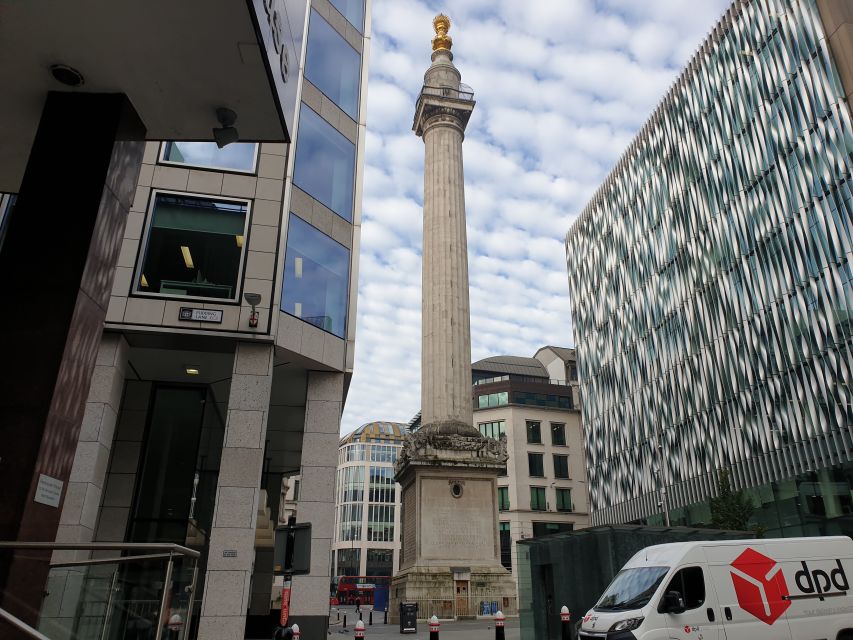
Then you hit two stops that help explain why London is so dramatic: the Monument to the Great Fire of London and the London Stone remaining part.
The Great Fire stop does something important for your understanding. It turns the phrase survival through fire into something spatial. You don’t just learn that a fire happened; you see the kind of scale that forces rebuilding to become a whole new chapter. That’s value, because rebuilding reshaped streets, buildings, and civic identity. London becomes a city that can reset itself—at a terrible cost.
Right after that, the London Stone stop adds a different kind of lesson: the small remnants of authority. This is one of those “you might overlook it” elements unless a guide points out what it represents. The City’s older traditions don’t vanish simply because a disaster strikes. They persist, even if the physical proof is only partly there.
If you like history that explains how daily life and power evolve after disasters, these stops are a highlight. If you prefer history that stays far from architecture, you might still enjoy it because the guide should connect the stones to civic meaning.






Bank of England: a vault-tunnel story with real context
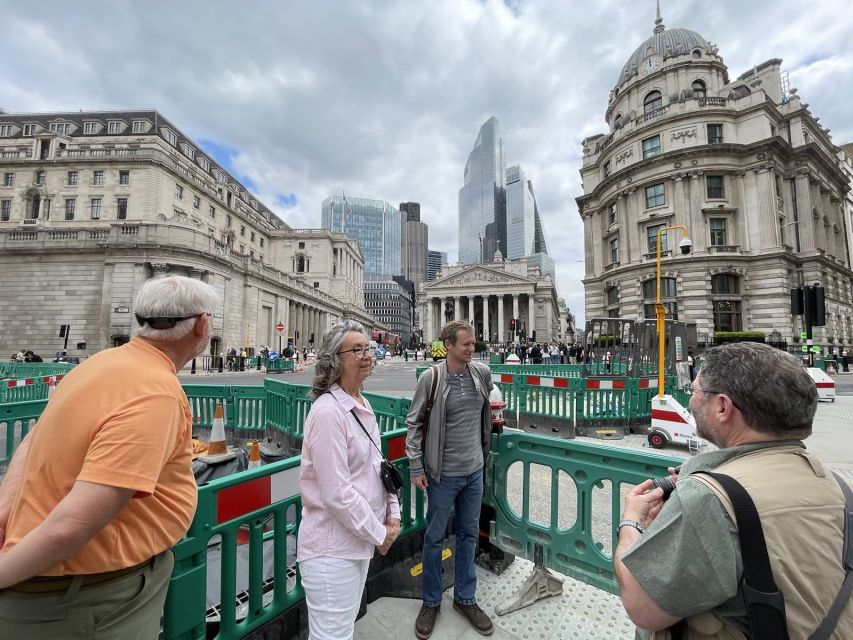
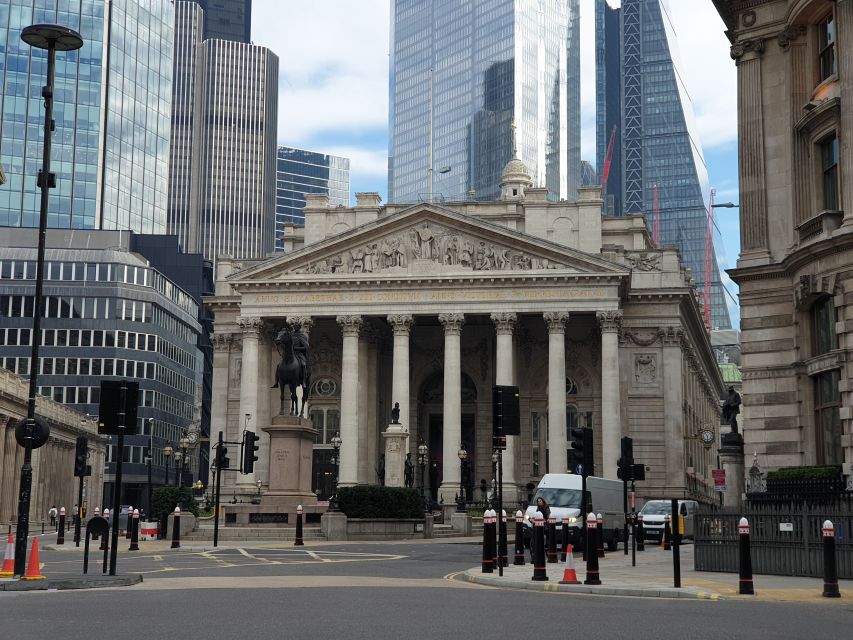
The walk then moves into Bank of England territory. One of the highlights is the guided story about the easiest way to tunnel into the Bank of England’s vaults. That sounds like dark comedy—and in the best way, it’s the kind of anecdote that keeps attention.
But the real value is what a good guide does next: they use the playful setup to make you think about power and security. Whether you’re imagining dramatic tunnels or just watching the modern institution in action, it helps you connect the City’s financial center to the longer history of control, influence, and who gets protected.
A practical consideration: this is an area where people often move fast and where you might feel more “city traffic” around you. Wear shoes you trust and keep your eyes up. The tour is short guided moments at each stop, so you’ll want to be ready to look, listen, and then move on cleanly.
Guildhall, St Paul’s, and the City’s long grip on power
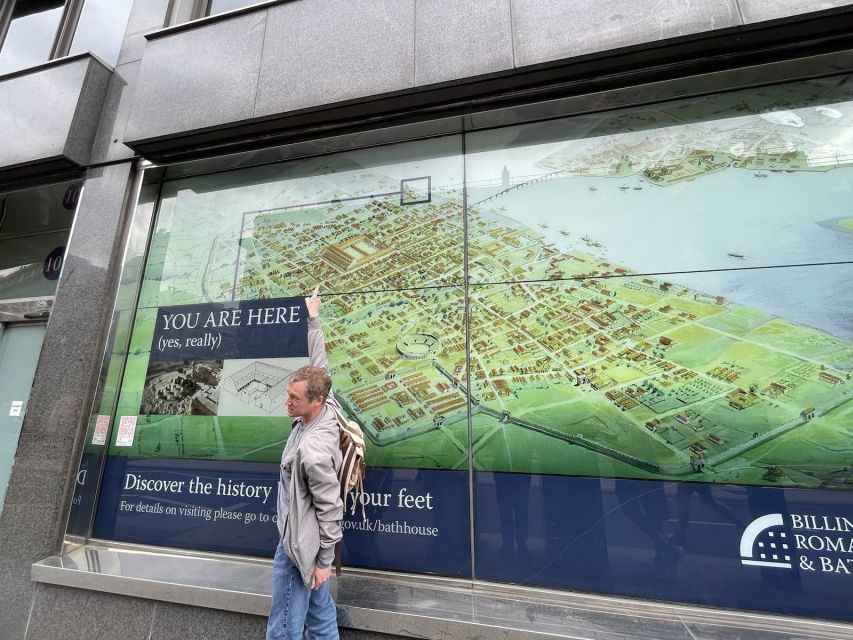
Next up is Guildhall, London, followed by St Paul’s Cathedral. Guildhall is tied in the storytelling to an eight-century-old position of Lord Mayor, which is a strong reminder that the City’s governance traditions go back far beyond modern headlines.
I like that connection because it anchors London’s story in institutions, not just individuals. You’re not only learning about dramatic moments; you’re learning how systems stayed in place long enough to keep shaping everything else.
Then St Paul’s Cathedral brings the arc toward a more symbolic London. Even if you can’t linger like you would inside a museum, seeing it as part of the walking narrative helps you understand why the City cares about rebuilding style, identity, and scale. The cathedral doesn’t just sit there as a famous landmark. It’s part of the story of how London chooses to present itself after disruption.
If you’re traveling with someone who likes photos, this is where they’ll want to stop for quick shots. For you, it’s the moment to connect architecture with the earlier stops about fire, governance, and survival.
Ye Olde Cheshire Cheese finish: a proper end to a sharp route
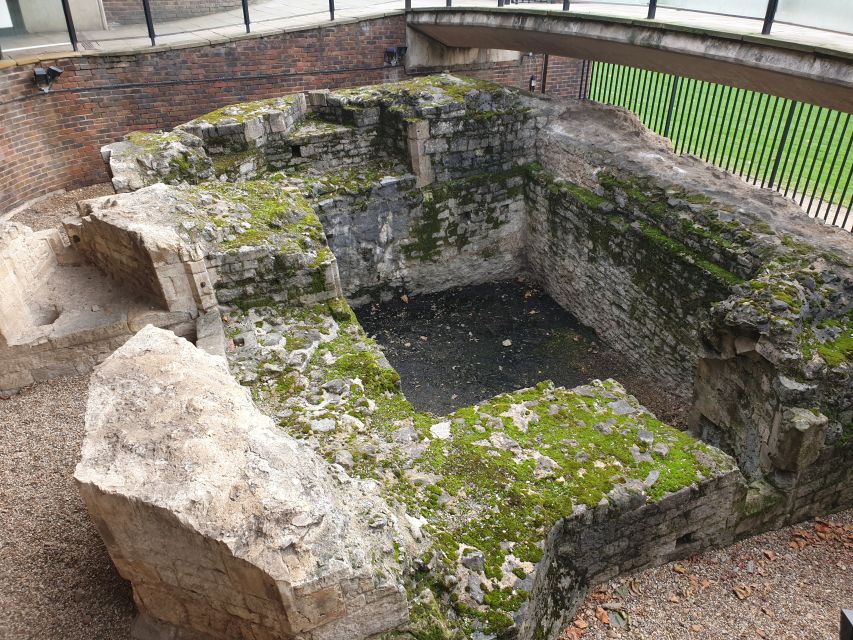
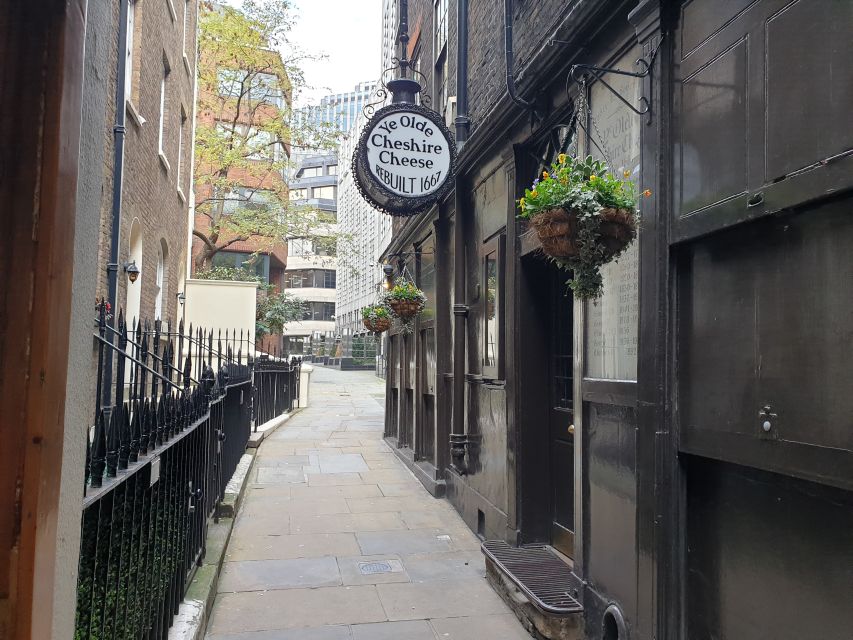
The tour ends near Blackfriars Station and finishes at Ye Olde Cheshire Cheese. That’s a smart finish point because it gives you options immediately. You can grab a drink, snack, or just sit for a few minutes and let the stories settle.
I also think finishing in a pub helps this particular tour. The themes are dark and serious—Tower bloodshed, disaster, power games—but the last stop is a social reset. You can compare notes with your small group, ask a final question, or ask your guide to point you toward what’s worth seeing next if you want to go deeper.
Since museums aren’t included, this pub finish acts like a “soft landing.” You get food and warmth, and you can decide whether you want a quiet evening or another walk.
Price, walking time, and value that actually makes sense
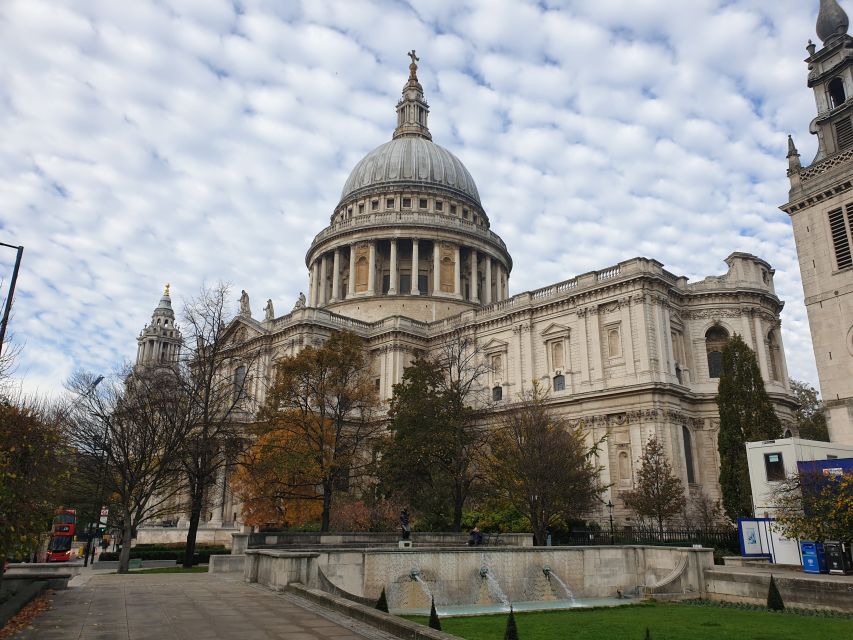
At $26 per person for a 2-hour guided walking tour, the value is in three places: small group size, expert guidance, and what you gain from compact storytelling.
A capped group of fifteen changes the feel of the tour. It supports conversation. Guides have been praised for clear, calm delivery and answering lots of questions without dumping endless information on you. That balance matters on a short route, because you want your brain to take the key ideas with you, not just collect facts.
The distance—about 2.5 miles—is manageable for most people if you’ve got comfortable shoes. But it does mean this is not a sit-and-stroll with long pauses. Think of it as a focused history walk, not a casual meander. If you’re the type who likes to cover a lot in a limited time window, this works well.
One more value point: museums aren’t included. That’s not a negative if you want a guided “best-of” City walk. But it does mean you’re paying for interpretation, not admission. If you love one specific era and want deep material, plan a separate museum visit later.
Who should book this tour
Book this if you want London history that feels connected, not compartmentalized. It’s ideal for:
- People short on time who still want a real guided route
- Travelers who enjoy street-level history and visible remnants
- Anyone who likes stories that connect different eras, including pop-culture references like the Queen Boudica and Harry Potter link
It may be less ideal if:
- You hate walking for about two hours total
- You prefer indoor exhibits over outdoor listening
- You want long stops at every major site
Should you book this Roman Ruins to Blitz Bombings style walk?
Yes, if you’re looking for a sharp, small-group City of London history walk that helps you see Roman traces and understand later turning points—fire, power, and survival—without getting stuck in museum lines. The big reason to book is the format: short guided moments, a logical sequence of key landmarks, and a guide who can keep the story readable and question-friendly.
If you go in with comfortable shoes and a willingness to move, you’ll finish with a better mental map of London than you’ll get from photos alone.
FAQ
How long is the tour?
The walking tour lasts about 2 hours.
What distance do we walk?
The total walking distance is about 2.5 miles.
Where do I meet the guide?
Arrive at the exit of Tower Hill Station and look for your guide standing at the base of the steps leading up to the sundial, holding an Historic London Tours sign.
Where does the tour end?
The tour ends near Blackfriars Station, at Ye Olde Cheshire Cheese.
Is the tour in English?
Yes, the tour is in English.
What is included in the price?
You get a walking tour with a local guide. Entrance to museums is not included. The tour is limited to fifteen attendees.