REVIEW · HISTORICAL TOURS
City of London Historical Walking Tour
Book on GetYourGuide →Operated by Dragon Lore Tours · Bookable on GetYourGuide
London’s square mile has teeth. This 2.5-hour walk tracks how the area grew from Celtic beginnings into Roman, Saxon, and Norman power, then turns to the City’s famous habit of pushing back against authority. I especially liked how the story connects the Magna Carta to everyday civic life, and how it uses the City’s own symbols to explain why Londoner identity feels different here. One thing to plan for: there’s no food served, so you’ll want to time a drink or snack before or after.
What makes this tour feel practical is the pacing and the group size. You’re kept to a small group (up to 8), which helps you ask questions and actually hear the guide as you move stop to stop. You also get a post-tour PDF with an overview of locations and themes, which is handy if you like to keep your notes straight after the last photo. A guide like Arjun has been praised for turning history into a clear story, not a lecture.
In This Review
- Key highlights worth your attention
- Why the City of London feels different from the rest of London
- From Celts and Romans to Saxons, Vikings, and Normans
- Dragon lore and the City’s identity you can see
- The Magna Carta story inside the City’s power zone
- Salters’ Hall, Guildhall, and the civic institutions behind the scenes
- 17th-century shocks: plague, fire, and revolution
- Walking time, stop rhythm, and how the route likely feels
- Price and value: what $30 buys you in the City
- Who this tour is best for
- Should you book this City of London Historical Walking Tour?
- FAQ
- FAQ
- How long is the City of London Historical Walking Tour?
- Where do I meet the guide?
- Is there a place to get food during the tour?
- What group size should I expect?
- Is the tour wheelchair accessible?
- What languages are available?
- What is included with the ticket price?
- Can I cancel for a refund or pay later?
Key highlights worth your attention
- A square-mile origin story that explains why the City felt like the envy of kings
- A clear path from monarchical tension to legal foundations tied to the Magna Carta
- Stops that focus on civic power, including places like Salters’ Hall and Guildhall
- The dragon emblem used as a “why it matters” thread through London’s identity
- An arc that ends in the 17th century, when plague, fire, and revolution tested the City
Why the City of London feels different from the rest of London
If your mental image of London is built from big monuments and royal pageantry, the City of London may surprise you. This tour treats the City like its own character: stubborn, practical, and fiercely protective of rights.
A key idea you’ll pick up fast is that the City wasn’t just another neighborhood next to Westminster. These were two different worlds with different instincts. Westminster often represents monarchy and court power. The City, by contrast, leaned into civic authority, legal thinking, and the kind of governance that keeps money and contracts moving.
That difference is the whole point of the walk. You’re not chasing a generic highlights loop. You’re learning how the City became known for defying royal authority and for shaping legal foundations that outlasted the people and politics of any single reign.
And you’ll see how the story connects to a bigger theme: the birth of a corporation mindset. The City of London is where a corporation was born, and that corporate engine later helped drive the rise of an empire. That’s a wild idea at first, but the tour keeps returning to it in different ways as you move through the places that represent civic life, law, trade, and power.
You can also read our reviews of more walking tours in London



From Celts and Romans to Saxons, Vikings, and Normans

The walking route starts by setting the stage: the City’s evolution from early roots into the layers that followed. The tour’s structure makes it easy to keep time periods from blurring together.
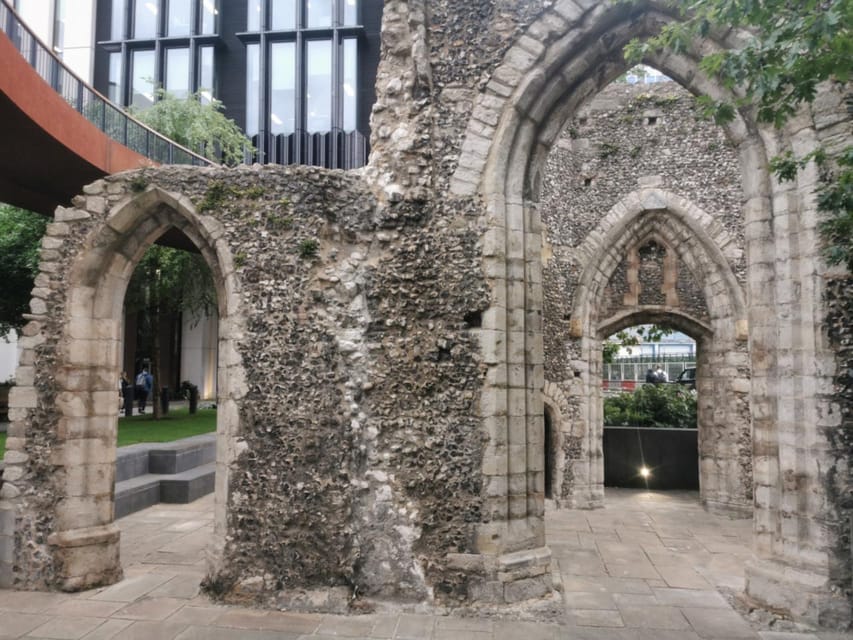
You begin at the meeting point by Barbie Green restaurant, opposite the ruins. From there, the guide steps you through the early story with quick, focused stops, including a sequence of short guided segments that keep you moving without losing the thread.
Here’s what I like about the way the early history is handled: it’s not just a list of who conquered whom. The tour uses each era as a clue to how the City’s identity formed. Celtic roots matter because they show the area’s earliest cultural foundation. Roman London and the structure that came with it helps explain later systems. Saxon, Viking, and Norman chapters then add new layers of rule and organization.
Even if you’ve been to London many times, this kind of chronological walk is a good reset. You start to see the square mile as something built in stages, not something that suddenly appeared as medieval stone. And you start noticing how often the City’s power came from control of order—who governs, who gets legal protection, and how trade continues when politics gets messy.
Dragon lore and the City’s identity you can see
One of the more fun—and surprisingly useful—parts of the tour is the focus on the dragon emblem. The City of London has a dragon symbol, and the tour makes it more than a decorative detail.
Instead of treating the emblem like trivia, the guide ties it to identity and continuity. Why a dragon, and why it matters? In this story, symbols act like shorthand for civic pride, authority, and the City’s self-image. It’s the kind of detail you might miss if you’re only looking for major monuments.
The route keeps coming back to that theme near the end, when the tour reaches the dramatic close of the 17th century. That is when the City’s resilience becomes a central thread: plague, fire, and revolution are not just big events. They’re tests that shape how a community protects rights and rebuilds what’s broken.
By the time you’re learning about the City’s emblem through that lens, the dragon stops being random. It becomes part of the explanation for why the City still feels like a special case inside London.
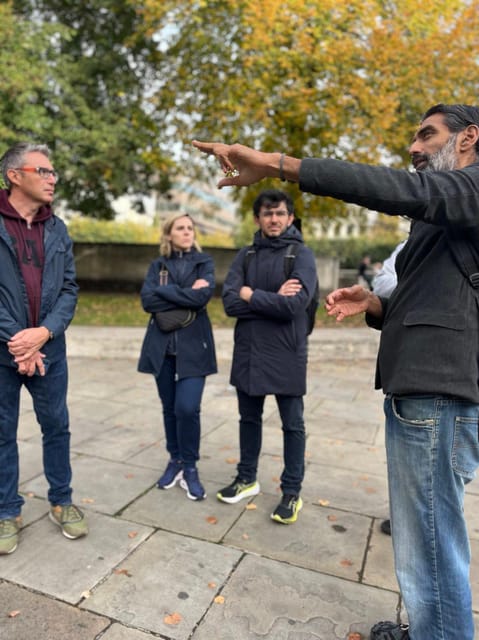
Practical note: if you’re worried about finding the guide, you’ll have an easy visual cue. The guide has longish hair and a beard, and you’ll see a felt image of a green dragon on their backpack.
The Magna Carta story inside the City’s power zone

The Magna Carta is the headline for many people, and this tour treats it like a hinge in the story of English legal foundations. But the real value is the framing.
You’ll learn where the Magna Carta relates to the City’s story, and you’ll get a sense of why this square mile mattered when the question was who has authority. The tour highlights the City’s defiance against monarchy and how that pushback helped shape democracy and legal foundations.
That means you’re not just hearing about famous documents. You’re learning how the City’s civic identity supported the kind of governance that can limit power and protect rights.
This is also where the corporation idea becomes more than a gimmick. A corporation was born in the City, and later it helped fuel an empire. The tour doesn’t require you to know corporate history to follow the logic. It keeps linking civic governance, trade organization, and legal protection into one connected chain.
If you want a London experience that feels like ideas in motion—how rights become institutions—this is the section that delivers.
Salters’ Hall, Guildhall, and the civic institutions behind the scenes
A big reason I recommend this tour is its geography. It gives you a version of London that’s less about postcard angles and more about governance and civic power.
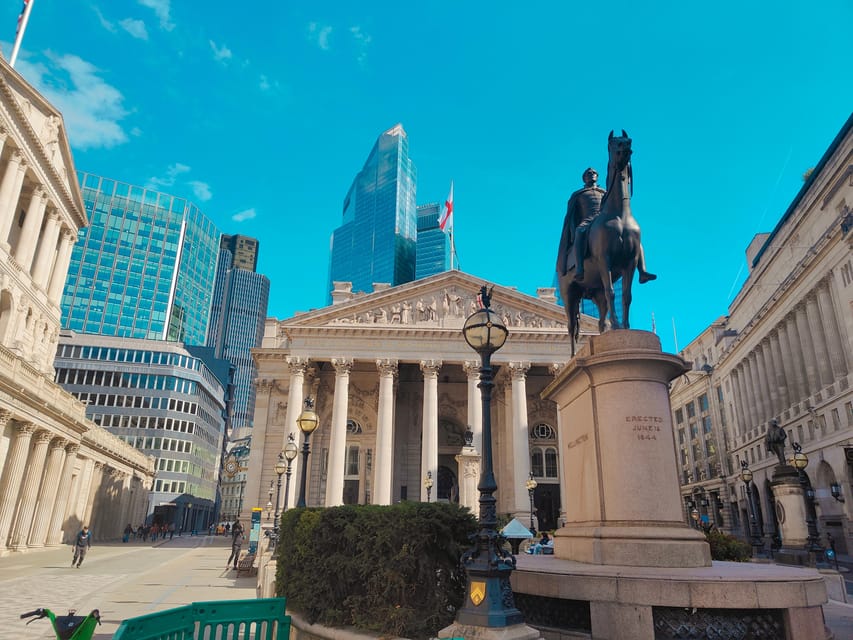
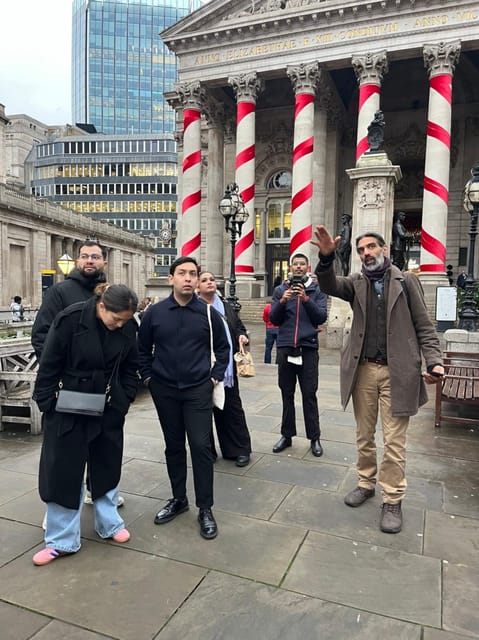
You’ll stop at Salters’ Hall, then later at Guildhall, London, plus other City landmarks tied to trade and finance like Royal Exchange, London, and Mansion House. Even without turning these into a museum lecture, the tour uses each stop to explain themes that connect across time.
Here’s the pattern you can expect. Each major stop reinforces one of the tour’s core ideas:
- The City acted independently when it needed to.
- Civic institutions defended rights and privileges.
- Legal foundations mattered because they supported stability.
- Commerce and finance were not separate from government; they were part of it.
The emphasis on the City’s “behind the scenes” side is also why this feels different from mainstream London tours. You’re walking through places that look like they belong to administration and order, but the guide keeps showing you how that order shaped larger outcomes: democracy, law, and eventually global reach through empire.
And because the group is small, you can ask questions as you go. That matters with topics like civic identity and legal foundations, where you might want to ask what a specific building symbolizes.
You can also read our reviews of more city tours in London






17th-century shocks: plague, fire, and revolution
The tour doesn’t stop in the middle ages. It runs the story forward to the close of the 17th century—when the City had to survive big disruptions.
This is where the pacing starts to feel more dramatic. The guide uses plague, fire, and revolution not as scary headline words, but as the backdrop for why the City doubled down on rights and privileges.
The tour’s arc matters here. By the time you reach the end of the route near Bank of England, you’ve already learned the City’s long-standing habit of protecting itself from outside authority. That historical setup makes the later crises feel like part of a continuing pattern, not a random chaos chapter.
You’ll also see how the City adopts its enduring emblem—the dragon—during this period as part of a broader story of resilience. In other words, the emblem becomes part of how the City tells itself, We survived, we rebuilt, and we kept our identity.
Walking time, stop rhythm, and how the route likely feels
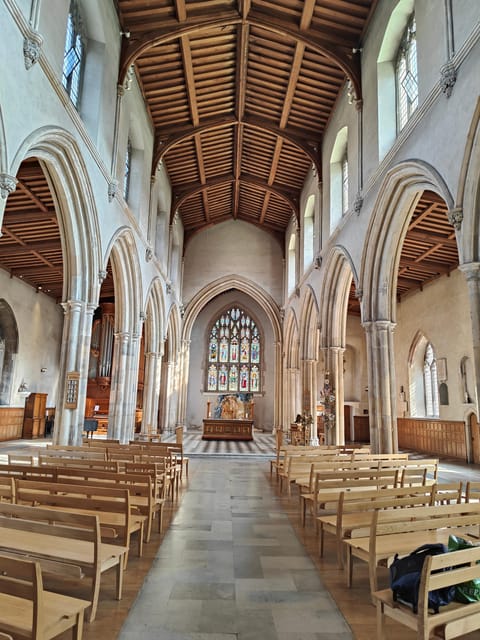
The tour lasts 2.5 hours, with multiple short guided segments. That structure is helpful because you don’t have to sit through long stretches of information without a breather. In a city like London, stopping often also makes the story easier to anchor to what you’re seeing.
You start with an initial guided moment and then keep adding brief stops. You’ll spend time around major City landmarks like Salters’ Hall and Guildhall, then later move toward Royal Exchange and Mansion House. The last act ends at Bank of England.
What to consider: because the tour is guided on foot and includes several stops with short guided segments, it’s best suited to people who can comfortably walk for 2.5 hours with minimal downtime. The good news is it’s wheelchair accessible, so if you’re bringing a wheelchair or mobility aid, the route is designed with access in mind.
As for weather, London can be damp and gray. The tour still works on gloomy days, since it’s more about storytelling in place than about views you only get at golden hour.
And again, plan for the fact that there’s no food served. If you’re sensitive to low energy on walks, grab a snack before you go and keep water handy.
Price and value: what $30 buys you in the City
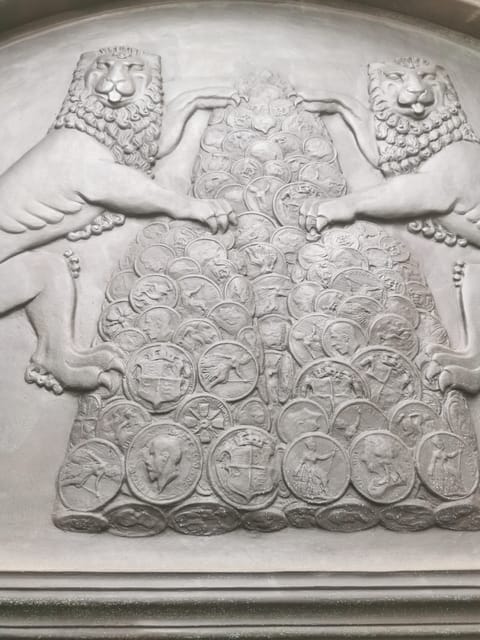
At $30 per person for a 2.5-hour guided walk, the value comes from three things.
First, the focus is specialized. You’re not paying for the usual big-sight circuit. You’re paying for a narrative built around the City’s evolution from Celtic roots through Roman, Saxon, and Norman periods, then into the Magna Carta and the civic institutions tied to legal and economic power.
Second, the group size is capped at 8 participants. That small limit changes the experience. It tends to make Q-and-A easier, and it helps you hear the guide as you walk between stops.
Third, you get the post-tour PDF with an overview of tour locations and themes. That’s practical value for people who like to connect the dots after the tour, especially if you plan to revisit the City on your own.
If you love London but want a side of it that feels less tourist-heavy and more thinking-person focused, this price makes sense.
Who this tour is best for
This is a great match if you:
- Want the City of London explained as a self-governing power center, not just a backdrop for photos
- Care about the story behind democracy and legal foundations, especially the Magna Carta connection
- Like smaller group walking tours that keep you engaged and allow questions
- Prefer walking routes that show how institutions work, not just what they look like
It may not be ideal if you:
- Only want big landmark sightseeing at quick stops
- Need food included during your tour time window (since none is served)
- Want a lot of museum-style time indoors
Should you book this City of London Historical Walking Tour?
I think you should book if you want a smarter way to experience London’s center of gravity. The City of London is often treated like a financial district you rush through. This tour makes it a story about independence, legal thinking, and civic power—ending with the hard-earned resilience of the 17th century.
Also, it’s a solid pick for repeat visitors. Even if you know London well, the emphasis on the City’s distinct identity from Westminster can help you see the map differently.
If your goal is to learn why the City has always acted like it had its own rules, not just London’s second act, this is the kind of tour that turns a walk into a real understanding.
FAQ
FAQ
How long is the City of London Historical Walking Tour?
The tour lasts 2.5 hours.
Where do I meet the guide?
You meet at Barbie Green restaurant, opposite the ruins.
Is there a place to get food during the tour?
No. Unfortunately, no food will be served on this tour.
What group size should I expect?
It’s a small group limited to 8 participants.
Is the tour wheelchair accessible?
Yes, the tour is wheelchair accessible.
What languages are available?
The tour is listed as English, and it’s multilingual if you tell the provider your language in advance.
What is included with the ticket price?
You get the guide, the walking tour, and a post-tour PDF overview of the locations and themes.
Can I cancel for a refund or pay later?
Yes. You can reserve now & pay later, and you can cancel up to 24 hours in advance for a full refund.