REVIEW · WALKING TOURS
London: Top Attractions and City Highlights Walking Tour
Book on GetYourGuide →Operated by Sandemans New Europe Tours · Bookable on GetYourGuide
London royalty, explained on a two-hour walk. This is one of the fastest ways I know to understand how Westminster shaped Britain, with real monuments and real stories tied to your steps. I especially love the mix of royal sites and political drama, and how you get multiple top landmarks without wasting time hopping around town.
Two things make it feel worth it even at $6.73 per person: a live guide who keeps the pace clear and friendly, and stops that actually explain why each place matters (not just where it is). If you’re hoping for the Changing of the Guard, do keep one consideration in mind: rain can interrupt it, and the tour will still move on while you shift your focus to the history.
You’ll start in Covent Garden, meet your guide right by the Apple Store, and walk a tight route through royal and parliamentary London toward Westminster Abbey. It’s a straightforward plan that works well if you want a guided overview now and flexibility later.
In This Review
- Key things I’d circle before you go
- Starting in Covent Garden: where the walk gets its rhythm
- Buckingham Palace and the Changing of the Guard reality check
- Westminster Abbey: coronations, weddings, farewells, and why people still care
- St James’s Palace and the personal angle on the royal family
- Houses of Parliament and Big Ben: Guy Fawkes and the politics you can walk to
- Trafalgar Square and Nelson’s Column: a landmark made for orientation
- Churchill War Rooms: understanding the war through a location lesson
- Ending near Westminster and planning your next moves
- Price and time: why this $6.73 tour can still be a smart value
- Guide quality is the difference maker here
- Who should book this walking tour, and who should skip it
- Should you book it? My straight answer
- FAQ
- How long is the walking tour?
- Where does the tour start?
- Where does the tour end?
- Is the tour guided, and what language is it in?
- Is the tour wheelchair accessible?
- What if the Changing of the Guard doesn’t happen due to weather?
Key things I’d circle before you go
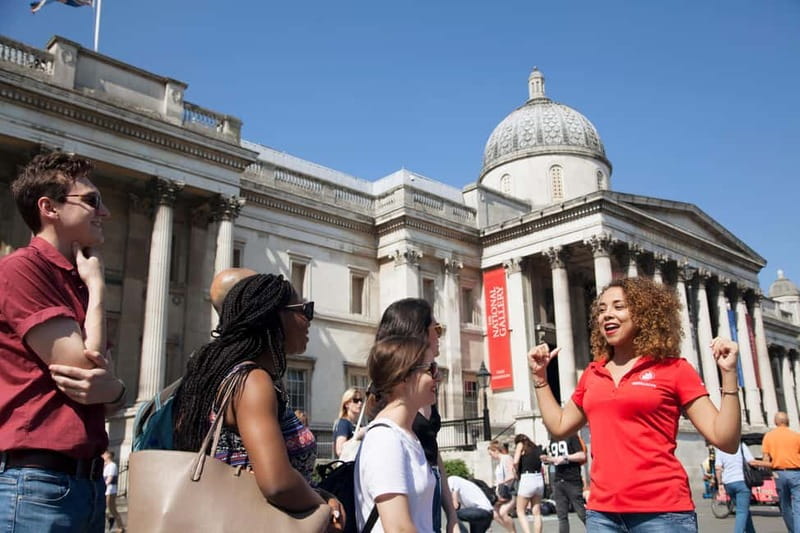
- Covent Garden start point: easy to find, right in the action before you head into Westminster.
- Royal and political London in one loop: Buckingham Palace, St James’s, Westminster Abbey, Parliament, Big Ben.
- Guy Fawkes is part of the route: you’ll connect a famous plot to the actual Houses of Parliament area.
- Nelson Column at Trafalgar Square: a big landmark moment built into the walk.
- Churchill War Rooms context: you’ll hear why Winston Churchill’s command center mattered, even from outside.
- Guides that steer you to good moments: examples include Andrew, Amze, and Herbie, with extra picture-friendly stops.
Starting in Covent Garden: where the walk gets its rhythm
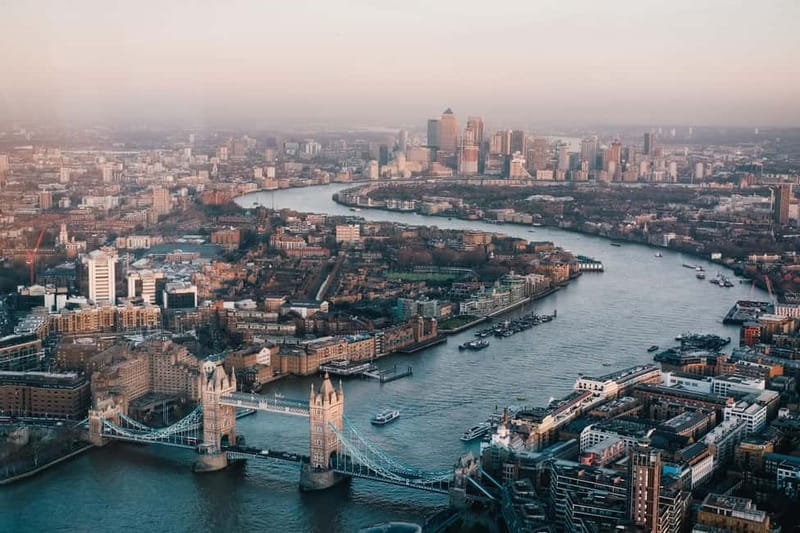
You begin in Covent Garden, in front of the Apple Store, which is a handy landmark for keeping the whole thing simple. From there, the guide sets the tone fast: this isn’t a “look at that” parade. It’s a guided line through centuries, from royal ceremony to state power.
Early on, you get a brief orientation and then the walk starts feeding you context while you’re still fresh. Covent Garden also helps because it’s not intimidating. You can ease into the day with coffee nearby, then slip into Westminster’s grand, formal world.
If you like walking tours that feel organized but not rigid, this one tends to work. The stops are time-boxed (roughly 10 to 30 minutes each), so you’ll spend enough time to absorb details without feeling stuck.
You can also read our reviews of more walking tours in London



Buckingham Palace and the Changing of the Guard reality check
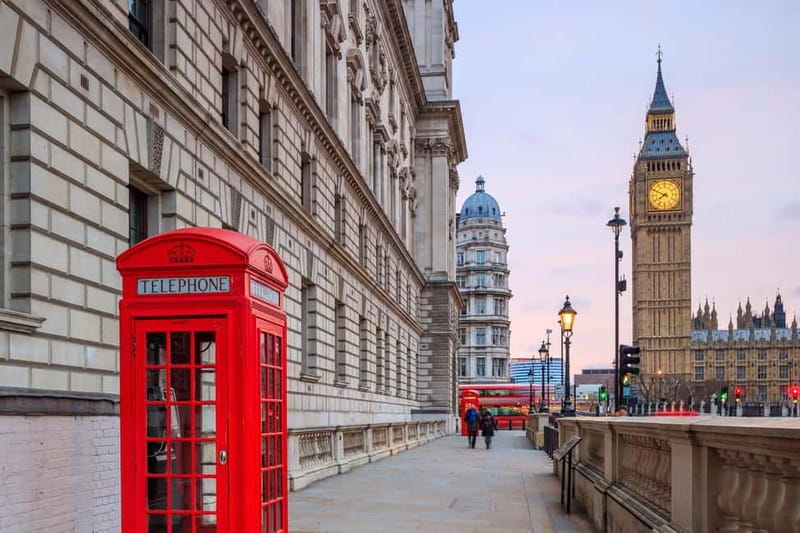
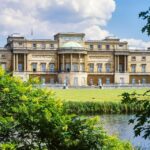
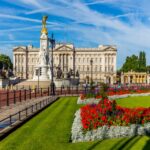
Your first big spotlight is Buckingham Palace, where you’ll get a guided visit that lasts about 30 minutes. The tour’s aim isn’t to replace a full palace visit with tickets and indoor rooms. Instead, it focuses on what the palace represents and how it fits into the current royal story.
You’ll also hear about the Changing of the Guard tradition as part of the experience, and this is where good timing matters. The important consideration: on at least one tour I’ve heard about, rain cancelled the Changing of the Guard. That doesn’t mean the day is a wash. It just shifts your attention back to the stronger payoff—history, what you’re seeing, and why the palace is still the stage for key national moments.
A practical tip: if the guard ceremony is running, be ready to stay flexible for the best viewing spot. If it’s not, treat it as a moment to focus on the building’s role and the guide’s narrative. Either way, Buckingham Palace works because the guide connects it to the surrounding royal landscape, not just a single photo stop.
Westminster Abbey: coronations, weddings, farewells, and why people still care
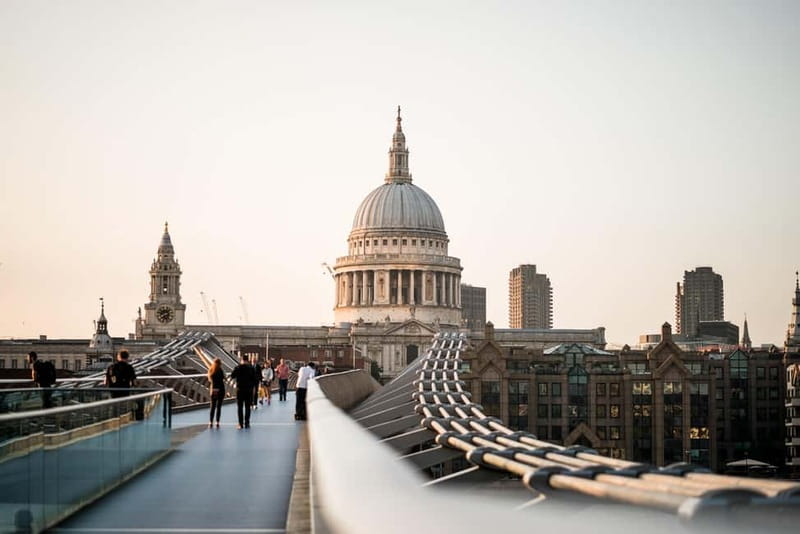
Next comes Westminster Abbey, another stop with a guided visit lasting about 30 minutes. This is the emotional center of the route. The tour frames it as the place where royal coronations happen, and it also includes other major life events tied to the monarchy—royal weddings and farewells for public figures you’ll recognize.
What I like about tackling Westminster Abbey on foot is that it’s not abstract. You arrive ready to understand what makes it iconic: this is a site where ceremony and national identity overlap. As you listen, you start seeing the building differently. It’s no longer just a famous church. It’s a stage for the biggest public transitions of the country.
The guide’s storytelling helps you connect dots you might otherwise miss. You’ll learn how the Abbey functions in the life of the nation, and you’ll walk away with a mental map for other places you might want to return to later.
St James’s Palace and the personal angle on the royal family
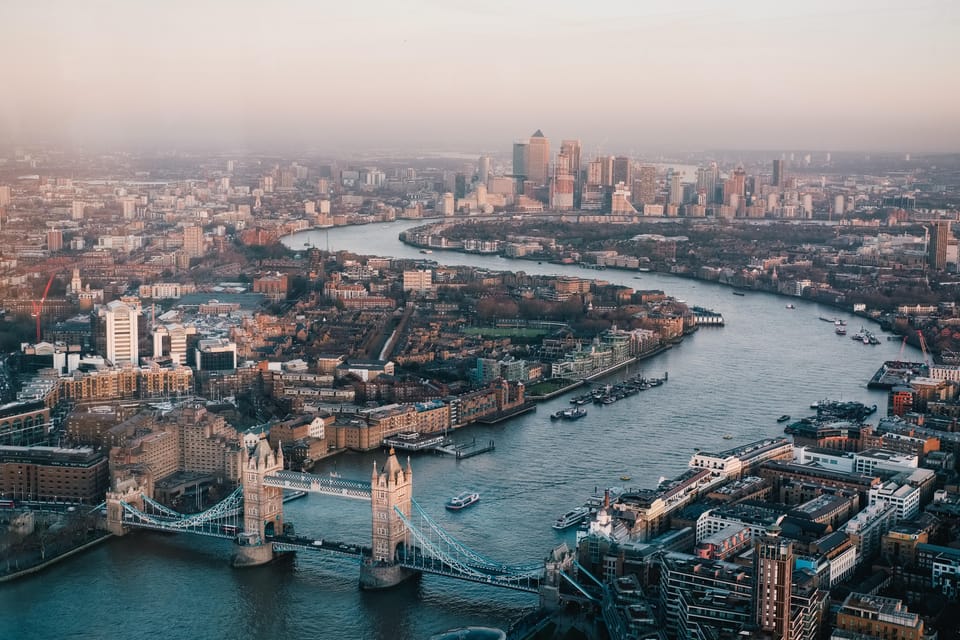
Along the route, you’ll pass by St James’s Palace, described as a home linked to the royal family, including the idea that King Charles III lives there. You’ll also hear about Princes William and Harry spending their formative years there.
This part of the tour works because it adds a human scale. Instead of only talking about ceremonies and state pageantry, it points to where the people behind the titles spent time. That makes the larger royal story feel more grounded.
It’s also useful for you if you’re the type who likes to know whether a place was important because of politics or because it shaped real childhood and development. Here, you get both threads.
Houses of Parliament and Big Ben: Guy Fawkes and the politics you can walk to
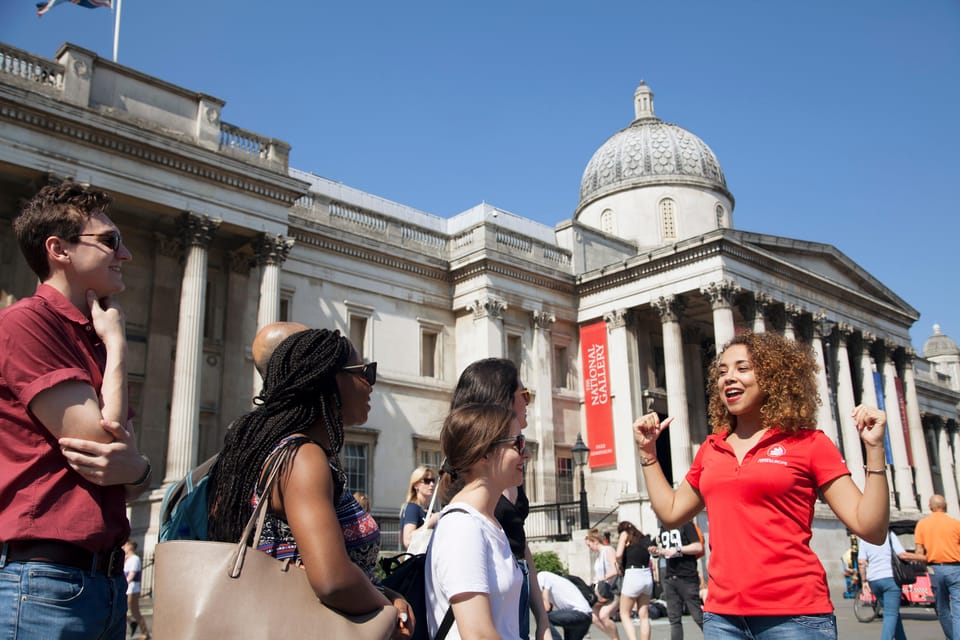
After the Abbey, you move toward the Houses of Parliament, with a guided stop around 10 minutes. Even in a short amount of time, this section pays off because the guide connects a key historical moment to the exact area you’re standing near.
You’ll hear about Guy Fawkes and his attempt to blow up the Houses of Parliament. This isn’t offered as a scary trivia fact; it’s framed as a turning point in how the state responded to threats and power. Once you’ve got that context, the building’s “official” look starts making more sense.
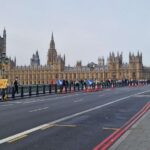
Then comes Big Ben, with about 15 minutes of guided time. Big Ben is one of those London landmarks everyone expects to see, but what makes it worth a walking-tour stop is hearing what’s behind it: how it functions as a symbol of British public life and why it became such a reference point.
If you’re short on time in London, this pairing is smart. You get Parliament’s political drama and Big Ben’s visual punch, all while your guide ties it together.
You can also read our reviews of more city tours in London




Trafalgar Square and Nelson’s Column: a landmark made for orientation
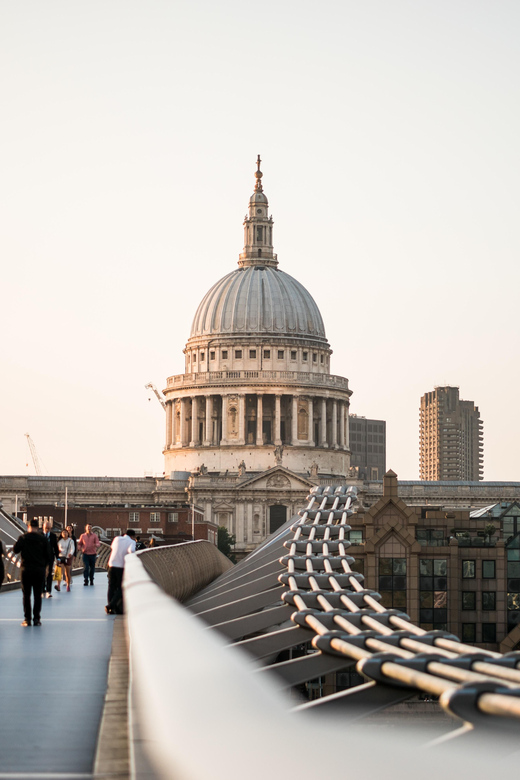
Trafalgar Square is next, with about 15 minutes for guided viewing. The star is Nelson’s Column in the center of the square, tied to Admiral Nelson’s heroism. It’s not only a statue-and-skyline moment. It helps you orient yourself.
Here’s why I like it: after the heavy royal and parliamentary stops, Trafalgar Square feels like a break in tone without losing grandeur. You can use the space to regroup, take photos, and reset your bearings for the final leg of the walk.
If you’re photo-minded, this is also where the tour’s pacing helps. One guide story I’ve heard included steering people to photo spots that are away from the densest crowds. That kind of thinking matters here because Trafalgar Square can be busy, and a good guide knows how to keep your photos clean.
Churchill War Rooms: understanding the war through a location lesson
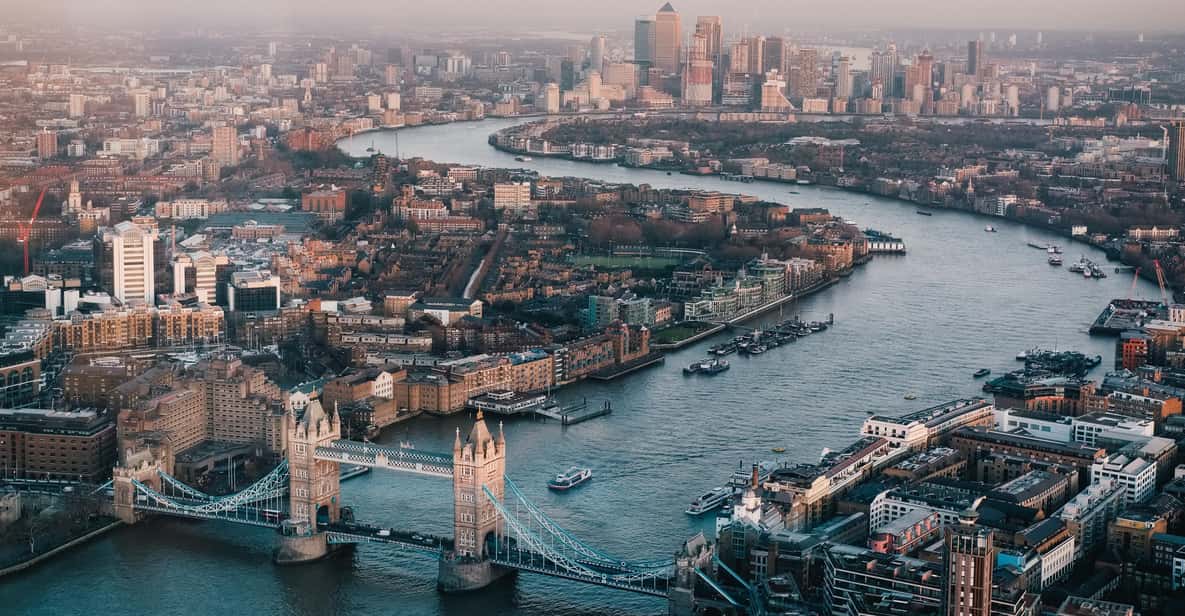
The tour finishes at or near Churchill War Rooms, with about 10 minutes of guided time. You’ll learn about Winston Churchill as you pass by, and that’s the core point: this stop turns Churchill from a name into a presence tied to real decision-making under pressure.
One of the best ways to make this kind of stop work is to keep expectations realistic. You’re not being promised an indoor history museum experience based on the details provided here. Instead, you’re getting a guided exterior context: why the War Rooms mattered, and how Churchill’s leadership connects to the place itself.
Even from outside, this gives you a stronger mental link if you decide to return later for a fuller visit. And since you’re walking on an efficient route, you’re less likely to feel rushed through it.
Ending near Westminster and planning your next moves
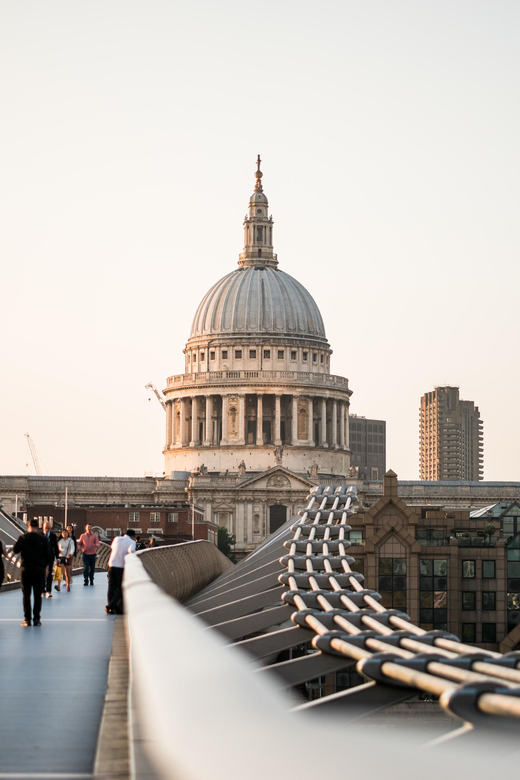
You’ll end near Westminster Abbey, around The Sanctuary area. The guide doesn’t just send you away empty-handed. You’ll get recommendations for hidden treasures or extra places worth checking during the rest of your London holiday.
That matters because one walking tour can’t do everything. What it can do is give you the best starting direction, so you choose your next steps with more confidence. After you’ve heard the coronation and political stories, you’ll have an easier time spotting which nearby sites are meaningful to your interests.
If your schedule allows it, I’d treat this finish point as your launchpad: use the tour to get your bearings, then return on your own to linger where you feel the pull.
Price and time: why this $6.73 tour can still be a smart value
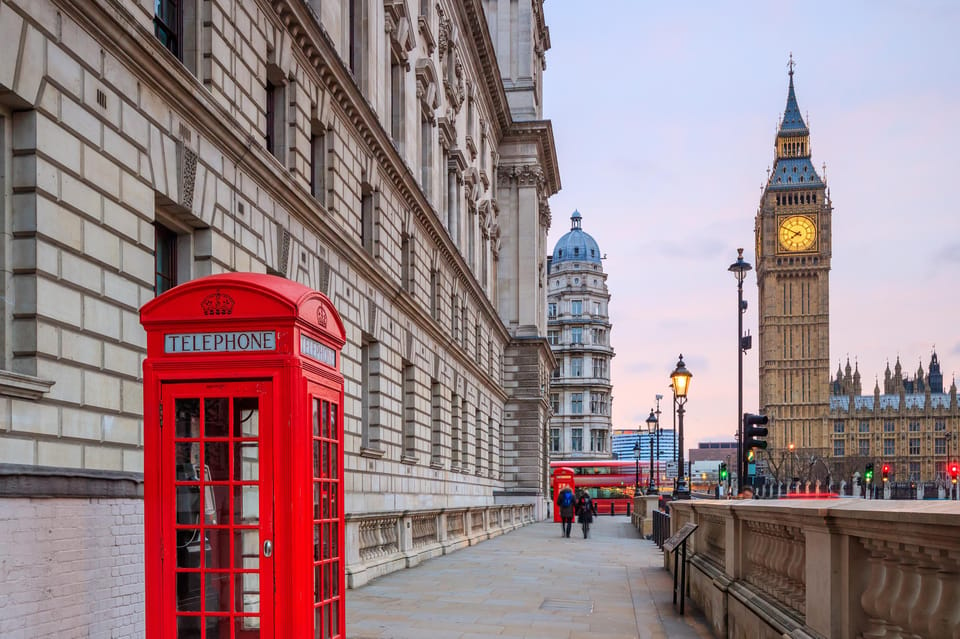
Let’s talk money, because $6.73 per person is the kind of price that makes you ask questions. The key isn’t that it’s cheap. It’s that you’re spending about 2 hours covering a cluster of landmarks that would otherwise eat up your day.
In practical terms, you’re getting:
- a local guide to connect the dots between palace, Abbey, Parliament, Big Ben, Trafalgar Square, and Churchill War Rooms
- a route designed for walking rather than transit headaches
- a schedule that moves quickly enough for a half-day overview
Could you do this on your own? Sure. But you’d miss the story threads that make the route click—especially the connections like Guy Fawkes and the way Westminster Abbey fits major royal moments. Also, you’d still need to decide what to prioritize when crowds and lines make choices feel rushed.
So I see the value as simple: the guide helps you turn famous buildings into understandable history within a tight time window.
Guide quality is the difference maker here
This tour seems to rise or fall based on the guide, and the examples you’ve got tell you a lot.
Andrew comes up as knowledgeable, charming, personable, and humorous, and that combination is exactly what makes short stops feel longer in a good way. Amze is described as passionate and insightful, with strong knowledge plus recommendations for what else to see. Herbie is noted as informative and for finding gorgeous photo spots away from the crowd, which is a real quality-of-life upgrade in Westminster.
If you care about narrative and not just landmarks, those names matter. The best part of this kind of tour is when the guide turns your walking time into “I get it now” moments.
Who should book this walking tour, and who should skip it
This tour fits best if you want:
- a guided overview of Westminster’s biggest names in about 2 hours
- history told with a clear line from royal ceremony to state power
- a route that’s mostly about walking between central sights, not jumping across the city
You might skip it if you’re hoping for long museum time or deep indoor access. The focus here is guided exterior and landmark-level context—ideal for orientation and story-building, less ideal if you want to spend hours inside each building.
Should you book it? My straight answer
I’d book this tour if you’re visiting London for the first time and you want to understand Westminster quickly, without turning your day into a transportation project. The price is low enough that it feels safe as an “orientation investment,” and the guide-driven storytelling makes the stops more meaningful than a self-guided shuffle.
If you’re visiting with family or you want a tight plan that still leaves time for exploring afterward, it’s a strong match. Just go in ready for the weather to influence the famous guard ceremony moment, and you’ll be fine.
FAQ
How long is the walking tour?
The tour lasts 2 hours.
Where does the tour start?
It starts in front of the Apple Store in Covent Garden.
Where does the tour end?
It ends near Westminster Abbey, around The Sanctuary area.
Is the tour guided, and what language is it in?
Yes. It’s a live tour with an English-speaking guide.
Is the tour wheelchair accessible?
Yes, it is listed as wheelchair accessible.
What if the Changing of the Guard doesn’t happen due to weather?
The Changing of the Guard tradition is included as part of the experience, but rain can cancel it. When that happens, the tour still continues with the guided history around the area.