REVIEW · BRITISH MUSEUM TOURS
London: British Museum Guided Tour with Free Entrance Ticket
Book on GetYourGuide →Operated by London Tours and Activities · Bookable on GetYourGuide
If you like museum superstars, this tour hits them fast. You’ll see major names like the Rosetta Stone and the Elgin Marbles, plus a smart mix of Ancient Egypt, Assyria, Mexico, and British archaeology. What makes it especially useful is the guided storytelling that connects the famous objects into one easy-to-follow hour-and-a-bit.
I also like the practical pacing: fast-track entry means you’re spending your limited time inside, not standing in the crush at the ticketing doors. One thing to consider is logistics—during peak days, you may be redirected to a different entrance (and you’ll need to check WhatsApp for updates).
In This Review
- Key Stops You’ll Actually Get To
- Where the Tour Starts (and Why It Matters)
- Fast-Track Entry: Turning Time Into Museum Time
- The 2-Hour Game Plan: How You’ll Spend Your Limited Time
- Egypt’s Heavyweights: Rosetta Stone and Ramses II
- The Elgin Marbles: What You’ll Notice Beyond the Headlines
- Assyrian Power and Aztec Rarity: Two Stops That Feel Like Worlds Apart
- Moai, Sutton Hoo, and Stonehenge Connection: British Museum in One Breath
- Price and Value: What $35 Buys You in Real Terms
- How to Get the Best Experience Without Stress
- Who This Tour Suits Best (and Who Should Skip It)
- Should You Book This British Museum Tour?
- FAQ
- How long is the British Museum guided tour?
- What is the price per person?
- Where do I meet the guide?
- What time should I arrive?
- Does the tour include fast-track entry?
- What’s included in the tour price?
- Are refreshments included?
- Are backpacks allowed?
- Is flash photography permitted?
- Is the tour suitable for wheelchair users or mobility impairments?
Key Stops You’ll Actually Get To
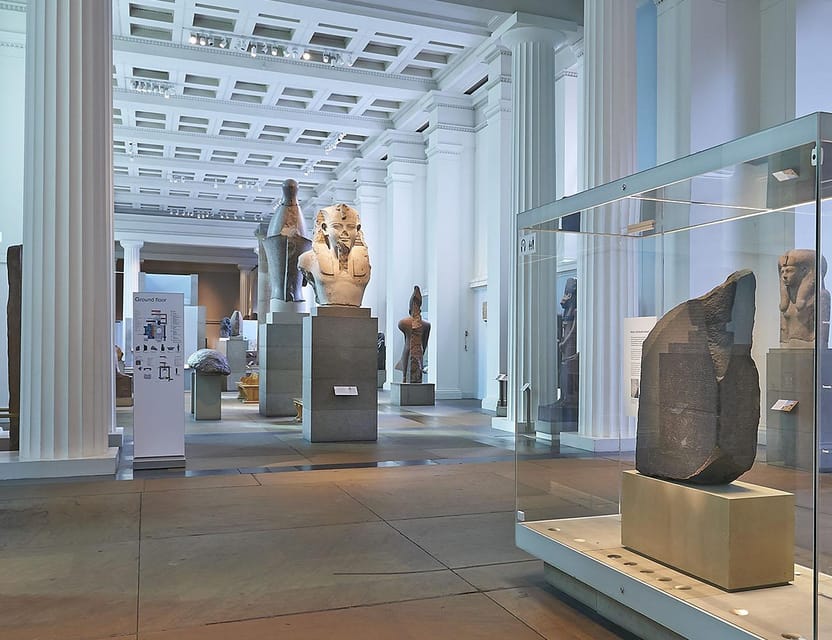
- Rosetta Stone: why it was so important for understanding Ancient Egypt
- Colossal statue of Ramses II: a big, unmistakable presence and a great starting point
- Elgin Marbles: the controversial Parthenon sculptures from Athens, framed with context
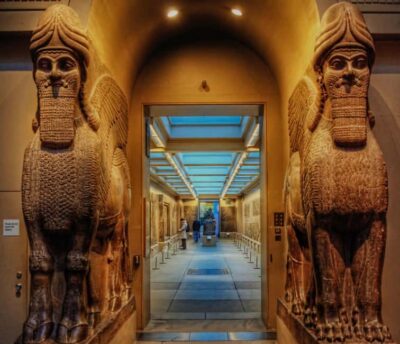
- Assyrian human-headed winged lions: dramatic power you can see up close
- Aztec double-headed mosaic snake: a rare-looking object with real visual impact
- Moai, Sutton Hoo, and Lewis chessmen: the tour keeps widening the world, ending with British connections
Where the Tour Starts (and Why It Matters)
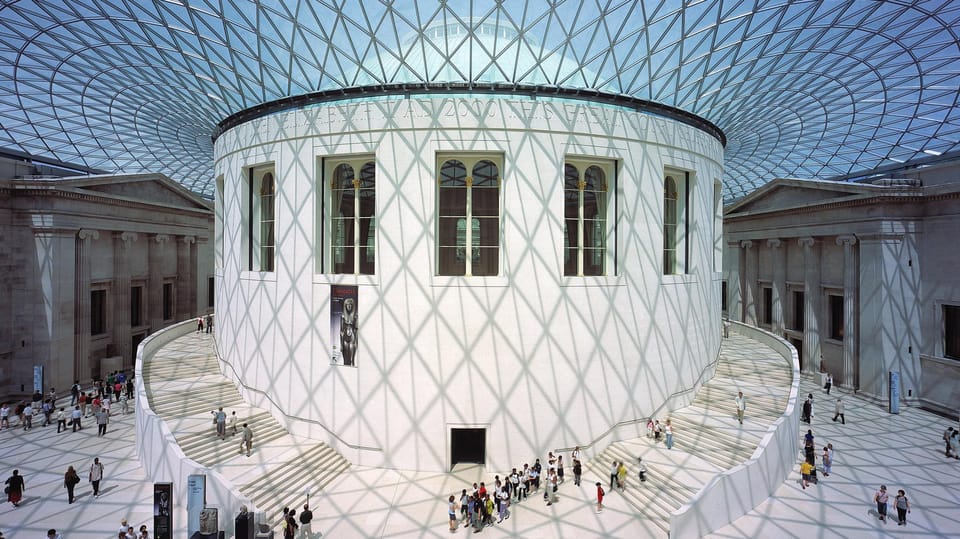
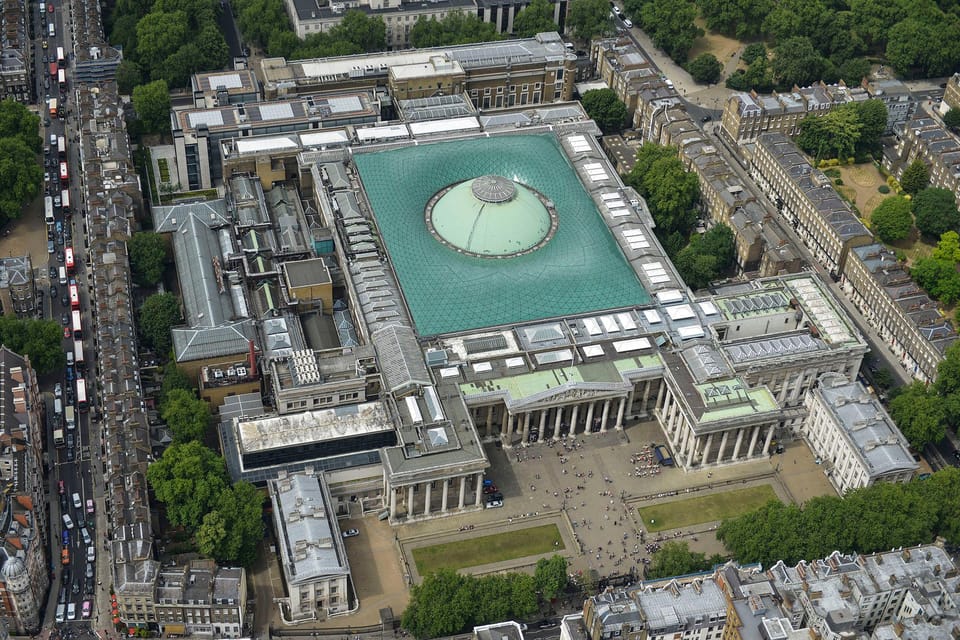
The British Museum is the most visited museum in the world, so crowds are part of the deal. That’s exactly why this experience includes fast-track entry—you still go through security, but you’re not stuck in the slowest part of the process.
Meet your guide at the main entrance after security, on the staircase. Show up 15 minutes early so you have time to get oriented and avoid the scramble. And keep an eye on your WhatsApp messages. The museum sometimes reroutes groups, and this tour specifically notes that the entrance may change to Montague Place during busy times.
A small but real detail: if your group is larger than 8 people, you might not be allowed to use the exact same entrance approach. In those cases, expect to walk a bit and enter from another side. It’s not a problem if you plan for it, but it can feel frustrating if you show up right on time.
You can also read our reviews of more tours and experiences in London



Fast-Track Entry: Turning Time Into Museum Time
For a 2-hour tour, wasted minutes add up fast. The value here is that time inside the galleries matters more than anything else. With fast-track entry, you’re more likely to see the key objects on the list without the tour feeling like a slow jog through empty halls.
You’ll also want to know what slows people down at the British Museum: security. You’ll pass through bag checks before meeting your guide. So come prepared to move quickly.
A quick practical checklist:
- Wear comfortable shoes (you’ll be walking and standing)
- Bring a camera
- Bring water
- Leave backpacks at home (they’re not allowed)
- No flash photography inside
If you’ve visited major museums before, you already know the drill. Here, the tour helps you avoid the worst bottlenecks by focusing on the moments that are worth your attention.
The 2-Hour Game Plan: How You’ll Spend Your Limited Time
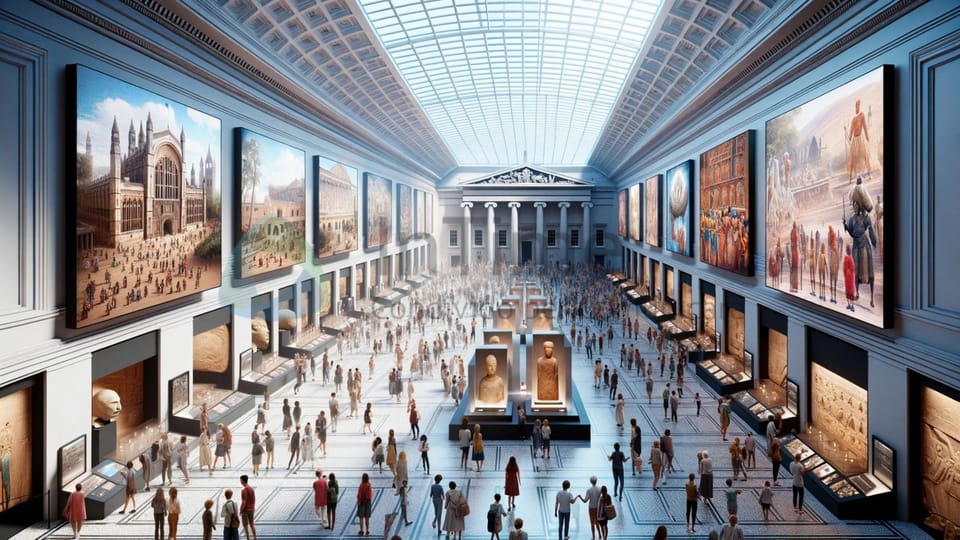
This tour is designed to give you a concentrated hit of the British Museum’s most recognizable pieces, without trying to force you to “do everything.”
You’ll spend the time moving from one landmark object to another, with a guide explaining the meaning and the story behind each stop. The big advantage of a guided format is that you get a framework—so the museum doesn’t feel like a random warehouse of treasures.
Instead, the tour nudges you to look for specific things: scale, symbolism, cultural connections, and why certain objects attract attention beyond the museum walls. It’s a fast format, but it’s not shallow. The guide’s job is to help you notice what you’d otherwise walk past.
The downside is straightforward: 2 hours is short. You’ll leave with favorites, but you won’t “finish” the museum. If your goal is deep independent exploration of every gallery, you’ll want extra time on your own after the tour.
Egypt’s Heavyweights: Rosetta Stone and Ramses II
This is where the tour starts building big visual momentum.
First up is the Rosetta Stone. The tour frames it as the object that helped unlock the secrets of Ancient Egypt—so even if you only know the name, you’ll understand why it became a turning point for reading the past. It’s one of those objects that pulls people in instantly, and a guide makes the surrounding story click instead of staying vague.
Then you’ll see the colossal statue of Ramses II, described as the most powerful pharaoh. The value of having a guide here is that you’re not just looking at an impressive figure—you’re learning how to interpret why it matters. Scale is part of the experience, but meaning is the rest of it.
If you care about Ancient Egypt at all, this section alone is worth booking. It’s the tour’s strongest “recognition + understanding” combination.
The Elgin Marbles: What You’ll Notice Beyond the Headlines
Next comes one of the most talked-about parts of the museum: the Elgin Marbles, described here as the controversial Parthenon sculptures from Athens.
This stop matters because it’s not just art on display—it’s also history with ongoing debate around how collections were formed. A guide helps you see why the controversy exists and why you’ll often hear the Elgin Marbles discussed in terms larger than aesthetics.
You’ll get a glimpse of the Parthenon sculptures, and that’s a key phrase: a glimpse. In a 2-hour tour, you’re not going to read every label in depth. But you will come away with enough context to make the sculptures feel intentional instead of randomly impressive.
This is also a good moment to slow down mentally. If you’re the type who likes to stand still and truly look, use this stop as your pause point before the tour moves on to objects with very different cultural styles.
You can also read our reviews of more guided tours in London






Assyrian Power and Aztec Rarity: Two Stops That Feel Like Worlds Apart
Then the tour pivots into objects that don’t look like the standard museum poster art—still famous, but with a different feel.
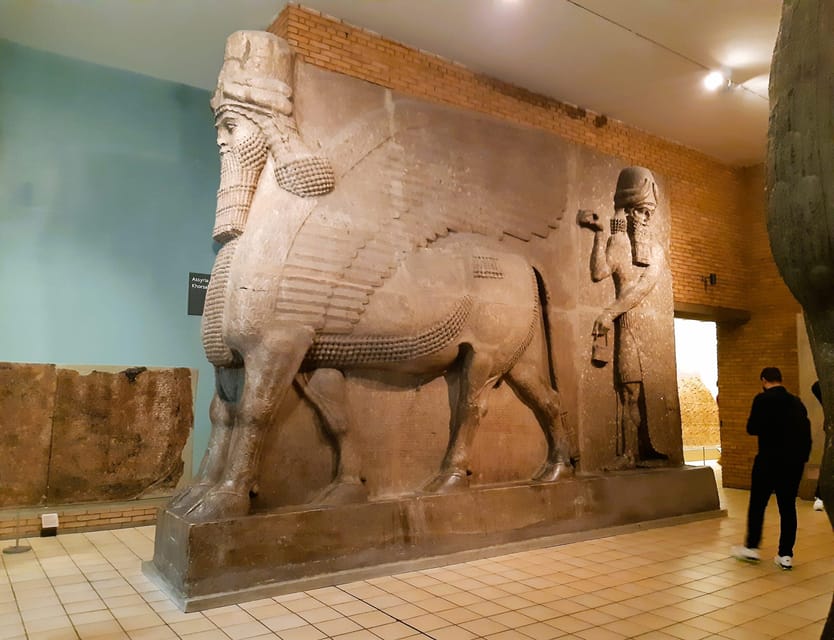
You’ll see the Assyrian human-headed winged lions. The key here is how the guide frames them as statements of power and presence. Winged lions aren’t subtle. Seeing them in person changes how your brain reads their role.
After that, you’ll encounter the Aztec double-headed mosaic snake. The tour highlights it as rare, and you’ll probably feel the difference right away. It’s the kind of object that makes you stop walking because the form is unusual and the visual details demand attention.
These two stops work well back-to-back because they show you that the British Museum isn’t only about one region or one era. You’re moving across time and geography quickly—but the guide keeps the viewing experience coherent.
Moai, Sutton Hoo, and Stonehenge Connection: British Museum in One Breath
One of the clever parts of this tour is that it doesn’t stay trapped in the “classics” lane. You get a broad sweep that includes objects connected to Britain too.
You’ll see the Moai sculpture from Easter Island. Even if you don’t know what to look for yet, the guided approach helps you understand that it’s not just a famous face—it’s a powerful cultural artifact with a distinct origin.
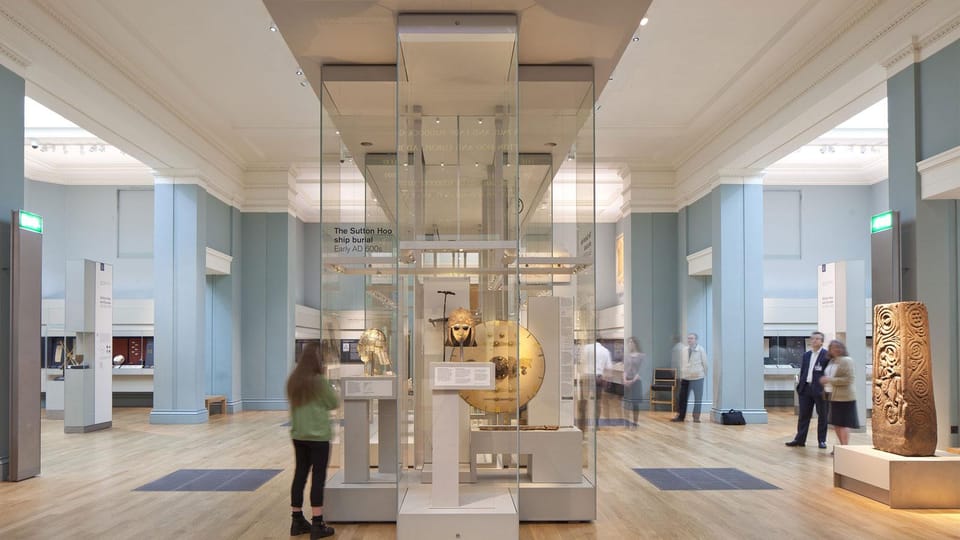
Then comes the Sutton Hoo burial ship, described here as one of the most spectacular discoveries in British archeology. This is a big deal in British Museum storytelling because it anchors the museum in local history. The guide helps you connect the object to why it’s important, not just that it exists.
You’ll also spot the Mold Cape from Stonehenge. That name alone gives you a strong sense of place, and the tour keeps it short and focused so you’re not lost in unrelated exhibits.
Finally, the tour includes medieval Chessmen from the island of Lewis. Chess pieces might sound like a “small” stop until you see them in context. With a guide, you’ll get why they stand out and why they’re worth a spot on a highlights tour.
This final run is also where the tour feels like value: in a compact time window, you get global culture and British-specific treasures without needing to plan ten separate routes.
Price and Value: What $35 Buys You in Real Terms
At $35 per person for a 2-hour guided experience with fast-track entry, you’re paying for three things:
- Time saved on entry during peak museum crowds
- A guide who directs attention to the most famous objects (and the stories around them)
- Structured access to the highlights you’d likely want to see anyway
If you were to do it on your own, you could absolutely walk around the museum. But the British Museum is big, and without a plan, your highlight list becomes a blurry checklist. Here, you’re compressing the museum’s biggest names into a manageable route.
So the best value is for people who want the museum’s top hits with context, without spending the entire day. If you’re the kind of visitor who likes to wander slowly and read every label, you might not feel the “value per minute” as strongly. But if you’re time-limited, the math usually works.
How to Get the Best Experience Without Stress
A good tour can still feel stressful if you arrive unprepared. Here’s how to make this one feel smooth.
- Arrive 15 minutes early. That buffer matters at the British Museum.
- Check WhatsApp for entrance changes—especially during busy times.
- Plan for walking and standing. This tour is not suitable for wheelchair users or people with mobility impairments.
- Go light on your bag. Backpacks aren’t allowed, and security can slow things down.
- No flash photography. If you’re used to snapping photos in crowds, adjust your habits before you enter.
- Wear comfortable shoes because this will feel like an efficient walking tour, not a sit-and-stare experience.
One extra human tip: if your guide is delayed, communication matters. One guide named Angel handled a train delay by contacting the group with what to do while waiting—small thing, big difference for keeping your trip calm.
Who This Tour Suits Best (and Who Should Skip It)
This tour is a strong fit if you:
- Want the British Museum’s headline objects in a tight timeframe
- Like learning the context behind famous pieces (not just seeing them)
- Prefer an efficient route with fast-track entry
- Are traveling as a couple, small group, or family with older kids who can handle walking
It may not be your best choice if you:
- Need step-free access or rely on wheelchair routes (the tour notes it isn’t suitable)
- Want a long, freeform museum day where you can linger for hours
- Carry items like backpacks that aren’t allowed for this activity
Also, note the languages offered: English, Spanish, and Italian. If you’re booking for a language preference, choose your time slot accordingly.
Should You Book This British Museum Tour?
Book it if you want the museum’s biggest names plus real context in just 2 hours, and you appreciate saving time with fast-track entry. At $35, the price feels fair because you’re buying direction and efficiency, not just access.
Skip it if you’re already planning a full British Museum day and you love independent pacing, because a guided highlight route can’t replace slow discovery. But if you’re squeezing London into a tight schedule, this is a smart way to make the British Museum feel understandable fast—especially with the mix of Ancient Egypt, Assyria, Aztec art, and British archaeology.
FAQ
How long is the British Museum guided tour?
The tour lasts 2 hours.
What is the price per person?
The price is $35 per person.
Where do I meet the guide?
Meet your guide at the main entrance after you pass security, on the staircase.
What time should I arrive?
Arrive at least 15 minutes before your scheduled tour.
Does the tour include fast-track entry?
Yes. Fast track entry is included.
What’s included in the tour price?
The tour includes fast track entry, an expert tour guide, and access to the British Museum’s most famous objects.
Are refreshments included?
No. Food and drinks are not included.
Are backpacks allowed?
No. Backpacks are not allowed.
Is flash photography permitted?
No. Flash photography is not allowed.
Is the tour suitable for wheelchair users or mobility impairments?
No. It is not suitable for people with mobility impairments or wheelchair users.