REVIEW · NIGHT & CHRISTMAS LIGHTS TOURS
London’s Ghosts & Gruesome Past Nighttime Walking Tour
Book on GetYourGuide →Operated by Tours by Foot · Bookable on GetYourGuide
London at night turns the city sinister. This nighttime walking tour uses real locations to tell dark stories, from Smithfield Market and its execution past to a chilling finale at the Old Bailey. I especially like the stop-by-stop way the guide ties each place to a specific story, and I also like the professional, story-first tone that keeps things moving. One consideration: the tour leans into gruesome crime and body-related details, so it may not feel like pure ghost scares.
If you care about storytelling craft, you’ll probably appreciate the energy people have mentioned, like a guide named Matt who brings real enthusiasm to the topic. The meeting point at Farringdon Station matters too, because the tour starts with the Underground connection right away, including that playful Mind the Gap moment as part of the haunting lore.
In This Review
- Key highlights at a glance
- A Nighttime London Ghost Tour That Uses Real Streets as the Stage
- Price and what $49 buys you in 2 hours
- Starting at Farringdon: the Underground haunting and the Mind the Gap moment
- Smithfield Market and Charterhouse Square: executions and plague fallout
- St Bartholomew the Great: 900 years of hospitals, tombstones, and graveyard energy
- William Wallace Memorial and Holy Sepulchre: war memory and grave-robbery clues
- The Old Bailey finale: England’s worst serial killer (not Jack the Ripper)
- How to prep for this particular kind of spooky
- Is it worth it? When this tour delivers the most
- Who should book, and who should skip
- Should you book London’s Ghosts & Gruesome Past Nighttime Walking Tour?
- FAQ
- Where does the tour start?
- How long is the London Ghosts & Gruesome Past Nighttime Walking Tour?
- How much does it cost?
- What language is the live guide tour?
- Is the tour wheelchair accessible?
- What’s included in the tour price?
- Where does the tour end?
- Can I cancel for a refund?
Key highlights at a glance
- Farringdon Station opener: A ghost story tied to the Underground, including a Mind the Gap moment.
- Smithfield Market stop: The public-execution site that turns London history into something uncomfortably real.
- Charterhouse Square plague context: How outbreaks changed London, plus what doctors tried and what happened next.
- 900-year-old St Bartholomew the Great: The church/hospital connection, complete with tombstone setting for grave stories.
- Holy Sepulchre Churchyard pits: Empty spaces that hint at body-snatching for profit.
- Old Bailey finale: A serial-killer case told as a true endpoint to the darker threads of the walk.
A Nighttime London Ghost Tour That Uses Real Streets as the Stage
This tour is built around a simple idea: London is full of places that once looked normal in daylight, but at night they start to feel like evidence. You’ll move through areas linked to executions, grave robbing, medical experiments of the past, and the kind of criminal history people still argue about. Even if you’re not a horror fan, you can appreciate what the guide is doing: taking famous London names and giving them a narrative you can walk through.
What I like most is that it’s not just “creepy vibes.” You get a sense of how different systems—medicine, law, punishment, and survival—collided in old London. That’s why you’ll be standing in front of old institutions, not just passing by them. The tour gives you places to pin the stories to, which makes the whole evening feel more grounded.
And yes, it’s spooky. The tour leans into hauntings too, including a tube-station ghost story. But it also goes straight into crime, especially the case about England’s most prolific serial killer, with the important detail that it’s not Jack the Ripper.
You can also read our reviews of more walking tours in London

Price and what $49 buys you in 2 hours
At $49 per person for about 2 hours, you’re paying for more than walking. You’re paying for a professional, certified guide and a planned route that includes multiple major sites—graveyard spaces, long-running institutions, and a major courtroom landmark. The value here is the pacing: in a short time window, you cover several “London history hitters” in one night circuit.
Also, nighttime tours can cost more than daytime ones, because you’re paying for the extra care of being guided through darker streets. This tour includes that escort-through-the-dark approach, which is especially helpful when you’re trying to follow a route you might not know.
If you’re on a tight schedule, this is one of those tours that tries to hit a lot of specific themes without turning into a marathon. You’ll still want to check start times for the day you’re going, since the tour runs at set starts.
Starting at Farringdon: the Underground haunting and the Mind the Gap moment
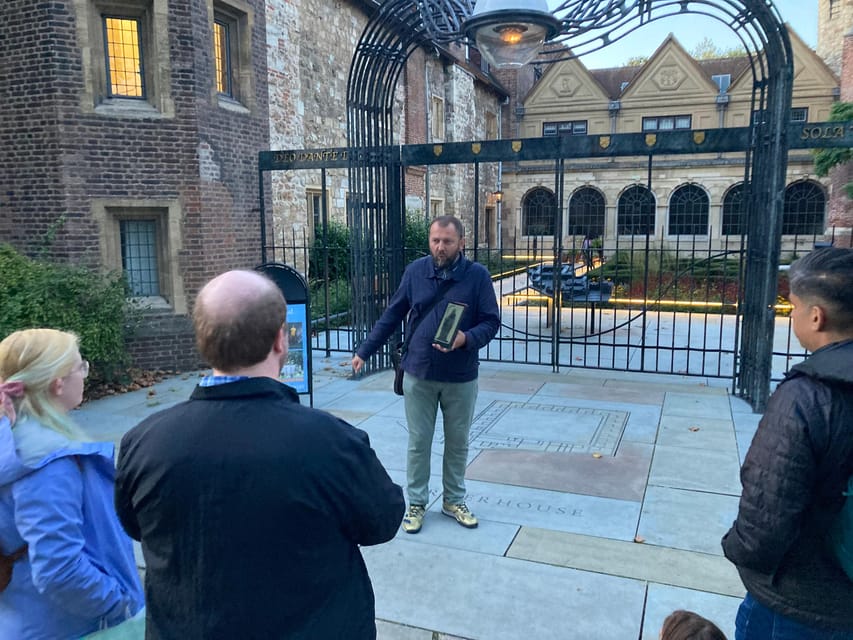
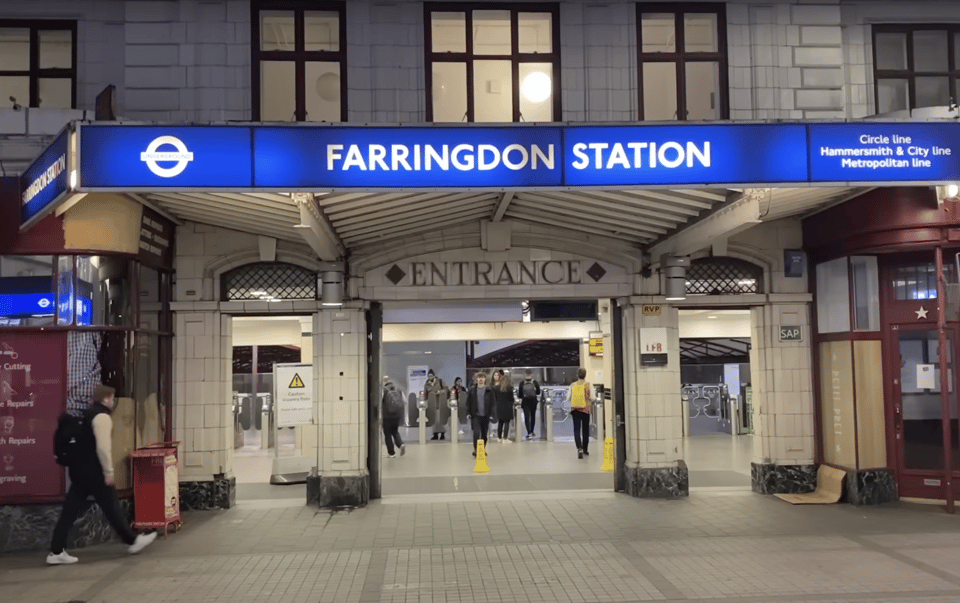
The experience begins at Farringdon Underground Station, right outside the main station entrance/exit between the new and old stations. This is a smart choice because it sets the tone instantly: you’re already on the Underground line network when the guide starts weaving the ghost story.
There’s a moment built around the phrase Mind the Gap, used as a prompt to keep your attention on the station’s atmosphere and the lore attached to it. Even if you don’t believe in hauntings, it’s an effective storytelling tool. The Underground is familiar but also oddly shut-in. That makes it perfect for a ghost narrative—everything feels closer, louder, and slightly more eerie than an open-air street.
Practical tip: arrive a few minutes early and stand where the guide can spot you quickly. The meeting point is specific, and nighttime tours move faster than daytime ones.
Smithfield Market and Charterhouse Square: executions and plague fallout
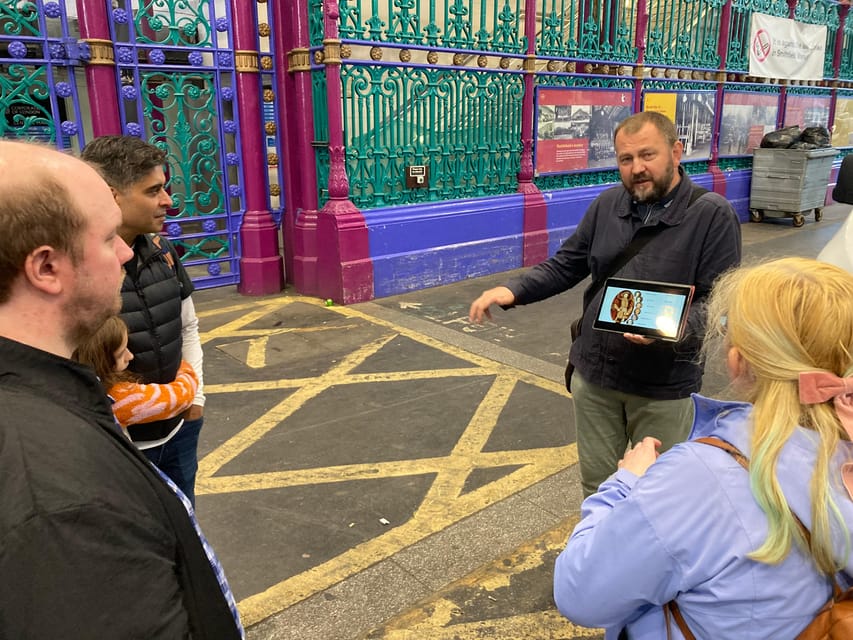
From Farringdon, the route heads toward Smithfield Market, including a photo stop and visit. Smithfield is known for public executions for centuries, and this stop makes the theme real fast. Instead of treating the topic like distant history, the guide frames the place as part of London’s public punishment system. That can be uncomfortable in a good way, because it helps you understand why people feared the law as much as they feared disease.
Next you’re at Charterhouse Square, which is surprisingly peaceful for how dark the story gets. Here, the focus shifts to plagues: how deadly outbreaks were, what doctors attempted, and what happened to survivors. If you like your horror with context, this is one of the most useful stops. It shows you that fear in old London wasn’t only supernatural. It was also medical and social—people were trying to treat what they didn’t fully understand.
This pairing—Smithfield executions, then Charterhouse plague impact—works because it shows how suffering moved through the city. Law and disease didn’t live in separate worlds. They fed into each other.
St Bartholomew the Great: 900 years of hospitals, tombstones, and graveyard energy
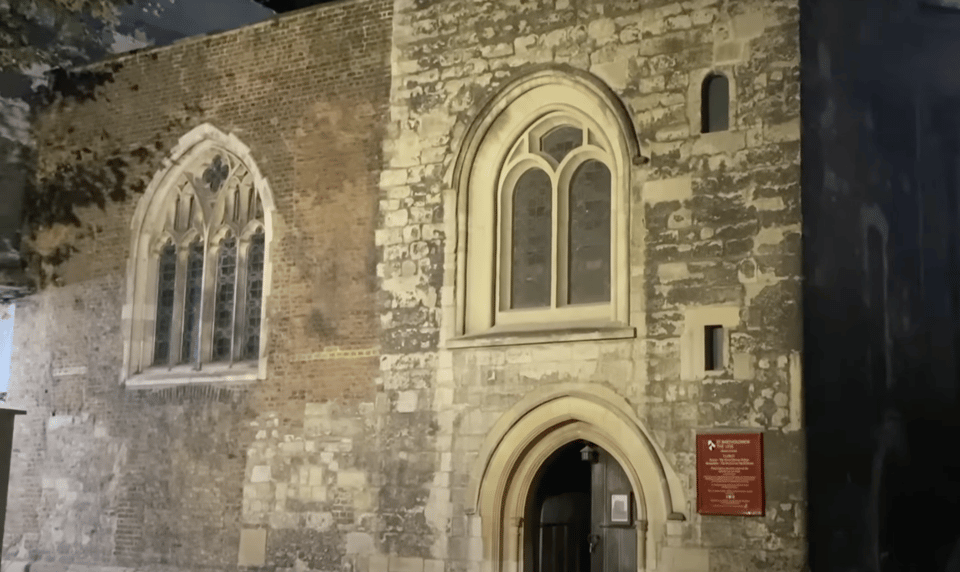
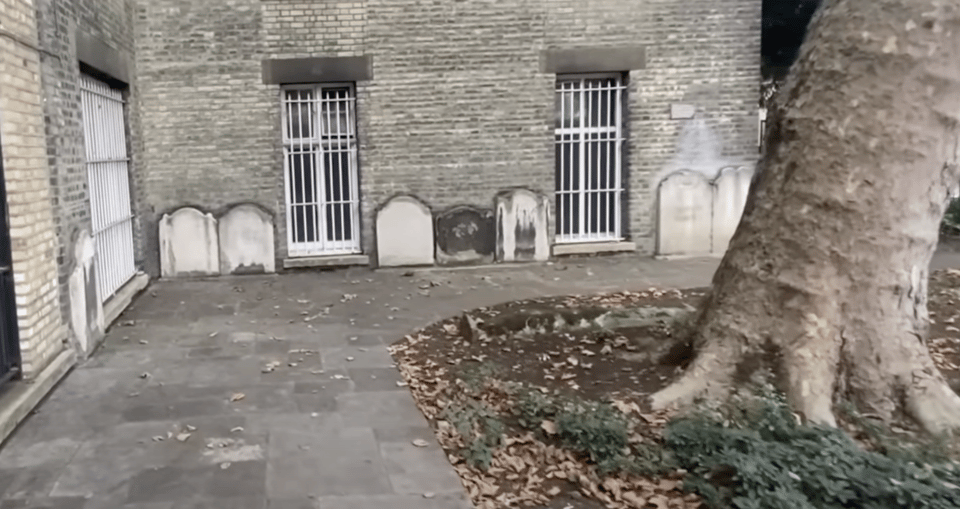
At St Bartholomew the Great Church, you’re stepping into a site connected with hospital life for centuries. The tour spotlights the idea of a place that served the living and the dead, and that’s why this stop lands so well for a ghost-and-gruesome theme. You’ll be surrounded by tombstones while hearing burial-related stories, so the setting supports the subject instead of fighting it.
This is also where you get a sense of how medicine and burial culture overlapped in earlier centuries. The guide makes the past feel close by describing what people believed, what they tried, and how medical care worked when resources and knowledge were limited. For me, the value is that you don’t just hear a spooky tale—you get the kind of grim practical detail that makes the stories feel more than theater.
Note: If you’re sensitive to bodily details, this is where you might feel it most. It’s still story-driven, but the medical-burial angle can get intense.




William Wallace Memorial and Holy Sepulchre: war memory and grave-robbery clues
The route includes the William Wallace Memorial, a stopping point that looks backward to the England-and-Scotland conflicts. It’s a chance to see how national legends and personal suffering can become part of the same physical London map. The tour uses this spot to guide you into the idea of heroism and punishment in the same breath—because in that era, public death was often part of the political story.
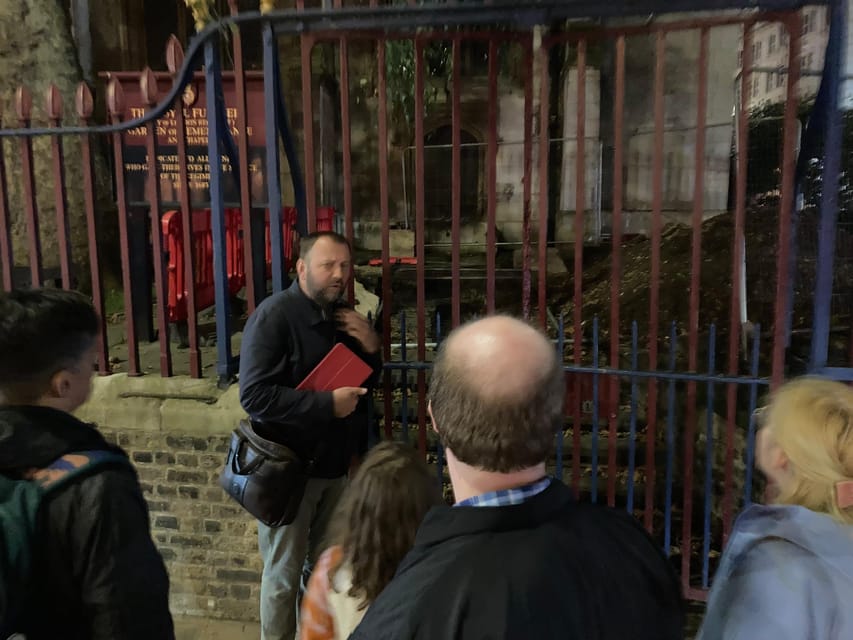
Then you head to Holy Sepulchre Church, where the atmosphere turns colder in a different way. The highlight here is the reminder of times when empty pits exist because bodies were taken from graves. The guide connects the dots between the churchyard spaces and the earlier hospital stop, using the logic of supply, demand, and the money some people made from stolen remains.
This is one of those stops where the “ghost” aspect and the “real-world crime” aspect blend. Even if you’re not chasing supernatural fears, you’re left thinking about how someone could treat human remains like merchandise. That’s not just spooky—it’s a hard historical lesson.
The Old Bailey finale: England’s worst serial killer (not Jack the Ripper)
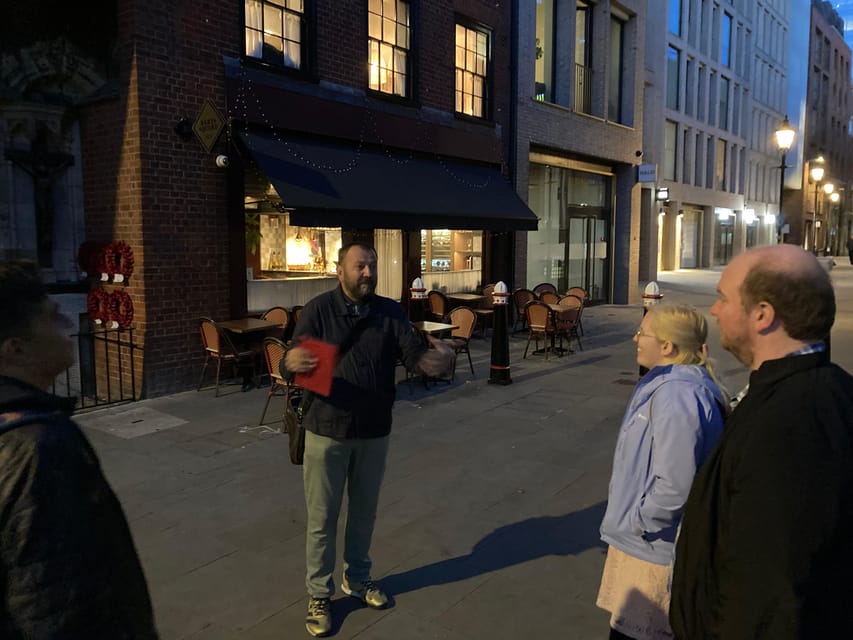
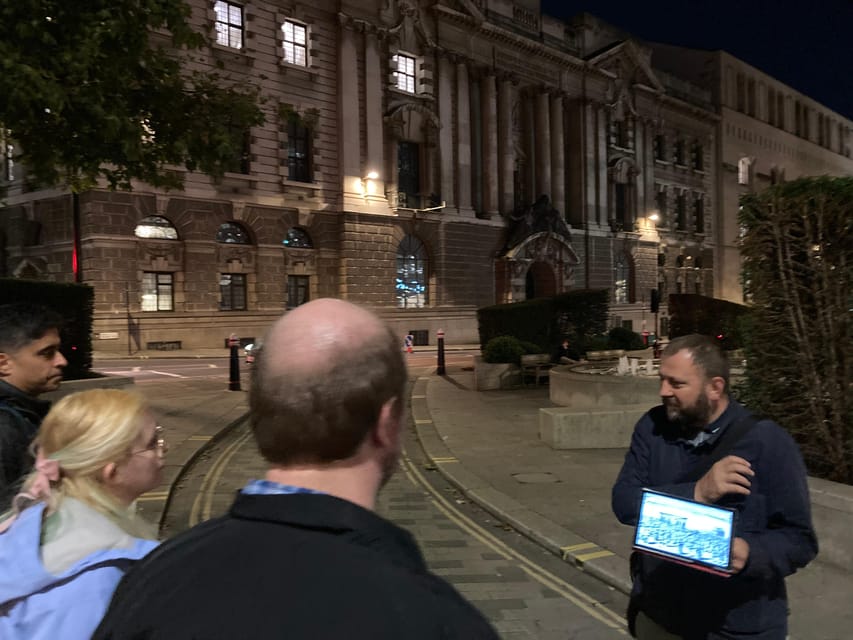
The last stop is the Old Bailey, and it’s positioned as the payoff: the tour saves its darkest serial-killer story for the end. The big clarification is part of the hook—this is about England’s most prolific serial killer, and it’s not Jack the Ripper.
Why ending here works: the Old Bailey is a symbol of the legal system in action. Ending your walk at a courtroom landmark puts the earlier themes—plague fear, crime, the medical underworld, and public punishment—into a single framework. You’re finishing with the institution that tried to name evil and impose consequences.
If you like your stories organized, this final segment is likely your strongest moment. It’s where the guide tightens the narrative threads you’ve been collecting all night.
How to prep for this particular kind of spooky
This tour sits in a specific band of darkness: ghosts, executions, grave robbing, and a serial-killer story. That means it’s not only jump-scares. It’s more “historical thriller” than “costume scare night.”
If you want to maximize comfort:
- Wear layers for London evening weather. The whole point is walking in the dark.
- Bring a small light source if you usually rely on one at night, but don’t expect the guide to make the route feel like a theme park.
- Set your expectations about content. One common concern is that it can feel more gruesome than ghost-heavy, especially if you’re hoping for more haunting moments than crime and medical detail.
You’ll have the best time if you’re okay with stories that explain how people lived, suffered, and exploited each other.
Is it worth it? When this tour delivers the most
This is a great choice if you enjoy:
- Nighttime London and want an evening plan that keeps moving.
- True-crime energy tied to real locations.
- Stories that connect supernatural lore with actual institutions like churches, hospitals, and courts.
It’s also a strong option if you’ve already done the classic sightseeing circuit and want something that feels different. You won’t be chasing views so much as clues—standing where old systems played out.
Who should book, and who should skip
Book it if you want a storytelling-forward London ghost tour with major landmarks and an organized route. It suits people who like historical context and don’t mind that the past can be brutally practical.
Consider skipping or swapping to a lighter option if you:
- Want mostly ghost stories and minimal crime detail.
- Are uncomfortable with body-related grave and medical topics.
- Prefer tours that feel like pure folklore without the serial-killer ending.
Should you book London’s Ghosts & Gruesome Past Nighttime Walking Tour?
I’d book this tour if you like your London at night and you want your spooky fix anchored to specific places: Farringdon Station, Smithfield Market, St Bartholomew the Great, Holy Sepulchre, and the Old Bailey finale. The $49 price makes sense for a guided, themed route that hits several heavy-hitter sites in about two hours, especially with a professional certified guide steering you through darker streets.
But if you’re hoping for a softer, ghost-only experience, know that this one leans toward the gruesome side. Decide based on whether you want historical crime and medical-burial lore, not just chills.
FAQ
Where does the tour start?
It starts outside Farringdon Underground Station, in front of the main station entrance/exit between the new and old stations.
How long is the London Ghosts & Gruesome Past Nighttime Walking Tour?
The duration is 2 hours. Starting times vary, so you’ll want to check availability.
How much does it cost?
The price is $49.00 per person.
What language is the live guide tour?
The live tour guide is English.
Is the tour wheelchair accessible?
Yes, it is listed as wheelchair accessible.
What’s included in the tour price?
It includes a professional, certified guide and an escort through the dark and spooky streets of London.
Where does the tour end?
The info provided includes both a finish at St. Paul’s Cathedral and a note that it ends back at the meeting point. It’s best to confirm your exact end location when you book.
Can I cancel for a refund?
Yes. You can cancel up to 24 hours in advance for a full refund.