London’s best stories hide behind plain stone. This 2.5-hour walk mixes alleyway lore with Shoreditch street art and keeps the mood dark in a respectful way around the Jack the Ripper era. My only caution: it’s all outdoors, and public paths can vary.
I like that it starts in the working brain of London at the Royal Exchange, then trades open plazas for narrow passageways where traders, merchants, and thieves once moved. You get a neat mix of major landmarks and street-level details, from the Monument to the Great Fire to the covered arcade feel of Leadenhall Market.
Guides (including Senne, as referenced in multiple bookings) tend to bring it to life with clear explanations and funny side-stories, and the tour runs in Dutch and English. It’s a strong fit if you want London with fewer crowds and more story per step, especially around Brick Lane and Spitalfields.
In This Review
- Quick hits before you lace up
- Where the tour begins: Royal Exchange’s war memorial meetup
- Royal Exchange to the narrow lanes: money, merchants, and the side streets
- The Monument to the Great Fire: resilience you can feel in the streets
- St Dunstan in the East church garden: quiet history in a small space
- Leadenhall Market and 30 St Mary Axe: the City switches gears
- Spitalfields and Ten Bells: market streets with a darker edge
- Old Spitalfields Market + food aromas: history meets shopping reality
- Brick Lane in Shoreditch: street art and vintage scoring to end the walk
- Price and value: why $33 can work (and when it might not)
- Best fit for your travel style
- Timing, walking comfort, and what to wear
- Should you book this Hidden Secrets of the City walking tour?
- FAQ
- How long is the London Hidden Secrets of the City guided walking tour?
- Where do we meet the guide?
- Is the tour indoors or outdoors?
- Is the walking route steep or stair-heavy?
- What languages is the live guide offered in?
- Does the price include food and drinks?
- What’s the price and can I cancel?
Quick hits before you lace up
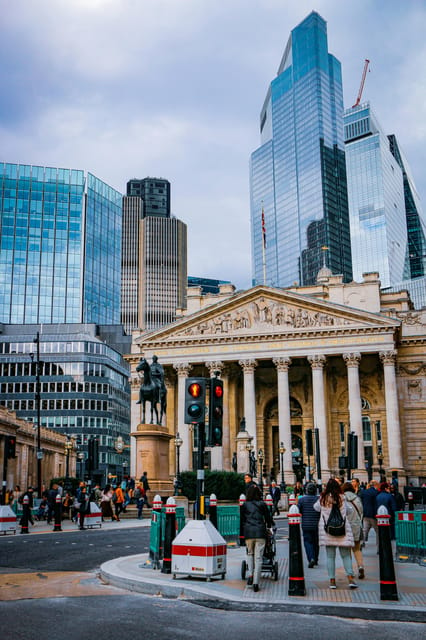
- Royal Exchange starts the story in finance, then slips into the cramped alley network behind the grand facades.
- Monument to the Great Fire adds a survival chapter, not just a quick photo stop.
- Leadenhall Market brings Victorian arcades to life, plus a wink for Harry Potter fans.
- Spitalfields + Old Spitalfields Market gives you the old-meets-now contrast in one route.
- Jack the Ripper mood is handled as a respectful nod, not a full horror walk.
- Brick Lane ends the day with street art and vintage shopping right where you want to linger.
Where the tour begins: Royal Exchange’s war memorial meetup
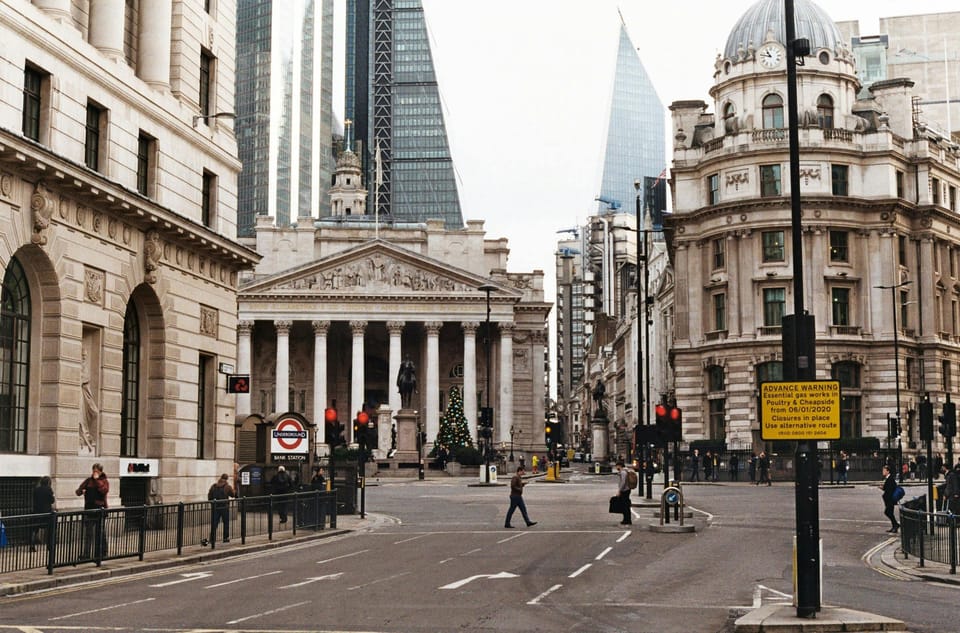
Meet your guide next to the London Troops War Memorial statue, right in front of the main entrance of the Royal Exchange. The guide carries a blue flag, so you’re not left guessing.
This starting point matters. The Royal Exchange area is all about London’s order and power on the surface—then the tour does what you hope a hidden-secrets walk will do: it leads you away from the showy streets and into the smaller lanes that feel more human-scaled.
Practical tip: arrive 5–10 minutes early. It keeps the whole tour calmer, especially when you’re starting in a busy central zone.
You can also read our reviews of more walking tours in London



Royal Exchange to the narrow lanes: money, merchants, and the side streets
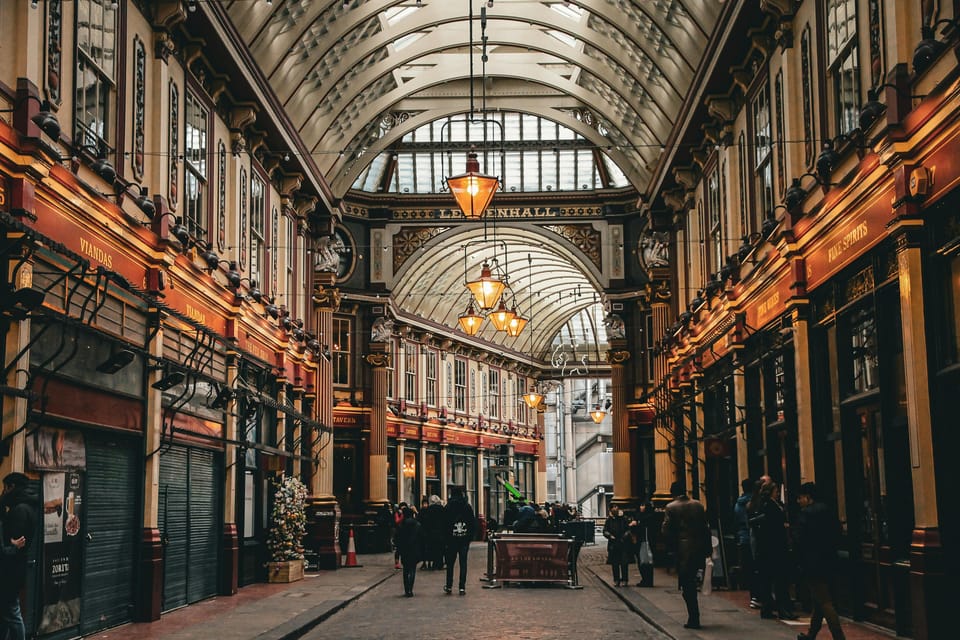
You’ll spend about 10 minutes at the Royal Exchange itself, but the real point is what it represents: London’s financial might and its trading history. Then the guide steers you off the open squares and into narrow alleys that crisscross the City.
That turn—from grand buildings to cramped passageways—is the heart of the experience. It’s where London’s past feels closer, because those lanes are exactly the kind of spaces where people used to slip through quickly, do business, and sometimes do shady things.
I like that this isn’t framed as doom-and-gloom. It’s more like learning how the city worked, and how everyday movement shaped what you see today.
The Monument to the Great Fire: resilience you can feel in the streets
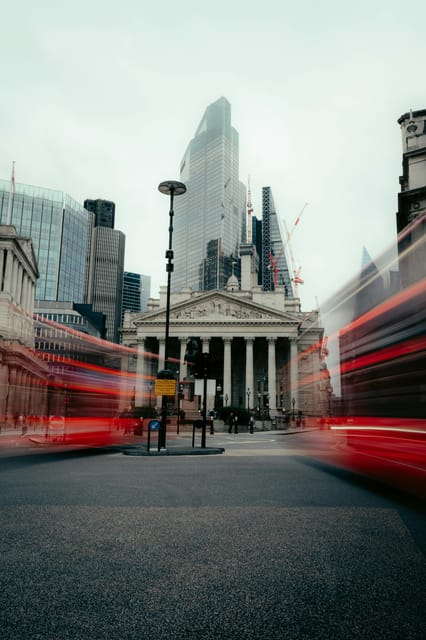
Next comes the Monument area, with a short 5-minute stop timed for perspective. The Great Fire of London looms here, and the guide uses the nearby narrow lanes to tell a more intimate survival and rebirth story.
This is one of those moments where you learn to read the city differently. You start thinking about why certain areas rebuilt as they did, and how quickly a place can change when history hits hard.
If you only know London through museums, this section adds a street-level angle. You’re not just hearing about the fire—you’re walking in the shadows of the places it affected.
St Dunstan in the East church garden: quiet history in a small space

You’ll then reach St Dunstan in the East Church Garden for another brief 5 minutes. This stop gives the tour a pause. It’s not about adding a big checklist item—it’s about letting the stories breathe.
Churchyard spaces like this can feel grounded and still, especially after you’ve moved through tightly packed lanes. Even in a short time, it helps you reset your brain before the route shifts toward markets and street life.
If you’re the type who likes a mix of dramatic history and calmer corners, this stop lands well.
Leadenhall Market and 30 St Mary Axe: the City switches gears
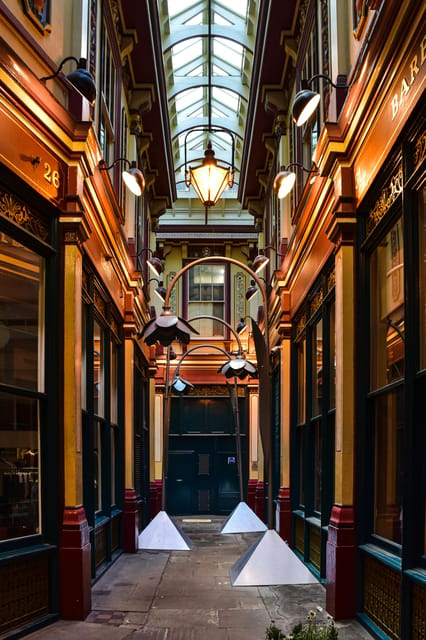
Leadenhall Market is next, with around 10 minutes here. This Victorian market sits within the City’s winding streets and has the covered arcade vibe that makes you slow down and look up. One reason it’s popular with Harry Potter fans is the general look-and-feel of the arcades and cobbled paths.
You’re also getting a contrast. After the Monument’s survival chapter, Leadenhall Market shifts the story toward daily trade and architecture designed for passage and commerce. It feels like the city kept building itself back into a place where people meet, buy, and linger.
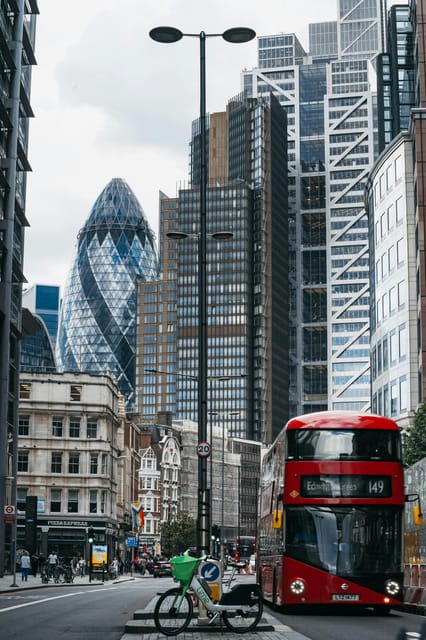
Then you’ll pass by 30 St Mary Axe (The Gherkin) for about 5 minutes. This quick stop is useful even if you’re not obsessed with modern London. It shows how the same area can hold centuries side by side—old lanes and new shapes, all sharing the same ground-level space.
You can also read our reviews of more guided tours in London






Spitalfields and Ten Bells: market streets with a darker edge
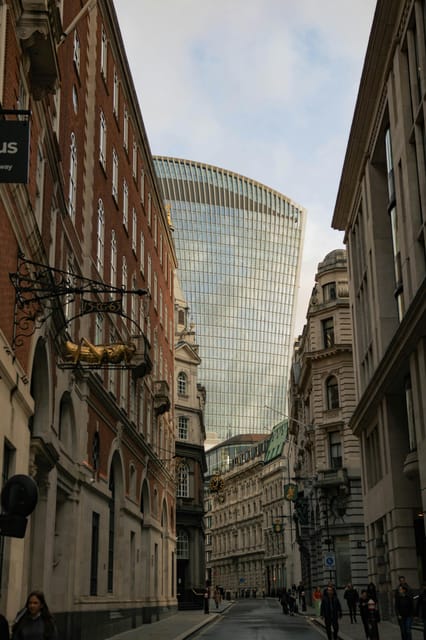
The tour continues east toward Spitalfields, with a short stop at The Ten Bells area (about 5 minutes). Spitalfields is where the mood starts to feel more street-level and lived-in, and the guide helps you connect the dots between the landmarks and the neighborhood’s past.
At this stage, you’re also walking in the zone where the tour gives a chilling nod to Jack the Ripper. The approach is careful: you get the mystery and the atmosphere, without turning it into a full-on Ripper production.
That matters. The best part of a dark-history story is how it makes you notice details—how alleyways can feel different in the context of unsolved events, and how the city’s shape carries echoes even when the story is unfinished.
Old Spitalfields Market + food aromas: history meets shopping reality
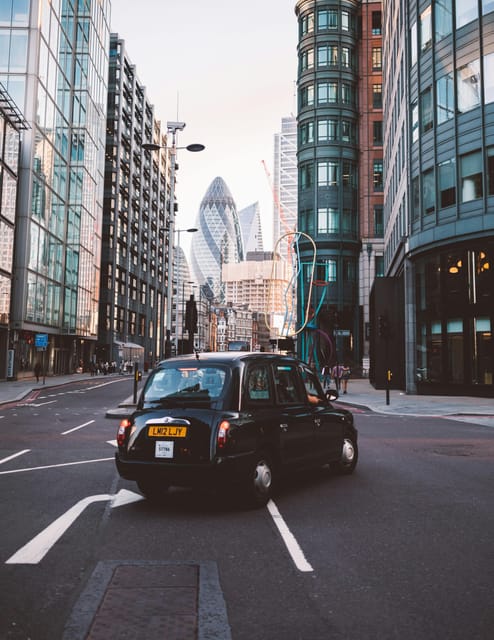
Old Spitalfields Market comes next for a food market visit of about 15 minutes. This is where the route stops being only about the past and becomes about what London smells like today—food stalls, casual browsing, and people doing normal things.
No, food and drinks aren’t included. That’s actually a plus for value because you can choose what fits your budget and diet, instead of feeling locked into a set menu.
This stop also works as a reset point. You’ve been hearing dark stories and fire-era survival stuff; now you get a friendly, modern market scene that helps the day feel rounded, not heavy.
Brick Lane in Shoreditch: street art and vintage scoring to end the walk
Finally, the tour heads to Brick Lane in Shoreditch and finishes there. You’ll have around 15 minutes to look around, and this is where the tour’s hype lines up with the real appeal.
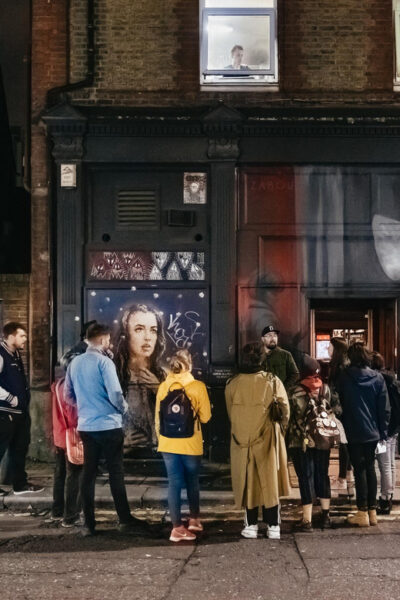
You’re set up for street art in a real-world way, with the promise of seeing a Banksy in the area. And while you’re not guaranteed a specific artwork at a specific moment (street art changes), you will be in the right place: walls, creativity, and the kind of urban energy that makes photos more interesting than monuments.
The other practical reason to end here is shopping. Brick Lane is known for vintage, and the tour experience leans into that. If you want a souvenir that isn’t another magnet, this is your moment to score a piece of clothing and actually wear it later.
Price and value: why $33 can work (and when it might not)
At $33 for about 2.5 hours, the value is solid if your goal is story per step. You’re paying for an experienced guide and a route that mixes recognizable landmarks with off-the-main-street lanes, plus markets and street art at the end.
This price also makes sense because you’re not just ticking boxes like a self-guided walk would. A guide can connect the dots—why the Royal Exchange matters, how the fire shaped the city, why Leadenhall’s arcades feel the way they do, and how Spitalfields adds texture to the City story.
Where it may not fit: if you already love London history and you want long stops in only one theme (for example, only street art, or only museums), you might wish for more time at fewer locations. This tour moves with purpose, and the stops are short by design.
Best fit for your travel style
This is a great choice if you:
- want a 2.5-hour start-of-day or mid-day walk that doesn’t feel like a school lecture
- like London’s layers: finance, fire survival, markets, and street art in one loop
- enjoy a guide who uses stories with humor and clarity, including handling a dark chapter respectfully
It’s also a good option if you’re traveling with kids. At least one booking highlights that an 8-year-old stayed engaged the whole way, and that’s usually a sign the storytelling is paced well.
Timing, walking comfort, and what to wear
The tour is entirely outdoors. That means you should dress for weather, even if London’s forecasts look optimistic. The good news: it does not include stairs or many inclines.
The tricky part is this: public paths can vary. So I’d treat this as a “wear comfortable shoes” walk, not an easy stroll on smooth, guaranteed pavement.
If you have limited mobility, plan with care. The tour doesn’t call out heavy climbing, but you’ll still be on real sidewalks, real street surfaces, and real City terrain.
Should you book this Hidden Secrets of the City walking tour?
Book it if you want London that feels lived-in—short landmark stops, then real passageways, then markets and street art where you can keep exploring afterward. The mix of Royal Exchange, Monument-era survival, Leadenhall Market’s arcades, and a Brick Lane finish gives you a satisfying arc without taking your whole day.
Skip it only if you hate outdoor walking or you want a slower pace with long museum-style time in one place. At $33, it’s built for motion and story, not for lingering.
If your ideal London day includes alleyway atmosphere, a respectful dark-history mood, and a tangible end on Brick Lane, this one is a strong match.
FAQ
How long is the London Hidden Secrets of the City guided walking tour?
The tour lasts 2.5 hours.
Where do we meet the guide?
You meet next to the London Troops War Memorial statue in front of the main entrance of the Royal Exchange. The guide will be holding a blue flag.
Is the tour indoors or outdoors?
It takes place entirely outdoors.
Is the walking route steep or stair-heavy?
The tour does not include stairs or many inclines, but you should be aware that public paths can have varying conditions.
What languages is the live guide offered in?
The live tour guide speaks Dutch and English.
Does the price include food and drinks?
No. Food and drinks are not included, though there is a food market visit.
What’s the price and can I cancel?
The price is $33 per person. You can cancel up to 24 hours in advance for a full refund, and you can also reserve now and pay later.