REVIEW · ART GALLERIES & MUSEUMS
London: Natural History Museum Guided Tour
Book on GetYourGuide →Operated by Babylon Tours London · Bookable on GetYourGuide
Dinosaurs to Darwin, in one focused run. This Natural History Museum tour is a tight route through a place so huge it can swallow a whole afternoon, yet you still get real context. I love that it points you at standout objects, then explains what they mean for the story of Earth and life. You also get the human quirks, from Pompeii casts to a display people can’t help staring at like the Cursed Amethyst.
Two things I especially like: the professional art historian guide helps you see objects as more than decorations, and the route is built to cover major “wow” pieces without wasting time. It’s the kind of visit where a guide like Ivo (often praised for involving kids) or Guy V. (praised for patient answers) can make the museum feel navigable, even if you’re visiting for the first time.
One drawback: you’ll do a bit of walking, and no large bags are allowed inside—security is strict, so pack light.
In This Review
- Key highlights that make this tour worth your time
- Natural History Museum, Focused: Why 2.5 Hours Works Here
- Your Guide Matters: Ivo, Guy V., Matilda, and Sacha as the Real Selling Point
- Fossils First: Iguanodon Teeth and the Dinosaur-to-Bird Thread
- Pompeii Casts and Strange Human Artifacts: The Museum Gets Dark on Purpose
- Dodo Up Close and Darwin in One Route: Evolution’s Big Names
- The Cursed Amethyst and the Giant Sequoia Slice: Why Display Design Is Part of the Story
- Practical Stuff That Actually Changes Your Day: Bags, Security, and Pace
- Who This Tour Fits Best (and Who Should Rethink It)
- Price and Value: What $112 Buys You Here
- Should You Book This Natural History Museum Guided Tour?
- FAQ
- FAQ
- How long is the London Natural History Museum guided tour?
- What’s included in the price?
- What are the main highlights you’ll see?
- Is there a group limit, and can it run as a private tour?
- Do I need to bring ID?
- Is luggage allowed inside the museum?
- Is this tour suitable for wheelchair users?
Key highlights that make this tour worth your time
- Skip-the-ticket-line entry so you start seeing things sooner
- A pro art historian guide who gives context, not just dates
- Fossils and rarities like Iguanodon teeth and a close look at the Dodo skeleton
- Pompeii casts that add a human, unsettling layer to the museum’s natural-science world
- Darwin’s On the Origin of Species via a first edition stop that connects evolution to history
- Small groups (up to 8) for better pacing and more chances to ask questions
Natural History Museum, Focused: Why 2.5 Hours Works Here
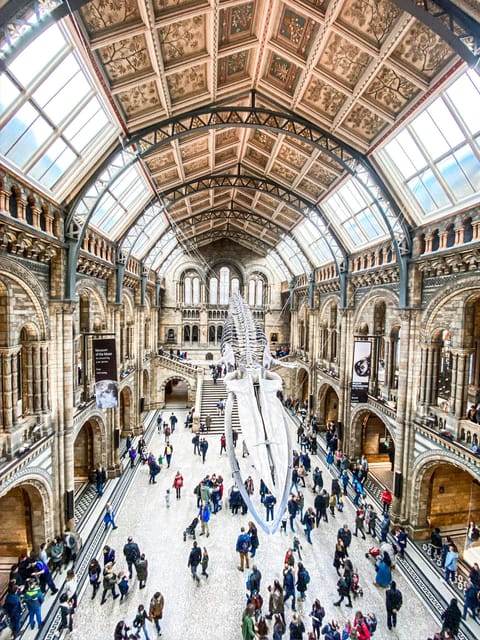
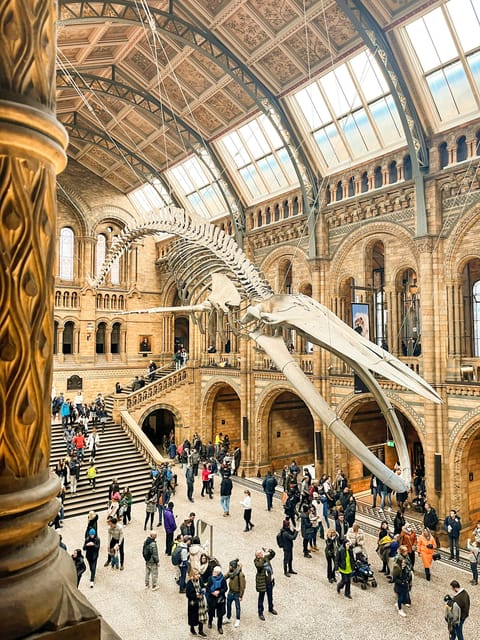
The Natural History Museum is legendary for a reason. It’s packed with specimens, models, and displays that can pull you in a dozen directions at once. On a self-guided visit, you might drift from one room to the next and still miss the objects you came for. This tour solves that problem by running a 2.5-hour route that targets major highlights without trying to cover everything.
You’ll move through a collection that’s described as spanning 80 million specimens, which is museum-speak for: there’s too much to see. The guide’s job is to help you pick the right “chapters” fast. That’s where the value shows up. Instead of seeing random corners, you’ll see a sequence that follows the big arc: the planet’s story, life’s changes, and the way humans fit into that timeline.
There’s also a practical benefit to the skip-the-line approach. London museums can have queue friction, and even a short delay can wreck your schedule. Getting started faster helps you stay in that sweet spot where you’re still fresh enough to pay attention.
You can also read our reviews of more guided tours in London



Your Guide Matters: Ivo, Guy V., Matilda, and Sacha as the Real Selling Point
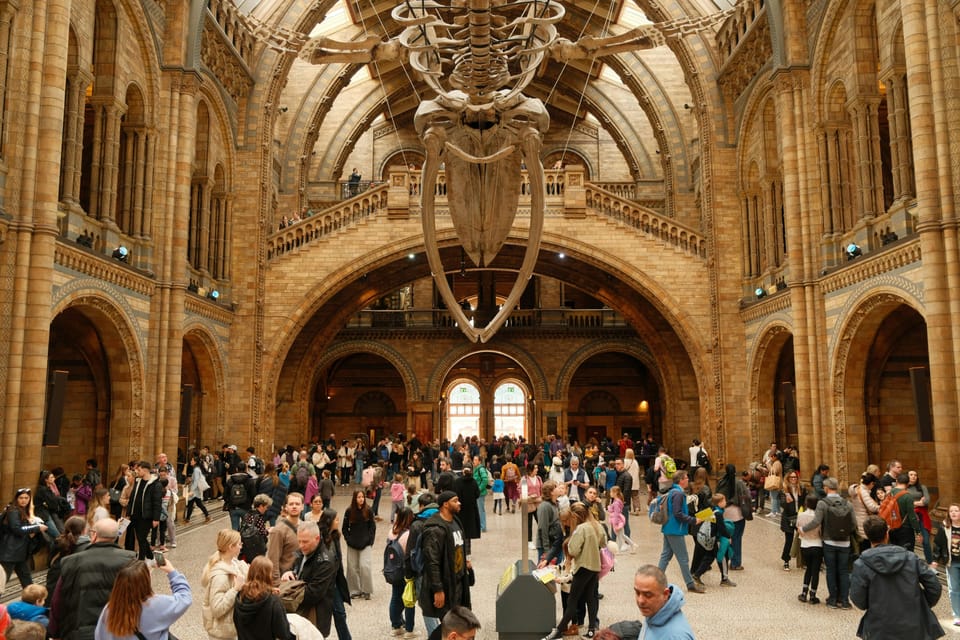
This tour isn’t only about the museum. It’s about the person steering you through it. The tour is led by a professional art historian guide, which matters more than it sounds. Art-historian training usually comes with an eye for display choices: why an object is shown the way it is, how the museum frames meaning, and what details you should notice.
The reviews paint a consistent picture of guide quality. People highlight how guides like Ivo keep the flow moving and help kids feel included without turning the tour into a lecture. You’ll also see praise for Guy V. for answering questions clearly and giving children space to ask “why” without getting brushed off. Other guides you might encounter include Matilda, Sacha, Laurence, and Luis—and across names, the pattern is the same: visitors credit the guide with making complex material easy to follow.
I like this style because it changes what the objects mean. Fossils stop being just old bones. They become evidence. Specimens stop being props. They become clues in a larger story about how scientists understood life over time.
Fossils First: Iguanodon Teeth and the Dinosaur-to-Bird Thread
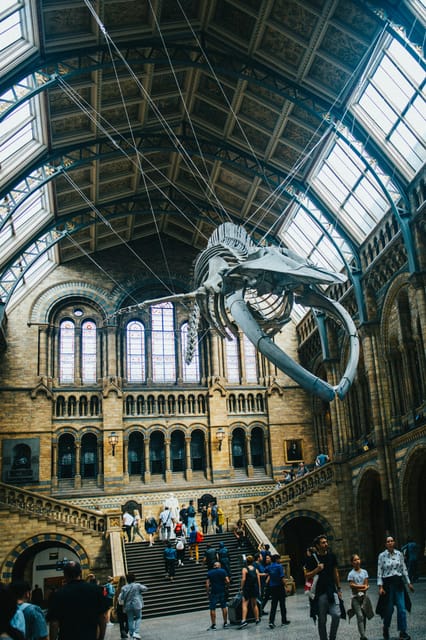
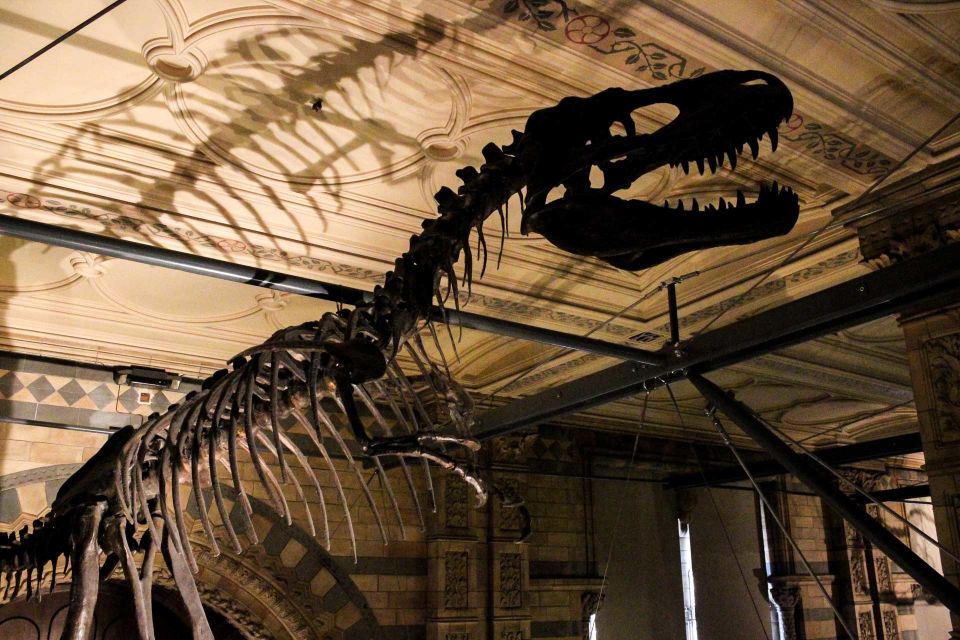
The tour leans into the museum’s strengths early, with fossil highlights that set the tone: Earth is old, life is strange, and science is built on careful observation. One of the most specific stops is Iguanodon teeth fossils. Teeth aren’t the first thing most people picture when they think of dinosaurs, but that’s exactly why they work. Teeth help you imagine diet, feeding habits, and how scientists reconstruct an animal from fragments.
From there, you move through dinosaur-related displays that are designed to feel both dramatic and understandable. The museum’s character figures—like Sophie the Stegosaurus—aren’t just for kids. They’re a doorway into the adult part of the story, where you start connecting shapes and features to evolution.
You’ll also get a look at Archaeopteryx, described as the alleged link between dinosaurs and birds. Even if you already know the basic idea, a good guide helps you focus on what makes it compelling: it’s not about a single “missing piece” moment. It’s about the mix of traits that helps scientists argue how lineages might have shifted over time.
Pompeii Casts and Strange Human Artifacts: The Museum Gets Dark on Purpose
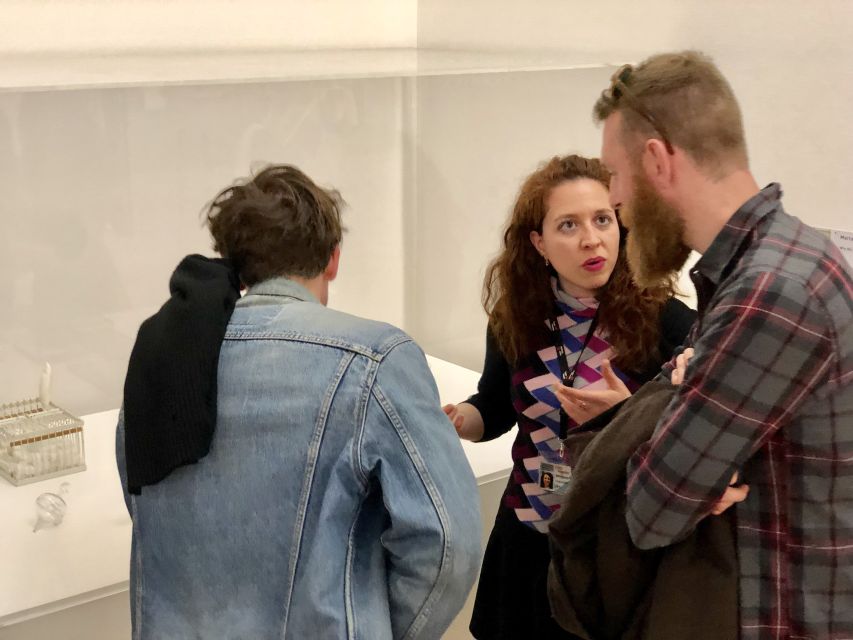
Not every Natural History Museum highlight is “cute.” One of the most memorable parts of this tour is the stop for Pompeii casts—the molded remnants from a volcanic disaster. Seeing casts in person changes the tone of the museum. This isn’t just natural history as a lesson in geology. It’s natural forces meeting real people, frozen into forms that carry emotion even when you know the science behind the process.
Then there’s the tour’s mention of artifacts connected to human remains used in unsettling ways, including human skulls used as drinking glasses. That kind of display can feel weird or uncomfortable if you’re not expecting it, but it’s also a real part of how museums collect and interpret objects. A guided explanation helps you understand what you’re looking at without turning it into shock for shock’s sake.
If you’re traveling with kids, this is the part where having a guide counts double. Visitors praised guides for balancing serious content with children’s attention spans. You’ll likely get a way to frame what’s on display that keeps the tone appropriate and the learning moving.
Dodo Up Close and Darwin in One Route: Evolution’s Big Names
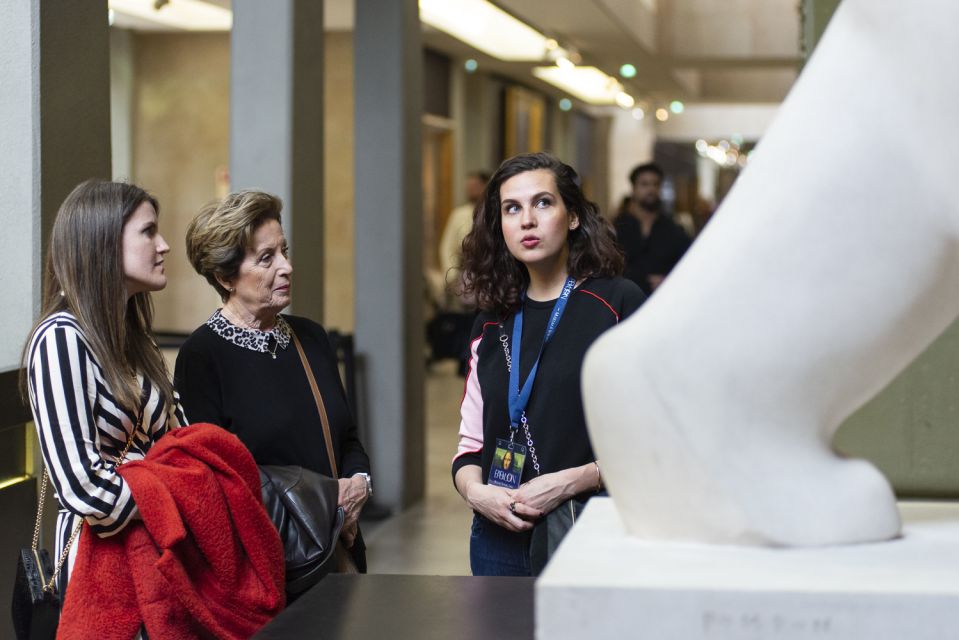
The tour doesn’t treat evolution like a single abstract concept. It gives you physical anchors—animals that changed how people thought, and texts that changed how people explained the world.
A top highlight is getting close to a Dodo skeleton. The Dodo is famous because it represents extinction in a way that sticks. Seeing it where it sits in a museum hall is different from reading about it. You can almost feel the weight of what was lost, and a good guide helps connect that to the larger patterns of species survival and collapse.
From there, the tour moves to a critical piece of scientific history: a first edition of On the Origin of Species. You’re not just seeing a book. You’re seeing a turning point object, the kind of item that signals how ideas spread and became influential. A guide helps you connect the earlier fossil and specimen stops to why scientists cared about evidence at scale.
I like that this part of the route makes a point without overselling it. You finish this section knowing that evolution isn’t only about animals and bones—it’s also about how humans argued, wrote, and built models of the natural world.
You can also read our reviews of more historical tours in London





The Cursed Amethyst and the Giant Sequoia Slice: Why Display Design Is Part of the Story
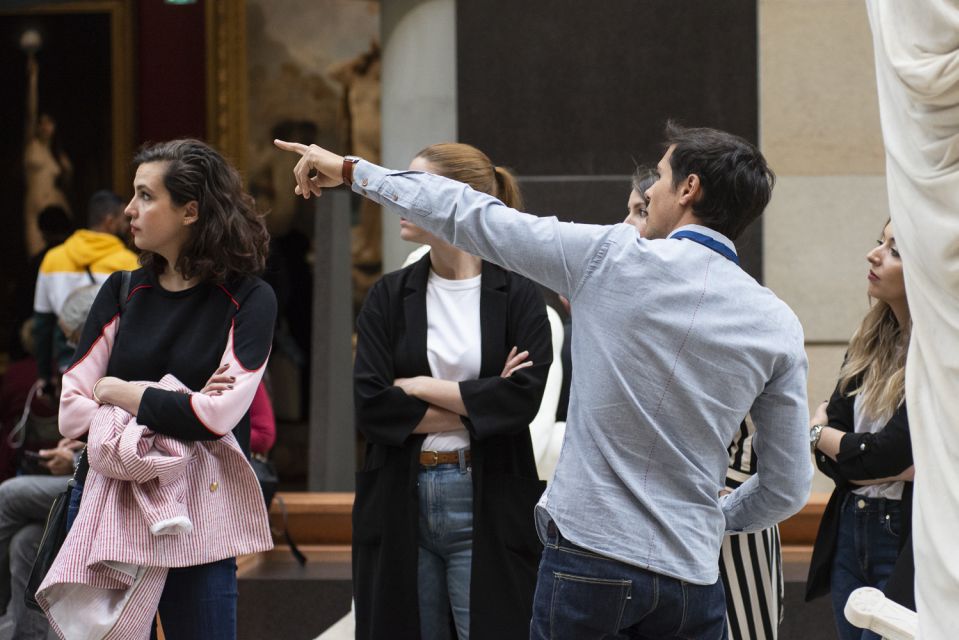
Two stops that stand out are the Cursed Amethyst and an enormous slice of a Giant Sequoia tree. Neither is “just” a specimen. They’re both about how museums choreograph attention.
The Cursed Amethyst stop works because gemstones carry two kinds of meaning at once: scientific value (minerals, formation) and cultural value (stories people attach to rare objects). The tour framing matters here. A guide can help you separate what’s known from what’s folklore, without killing the fun.
The Giant Sequoia slice is a different kind of attention grab. Giant trees aren’t just impressive in photos. In person, the scale lands. When you’re guided to notice material detail—how the wood is cut, how the object is displayed—you start appreciating why this museum treats natural specimens like art objects too.
This is also where the art-historian angle quietly becomes useful. Even if you’re not an art person, you’ll catch what curators are doing: where your eyes should go, what details the museum wants you to notice, and how the story is built through placement and grouping.
Practical Stuff That Actually Changes Your Day: Bags, Security, and Pace
You don’t need special travel gear, but you do need to pack smart. You’ll want to bring passport or ID for entry requirements, and you should plan to arrive with a small, easy-to-carry bag. No luggage or large bags are allowed inside the museum; only handbags or small thin packs can go through security.
Security can also affect timing. Even with skip-the-line access, lines may still form due to increased measures at attractions. The good news is your tour is only 2.5 hours, so delays are less likely to steamroll your whole day.
Walking is described as a small amount, but “small” can still add up in a large museum. Wear comfortable shoes. If you’re visiting with kids, plan for short pauses, and trust the guide to keep the momentum.
Who This Tour Fits Best (and Who Should Rethink It)
This tour makes a lot of sense if you:
- Want a first-time visit that doesn’t require museum-browsing stamina
- Have kids and need someone to keep the pace, answer questions, and connect science to real-life meaning
- Prefer a guided route where the highlights are chosen for maximum impact
The reviews strongly suggest families enjoy it, especially when guides actively include children. If your group is mixed—adults who want depth and kids who want fun—this format is a good match.
One watch-out: the tour is not suitable for wheelchair users as described. However, wheelchair tours are available upon request only and only as a private tour. If accessibility is a must for you, I’d treat the private option as the default starting point.
Also note that temporary exhibits aren’t included. If you’re aiming for a specific special display that day, you’ll want to leave some free time outside the tour.
Price and Value: What $112 Buys You Here
At about $112 per person for a 2.5-hour guided experience, this isn’t the cheapest thing in London. But you’re paying for three high-value ingredients:
- Curated highlights inside a huge museum
You’re paying to avoid aimless wandering. The Natural History Museum’s scale is the problem, and the guide’s route is the fix.
- Professional interpretation
A guide who can frame objects as art, evidence, and history makes the collection feel coherent. You don’t just see items; you learn why they’re there.
- Small-group pacing
The tour runs as a private or small group option with up to 8 guests. That tends to mean fewer bottlenecks and more room for questions.
If you’re the type of visitor who enjoys reading labels and figuring things out on your own, you could save money by going DIY. But if you want a tight, high-impact visit—especially with kids or first-timers—this price starts to feel fair.
Should You Book This Natural History Museum Guided Tour?
Book it if you want a guided, highlight-based route that connects fossils, extinction, evolution, and darker human history through key objects like Iguanodon teeth, Pompeii casts, the Dodo skeleton, Archaeopteryx, Darwin’s first edition, plus the Cursed Amethyst and Giant Sequoia slice.
Skip or rethink it if you:
- Need wheelchair-friendly access under the standard tour format
- Expect the tour to cover everything in the museum or focus on temporary exhibits
- Travel with bulky luggage that won’t pass security easily
If you’re planning a London itinerary and want one museum experience to feel organized and memorable, this is a strong bet.
FAQ
FAQ
How long is the London Natural History Museum guided tour?
The tour lasts 2.5 hours.
What’s included in the price?
The tour includes a professional art historian guide and the option for private or semi-private options. It also includes skip-the-ticket-line access.
What are the main highlights you’ll see?
Key highlights include Iguanodon teeth fossils, Pompeii casts, getting close to a Dodo skeleton, a first edition of On the Origin of Species, plus stops that include Archaeopteryx, the Cursed Amethyst, and an enormous slice of a Giant Sequoia tree.
Is there a group limit, and can it run as a private tour?
Yes. The group tour is capped at 8 guests maximum, and it can run as either a private tour or a small-group option. For group tours, a minimum of 2 guests is required for it to run.
Do I need to bring ID?
Yes. You should bring passport or an ID card.
Is luggage allowed inside the museum?
No. Luggage or large bags aren’t allowed. Only handbags or small thin bag packs are allowed through security.
Is this tour suitable for wheelchair users?
It’s listed as not suitable for wheelchair users, but wheelchair tours are available upon request only and only as a private tour.