REVIEW · HISTORICAL TOURS
London: Brutalist Architecture & History Walking Tour
Book on GetYourGuide →Operated by explorabilia · Bookable on GetYourGuide
Brutalism looks better when you know its story. This London walking tour spotlights Brutalist Architecture up close, with major photo stops like the National Theatre and context for why concrete became the star material after the war.
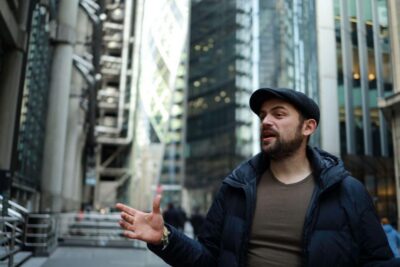
I especially like the way the guide, Evan, turns heavy-looking buildings into clear ideas you can actually use while you walk. Another plus is that you get to see major examples from outside only, which keeps the pace moving and the focus on design details rather than waiting around.
One thing to consider: building interiors are not visited, and the tour isn’t suitable for children under 16 or for people with mobility impairments.
In This Review
- Key takeaways before you go
- Brutalist Architecture & History: why this tour works in London
- Starting point at Russell Square: setting your walk up fast
- The big lesson: concrete in the 60s and 70s wasn’t accidental
- Institute of Education: civic modernism you can spot immediately
- National Theatre: Brutalism at its most dramatic
- The politics of preservation: what happens after the spotlight
- Evan’s guiding style: why the small group matters
- A quick reality check: what you won’t see
- Practical tips: tube credit, weather, and photo strategy
- Price and value: is $47 worth 2.5 hours?
- Who should book this Brutalist architecture tour in London
- Should you book the London Brutalist Architecture & History tour?
- FAQ
- Where is the meeting point for the tour?
- How long is the London Brutalist architecture walking tour?
- Is the tour free to join if I book now?
- How big is the group?
- Do I need to use public transport during the tour?
- What public transport ticket should I bring?
- Will we go inside any buildings?
- What’s included in the ticket price?
- Is the tour suitable for children under 16?
- Is the tour suitable for people with mobility impairments?
Key takeaways before you go
- National Theatre photo moment paired with why it was built and the social forces around it
- Concrete, explained in practical terms—how engineering and materials drove modern design
- Small-group feel (up to 6) so you can ask questions and keep the tour lively
- Exterior-only viewing means you’ll get lots of architectural sightlines, not interior visits
- Brutalism debates you can feel: preservation vs use by local groups and residents
Brutalist Architecture & History: why this tour works in London
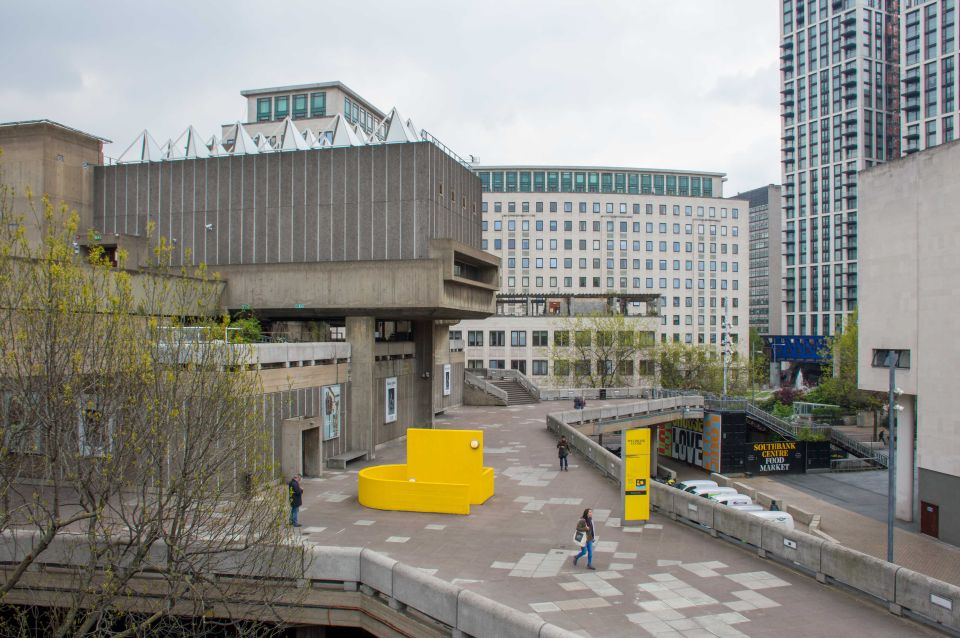
Brutalism can feel like a dare. You either love the raw concrete slabs and fortress-like massing, or you recoil at the idea that something this heavy could be humane. What makes this tour worthwhile is that it treats Brutalism as more than style—an answer to very specific post-war pressures.
You’ll connect the look of these buildings to the bigger story: post-war reconstruction, changing social needs, and the global events that fed into London’s modern architecture. That framing helps you look past surface opinions and start seeing decisions—structural ones, political ones, and even environmental ones.
And yes, it’s designed for photos. The big set pieces (especially the National Theatre) are the kind of buildings that reward a pause, a few steps back, and a phone camera angled slightly upward.
You can also read our reviews of more walking tours in London

Starting point at Russell Square: setting your walk up fast
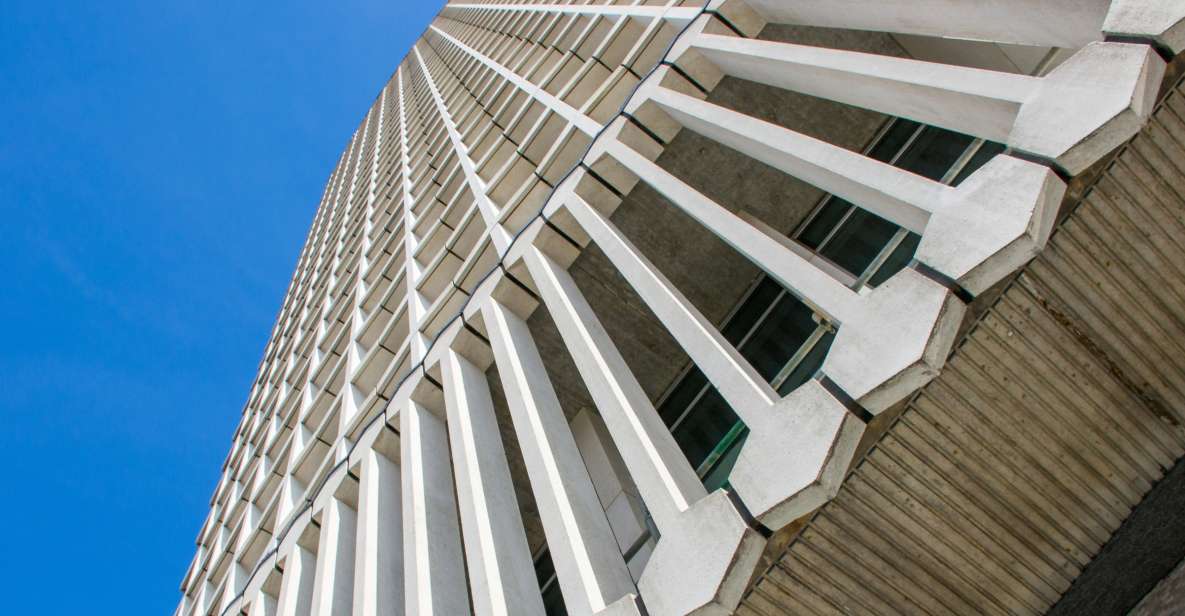
The tour meets outside Russell Square Underground Station on the Piccadilly Line. That’s a smart starting choice because you’re already near central London walking routes, and you can usually orient yourself quickly before you begin.
Plan to bring a public transport ticket. The tour is mostly on foot, but it also uses the tube once for a short journey, so you should have enough credit for one trip within Zone 1. That matters because it keeps the route efficient for the time window.
Timing-wise, you’re looking at 2.5 hours, so you’ll want comfortable shoes and a willingness to keep moving. This isn’t a long stroll where you can stop for a long coffee break every ten minutes.
The big lesson: concrete in the 60s and 70s wasn’t accidental
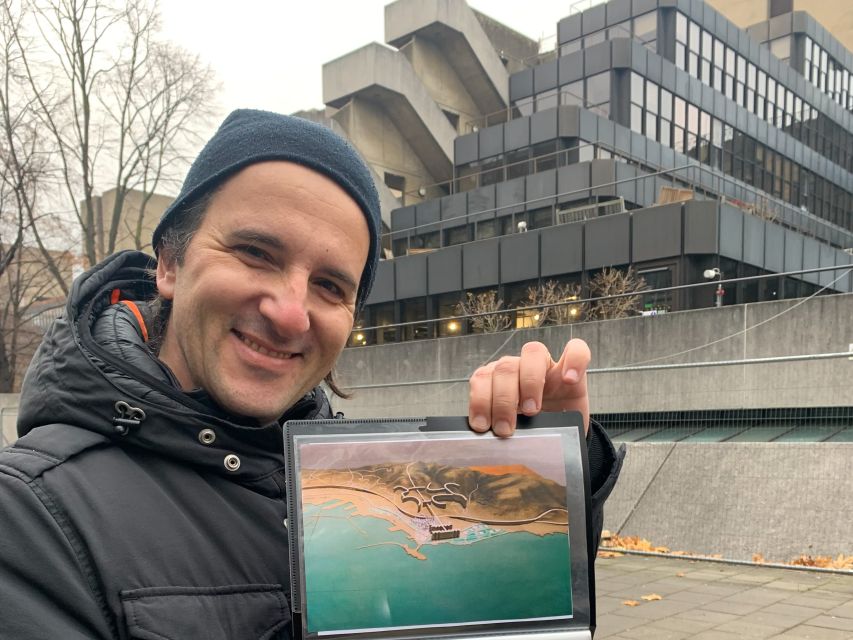
The core theme is concrete—why it took over modern architecture and why London’s post-war landscape changed the way it did. You’ll hear about how concrete wasn’t just a look; it was a tool. It helped architects and engineers meet new demands for speed, durability, and large-scale building projects.
You’ll also get the idea that Brutalism came from multiple influences at once. That includes European modernist thinking and broader global events that shifted priorities across Europe. The tour keeps asking a simple question as you walk: what problem did this building try to solve?
For me, that’s the difference between seeing a building and understanding it. You’ll still be free to like or dislike Brutalism, but you won’t be left with only opinions. You’ll have reasons.
Institute of Education: civic modernism you can spot immediately
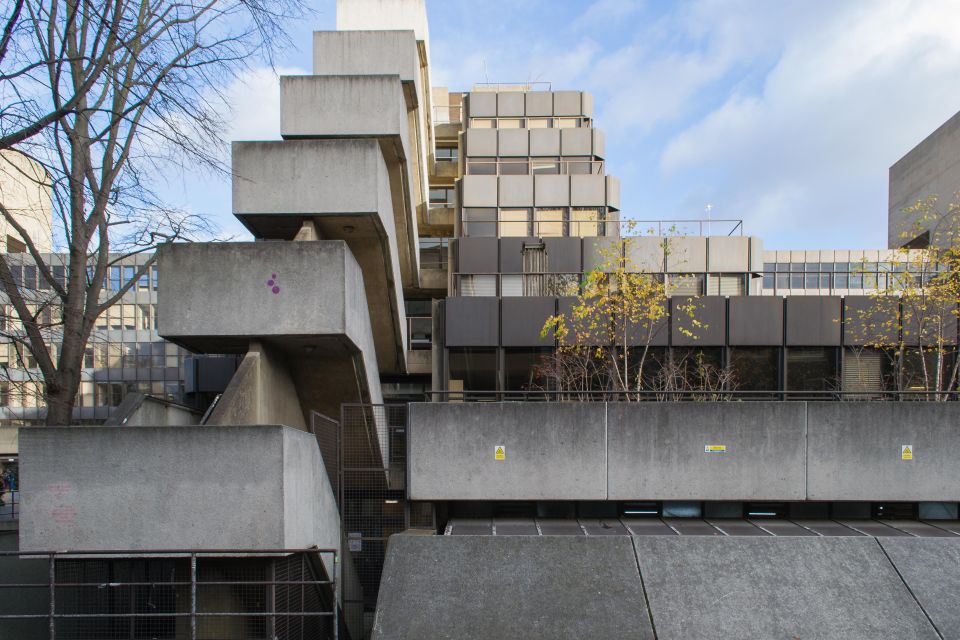
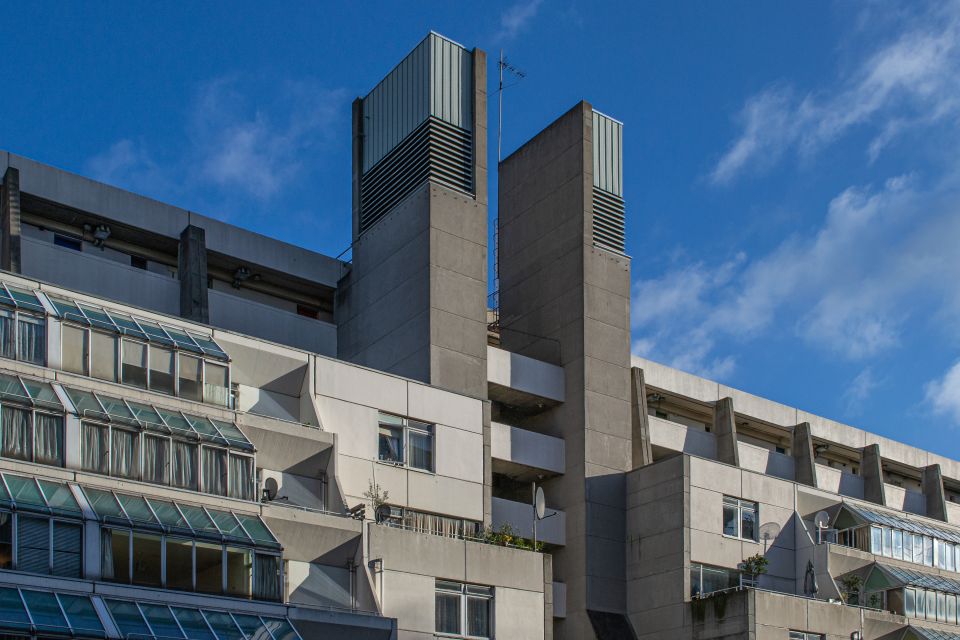
One of the standout stops is the Institute of Education. Even if you don’t know its full story, you’ll recognize the Brutalist attitude right away: bold structure lines, heavy forms, and that sense of design meant for public life.
What’s useful here is how the tour connects architecture to real-world purpose. Instead of treating the building like an art object behind glass, you’ll hear it discussed in terms of social and educational priorities in the post-war period. That changes how you look at the façade and the geometry.
There’s also a practical “stand back and look” element. From the outside, you’ll learn what to notice—block shapes, openings, and how the materials behave visually in daylight. This is one of those stops where your photos will look better after your guide points out what to frame.
National Theatre: Brutalism at its most dramatic
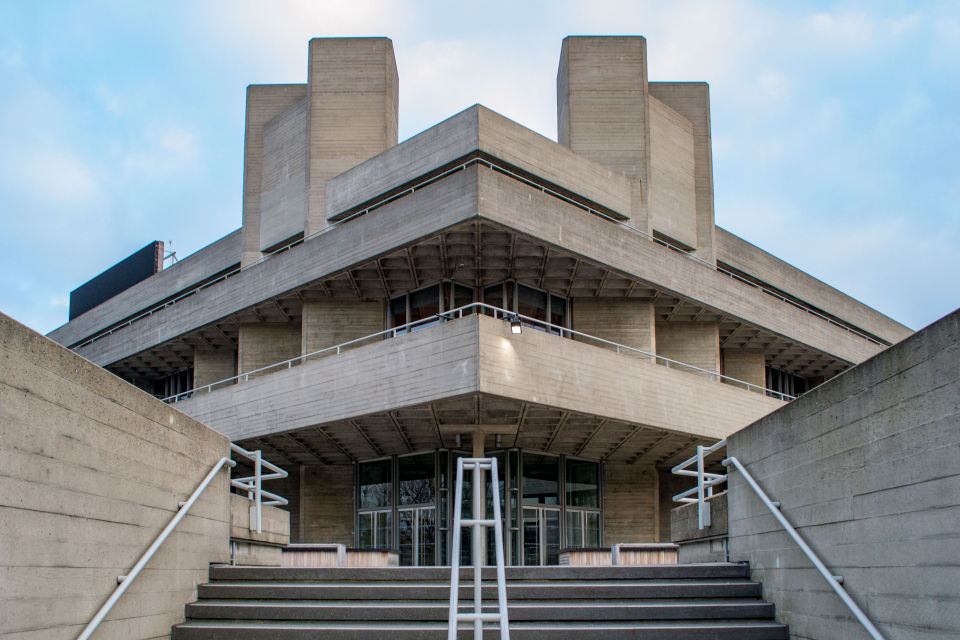
The National Theatre is the kind of building that makes people stop talking and start photographing. It’s a prime example of Modernist monumental architecture, and this tour treats it like a case study: why it’s here, what it was trying to do culturally, and how public building projects shaped cities in that era.
You’ll hear about the wider social stakes behind big cultural institutions. It’s not just about the building being different—it’s about the intent. In a city where older forms dominated for centuries, Brutalism’s bold language signaled a different kind of confidence.
If you’re the kind of person who wants a clear photo payoff, this is it. But the real value is that you’re not only capturing angles. You’re also capturing context, so the photos end up meaning something when you compare them later.
You can also read our reviews of more historical tours in London



The politics of preservation: what happens after the spotlight
Brutalism tends to generate strong opinions even after construction. This tour touches the ongoing struggle among local authorities, preservation societies, and residents over how distinctive buildings should be used in the future.
That’s important because it explains why some Brutalist buildings get treated like heritage, while others get treated like problems to fix. The architecture can be loved for its integrity and also criticized for its impact on everyday life. Those conflicts don’t happen in a vacuum; they’re tied to budgets, community needs, and what people value in public space.
So by the time you reach the end of the walk, you should have a more mature perspective. You’ll still be allowed to react emotionally—Brutalism invites that—but you’ll also understand the human layer underneath.
Evan’s guiding style: why the small group matters
The tour is run by a live English guide, and the standout name you’ll hear in the experience is Evan. What really shows up in the way people describe the tour is the combination of enthusiasm and clarity, without making it stiff or overly academic.
A small group helps a lot. With a limit of 6 participants, you’re more likely to get your questions answered instead of watching a lecture happen at you. And based on how the tour is described, Evan adapts the flow to different levels of interest, including visitors who know less and visitors who want more detail.
You should expect an informal-but-structured approach: buildings as teaching tools, with the guide connecting materials, design choices, and historical events. It’s also notable that guests highlight Evan as personable and polite, which keeps the tone comfortable even if you’re unsure whether you like Brutalism yet.
A quick reality check: what you won’t see
This tour focuses on exterior architecture. Building interiors are not visited, so don’t plan on going inside the Institute of Education or the National Theatre.
That’s not a flaw so much as a design choice. With only 2.5 hours, the tour stays focused on what you can observe quickly: structure, layout, materials, and placement. If you want interior access and guided interior exhibits, this isn’t that kind of trip.
Also, the walking portion and the tube segment mean you should be ready for an active morning or afternoon. And since it’s not suitable for mobility impairments, it’s best to treat it as an outdoors-and-on-the-move experience.
Practical tips: tube credit, weather, and photo strategy
Bring your public transport ticket. You’ll also want enough credit for one Zone 1 tube trip, because the tour uses the tube once for a short journey.
Weather matters. The walk may be postponed or canceled if conditions are unfavorable. London weather can shift fast, so a compact rain layer is a smart move.
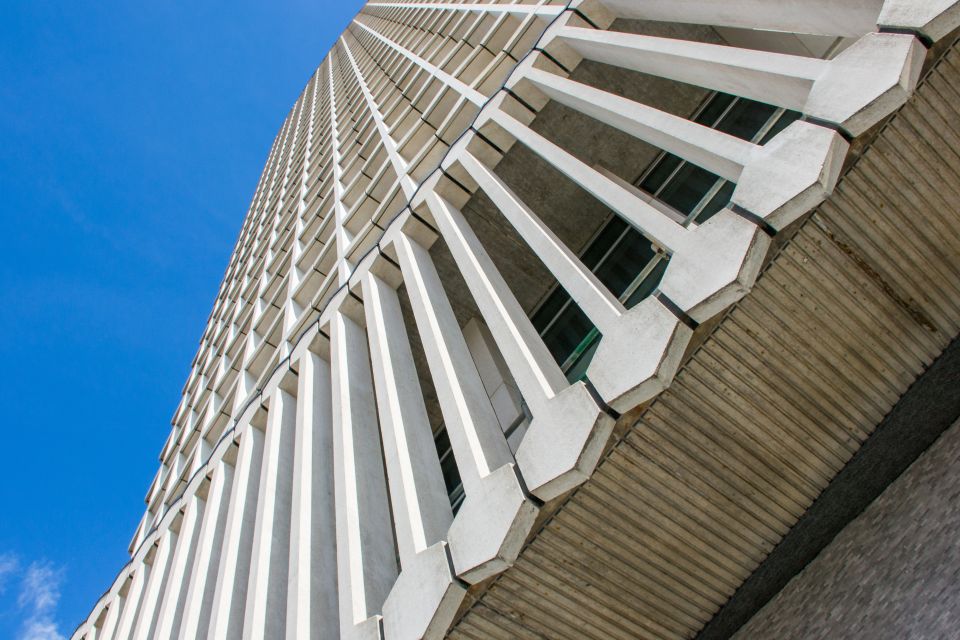
For photos, think in angles and height. Brutalist buildings reward a slightly wider lens or stepping back. The National Theatre especially looks better with a tilt upward to capture scale rather than just straight-on snapshots.
And one small note for history nerds: one guest flagged that a couple of specific factual explanations can be simplified in ways that may not match textbook accounts—like the explanation for bricked-up windows and claims around Isaac Hayward’s political views. If that matters a lot to you, take the tour for the larger ideas and keep your own curiosity switched on.
Price and value: is $47 worth 2.5 hours?
At $47 per person for a 2.5-hour guided walking tour (with a small group capped at 6), the value comes from three places.
First, you’re paying for a specialist guide and a tight time window that still includes enough context to make the buildings click. Second, you get the added efficiency of a short tube segment, which helps cover ground without turning the day into a long commute. Third, the photo moments are not random. The tour is anchored on major Brutalist examples you can actually frame and remember.
Public transport costs aren’t included, so budget for that separately. But with the ticket and the Zone 1 credit tip already in mind, the rest of the experience is straightforward: guide plus walk.
Who should book this Brutalist architecture tour in London
This is a great fit if you like modern design, urban planning, or history that explains why cities look the way they do. You’ll especially enjoy it if you’re the type who wants to understand concrete, not just admire the shape of it.
It also suits you if you enjoy conversations and hate tours that feel like a slideshow. The small group size and Evan’s described ability to tailor the pace and explanations make it feel more personal than a big-van tour.
Skip it if you need step-by-step indoor access, because interiors are not visited. And if you’re traveling with kids under 16 or you need mobility-friendly routes, this one isn’t suitable based on the tour’s stated limitations.
Should you book the London Brutalist Architecture & History tour?
If you’re curious about why London built these rugged, concrete-heavy forms after the war, this is a strong choice. The combination of major landmarks, practical architectural viewing from outside, and the ongoing story of preservation gives you more than just a photo walk—you get a way to interpret the city.
Book it if you want to leave with clearer reasons behind the style, especially with a guide like Evan who brings energy and adapts to different interests. Think twice only if you need interiors, mobility-friendly access, or a tour format that’s meant for kids.
In short: if Brutalism makes you argue back, this is the kind of walk that turns that argument into a conversation with facts, photos, and plenty of concrete to look at.
FAQ
Where is the meeting point for the tour?
The meeting point is outside Russell Square Underground Station on the Piccadilly Line.
How long is the London Brutalist architecture walking tour?
It lasts 2.5 hours.
Is the tour free to join if I book now?
You can reserve now and pay later, which lets you keep plans flexible.
How big is the group?
The tour is a small group limited to 6 participants.
Do I need to use public transport during the tour?
Yes. The tour uses the tube once for a short journey.
What public transport ticket should I bring?
Bring a public transport ticket, and make sure you have enough credit for one trip within Zone 1 for the tube segment.
Will we go inside any buildings?
No. Building interiors are not visited.
What’s included in the ticket price?
Included are the walking tour and a live English guide.
Is the tour suitable for children under 16?
No. It is not suitable for children under 16.
Is the tour suitable for people with mobility impairments?
No. It is not suitable for people with mobility impairments.