REVIEW · BRITISH MUSEUM TOURS
London: British Museum Tour with Archaeologist Guide
Book on GetYourGuide →Operated by Spirit of Discovery Tours · Bookable on GetYourGuide
Ancient treasures, explained with focus. This British Museum experience shines because an archaeologist guide turns artifacts into stories you can actually follow, and I especially like the skip-the-line approach that helps you beat the worst crowd bottlenecks. You’ll also get a tight route through major masterpieces (Egypt, Greece, Vikings, and Dark Ages) plus lesser-seen context that makes the museum feel less like chaos. One possible drawback: since the museum can be packed, you’ll need to keep moving with the group and accept that you can’t see everything in 2.5 hours.
I like that the pace is designed for real-world time limits. The guide’s storytelling is built to connect objects to people and discoveries, and families seem to stay interested too. If you’re the type who wants to wander freely for hours, this structured tour may feel a bit firm—but it’s a smart trade for getting meaning, not just sightseeing, in one morning.
In This Review
- Key tour takeaways
- Why this British Museum tour fits London time limits
- Meeting at Russell Square and getting in without a fight
- The British Museum highlights route: what you’ll actually see
- Rosetta Stone and Egypt: how writing turns into power
- Assyria and the power of monuments
- Greece and the Parthenon Marbles: art with a long argument
- Vikings: Lewis Chessmen and the thrill of everyday clues
- Aztec crowns and Moai of Easter Island: global surprises in one run
- Sutton Hoo: King Raedwald and the Dark Ages puzzle
- Why an archaeologist guide changes your museum day
- What to do after the tour: turn highlights into a plan
- Price and value: is $58 worth it?
- Who should book this tour, and who might not
- Should you book Spirit of Discovery’s British Museum Tour?
- FAQ
- FAQ
- How long is the British Museum tour?
- Where do we meet the guide?
- Is museum entry included in the price?
- Do I need to wait in line?
- What should I bring?
- Are large bags or luggage allowed?
- Is the tour wheelchair accessible?
- How much does it cost?
- What time do we need to arrive?
Key tour takeaways
- Archaeologist-guided artifacts: you’re not just reading labels, you’re getting the “why this matters” behind them
- Skip-the-line entry: a separate entrance helps you get inside without wasting your limited time
- A high-impact mix of eras: Egypt, Assyria, Greece, Vikings, and early England in one focused route
- Storytelling that holds attention: multiple families and solo travelers point to engaging narration and good pacing
- You’ll come away with next steps: the tour doesn’t have to end your museum day; it gives you a map for what to hit afterward
Why this British Museum tour fits London time limits
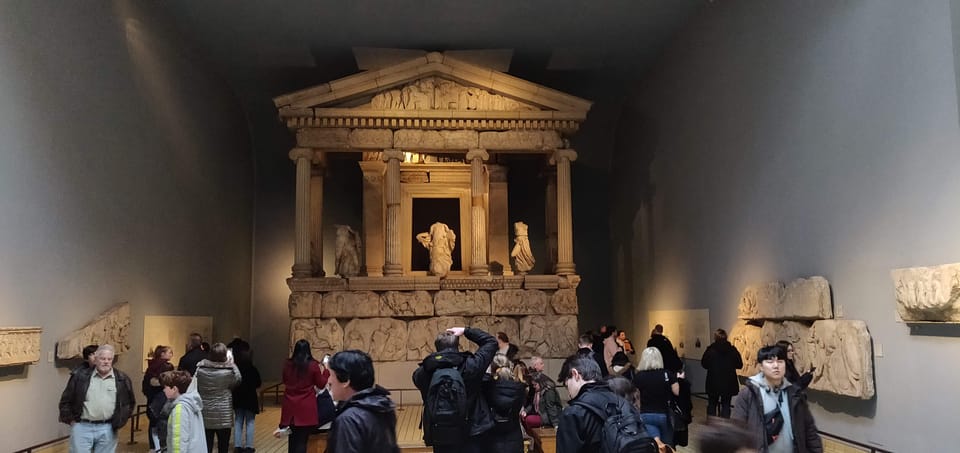
The British Museum is huge. Like, rearrange-your-day huge. So the real value of a guided hit-list approach is not that it shows you more—it shows you what to look at first, and why.
In just 2.5 hours, this tour takes you through a spread of civilizations that many visitors only skim. You’ll go from Egyptian breakthroughs to Greek masterpieces, then across to Viking-era objects and a famous treasure hoard from early England. The archaeologist-style explanations keep the artifacts from feeling random. Instead of ancient stuff sitting behind glass, you start seeing connections: trade, conquest, changing power, and how objects traveled from daily life to museum spotlight.
At $58 per person, it’s not the cheapest way into the museum. But paying for a real guide makes sense here. The museum is a maze when you arrive cold. A good guide compresses hours of aimless wandering into a route you can actually understand.
You can also read our reviews of more guided tours in London



Meeting at Russell Square and getting in without a fight
You meet at the entrance of Russell Square Station. Your guide will be holding a tablet displaying Spirit of Discovery.
Here’s the part that matters: the group leaves promptly at 9:45am to hit the museum entry slot. That means you should be ready to walk when the group is called. If you’re running late, you call so they can direct you to where the group is.
From Russell Square, it’s a short walk—about five minutes—before you’re at the British Museum. Inside, the tour includes skip-the-line entry through a separate entrance. That small detail pays off fast in London, where “just one more line” can eat your day.
Bring comfortable shoes and water. The tour is moving through galleries, and you’ll want your legs ready.
The British Museum highlights route: what you’ll actually see
Instead of spreading thin across dozens of rooms, this tour focuses on a sequence of must-see exhibits and the stories around them. That matters because the British Museum’s best displays are memorable—but without context, they can turn into “cool objects I saw once.”
Your guide steers you toward the big anchors, then adds supporting context so the museum becomes a single story rather than a pile of highlights. Several people specifically mention that the time flew by because the pacing stays tight and the explanations focus on key artifacts.
This is also the kind of tour where your hearing matters. One traveler noted the guide’s strong voice helps when galleries are noisy—useful, because the museum can get loud fast.
Rosetta Stone and Egypt: how writing turns into power
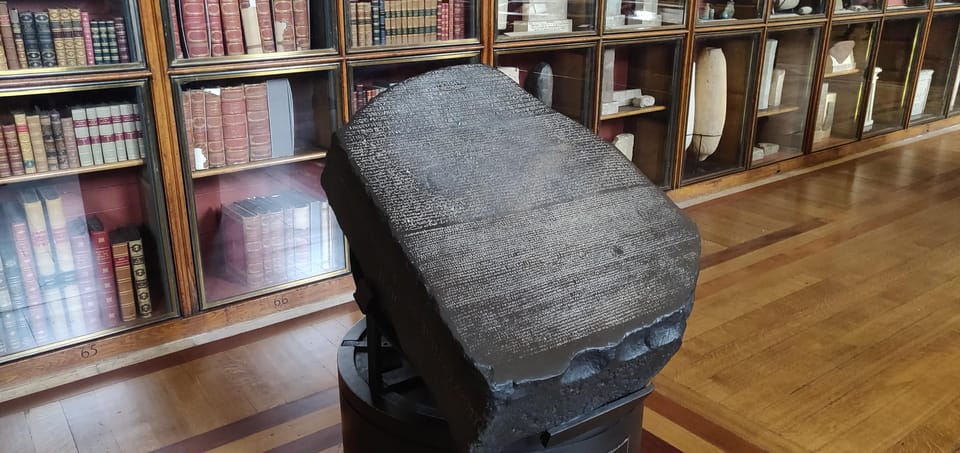
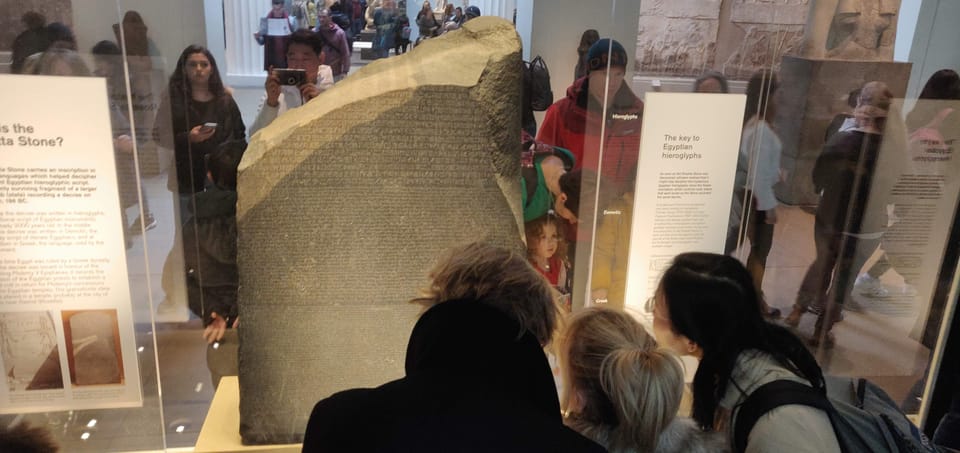
You start with Egypt, because it’s the gateway many other galleries connect back to. The Rosetta Stone is the headline, and your guide explains why it was such a turning point for understanding Egyptian hieroglyphs—how that artifact helped scholars crack the code.
What I like about this approach is the way the guide treats the Rosetta Stone as more than a famous object. It becomes an example of how knowledge is built: translation work, scholarship, and why a single discovery can change what entire civilizations become legible to modern eyes.
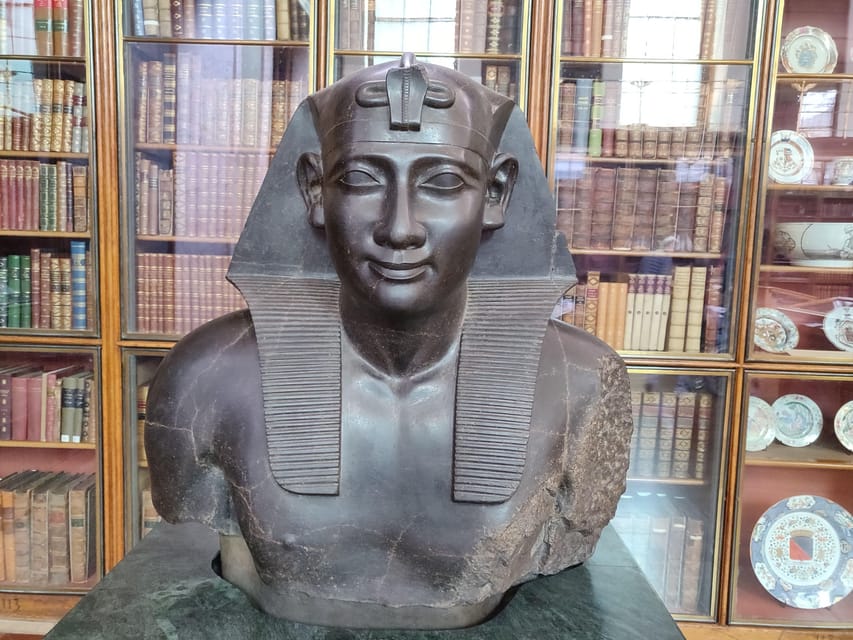
You’ll also see a colossal statue of Pharaoh Ramses II. Big stone figures can feel intimidating in a museum photo. With a guide, you get the human scale of the story—how kings and empires wanted to be remembered, and what messages were carved into monumental forms.
Practical tip: this is a great moment to slow down. If you only glance, you miss how the guide connects script, authority, and the politics of memory.
Assyria and the power of monuments
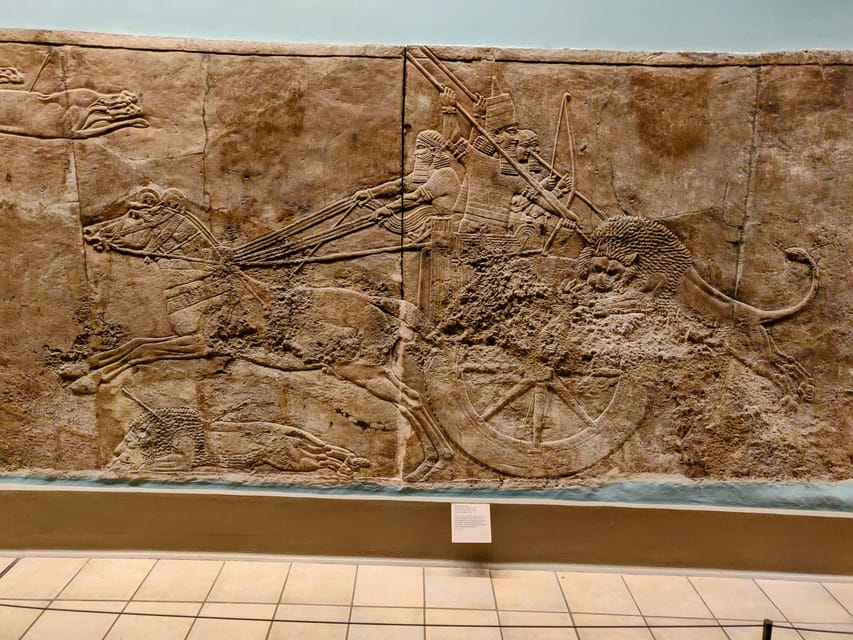
From Egypt, the tour continues into Near Eastern empires, with Assyria in view. You’ll be shown the grandeur of Assyrian palace traditions—towering statements of control and engineering.
The benefit here is clarity. Many museum visitors see “old carvings” and move on. This tour helps you notice recurring themes: dominance expressed in material scale, stories told through images, and how empires used public spaces as political theater.
The guide’s job is to keep the scale meaningful, not just dramatic. When that happens, monuments stop feeling like background decoration and start feeling like messages.
You can also read our reviews of more museum experiences in London






Greece and the Parthenon Marbles: art with a long argument
Then comes one of the most famous attractions in the entire museum: the Parthenon Marbles from ancient Greece. You’ll stand face-to-face with pieces that carry both artistic weight and complicated history.
Your guide doesn’t treat them like a single static masterpiece. Instead, you get the story of why these works matter, including how they were discovered and why they ended up where they are today.
This part is a good reminder of what a guided tour can do. A plaque gives you facts. A guide helps you understand tensions: why people value the same objects differently, and how archaeology and collecting shaped modern museum culture.
If you care about art history, this stop is essential. If you don’t, it’s still worth it because the guide can explain what you’re looking at in plain language.
Vikings: Lewis Chessmen and the thrill of everyday clues
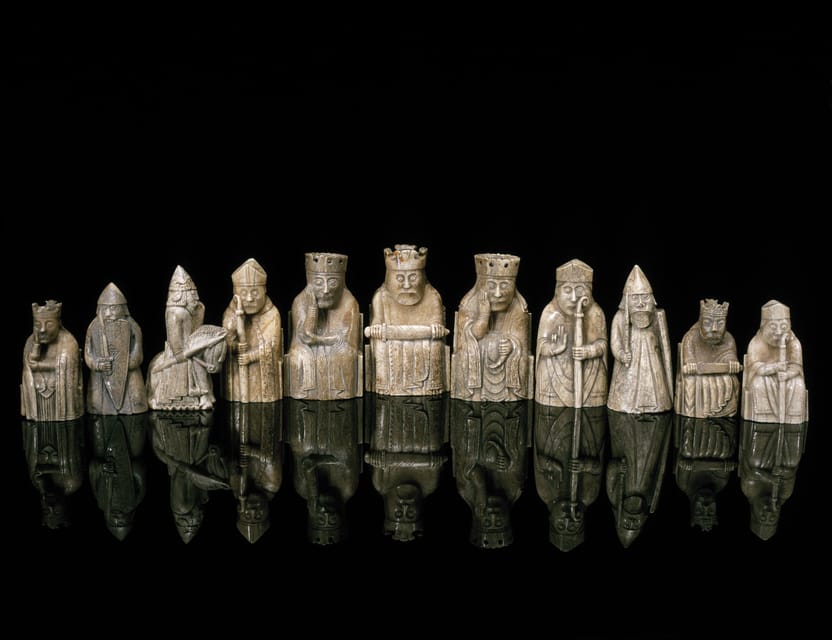
Next, you move into the Viking Age. The Lewis Chessmen are one of the most astonishing Viking relics you can see in London, and this tour treats them like more than an odd curiosity.
Your guide explains what makes the chessmen such a strong window into the past—because they connect archaeology to everyday life. Chess isn’t a king’s trophy; it’s a human pastime. That contrast is what makes the objects hit harder once you learn the context.
Even better, the storytelling pace keeps it from becoming just a history lecture. You’re given a reason to look closely, and then you look closely.
One small but memorable detail from a guide like this: it’s the kind of person who notices scale. In one case, a traveler mentioned learning a hands-on fact about Humbaba’s mask fitting in the palm of your hand. Moments like that are rare in museums—and they’re exactly how objects stop being “behind glass.”
Aztec crowns and Moai of Easter Island: global surprises in one run
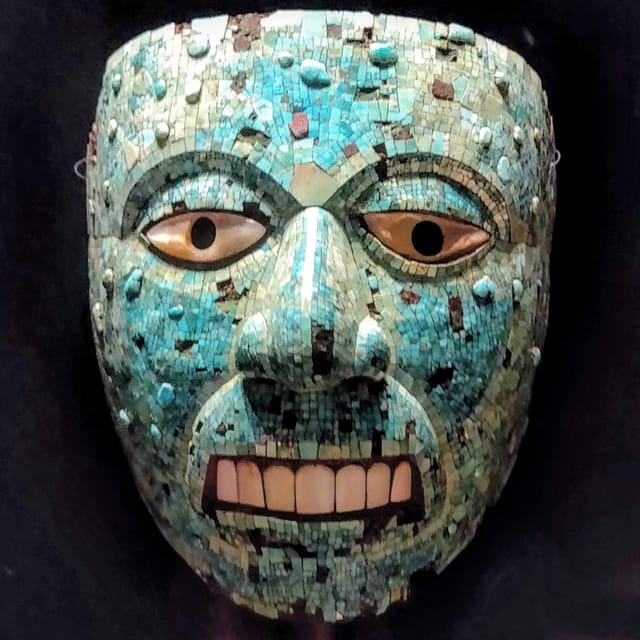
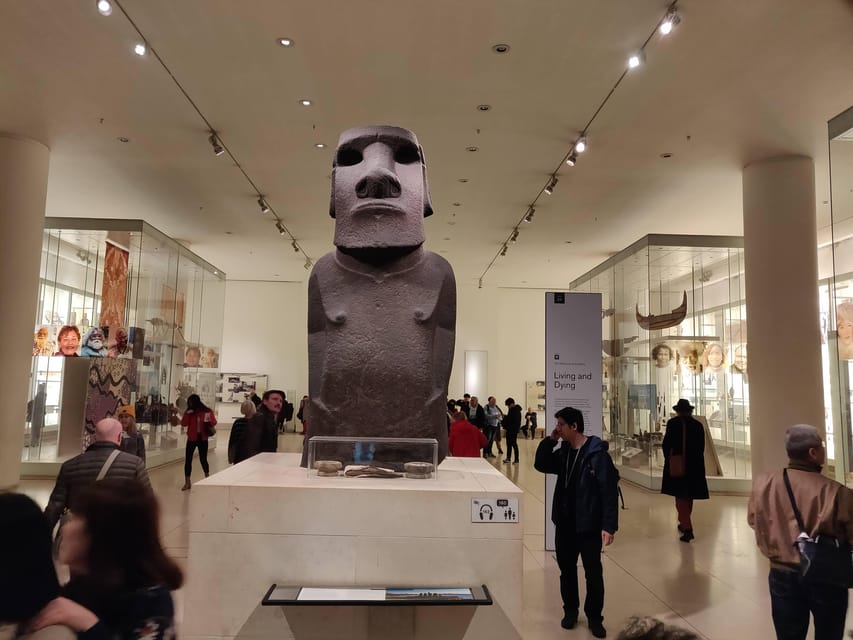
After northern Europe, the tour jumps across the world. You’ll see crown jewels associated with the Aztec Empire, plus the Moai statues connected to Easter Island.
This is a smart choice for two reasons. First, it prevents the tour from getting stuck in one region and one style. Second, it highlights a key museum reality: the British Museum is a global collection, and understanding it means you compare how different societies made meaning in stone, metal, and ritual.
What to expect here is contrast. Aztec objects and Easter Island monuments come from very different cultural worlds. With a guide, you learn to read those objects on their own terms—rather than forcing them into one European template of interpretation.
Sutton Hoo: King Raedwald and the Dark Ages puzzle
The ending point in spirit is the Sutton Hoo hoard, a rare treasure trove from England’s early period. You’ll hear how this find offers a rare glimpse into a world that scholars often know less about than classical empires.
The highlight here is King Raedwald. Your guide connects the hoard to the idea of power in a time of changing kingdoms—the kind of era where a single discovery can reshape what we think we know.
This stop is also a great way to end because it pulls threads together. Earlier in the tour, you see empires and monumental messages. Sutton Hoo shows another style of power—burial wealth, craftsmanship, and symbolism that survived long enough to become evidence.
If you want one reason to book: it’s because this portion makes archaeology feel like detective work, not just museum tourism.
Why an archaeologist guide changes your museum day
A good museum guide does two things. They help you see, and they help you understand.
This one is built around archaeology and historical interpretation. That shows up in how explanations connect objects to makers, purposes, and discoveries. People also singled out the guide’s storytelling style and enthusiasm, plus the way he ties history directly into the artifacts rather than leaving you to read plaques alone.
You’ll also notice how the tour stays selective. The British Museum can overwhelm you with sheer volume. This tour focuses on fewer pieces, but it gives them weight. That’s why families reported that kids (ages 12 and 14) stayed engaged, and why groups felt the pacing worked for limited time.
Also, the guide is set up to handle noise and distractions. One traveler noted the strong voice helps you keep up in busy galleries. Another mentioned preparation with an iPad and historical notes, which signals he isn’t winging it in the hallway.
If you’re worried about getting lost, don’t be. You follow a guided route. If you love asking questions, you’re more likely to get good answers than at a self-guided pace where you don’t know what to ask first.
What to do after the tour: turn highlights into a plan
One of the smartest things about this tour is that it doesn’t end your day with a dead end. It gives you anchors. Afterward, you can return to the sections you just learned about and look again with better eyes.
Here’s an easy way to use what you gained:
- Pick one theme from the tour (Egypt, Greece, Vikings, early England) and focus your remaining time there.
- Revisit whichever object you liked most, then scan for supporting displays in the same gallery area.
- If you’re with family, let the kids choose one follow-up room. You’ll move faster, and they’ll feel ownership instead of being dragged.
Because the tour hits major names, you’ll also spot what you missed without feeling totally blind. That’s a big deal in a museum this size.
Price and value: is $58 worth it?
At $58 per person, you’re paying for three things: entry, a guided route, and an archaeologist-style interpretation.
Could you do the British Museum cheaper on your own? Yes. The museum’s scope is so large that you can spend all day. But here’s the trade: without a guide, you’ll either skim the important parts or you’ll choose one area and miss the rest of the museum’s story.
This tour is designed for people who have a schedule. Two and a half hours is enough time to see a lot of top-tier artifacts, but only if someone guides you. The skip-the-line component also reduces wasted time. When crowds are thick, saving minutes feels like getting extra sightseeing hours.
If you value meaning, not just photos, the cost starts to feel fair. The guide’s ability to connect stories to specific objects is what you’re really buying.
Who should book this tour, and who might not
Book it if:
- You have a tight London schedule and want a high-impact museum overview.
- You like archaeology and want context beyond placards.
- You’re bringing teens or kids and want a route that keeps them engaged.
- You’d rather return after learning something, instead of wandering first and learning later.
You might skip it if:
- You’re the type who hates structured routes and wants to roam slowly at your own pace.
- You plan to spend most of the day inside anyway and prefer to build a custom itinerary without someone steering you.
- You’re sensitive to crowding and want a quiet museum experience, because some galleries can be busy.
Should you book Spirit of Discovery’s British Museum Tour?
I think you should book it if you want a focused, story-led way to experience the British Museum without turning your day into triage. The main reason: this tour gives you context fast. The guide’s approach makes famous objects feel connected, not just impressive.
If you only have one morning, take the hit-list route. It’s a good way to get your bearings and learn enough to enjoy the museum more when you go back on your own. If you have more time, you can still book this and use it as your “choose-your-later-rooms” tool.
FAQ
FAQ
How long is the British Museum tour?
The tour lasts 2.5 hours.
Where do we meet the guide?
You meet at the entrance of Russell Square Station. The guide holds a tablet showing Spirit of Discovery.
Is museum entry included in the price?
Yes. Entry to the British Museum is included.
Do I need to wait in line?
No. The tour includes skip-the-line entry through a separate entrance.
What should I bring?
Bring comfortable shoes and water.
Are large bags or luggage allowed?
No. Luggage or large bags are not allowed.
Is the tour wheelchair accessible?
Yes, the tour is wheelchair accessible.
How much does it cost?
The price is $58 per person.
What time do we need to arrive?
The group leaves promptly at 9:45am to make the museum entry slot, so plan to be at the meeting point before that time. If you’re late, call to be directed to the group.