REVIEW · BRITISH MUSEUM TOURS
London: British Museum Highlights Tour: How Beauty Was Born
Book on GetYourGuide →Operated by MyLondonGuide · Bookable on GetYourGuide
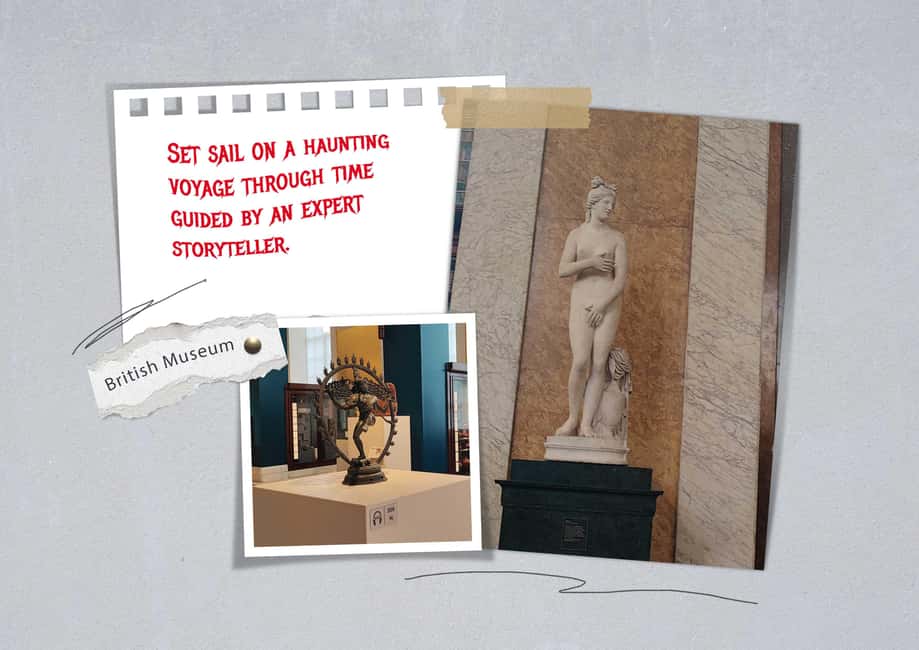
Beauty has a backstory, and it shows in the British Museum. I like how this small-group tour links big ideas to specific objects you can actually see, not vague talk. You’ll get a clear “how we got here” thread across centuries.
My second favorite part is the way the guide uses the museum’s highlights as visual proof. You start with the Rosetta Stone and end with surprising medieval scenes, so the whole visit feels like a guided puzzle with answers.
The one possible drawback: it’s a moderate-walking tour and it is not suitable for wheelchair users or people with mobility impairments.
In This Review
- Key points to know before you go
- A theme tour that makes the British Museum feel human
- Finding the group at Edward VII’s Entrance
- Rosetta Stone: beauty starts with words you can read
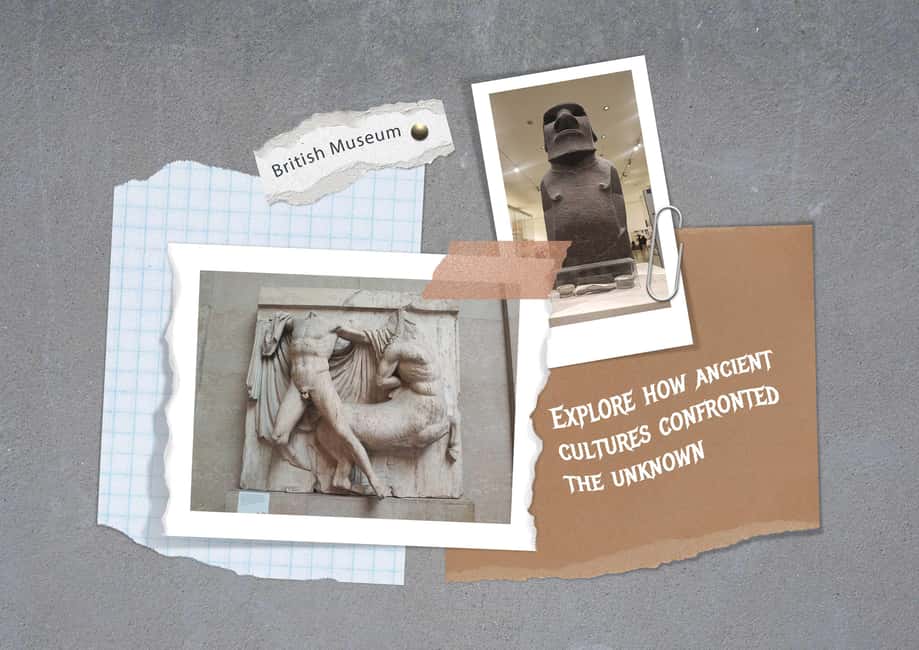
- Parthenon marbles: beauty tied to politics and power
- Egyptian mummies: the dance of life and death
- Love and Fate: what ancestors did with big feelings
- Medieval comic-style Jesus stories: the childhood angle
- How the guide keeps 2 hours from feeling rushed
- What to bring (and what to leave behind)
- Price and value: is $33.67 for 2 hours worth it?
- Who this tour is best for
- Should you book this British Museum Highlights Tour?
- FAQ
- FAQ
- How long is the tour?
- What is the group size?
- Where do we meet the guide?
- Does the tour include fast track entry?
- Can I take photos during the tour?
- Is flash photography allowed?
- Are backpacks allowed?
- Is this tour suitable for wheelchair users or mobility impairments?
Key points to know before you go
- Small-group pace (max 8) keeps the conversation going and questions from getting lost
- Edward VII’s Entrance meeting point makes it easier to find the group fast
- Fast-track entry through express security helps you start seeing objects sooner
- Beauty as a theme links Greece, Egypt, Mesopotamia, India, medieval Europe, and more
- No-flash rule means you’ll photograph without distractions from other visitors
- A story-first guide turns famous objects into something you can understand quickly
A theme tour that makes the British Museum feel human
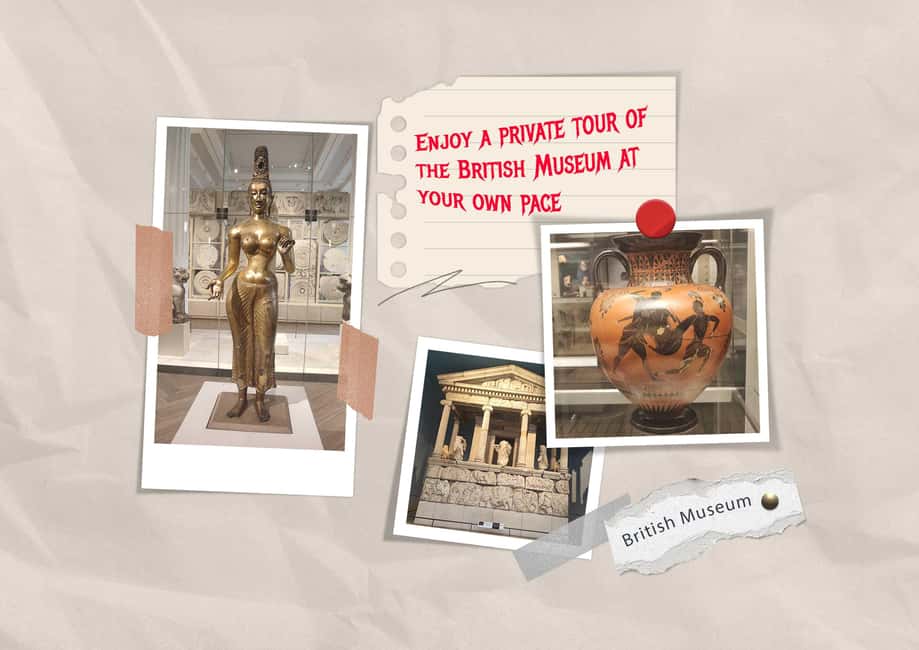
The British Museum can overwhelm you. Eight million artifacts is the kind of number that turns your brain into soup. This tour gives you a much smaller mission: follow the idea of beauty as it changes over time.
I like that it’s not just art history for art history’s sake. You get questions that keep popping up as you walk: Who decided what looked “right”? What did different cultures call “beautiful”? And did those ideas spread, or change?
You’ll also notice something practical. The guide doesn’t treat the museum like a storage room. Each stop is framed as a moment in a much larger story, so you leave with connections, not just photos.
You can also read our reviews of more museum experiences in London

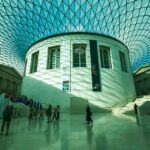

Finding the group at Edward VII’s Entrance
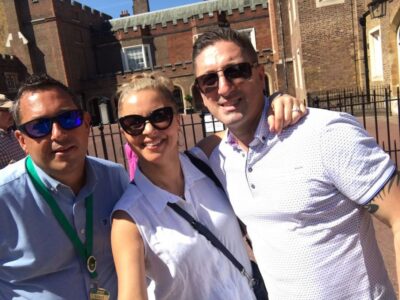
Start at the Edward VII’s Entrance, where the guide holds a sign that says My London Guide. That little detail matters, because the museum has multiple entrances and it’s easy to drift into the wrong queue.
Expect about 2 hours total, and the tour ends back at that same meeting point. There’s also fast track entry through an express security check, which helps you avoid wasting your energy waiting.
Plan for “museum legs.” This is a walking tour, and the pace is built for a short time window. Bring water, wear comfortable shoes, and you’ll enjoy it more.
Rosetta Stone: beauty starts with words you can read
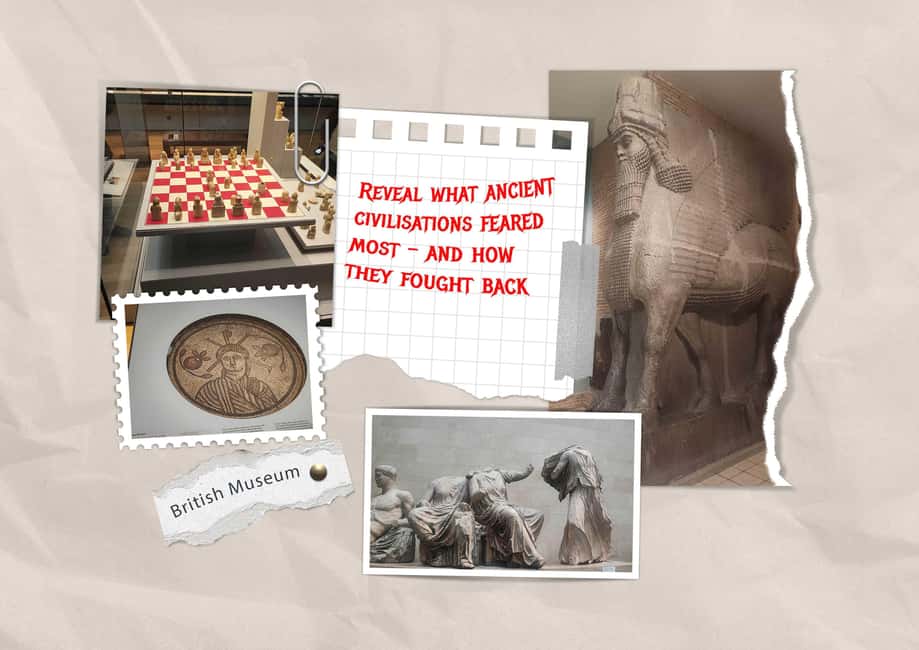
Your tour begins with a modern miracle inside an ancient context: the Rosetta Stone. The big idea here isn’t “wow, a rock.” It’s that this object helped people crack the code of Egyptian hieroglyphs, which then let scholars read older stories and beliefs more accurately.
Why you’ll care: once you can read the past, you stop guessing. Beauty standards, religious ideas, and everyday life become clearer, not foggy. That’s the tour’s pattern: each highlight is there because it changes what we can know.
This is also one of the best stops for first-timers. If you’ve seen the Rosetta Stone in photos, it can still feel flat in person. A good guide turns it into a turning point—how knowledge shifts when language suddenly makes sense.
Practical tip: use your camera, but remember no flash photography. With a short tour, you’ll want a quick shot plan: one close image, one wider context shot, then move on.
Parthenon marbles: beauty tied to politics and power
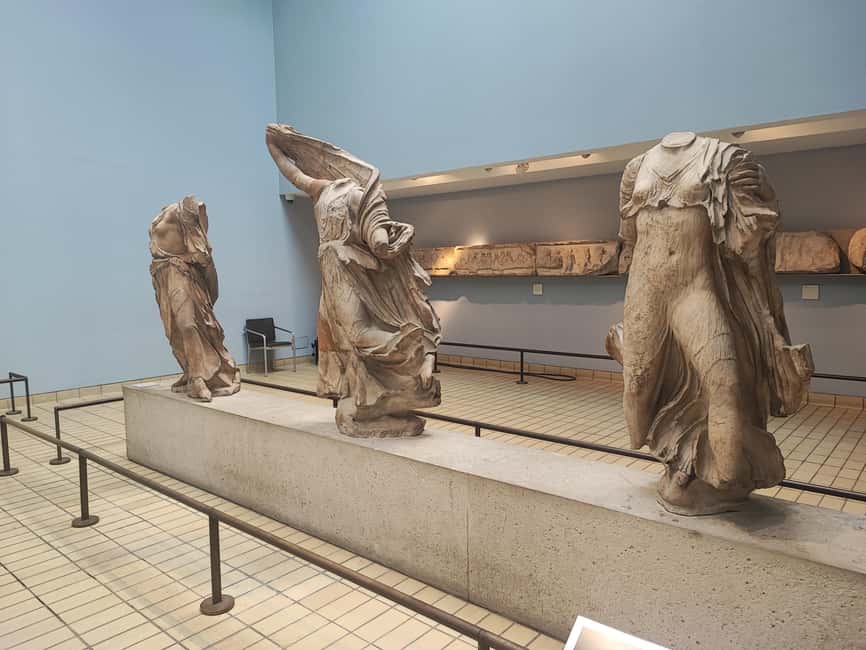
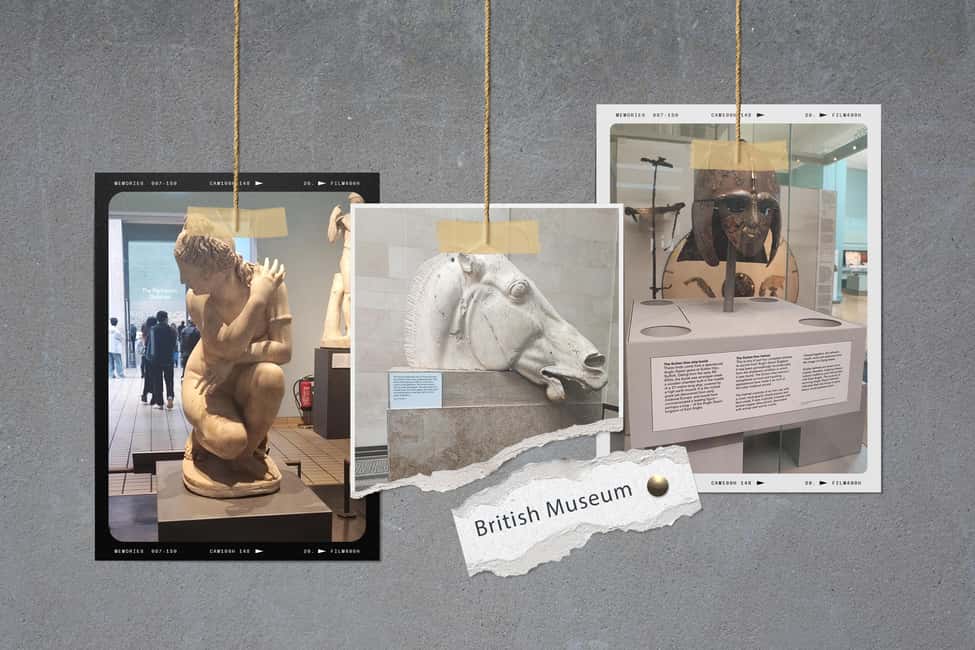
Next you’ll look at the Parthenon Marbles, and the conversation shifts toward how Greek culture shaped later ideas of beauty. The Parthenon isn’t just a pretty ruin. It’s tied to city pride, religious life, and the kinds of values a society wants to project.
This stop helps you see that “beauty” is often a public message. Sculpted bodies, balanced composition, and careful design weren’t random. They were a way to say something about who mattered and how the world should look.
If you’ve ever wondered why modern Western art keeps referencing ancient Greece, this is the answer in object form. You’ll start noticing Greek influence in places you didn’t expect, like storytelling styles and visual ideals.
Egyptian mummies: the dance of life and death
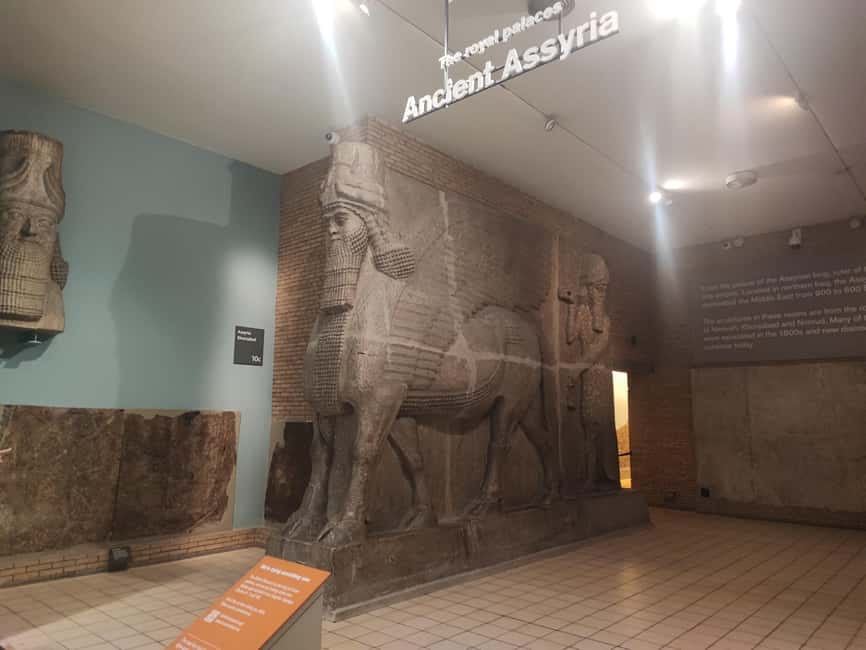
Then come the Egyptian mummies, and the mood changes. Egypt’s worldview is often described as “life after death,” but the guide makes it more tangible through the museum’s material culture.
The tour frames this as the “dance” of life and death shown through art. Even if you’re not into the macabre, you can learn a lot about what people valued when they faced mortality. Beauty, here, isn’t only about decoration. It’s about continuity, memory, and the hope that identity survives.
This stop also gives you a useful comparison tool. Greek beauty and Egyptian beliefs aren’t saying the same thing, but they influence how later civilizations portrayed the human body, the sacred, and the afterlife.
Practical note: the tour suggests bringing water and wearing comfortable shoes. That advice is never just generic. Museum galleries have a lot of standing and pacing, and you’ll feel it by the time you reach the final stops.





Love and Fate: what ancestors did with big feelings
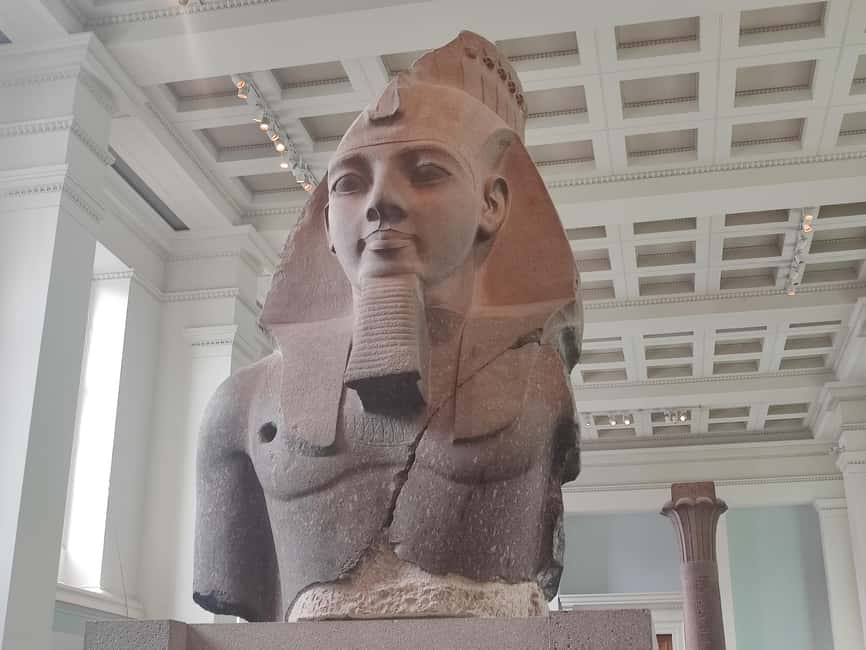
One of the most fun parts of this tour is how it handles emotion. You’ll contemplate tragic love stories and the idea of Love and Fate in ancestors’ art.
This is where “beauty” stops meaning only faces and bodies. You’ll start paying attention to gestures, scenes, and symbolism—how people staged drama long before film and novels. Love and fate are universal themes, but each culture “casts the actors” differently.
Why this matters for you: it changes the way you look at objects in the museum. Instead of thinking, That’s ancient, you start thinking, How would I tell this story if I were them? That makes the artwork feel less distant and more like lived human experience.
Medieval comic-style Jesus stories: the childhood angle
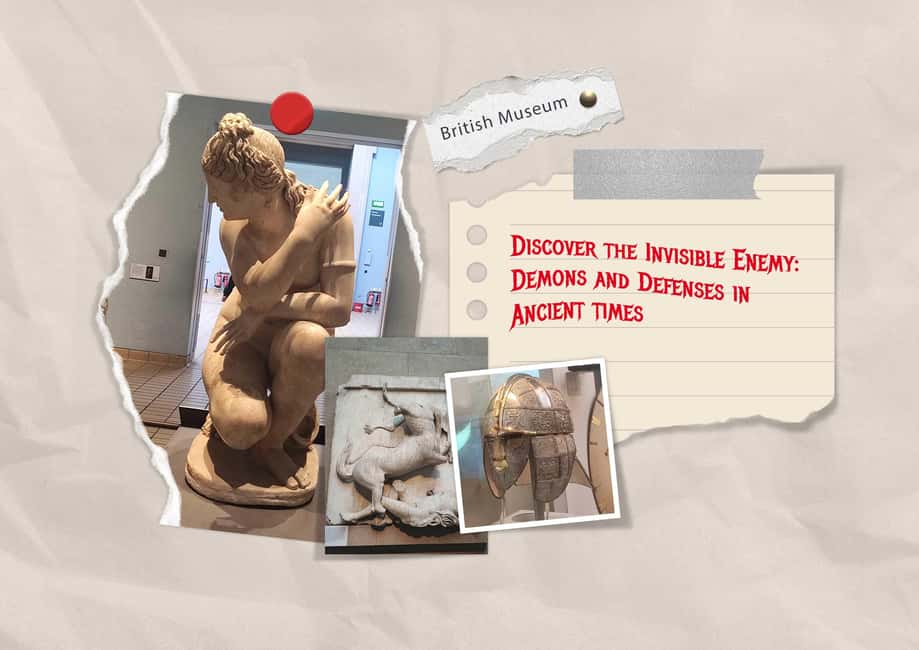
The tour’s last major theme twist is genuinely memorable: medieval comic books about Jesus Christ. Yes, you read that right. The guide presents it as a look at Jesus beyond the familiar script, focusing on stories that were part of medieval imagination.
This stop is valuable because it reminds you that the Bible story didn’t travel through time unchanged. Different eras kept telling it in different ways, using the art style and storytelling tools they had.
The tour frames it as a “secret childhood” angle—bonus scenes that didn’t make the final edition. Even if you’re not religious, you can appreciate how societies use art to teach, comfort, and explain.
Photography here is still subject to the no flash rule. Keep your camera ready, take a couple of shots, and then listen closely to what the guide points out. The meaning comes from the details the guide pulls out.
How the guide keeps 2 hours from feeling rushed
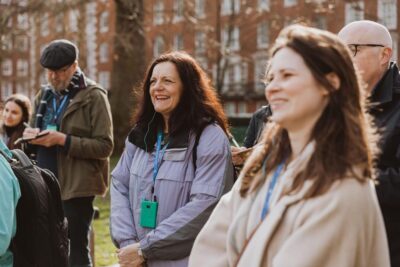
This tour is built for a semi-private group with a maximum of 8 guests. That small size changes everything. You’re close enough to hear explanations clearly, and the guide can adjust if people have questions.
I also like that the tour is set up like a guided story. You don’t spend the whole time reading labels. You’re pointed to the main visual ideas and given just enough context to make the objects click.
One more practical win: a guide-led meeting point and express security helps you avoid the usual museum start chaos. On a tour like this, time is everything. Anything that reduces waiting gives you more gallery minutes.
A final note: the tour is in English and the environment is described as friendly and professional. That combination matters when you want the visit to feel relaxed, not like you’re sprinting through a checklist.
What to bring (and what to leave behind)
Keep it simple. The tour recommends:
- Comfortable shoes
- A camera
- Water
You’ll also want to plan around museum rules. Flash photography is not allowed, and backpacks are not permitted inside the museum. Large bags have restrictions too, so keep your load light.
If you’re someone who likes to carry a lot, this is your moment to scale back. A smaller bag means less stress at security and fewer reminders from staff once you’re inside.
Price and value: is $33.67 for 2 hours worth it?
At $33.67 per person for about 2 hours, the value comes from three specific things you’re getting together:
- A guided storyteller, not just an audio experience
- Fast-track entry through express security, which saves real time
- A tight highlight route themed around beauty across civilizations
If you were doing this on your own, you could absolutely see many of these objects without paying for a guide. The catch is time and focus. The museum is huge, and on a short visit, it’s easy to miss the connections that make the objects more meaningful.
So the price makes sense if you want a brain-friendly tour. You’ll get structure, context, and a way to connect the dots between Greece, Egypt, and medieval Europe without spending your whole day wandering.
Who this tour is best for
This tour is a strong match if you want:
- A short, guided museum experience
- A theme-driven tour (beauty across centuries)
- Small-group pacing so you can ask questions
- Clear explanations tied to major objects like the Rosetta Stone and Parthenon Marbles
It may not be the best fit if you need wheelchair access or have mobility limitations, since it involves a moderate amount of walking and is not listed as suitable for wheelchair users.
Also, if you strongly prefer quiet self-guided museum time, you might find any guided format limits your wander. But if you enjoy stories while you look, this one is built for you.
Should you book this British Museum Highlights Tour?
I think this tour is worth booking when you want a focused hit of the British Museum in a short window. The small-group size, fast-track entry, and the theme of beauty across cultures give you a satisfying arc, not random stops.
Book it if you like museum visits where the guide helps you interpret what you’re seeing. The Rosetta Stone, the Parthenon marbles, the mummy world, and the medieval Jesus stories form a route that keeps shifting gears in a good way.
Skip it if your schedule is tight for walking time, or if you need wheelchair-friendly routing. Also skip it if you hate cameras-with-rules and want flash photography; this tour bans flash.
FAQ
FAQ
How long is the tour?
The tour runs about 2 hours.
What is the group size?
It is a semi-private tour with a maximum of 8 participants.
Where do we meet the guide?
Meet at the group entrance to the British Museum at Edward VII’s Entrance, with the guide holding a sign that says My London Guide.
Does the tour include fast track entry?
Yes. It includes fast track entry to the British Museum with an express security check.
Can I take photos during the tour?
Yes, photography is allowed without flash.
Is flash photography allowed?
No. Flash photography is not allowed inside the museum.
Are backpacks allowed?
No. Backpacks are not allowed inside the museum.
Is this tour suitable for wheelchair users or mobility impairments?
No. It is not suitable for wheelchair users or people with mobility impairments.