REVIEW · AFTERNOON TEA & FOOD EXPERIENCES
London: Traditional Scone Making Workshop
Book on GetYourGuide →Operated by Cook and Craft Collective Ltd · Bookable on GetYourGuide
Fresh scones in London beat almost any souvenir. This traditional scone making workshop in Balham is a hands-on class where you learn to make scones from scratch, then finish with jam and clotted cream the traditional way. You can choose classic, cheese, or sultana, so you’re not stuck making the one flavor you don’t want.
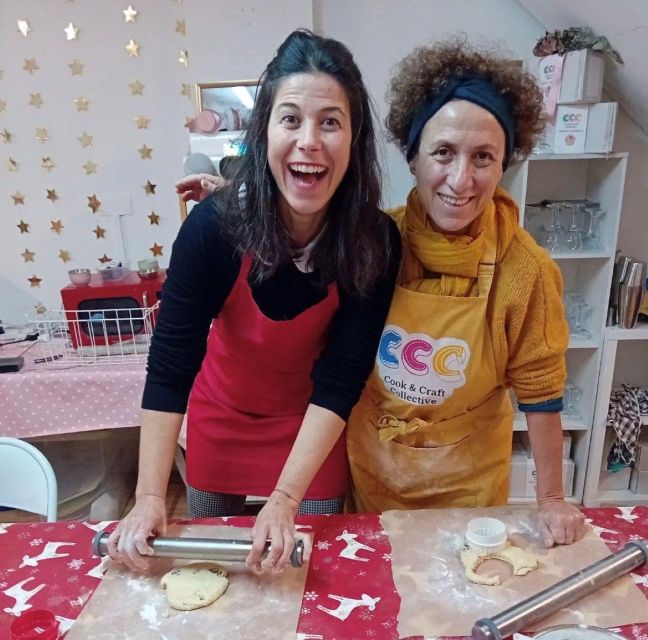
I also like the patient, friendly teaching. Instructors such as JoJo, plus Lola and Dora, guide you step-by-step, keeping things relaxed even if you’ve never baked before. You do the work at your own station, not just watch from the sidelines.
One drawback to consider: $80 per person can feel steep if you’re only after a quick bite. And if cheese scones are a must, I’d double-check that option for your specific session, since at least one booking had an issue with the availability of the cheese choice.
In This Review
- Key things I’d circle in your notes
- London scone workshop in Balham: why this is a smart choice
- Getting to Cook and Craft Collective: meeting point and what to pack
- Choosing your scone type: classic, cheese, or sultana
- The 1.5-hour class flow: what you’ll actually do
- The traditional payoff: jam, clotted cream, and tea
- Your take-home batch: why it’s a smart souvenir
- Instructors and vibe: JoJo, Lola, and Dora keep it friendly
- Price and value: does $80 make sense?
- Who this London scone workshop suits best
- Quick tips before you go
- Should you book? My honest take
- FAQ
- How long is the London traditional scone making workshop?
- What types of scones can I choose to make?
- Are ingredients and equipment included?
- Is hotel pickup or drop-off included?
- Can I bring wine?
- Where do I meet the instructor?
- What should I wear and bring for the class?
Key things I’d circle in your notes

- Pick your scone style: classic, cheese, or sultana.
- You bake, you learn: all ingredients and equipment are included, and you do each step.
- Tea-time payoff is part of the deal: scones served with jam, clotted cream, and tea.
- The class feels personal: many sessions run with small numbers, so questions get answered quickly.
- Bring wine if you want: you can bring your own bottle; corkage applies.
London scone workshop in Balham: why this is a smart choice
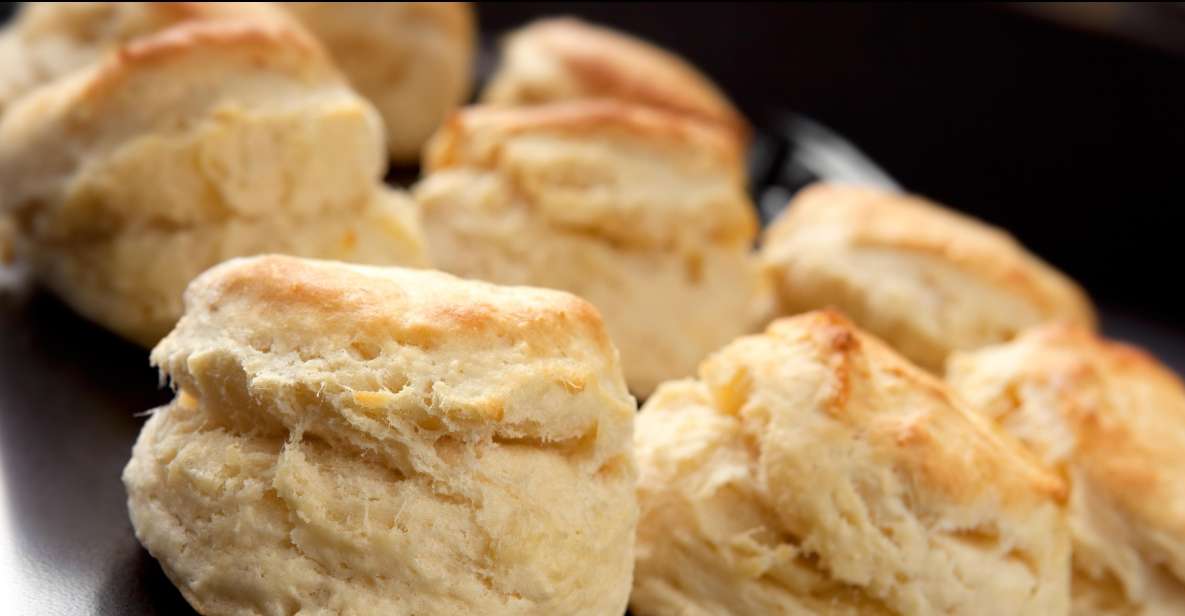
If you like food that’s practical, not precious, this is a great fit. A traditional scone class gives you something you can actually use: a technique you’ll remember, plus a loaf-to-batch routine you can repeat at home. In a city full of tours that pass through in a blur, this one asks you to slow down and make.
What makes it extra appealing is the full arc. You’re not just mixing dough and calling it done. You also get the social moment at the end with tea, jam, and clotted cream, which matters because scones are as much about the ritual as the recipe.
And yes, it’s a classic British experience. But it’s also flexible enough to work for a rainy afternoon, a low-key couple outing, or a group activity that doesn’t require long planning.
You can also read our reviews of more tours and experiences in London



Getting to Cook and Craft Collective: meeting point and what to pack

The class meets at Cook and Craft Collective in Balham. You buzz for the business and wait in reception until you’re collected. If you’re coming from central London, public transport usually makes this feel painless, and you don’t need a complicated route.
You’ll want comfortable clothes and closed-toe shoes. Baking is messy enough without suffering in cute sandals.
Two more practical notes:
- Hotel pickup and drop-off isn’t included, so plan to arrive on your own.
- If you want a drink beforehand, there’s an onsite cafe, but that cafe is separate from the workshop.
If you’re wondering how early to arrive, give yourself a little buffer. Being on time helps you settle in, pick your scone type, and start without stress.
Choosing your scone type: classic, cheese, or sultana

This workshop lets you choose between classic, cheese, or sultana scones. That matters more than it sounds, because scones aren’t one-size-fits-all. If you love a sweet bite, sultana is your lane. If you want something savory-friendly, cheese makes sense. And if you want the baseline version, classic is the way to go.
One small consideration: while cheese is listed as an option, at least one person had a disappointment when the cheese choice didn’t match what was expected for their day. So if cheese is your top priority, treat it like a plan to confirm, not a guarantee.
Your choice also affects what feels best with the end-of-class spread. The jam and cream finish works across types, but you’ll likely notice how your scone style pairs with how you like to eat them.
The 1.5-hour class flow: what you’ll actually do
The workshop runs about 1.5 hours, so it’s built to move. You’re in a real teaching format, not a slow demo.
Here’s what to expect, in real-life terms:
- You arrive, check in, and get set up at your baking station.
- The instructor walks you through making scones from scratch.
- You work through the steps yourself, with guidance on what to watch for.
- You get to bake and then finish with a tasting moment right away.
The class is beginner-friendly, and that shows in the way instructors handle questions. Multiple bookings mention clear directions and patience, including from JoJo, plus Lola and Dora. That matters when you’re learning something tactile, like dough handling and shaping, where one vague instruction can send you down the wrong path.
Also, the class includes all ingredients. That’s a big value point in London, where baking ingredients and specialty items aren’t always cheap or easy to find last-minute.
When the timing is tight, there’s a benefit to the structure: you’ll learn and produce without spending your whole afternoon buried in measuring cups.
The traditional payoff: jam, clotted cream, and tea
The tasting finish is not an afterthought. It’s the point where you get to enjoy the work while it’s still fresh. You’ll have tea, plus jam and clotted cream with your scones.
One of the more interesting teaching details is that you’ll learn the tradition around ordering toppings. People talk about jam vs clotted cream like it’s a friendly debate, and you’ll get the practical tips for how different people prefer to layer it. That’s the kind of detail that sticks, because it changes how you eat scones at home.
If you’ve never had clotted cream before, this is a nice entry point. It’s rich, and it instantly makes scones feel special in a way that simple butter never quite matches.
Also, tea-time turns the class from just cooking into a small social reset. Several bookings describe warm conversation and a relaxed vibe. You’re still learning, but it doesn’t feel like homework.






Your take-home batch: why it’s a smart souvenir
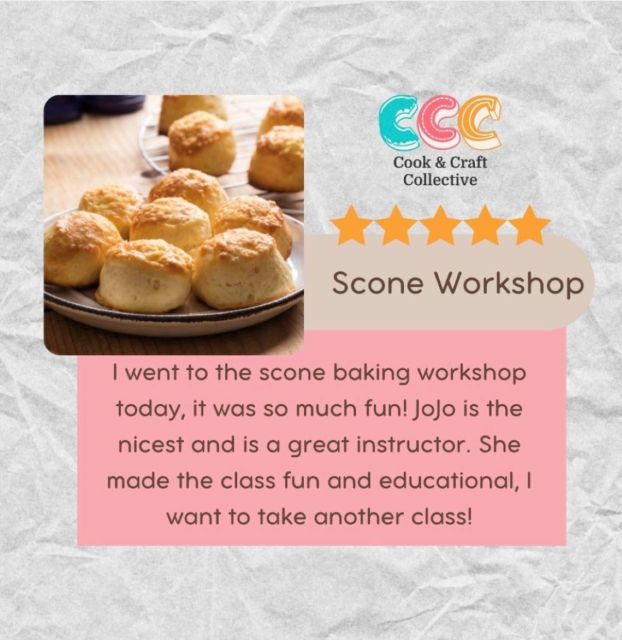
This is one of those experiences where you can leave with more than a memory. You bake enough to take a big batch home, so your afternoon doesn’t disappear the moment class ends.
That’s especially useful in London. Most “food experiences” are eat-now, done-later. This one gives you something you can bring back for family, roommates, or just the rest of your trip when you want a quiet breakfast that feels like a treat.
It also makes planning easier. If you’re doing museums or long walks later, you can store your scones and avoid the temptation to hunt for a snack at the first touristy spot you pass.
One extra perk: because you’re making multiple scones, you get variety in how they bake and how your technique turns out. That feedback helps you improve when you recreate it later.
Instructors and vibe: JoJo, Lola, and Dora keep it friendly
The workshop’s personality is a big part of the value. Many bookings praise the instructors for being warm, engaging, and patient, not just for teaching baking steps.
You may work with JoJo, and some classes are taught by Lola or Dora. Across instructors, the theme is consistent: clear directions, a calm pace, and time for conversation. That makes the workshop feel welcoming even if you’re traveling solo, pairing up with someone, or bringing kids.
One more thing I appreciate about this setup: you’re not stuck in a silent kitchen. The class invites interaction. People talk, ask questions, and learn side facts along the way—like how to eat scones traditionally, and small London tips that come from the host’s local perspective.
And yes, it can be a great rainy-day plan. In a city where the weather can flip fast, a cozy kitchen with warm tea is a win.
Price and value: does $80 make sense?
At $80 per person, you’re paying for a packaged experience:
- a guided hands-on workshop
- ingredients included
- equipment provided
- tea and topping service at the end
- plus a take-home batch
So you’re not just paying for a lesson, and you’re not just paying for a snack. You’re paying for time, instruction, and a finished result you can keep.
Is it cheaper than buying scones from a bakery? Usually, yes you could save money that way. But the point is the experience: you leave with skills and with food, not just food.
To decide if it’s worth it for you, ask one question: do you want a hands-on activity that feels like a real slice of British life? If yes, $80 starts to look more fair. If you just want to eat, you’ll probably feel better spending less and putting the saved cash toward something else on your itinerary.
Also consider group economics. Couples and small groups often feel this class is a solid use of a few hours, because you’re sharing the same learning experience and splitting the fun.
Who this London scone workshop suits best
This workshop works well for:
- Beginners: it’s structured and beginner-friendly, with clear guidance.
- Couples: it’s cozy and interactive, not loud or rushed.
- Families: it can be a fun activity for kids, including bookings that mention accommodating special needs.
- Food people: if you love learning how classic dishes are made, this is a direct hit.
It may not be perfect if:
- you want a strict history lecture (this is hands-on baking, not a museum speech)
- you’re very pressed for time, because it’s a full 1.5 hours, not a quick drop-in
- you strongly prefer only savory or only sweet, since the classic tea-time spread centers jam and clotted cream for the finish
Quick tips before you go
A few things I’d do to make your visit smoother:
- Pick your scone type early so you’re not mentally juggling options while you’re already in baking mode.
- Wear clothes you don’t mind getting a little flour on. Baking is honest work.
- Plan this workshop earlier in your trip if you want to use what you learn right away on future meals.
- If you want to bring wine, plan for a corkage fee. Alcohol drinks aren’t included, but bringing your own is allowed.
Should you book? My honest take
If you want an experience that’s warm, traditional, and genuinely hands-on, I’d book this. A London scone making workshop isn’t just a tasty detour—it’s a skill you can carry home, plus a cozy tea-time moment that feels very British without being stiff.
Skip it only if you’re strictly budget-only and you’d rather spend less for a bakery purchase, or if you’re expecting a long, detailed cooking lecture instead of an active class.
If you’re the kind of traveler who likes eating well and doing something with your hands, this is one of the better value cooking activities in London—especially because you leave with scones and not just photos.
FAQ
How long is the London traditional scone making workshop?
The workshop lasts about 1.5 hours.
What types of scones can I choose to make?
You can choose between classic, cheese, or sultana scones.
Are ingredients and equipment included?
Yes. The workshop includes the scone making workshop and ingredients.
Is hotel pickup or drop-off included?
No, hotel pickup and drop-off are not included.
Can I bring wine?
Yes. You’re welcome to bring your own bottle of wine, with a corkage fee of £2 per bottle. Alcoholic drinks are not included.
Where do I meet the instructor?
You buzz for Cook and Craft Collective and wait in reception until you are collected.
What should I wear and bring for the class?
Wear comfortable clothes and closed-toe shoes.