REVIEW · AFTERNOON TEA & FOOD EXPERIENCES
London: Traditional English Scone Making and Tea Workshop
Book on GetYourGuide →Operated by We Are London · Bookable on GetYourGuide
Scones in London beat a museum stop. This hands-on scone making workshop is a neat 60-minute loop: mix, shape, bake, then enjoy them with traditional English tea right at the venue. I love that you’re not watching from the sidelines—you’re actively doing the work.
The second thing I really like is the added context. You get practical instruction plus the stories and small debates that make scones feel like real British culture, with hosts like Ron (the humorous one) and Danni (the warm, welcoming one) drawing praise for making it fun and easy.
One consideration: this is built around standard scones, so it won’t work for everyone. It’s not suitable for vegans, and it’s also not for gluten intolerance or lactose intolerance, plus it’s not wheelchair friendly, and the session is short with strict punctuality.
In This Review
- Key things I’d plan around before you go
- What a 60-minute scone-and-tea workshop feels like in real life
- Where De Hems Dutch Cafe Bar fits into your London day
- Inside the lesson: what you’ll actually learn to do
- Tea time in London: how the tea and scone pairing works
- The value question: $45.80 for 1 hour in central London
- Who this workshop suits best (and who might want a different class)
- Practical tips so your scones and your schedule both go well
- Should you book this London scone workshop?
- FAQ
- How long is the scone making and tea workshop?
- What’s included in the price?
- Where exactly do I meet for the workshop?
- Can I bring non-participating guests, like extra family members?
- Is the workshop suitable for vegans or people with gluten or lactose intolerance?
- Can I take scones home after the class?
Key things I’d plan around before you go
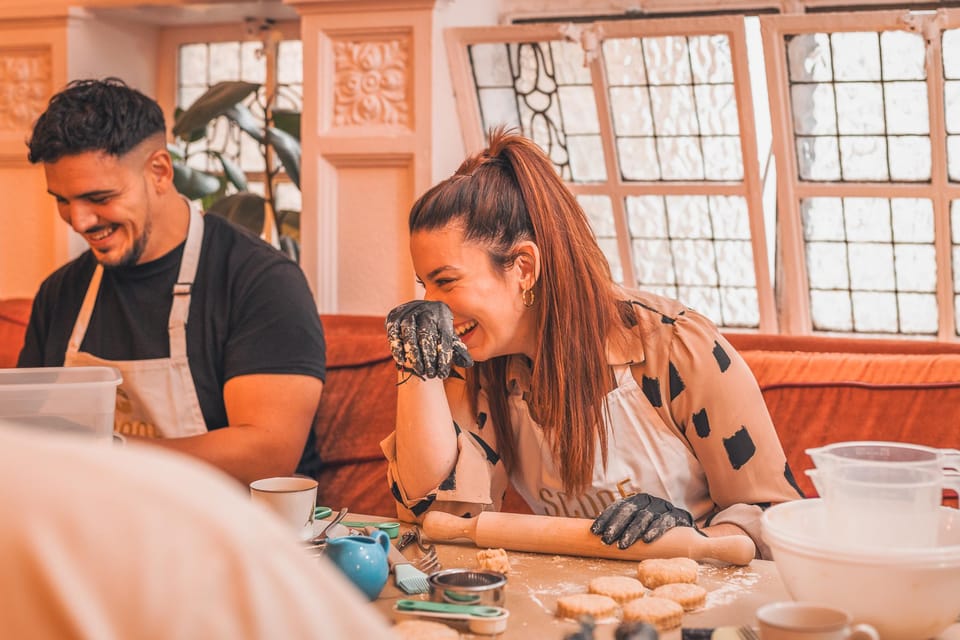
- Hands-on, not a demo: you’ll follow step-by-step directions and shape your own dough.
- Tea while you bake: a cup of traditional English tea keeps the pace cozy between mixing and oven time.
- Four scones in total: one is eaten during the workshop and the rest can be taken home.
- Jam-and-clotted-cream talk: you’ll hear the classic order debate and how it fits with the tea ritual.
- Certificate to take home: you get a British baking certificate from We Are London to show off later.
- Location inside a café-bar: the workshop is on the first floor at De Hems Dutch Cafe Bar, so plan for that extra turn upstairs.
What a 60-minute scone-and-tea workshop feels like in real life
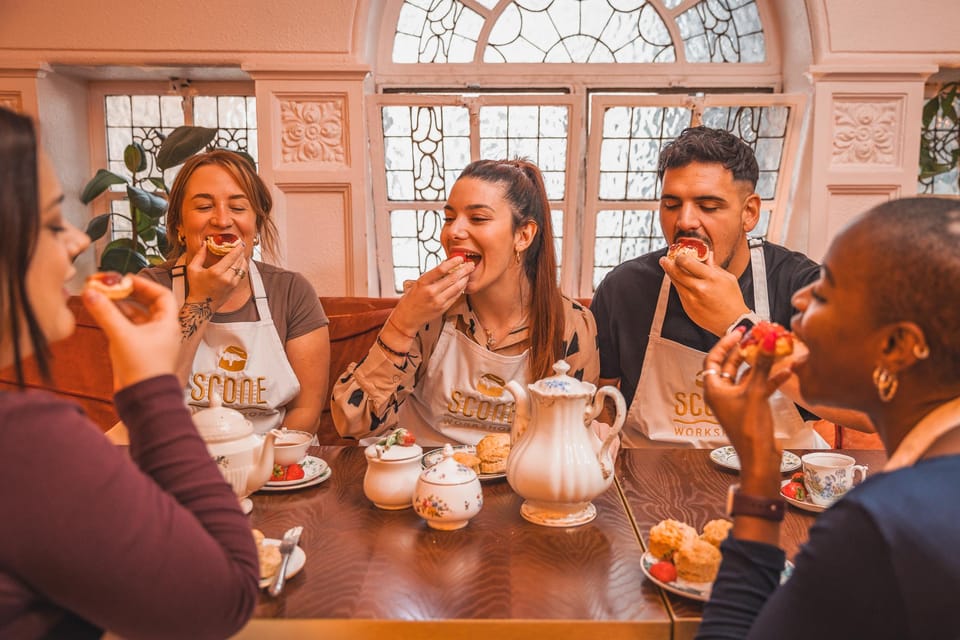
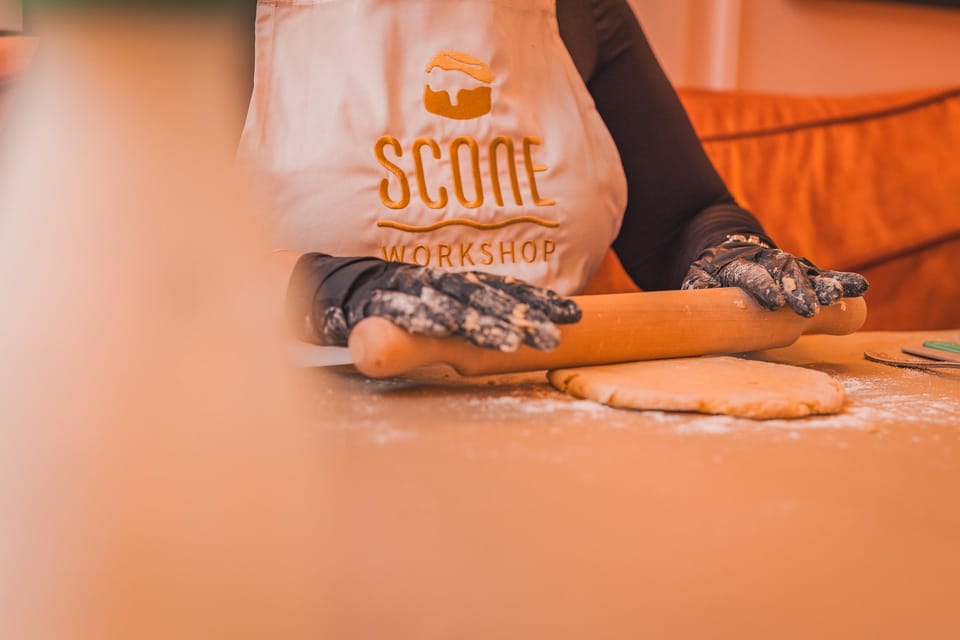
This class is designed for people who want results fast. You’re in and out in about an hour, which means it works on a busy sightseeing day when you still want something practical (and edible). The instructor leads you through making traditional British scones from scratch, using the supplies and apron provided.
The flow is simple and time-friendly. You start with a warm welcome, then move into hands-on mixing and shaping. You also get a cup of traditional English tea during the session, timed so you’re not just waiting around while the oven does its job. When your scones come out warm, you eat them while they’re freshly baked—then you package up the rest to take home.
Expect the class to feel social without being chaotic. You’ll be with a small group of participants, and the instructor checks progress so your scones don’t turn into sad hockey pucks. Several write-ups specifically call out clear instructions and attentive guidance, which matters because scone texture is all about not overworking the dough.
You can also read our reviews of more tours and experiences in London



Where De Hems Dutch Cafe Bar fits into your London day
Meeting point matters in London, because “nearby” can still mean a 20-minute walk if you’re off by one street. You’ll meet at the first floor of De Hems Dutch Cafe Bar, at 11 Macclesfield St. Staff and signs guide you, but the easiest move is to arrive early and ask at the bar where the workshop room is upstairs.
Plan to arrive 10 minutes before your start time. The workshop won’t allow late arrivals beyond a small grace window—more than 5 minutes late means you won’t be admitted to the session. That sounds strict, but it’s the kind of rule that keeps the oven cycle on track and keeps everyone baking at the right time.
If you come early, you can hang out in the pub area with drinks and snacks at the venue. There’s also a special workshop discount if you’re waiting for your group’s start. This is one of those small perks that makes the experience feel smoother: you get your bearings fast, grab a hot drink, then head upstairs with zero stress.
Inside the lesson: what you’ll actually learn to do
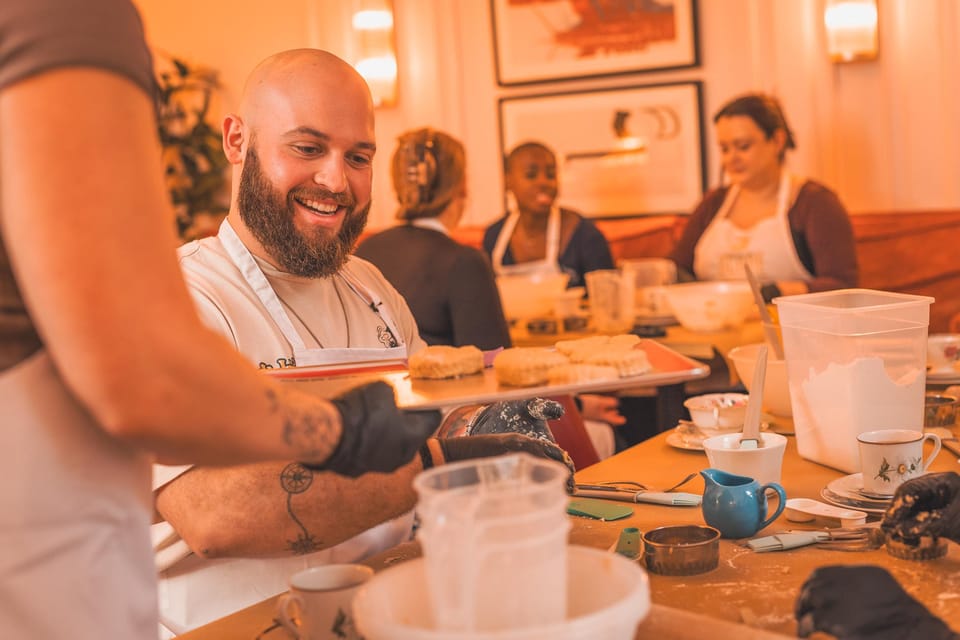
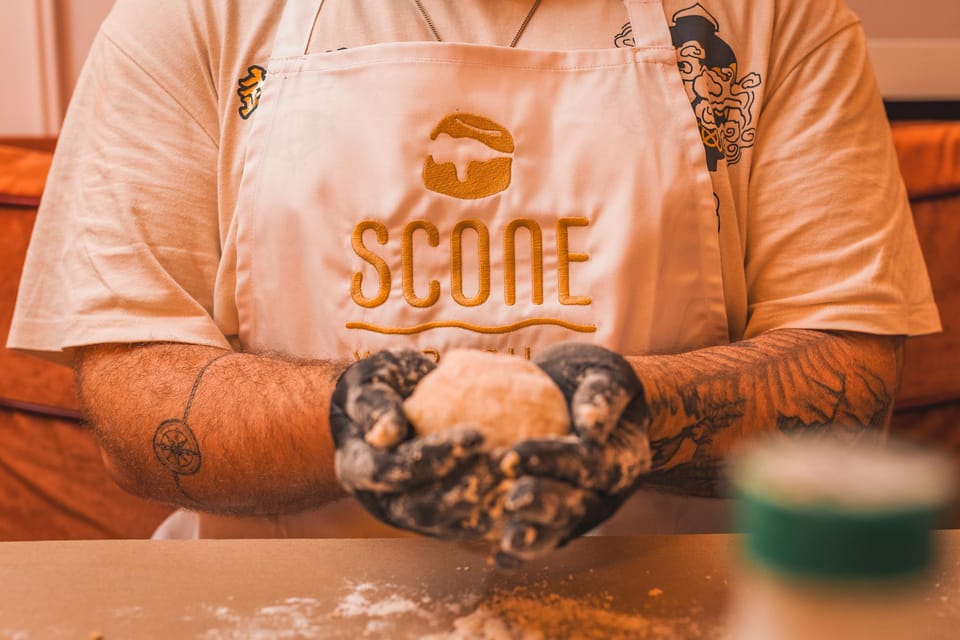
This isn’t a long culinary course. It’s a focused scone workshop, and that focus is the whole point. You’ll get step-by-step help to make traditional British scones “with ease,” and you’ll learn what gives scones their signature softness and crumb.
Here’s what the instruction style tends to emphasize based on the way the class is described:
- Texture control: people mention getting soft, crumbly scones and tips that help you nail the feel.
- Clear process: the method is explained in a way that works even if you’ve never baked before.
- Hands-on pacing: you mix, shape, and get to oven time within the hour.
There’s also a strong “how-to + why-it-matters” vibe. In addition to the practical method, the instructor shares info about scone-making and tea culture—enough to make you understand what you’re doing, not just copy a recipe. One common theme is that the host explains the story behind scones and how tea became part of the ritual.
Do note one limiting factor. The workshop is mainly about baking the scones. If you’re hoping for a more detailed production of every accompaniment, you might find it a bit simplified. One mention in the mix notes that clotted cream production wasn’t included as a hands-on step, even though clotted cream and jam are discussed as part of the tradition.
Tea time in London: how the tea and scone pairing works
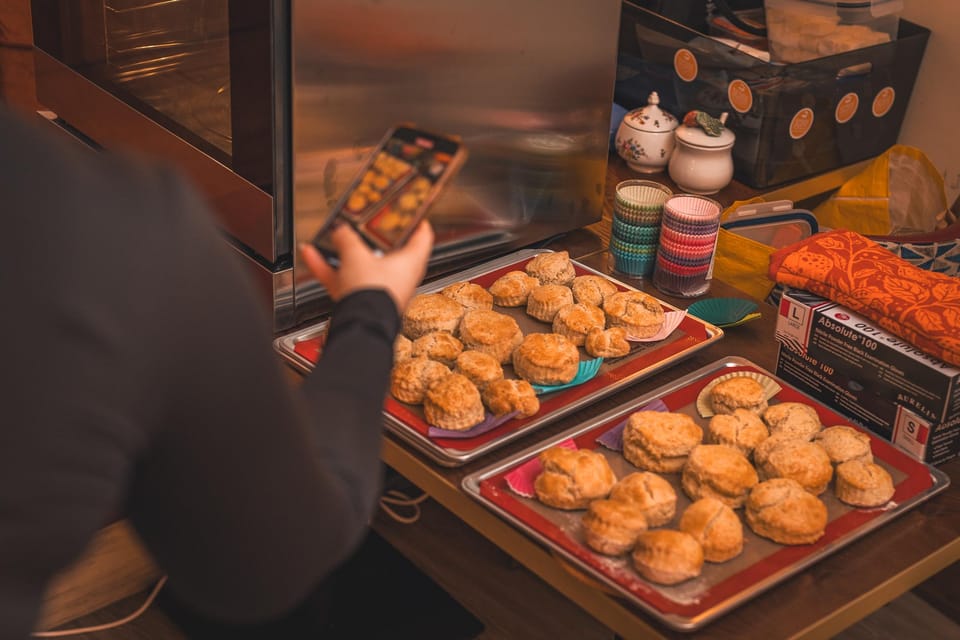
English tea isn’t just a drink here; it’s part of the pacing and the cultural context. You’ll sip traditional English tea while you bake, and that changes the feeling of the hour. Instead of a stand-and-wait cooking class, you get a steady rhythm: work a bit, drink a bit, keep moving.
The pairing also connects to how Brits eat scones. You’ll hear the classic debate about whether to put jam or clotted cream first. That argument shows up again and again because it’s a real thing people care about. You’ll also learn background that links scones and tea to British tradition, including a mention of connections to the Royal family from instructors praised for being informative.
Why this matters for you: it turns the experience from sugar-and-flour fun into something you can repeat at home with the story intact. When you make scones later, you won’t just remember a method—you’ll remember the ritual that goes with it.
The value question: $45.80 for 1 hour in central London
In London, $45.80 can be a lot or a good deal, depending on what you get. Here, the math looks better than most “quick food” experiences because you’re taking home actual food and proof of skill.
Your included items are the key value drivers:
- Instructor-led session
- Apron and supplies
- Tea
- Four scones total (one eaten during the workshop, the others taken home)
- A scone-making certificate from We Are London
That four-scone takeaway is more meaningful than it sounds. You’re not leaving with just a warm bite and a memory. You get leftovers you can share or keep, which stretches your time value across the rest of the day (and often into the next one).
Is it perfect value? If you’re a serious baker looking for deep, technical hours, you might want a longer class that goes further into accompaniments and variations. But for most people—first-time bakers, couples, families, and solo visitors—this is a strong “time-to-taste” deal in one of the most expensive cities on earth.





Who this workshop suits best (and who might want a different class)

This is an easy yes if you want:
- A hands-on London activity that doesn’t require fancy skills
- A short class that fits between sightseeing plans
- A cozy, social experience where the instructor helps people succeed
- A fun food souvenir in the form of scones you can take home
It’s also a good fit for families. Several write-ups highlight that kids enjoy it and that the workshop works across ages. The vibe is lighthearted and structured, which is exactly what helps children (and adults) stay engaged.
But you should reconsider if:
- You need vegan options (the workshop isn’t suitable for vegans)
- You have gluten intolerance or lactose intolerance
- You’re a wheelchair user (it’s not suitable)
Also keep the class rules in mind for family situations. Children must have a paid ticket and be accompanied by an adult with a paid ticket. Non-participating guests can’t join on the workshop floor, so plan accordingly if you’re bringing a mixed group.
Practical tips so your scones and your schedule both go well

Bring comfortable clothes. Flour happens. Even with aprons, dough can be forgiving in the way that it’s sticky, and you’ll feel more confident if you’re dressed to move.
Since the session is time-sensitive, treat the start time seriously. London has distractions—subway delays, wrong exits, long walks. You’ll be happier if you arrive early, find the bar, and head upstairs without rushing.
When it comes to taking scones home, the workshop gives you the goods already baked and ready to share. If you want them to stay tasty through the evening, keep them protected from air and plan for enjoying them soon rather than leaving them in a bag for hours. Your best results will come from treating them like baked goods, not like party snacks meant to survive a week.
Finally, go in with the right mindset. This isn’t a pass/fail baking exam. The repeated praise for attentive instruction and patient hosting is there for a reason. If your scone looks different from the person next to you, that’s still normal—the workshop is about learning the method and getting a good result.
Should you book this London scone workshop?
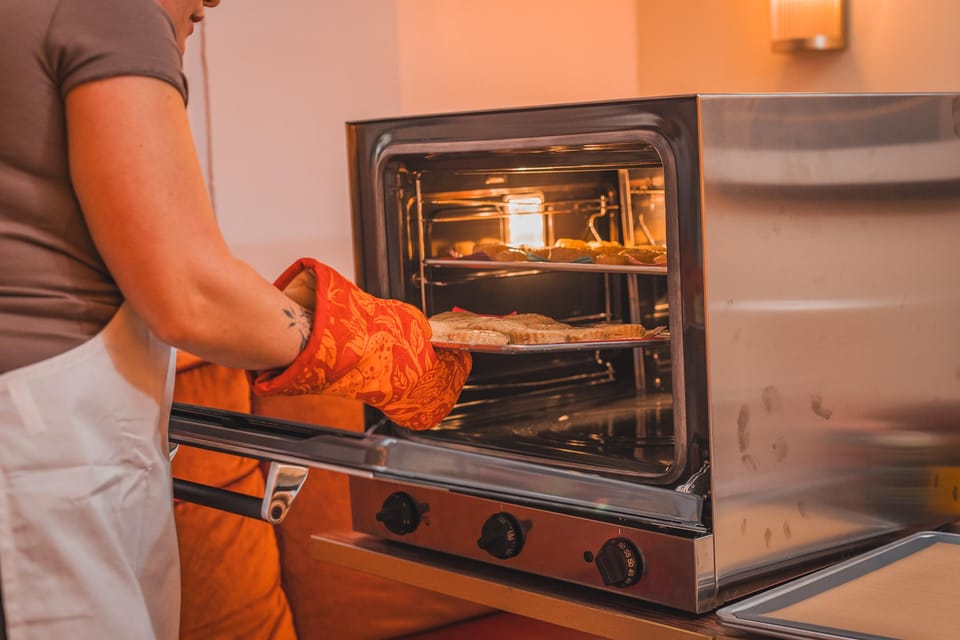
I’d book it if you want a classic British experience that’s genuinely interactive. The combination of hands-on scone making, tea during the bake, and scones to take home makes it feel like more than a one-hour food show. The certificate adds a fun keepsake, and the cultural bits (like tea tradition and the jam-vs-cream debate) give you something to talk about later.
Skip it if your dietary needs don’t match the workshop’s limitations, or if you want a long, advanced baking course. With its tight timing and standard format, it’s best for people who like structured fun and clear steps.
If you’re planning a central London day and want a memorable edible activity that won’t swallow your whole afternoon, this is a very reasonable bet.
FAQ
How long is the scone making and tea workshop?
The workshop lasts about 1 hour.
What’s included in the price?
You get an instructor, apron and supplies, traditional English tea, 4 scones total (one eaten during the workshop and the others you can take home), and a scone-making certificate.
Where exactly do I meet for the workshop?
You meet at the first floor of De Hems Dutch Cafe Bar, 11 Macclesfield St, London. Signs will help you find the workshop spot, and staff behind the bar can direct you.
Can I bring non-participating guests, like extra family members?
Children must be accompanied by an adult with a paid ticket. Non-participating guests can’t be accommodated in the workshop/floor area.
Is the workshop suitable for vegans or people with gluten or lactose intolerance?
No. It’s not suitable for vegans, and it’s also not suitable for people with gluten intolerance or lactose intolerance.
Can I take scones home after the class?
Yes. One scone is consumed during the workshop, and the other three can be taken home.