REVIEW · JACK THE RIPPER TOURS
London: Jack the Ripper Tour in Spanish
Book on GetYourGuide →Operated by Once Upon a Tour · Bookable on GetYourGuide
Whitechapel turns spooky fast. What makes this Spanish Jack the Ripper tour work is the way it ties the story to the cobblestone streets, using an experienced guide and the kind of practical visuals that keep the mystery grounded. I also really like the archival photographs and case replicas, which help you picture what your guide is describing instead of just hearing it. One thing to keep in mind: the subject matter is heavy, and it’s a 2-hour outdoor walk—bring proper cold-weather clothing.
You’ll meet in front of the Whitechapel Art Gallery. Your guide will be holding a purple umbrella, and the tour runs from Whitechapel to a finish at Spitalfields Market after several key stops. It’s wheelchair accessible, so it’s a solid option if you need mobility support (as long as you’re comfortable with an outdoor walking format).
In This Review
- Key Highlights I’d Plan Around
- Start at Whitechapel Gallery: finding the purple umbrella quickly
- A Spanish guide who uses facts and a little humor
- Two hours on foot: pace, focus, and practical rules
- Walking the stops: from Gunthorpe Street to the Ten Bells finale
- Gunthorpe Street and the early story beats
- Whitechapel High Street: the setting gets bigger
- Saint Botolph Without Aldgate: a landmark moment
- Mitre Square: where stories feel more concentrated
- Goulston Street: one of the key streets in the walk
- Lilian Knowles House: a modern reference point in a historic story
- The Ten Bells and Spitalfields Market: the walk closes where you can keep going
- Archival photographs and replicas: why you’ll remember more than street names
- Price and value: what $17 gets you in London
- Who should book this Spanish Jack the Ripper tour
- FAQ
- Where do we meet for the tour?
- What language is the tour in?
- How long is the tour, and where does it end?
- Is the tour wheelchair accessible?
- Is it suitable for children?
- Are video or audio recordings allowed?
- Should you book this Spanish Jack the Ripper tour?
Key Highlights I’d Plan Around
- Purple umbrella meeting point at Whitechapel Art Gallery so you can find the group fast
- Spanish live guide that keeps the story clear and trackable for non-English speakers
- Archival photographs and replicas to “show” the case, not just explain it
- Main stops across Whitechapel with a logical walk from street to square to market
- 2 hours on foot—long enough for a full story, short enough to stay flexible
Start at Whitechapel Gallery: finding the purple umbrella quickly
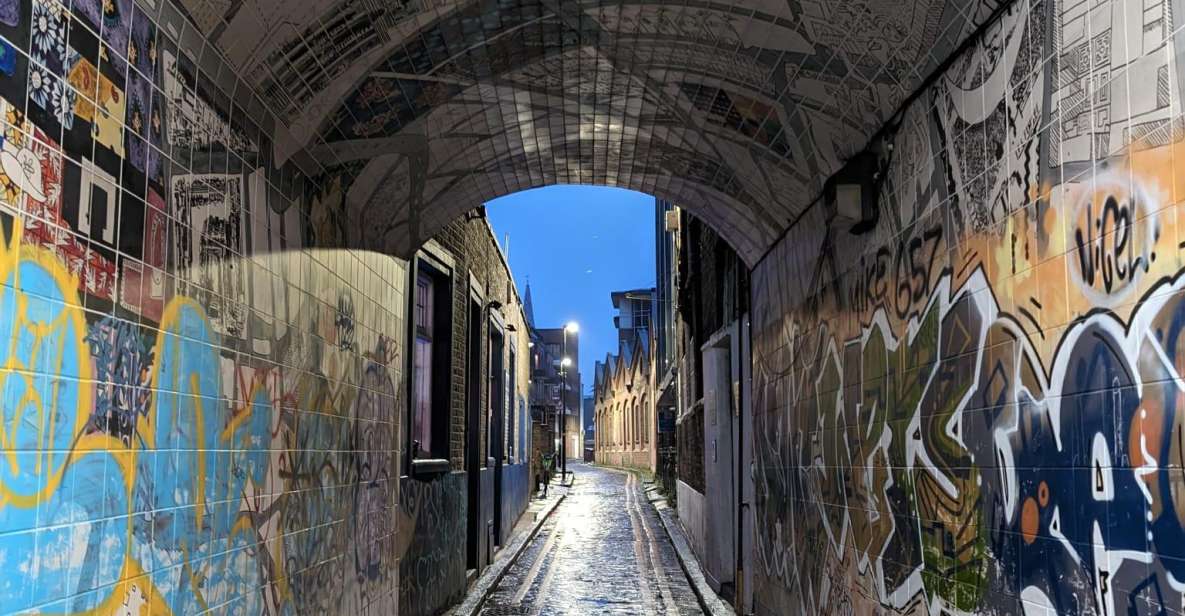
I like that this tour makes the meet-up simple. You go straight to Whitechapel Art Gallery, and the guide will be holding a purple umbrella, so you’re not hunting around for a group in the cold. It’s also a smart location because Whitechapel is where the atmosphere starts doing most of the work for you.
From there, you walk through the area tied to the Ripper story. You’re not stuck staring at one place; you’re moving, which is exactly what you want for a “follow-the-footsteps” kind of case. The tour ends at Spitalfields Market, which is convenient if you want to keep exploring afterward without committing to another big plan.
You can also read our reviews of more tours and experiences in London.


A Spanish guide who uses facts and a little humor
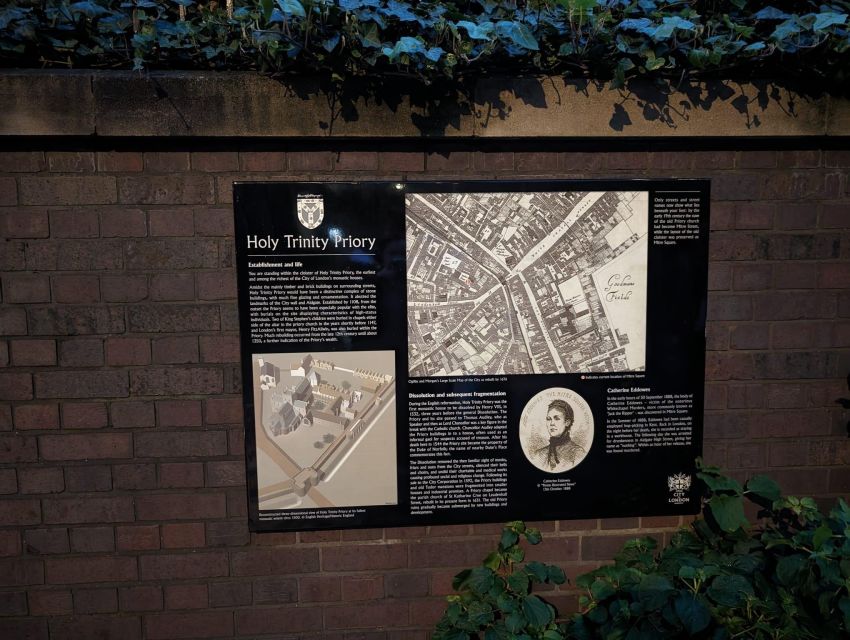
This tour is led in Spanish by a live guide, and that matters more than people expect. When the pace is storytelling, you want the language to land cleanly, and this one is built for Spanish speakers from the start. I also appreciate that the guide style can handle the topic without turning it into either a lecture or a horror show.
One of the standout themes from the guide feedback is rigor with an even tone. Carmen, for example, is specifically praised for describing hard facts with professionalism, and for adding humor that makes the experience more manageable—especially if London weather is doing its best to ruin your day. You should still expect a dark subject, but the delivery sounds designed to keep you with the story, not frozen by discomfort.
If you’re the type who likes historical questions—who did what, why it matters, what the clues suggest—this format is built for you. You’ll get enough structure to follow the case, but you won’t feel like you’re trapped in a classroom setting.
Two hours on foot: pace, focus, and practical rules
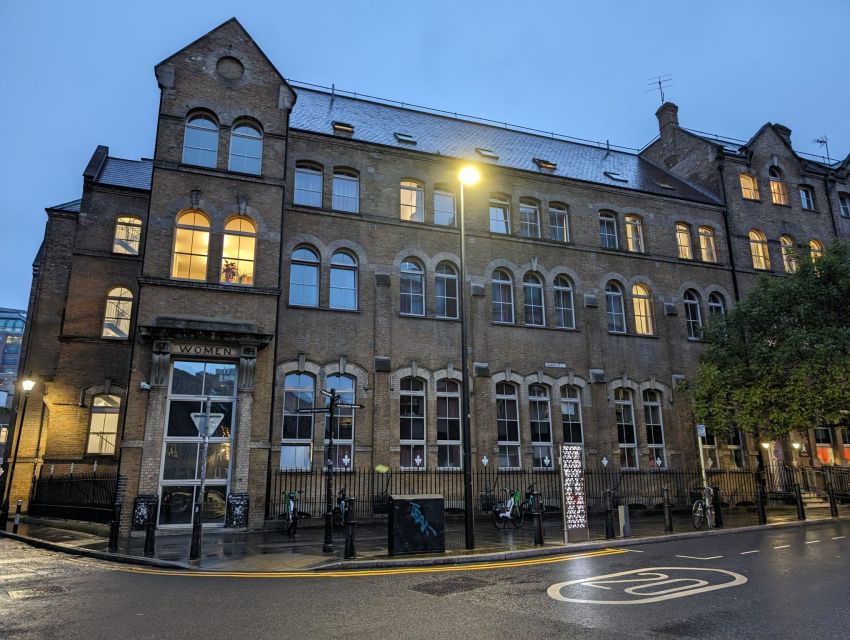
The total time is 2 hours, which is a sweet spot for this kind of walk. It’s long enough to cover multiple locations tied to the case, but short enough that you’re not stuck “touring” your way through the entire afternoon. Since it’s a walking tour, your comfort matters.
Bring weather-appropriate clothing. Even if you consider yourself tough, Victorian streets plus London wind can drain you faster than you expect. The tour also has clear rules: alcohol and drugs are not allowed, and video or audio recording isn’t permitted. The goal is to keep the group focused and the experience consistent for everyone.
If you plan to take notes, do it on paper or on your phone without recording. Also, think about how you’ll handle your hands and attention in the cold—warm layers are practical, not glamorous.
Walking the stops: from Gunthorpe Street to the Ten Bells finale
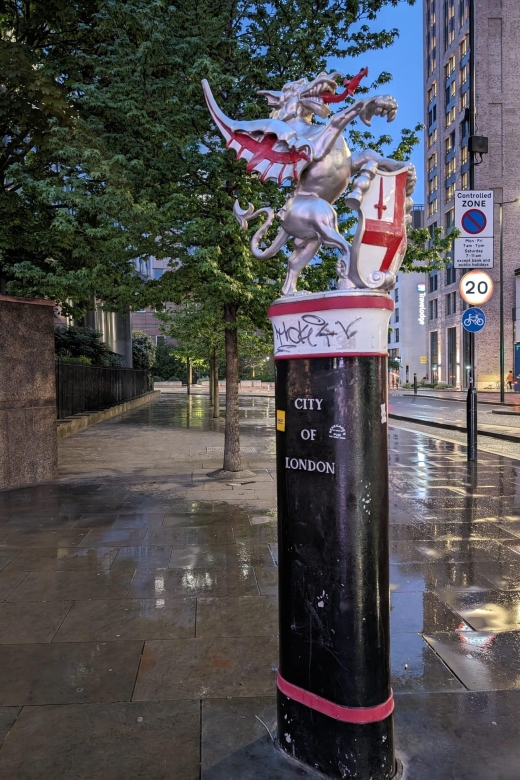
This tour is organized around a sequence of named places, all in the Whitechapel area, plus the finish at Spitalfields. At each stop, your guide connects the location to the case narrative and the mood of the time—so the street names become more than trivia.
Here’s what you’ll work through, in the order you’ll encounter them:
Gunthorpe Street and the early story beats
You’ll start moving from the Whitechapel side of the case, with Gunthorpe Street as one of the first main stops. This is where the tour typically sets expectations: what happened, why it shocked people then, and why the questions have lasted. The value of starting here is simple—you build momentum early, so later locations don’t feel like random waypoints.



Whitechapel High Street: the setting gets bigger
Next is Whitechapel High Street, which helps widen the lens from “a single place” to “a whole neighborhood.” High streets tend to feel like the real world of daily life, which is useful for grounding a story that can otherwise drift into purely sensational details. If you’re hoping the guide shows you the context around the case, this is one of the stops that helps deliver it.
Saint Botolph Without Aldgate: a landmark moment
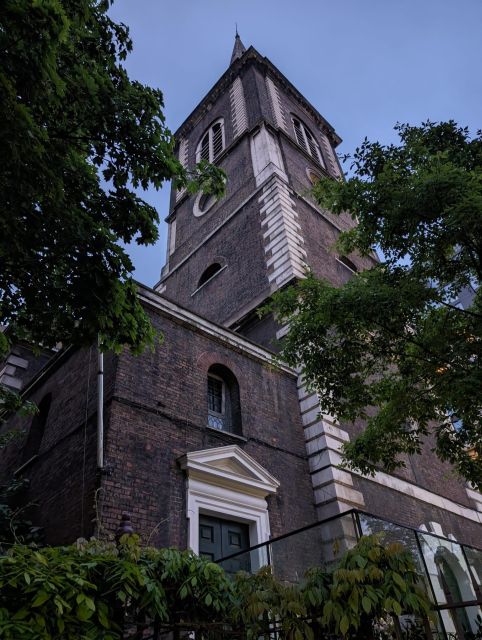
You’ll also reach Saint Botolph Without Aldgate. The name itself signals you’re dealing with established local geography, not just alley-like fragments. Stops like this are helpful because they give your brain something stable to anchor the story against, especially if you’re new to London history.
Mitre Square: where stories feel more concentrated
Then comes Mitre Square, which acts like a natural “pause point” in the walking rhythm. Squares tend to focus attention, and that’s a good match for a tour that’s building suspense and tying events to specific places. If you start feeling the cold, this kind of stop can help you reset your body without losing the thread.
Goulston Street: one of the key streets in the walk
You’ll make your way to Goulston Street next. This is one of the stops that keeps the case anchored to real street names rather than vague descriptions. The guide’s job here is to connect what you’re seeing now with what mattered during the Victorian period, and the street-by-street structure makes that connection easier to follow.
Lilian Knowles House: a modern reference point in a historic story
After Goulston Street, the tour includes Lilian Knowles House. Even if you’re not a local history expert, this kind of stop gives you a contrast: today’s built environment compared to the past events your guide is explaining. That contrast can make the story feel closer to home without turning it into cheap shock.
The Ten Bells and Spitalfields Market: the walk closes where you can keep going
The tour’s final segment includes The Ten Bells & Spitalfields Market. Ending with Spitalfields Market is practical because you’re done with the guided walking portion, but you’re still in a place where you can extend the day at your own pace. This final stretch is usually where the story lands most clearly, since you’ve heard the sequence of locations and now you’re tying it together at the end.
Archival photographs and replicas: why you’ll remember more than street names
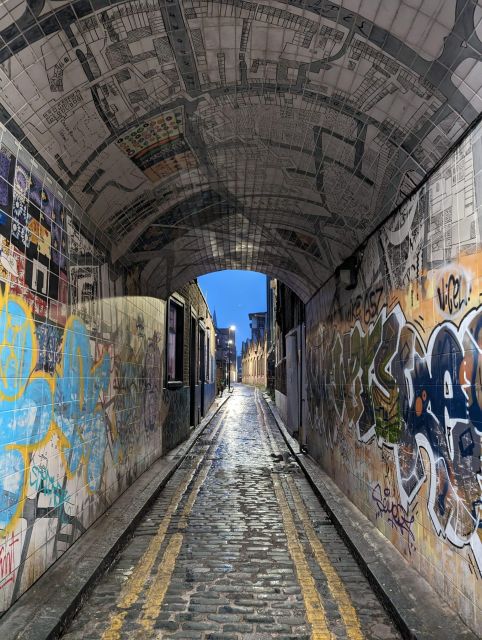
I’m a fan of tours that use visual support, and this one does. You’ll see archival photographs and replicas of the case, which changes the experience from purely verbal to picture-based. In a subject with so many assumptions and myths floating around, having real-looking references helps you keep your bearings.
The practical benefit is that you don’t have to hold every detail in your head while you’re walking in the cold. Your guide gives you structure, but the photos and replicas provide a backup for your understanding. Even if you know a lot about Jack the Ripper already, this format can still sharpen your memory because you’re seeing something concrete tied to the narrative.
It also helps the Spanish delivery. When you can match a word to an image, comprehension gets easier—especially if you’re listening carefully while moving. That’s a big deal in a 2-hour outdoor tour.
Price and value: what $17 gets you in London
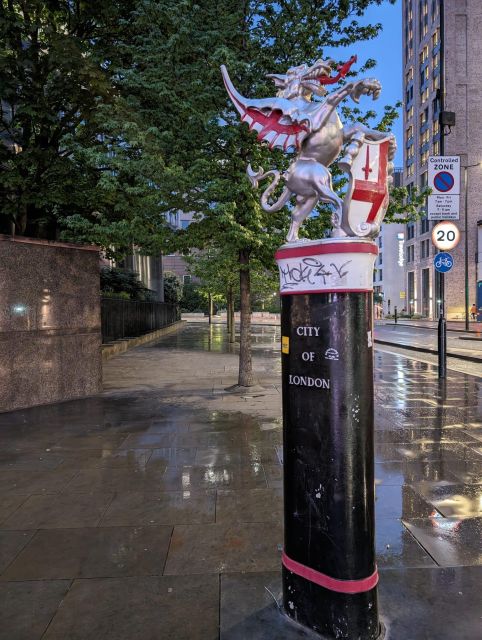
At $17 per person for a 2-hour Spanish walking tour, the value depends on what you care about. If you want a scripted walk with a live guide, multiple stops, and visual props like photographs and replicas, the pricing is pretty reasonable. You’re not paying just for the route; you’re paying for the guide’s ability to connect the locations, plus the materials that support the storytelling.
It’s also a good fit if you’re watching budgets but still want something more substantial than a self-guided stroll. Two hours isn’t a long time, but it’s enough to feel like you learned something meaningful rather than just collecting photos outside famous streets.
If your plans might shift, the tour also comes with flexibility options like free cancellation up to 24 hours in advance and a reserve now, pay later approach. That reduces the risk if London weather or your schedule changes.
Who should book this Spanish Jack the Ripper tour
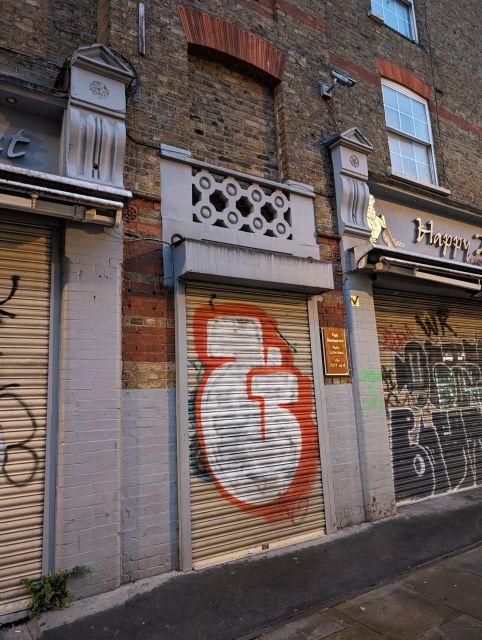
This tour fits best if you want a Spanish-language, live-guided way to experience Whitechapel through the lens of the case. If you prefer explanations in your own language, this is an advantage that pays off quickly—especially for a topic that relies on details.
You’ll likely enjoy it if:
- You’re curious about Victorian London and how the neighborhood shaped the story.
- You like walking tours with a clear sequence of stops.
- You appreciate guides who can stay professional while still making the experience more bearable.
It may not fit if you’re traveling with kids under 12, since the tour isn’t suitable for children below that age. And if you’re very sensitive to dark historical content, you should factor that into your decision. This isn’t a spooky-themed comedy; it’s a case-based narrative.
FAQ
Where do we meet for the tour?
You’ll meet in front of the Whitechapel Art Gallery. The guide will be holding a purple umbrella.
What language is the tour in?
The tour is in Spanish, with a live tour guide.
How long is the tour, and where does it end?
The tour lasts 2 hours and finishes at Spitalfields Market.
Is the tour wheelchair accessible?
Yes, the tour is wheelchair accessible.
Is it suitable for children?
No. The tour is not suitable for children under 12 years.
Are video or audio recordings allowed?
No. Video recording and audio recording are not allowed during the tour.
Should you book this Spanish Jack the Ripper tour?
If you want a structured Whitechapel walk with Spanish narration, supporting visuals, and a real guide—this is a strong choice. The $17 price makes it easy to justify, and the route plus photographs and replicas give you more than just street-name sightseeing.
Book it if the idea of following the story location by location appeals to you, and you’re okay with dark historical subject matter and a cold-weather outdoor format. Skip it if you need kid-friendly content under 12 or you’d rather avoid case-based, heavy storytelling.