REVIEW · JACK THE RIPPER TOURS
Jack the Ripper: Solve the Crime Walking Tour (Kids Free!)
Book on GetYourGuide →Operated by Top Sights Tours LLC. · Bookable on GetYourGuide
A London evening walk can be fun. This one is fun in a darker way, taking you through Whitechapel with a murder-mystery story line and real evidence-style stops. You’ll follow the case in sequence, stop at crime-scene locations, and see the materials that explain how the killer’s name became world-famous.
What I like most is the hands-on evidence vibe. You’re not just hearing spooky folklore; you see police photos of victims and evidence, plus a copy of the letter that helped create the nickname Jack the Ripper.
One possible drawback: this tour leans gruesome and eerie. If you’re sensitive to violent subject matter, it’s worth treating the warning seriously, because the walk is built around murders and investigation details.
In This Review
- Key highlights worth your attention
- Whitechapel Gallery at 7:30 PM: Starting Where the Story Feels Real
- Following the Murders in Sequence Through Dark, Narrow Streets
- Crime-Scene Stops and Police Photos: When the Tour Shows Its Sources
- The Letter That Created Jack the Ripper’s Name
- The Doorway Clue: One Detail That Changed Everything
- East End Daily Life Stops: Pubs, Work, and What the Area Was Like
- Guide Style: Atmosphere, Humor, and Interactive Visuals
- Price and Value: Is $29 Worth a 2 to 2.5 Hour Crime Walk?
- Practical Tips for a Rainy, Nighttime East End Walk
- Should You Book This Jack the Ripper Crime Walking Tour?
- FAQ
- Where does the tour start?
- Which subway stop should I use?
- What time does the tour depart?
- How long is the walking tour?
- How much does it cost?
- Is the tour in English?
- Are umbrellas included?
- Are kids allowed, and is there a child fee?
- What will I see during the tour?
- Is it suitable if I’m sensitive to dark subject matter?
Key highlights worth your attention

- Whitechapel Gallery meeting point: a clear start, easy to locate via Aldgate East Station (Exit 3)
- Crime-scene route in order: the walk follows the murders in sequence, so the story makes sense
- Evidence-style stops: police photos of victims and evidence are part of the experience
- The letter behind the name: you’ll read the mysterious letter tied to Jack the Ripper
- A doorway clue stop: you’ll see the doorway where the only clue was discovered
- Kids free: bring the whole crew and keep the tone light with detective-hat energy
Whitechapel Gallery at 7:30 PM: Starting Where the Story Feels Real
You begin at the Whitechapel Gallery, meeting your guide at the entrance. It’s convenient if you’re using the Tube, because you’ll head to Aldgate East Station and look for Exit 3. The tour leaves 7:30 PM sharp, so I’d plan to arrive about 10 minutes early to settle in and get a quick sense of the route.
This start point matters more than you might think. Whitechapel is one of those London areas where the present still hugs the past, and the gallery location helps set a focused tone: you’re heading into a neighborhood where the streets and buildings have hardly shifted from the era you’ll be hearing about. It’s a better opening than starting on a random corner, because it gives the walk a “let’s solve something” feeling from minute one.
You can also read our reviews of more walking tours in London



Following the Murders in Sequence Through Dark, Narrow Streets
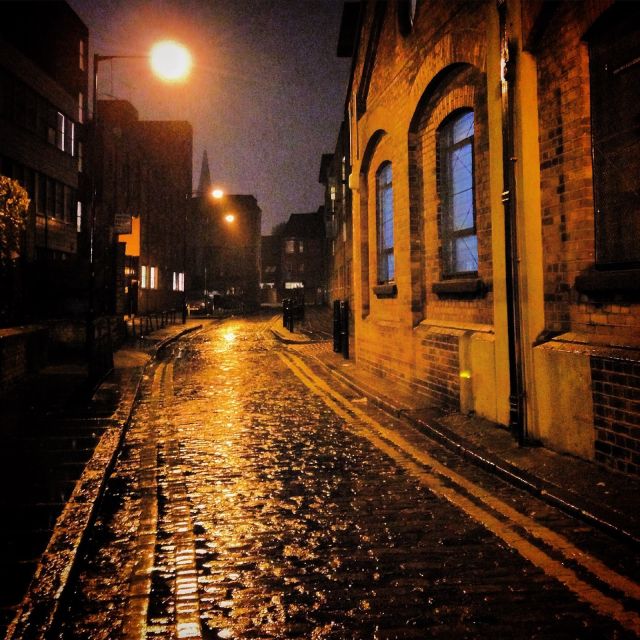
The tour is structured like an investigation. You walk through the Victorian East End with a crime storyline tied to the murders, and the route traces them in sequence. That sequencing is a big deal for your understanding, because you’re not getting random facts dropped at you. You get a timeline—then the locations make that timeline feel more grounded.
You’ll cover streets, buildings, and alleyways that still carry that older East End layout. Even when you can’t see “1888” painted on the pavement, the urban shape does the work for the guide. The narrow streets and tight corners help you imagine what moving through the area would have felt like back then—especially at night, when visibility and crowding would have been very different from today.
Your guide also brings local depth to the storytelling. One guide described in the tour info has lived in central London for over 20 years, including time right in Whitechapel. When a guide knows the neighborhood that well, you tend to get more than a script—you get sharper context about what each stop meant and how the East End worked as a living community.
Crime-Scene Stops and Police Photos: When the Tour Shows Its Sources
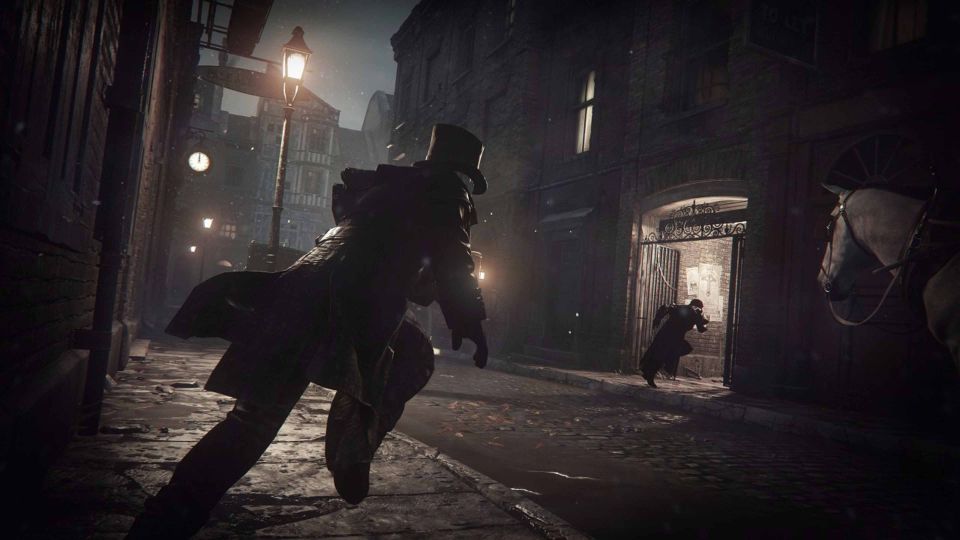
The most intense part of the experience is how directly it treats the murders. You’ll see places and buildings where victims were murdered and found, and you’ll hear the story tied to those locations. Along the way, you also view police photos of the victims and evidence—materials that keep the walk anchored to investigation rather than just myth.
This evidence approach is what makes the tour feel different from the usual “scary walking tour” model. Instead of only relying on mood and headlines, the guide uses visual material to slow you down. You’re meant to look, compare, and think like a detective for a short stretch of time.
A quick reality check: the tour is not for the faint of heart. The route centers on violent events, and the guide sets a deliberately grim atmosphere. If you’re the type who doesn’t want to picture details, you may want to skip this one or bring a friend who enjoys this kind of historical crime storytelling more than they mind the subject matter.
The Letter That Created Jack the Ripper’s Name
The case becomes famous for a reason tied to journalism. You’ll be introduced to the idea that the killer began as the Whitechapel Murderer, then became known as Jack the Ripper after a mysterious letter sent to a London news agency. During the walk, you’ll read a copy of that letter.
This stop does two useful things for you. First, it explains how a nickname can transform a case from local fear into worldwide obsession. Second, it helps you understand why so many stories afterward were shaped by what people believed—or wanted to believe—about the author of that letter.
Even if you already know the basic legend, I like this part because it shifts you from “who was Jack” to “how did public perception lock onto that name.” That’s often where historical crime tours become more educational and less purely theatrical.
The Doorway Clue: One Detail That Changed Everything
One of the standout locations is the doorway where Jack the Ripper’s only clue was discovered. You’ll see the doorway as part of the route and get the story tied to what made that clue so important.
Unsolved cases like this live or die on small fragments. When a tour highlights a single doorway clue, it pushes you to think about investigation in a practical way: what people knew, what they missed, and how one piece of evidence can carry an enormous weight when nothing else clearly closes the case.
If you enjoy mystery logic, you’ll probably find this stop especially memorable. It’s a concrete anchor in a story that otherwise moves through multiple scenes, characters, and theories.





East End Daily Life Stops: Pubs, Work, and What the Area Was Like
The tour isn’t only about the moments of violence. You’ll also see pubs and other buildings tied to victims’ lives—places where they drank, worked, and lived. That matters because it prevents the story from becoming a set of isolated shocks.
It’s easier to understand the human scale of the case when the walk shows the neighborhood as a place people actually lived in. When your guide connects the murders to normal routines, you stop thinking of this as distant legend and start seeing it as something that happened to real people with real days.
This is also where the East End’s physical continuity helps you. The tour notes that many streets and buildings have hardly changed since 1888, and when that’s true on the ground, your brain fills in the past more convincingly. You’re not just learning facts—you’re standing in a real urban setting that supports the story.
Guide Style: Atmosphere, Humor, and Interactive Visuals
A big reason this tour scores well is the guide’s delivery. The info you’ve got points to an experienced local, and the reviews back up a clear pattern: guides bring strong knowledge, plus a sense of timing that keeps the walk engaging instead of monotone. One guide described in feedback as Harry was especially praised for being funny and interactive.
You may also see a projector used to show pictures during the walk, which helps explain what you’re looking at. That’s a practical upgrade, because it turns the route into a clearer narrative. Instead of straining to interpret old images in your head, you can connect the visuals directly to the street you’re standing on.
One note for your expectations: this is not a lecture. You’ll be guided through a story with stops, visuals, and prompts to “play detective” a bit, including the idea of bringing detective hats for the experience.
Price and Value: Is $29 Worth a 2 to 2.5 Hour Crime Walk?
At $29 per person for a 2 to 2.5 hour walking tour, the value depends on what you want out of your evening. If you mainly want spooky vibes, you might find cheaper tours. But if you care about evidence-style visuals, a letter tied to the nickname, and a route that follows the murders in order, this price starts to look fair.
The strongest value points for me are the included elements that aren’t always standard:
- Police photos and evidence-style viewing
- Reading the letter tied to Jack the Ripper’s name
- Specific locations tied to the murders and the doorway clue
- Umbrellas provided (handy for London nights)
- Kids are free, which can make it a much better family deal than typical paid-entry tours
Also, the tour offers private or small groups. That can be a plus if you prefer less crowd noise while you process a serious topic.
Bottom line: if you want a guided, story-driven crime walk that treats the legend like an investigation instead of a campfire ghost tale, $29 is a reasonable bet.
Practical Tips for a Rainy, Nighttime East End Walk
This is an evening activity. Even in good weather, you’ll want layers, comfortable shoes, and a willingness to walk through narrow streets. The tour includes umbrellas, which helps, but you’ll still want to dress for wind and cool night air.
Timing matters. The 7:30 PM departure means you should treat the start time like part of the experience, not a suggestion. Arriving early helps you get settled and focused before the guide begins setting the 1888 mood.
Finally, think about who should take it. You’ll likely enjoy it most if you:
- like crime history and mystery-style storytelling
- enjoy walking tours that explain the “why,” not just the “what”
- don’t mind dark subject matter and want a serious atmosphere
If you’re easily disturbed by violence, consider skipping or choosing a lighter-themed tour instead.
Should You Book This Jack the Ripper Crime Walking Tour?
I’d book this tour if your ideal evening includes atmosphere, evidence-style visuals, and a route that makes the story easier to follow because it traces the murders in order. The inclusion of police photos, the letter tied to Jack the Ripper’s nickname, and the doorway clue stop are the kind of specific details that usually turn curiosity into real understanding.
I wouldn’t book it if you’re faint-hearted about gruesome historical crime stories. Even with humor and engagement, the tour is built around murders and investigation details. It’s also an active nighttime walk, so plan for comfortable shoes and a cool evening mindset.
If you’re on the fence, here’s the simplest way to decide: if you want a detective-like walk through Whitechapel that takes the legend seriously, this hits the mark. If you want something purely light, pick a different tour.
FAQ
Where does the tour start?
You meet your guide at the entrance of the Whitechapel art gallery.
Which subway stop should I use?
The guide notes Aldgate East Station (Exit 3). They also mention there are two Aldgate stations, so you should go to Aldgate East.
What time does the tour depart?
The tour departs at 7:30 PM sharp.
How long is the walking tour?
The duration is about 2 to 2.5 hours.
How much does it cost?
The price is $29 per person.
Is the tour in English?
Yes, the live guide provides the tour in English.
Are umbrellas included?
Yes, umbrellas are included.
Are kids allowed, and is there a child fee?
Kids are free, and you can bring them along.
What will I see during the tour?
You’ll see the crime scenes of victims in Whitechapel, walk the footsteps in the East End, view police photos of victims and evidence, read the mysterious letter that helped create the nickname, and visit the doorway where the only clue was discovered.
Is it suitable if I’m sensitive to dark subject matter?
The tour warns it is not for the faint of heart, so it may not be a good fit if violent details are difficult for you to handle.