REVIEW · GUIDED
Clapham South: Subterranean Shelter Guided Tour
Book on GetYourGuide →Operated by London Transport Museum · Bookable on GetYourGuide
Going underground changes how you see London.
This Clapham South guided tour takes you into a secret maze below the tube station, including a rush of trains overhead and a surprisingly human look at what air raids meant. I especially like how the guides bring it to life with strong storytelling, including a standout ARP Warden role-play that helps you picture the night shift.
I also love the tangible WWII details: you’ll see original bunks turned into seating, spot historical graffiti, and handle genuine objects like WWII torches. And the tour’s second thread is just as compelling: the shelter didn’t stay locked away after the war—it later connected to the Windrush arrivals, tying this underground space to a real post-war change in London.
One thing to consider: this tour isn’t a good match if claustrophobia is a problem. The route includes low-light tunnels, uneven ground, and lots of walking in underground spaces.
In This Review
- Key things to know before you go
- 30 Metres Down: What the Clapham South Descent Feels Like
- Your Guides and the ARP Warden Role-Play Setup
- Inside the Mile of Tunnels and the Key Rooms
- Original Bunks, Historic Graffiti, and WWII Details You Can Touch
- War to Windrush: Why the Post-War Stories Hit Hard
- What the 75 Minutes Really Feel Like (Pace, Stops, and Sound)
- Practical Tips: Shoes, Bags, and Staying Safe Underground
- Should You Book the Clapham South Subterranean Shelter Tour?
- FAQ
- How long is the Clapham South: Subterranean Shelter Guided Tour?
- How deep underground is the tour?
- Where do I meet for the tour?
- Is the tour suitable for children?
- Is it suitable for claustrophobia?
- What should I bring or wear?
Key things to know before you go
- 30 metres down, then 11 stories down: you’ll feel the drop fast once you start moving underground.
- A mile of tunnels: it’s not a quick hallway. You’ll wind through a real warren.
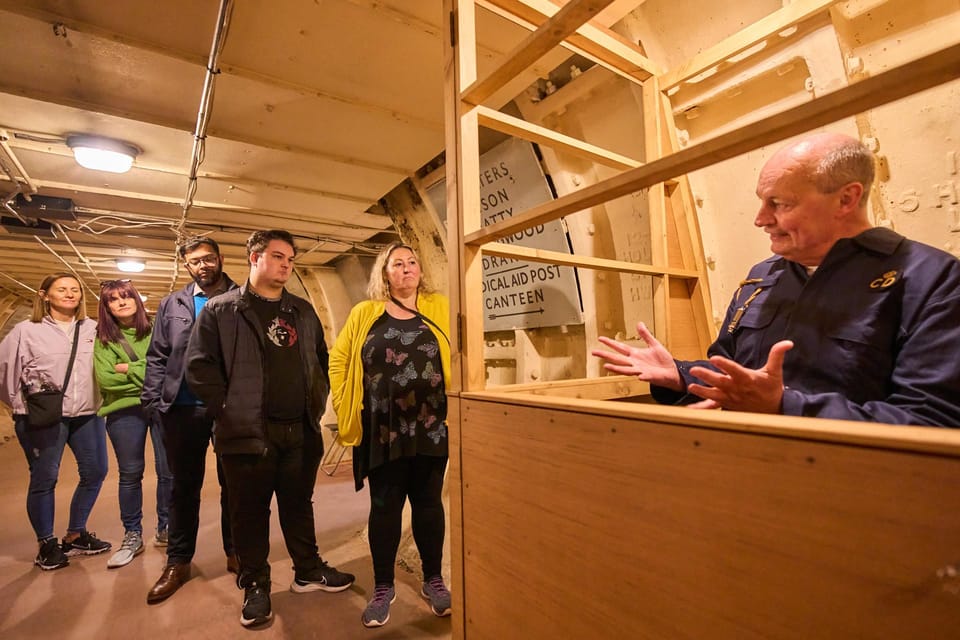
- Two guides and a scripted wartime angle: one guide plays an ARP Warden to set the scene.
- WWII artifacts you can see up close: torches, and the kind of shelter equipment used at the time.
- Graffiti with a voice: historical marks left by shelter occupants are part of the story.
- War to Windrush: you’ll hear how the same underground site was reused after 1945.
30 Metres Down: What the Clapham South Descent Feels Like
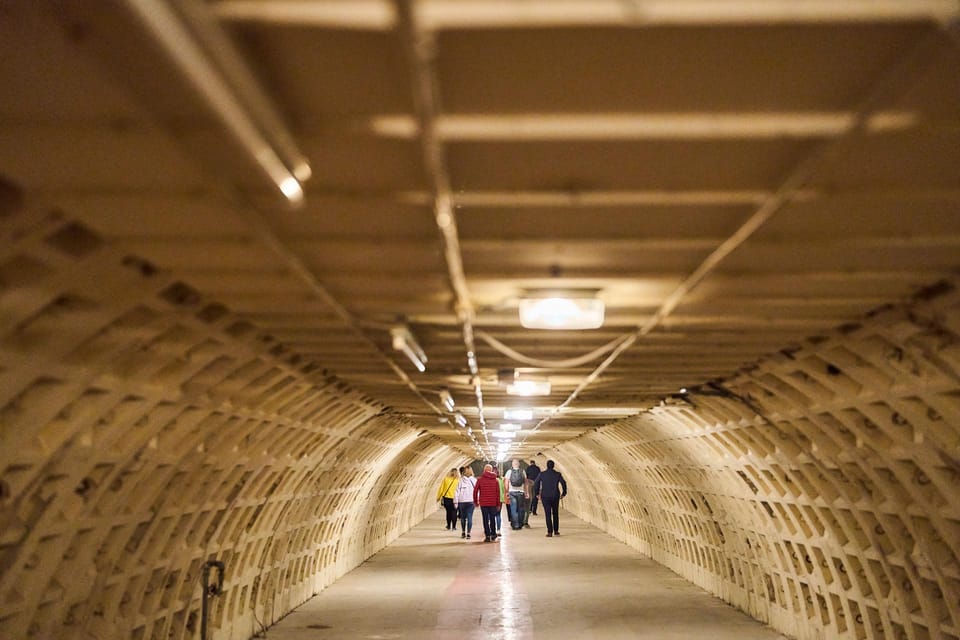
The first shock is how quickly the world changes. At Clapham South, you’re going 30 metres underground and it’s paced like a guided walk, not a long lecture. Before you even hit the tunnels, you’ll get the sense that this was built as emergency infrastructure—serious, secret, and designed for crowds.
As you go down, you’ll also hear life above you. The tour notes the experience of trains passing on the Northern line overhead, and that detail matters. It’s one thing to read about air raids as history. It’s another to stand underground while modern London keeps running above your head, reminding you how close the past sits to the present.
The overall setting also does something useful for your brain: it forces you to think in terms of space. This shelter is described as an underground maze with tunnels over a mile long, and that scale helps you understand why deep-level shelters were so important. If you’re imagining a single room or a simple refuge, the layout will correct that. You’ll walk through corridors and turns that feel built for moving people quickly during an emergency.
That’s why I think the descent is the best first payoff. You arrive above ground expecting a “cool underground story.” You leave with a better sense of what it took to keep thousands safe in cramped conditions, night after night.
You can also read our reviews of more guided tours in London



Your Guides and the ARP Warden Role-Play Setup
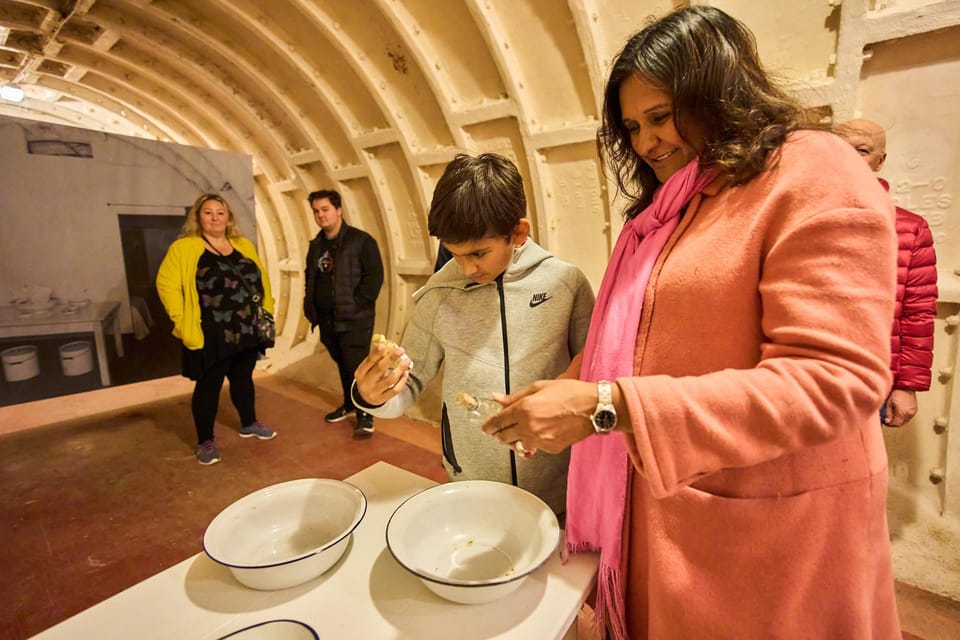
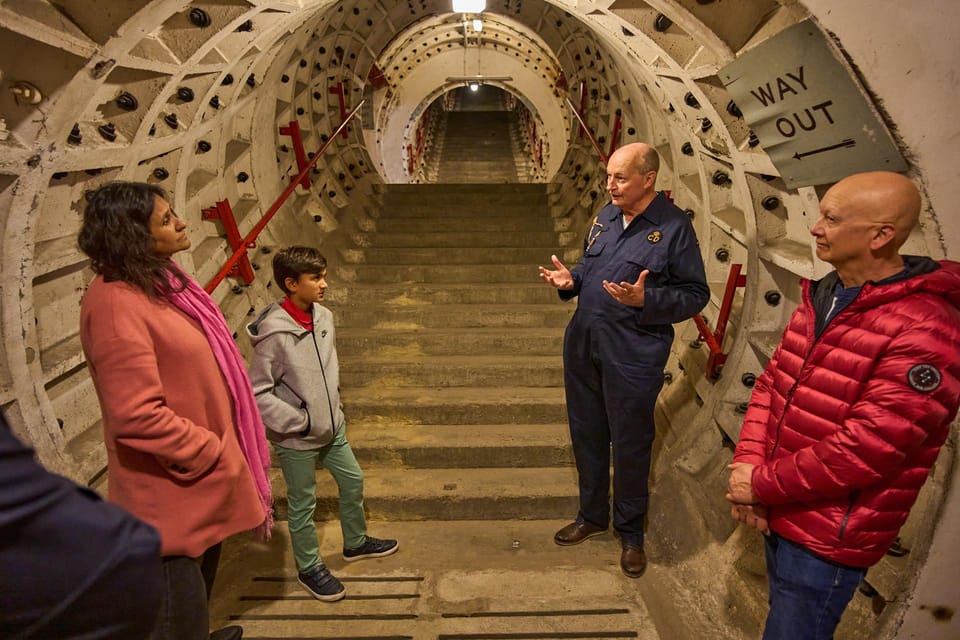
This tour succeeds because it’s not just facts on a board. You get live English guidance with two expert guides, and one of them takes on a role as an ARP Warden. That role-play isn’t random acting. It’s used like a storytelling tool, aimed at helping you picture what the shelter was like as it filled up.
I like the way the guide approach blends personal scenarios with history. You’re not only told that wardens managed emergencies. You’re guided through what that management looked like in real time—how people might have moved, waited, and tried to make do when the air raid alarm sent everyone below.
This is where the tour feels especially well organized. The guides are clearly comfortable with the site and with the pace. One review highlighted the strong organization and passion, and you can feel that in how smoothly you transition from one part of the shelter to the next. The “realism” people talk about isn’t just a mood—it shows up in the way the narrative is staged around the physical rooms you’re seeing.
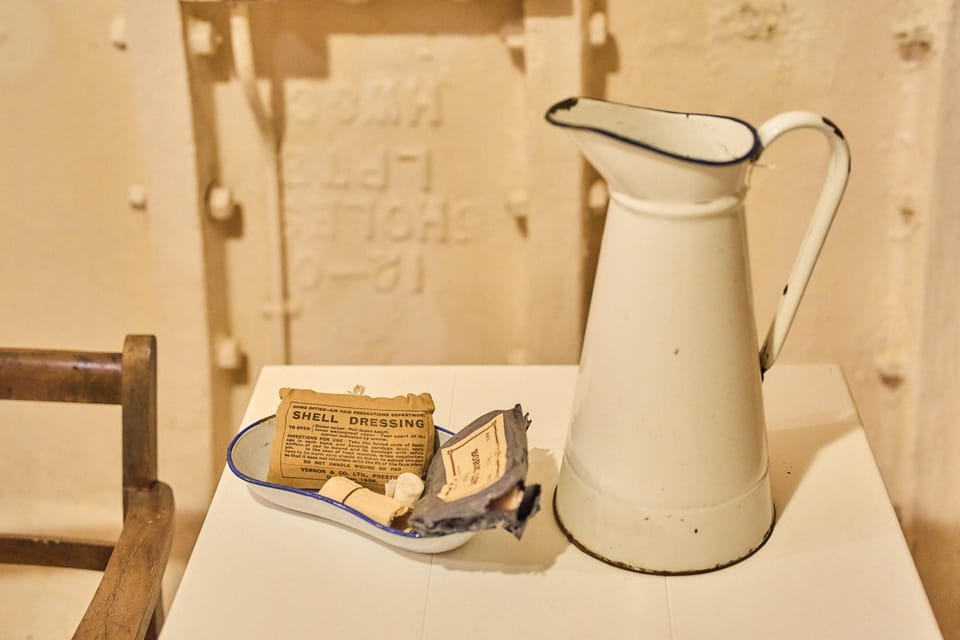
Also, the tour doesn’t treat wartime only as hardship. It includes the practical side: canteen services, medical stations, and the routines of sleeping and waiting. Even if you’re not a WWII buff, you’ll find yourself thinking about logistics—who did what, and how a shelter becomes a temporary town.
Inside the Mile of Tunnels and the Key Rooms
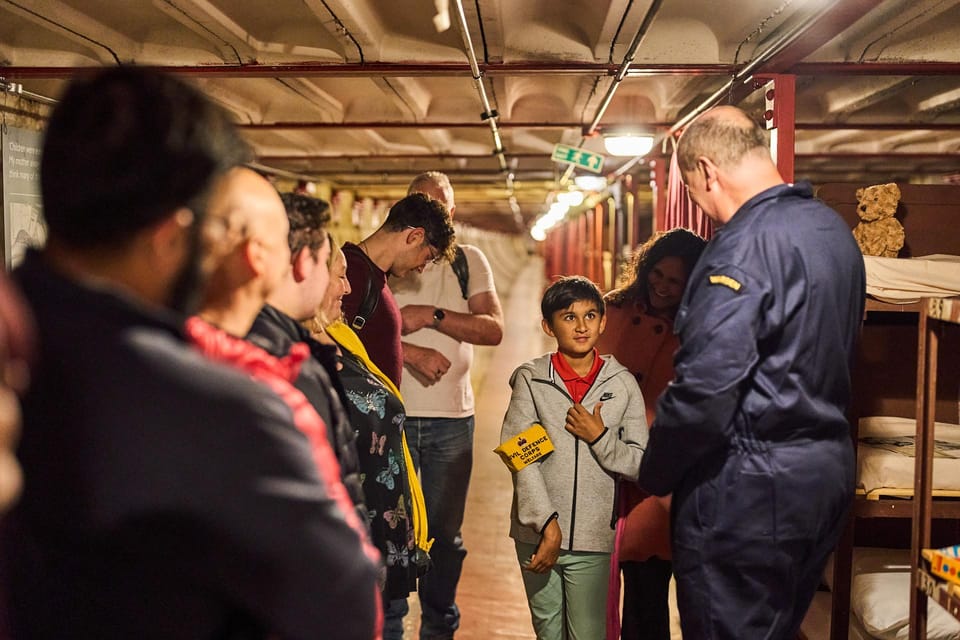
Once you’re in the tunnels, the tour becomes more than a walk. It’s a guided circuit through spaces designed for people, not museum display alone. You’re exploring a disused deep-level air raid shelter built to protect more than 8,000 people, and you can see how the site supported that scale with multiple functions.
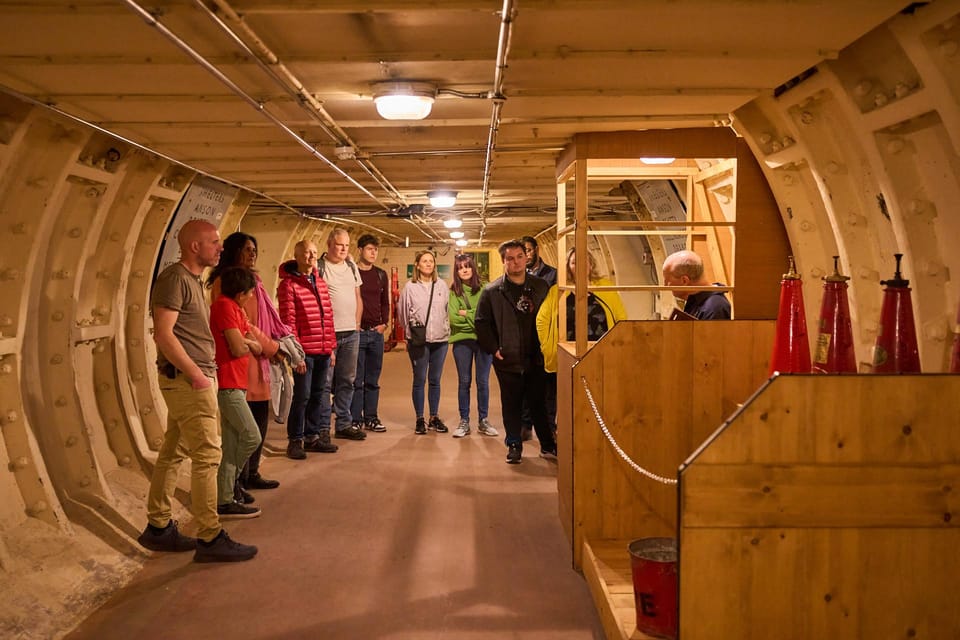
The route includes newly refurbished areas that are presented with a wartime lens, including spaces like a warden’s cabin and a canteen. The tour description says these recreated areas were carefully matched to a 1940s feel using archive findings, and you’ll notice the attention to period details when you’re standing in them. It’s the difference between seeing furniture and seeing how furniture served a purpose.
Another standout: the shelter is described as hidden beneath South London, and you’ll be in the parts of that story that are normally out of reach. That’s the thrill for me—London’s famous surface is one thing, but this site is a reminder that the city also built safety underground, with rooms meant to function under pressure.
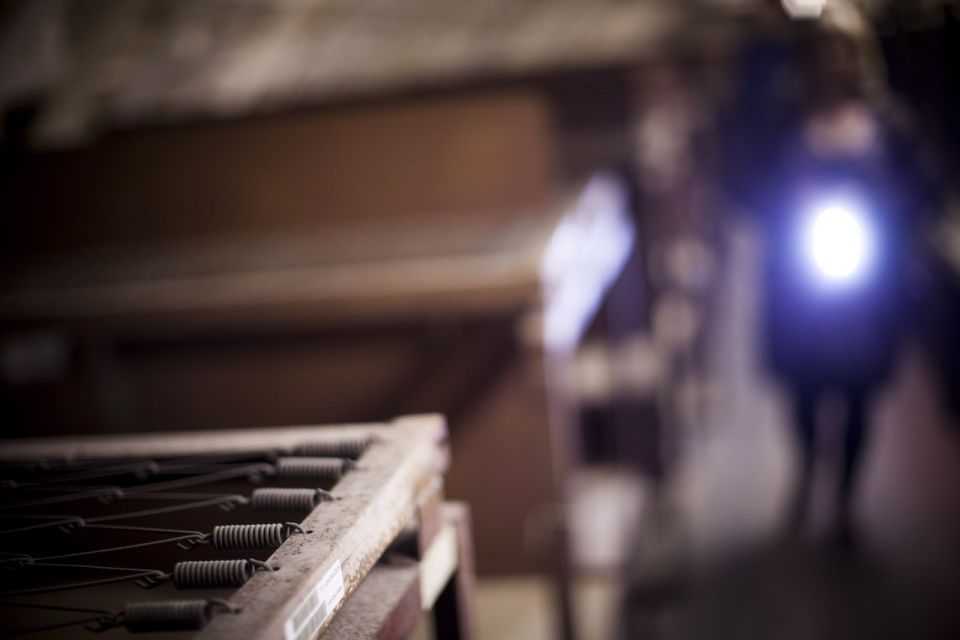
There are also hands-on moments. The tour includes handling genuine WWII torches and sitting on the original bunk beds that have been repurposed into benches. Those aren’t just “photo opportunities.” They help your body understand the space: the scale of the sleeping areas, the closeness of structures, and the sense that people spent long hours packed together.
And yes, lighting and the layout matter. The tour notes low lighting and areas with uneven ground, so it helps to accept that this is an active underground site, not a gentle stroll.
Original Bunks, Historic Graffiti, and WWII Details You Can Touch
One of the most memorable parts is seeing how the shelter used to hold people. You’ll encounter the original cramped bunks, the kind of sleeping arrangement that meant thousands spent overnight hours in tight quarters during air raids. Even if you’ve read accounts before, seeing the physical constraints in front of you changes the story.
What makes it more powerful is how the tour frames those bunks in daily life. You’re not just told that sleeping quarters existed. You learn how families would spend evenings and nights there—waiting, resting, and trying to keep normal routines going in abnormal conditions.
Then there’s the graffiti. The tour specifically highlights historical graffiti left by shelter occupants, and this is one of those details that can feel small until you realize what it means. It’s evidence of individual presence. People didn’t just disappear into a shelter system; they marked the walls, left messages, and made the underground feel slightly less anonymous.
And if you’re the type who likes physical artifacts, this tour delivers. You’ll see and handle items such as genuine WWII torches, and you’ll also encounter what an Anderson shelter looked like. Those comparisons help put the deep-level shelter in context: the public often imagines only household shelters, but London prepared at multiple levels.
Finally, the walking and stopping rhythm matters. The tour uses the physical objects and spaces as anchors for the story. So when you hear a testimonial, it’s attached to a place you’ve already stood in, not just a fact delivered while you pass through.
War to Windrush: Why the Post-War Stories Hit Hard
This is not only a WWII story. It’s also a London story about what happened when the guns stopped.
The tour explains that the site opened in 1944 and was built to shelter thousands during air raids. But it also highlights what happened afterward. The shelter was repurposed in the post-war years, including housing the first Caribbean migrants to Britain who arrived on the HMT Empire Windrush.
That connection matters because it shows continuity in space. A place designed for emergency survival during bombardment later became part of people’s arrival and settlement in a new chapter of British life. It turns the site into something bigger than a single era. You’re left with a clearer sense of how Britain’s modern story was built on layers, including difficult ones.
You’ll hear first-hand testimonials tied to both wartime and post-war life, including stories connected to Windrush arrivals and visitors of the Festival of Britain. That pairing is effective. It gives you a timeline feel: shelter as protection in wartime, shelter as part of the rebuilding phase after.
If you like history with emotional weight, this tour doesn’t just list names and dates. It connects testimony to the physical site, so the Underground isn’t abstract. It becomes a setting where real people had to adapt, sleep, wait, work, and find ways to move forward.





What the 75 Minutes Really Feel Like (Pace, Stops, and Sound)
The tour runs about 75 minutes, and it’s structured like a guided walk that keeps you moving while still allowing time for stops and interactions. That length is a sweet spot. Long enough to see meaningful parts of the shelter and hear multiple stories. Short enough that you’re not exhausted before the last room.
The pace is important because of what you’re doing underground: walking in low light, moving over uneven ground, and navigating static escalators (the tour notes it includes walking up and down them). So even though it’s not a marathon, you’ll still feel like you’re “working” a bit.
You’ll also notice sound playing a role. The tour emphasizes the sensation of Northern line trains passing above your head, which gives you a layered experience: modern city noise mixed with old shelter spaces. It’s a reminder that this was built under active infrastructure, not isolated in the countryside.
Stops tend to be anchored by the guide’s story moments: a room or object appears, then a short sequence of explanation and context follows. When you’re listening, it helps to keep your senses open. The details you’re asked to observe—like graffiti marks or how bunks are arranged—are small, but they pay off because they’re part of how the guide builds meaning.
If you tend to get restless on tours, the interactive segments and handling of items help keep attention steady. And if you like photos, you’ll have opportunities—but the real value is the context your guide provides as you look.
Practical Tips: Shoes, Bags, and Staying Safe Underground
A few practical notes can make the difference between a smooth visit and a stressed one.
First: wear comfortable shoes with good grip. The tour involves uneven ground and low lighting, and you’ll be walking through a space that can feel narrow and dim. Open-toed shoes aren’t allowed, so plan for proper coverage.
Second: keep your packing simple. The tour rules say no food and drinks, and no luggage or large bags. There’s also no cloakroom. If you’re carrying shopping bags or a bulky backpack, you’ll want a different plan for that before you head to the meeting point.
Third: plan for weather. You’ll still start at the surface, and you’ll want weather-appropriate clothing for the walk to the meeting area. Indoors underground, you may not control temperatures the way you expect, so light layers can help.
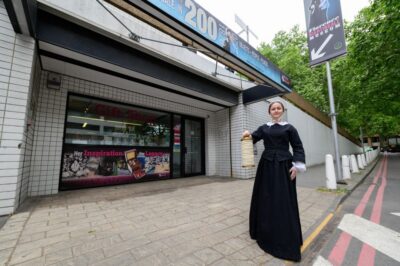
Meeting point is straightforward: meet in front of the Marks & Spencer Food Hall on Balham High Road (SW12 9EA), and it’s about a 2-minute walk from Clapham South station. When you exit the station, you’ll turn right. Aim to arrive about 15 minutes early so you’re not rushed.
Finally, think carefully about fit. This is not step-free, it’s not suitable for mobility impairments, and it’s not suitable for claustrophobia. If any of that applies, skip this one and choose a different London tour format that matches your comfort level.
Should You Book the Clapham South Subterranean Shelter Tour?
I’d book this if you want London history with real physical presence. The combination of a moved-in-the-body underground route, hands-on WWII objects, period bunks, and the Windrush post-war connection makes it more than a typical “cool place to see” tour. It’s a story that sticks because it’s tied to actual space.
It’s also a great value for the time: 75 minutes for a guided experience that includes expert-led storytelling, multiple stops, and opportunities to see and handle authentic artifacts. At $51 per person, you’re paying for access to a site most people never get to enter at all, plus the guide work that turns a tunnel network into a coherent narrative.
Skip it if you’re very uncomfortable in tight, low-lit areas. Otherwise, bring sturdy shoes, keep bags minimal, and be ready for a serious walk underground that leaves you thinking about how London protected people—and how it welcomed new arrivals—long after the war ended.
FAQ
How long is the Clapham South: Subterranean Shelter Guided Tour?
The tour lasts 75 minutes.
How deep underground is the tour?
You’ll go 30 metres underground and descend 11 stories.
Where do I meet for the tour?
Meet in front of the Marks & Spencer Food Hall on Balham High Road, SW12 9EA (about a 2-minute walk from Clapham South station).
Is the tour suitable for children?
It is not suitable for children under 10 years.
Is it suitable for claustrophobia?
No. The tour is not suitable for guests with claustrophobia.
What should I bring or wear?
Wear comfortable, sturdy shoes and weather-appropriate clothing. Bring passport or ID. Open-toed shoes are not allowed, and you can’t bring food, drinks, or large luggage/bags.