REVIEW · ART GALLERIES & MUSEUMS
London: Natural History Museum Private Guided Family Tour
Book on GetYourGuide →Operated by UTG EXPERIENCE · Bookable on GetYourGuide
Dinosaurs, but with a calmer pace. This private family tour turns London’s Natural History Museum into a story you can follow, not a place you race through.
I like that you get an expert guide who keeps the visit interactive for kids. I also love that the museum’s dinosaur galleries include hands-on-style moments for children, so the fun isn’t only staring at bones behind glass.
One thing to consider: some feedback suggests the guide may stick closely to exhibit text for certain groups. If your family wants lots of extra “explainer” detail, you’ll want to arrive with a couple of specific questions ready to go.
In This Review
- Key Highlights You’ll Actually Feel
- Meeting Outside the Natural History Museum: Where the Tour Starts
- What Makes This a Family-Friendly Private Tour (And Not Just a Guided Walk)
- Entering the Natural History Museum: Stunning Halls, Real Control of Your Route
- Dinosaur Galleries: The Main Event for Kids and Adults
- Birds and Other Natural World Stops: Keeps It From Becoming One Note
- Behind-the-Scenes Research: How the Museum Makes New Discoveries
- When to Expect Breaks and a Rest-Friendly Pace
- Price and Value: $395.23 for Up to 5 People
- Who This Tour Fits Best
- A Quick Reality Check on Guide Quality
- Should You Book the London Natural History Museum Private Family Tour?
- FAQ
- FAQ
- Where does the tour meet?
- What time should we arrive?
- How long is the tour?
- How much does the tour cost?
- Is museum entry included?
- What’s included in the price?
- What’s not included?
- Is the tour private?
- What language is the guide speaking?
- Is the pace child-friendly?
- Where does the tour end?
Key Highlights You’ll Actually Feel
- Private group up to 5 means less waiting and more kid-controlled pacing.
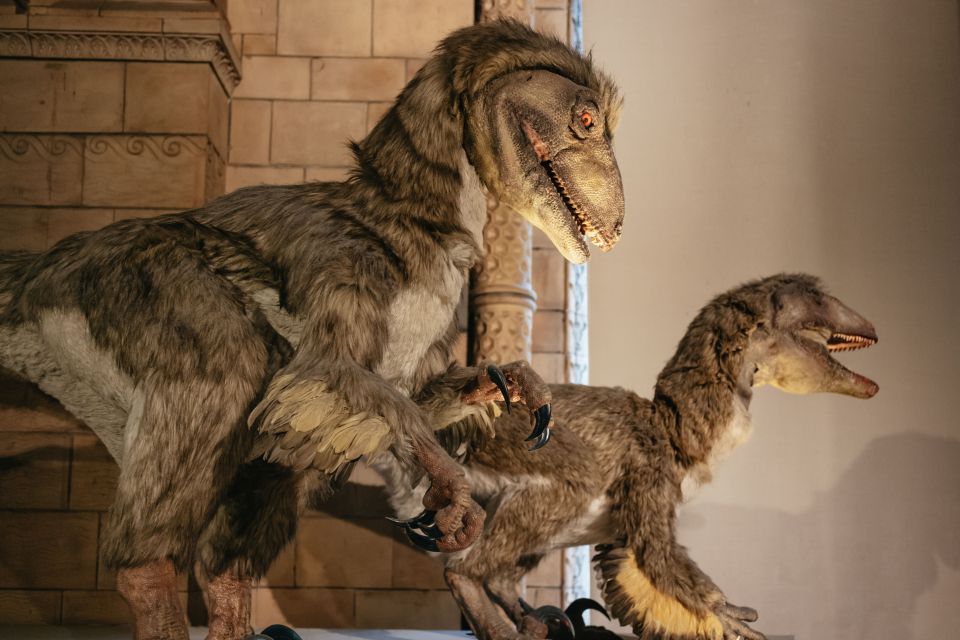
- Dinosaur collection focus with plenty of time to look, not just pose for photos.
- Hands-on kid activities in the dinosaur galleries help younger visitors stay engaged.
- Museums research talk includes what goes on behind the scenes, not only what’s on the walls.
- Interactive Q&A keeps the tour moving with your interests, not a one-size script.
- Leisurely timing gives you room to sit down, and use the restroom without stress.
Meeting Outside the Natural History Museum: Where the Tour Starts
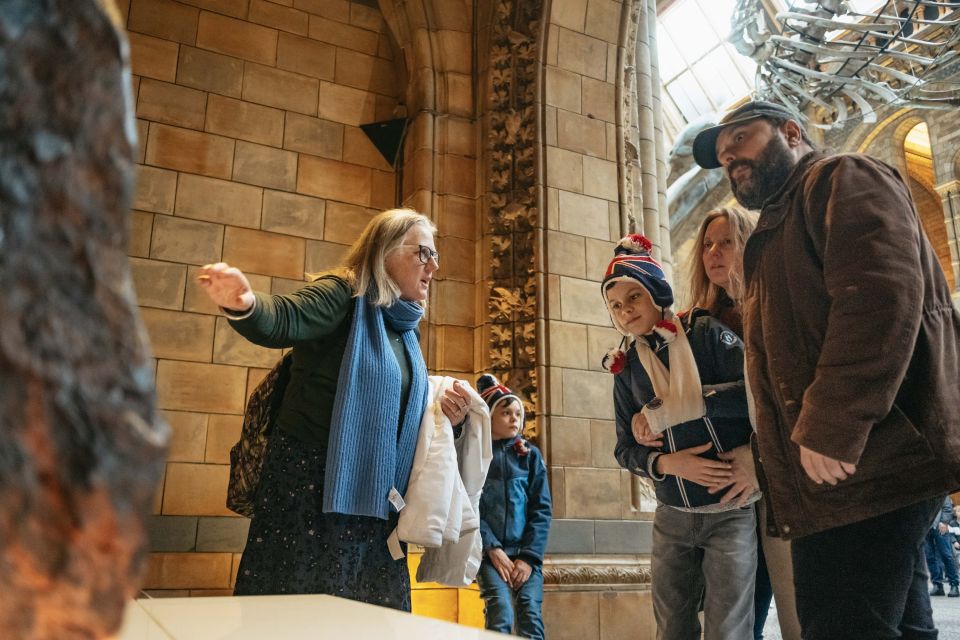
The tour begins outside the Natural History Museum on Cromwell Road in Kensington (SW7 5BD). You’ll want to get there about 15 minutes early. The guide will be holding a flag with the local tour operator’s name, so you can spot them quickly.
This is one of those small details that really matters with families. With kids, the hard part is usually not the museum itself, it’s the “finding the person” moment. Starting at a clear meeting point and having a visible flag reduces that chaos and gets you into the building sooner.
Also, this tour ends back at the same meeting point. That keeps your plans simple, especially if you’re lining up an afternoon elsewhere in London.
You can also read our reviews of more guided tours in London

What Makes This a Family-Friendly Private Tour (And Not Just a Guided Walk)
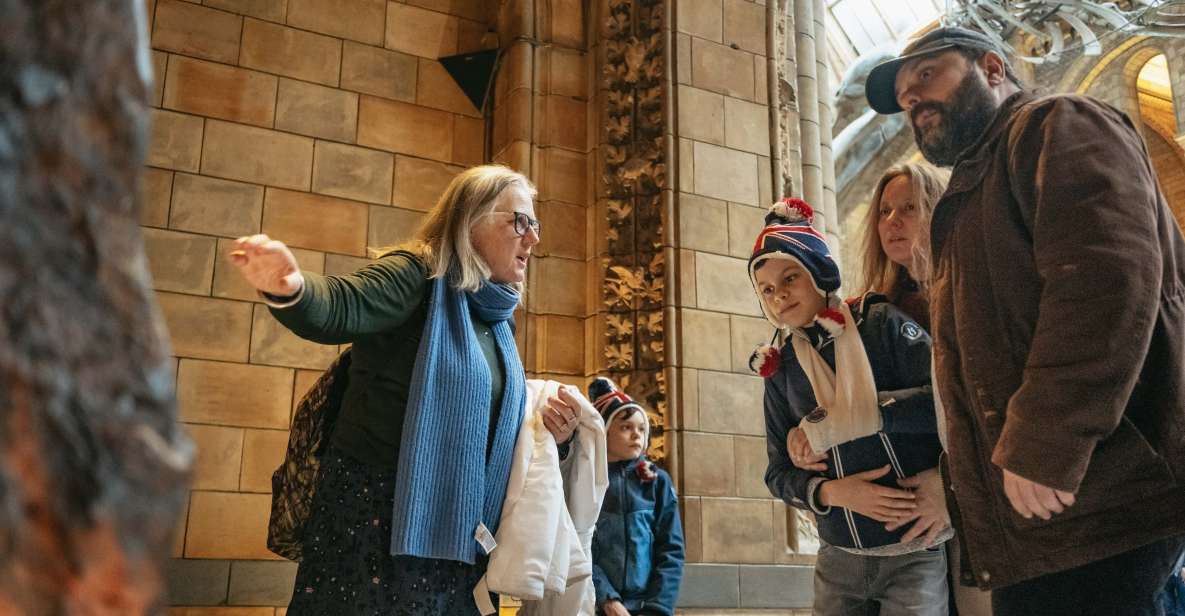
This is a private group experience for up to five people, led by a live guide in English. It’s designed for a slower tempo, with frequent chances to sit down and use the restroom. That may sound basic, but it’s a big deal at the Natural History Museum, where families can get worn out fast.
The guide’s job here is to keep kids interested while still giving adults real value. You can expect the conversation to bend toward what your group likes—dinosaurs, birds, and deep ocean creatures are specifically mentioned as areas that can catch kids’ attention.
And you get the advantage of asking questions. Instead of being stuck with whatever information you can read in the gallery, you can ask what the guide thinks about a particular specimen, or what to notice next. That turns the visit from passive to active.
Entering the Natural History Museum: Stunning Halls, Real Control of Your Route
Once you’re inside, the tour is paced to your group. You’ll have a chance to explore at your own speed without crowds pressing in behind you. That matters, because the Natural History Museum can feel like a “thousands of people” place during peak hours.
In a private format, you’re not stuck in a single hallway loop. The guide can steer you toward what makes sense for your family’s energy that day, and you can spend extra minutes at an exhibit that really clicks.
A good practical tip: before you go in, decide what your family’s top interest is. Even a simple choice like dinosaurs first or animals of the sea first helps the guide shape the route. You’ll feel like you’re getting something tailored, not generic.
Dinosaur Galleries: The Main Event for Kids and Adults
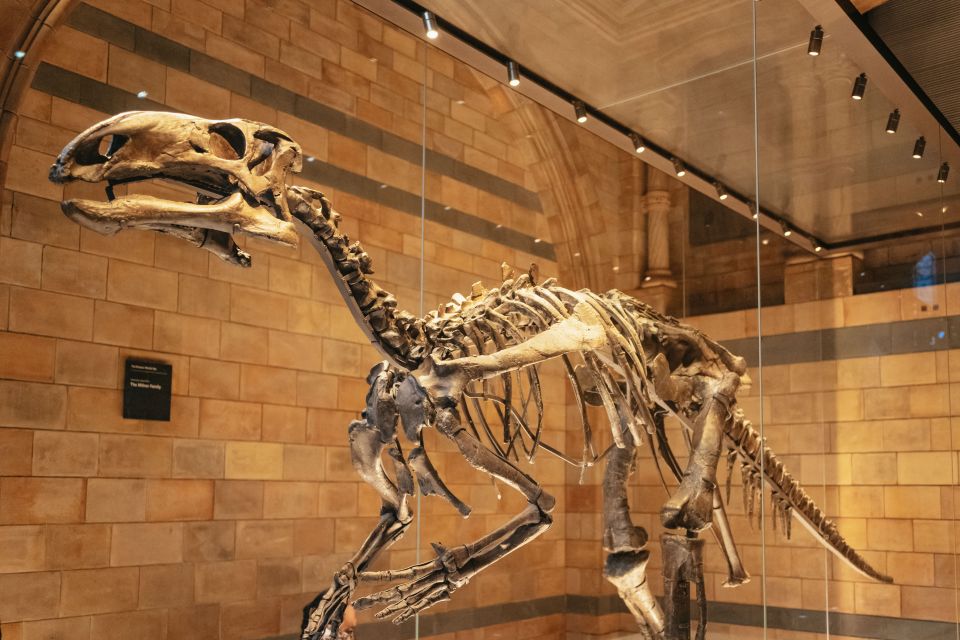
The big draw is the museum’s dinosaur collections. This tour is built to give you real time with the dinosaur skeletons, not just a quick photo stop.
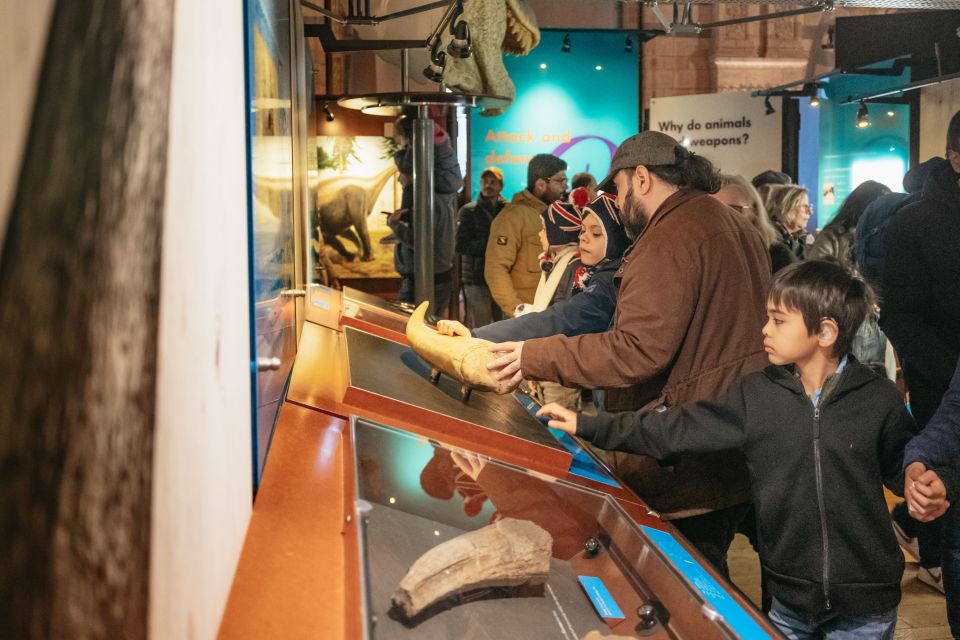
You should expect interactive, kid-focused attention in these galleries. Hands-on activities are specifically part of the dinosaur-gallery experience. That’s a meaningful upgrade from a typical museum tour, where kids mostly absorb information through text panels they’re not ready to read.
Here’s why I think this is great value for families: dinosaurs are visual, but kids often lose focus when it’s only visual. When there are activity moments, it creates a rhythm—look, act, learn, look again. That rhythm tends to keep energy up for the whole visit.
If your child already has strong interests, bring a couple of dinosaur questions in your back pocket. You’ll get more out of the guide the moment you ask: what’s special about this skeleton? How do scientists know how the animals moved? What would be different about living dinosaurs versus fossil remains?
Birds and Other Natural World Stops: Keeps It From Becoming One Note

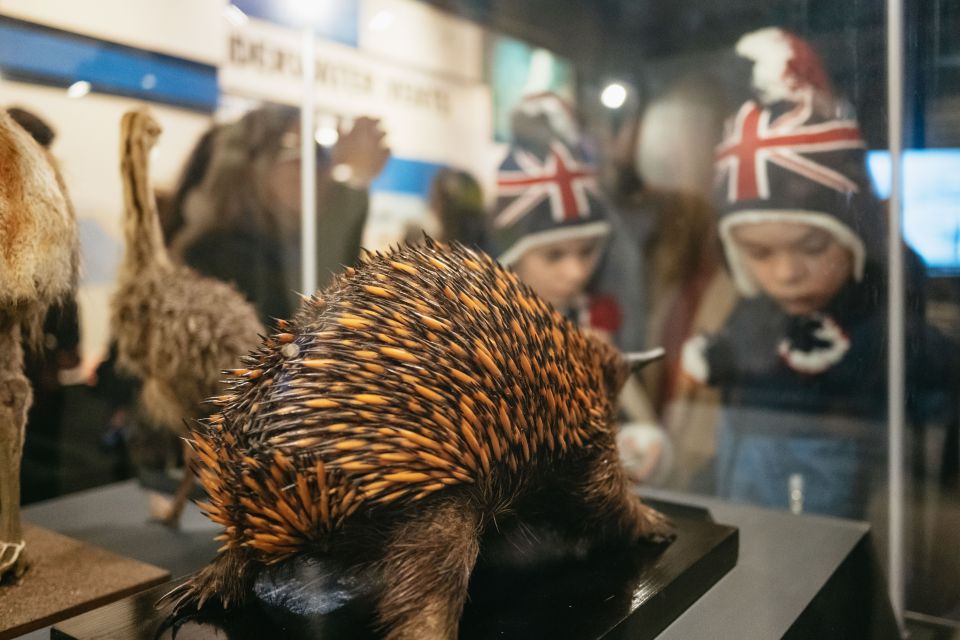
A common issue on themed museum tours is that they become one-track. This one doesn’t. Alongside dinosaurs, you’ll encounter other areas that can be fascinating for kids, including exotic birds and deep ocean creatures.
Even if your child’s heart is set on dinosaurs, these extra stops help prevent the visit from feeling repetitive. They also help kids build a bigger picture: life on Earth didn’t all come in one form, and the museum connects those ideas through collections.
For adults, these sections are where the museum’s “natural history” story starts to feel coherent. Instead of thinking only of bones and skulls, you can connect them to biodiversity—flora and fauna, changing ecosystems, and how nature varies across the planet.
For kids, it’s a chance to be excited by something new without needing to “switch topics” too abruptly. Birds and sea creatures tend to grab attention fast, and the guide can steer the explanations to match that excitement.
You can also read our reviews of more private tours in London


Behind-the-Scenes Research: How the Museum Makes New Discoveries
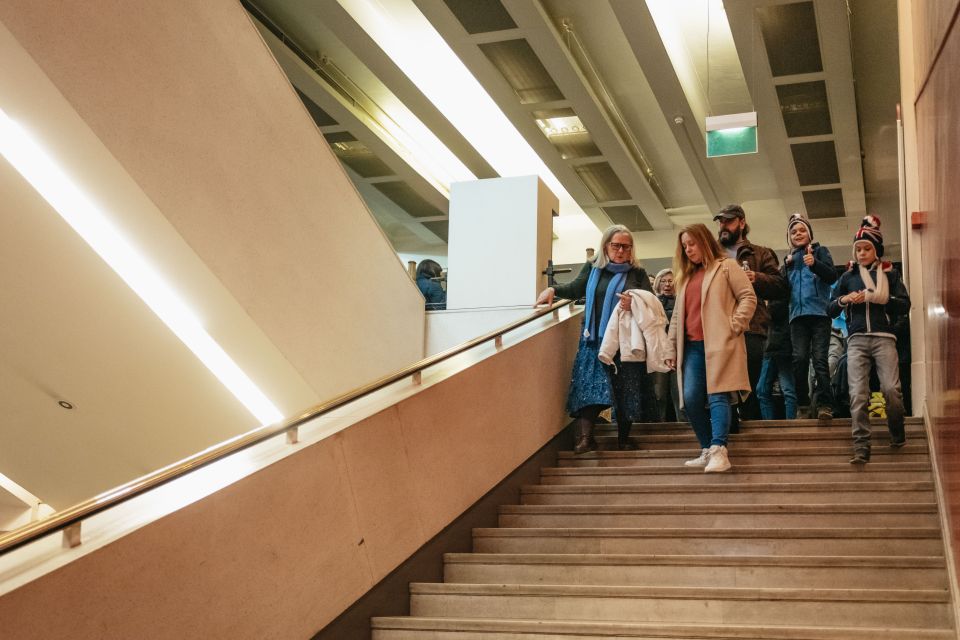
One of the most useful parts of this tour is the look at research behind the scenes. You’ll learn about the museum’s collection and the kinds of work that take place when scientists study specimens and compare findings.
This is where the tour can feel more than a hallway tour. The museum isn’t only static displays; it’s a working research institution. Even without going “off-limits,” a good guide can explain what’s happening in the real world of natural history, and why a museum collection still matters.
For your family, that helps answer a quiet question kids often have: why does this museum exist, and why do adults care so much? When you connect the displays to real investigation, kids get it. Adults do too.
When to Expect Breaks and a Rest-Friendly Pace
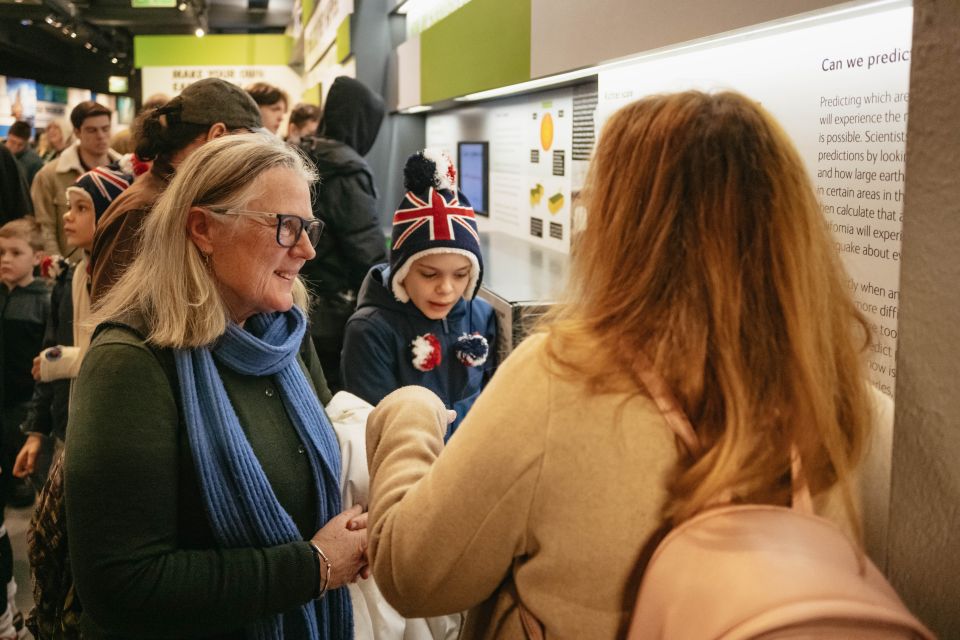
The tour is described as leisurely, with plenty of opportunities to sit down and use the restroom if needed. That’s not a small detail at all. At museums, fatigue can hit faster than you think, especially when kids are bouncing between big exhibits.
Because this is a private group tour, the guide can usually manage the pace around your needs. If your child needs a reset, you’re not stuck waiting until the tour ends. You’re also not forced to keep marching through crowds.
If you’re traveling with young kids or anyone who gets restless easily, this pacing is a major reason to choose a private guide over a self-guided rush.
Price and Value: $395.23 for Up to 5 People
The price is listed as $395.23 per group for up to five people, for a two-hour tour (starting times vary by availability).
On paper, it’s not cheap if you think in per-person terms. But private family tours are usually the best deal when you spread the cost across multiple people. If you’re a family of four or five, the cost becomes much easier to justify because you’re paying once for the guide experience.
What makes it good value here is what’s included: guided tour, interactive kid engagement, and access to the museum experience without the crush of crowds. Also, museum entry is free, so you’re not paying for admission on top of the guide.
If your family likes structure and storytelling, a guide helps you see more than you’d catch alone in the same time. If your family is highly independent and loves reading everything themselves, you might not need a guide. But for most families with kids, the hands-on moments plus a guide-led explanation are the difference between passing through and truly enjoying the visit.
Who This Tour Fits Best
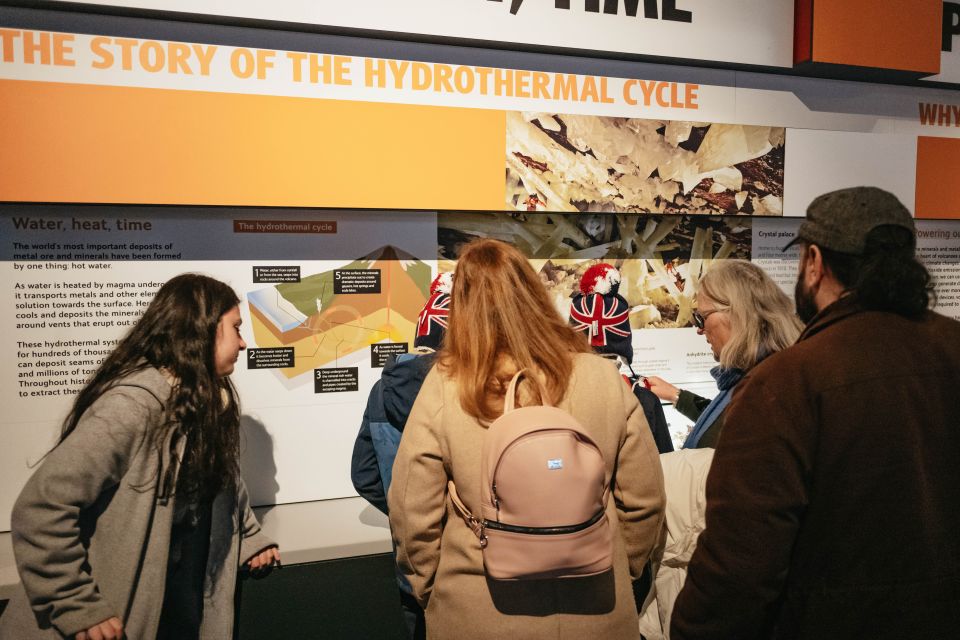
This works especially well if:
- You’re traveling with kids who need active engagement, not just exhibits.
- Your family wants dinosaur time plus a broader look at animals and natural history.
- You prefer a calmer experience away from crowds.
- You’d like a guide to tailor the pace and answer questions in real time.
It’s less ideal if:
- Your group wants only fast, self-directed wandering with zero guidance.
- Everyone in your family is comfortable reading text panels for long stretches and won’t ask questions.
A Quick Reality Check on Guide Quality
Since some feedback includes concerns about guides sticking closely to exhibit text, I’d plan your visit to make it easy for any guide to go beyond that. Arrive with a couple of specific questions, such as what to look for in the dinosaur skeletons or how the museum research affects what gets displayed.
Also, don’t underestimate how much your own energy influences the tour. Private tours work best when you treat the guide like part teacher, part conversation partner.
Should You Book the London Natural History Museum Private Family Tour?
If you want a family-friendly Natural History Museum visit with dinosaur focus, kid activities, and a guide-led story, I think it’s a strong choice. The main reasons are simple: private group pacing, interactive attention in the dinosaur galleries, and the chance to learn about the museum’s research work, not only what’s printed on labels.
Book it if your group includes children, you’d like a calmer experience, and you’ll ask questions. Skip it only if you’re hoping for a fully self-guided “museum at your own speed” day with no guide interaction, or if your family prefers to read every label without help.
FAQ
FAQ
Where does the tour meet?
Meet outside the Natural History Museum, Cromwell Road, Kensington, London SW7 5BD. Look for the guide holding a flag with the local tour operator’s name.
What time should we arrive?
Please arrive 15 minutes before the tour starts. Latecomers will not be accepted.
How long is the tour?
The tour lasts 2 hours. Starting times vary, so check availability for exact times.
How much does the tour cost?
It’s $395.23 per group for up to 5 people.
Is museum entry included?
No. Entry to the museum is free.
What’s included in the price?
The guided tour is included.
What’s not included?
Transportation and food are not included.
Is the tour private?
Yes. It’s a private group tour.
What language is the guide speaking?
The live tour guide speaks English.
Is the pace child-friendly?
Yes. The tour is described as having a leisurely pace with opportunities to sit down and use the restroom if needed.
Where does the tour end?
It ends back at the meeting point outside the museum.