REVIEW · JACK THE RIPPER TOURS
London: Jack the Ripper Interactive Tour in Whitechapel
Book on GetYourGuide →Operated by London City Travels · Bookable on GetYourGuide
Crime scenes, but with a human focus. In Whitechapel, this victim-centric interactive walk uses real locations and a detective pack to turn 1888 London into something you can actually follow step by step.
I love two things most: first, the tour makes you see the case through the lives of the victims, not just the killer. Second, you get to work with an interactive detective pack that helps you think like an investigator instead of just hearing names and dates. On my favorite runs, guides like Jude and Saadiya really lean into that human story and keep the questions flowing.
One consideration: this is a short, 2-hour walk built around violent, sensitive material. If you prefer light sightseeing, you might find the tone heavy, so plan for comfy shoes and a mindset for serious history.
In This Review
- Key moments that make this tour worth your time
- Victim-first sleuthing in Whitechapel
- St Marys Whitechapel Church Memorial to Mitre Square: the walking plan
- Your detective pack: evidence you can actually work with
- Real crime scenes, chronology, and a guide who keeps it sensitive
- Ripperology on the streets: theories without the circus
- The victims’ lives: what you learn beyond the murders
- Price and value: is 22.90 a smart use of your time?
- Who this tour suits best
- Should you book this Jack the Ripper interactive tour?
- FAQ
- Where does the tour start?
- How long is the tour?
- How much does it cost?
- What language is the tour guide?
- What’s included in the tour price?
- Is food or drink included?
- Where does the tour end?
- What are the cancellation rules?
- FAQ
- How do I find the guide at the meeting point?
- Can I book without paying now?
Key moments that make this tour worth your time
- Victim-first storytelling that puts real people at the center of the mystery
- Real crime scenes you visit in an order that helps the timeline click
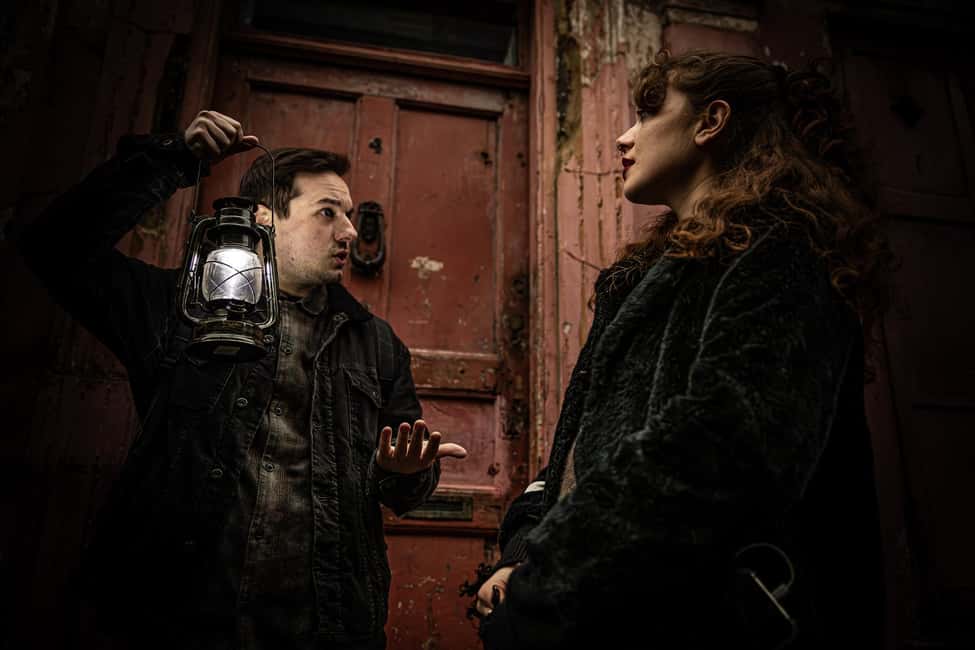
- An interactive detective pack where you analyze evidence on the move
- A Ripperologist guide who connects street-level details to larger theories
- Small-group feel that leaves room to ask questions and keep up during the walk
Victim-first sleuthing in Whitechapel
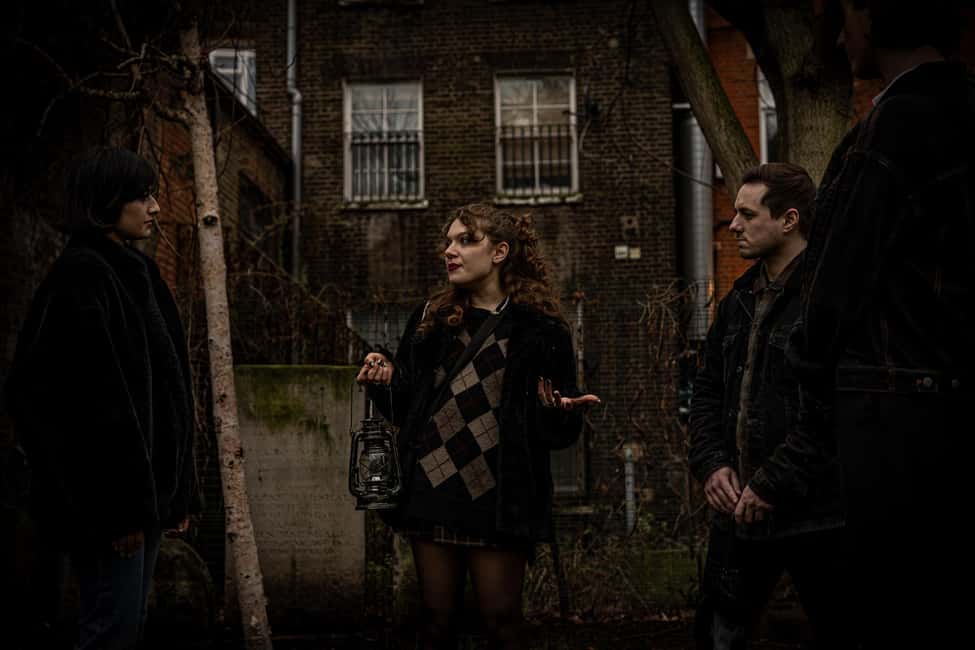
Jack the Ripper tours usually feel like a greatest-hits album of murders. This one goes another way. The core idea is simple: the killer may be the headline, but the victims deserve to be fully seen—who they were in their daily lives, what mattered to their families and neighbors, and what changed after their deaths.
That victim-centric focus changes the whole experience. Instead of treating each stop like a plot point, you’re nudged to think about people living in an unfair, tense Victorian neighborhood. The story stays grounded in what the streets were like and why those conditions helped make these crimes possible.
And since the tour is interactive, it doesn’t rely on you just standing still and listening. You’ll be working with your detective pack as you go, which makes the 1888 setting feel less like a spooky tale and more like a chain of clues you can organize.
You can also read our reviews of more tours and experiences in London.



St Marys Whitechapel Church Memorial to Mitre Square: the walking plan
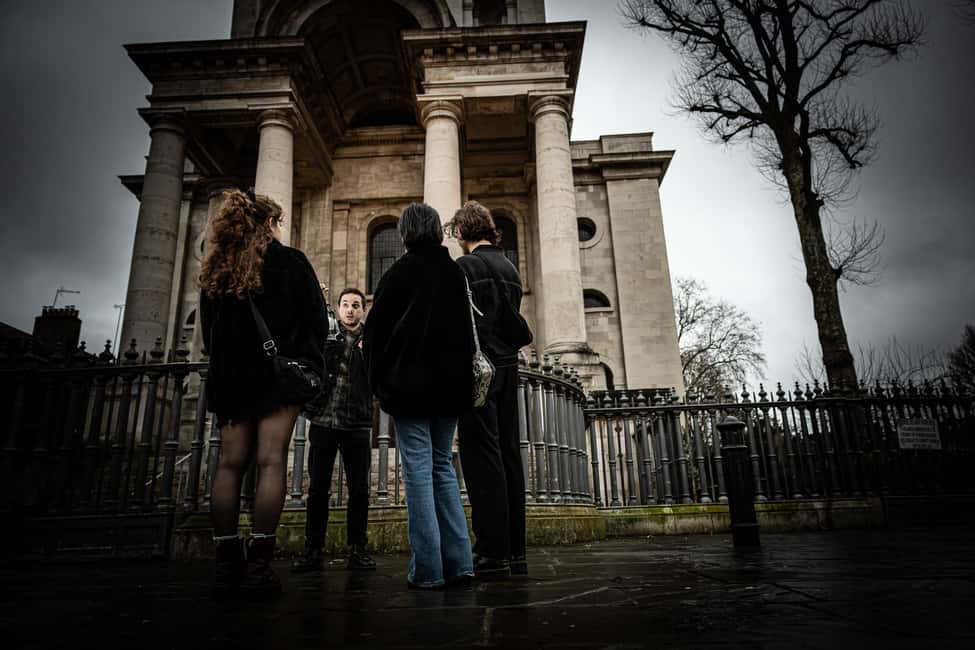
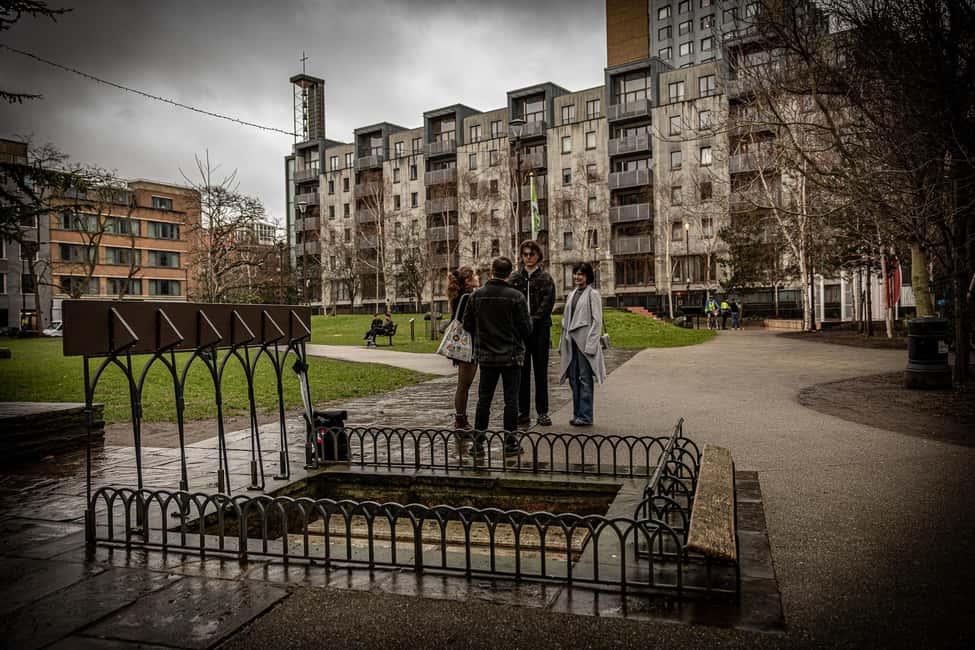
The tour starts at St Marys Whitechapel Church Memorial, inside Altab Ali Park, where your guide waits holding a Carpe Diem Tours flag or sign. Show up about 10 minutes early so you’re ready to move when the group gathers.
It’s billed as a 2-hour walking tour of historic Whitechapel, with the itinerary ending around Mitre Square. The activity info also notes the tour ends back at the meeting point, so in practice you should expect a loop that gets you back near where you started. Either way, you’re doing your London “mystery walking” on foot—no transit sightseeing detours.
This format matters. Whitechapel’s story is in its street layout, local landmarks, and neighborhood context. When you walk it, you get a sense of how routes, sightlines, and distance would have shaped what was possible back then.
Your detective pack: evidence you can actually work with
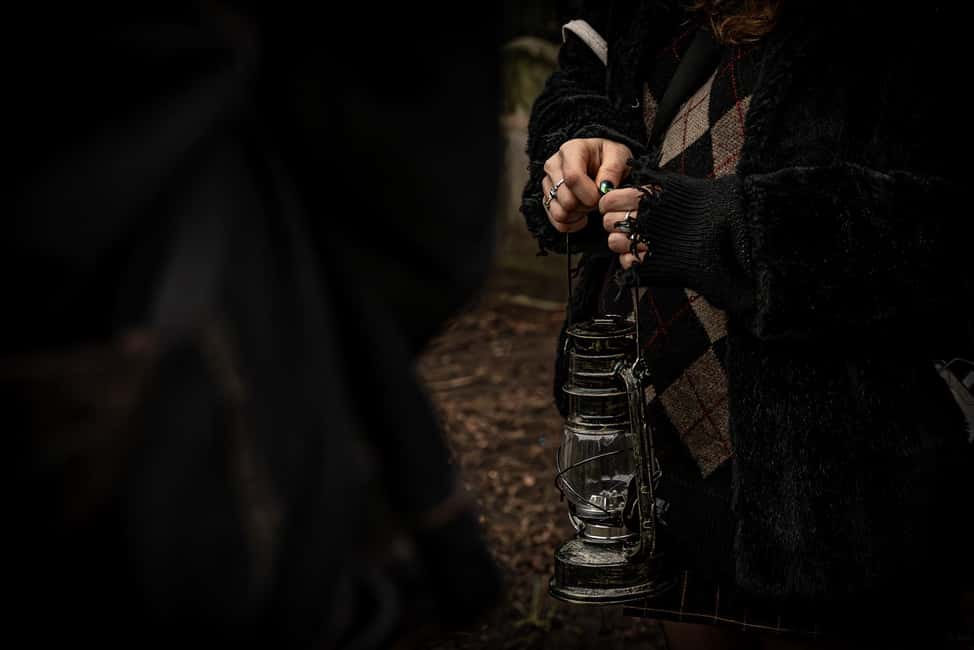
The highlight for many people is the detective-style element: you receive an interactive detective pack and use it during the walk. That’s not just a gimmick. It turns the tour into a gentle workshop where you’re encouraged to analyze evidence and connect it to what you’re seeing at each real location.
Here’s what you’re really gaining: you stop thinking of the Ripper case as one big, unsolved riddle and start thinking of it like a problem with steps—accounts, locations, timing, and the gaps between what we know and what we can only theorize.
As you move from site to site, you’ll have moments to discuss theories with your group, then re-check how those theories fit the environment you’re standing in. Guides often keep this lively without turning it into a shouting match. It’s structured, but not stiff, and the pack gives you something concrete to focus on while walking.
Real crime scenes, chronology, and a guide who keeps it sensitive
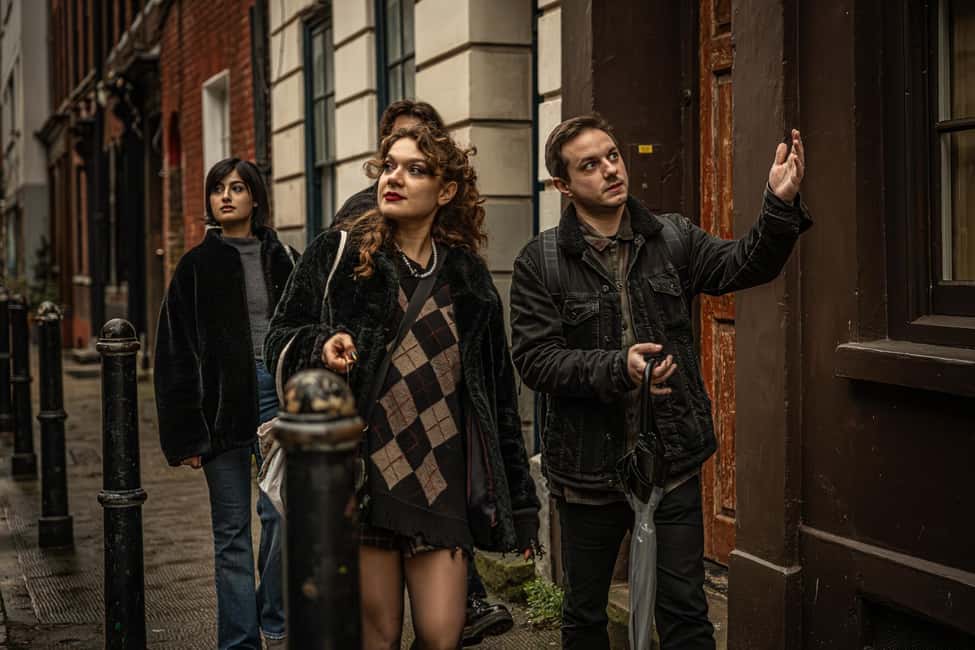
A major part of the experience is visiting real-life crime scenes tied to the Jack the Ripper story. You also retrace the steps and follow the murders in chronological order, which helps you feel the case unfolding rather than bouncing around.
You’re not just looking at plaques or reading facts from a distance. You’re hearing background on the places as they would have been in 1888, and that context makes each stop make more sense. The tour describes the neighborhood as an unforgiving environment—one that created the kind of conditions a predator could exploit.
Just as important, the storytelling is handled with care. The tour is built around the victims as people—wives, mothers, sisters, and friends—rather than treating them like faceless entries in a grim textbook. On guides who really nail this tone, you’ll notice how they keep the focus on human dignity while still describing what happened and why it shook Victorian society.
The result is a balanced scare level: you’ll feel the darkness of the case, but the tour doesn’t sensationalize it. It aims for realism, context, and critical thinking.
Ripperology on the streets: theories without the circus
The mystery of Jack the Ripper is still unsolved, and that uncertainty is part of the draw. This tour gives you space to explore theories about who Jack might have been, without pushing one single answer as the only truth.
What I like about this approach is that it makes the questions feel practical. Instead of treating suspects and theories like trivia, you’re encouraged to tie ideas to what the evidence and locations suggest. Your detective pack supports that mindset, and your guide helps translate the street-level details into case-level thinking.
Guides in this format tend to be strong storytellers and strong Q&A partners. You can feel it when someone like Tyson or Alex answers questions clearly while keeping the pace friendly for the group. Even when you miss a detail, your guide can loop back without making you feel lost.
And if you’re the kind of person who likes to hear the “why” behind the story, you’ll likely appreciate the Ripperologist angle. It’s less about spooky theater and more about connecting history, evidence, and interpretation.






The victims’ lives: what you learn beyond the murders
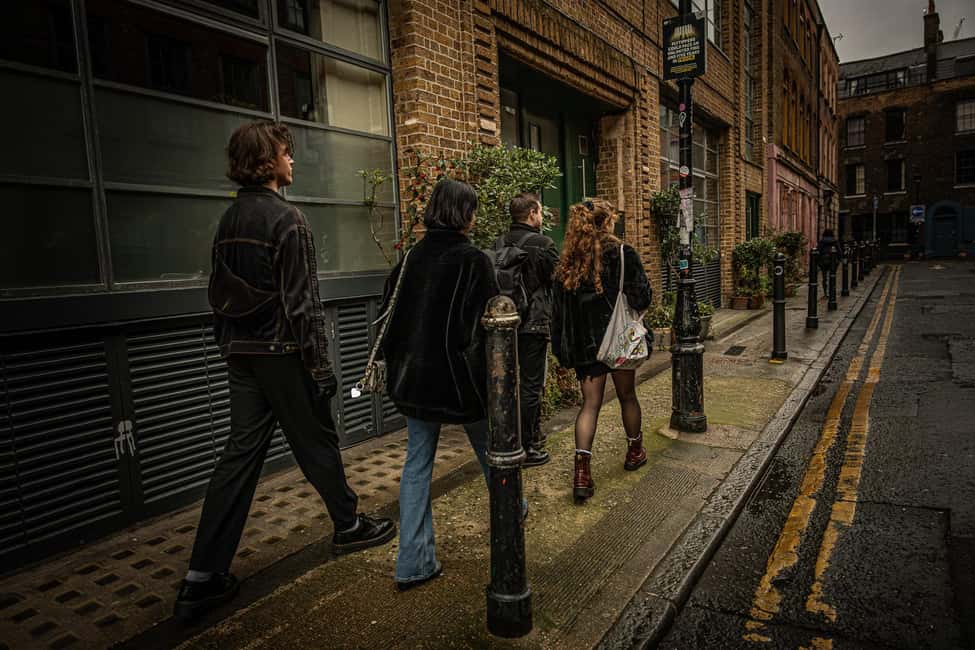
This tour’s big promise is that the victims are not background. They are the point.
As you move through Whitechapel, the guide brings in the lives around the crimes—who people were, how families and communities worked, and how neighborhood inequalities shaped everyday life. You’ll see why the murders were not only violent events, but also signals of how vulnerable certain people could be in society.
Some guides put special care into the language and framing. On the runs led by Saadiya, the storytelling centers the victims so they feel fully human, not just connected to a case file. On other guides, like Caylan, you may get strong context about Victorian society and the gap between those with power and those without it.
That context matters for you as a reader and traveler. Without it, “Jack the Ripper” can become a brand—something you consume and move on from. With it, the tour reminds you that these were individuals with lives and relationships, and their deaths landed in a community that was already under pressure.
Price and value: is 22.90 a smart use of your time?
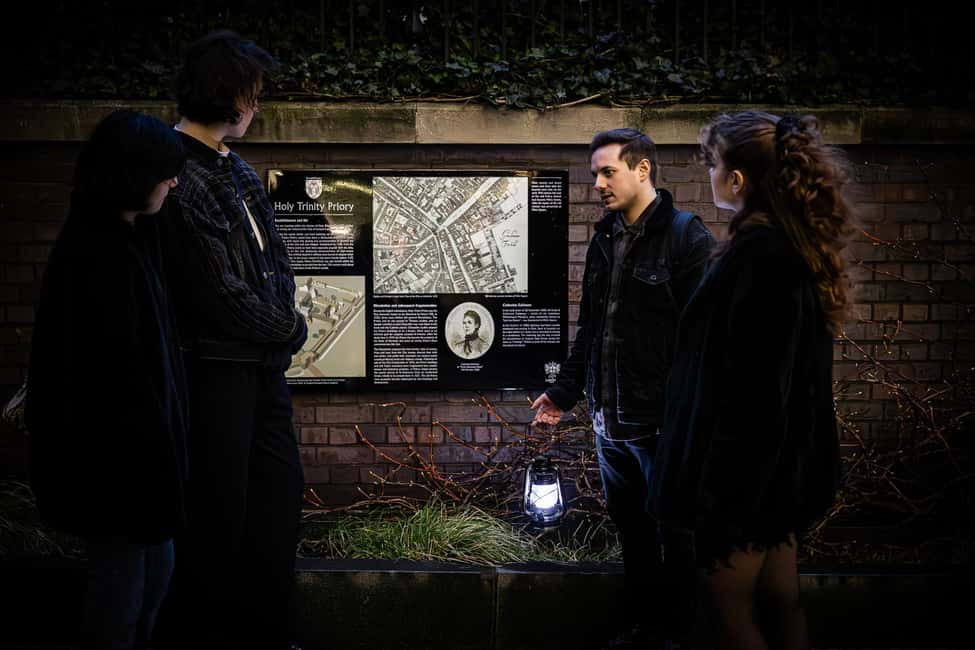
At $22.90 per person for 2 hours, the price sits in the mid-range for London themed walking tours. What makes it feel like good value is the mix of:
- Real crime scene visits (not just discussion from a sidewalk)
- A live guide with specialized focus
- An actual interactive detective pack, which shifts the experience from passive to active
- Victim-centric storytelling that’s more than just the killer’s legend
You’re also getting a tour that works well even if you’re not a deep Ripper expert. The format helps you understand the timeline, hold the clues in your head, and ask questions without feeling judged for being new.
If you have only one evening to spend on this theme, this is a practical choice. It’s short enough to pair with dinner nearby, and it gives you a focused experience rather than a long slog.
Who this tour suits best
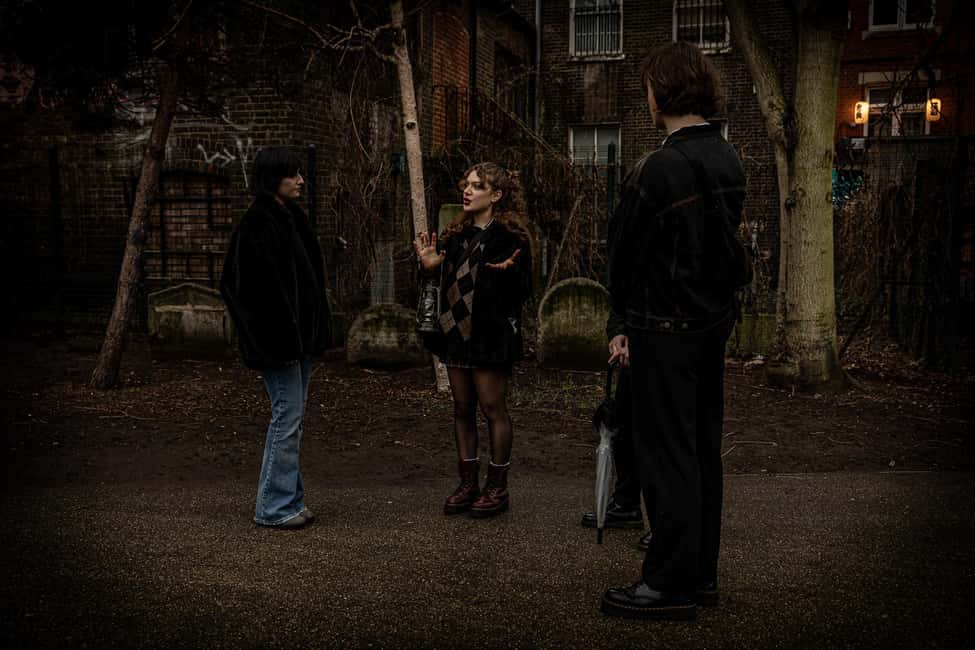
This tour is a strong match if you want:
- A Whitechapel neighborhood experience, not just a murder story
- A tour with questions and discussion, guided by a specialist
- A victim-first narrative that treats people as people
It’s probably less ideal if you want lighter sightseeing, or if graphic subject matter will genuinely bother you. The walking pace is meant for people to keep up and participate, but the theme is serious and the tone reflects that.
If you’re traveling with someone who loves history but not gore, you’re still likely to enjoy it. The emphasis is on understanding, not shock.
Should you book this Jack the Ripper interactive tour?
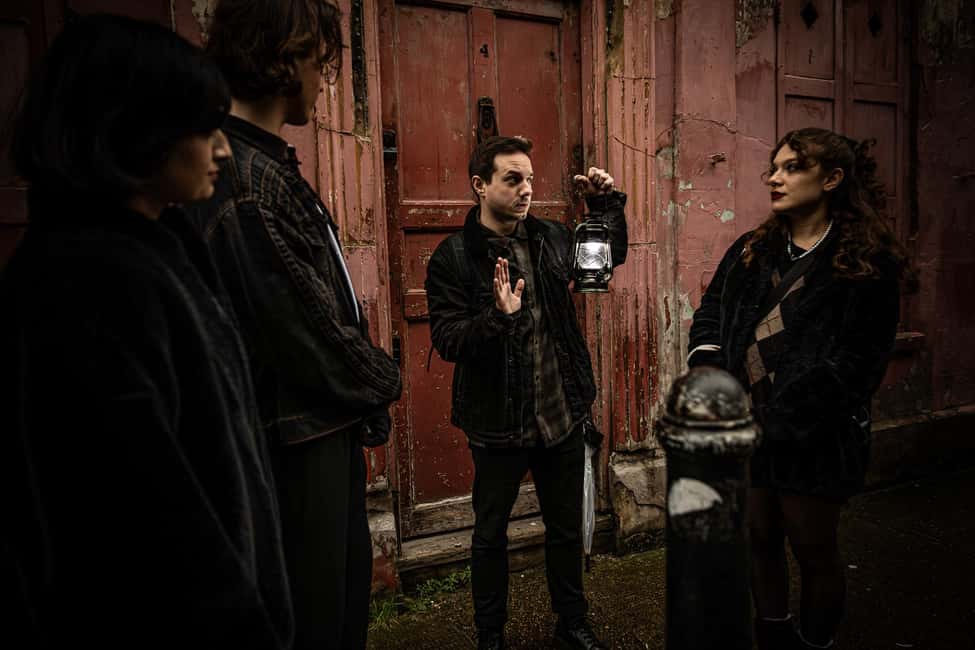
Book it if you like your London stories grounded in place and context. The big wins are the real crime scenes, the interactive detective pack, and the way the tour stays focused on the victims’ lives rather than turning the killer into a cartoon villain.
I’d skip it if your idea of a good time is upbeat, casual sightseeing. This is a dark walk with careful storytelling. If you’re in the mood for thoughtful mystery and street-level history, though, it’s a very solid use of two hours.
FAQ
Where does the tour start?
The tour starts at St Marys Whitechapel Church Memorial inside Altab Ali Park. Your guide will be holding a yellow Carpe Diem Tours flag or sign.
How long is the tour?
The duration is listed as 2 hours.
How much does it cost?
The price is $22.90 per person.
What language is the tour guide?
The live tour guide operates in English.
What’s included in the tour price?
Included are a local Ripperologist guide, an interactive detective pack, and insight into the lives and deaths of the victims, plus a walking tour of historic Whitechapel and visits to real-life crime scenes.
Is food or drink included?
No. Food and drink are not included.
Where does the tour end?
The activity ends back at the meeting point, and the itinerary also notes finishing at Mitre Square.
What are the cancellation rules?
The tour offers free cancellation up to 24 hours in advance for a full refund.
FAQ
How do I find the guide at the meeting point?
Come to St Marys Whitechapel Church Memorial inside Altab Ali Park about 10 minutes early, and look for the guide holding a yellow Carpe Diem Tours flag or sign.
Can I book without paying now?
Yes. The option to reserve now and pay later is offered.