REVIEW · WALKING TOURS
London East End – Guided Walking Tour 12 guests 2,5h
Book on GetYourGuide →Operated by Babylon Tours London · Bookable on GetYourGuide
Street art in London has layers, not just spray cans. This guided walk focuses on East End art up close, with Spitalfields Market as your cultural reset button, so you don’t just see murals—you understand the why. One thing to consider: this is a walking tour with short stops, and it does not enter the sites you see.
I like that the route is built around real neighborhoods and real street-level history, including the shadow of Jack the Ripper and the later shift into modern public art. Expect a 2.5-hour stroll that stays practical: photo stops, quick guided context, and plenty of time to keep going. Meet by the Kindertransport statue outside Liverpool Station, then wear comfortable shoes because you’ll be on foot the whole time.
In This Review
- Key highlights worth your attention
- East End street art: why this walk feels more real
- 2.5 hours, minimal sitting, no site-entry
- Start at Liverpool Street by the Kindertransport statue
- Petticoat Lane Market: prime people-watching, quick street-art context
- Artillery Passage: where small streets amplify the art
- Old Spitalfields Market: the market stop that changes the mood
- The Truman Brewery: modern art energy in a warehouse setting
- Whitechapel: the past still hangs in the air
- Brick Lane and the political wall effect
- High Street: finishing with the East End’s everyday energy
- Guides make the difference: Jake, Becky, and the art-to-context style
- Lewis Chessmen and the Oxus Treasure: why the tour name-checks big artifacts
- Price and value: $61 for a curated art-and-market walk
- Practical tips to make your walk easier
- Who should book this tour (and who might skip it)
- Should you book? My honest take
- FAQ
- Where do I meet the guide?
- How long is the London East End walking tour?
- What’s the language of the tour?
- Is food or drink included?
- Does the tour enter the sites it mentions?
- Are there group-size limits for semi-private tours?
- What ID should I bring?
- Is this tour suitable for wheelchair users?
- What’s the cancellation policy?
Key highlights worth your attention
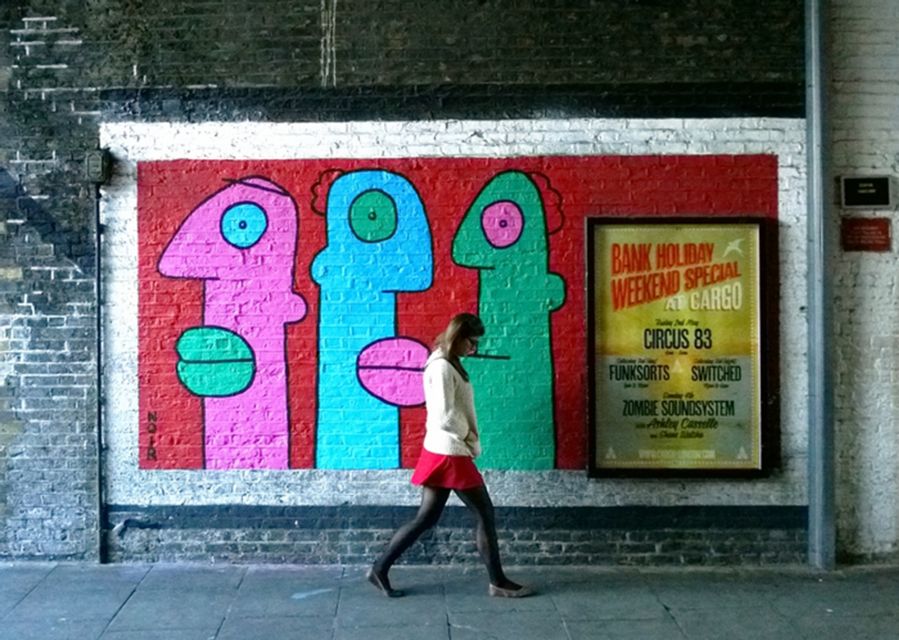
- Banksy and Shepard Fairey street art explained with context, not just names
- Spitalfields Market and nearby markets to connect art with everyday London life
- Petticoat Lane to start the day with street energy and photo-friendly corners
- Whitechapel and Brick Lane for the East End’s contrast of past and present
- Lewis Chessmen and the Oxus Treasure worked into the walk as big “London history” reference points
- Small-group feel with private and semi-private options (semi-private max 8)
East End street art: why this walk feels more real
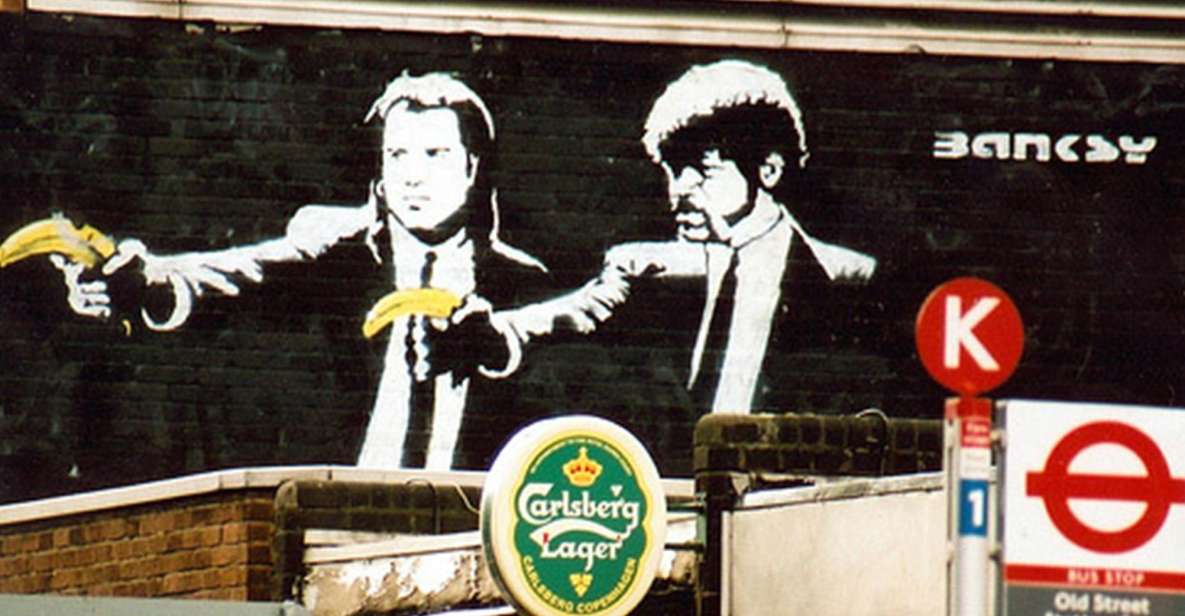
The East End is where London’s contradictions show up fast. You get the hard-edged past, the immigrant story, the markets, the nightlife streets, and then—right on the walls—street art that’s political, personal, and often pretty funny. This tour leans into that mix, so your “art lesson” doesn’t float above the neighborhood.
I especially like how the tour treats street art like art, not like decoration. You’ll hear why certain images land with people, what messages are being pushed, and how artists use public walls as a kind of communication. If you care about art and also care about society (who gets heard, who gets pushed aside), you’ll probably enjoy the way the guide frames the visuals.
You can also read our reviews of more walking tours in London



2.5 hours, minimal sitting, no site-entry
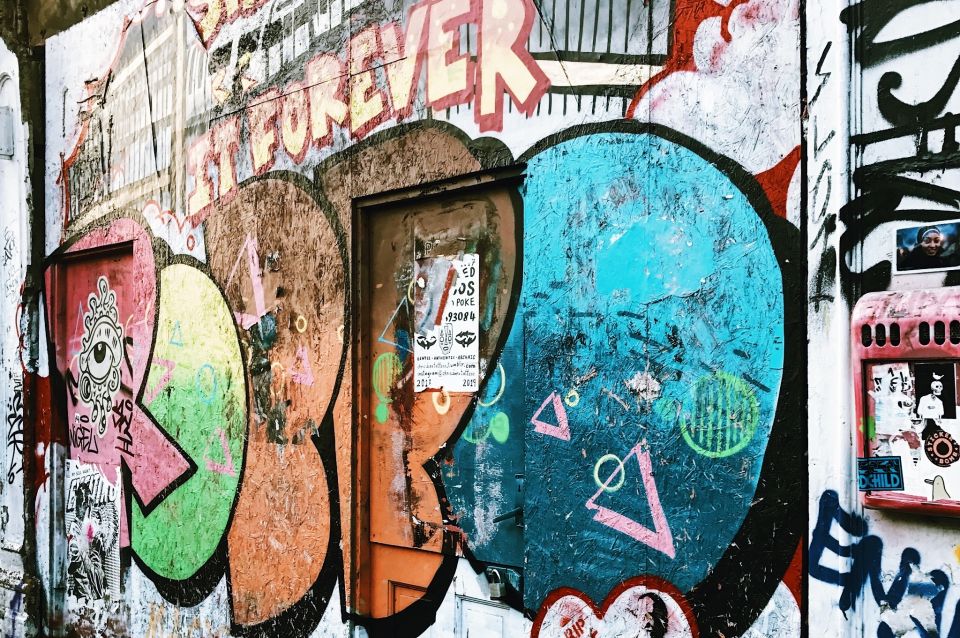
This is a walking tour designed for momentum. The stops are short—think photo moments plus guided explanation—so you get a curated route without spending half your day standing in one place. The upside is energy and variety. The downside is that if you want to linger in museums or go inside major sites, this won’t be your format.
You also won’t be going in to the sites you see. That means you should treat the tour as interpretation at street level. I recommend you plan your bigger museum time separately if you want to spend hours with the real objects.
Start at Liverpool Street by the Kindertransport statue
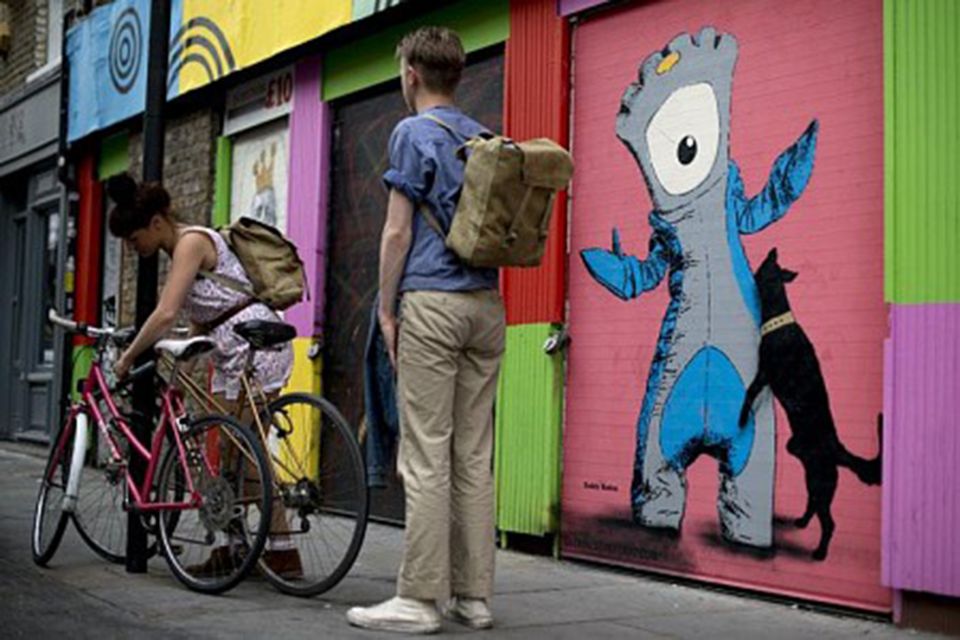
The meeting point is easy to spot: Kindertransport statue outside Liverpool Station. It’s a good anchor because it gives you an immediate sense of London’s layered stories—migration, survival, reinvention—before you even start walking.
You’ll want a passport or ID card with you. Also keep your bag situation simple: luggage and large bags are not allowed. This matters more than it sounds because the streets you’ll walk include narrow lanes and busy market areas where bulky bags get in the way.
Petticoat Lane Market: prime people-watching, quick street-art context
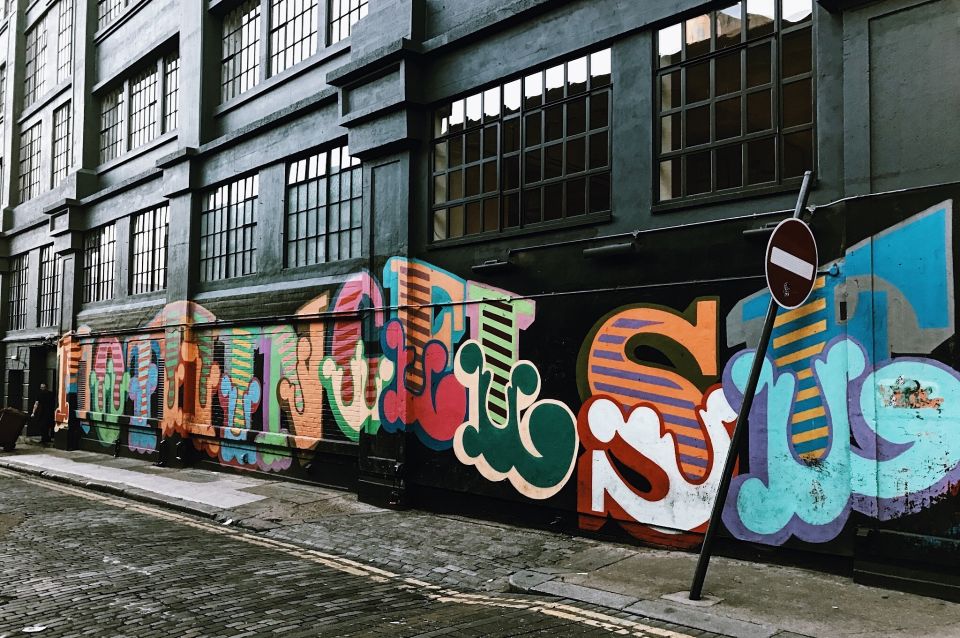
The walk starts with Petticoat Lane Market, a short stop built for photos and orientation. Even in a brief window, the vibe is unmistakable: market noise, quick browsing, and that East End rhythm where something is always happening.
What I like about starting here is how it sets the tour’s theme. The guide isn’t only chasing famous walls; they’re also showing you the everyday London where street art lives. If you’re the type who likes to connect art to place, this opening makes sense.
Artillery Passage: where small streets amplify the art
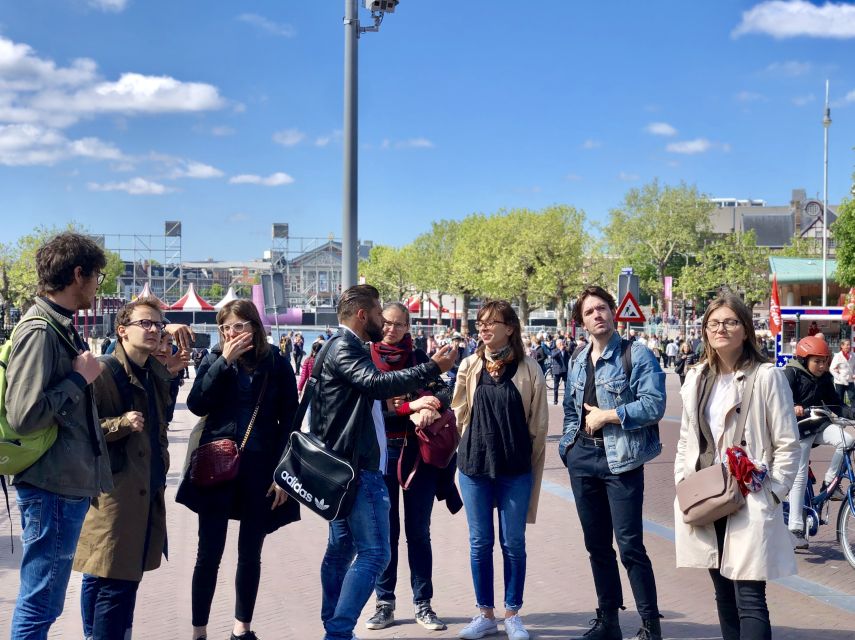
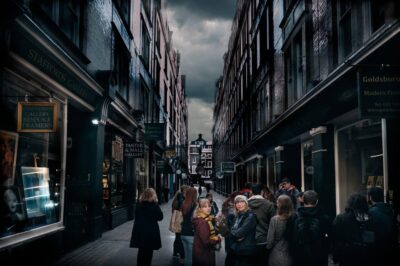
Next comes Artillery Passage for another quick photo stop and guided tour time. Alleys and passages are where a lot of street art really “works.” The walls are closer, the angles are more dramatic, and the art feels more immediate because you’re not looking at it from across the street.
A practical tip: bring your phone camera settings ready. The lighting can change fast along these smaller lanes, so you’ll get better shots if you’re not scrambling mid-walk.
You can also read our reviews of more guided tours in London





Old Spitalfields Market: the market stop that changes the mood
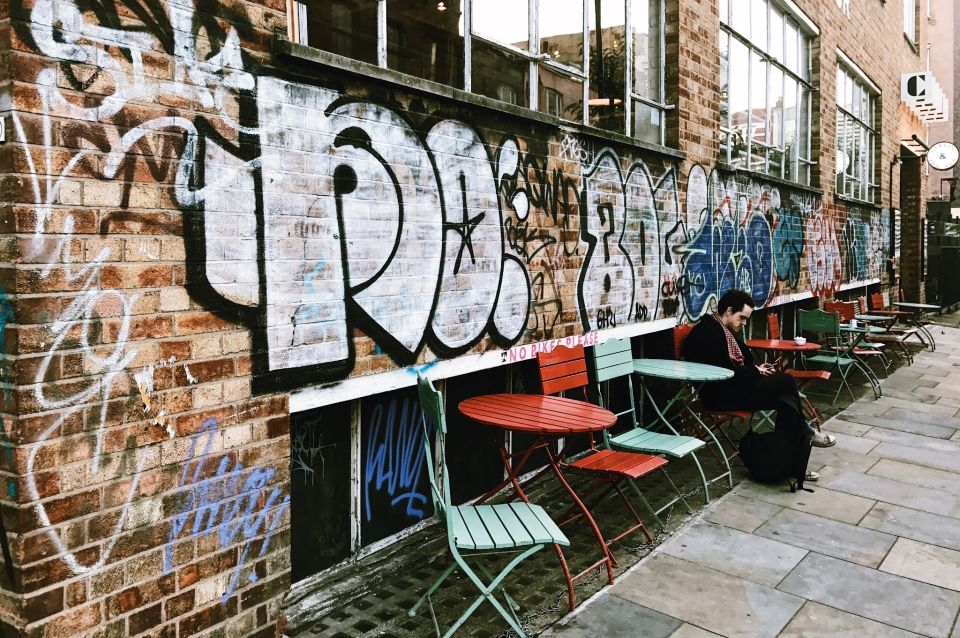
Then you reach Old Spitalfields Market, with a slightly longer stop. This is one of the tour’s best tools for breaking up the street-art focus and reminding you that this area is about more than images on walls.
The market stop is also a chance to reset your brain: street art tends to pull you into questions and politics, and markets pull you into senses—smells, sounds, snacks, and casual conversations. This is one of those stops where you can easily end up wanting to come back later just to wander without a schedule.
The Truman Brewery: modern art energy in a warehouse setting
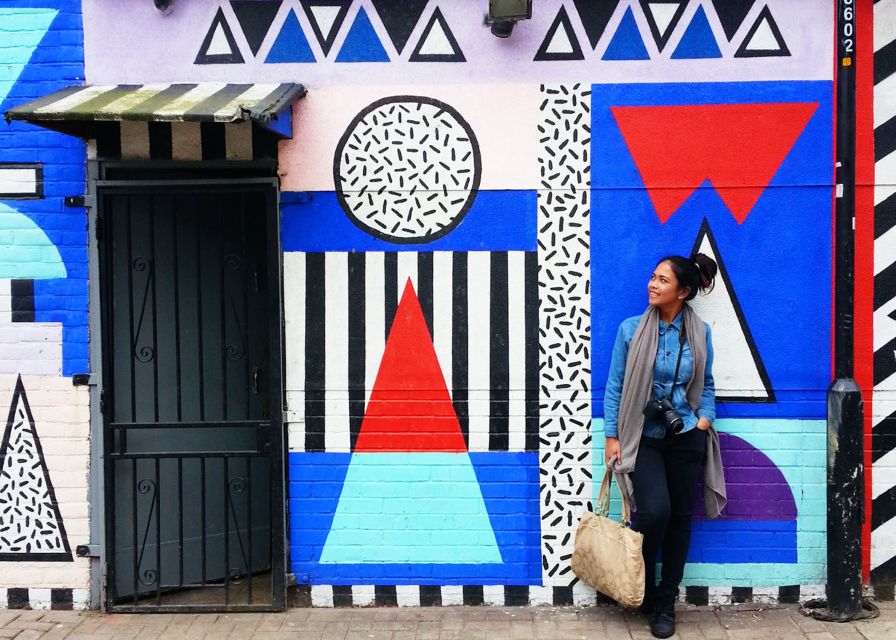
At The Truman Brewery, you’ll get another guided pass and photo stop. This is where the East End’s art culture feels more structured than a random street corner. It’s still local and creative, but the environment signals that art and design are part of the business here.
One thing to keep in mind: the tour does not enter sites, so you’re getting the outside viewing and context rather than a ticketed experience. If you’re the kind of person who wants to go inside galleries or see permanent exhibits, use this stop as a lead-in and plan separate time later.
Whitechapel: the past still hangs in the air
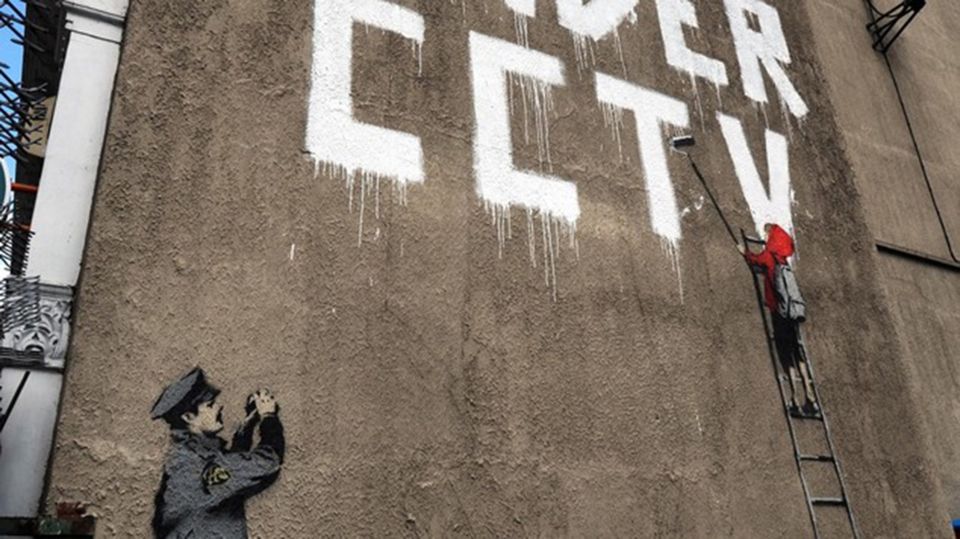
Whitechapel is where you’ll feel the weight of the neighborhood’s famous reputation. The tour frames the area’s darker storyline—Jack the Ripper as the well-known reference point—then contrasts that with how the streets have become a canvas for modern voices.
I like this approach because it avoids the easy way to do history, which is to treat it like a lecture. Instead, it connects stories to walls, timing, and who gets represented. Even if you already know the basics of the area’s history, you’ll probably hear it explained through a street-art lens rather than a purely historical one.
Brick Lane and the political wall effect
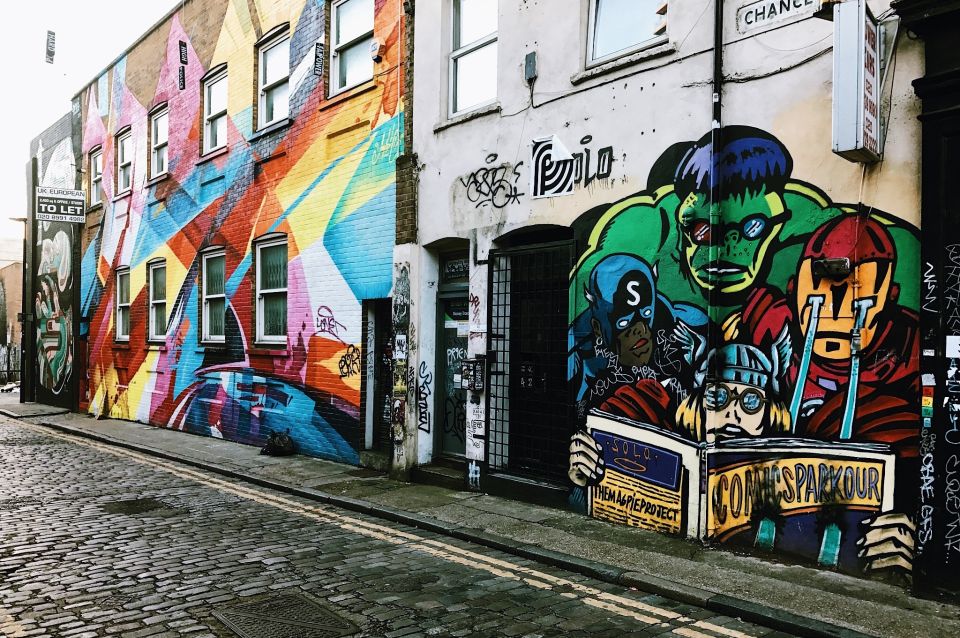
Brick Lane is one of London’s most recognizable East End streets, and it’s built for both walking and stopping. You’ll get guided context and photo time, with the focus staying on street art and what it’s saying.
Here’s the “why it matters” part: when street art is layered over places with real social tension, the images can feel louder. They become part of the conversation happening on the street, not just a background aesthetic.
High Street: finishing with the East End’s everyday energy
The route wraps with a stop along High Street, again focused on photo moments and guided explanation. By this point, you’ll likely start spotting patterns—how different artists use typography, characters, and symbols to get attention quickly.
This last stretch is also a good place to ask the guide a practical question like: Where should I return on my own time to see more of the same artists or the same style? Guides in this neighborhood scene often have a mental map for what’s worth your time later.
Guides make the difference: Jake, Becky, and the art-to-context style
The best thing about this tour isn’t the street art alone. It’s how it’s explained. In different group sizes, the tour has been guided by people like Jake and Becky, and their common thread is energy plus real context.
Jake’s style (based on past feedback) is the history-and-timeline angle—tying the ideas behind images to the time and place where they appeared. Becky’s approach adds another layer: she studied history and connects street art to politics and how messages can spread or be challenged. There’s also a practical bonus in how some guides point you toward places you can return to for markets and different kinds of food.
One detail I like: the tone tends to be thoughtful rather than “look at this, cool right?” You’ll hear the bigger question of accessibility too—who street art speaks to, and what changes when art is out in public instead of locked behind museum walls.
Lewis Chessmen and the Oxus Treasure: why the tour name-checks big artifacts
Two highlights in the tour description are Lewis Chessmen and the Oxus Treasure. Even without entering sites, these references help widen your view. They work like markers in your memory: London isn’t only about modern murals; it’s also about older collections and how the city holds on to cultural artifacts.
You can think of this as a “mental map builder.” You’ll likely connect what you see on the streets with what you’ll want to look up later—either during a museum visit or when you read more about artists and collectors.
If you’re traveling with people who love both street culture and older world history, this mix can be a nice compromise. You get art at street level plus a bridge to deeper museum-type stories.
Price and value: $61 for a curated art-and-market walk
At $61 per person for about 2.5 hours, you’re paying for two things: a professional local guide and a tight, purposeful route that covers multiple neighborhood layers. You’re not paying for museum tickets or meals, so it’s usually good value if you like learning and walking.
Is it the cheapest way to do the East End? No. But it’s often the smartest way to do it in a short time. Left on your own, you might see great street art and then miss the context that makes it meaningful. With a guide, you get the interpretation plus practical suggestions for where to wander afterward.
Practical tips to make your walk easier
Bring photo ID (passport works) and keep your bag small since luggage and large bags aren’t allowed. Wear shoes you can walk in comfortably. This route moves through areas where you’ll be on your feet for the whole experience, and some streets can feel crowded around market zones.
Also, since food and drink aren’t included, I’d plan to carry a water bottle if the weather looks warm. You’ll likely want to stop for snacks later anyway—this tour often leaves you in the mood to linger near markets and coffee spots.
Finally, this tour is offered daily. That’s helpful if you’re on a flexible schedule and want the East End as one of your “easy win” neighborhoods early in the trip.
Who should book this tour (and who might skip it)
This tour is best for you if you enjoy street art and you want more than a quick photo hunt. It suits people who like explanation, short stops with clear themes, and the feeling of learning while walking through a real neighborhood.
You’ll also probably like it if you’re the type who wants markets built into your plan. Spitalfields Market and the other market-adjacent stops make the experience feel balanced: art and daily life together.
I’d consider skipping if you need wheelchairs or full accessibility accommodations. Wheelchair access is not standard, and it’s only addressed on request. I’d also skip it if you want long museum time, since the tour does not enter the sites.
Should you book? My honest take
If you only have a few hours in London and you want the East End’s story told through street art, markets, and neighborhood context, this is a strong pick. The price is fair for a guided route that saves you the guesswork and gives you the “why” behind what you’re seeing.
Book it when you want your art experience to feel grounded. Don’t book it if you’re hoping for a museum-style tour with lots of inside time. In this case, street level is the point—and the guide helps you see it with better eyes.
FAQ
Where do I meet the guide?
Meet outside Liverpool Station by the Kindertransport statue entrance.
How long is the London East End walking tour?
It runs for about 2.5 hours.
What’s the language of the tour?
The tour is guided in English.
Is food or drink included?
No. Food and drink are not included.
Does the tour enter the sites it mentions?
No. The tour does not enter the sites visited.
Are there group-size limits for semi-private tours?
Yes. Semi-private tours are limited to a maximum of 8 guests. They won’t run without at least 2 guests, and you’ll be offered an alternative date or a full refund if that requirement isn’t met.
What ID should I bring?
Bring valid photo ID such as a passport or ID card.
Is this tour suitable for wheelchair users?
It’s not suitable for wheelchair users, but wheelchair tours are only available on request.
What’s the cancellation policy?
You can cancel up to 24 hours in advance for a full refund.