REVIEW · WESTMINSTER & BIG BEN TOURS
London: Churchill War Rooms Ticket & Political London Audio
Book on GetYourGuide →Operated by Vox City Walks · Bookable on GetYourGuide
Underground London changes how you feel about WWII. In the Churchill War Rooms, you walk through the same low-ceiling corridors where Britain’s wartime leadership planned day by day, then finish with a self-guided audio walk of London’s political landmarks. It’s history you can physically feel under your feet, not something you just read about.
I really like two things: the Cabinet War Rooms layout and the Map Room, where strategy becomes visual and specific. The audio narration keeps you moving room to room without turning it into a rushed lecture, and it helps you connect the objects to the decisions being made.
The main catch is time and crowds. This site can get packed, and on busy days you may feel like you’re moving faster than you want—so plan your arrival with that in mind, especially if you’re visiting during peak holiday periods.
In This Review
- Key things I’d remember before you go
- Churchill War Rooms: the Underground Bunker Feeling
- What the bunker experience feels like
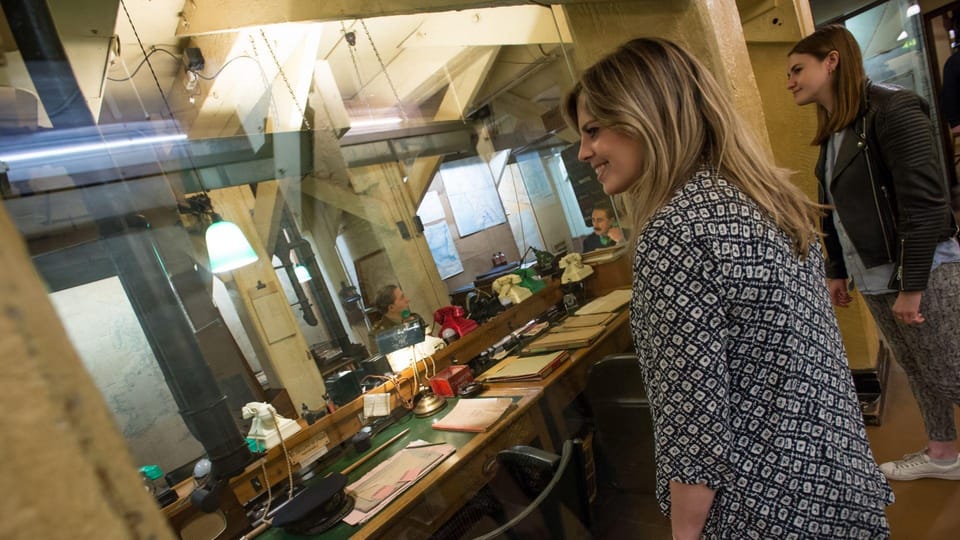
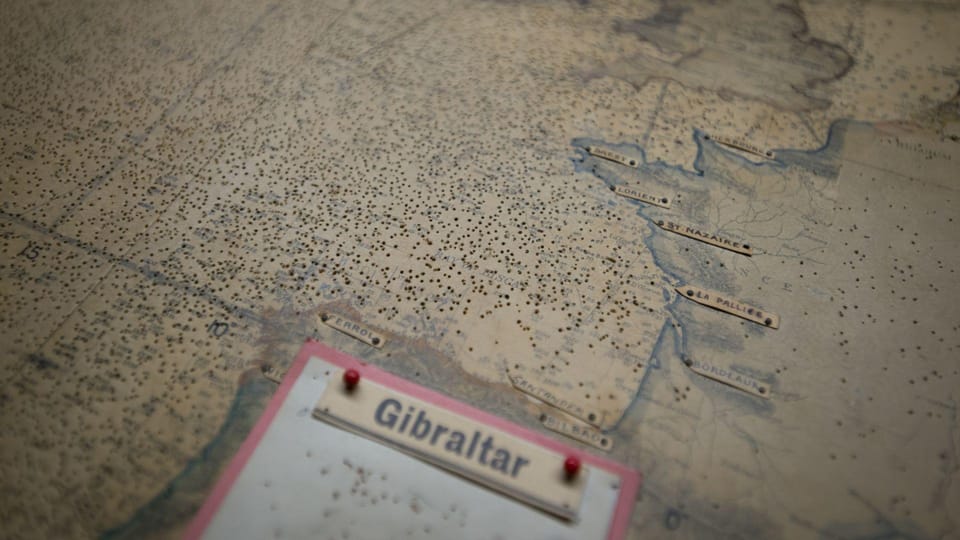
- Cabinet War Rooms and the Map Room: where planning becomes real
- Look for the small stuff
- Disguised rooms and comms: the bunker’s clever survival tricks
- How the audio guides work: headphones, QR codes, and pacing
- A small reality check about room-to-room navigation
- Political London on audio: 15 points with 10 Downing Street and Parliament
- What makes the political walk useful
- Timing and crowd control near King Charles Street
- Practical comfort tip
- Price and value: what $62 includes (and what it doesn’t)
- Who this experience suits best
- Should you book Churchill War Rooms Ticket & Political London Audio?
- FAQ
- How long is the Churchill War Rooms and Political London audio experience?
- Where do I meet the host?
- What is included with the ticket price?
- Do I need to bring headphones or a phone?
- When will I receive my e-ticket?
- Do I need to print the e-ticket?
- Are large bags allowed?
- Is the experience wheelchair accessible?
- What languages are available for the audio guides?
- Will the tour include loud sounds?
Key things I’d remember before you go
- You’re touring a real command bunker, with rooms and displays tied to wartime decision-making
- Cabinet War Rooms and the Map Room are standout stops on the underground circuit
- Disguised wartime spaces (including a communications room presented in an unexpected way) add real wow factor
- Audio does the heavy lifting, including personal stories and explanations as you move
- Afterward, you switch to a walking political route with a digital map and 15 points of interest
Churchill War Rooms: the Underground Bunker Feeling
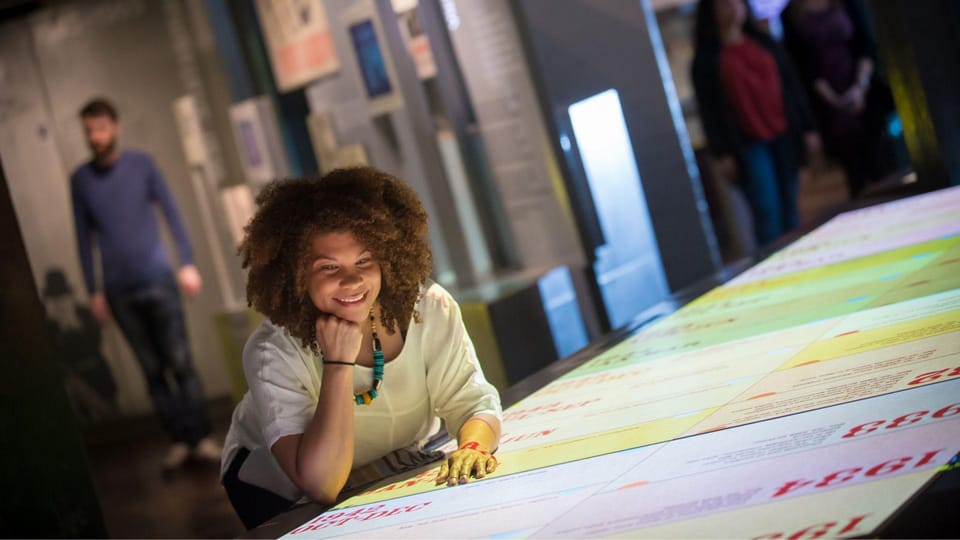
The Churchill War Rooms live up to their reputation because they’re not a reenactment. You’re in an underground complex that was built for real work when the threat of bombing was part of daily life. That matters. When you’re underground, your brain adjusts. You start to understand how claustrophobic and intense command decision-making must have been when lights were dimmed, clocks mattered, and information arrived in bursts.
This experience pairs two parts: first, your entry ticket into the Churchill War Rooms itself, and second, a self-guided political London audio route. The ticket isn’t just admission and a brochure. You get access plus a guided-by-audio structure, so you can follow the war story without needing to track a live guide’s schedule.
I also like the practical setup. There’s a host at the meeting point in front of Churchill War Rooms (King Charles Street), wearing a VoxCity uniform. You’re not left guessing where to start. From there, the pace is mostly yours. That’s ideal for couples, solo travelers, and families who don’t want to spend the whole day being marched along.
You can also read our reviews of more tours and experiences in London



What the bunker experience feels like
Even without knowing every detail of WWII command, you can follow the logic. The rooms are organized in a way that makes you feel the flow: leaders working on policy, staff handling information, and intelligence being tracked on maps. You’ll see key objects tied to planning the course of the war, which gives the exhibits more meaning than a simple list of dates.
There’s also a human layer. The audio includes personal stories about what it was like inside the bunker during the Blitz. That helps you shift from big-picture history to daily pressure—how long days could last, how stressful silence and waiting could be, and how urgently decisions had to land.
Cabinet War Rooms and the Map Room: where planning becomes real
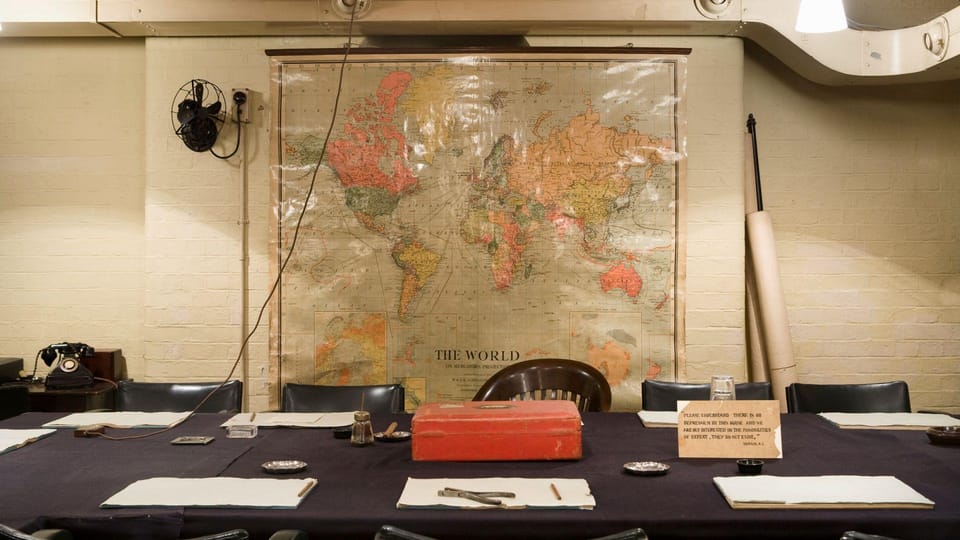
The standout core of the War Rooms is the sense that you’re not just looking at artifacts—you’re seeing how Britain’s leadership arranged its thinking. The Cabinet War Rooms give you a view of the command environment, the kind of room where decisions would be shaped, challenged, and finalized.
Then comes the Map Room, and it’s hard not to fixate on it. This is where Allied intelligence tracked events on the ground, including how information reflected the advance and eventual retreat of German soldiers in Russia. It turns WWII into something you can picture: not just armies moving, but intelligence teams watching change over time and translating it into choices at the top.
Look for the small stuff
One reason this place sticks in your memory is how many exhibits include personal objects, not just abstract documents. You might spot items like ashtrays associated with Churchill and his cigars, which sounds small until you realize those objects were part of leadership life down there—showing you that history was made by people, not statues.
And yes, the layout is a maze in the best way. The tour includes disguised and hidden-feeling spaces, including:
- a Map Room with visible intelligence tracking,
- Cabinet War Rooms tied to top-level wartime work,
- disguised rooms that help explain how wartime communication and security could be handled in plain sight.
That last part is where the audio really earns its keep. Without narration, the spaces could feel like you’re just following a route. With narration, the odd design becomes a clue to how serious wartime secrecy was.
Disguised rooms and comms: the bunker’s clever survival tricks
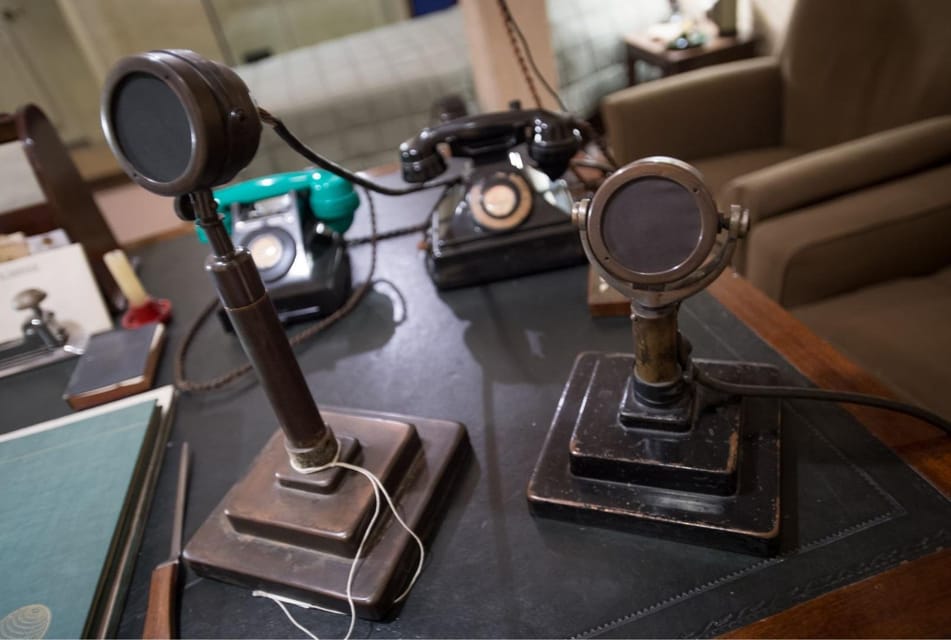
A highlight I’d point out is the inclusion of a communications area disguised as something ordinary—specifically, a room presented as a toilet. It sounds strange until you remember why: in a bunker built for survival, disguises and controlled access were part of keeping operations running even under threat.
This is exactly the kind of detail that changes your reading of the site. It moves you from thinking about WWII as battles and headlines to thinking about it as systems—information pathways, physical security, and communication discipline.
The audio also uses short personal stories to make those details click. You get context for what people were doing and why certain spaces were designed the way they were. If you like history that explains mechanisms (how decisions were supported, how information was handled), you’ll likely enjoy this part more than you expect.
You can also read our reviews of more tours and experiences in London




How the audio guides work: headphones, QR codes, and pacing
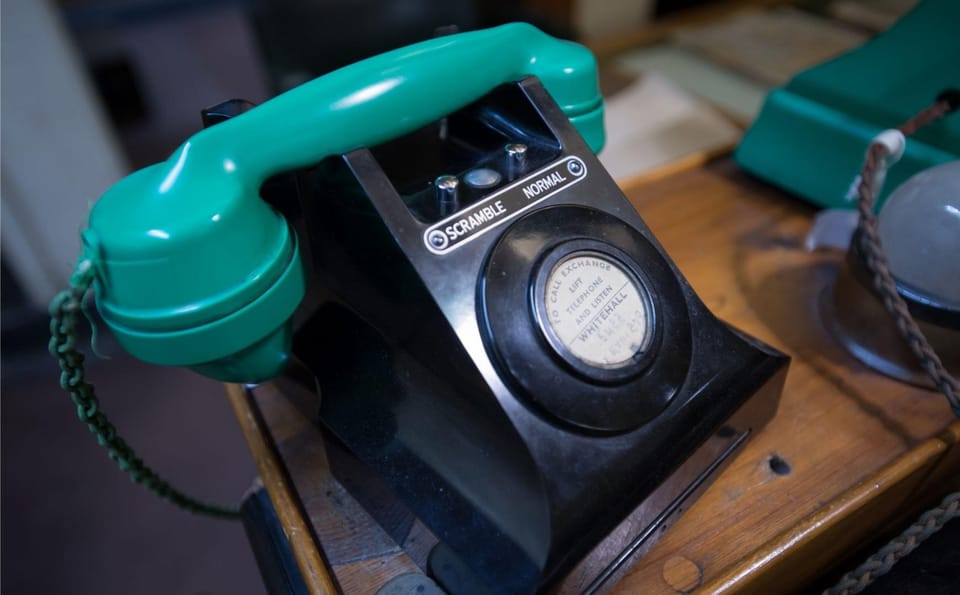
You should treat this as an audio-guided self-tour. That’s good news if you like moving at your own speed. It’s also a small planning responsibility on your end.
Here’s what you need to do before you start:
- Bring headphones.
- Bring a charged smartphone.
- Expect an e-ticket sent via WhatsApp within 24 hours of your travel date.
- Download the official e-ticket for Churchill War Rooms, and it’s preferable to have a printed copy.
- Scan the QR code to download the audio guide before arrival.
- Be aware that some videos include loud bombing and air-raid siren sounds.
I’m especially glad they warn you about the loud sounds. If you’re sensitive to noise, plan accordingly. And if you’re traveling with kids, it’s good to know you’ll hit those audio cues as part of the storytelling.
A small reality check about room-to-room navigation
The exhibit is fascinating, but it can feel like you’re moving through a lot of spaces. One practical tip: keep an eye on the room signage and audio cues, because directional clarity can be imperfect. If you lose your place, your headphones help you restart by finding the next prompted stop.
The upside is that it’s not overwhelming. People report it’s thorough without being chaotic, and many finish the War Rooms in about an hour and a half. That gives you a realistic window to plan your day without feeling like you’ll spend your whole afternoon underground.
Political London on audio: 15 points with 10 Downing Street and Parliament
After the bunker portion, you shift to the political London audio walk. This is self-guided, using a sightseeing app with a digital map of London. The route covers 15 points of interest, including major landmarks such as 10 Downing Street and the Houses of Parliament.
This second half is a smart pairing. The War Rooms show you how government and command worked in a crisis. The political walk brings you back to the surface world—where those same institutions exist, just in a different form. Even if you only skim the audio for each stop, the contrast helps you connect leadership rooms to the modern places where leadership happens.
What makes the political walk useful
The walk gives you structure without forcing you to stay in a tight group. You can pause when you want photos, you can slow down when you’re reading plaques or street details, and you can skip ahead if you’re short on time. Since it’s guided by audio rather than a live guide, you can also focus on listening without feeling pressured to keep up.
Also, because it uses a digital map, you’re less likely to end up wandering around looking for the next stop. That’s a real quality-of-life issue in central London.
Timing and crowd control near King Charles Street
King Charles Street is a busy area, and Churchill War Rooms can be extremely popular. The biggest risk to your day is simple: crowds can compress your time. On busier days, you may feel rushed even though the content is worth slowing down for.
So I’d plan your schedule like this:
- Give the War Rooms the time it deserves, aiming for around 90 minutes as a practical baseline.
- Leave room after that for the outdoor political walk, which depends on your walking pace and how many stops you actually want to complete.
- If you can choose, avoid peak holiday hours, when lines and crowd flow are tighter.
Practical comfort tip
You’ll be underground and then outdoors. Wear shoes you can walk in comfortably, and keep your layers ready. Even on mild days, underground spaces can feel cooler.
And keep your bag situation simple. Suitcases, pull-along baggage, and large bags are prohibited, so pack light.
Price and value: what $62 includes (and what it doesn’t)
At about $62 per person, the value is strongest if you want two things:
1) a timed-entry ticket into Churchill War Rooms, and
2) an audio-based political London walking experience.
You also get:
- an English/German/French/Italian/Spanish/Chinese/Portuguese/Hebrew audio option for the War Rooms portion,
- a multilingual audio route for political London in English, German, French, Italian, Spanish, and Mandarin Chinese,
- a host at the meeting point,
- and the sightseeing app with the digital London map.
What you don’t get is a live guide and you’ll need your own headphones and headset device. Transportation isn’t included either, so you’ll handle getting there.
I like this pricing model for independent travelers. You’re not paying for a guide to talk at you the whole time; you’re paying for access plus structured audio storytelling that fits your pace.
Who this experience suits best
This one is a great match if you:
- enjoy history with strong “place-based” storytelling (rooms, objects, and layout),
- like self-guided audio because you control pacing and photo breaks,
- want to combine the War Rooms with a political London walk so your day feels complete.
It may be less ideal if you:
- need constant human guidance to navigate a complex site,
- hate crowds and rush more than you enjoy the attraction itself,
- prefer live performances or actor-led scenes, since this is mostly an audio route rather than staged moments in every section.
Should you book Churchill War Rooms Ticket & Political London Audio?
Book it if you want a WWII experience that feels grounded in real space, not just a set of exhibit panels. The Cabinet War Rooms + Map Room combination is the core draw, and the audio structure makes the information easier to follow. Then the political walk gives you a satisfying follow-through with 15 major stops, including 10 Downing Street and the Houses of Parliament.
Skip or reconsider if you’re visiting during peak crowd times and you know you’ll struggle with time pressure. You’ll still likely enjoy the content, but it’s the crowd flow that can shrink your experience on that day.
If you do book, plan for smooth audio access: download your e-ticket, bring headphones, keep your smartphone charged, and be ready for sudden loud audio from bombing and sirens in the videos.
FAQ
How long is the Churchill War Rooms and Political London audio experience?
It’s listed as a 1-day experience.
Where do I meet the host?
Meet your host in front of Churchill War Rooms at King Charles Street. The host wears a VoxCity uniform.
What is included with the ticket price?
You get Churchill War Rooms entry, a Churchill War Rooms audio guide, a host at the meeting point, and a sightseeing app with a digital map plus the Political London audio guide.
Do I need to bring headphones or a phone?
Yes. You should bring headphones and a charged smartphone.
When will I receive my e-ticket?
Your e-ticket is sent via WhatsApp within 24 hours of your travel date.
Do I need to print the e-ticket?
It’s preferable to print the Churchill War Rooms e-ticket.
Are large bags allowed?
No. Suitcases, pull-along baggage, and large bags are prohibited.
Is the experience wheelchair accessible?
Yes, it’s listed as wheelchair accessible.
What languages are available for the audio guides?
Churchill War Rooms audio is available in English, German, French, Italian, Spanish, Mandarin Chinese, Portuguese, and Hebrew. The Political London audio guide is available in English, German, French, Italian, Spanish, and Mandarin Chinese.
Will the tour include loud sounds?
There may be videos with loud sounds of bombing and air raid sirens.