REVIEW · WALKING TOURS
London: Modern Architecture & Building Guided Walking Tour
Book on GetYourGuide →Operated by Ridge Trips Ltd · Bookable on GetYourGuide
London’s modern skyline comes with footnotes. On this guided architecture walk with Sam (former Construction Management professional), you get close-up views of The Shard and the Walkie-Talkie while he connects each building to how London keeps building and re-building above and below the street. The only real drawback: you’ll see buildings mostly from the sidewalk and viewpoints outside, since no entry tickets are included.
I love the pace here. It’s relaxed enough to ask questions, and Sam explains what you’re looking at in a way that keeps even mild architecture fans paying attention. Just plan for weather and wear shoes you can walk in for two hours.
Key highlights you’ll care about
- Iconic skyline icons up close: The Shard, Walkie-Talkie, Gherkin, and more, all in one logical route
- Engineering talk, not just photos: what’s happening beneath the streets and how big projects shape the city
- Sam’s construction-management perspective: clear explanations plus answers to technical questions
- NLA models at the end: free entry, with scale views of London’s skyline to study at leisure
- Exterior-focused tour: fantastic for viewpoints, but not for inside-the-buildings plans
In This Review
- London’s Modern Architecture Walk: What You’re Really Paying For
- Starting at Sugar Quay Jetty: Thames Energy Without the Rush
- City Hall and the Square Mile: Where Planning Meets Power
- The Shard Up Close: A Tower You Can Read From the Street
- Walkie-Talkie and Lloyd’s: When Shape Has a Purpose
- Leadenhall Building to St Mary Axe: The “Can of Ham” Moment
- Liverpool Street to the Barbican: Modern Architecture Isn’t One Style
- Looking Beneath the Streets: Engineering Stories That Change How You See London
- Ending at NLA: Free Models, Extra Time, and Future Skyline Clues
- Pace, Weather, and Footwear: Make Two Hours Feel Longer
- Who This Tour Is For (and Who Should Rethink It)
- Should You Book Sam’s Modern Architecture Walking Tour?
- FAQ
- How long is the London modern architecture walking tour?
- Where do I meet for the tour, and where does it end?
- Is entry into the buildings included?
- What is at NLA, and can I visit it on any day?
- What language is the guided tour in?
- What should I bring?
- Is the tour accessible for wheelchair users or people with mobility impairments?
London’s Modern Architecture Walk: What You’re Really Paying For
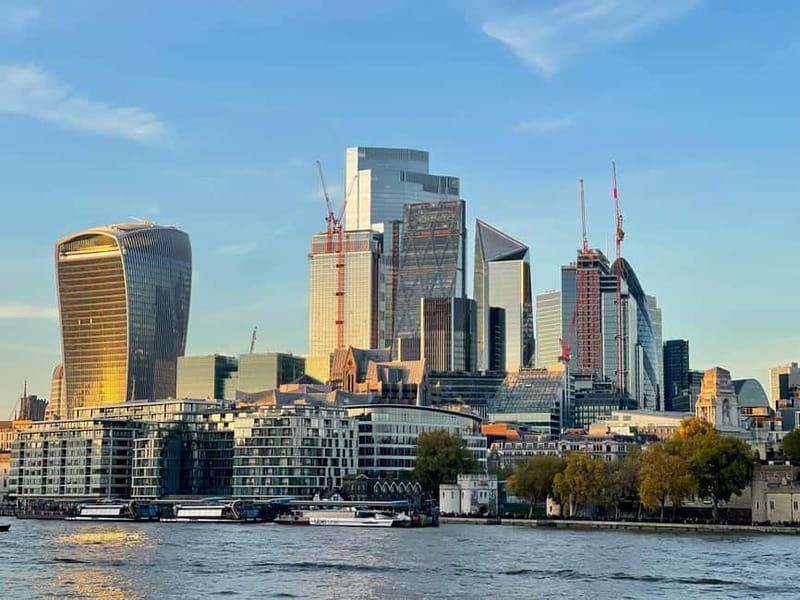
You’re paying for a guided, practical way to understand London’s modern skyline in just about two hours. At $52.53 per person, it isn’t about squeezing in extra sights—it’s about having someone explain what you’re seeing, plus pointing out the building stories that most people miss while rushing to the next landmark.
And the guide matters. Sam has a background in construction management in London and Sydney, and that professional lens comes through when you hear how major city decisions turn into real steel, glass, and concrete. You’ll get both the design side and the “how on earth did they do that” side.
One more value point: the tour includes a finish at the NLA (The London Centre), where entry is free and you can spend extra time with scale models of London’s skyline. That’s a helpful way to turn a fast walking tour into something that sticks.
Starting at Sugar Quay Jetty: Thames Energy Without the Rush
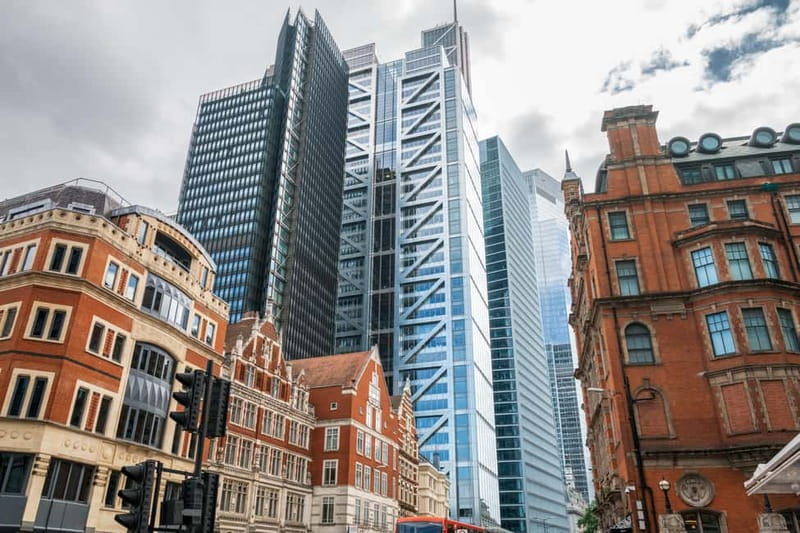
The walk begins at Sugar Quay Jetty, near the Tower of London, with the Thames nearby and the skyline close enough to set the stage fast. This is a smart start because it gives you a sense of direction—both geographically and visually—before you step into the denser Square Mile area.
You don’t have to be a hardcore architecture fan to enjoy the opening. If you’re the type who likes to get your bearings fast, this route helps. You’ll also be outside early enough to enjoy the river-side light, which can make glass buildings look especially good on camera.
This is also a “wear your walking shoes” moment. The tour is not a sit-and-stare museum experience. You’ll be on your feet from the first stop, with enough pace to keep moving and still stop for proper look-at-it time.
You can also read our reviews of more walking tours in London



City Hall and the Square Mile: Where Planning Meets Power
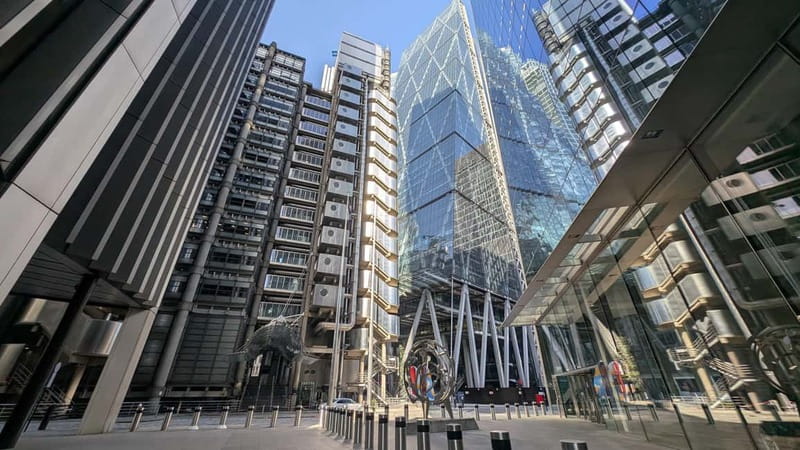
One of the first big mental shifts on this kind of tour is realizing how much modern London is tied to governance and finance. City Hall gets you thinking about how leadership and public policy affect the skyline—then the route pushes you into the heart of the Square Mile, where so many decisions (and development pressures) get made.
From here, Sam’s style shines. He doesn’t just list building facts. He explains why these structures belong in this part of London and how they fit the bigger story of a city that’s constantly adjusting its infrastructure.
If you like asking questions, you’ll likely enjoy this stretch. The tour is structured enough that you can pause, look, and still keep the group moving without feeling rushed.
The Shard Up Close: A Tower You Can Read From the Street
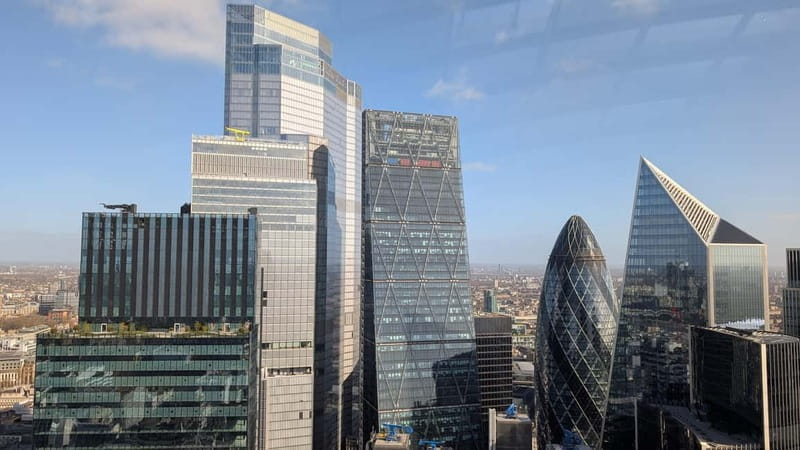
Then you reach one of the headline buildings: The Shard. Seeing it from street level changes how you understand it. Up close, it feels less like an icon on a postcard and more like a real piece of city engineering—built to catch light, traffic attention, and redefine views from multiple angles.
Sam’s construction-management background adds weight here. You’ll get stories and fun facts, but also practical context about why this kind of tall building is possible (and what it takes to keep working in a city that already has layers of history beneath it).
One thing to keep in mind: since entry to the building isn’t included, your best “inside the experience” is your outside observation. Bring a camera, and if the weather is changeable, be ready to adjust your angles—glass and height can look dramatically different as clouds move.
Walkie-Talkie and Lloyd’s: When Shape Has a Purpose
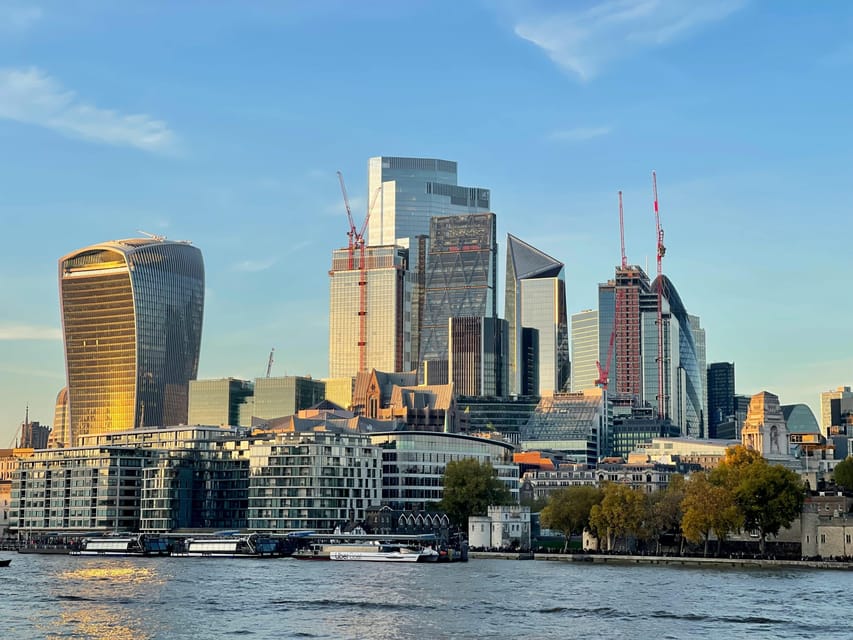
Next comes the Fenchurch Building, also known as the Walkie-Talkie, followed by Lloyd’s of London. This pair works well because you start seeing two different approaches to modern architecture: striking form versus functional legacy in a famous financial address.
The Walkie-Talkie is one of those buildings you recognize instantly, but the fun is in learning what makes it tick visually and architecturally. Sam’s explanations are clear enough that even if you don’t know construction terms, you’ll still understand the reasoning behind the design choices.
At Lloyd’s, you shift from “wow, the shape” to “who uses this place and why it matters.” The tour helps you connect architecture to the people and industries inside the area—without turning it into a boring lecture. You’ll also get plenty of chances to ask questions, especially if you’re curious about building techniques and how professionals talk about these structures.
Leadenhall Building to St Mary Axe: The “Can of Ham” Moment

Now you hit one of the most fun parts of the tour: the series around St Mary Axe, including 30 St Mary Axe (often called the Gherkin) and 70 St Mary Axe (the nickname Can of Ham). Seeing them in sequence makes the skyline feel like a planned collection rather than random standout shapes.
Sam’s stories here are the kind you’ll remember later. He ties the buildings to how London keeps developing—what it’s aiming for next, and how past projects influence what’s possible today. You also get a sense of where the city might grow, based on the current and future development talk along the route.
A small caution: this section can be photo-heavy. If you’re the type who loves to linger, balance it. You’ll get better results if you pause for a few strong angles and then move on, because each building looks different depending on the surrounding street geometry.
You can also read our reviews of more guided tours in London






Liverpool Street to the Barbican: Modern Architecture Isn’t One Style
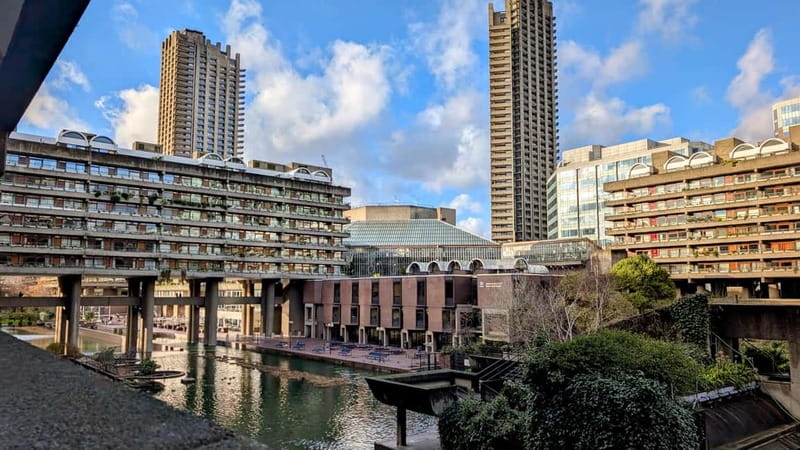
After the glass-and-steel icons, the tour pivots to Liverpool Street Station and then the Barbican. This contrast matters because modern architecture in London doesn’t mean one repeating look. It’s also about time periods, city needs, and different ways of shaping public space.
Liverpool Street Station gives you context: it’s not just a backdrop, it’s part of how London moves people and goods. Then Barbican shifts the mood toward a more sculpted, planned urban vision, so you’re not only thinking about skyscrapers.
This segment also helps you understand why a walking tour works better than just looking up buildings online. On the ground, you feel how architecture sits next to everyday life—public transit, foot traffic, street corners, and the way people actually experience the skyline.
Looking Beneath the Streets: Engineering Stories That Change How You See London

One of the best things about this tour is that it doesn’t treat buildings like floating objects. Sam spends time on what’s happening beneath the city—how London has been shaped by major civil engineering projects, and how current construction work connects to all that invisible groundwork.
Even if you don’t know engineering vocabulary, you’ll still get the idea. London is a layered city. You can’t build big without respecting what’s underneath: foundations, existing infrastructure, and the long list of constraints a guide can help you notice as you walk.
This is also where Sam’s background really pays off. You’re not just hearing fun facts. You’re getting explanations that sound grounded in how professionals work and how big projects get planned in a dense city.
Ending at NLA: Free Models, Extra Time, and Future Skyline Clues

The tour finishes at NLA – The London Centre. This is your chance to slow down after the walking and match what you’ve seen outdoors with scale models and printed information.
Entry is free, and you can read and explore at your leisure. If you’re the kind of traveler who likes to understand the “big picture,” NLA helps you connect the dots between isolated buildings and a whole-city view. It also supports the tour’s message about future plans—because you can see how the skyline is imagined to change.
Important timing note: NLA is open Tuesday to Saturday until 17:00. If your tour falls on Sunday, Monday, or an evening, you may not be able to enter. I’d treat that as a planning rule, not a maybe.
Also, give yourself extra time. The tour runs about two hours, and I’d allow an additional 15–30 minutes at NLA so the finish doesn’t feel like a sprint.
Pace, Weather, and Footwear: Make Two Hours Feel Longer
This is a weather-in-the-real-world tour. You’ll be outdoors, and the route proceeds unless conditions become extreme. Bring water, wear comfortable shoes, and dress for the day you actually get—London can change fast.
From a comfort point of view, the best advice is simple: don’t save your best walking shoes for later. Also bring a camera because so much of this experience is about comparing angles—especially with tall glass buildings.
For questions and photo breaks, the pace is forgiving. It’s relaxed enough to ask things, but still structured enough that you won’t feel like the group is wandering in circles. Sam keeps it moving while making sure the big sights don’t pass too quickly.
Who This Tour Is For (and Who Should Rethink It)
This tour is ideal if you want a guided modern architecture overview that feels specific to London’s construction reality. You’ll like it if you enjoy seeing The Shard, the Walkie-Talkie, the Gherkin, the Barbican, and other skyline names in the right sequence—and hearing what makes each one more than just a silhouette.
It also works for people who don’t think they care about architecture. Sam’s explanations are engaging, and he can answer technical questions if you’re traveling with someone who likes the details.
One consideration: it’s not suitable for mobility impairments or wheelchair users. Since it’s a walking tour with exterior viewing, you’ll want to be comfortable on foot for the full route.
Should You Book Sam’s Modern Architecture Walking Tour?
I think this is a strong booking if you want your time in London to include context, not just views. The combination of iconic exteriors, engineering talk, and the optional extra time at NLA makes it feel like you’re getting more than a standard photo walk.
If you specifically want to go inside buildings, you’ll need separate plans because there’s no building entry included here. If you can live with sidewalk-level views, this tour gives you a smart, efficient way to understand modern London’s skyline and the decisions shaping what comes next.
FAQ
How long is the London modern architecture walking tour?
The tour lasts about 2 hours. I’d also plan an extra 15 to 30 minutes to spend time at NLA at the end.
Where do I meet for the tour, and where does it end?
You meet at Sugar Quay Jetty near the Tower of London. The tour ends at NLA – The London Centre.
Is entry into the buildings included?
No. The tour does not include entry into any of the buildings you see.
What is at NLA, and can I visit it on any day?
NLA is where you can view scale models of London’s skyline and read information. NLA is open Tuesday to Saturday until 17:00, so Sunday, Monday, and evening tours unfortunately won’t be able to enter.
What language is the guided tour in?
The tour guide speaks English.
What should I bring?
Bring comfortable shoes, a camera, water, and weather-appropriate clothing.
Is the tour accessible for wheelchair users or people with mobility impairments?
No. The tour is not suitable for wheelchair users or people with mobility impairments.