REVIEW · 3-HOUR EXPERIENCES
3-Hour City of London Walking Tour
Book on GetYourGuide →Operated by VIP London Tour · Bookable on GetYourGuide
London’s power plays happen on foot. This 3-hour private City of London walk is built around major landmarks and a tight route through St. Paul’s Cathedral and the old newspaper streets, with a guide who ties it all into the city’s big shocks and big ambitions. I especially love the way you get St. Paul’s as a comeback story, then keep moving into the darker medieval chapters around London Bridge.
One thing to consider: it’s a walking tour with cobbled lanes and moving from spot to spot, so you’ll want comfortable shoes and a willingness to spend time standing outside major sites if you don’t plan extra entry tickets.
In This Review
- Why this route works so well in only 3 hours
- Meeting your guide at 10:00, then getting street-level quickly
- The bus-to-walk setup (and why transportation is a real detail here)
- Strand and Fleet Street: the old media engine of Britain
- St. Paul’s Cathedral: London’s skyline boss with a comeback story
- The Great Fire and the Great Plague: learning the city’s worst days
- Over the Millennium Bridge to Southwark: changing neighborhoods, changing mood
- Golden Hinde II: when Drake’s story shows up on your city walk
- Near London Bridge station: the Tower of London, explained like a timeline
- Private group pacing: how to get more from fewer stops
- Value check: is $376 per group good for what you get?
- Who this City of London walk suits best
- Should you book this 3-hour City of London walking tour?
- FAQ
- Where does the tour start?
- How long is the tour?
- Is this tour private?
- How much does it cost?
- What sights are included?
- Is transportation included?
- Are museum or attraction admission fees included?
- What languages is the guide available in?
- Where does the tour end?
- Is free cancellation available?
Why this route works so well in only 3 hours
- St. Paul’s Cathedral as the centerpiece: You’ll learn why it mattered for centuries and how the Great Fire reshaped the city.
- Fleet Street’s news-making past: A walk along the Strand and Fleet Street brings the media era into focus.
- Walking across the Millennium Bridge: It’s not just a bridge; it’s your “London changes sides” moment.
- Borough Market and Southwark Cathedral: Food-and-faith energy in one stretch, with Southwark’s older tone nearby.
- Golden Hinde II sighting: Drake’s famous galleon appears in replica form, adding a seafaring layer to your city story.
- Tower of London told near London Bridge station: You get the William the Conqueror-to-Anne Boleyn arc without doing the full museum circuit.
Meeting your guide at 10:00, then getting street-level quickly
The tour starts at 10:00, with your guide meeting you in the reception area of your hotel. That little convenience matters in London, where “getting started” can quietly eat your time and patience. Since the tour is priced for a private group up to 2 people, you’re not wedged into a crowd-driven pace.
Right away, you’ll switch from hotel-and-street logistics to a simple rhythm: a double-decker bus ride, then cobbled walking. Translation: you’ll cover distance without feeling like you’re racing the clock, and you’ll still get the close-up street feeling that makes London memorable.
Also plan on sharing basic info ahead of time—your name and mobile number, plus your hotel details or a clear meeting point. It’s one of those boring bits that makes the meeting smooth.
You can also read our reviews of more walking tours in London



The bus-to-walk setup (and why transportation is a real detail here)
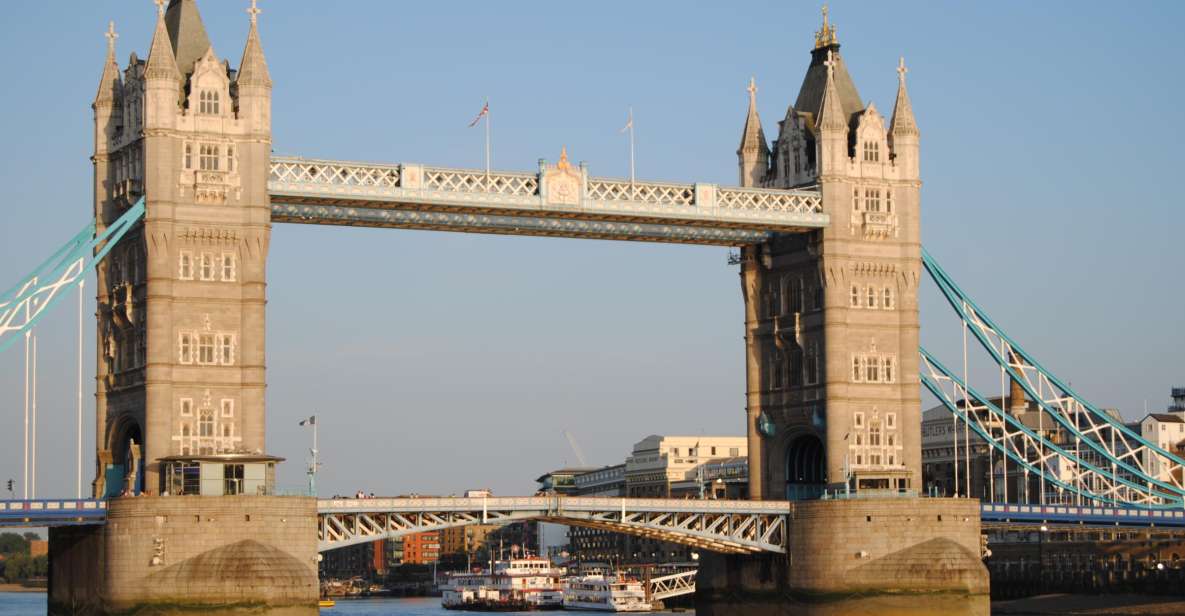
This tour includes a double-decker bus segment as part of the experience, but transportation is listed as not included. So treat that as a heads-up to budget for whatever transit costs apply to that bus portion.
Why it matters: if you’ve just arrived and you’re trying to keep cash and cards organized, you’ll feel better knowing early what you might need to pay. The good news is the tour still keeps the route efficient—after the bus, you’ll spend most of the three hours on foot, where the stories stick.
The walking itself is part of the appeal. London’s older districts don’t feel like a postcard when you’re actually stepping through cobbled alleyways and turning onto famous streets.
Strand and Fleet Street: the old media engine of Britain
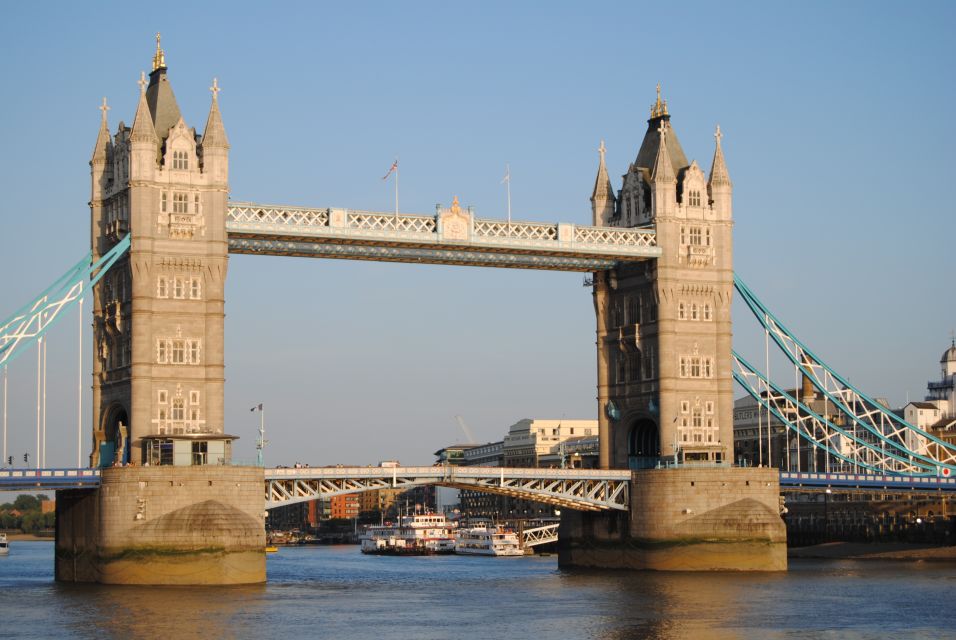
Your route takes you along the Strand and Fleet Street, the kind of names you’ve heard before—even if you’ve never studied London’s newspaper world. Here, the past feels practical: you’re walking the same corridors where major papers shaped public opinion for generations, up until the 1980s.
This is also a smart way to learn London. Instead of hearing dates in isolation, you’re seeing the streets that helped drive national conversation. You get a sense of how power works in a city: printing presses, publishing offices, and the people who controlled the narrative.
If you like history that feels connected to daily life, this section is for you. Even if you’re more a museums person, the street perspective gives your later stops extra punch.
St. Paul’s Cathedral: London’s skyline boss with a comeback story
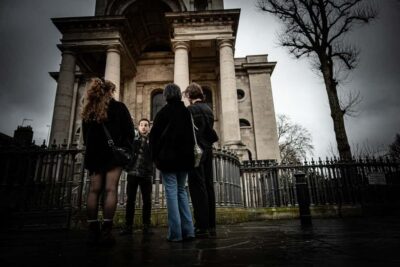
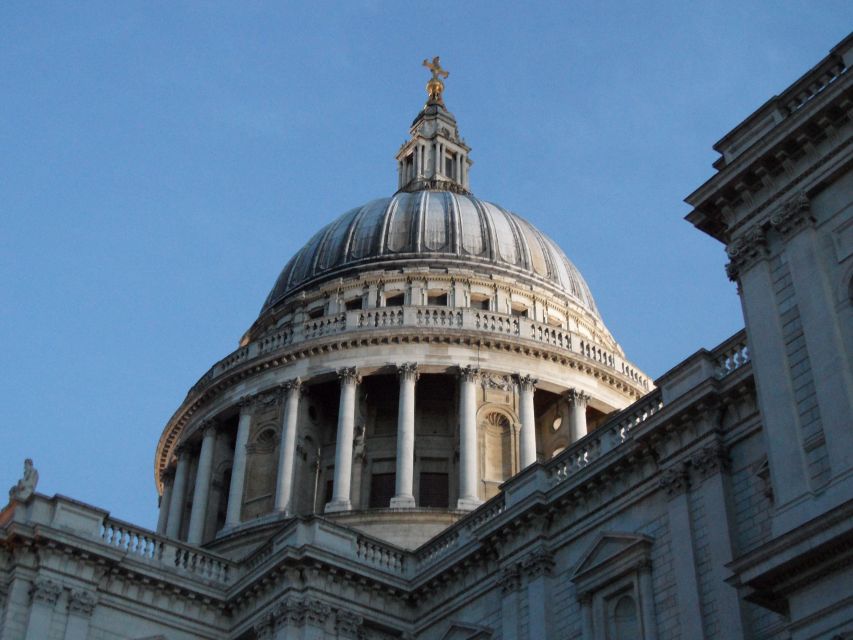
St. Paul’s shows up as more than a landmark on this walk. It’s described as the highest point in London for over 1,400 years, so it functioned like a long-running “city compass” in the skyline. When you learn that detail, your photos start making sense—this building wasn’t only pretty; it was guiding.
You’ll also hear why it was rebuilt after the Great Fire of London. That’s the core theme: London gets knocked down, then reorganizes itself with bigger ambition. St. Paul’s later hosted major national moments, including the wedding of Charles, Prince of Wales, and Lady Diana Spencer—one of those events that helps you connect centuries of story to something you might remember from history class or TV archives.
One practical note: the tour mentions St. Paul’s, but admissions aren’t included. If you want to go inside, you may need separate ticketing. Still, even from outside, the scale and the symbolism land hard.
The Great Fire and the Great Plague: learning the city’s worst days
After St. Paul’s, you move through London’s oldest district and focus on the shocks that reshaped it: the Great Fire and the Great Plague. These aren’t abstract tragedies here; they’re explained as turning points that changed how people lived, built, and survived.
The Great Fire is where London’s physical story becomes personal. The Great Plague is where the human cost hits. You’ll hear the figure that a third of London’s population died—one of those numbers that makes you slow down and look at the streets differently.
This part of the tour is valuable because it gives context for why London’s architecture and layout feel the way they do today. You’ll stop seeing buildings as isolated sights and start seeing them as responses to crisis.
You can also read our reviews of more city tours in London





Over the Millennium Bridge to Southwark: changing neighborhoods, changing mood
Crossing the Millennium Bridge is your in-between moment—the point where you shift from the City’s “formal” feeling to a wider Thames-side perspective. The bridge itself is a quick reminder that London’s geography shapes its identity, and the Thames is still the big organizing line.
From there, the tour moves toward Borough Market and Southwark Cathedral. Borough Market brings that London mix of food culture and street energy, while Southwark Cathedral adds a more grounded, older-world religious presence nearby. You’re not just collecting sights; you’re moving through different layers of the city on purpose.
If you like walking routes that show variety without spending all day in transit, this is a good stretch. It’s also a nice pacing tool: after heavy historical content, you get a more sensory area where you can reset.
Golden Hinde II: when Drake’s story shows up on your city walk
You’ll also see Golden Hinde II, Sir Francis Drake’s famous galleon. Even if you’re not a sailing-history person, the effect is instant: it ties London’s empire-and-exploration era back to the physical world you’re standing in.
It’s a helpful contrast to the cathedral-and-fire stories. One chapter is London rebuilding itself; another is London projecting itself outward. When you watch history happen across different domains—religion, politics, disasters, navigation—it stops feeling like a list of dates and starts feeling like a connected system.
This is one of those stops that can make your brain click. You’ll probably find yourself thinking about London not only as a place of thinkers and rulers, but also as a launchpad.
Near London Bridge station: the Tower of London, explained like a timeline
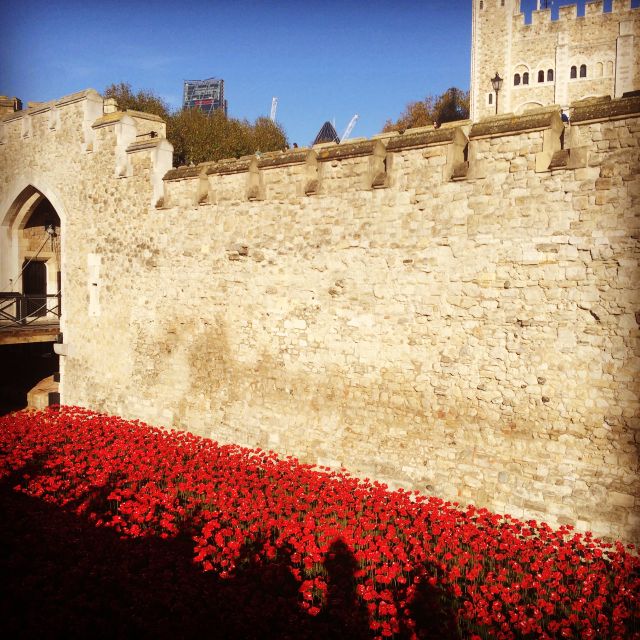
Your tour brings you close to London Bridge station, where you’ll learn how the Tower of London functioned across roles: a palace, a prison, and an execution place. It’s tied to William the Conqueror and his 11th-century stronghold—so you’re hearing medieval power as something physical and defensive, not just paperwork.
Then the story turns to prisoners and the grim mechanisms of Tudor-era politics. A key example is Anne Boleyn, Henry VIII’s unfortunate second wife, who met her end there in 1536. If you’ve seen Anne in books and portraits, hearing the story in the place’s shadow gives it sharper edges.
Important practical point: you’re learning about the Tower near London Bridge station, not doing a full Tower visit in this exact three-hour format. Admissions aren’t included, and the tour’s focus is walking and storytelling rather than museum time.
Private group pacing: how to get more from fewer stops
Because the tour is private and priced for up to 2 people, the experience tends to feel more adjustable. I like this setup when I want direct conversation—ask why something mattered, ask what to notice, ask for the best quick photo angle.
You can also use the guide to get oriented fast. One review highlighted how the guide takes care of getting you home safely and how helpful it can be to someone who’s still figuring out London’s flow. That’s not a small thing. In a city where stations and streets can confuse you, having a guide who manages the end point matters.
Just do yourself a favor: come with 1–2 priorities (St. Paul’s? Fleet Street? Tower stories?) so you’re not trying to decide on the fly.
Value check: is $376 per group good for what you get?
At $376 per group up to 2, this isn’t a “cheap per person” deal. But it can be strong value if you want a guided route that hits major landmarks in a short window without self-planning.
Here’s the value logic that makes sense for many travelers:
- You’re paying for a focused narrative across big themes—fire, plague, media, power—rather than just wandering.
- You get a private format, so you can move at a pace that works for you and ask questions.
- You cover a dense area efficiently in three hours, including a bus segment and multiple street-to-landmark transitions.
Where the cost can feel less worth it is if you’re the type who hates guided talking, or if you’d rather spend more time inside major sites. Since museum admission fees aren’t included, if your ideal London day is “spend hours in buildings,” you may want to pair this tour with separate ticketed time.
Who this City of London walk suits best
This is a great fit if you:
- Like London history that’s told through places, not only facts
- Want a short, guided route that connects St. Paul’s, Fleet Street, and Tower legends
- Prefer a private group setup for better conversation and pacing
It may be less ideal if you:
- Need lots of seated time (this is still a walking tour)
- Want purely inside-the-cathedral sightseeing without stepping outdoors
If you’re visiting London for the first time and you want a smart “City introduction,” this gives you a strong mental map for the rest of your trip.
Should you book this 3-hour City of London walking tour?
If you want a concentrated, guided loop through some of London’s most story-heavy locations, I’d say yes—especially for the private up-to-2 format. The mix of St. Paul’s, the newspaper streets around Strand and Fleet Street, and the Tower story near London Bridge station creates a satisfying arc in just three hours.
Book it if you’re excited by the way a guide connects big events (Great Fire, Great Plague) to the streets you’re walking. Skip or plan differently if you’re hoping for a long, inside-focused visit with included admissions.
FAQ
Where does the tour start?
You meet your guide at 10:00 at your centrally located hotel, in the reception area.
How long is the tour?
It lasts 3 hours.
Is this tour private?
Yes, it’s listed as a private group.
How much does it cost?
It’s priced at $376 per group for up to 2 people.
What sights are included?
You’ll see highlights such as St. Paul’s Cathedral and the Tower of London area, plus walks along the Strand and Fleet Street, the Millennium Bridge, Borough Market, Southwark Cathedral, and Golden Hinde II.
Is transportation included?
Transportation is listed as not included, even though the tour includes a double-decker bus during the route.
Are museum or attraction admission fees included?
No—museum admission fees are not included.
What languages is the guide available in?
The live guide is available in Spanish, English, French, German, Italian, and Russian.
Where does the tour end?
The tour ends at London Bridge station.
Is free cancellation available?
Yes. You can cancel up to 24 hours in advance for a full refund.