REVIEW · BEATLES & MUSIC TOURS
London: The Beatles Walking Tour of Soho and Mayfair
Book on GetYourGuide →Operated by Brit Music Tours · Bookable on GetYourGuide
Beatles landmarks in two focused hours. This London walk strings together Soho to Mayfair with real places tied to performances, photoshoots, and the quieter business side of Beatlemania. You’ll look up at a roof moment, hear how John and Yoko first crossed paths, and connect the music to the city streets that shaped it.
I especially like how the tour anchors big stories in specific stops, like the roof where the Beatles performed together for the last time. I also enjoy the angle on the money and machine behind the band, with talk about music royalties and Beatles spin-off companies over the last 60 years.
One thing to consider: this is a walking tour and it’s not suitable for people with mobility impairments, so plan accordingly.
In This Review
- Key moments you’ll walk through
- Meeting at Piccadilly Circus and the simple 2-hour plan
- Soho and Mayfair: why these streets matter to the songs
- The roof moment: where the Beatles performed together for the last time
- John and Yoko’s first meeting through Yoko’s art exhibition
- Royal Variety Performance: pop fame meets the spotlight
- Carnaby Street fashion: the 1960s style machine in walking distance
- Ronnie Scott’s: jazz night where music worlds overlapped
- The recording studio stop: sound in a room used by other rock gods
- The business side: royalties and spin-offs that kept the Beatles machine running
- End near Green Park Station: finish with a route you can repeat
- Price and value: why $22 feels fair for a focused walk
- Who this London Beatles walking tour suits best
- Should you book this Beatles walking tour of Soho and Mayfair?
- FAQ
- How long is the Beatles walking tour?
- How much does the tour cost?
- Where is the meeting point?
- What is the nearest Tube station?
- What does the tour include?
- Is Abbey Road Studios included?
- What language is the tour guide?
- What are some key places you’ll visit?
- Where does the tour end?
- Is there free cancellation?
- Is this tour suitable for people with mobility impairments?
Key moments you’ll walk through
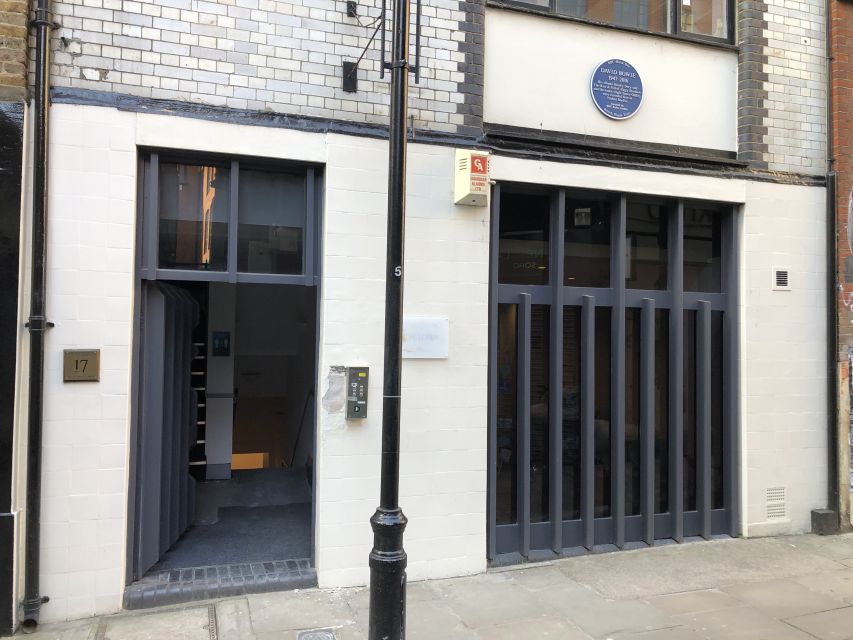
- The last-shared performance roof: a high-up, visual moment you’ll remember.
- John and Yoko’s first meeting: tied to Yoko’s art exhibition, not just trivia.
- Royal Variety Performance: where pop history got made in front of the right crowd.
- Carnaby Street stroll: Soho’s fashion center as the style scene fed the music scene.
- Ronnie Scott’s jazz club stop: a key music-world hangout.
- A recording studio visit: a room where the sound was shaped and used by other rock stars.
Meeting at Piccadilly Circus and the simple 2-hour plan
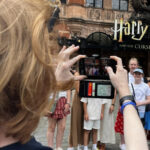
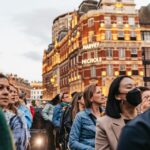
You meet outside Hard Rock Cafe, 225-229 Piccadilly, in the Criterion Building (London W1J 9HR). The nearest Tube is Piccadilly Circus (Bakerloo and Piccadilly lines), and you’ll want to leave by the exit for the statue of Eros.
This tour runs for 2 hours, so it moves at a good walking pace. That’s a plus if you like concentrated sightseeing. It also means you’ll want comfortable shoes, because you’ll be on your feet for the full session.
The tour is guided in English. If you’re the type who loves a guide with energy, you’ll likely enjoy the vibe: I’ve seen how Michael brings humor along with the facts, and how Spencer explains the Fab Four’s London impact with real enthusiasm.
You can also read our reviews of more walking tours in London


Soho and Mayfair: why these streets matter to the songs
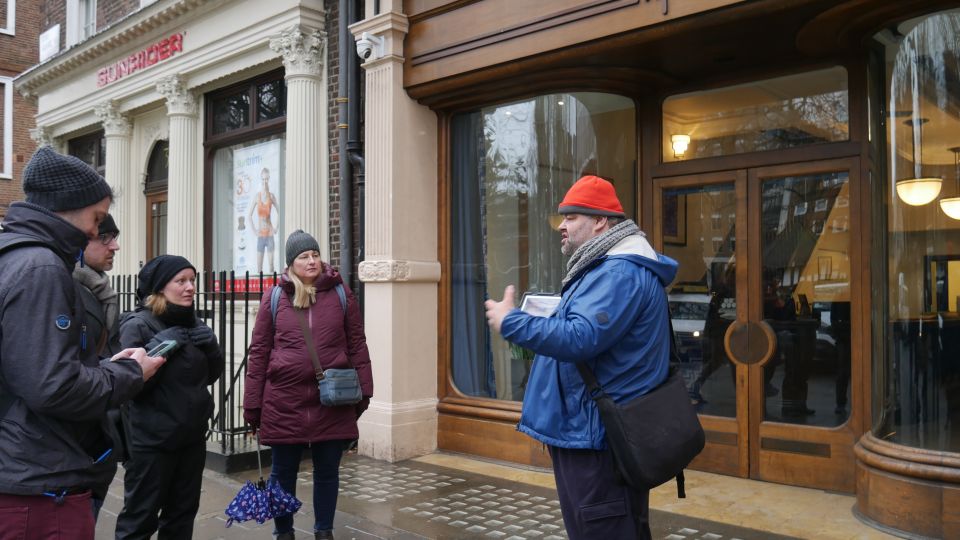
Soho and Mayfair weren’t just a backdrop for the Beatles. They were the cultural overlap where venues, style, media, and nightlife all rubbed shoulders. That’s what makes this walk more satisfying than a list of plaques.
As you pass theaters and legendary music venues, the tour connects what you’re seeing to what was happening around the band. You’ll hear about locations tied to photoshoots and videos, which helps you picture the city through the same lens Beatles fans have used for decades.
Mayfair adds a different tone. It feels more tied to spotlight events and the mainstream side of fame, while Soho leans into the creative, music-running-through-the-streets feel. Together, they make the story feel complete.
The roof moment: where the Beatles performed together for the last time
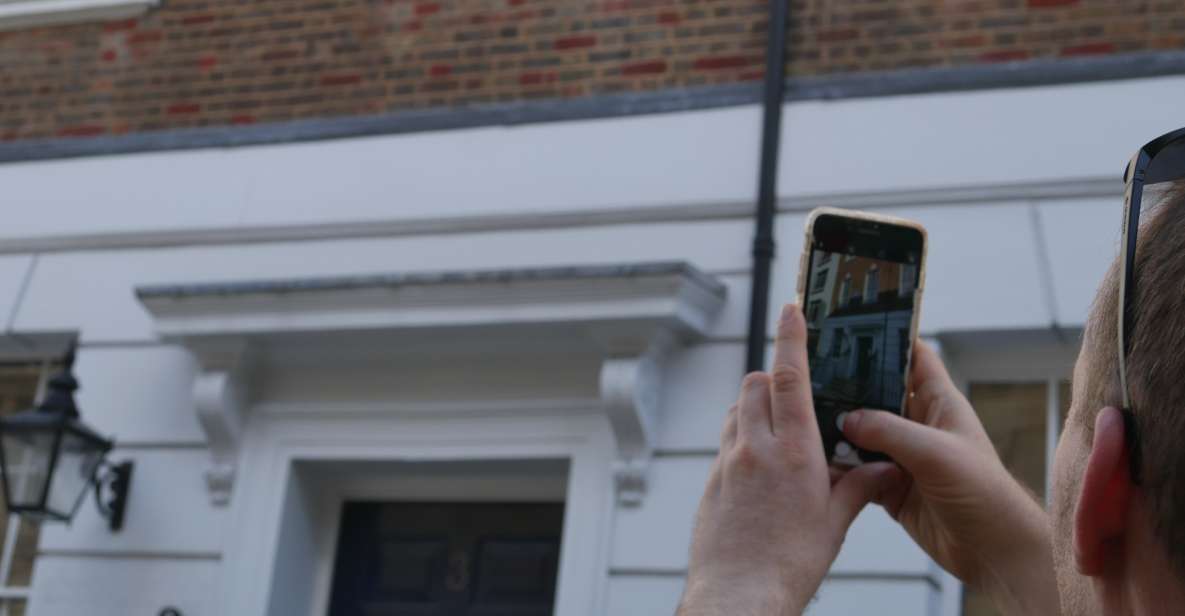
One highlight is the chance to gaze up at the roof connected to the Beatles performing together for the last time. This is one of those stops that works because it’s visual. You’re not just hearing a date and a fact; you’re standing in the place that triggered the memory.
Moments like this help the tour feel less like a lecture and more like a guided walk through scenes. You’ll likely find it easier to remember the timeline once you can attach it to a physical view.
If you’re even mildly photo-minded, this stop also encourages you to look up and frame the surroundings. That’s rare in city tours, where everyone usually stares at street level.
John and Yoko’s first meeting through Yoko’s art exhibition
Another stop pulls you into a different kind of Beatles story: how John and Yoko first met at Yoko’s art exhibition. This is valuable because it adds texture beyond the usual band-only narrative.
It also helps you understand why the Beatles story doesn’t stop at guitar riffs. It expands into art, creative scenes, and new ways of thinking that were happening in London at the time.
As you walk, the tour’s structure keeps tying personal moments to public ones. The result is a clearer sense of how relationships and ideas fed into the music and the culture around it.
Royal Variety Performance: pop fame meets the spotlight
The tour also covers how the Beatles made pop history at the Royal Variety Performance. This kind of event matters because it’s about status. It wasn’t just clubs and radio; it was a high-visibility stage where mainstream attention could lock in.
Expect the guide to connect the performance to why it mattered for pop culture. Even if you already know the basics, the tour’s focus on context is what makes this stop feel worth your time.
If you like stories that explain how fame gets built, this is one of the better segments. It shows how the Beatles grew from a cultural force into a near-institutional one.


Carnaby Street fashion: the 1960s style machine in walking distance
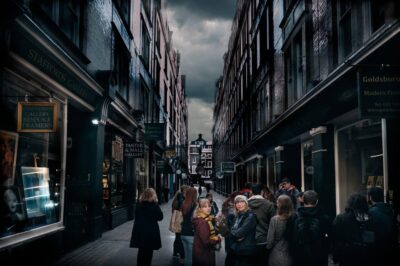
In Soho, you’ll walk down Carnaby Street, described as the neighborhood’s fashion center. This is a smart inclusion because style was part of the Beatles ecosystem. Hair, clothes, and image weren’t separate from the music world. They were part of the same conversation.
What you’ll get here is a sense of how the city looked and what people were choosing to wear and display. That matters if you’re trying to understand why the Beatles became more than just a band. They became a whole visual language.
This is also a nice breather in the tour rhythm. Fashion street energy gives you moments to look around at the actual street life while the guide brings the historical angle back into focus.
Ronnie Scott’s: jazz night where music worlds overlapped
You’ll also learn about one of the Beatles hangouts: the world-famous Ronnie Scott’s jazz club. This stop works well because it highlights the overlap between genres. The Beatles weren’t living in a bubble of only one sound.
Jazz clubs like Ronnie Scott’s were places where music listeners and creators gathered, traded ideas, and soaked up different styles. So even when you’re a rock fan first, this makes sense as part of how musicians think and how audiences learn new tastes.
As you move through Soho, this stop helps you connect the Beatles to a broader London music map, not just a Beatles-only checklist.
The recording studio stop: sound in a room used by other rock gods
The tour includes a visit where you can see the recording studio used by the Beatles, and it notes that this studio was also used by other rock gods. That line is important for how you experience the stop.
You’re not only seeing Beatles ground. You’re seeing a place where the sound of multiple legends could be shaped. In other words, you’re standing in a piece of music infrastructure that mattered far beyond one band.
The tour also mentions learning about the Beatles songs in depth. In practice, this kind of pairing—story plus studio context—helps you connect how music gets made to why certain performances and releases hit the way they did.
The business side: royalties and spin-offs that kept the Beatles machine running
One of the most practical parts of the tour is the business angle. You’ll learn about the Beatles behind-the-scenes engine: music royalties and Beatles spin-off companies that came out over the last 60 years, with revenue largely generated from the devoted worldwide fanbase.
This section is a good reality check. The Beatles story isn’t just art and fame. It’s also contracts, rights, and the way cultural products keep paying out long after the original moment.
If you like understanding why legends stay profitable and culturally present, this part is worth paying attention to. It also helps explain why Beatles London still pulls visitors in, even decades later.
Guides like Michael and Spencer (based on what I’ve seen from past groups) tend to keep this kind of topic readable, not dry. That’s no small thing when you’re walking around London for two hours.
End near Green Park Station: finish with a route you can repeat
The tour ends near Green Park Station. That gives you an easy on-ramp to keep exploring without needing to retrace your steps all the way back to the start area.
I like ending in this zone because it lets you transition from Beatles storytelling to a fresh walk—parks, galleries, or just a simple wander into central London streets.
By the time you finish, you should feel like you can picture the Beatles in the city, not just recall a set of famous names. That’s the real payoff of a route-based tour.
Price and value: why $22 feels fair for a focused walk
At $22 per person for a 2-hour guided walk, the value comes from two things.
First, you’re not just hearing general Beatles talk. You’re moving through a route packed with specific London locations: major venues, fashion streets, a famous jazz club, and a studio-related stop. Second, the tour includes the guide, and you get both the performance storyline and the business storyline in one session.
So the cost makes sense if you want a high-density experience without spending all day. You’re basically buying time—and the guide’s job is to turn that time into a coherent story.
One trade-off to remember: a visit to Abbey Road Studios isn’t included. If Abbey Road is your top priority, this may not be the right single booking. But if you want a broader slice of Beatles London beyond that famous gate, this tour delivers.
Who this London Beatles walking tour suits best
This tour is a strong fit if you:
- Want a short, guided Beatles experience that doesn’t sprawl into a full-day plan
- Like your music history tied to real streets, theaters, and venues
- Enjoy the crossover between pop culture, fashion, and mainstream spotlight events
- Appreciate explanations that cover both the art and the business side of the Beatles
It’s less suitable if you need a tour built around mobility access. The tour data specifically notes it’s not suitable for people with mobility impairments, so you’ll want to look for another format.
Should you book this Beatles walking tour of Soho and Mayfair?
Yes, if you want a tightly guided 2-hour walk that covers more than the usual handful of Beatles locations. The standout benefits are the memorable visual stops—like the roof moment—plus the smart mix of performance history, personal story (John and Yoko’s meeting), and the practical business angle like royalties and spin-offs.
I’d skip it only if your main goal is Abbey Road Studios itself, since that visit isn’t part of this experience. Otherwise, for $22, it’s an efficient way to see Beatles London in a way that feels grounded in the city.
FAQ
How long is the Beatles walking tour?
It lasts about 2 hours.
How much does the tour cost?
The price is listed as $22 per person.
Where is the meeting point?
You meet outside Hard Rock Cafe, 225-229 Piccadilly, Criterion Building, London W1J 9HR.
What is the nearest Tube station?
The nearest Tube is Piccadilly Circus (Bakerloo and Piccadilly lines).
What does the tour include?
It includes a guided Beatles walking tour.
Is Abbey Road Studios included?
No. A visit to Abbey Road Studios is not included.
What language is the tour guide?
The live tour guide speaks English.
What are some key places you’ll visit?
You’ll cover stops tied to Soho and Mayfair, including Carnaby Street and Ronnie Scott’s jazz club, plus performance and venue locations connected to the Beatles.
Where does the tour end?
The tour ends near Green Park Station.
Is there free cancellation?
Yes, you can cancel up to 24 hours in advance for a full refund.
Is this tour suitable for people with mobility impairments?
No, it is not suitable for people with mobility impairments.