REVIEW · WALKING TOURS
Royal London: from Saxons to Tudors & Stuarts Walking Tour
Book on GetYourGuide →Operated by Reign of London · Bookable on GetYourGuide
London’s royal ghosts walk right along the street. This 2-hour Royal London walking tour threads Saxons through Tudors and into the Stuarts, using street-level locations near Trafalgar Square to tell the stories behind some of the most famous (and messiest) moments in British monarchy.
I especially love the focus on the site where the largest royal palace once stood, because it turns big history into something you can literally stand near. I also love how the tour connects a Stuart-era Shakespeare moment with the darker follow-up—when romance, power, and politics stop playing nice.
One possible drawback: it’s fully outdoors for the full two hours, so you’ll want comfy shoes, an umbrella, and a ready-for-cold-or-wet mindset. It’s also not suitable for wheelchair users or people with mobility impairments, and it’s aimed at ages 13+.
In This Review
- Key things you’ll notice on this Royal London walk
- Meeting at Waterstones: your start point and what the tour feels like
- The Saxon-to-Norman setup: William Conquer and Edward the Confessor
- The biggest palace that used to dominate: where royal power once lived
- The Tudor romance thread: Henry VIII and Anne Boleyn’s marriage
- The Stuart-era Shakespeare moment: where plays premiered under changing power
- Charles I and the price of love: the king doomed to be executed
- Guide style: humor, clarity, and room for questions
- Who this Royal London walk is best for
- Practical details that help you enjoy it more
- Is it good value at $29?
- Should you book: my honest call
- FAQ
- Where does the walking tour start?
- How long is the tour?
- Is the tour indoors or outdoors?
- What language is the tour guide?
- How big is the group?
- What should I bring for the tour?
- Is the tour suitable for children?
- Is it wheelchair accessible?
- Can I cancel or pay later?
Key things you’ll notice on this Royal London walk
- Small group of 6 keeps the pace calm and makes questions feel easy.
- Told in story order, so Henry VIII, Anne Boleyn, Charles I, and Shakespeare feel connected instead of random names.
- Outside-only format, meaning street-level views and quick transitions rather than museum time.
- The palace story matters, because you’re learning how power shaped London where you’re standing now.
- Guides with humor and range are a big part of the appeal, with examples like Natalie and Nichole mentioned for wit and insight.
- Rain or shine walking, so come ready with water and layers.
Meeting at Waterstones: your start point and what the tour feels like
You’ll meet at the entrance to Waterstones bookshop on Trafalgar Square (WC2N 5EJ). The guide is described as a quirky short lady, so watch for that at the start and you’ll find the group fast.
This tour runs for 2 hours and stays outdoors the whole time. That matters because the experience is built around what you can see from the street: locations that still “hold” the monarchy stories even when the buildings from a thousand years ago are long gone.
With a group capped at six people, you’re not fighting for attention at every stop. You’re more likely to get explanations at the speed you need. And because it’s in English with a live guide, you can ask the follow-up questions that pop up when Henry VIII, the Tudors, the Stuarts, and Charles I all collide in one walk.
You can also read our reviews of more walking tours in London



The Saxon-to-Norman setup: William Conquer and Edward the Confessor
Before the Tudors and the dramatic headlines, the tour sets the foundation. You’ll hear about the kind of monarchy that built itself over time—plus the big name questions people usually ask when they first hit “Royal London” topics.
Expect time spent on things like William the Conqueror, why the Tudors matter (and what they changed), and who Edward the Confessor was in the long sweep of English rule. The value here is not memorizing a timeline. It’s understanding how England’s monarchy shifted from older roots into the more theatrical, court-centered world that the Tudors and Stuarts made famous.
If you like your history in plain language, this portion helps you connect the dots. Saxons and early rulers can feel like a blur, but when they’re framed as “this is why the later drama is possible,” the whole story locks into place.
The biggest palace that used to dominate: where royal power once lived
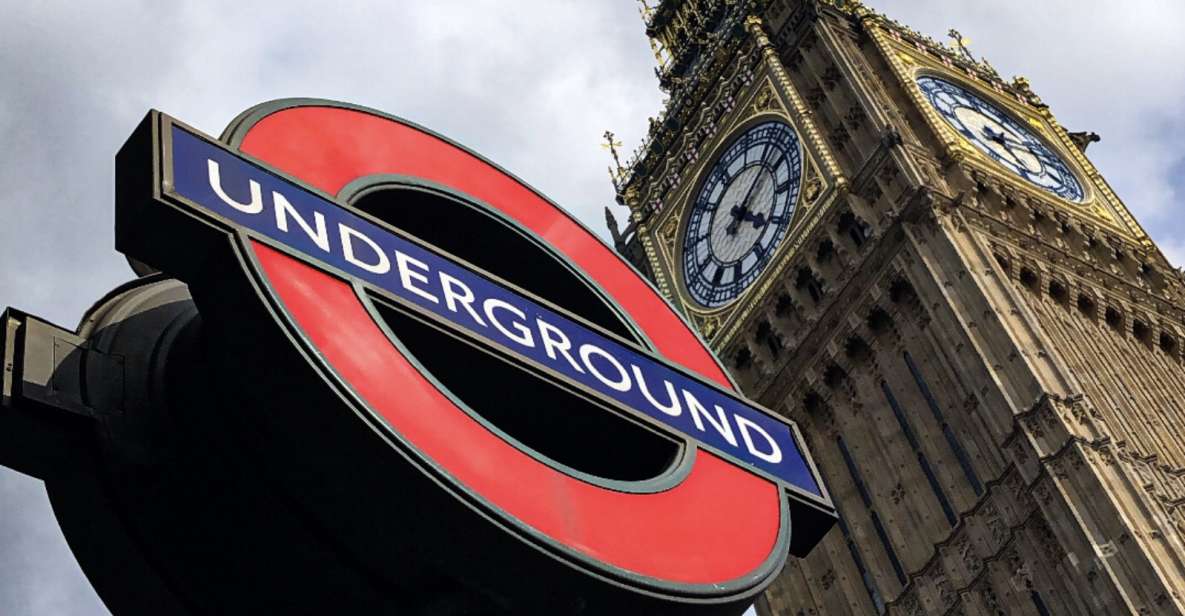
One of the highlights is the site where the largest royal palace once stood. Even if you’ve read about old royal residences before, there’s a different kind of impact when you’re physically near the location that once mattered more than almost anything else around it.
This stop is a reality check in the best way. It helps you understand that monarchy wasn’t only about crowns and portraits. It was about controlling access—who got close to the monarch, where decisions were made, and how the royal presence turned an area into a political center.
Also, because the tour is outdoor-only, the way the story is told matters. You’re not waiting for entrances or ticket lines. You’re walking, stopping, and getting the “why this mattered” explanation right where the location still hints at its past.
The Tudor romance thread: Henry VIII and Anne Boleyn’s marriage
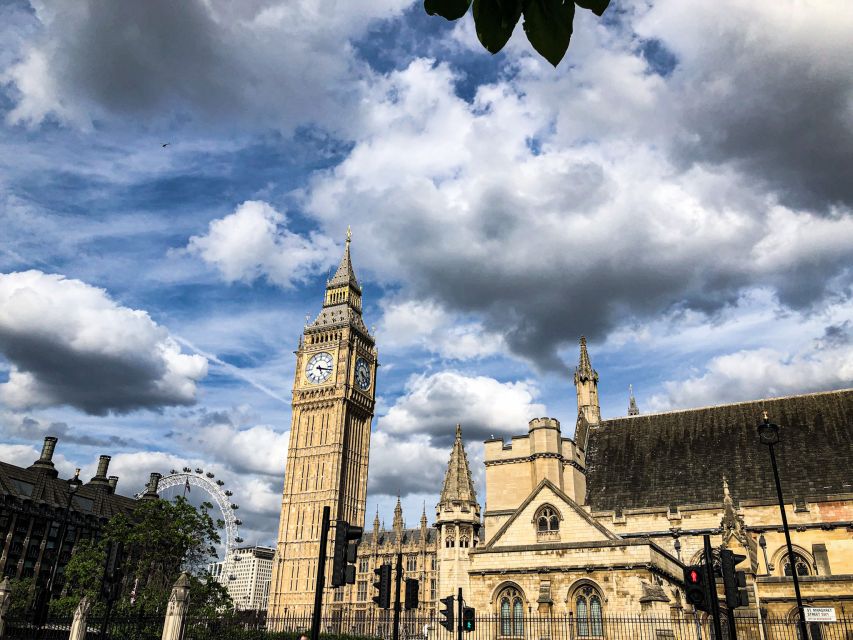
Next, the tour turns to Tudor England, and this is where the story gets personal. You’ll learn where Henry VIII married Anne Boleyn. That’s not just a fact-drop. It’s the kind of event that shows you how romance and state power got welded together in the Tudors.
Anne Boleyn’s story is famous for reasons you’ve probably heard before, but the benefit of hearing it on a walk like this is that it stays grounded in place. You start to see how public acts—marriage included—were part of the political machinery, not side notes.
And because the tour explicitly returns to the idea of the greatest royal love story of all time, you’ll likely come away thinking about what the phrase means in context. In Tudor terms, love wasn’t separate from governance. It was tied to succession, legitimacy, and survival.
The Stuart-era Shakespeare moment: where plays premiered under changing power
A major highlight is a Stuart gem where Shakespeare premiered his plays. This is the part where the tour makes monarchy feel less like museum glass and more like a living performance world.
You’re looking at the intersection of three forces: royalty, theater, and cultural prestige. In the Stuart period, art wasn’t just entertainment. It was another way power demonstrated itself—who could command attention, set fashions, and fund the stage.
This stop also tends to land well if you love royal period dramas. The tour is especially recommended for fans of series such as The Tudors, Becoming Elizabeth, Gunpowder, The White Queen, Mary & George, and Outlander. Even if you don’t watch them, you’ll likely appreciate how the tour ties famous names to the “why” behind their popularity.






Charles I and the price of love: the king doomed to be executed
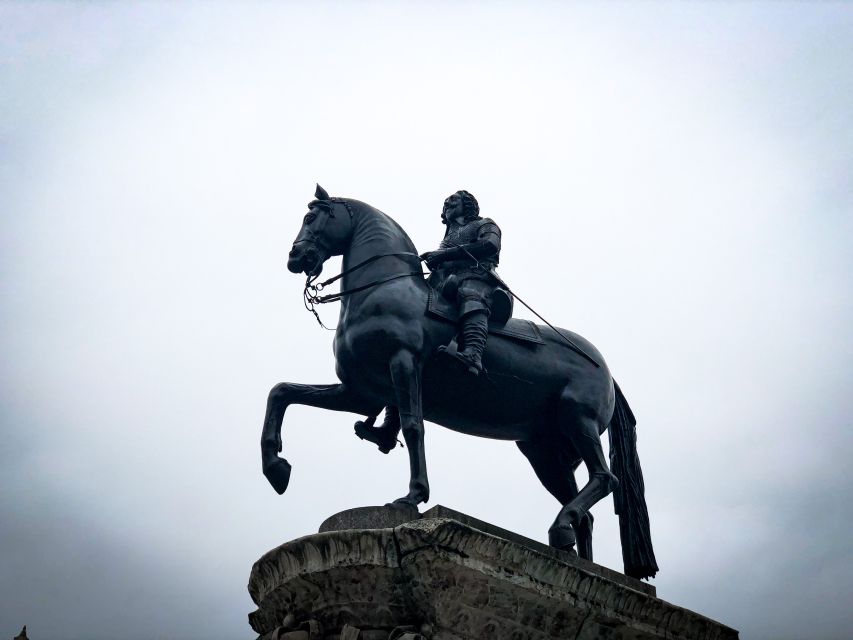
Then comes one of the more intense stories on the route: the love-torn king doomed to be executed and where Charles I lost his head.
This is the point where you’ll feel how quickly the tone shifts—from romance and spectacle to consequence. The tour doesn’t treat this as only a “history headline.” It frames the execution as the endpoint of political conflict, with monarchy caught between personal decisions and public outcomes.
That’s also where you’ll get the most payoff if you’ve been paying attention to the earlier context. By now you know the monarchy isn’t a single character with a single mood. It’s a system, and systems respond—often brutally.
Guide style: humor, clarity, and room for questions
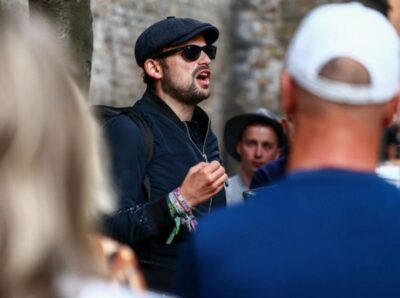
A big reason this tour has such strong ratings is the way the guide teaches. People describe the experience as funny, with humor mixed into history, and with answers that go beyond surface-level facts.
Guides named in feedback include Natalie and Nichole, both associated with approaches that feel engaging rather than lecture-y. One theme that comes through: the tour doesn’t only name the obvious rulers. It also spends time on less-frequently spotlighted figures and angles, which makes the story feel more complete without turning it into a textbook.
If you’re the type who stops asking Why at every corner of London history, you’ll enjoy that the tour seems designed to keep your curiosity moving instead of shutting it down.
Who this Royal London walk is best for
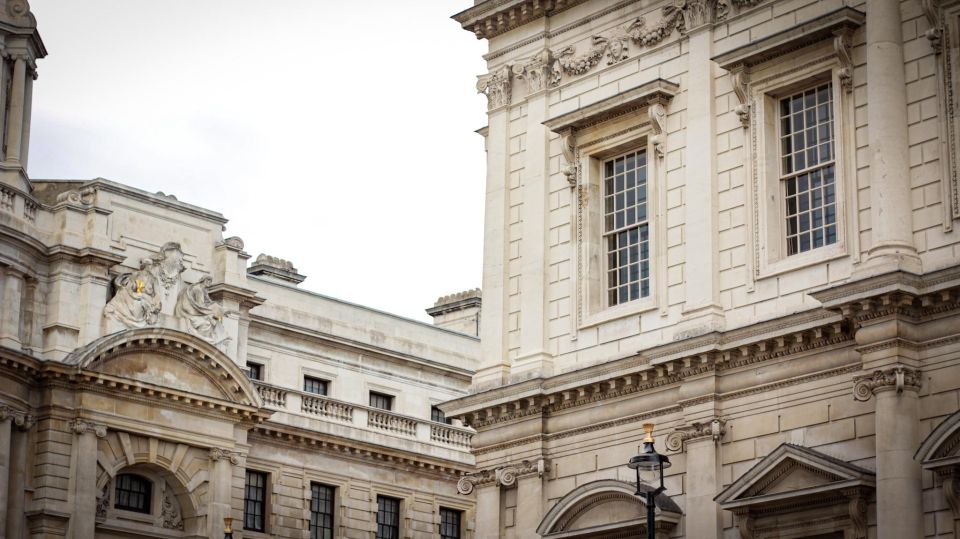
This is a great fit if you:
- Want a 2-hour, outdoor-only introduction to monarchy stories tied to specific places near Trafalgar Square.
- Like history that moves like a story, not a list of kings.
- Enjoy TV-style royal eras and want the real-world context behind them.
- Prefer a small group where you can actually hear and ask questions.
You might not love it if:
- You need frequent indoor breaks or are sensitive to long stretches outdoors.
- You’re traveling with someone who requires wheelchair access or has mobility limitations (this isn’t suitable for that).
- You’re looking for a tour that includes ticketed museum visits (this one explicitly stays outside and does not include visits to places of interest).
Practical details that help you enjoy it more
Come ready for rain or shine. Even in London, weather can change fast, so plan for a cold drizzle as easily as a sunny afternoon. Bring an umbrella and water, and wear shoes you trust for a full walk. Toilets exist in Trafalgar Square, but their opening hours can change.
It’s also worth remembering that the tour is not about stepping inside historic sites. You’ll get street-level learning, with the guide using the surroundings to frame the Saxons, Tudors, Stuarts, Shakespeare, Henry VIII, Anne Boleyn, and Charles I in one continuous narrative.
Is it good value at $29?
For $29 per person over 2 hours, the value is in three areas:
First, the small group size (up to 6). That keeps the experience personal and reduces the usual “walk past, follow the guide” feeling.
Second, the focus. You’re paying for a tight route built around key monarch themes—Saxons, Tudors, and Stuarts—plus specific story anchors like the palace site, the Shakespeare premiere connection, Henry VIII and Anne Boleyn, and Charles I’s execution.
Third, the no-ticket, outdoor format. You’re not paying extra for entrances, and the time stays active instead of waiting around for museum logistics.
If you want a fast, focused way to understand why these eras matter and how they connect, this price-to-time ratio is sensible.
Should you book: my honest call
If you like monarchy that feels human—love stories, political pressure, cultural power—this is the kind of Royal London walking tour that will click. The best part is how it ties famous names to specific places you can point to while you learn what changed and why it mattered.
Book it if you want:
- A story-led walk covering Saxons to Tudors and Stuarts in 2 hours
- A guide who mixes clarity and humor
- A small group experience starting at Trafalgar Square
Skip it if you hate walking in the rain or need accessibility accommodations. Also skip it if you want museum-style stops, because this tour stays outside and doesn’t include entry tickets.
Overall: this is a strong pick for people who want royal history with momentum and a bit of wit, without the hassle.
FAQ
Where does the walking tour start?
You meet at the entrance to Waterstones bookshop, Trafalgar Sq, WC2N 5EJ, UK.
How long is the tour?
The tour lasts 2 hours.
Is the tour indoors or outdoors?
It’s outdoors the entire time, and it does not include visits to places of interest.
What language is the tour guide?
The tour is guided live in English.
How big is the group?
The group is limited to a maximum of 6 participants.
What should I bring for the tour?
Wear comfortable shoes. A bottle of water is recommended, and bringing an umbrella is wise since the tour runs rain or shine.
Is the tour suitable for children?
It’s not suitable for children under 13.
Is it wheelchair accessible?
No. It’s not suitable for wheelchair users and people with mobility impairments.
Can I cancel or pay later?
Yes. Free cancellation is offered up to 24 hours in advance for a full refund, and reserve now & pay later is available.