REVIEW · JACK THE RIPPER TOURS
Jack the Ripper and Victorian London: Beyond the Shadows
Book on GetYourGuide →Operated by Loudman Tours · Bookable on GetYourGuide
Jack the Ripper, minus the cheap scare. I like that the stories stay sharp and human, with Nick using performance-level delivery to keep the focus on what the reports left out. I also like the setting: the East End route ties famous names and places to the everyday reality of 19th-century London, including the women whose lives were reduced to headlines. One drawback to consider: if you’re chasing maximum fright and heavy, gory detail, this tour is intentionally more thoughtful than shocky.
You get a 140-minute guided walk that starts on Braham Street and works its way through East London landmarks like Brick Lane, Hanbury Street, Mitre Square, and Old Spitalfields Market—then finishes at Spitalfields Market. It’s English-led, wheelchair accessible, and the price point ($24 per person) makes it a solid value for anyone who wants context, not just a ghost story.
In This Review
- Key takeaways before you go
- Jack the Ripper, but with a realistic East End lens
- From Braham Street to Brick Lane: setting the mood the right way
- Hanbury Street and Mitre Square: where rumors gather power
- Old Spitalfields Market and the Spitalfields finish: the city after the headlines
- Goulston Street and London Fruit & Wool Exchange: pressure points in the urban map
- The guide factor: why Nick makes the case click
- Price and walking time: is $24 a fair deal?
- Who should book this tour (and who might skip it)
- Should you book Jack the Ripper and Victorian London: Beyond the Shadows?
- FAQ
- How long is the Jack the Ripper and Victorian London: Beyond the Shadows tour?
- Where does the tour start and where does it finish?
- How much does it cost?
- What language is the live guide?
- Is the tour wheelchair accessible?
- Can I cancel and get a refund?
- Is it suitable for everyone?
Key takeaways before you go
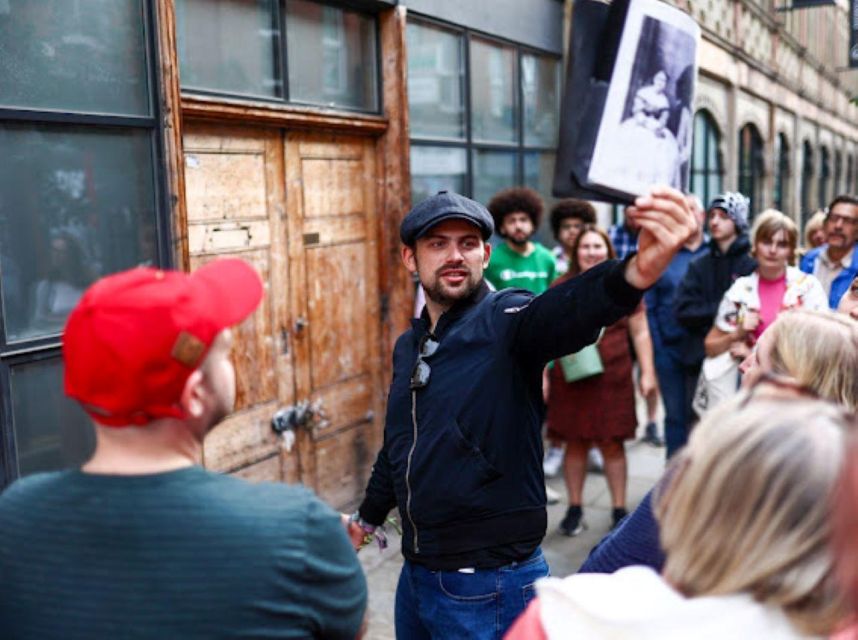
- A guide who performs: Nick’s background in the musicals world shows in how he paces the narrative and keeps you engaged without relying on gore.
- Critical thinking, not just facts: the tone encourages you to question what’s known, what’s guessed, and why rumors stuck.
- Victorian life is the main character: the route connects the Ripper case to poverty, work, and the social pressures around Whitechapel.
- Women’s stories get respect: you’ll hear about the victims as people, along with common misunderstandings about their lives.
- East London streets you can actually visit: Brick Lane, Hanbury Street, Mitre Square, Goulston Street, and more turn the subject from theory into geography.
- Optional comfort moments: if weather turns nasty, you may get thoughtful extras (like a warm-up stop) to keep the group moving comfortably.
Jack the Ripper, but with a realistic East End lens
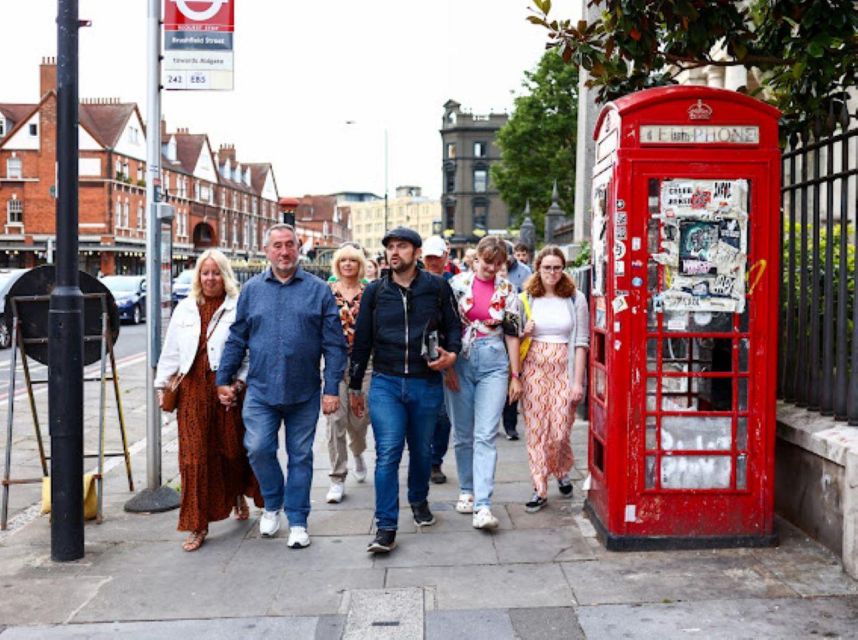
If you only know Jack the Ripper from pop culture, you’re going to notice something fast on this tour: the case stops being “a legend” and starts being a messy human story inside a city that had no shortage of suffering.
I love how this tour refuses the lazy approach. It doesn’t treat the killings like entertainment, and it doesn’t pile on graphic detail. Instead, you get a steady focus on what people were dealing with in the 1800s—work that didn’t pay enough, neighborhoods where everyone watched everyone, and a press-and-public mindset that could distort a person’s life into a headline.
That focus matters for you because it changes what you remember. You don’t just walk away with a list of suspects or dates. You walk away with a sense of why East London felt so volatile then—and how easy it is for stories to become myths when fear runs faster than proof.
And yes, you still get the spooky factor. Victorian alleyways and squares have their own drama even before anyone starts talking. But the tour’s goal isn’t to make you jump; it’s to help you understand.
You can also read our reviews of more tours and experiences in London.


From Braham Street to Brick Lane: setting the mood the right way
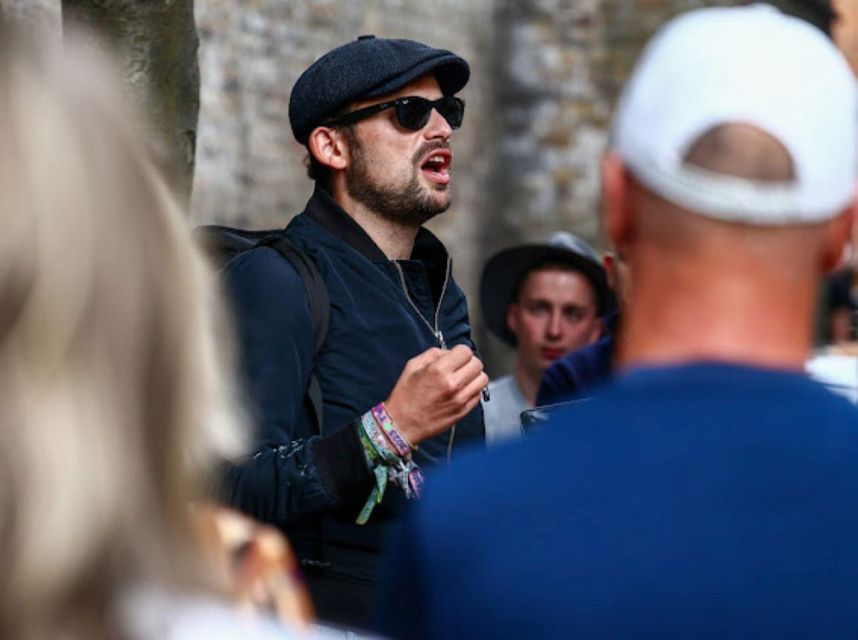
Most people start thinking about the case as if it happened in a vacuum. This tour starts by grounding you in place first. You meet at Braham Street, then move toward Brick Lane, where the guide sets the scene with the kind of detail that makes the neighborhood feel lived-in.
Brick Lane is a smart early stop because it’s a quick lesson in how London layers eras on top of each other. You don’t need a museum ticket to feel the change over time—you just need to look at the street and listen to how the guide connects “then” to “now.”
At this stage, I like that the tour doesn’t throw you into the darkest parts too quickly. It builds your understanding of the area’s social reality before it asks you to think about the crimes and the people caught up in them. That pacing is a big reason the tour works for mixed groups, including families with older teens and young adults who still want the story but also want context.
Practical note: you’ll be walking right away, so wear shoes you trust. The East End is uneven and you’ll be glad you brought comfort, not style-only footwear.
Hanbury Street and Mitre Square: where rumors gather power
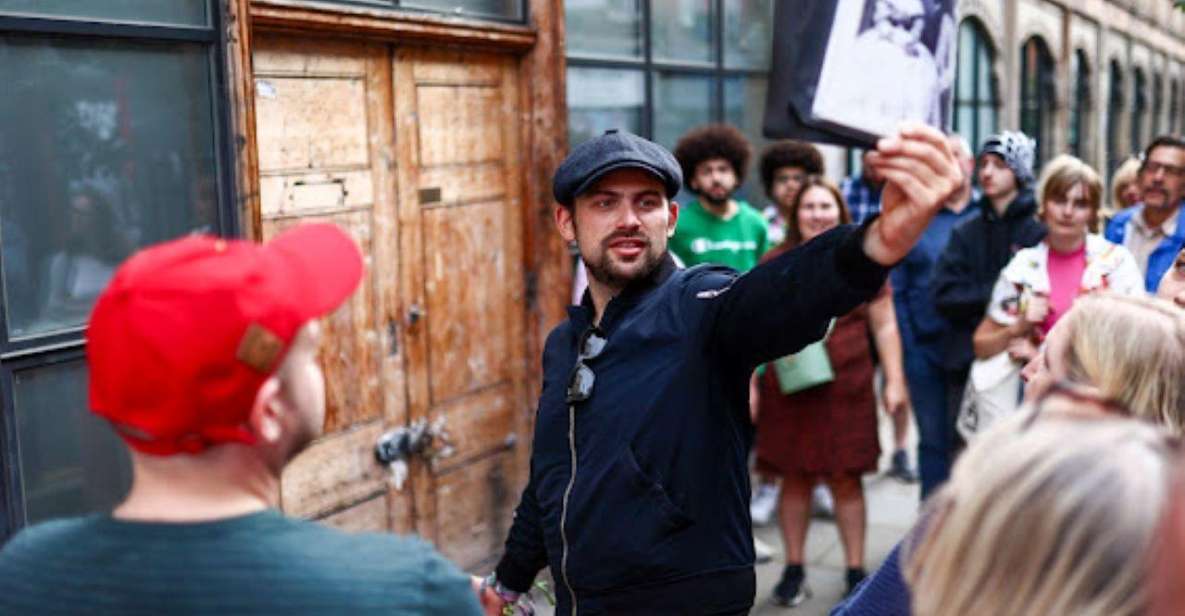
Once you’ve got the neighborhood’s tone in your head, the tour starts moving you toward the kinds of places where a story can spread quickly. Hanbury Street and Mitre Square are key because they’re the bridge between everyday life and the darker headlines that followed.
On Hanbury Street, you’ll get that “street-by-street” feeling: the guide explains how the area operated day to day, then ties that reality back to why the Ripper story caught fire. These aren’t just scenic backdrops. The streets become a way to understand movement—how people traveled, where they gathered, and how someone could disappear into the city’s ordinary rhythm.
Mitre Square adds another layer. Squares can feel like open-and-explained spaces, but in a neighborhood under pressure, they also become meeting points for uncertainty. It’s where you can sense the gap between what people believed and what was actually known. This is where the tour leans into one of its strongest ideas: don’t just accept the story—test it.
Also, the guide keeps things direct and never sugar-coats the topic. That matters because you’re dealing with a tragic subject, and the best storytelling doesn’t pretend the world was simple.
Old Spitalfields Market and the Spitalfields finish: the city after the headlines
Markets are where history stops feeling theoretical. Old Spitalfields Market, followed by time around Spitalfields Market at the end, gives the tour a satisfying close: the case is horrific, but the neighborhood didn’t pause for it.
Here’s why this part is valuable for you. You see how life continued in the same streets where fear and rumor were also circulating. A market isn’t just commerce—it’s a social machine. People come for food, gossip, work, and deals. In a busy area, stories move fast, and so do misunderstandings.
Old Spitalfields Market helps you understand the “human scale” of the 1800s East End. Instead of thinking only in terms of famous names, you think in terms of routines: buying, selling, waiting, talking. That shift makes the victims’ stories hit harder in the right way. The tour keeps emphasizing that the headlines turned people into symbols, and you’ll hear about the women as real people, along with the misconceptions that cropped up around them.
If you like tours that end near a place you can keep exploring, this one is convenient. Finishing at Spitalfields Market puts you back in the public flow of the city, so you can continue the walk on your own or grab something to eat nearby.
Goulston Street and London Fruit & Wool Exchange: pressure points in the urban map
By the time you reach Goulston Street and the London Fruit & Wool Exchange, the tour feels like it’s tightening into an “urban logic” lesson. These stops matter because they’re not just about where something happened—they’re about how a dense city forces people into tight spaces.
Goulston Street works well in the story arc because the guide can explain how the East End’s layout shaped movement and anonymity. Even without getting lost in technical detail, you start to understand how someone could be present in the neighborhood’s flow and still slip away from clarity.
Then you move toward the London Fruit & Wool Exchange, where the theme broadens. This is where Victorian London’s economy becomes visible again. A place like this reminds you that the East End wasn’t only poverty; it was also work systems and trade networks that kept families going. That’s important because it prevents the subject from becoming one-note darkness.
If you’re the type who likes connecting the dots, this portion will appeal to you. The guide uses a mix of explanation and performance-style delivery to help you assemble cause and effect: why certain reports spread, why some details stuck, and why the story grew into something bigger than the facts.
And because the tour avoids unnecessary graphic emphasis, you can stay mentally clear while still absorbing the weight of what happened.





The guide factor: why Nick makes the case click
A “Jack the Ripper” tour can go two ways: sensational or thoughtful. This one clearly chooses thoughtful—without taking itself too seriously.
Nick’s style is where you feel the difference. The delivery is friendly, with humor that lightens the mood at the right moments. At the same time, he doesn’t water down the hard parts. One of the strongest themes in the experience is that you get encouraged to think critically rather than just memorize a storyline.
It also helps that Nick is local and brings that lived-in perspective from working and living around the area. You get fewer textbook vibes and more “here’s how the neighborhood functions” cues.
If you’re worried about the tone going too dark, don’t be. The tour is described as not unnecessarily gory, and the overall approach keeps the story balanced. You’ll still feel the chill in the streets, but you won’t be stuck in shock-for-shock’s sake.
And if you get a rainy evening, you might appreciate the adaptability. There’s an example of an added comfort stop (like a beer tasting) when weather was rough, which signals the guide understands that a walking tour needs practicality, not just performance.
Price and walking time: is $24 a fair deal?
For $24 per person, you’re buying more than “a haunted walk.” You’re paying for a live guide, a structured route through historically linked streets and squares, and a narrative that connects the Ripper case to Victorian social conditions—especially the role of women’s lives and the misunderstandings that formed around them.
140 minutes is a good length: long enough to feel like a real tour, short enough that you’re not exhausted by the time you hit Spitalfields Market. It’s also long enough for the guide to do what you actually want from a story like this—build context, then connect it to the case locations without turning the walk into a lecture.
So value-wise, it’s strong if your goal is understanding. If you’re only interested in a fast, spooky highlight reel with minimal explanation, you might find the tour leans more educational than purely sensational. But for most people, that’s the sweet spot.
One practical upside: the tour offers free cancellation up to 24 hours in advance, and you can reserve and pay later. That helps if your London plans are still moving around.
Who should book this tour (and who might skip it)
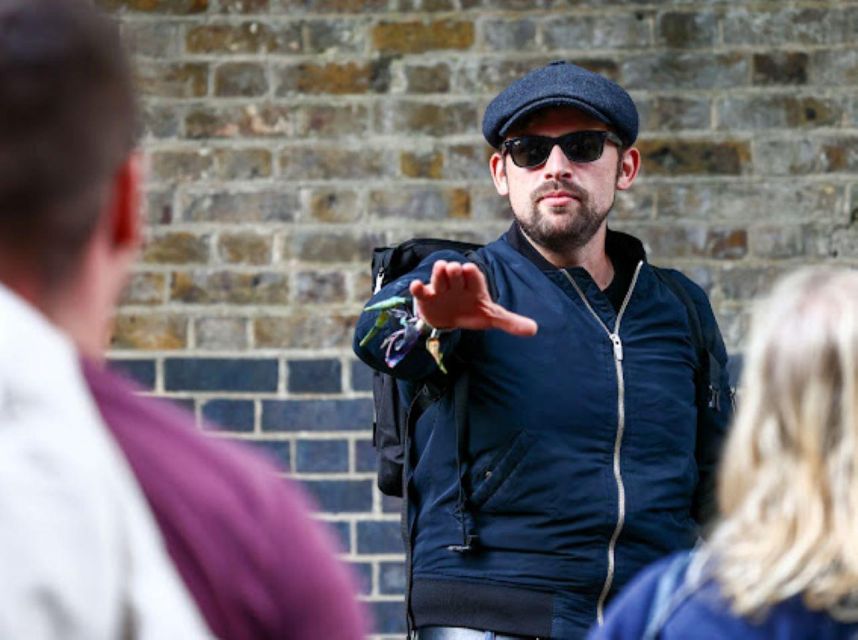
This experience fits best if you want a guide-led East London walk that treats Jack the Ripper as a doorway into Victorian life, not just a horror headline.
You’ll likely enjoy it if you:
- like true crime but don’t want it handled like a gore show
- care about historical context—poverty, work, and daily life
- want respect for the women whose stories were oversimplified
- enjoy tours with energy, humor, and an interactive feel
You might consider a different option if:
- you only want maximum scares and graphic detail
- you’re looking for a short stop-and-go route with minimal walking
- you’re sensitive to dark topics in general
One suitability note from the tour info: it’s not suitable for people over 95 years. It’s also listed as wheelchair accessible, so if mobility is a concern, it’s worth planning your pace and staying mindful on uneven streets.
Should you book Jack the Ripper and Victorian London: Beyond the Shadows?
I’d book it if you want your Jack the Ripper story to come with context you can actually picture. The route through Brick Lane, Hanbury Street, Mitre Square, Goulston Street, and the Spitalfields markets turns the case into geography. And the guide style—fun, direct, and centered on critical thinking—keeps you from sliding into cheap sensationalism.
If you’re trying to pick between “scare-first” and “understanding-first,” this one clearly chooses understanding. That makes it a better fit for repeat visitors to London and for anyone who’s tired of tours that only list facts without helping you see the people behind them.
FAQ
How long is the Jack the Ripper and Victorian London: Beyond the Shadows tour?
It lasts 140 minutes.
Where does the tour start and where does it finish?
It starts at Braham Street and finishes at Spitalfields Market.
How much does it cost?
The price is $24 per person.
What language is the live guide?
The tour is guided in English.
Is the tour wheelchair accessible?
Yes, it’s listed as wheelchair accessible.
Can I cancel and get a refund?
Yes. You can cancel up to 24 hours in advance for a full refund.
Is it suitable for everyone?
The tour info says it is not suitable for people over 95 years.