REVIEW · ART GALLERIES & MUSEUMS
London: Postal Museum Entry Ticket and Underground Rail Ride
Book on GetYourGuide →Operated by The Postal Museum · Bookable on GetYourGuide
That first tunnel ride grabs your attention fast. The London Postal Museum pairs classic postal history, including the world’s first postage stamp Penny Black, with a surprisingly fun Mail Rail ride under the streets. I especially love the hands-on mail-sorting exhibits and the way the museum turns old tech into something you can actually try.
The other big win: you’ll see artifacts that explain why mail mattered, from Victorian street rail bits to flintlock pistols used to defend the mail from theft. One consideration: the underground train ride is short (about 10–15 minutes), so if you’re hoping for a super long tunnel tour, it may feel brief.
In This Review
- Quick hits: what makes this ticket worth your time
- London Postal Museum: why this place feels different
- The Mail Rail ride: what you’re paying for and how it feels
- Penny Black and the postal artifacts that make the past click
- Interactive galleries: where adults actually start paying attention
- A mini walk-through of your visit flow (and where to slow down)
- Bag storage, trains, and the little logistics that save your day
- When is it fun, and for whom does it work best?
- Price and value: is $24 reasonable in London?
- Café and comfort breaks: the practical side of enjoying it
- Optional add-on: Sorted! Postal Play Space for kids age 8
- Booking and timing tips that actually help
- Should you book this Postal Museum ticket and Mail Rail ride?
- FAQ
- How long is the Postal Museum entry ticket experience?
- What’s included with this ticket?
- Where do I start?
- Is the experience wheelchair accessible?
- Is there a special activity for children aged 8?
- Can I cancel for a full refund?
- Are there multiple starting times?
Quick hits: what makes this ticket worth your time

- Mail Rail underground ride takes you through the Post Office railway tunnels in about 10–15 minutes
- The Penny Black is front and center, with context you can understand quickly
- Interactive mail sorting (including a mock train carriage) turns learning into play
- Postal security stories include flintlock pistols, which is more exciting than it sounds
- Family-friendly activities run from educational games to a kids play/add-on option
- Plan for crowds on weekends, especially if you want quiet time in interactive areas
London Postal Museum: why this place feels different
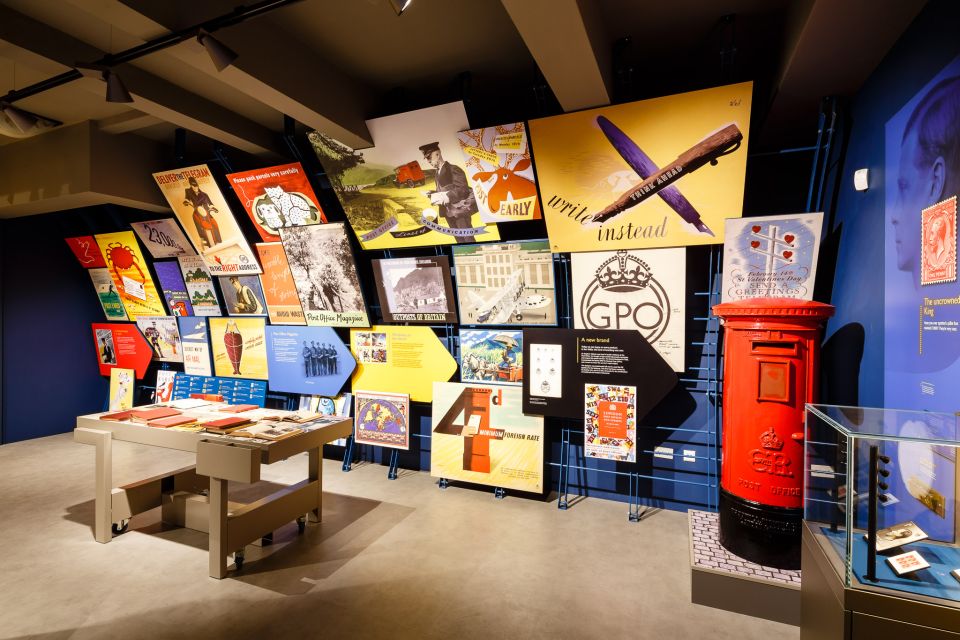
London has world-class museums, but this one hits a specific sweet spot: everyday history. Postal stuff is usually treated as boring paperwork. Here, it becomes a story about routes, timing, technology, and even theft and security.
I like that the museum doesn’t just show objects. It gives you ways to participate—especially in the mail-sorting areas. That makes it easier for mixed-age groups, and it keeps adults from drifting into museum-slow mode.
It also helps that the museum’s theme is clear from the start. You walk in knowing you’re going to connect stamps, trains, letters, and communication—then you do it.
You can also read our reviews of more tours and experiences in London



The Mail Rail ride: what you’re paying for and how it feels

The centerpiece is the Mail Rail experience: a miniature train ride through tunnels used by the Post Office’s own underground railway, dating back over 100 years. You’re inside for a short stretch—think about 10–15 minutes, and the pace stays kid-friendly.
What makes it work is the presentation. You get commentary, plus visuals projected on walls and audio support during the ride. Several people note that the guides use graphics and sound design that keeps the story moving instead of turning into one long explanation.
A couple of practical notes. The ride can feel tight, so it’s not the best match for claustrophobia or very tall visitors. And while the ride is well-run, you might occasionally wait a bit for your slot—one review mentioned about a 20-minute wait—so don’t plan a tight connection right after.
Penny Black and the postal artifacts that make the past click
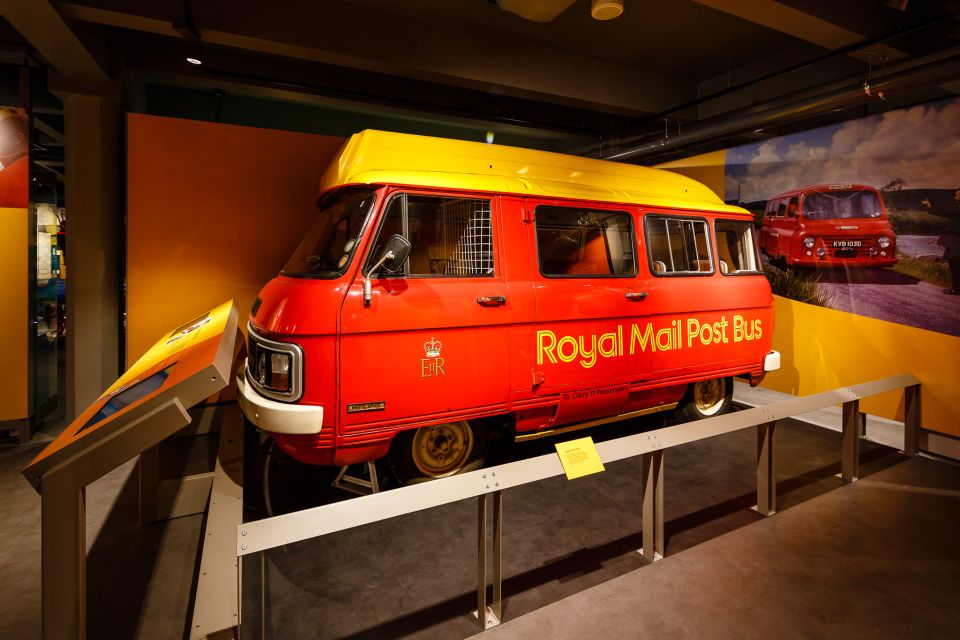
If you only know one postage item, it’s probably Penny Black. That’s exactly why I like this museum: it uses a landmark artifact to teach you how postal systems actually evolved. Seeing the world’s very first postage stamp is a quick confidence boost, because you instantly get why this matters.
Then the museum broadens the picture. You’ll also see a Victorian miniature rail car connected to how street-level rail helped move goods through London. The experience ties transportation to communication in a way that feels logical, not academic.
One of the more memorable details is the mention of flintlock pistols used to protect the mail from theft. It sounds like a plot device, but it’s part of the museum’s explanation of real risks. That mix of everyday letters and serious security is the kind of contrast that keeps the story interesting.
Interactive galleries: where adults actually start paying attention

The museum leans hard into interactive learning, which is why it works so well for families. You’ll find educational games and activities, plus hands-on displays that let you do something—not just read something.
The mail-sorting experience is the star here. There’s a mock train carriage with a wobbly floor, which makes the sorting activity feel physical and a bit funny. It’s also a strong teaching tool because it shows that mail processing is a system of movement, timing, and accuracy.
I also like how the museum supports different attention spans. Some parts use short videos and timelines projected onto walls. Others encourage you to design or play—like creating a stamp—so kids aren’t stuck waiting for adults to finish reading captions.
If you’re visiting with younger kids, be ready for some crowd energy in the interactive zones. One review described interactive areas as hard to use when toddlers take over, which is exactly what you’d expect. The fix is simple: go early in the time slot for hands-on stuff, and switch to quieter galleries if a particular station is jammed.
A mini walk-through of your visit flow (and where to slow down)
Here’s the basic flow I’d follow once you start at the Postal Museum. The museum is organized so you can move from galleries to the ride without feeling like you’re constantly checking directions.
1) Start with the exhibits on postal history
You’ll get a timeline feel right away, with explanations spanning centuries. The museum’s theme is over 500 years of postal history, so you’ll see how the system grows from early methods to later networks.
2) Take in the iconic objects
Don’t speed past the big hitters. Make time for Penny Black and the security-related items like the flintlock pistols. These objects set the emotional hooks for the rest of the galleries.
3) Go for the Mail Rail ride at your booked time
Plan for the short duration, then enjoy it like a guided story rather than a long tour. People praise how the ride is well organized, with staff helping keep everything running smoothly.
4) Return to interactive sections
After the ride, the museum tends to click more. Sorting activities and interactive displays make more sense because you just experienced the concept of mail moving underground.
5) Use any remaining time for extra stories and details
The exhibits include unusual little narratives. One person mentioned enjoying stories like the mail stagecoach horse being attacked by a lioness. That kind of oddball storytelling is exactly what keeps history from feeling like homework.
You can also read our reviews of more museum experiences in London






Bag storage, trains, and the little logistics that save your day
Most headaches at museums are really about practical stuff: where to put your things and how not to lose time. Here, I’d call out the bag situation because it can make-or-break the experience.
One review notes that the museum handled lockers in a smart way. Each train had separate lockers, locked by staff, and they were opened on your return. That’s a comforting setup because it means you’re not scrambling to manage bags while you’re trying to enjoy a time-boxed ride.
Still, go with a sensible plan. Keep valuables on you. If you’re traveling with a stroller, think about your ability to move between tight areas. The data doesn’t spell out stroller policies, so the safest approach is to prepare for normal museum-size movement challenges.
When is it fun, and for whom does it work best?
This ticket is a strong fit for families, especially because the museum is built around activities for all ages. If you’re traveling with kids, you’ll probably appreciate how much is interactive, and how the ride provides a shared “wow” moment.
It’s also good for adults who enjoy quirky history. Postal history doesn’t usually top anyone’s London list, but the Mail Rail ride reframes it as industrial ingenuity and everyday importance. One review even framed it as a “mail anorak” dream—code for adults who love systems and details.
If you’re visiting as a couple and you’re not into hands-on exhibits, you might still enjoy it. But be aware that some reviews suggested the museum leans more toward children. In that case, your best strategy is to focus on the Mail Rail ride plus the big-history objects like Penny Black and the security items, then decide if the interactive areas are your style.
A second “consideration” scenario: if you hate crowds, weekends can feel busy. One person described the museum as swarmed by young children on a weekend, which can make interactive stations harder to use peacefully.
Price and value: is $24 reasonable in London?
At about $24 per person, this is priced like an attraction, not a museum-only stroll. What you’re getting for that price is a museum entry ticket plus the Mail Rail ride—the thing most people treat as the highlight.
To judge value, look at time and variety. The ticket’s listed duration is 1.5 hours, which is a nice size for a London afternoon. But people often stay longer if they read labels carefully or repeat interactive stations. A couple of reviews mentioned around two hours, and one mentioned closer to three, which tells me this can expand depending on how thoroughly you want to move through the galleries.
Given that you get both story and play, it tends to land as good value. If your goal is only a quick history lesson with no interaction, you might find some galleries feel lighter. If your goal is an active family outing with a real underground ride, the value feels sharper.
Café and comfort breaks: the practical side of enjoying it
There’s a family-friendly café on site, and it’s accredited as family friendly in the information you’re working with. One review praised the cup of tea, and another mentioned finding a coffee and snack before heading out.
The small warning is about table readiness near the end of the day. One person struggled to find a clean table around 4:30 pm due to spills on floors and chairs. That doesn’t ruin the visit, but if you’re sensitive to cleanliness, give yourself time to eat earlier in your slot.
Also, because this museum is hands-on, you’ll likely want a break. The café gives you a place to reset before you head back into the galleries.
Optional add-on: Sorted! Postal Play Space for kids age 8
If you’re traveling with a child around age eight, there’s a separate booking option called Sorted! Postal Play Space. It’s bookable separately through the Postal Museum website, and it’s specifically tied to children aged 8.
This matters for your planning because it can turn a standard visit into a longer, more focused day for that age group. If your child isn’t the right age for it, it may be unnecessary. If they are, it can add meaningful value on top of the main ticket.
Booking and timing tips that actually help
Because the experience runs on starting times and a set duration, timing affects how smooth your visit feels. If you can, aim for earlier in the day. You’ll likely find interactive stations easier to access before the peak rush, especially on weekends.
Also, remember the ride itself is short. Build your day around the Mail Rail moment, not around a long tunnel crawl. When you plan other stops nearby, leave a buffer in case your train timing runs slightly later.
Finally, check the museum’s opening schedule close to your trip. The information provided notes that the museum opened every Tuesday until the end of August 2023, which implies changes can happen. Treat it as a “historically there was extended Tuesday access” clue, not a guarantee.
Should you book this Postal Museum ticket and Mail Rail ride?
Book it if you want a London activity that mixes iconic postal history with an actual underground ride. I’d especially recommend it if you’re bringing kids, because the museum is built to keep different ages engaged without you constantly entertaining them.
You should think twice if you’re hoping for a long, detailed train journey underground. The ride is brief by design, and the museum’s structure may feel more child-centered if you mainly want adult-only exhibits.
My simple decision rule: if your trip has room for one hands-on attraction and you’re curious about postal systems beyond stamps, this is an easy yes. You’ll walk out understanding how letters moved through a city that never stops, and you’ll probably remember the Penny Black and the tunnel ride long after you’ve closed your suitcase.
FAQ
How long is the Postal Museum entry ticket experience?
The experience duration is listed as 1.5 hours, with starting times based on availability.
What’s included with this ticket?
This ticket includes entry to the Postal Museum and access to the Postal Museum experience that features the miniature train underground ride.
Where do I start?
The meeting point is at the Postal Museum.
Is the experience wheelchair accessible?
Yes, it is listed as wheelchair accessible.
Is there a special activity for children aged 8?
Yes. Sorted! Postal Play Space for children aged 8 is bookable separately through The Postal Museum website.
Can I cancel for a full refund?
Yes. Free cancellation is available up to 24 hours in advance for a full refund.
Are there multiple starting times?
Yes. The duration is 1.5 hours, and starting times depend on availability, so you’ll want to check which slots are offered.