REVIEW · MUSEUMS
London: Museum of Brands Skip-the-Line Ticket
Book on GetYourGuide →Operated by Museum of Brands · Bookable on GetYourGuide
London’s Museum of Brands can feel like time travel.
This place turns consumer culture into a story you can walk through, from Victorian-era goods to the digital age. I love the way the museum uses the Time Tunnel to connect everyday items to big historical moments, and I also appreciate the chance to slow down in the memorial garden afterward. One possible drawback: if you want strictly art or politics, you may find the focus on brands and advertising less your thing.
You’ll also get a practical setup for an easy day. The museum sits in Notting Hill on Lancaster Road, about five minutes from Portobello Road Market, so you can pair it with browsing and a late lunch nearby. And with a skip-the-line ticket, you can spend more of your day actually inside the exhibits.
In This Review
- Key highlights worth planning for
- Finding the Museum of Brands in Notting Hill (and pairing it with Portobello)
- Skip-the-line ticket: what you actually get (and what you won’t)
- The Time Tunnel: 200 years of consumer life in a clear timeline
- What you’ll see as you move through time
- Why the chronology is more than decoration
- How railways, cars, and planes reshape everything you buy
- Entertainment, travel, leisure, and music—shown through media shifts
- Past TV adverts and the fun of recognizing the pattern
- Rotating temporary displays keep the museum feeling alive
- The award-winning memorial garden: a break that’s part of the plan
- Price and value: is $18 a fair deal?
- Who should book this (and who might skip it)
- Practical plan for a smooth one-day outing
- Should you book the London Museum of Brands skip-the-line ticket?
- FAQ
- Where is the Museum of Brands located?
- How long is the ticket valid?
- What are the opening hours?
- What does the skip-the-line ticket include?
- Are food and drinks included?
- What can I see inside the Time Tunnel?
- Are there temporary displays?
- Is the museum wheelchair accessible?
- When is the museum closed, and what about cancellation?
Key highlights worth planning for
- The Time Tunnel walks you through 200 years of social change tied to products and everyday life
- You’ll see over 12,000 items spanning packaging, brands, and how goods were marketed
- Entertainment and travel milestones show up in unexpected places, from cinema to radio to the airplane era
- Rotating screens of past TV adverts and themed temporary displays can spark real recognition
- End with a proper break in the award-winning memorial garden and a drink or cake you can buy on-site
Finding the Museum of Brands in Notting Hill (and pairing it with Portobello)
The Museum of Brands, Packaging and Advertising is in Notting Hill on Lancaster Road. It’s an easy add-on because Portobello Road Market is only about five minutes away, on foot.
That location matters. Notting Hill is the kind of neighborhood where you can keep your day flexible: museum first, then market browsing (or the other way around). If you’re traveling with people who need “something to look at” after a museum stop, this plan works well because you can shift gears without changing areas.
Also, the museum’s opening hours are fairly visitor-friendly. You’ll find it open Monday through Saturday from 10:00 AM to 6:00 PM, and on Sundays (and bank holidays) from 11:00 AM to 5:00 PM. That gives you options for a morning start or a later afternoon slot.
You can also read our reviews of more tours and experiences in London



Skip-the-line ticket: what you actually get (and what you won’t)
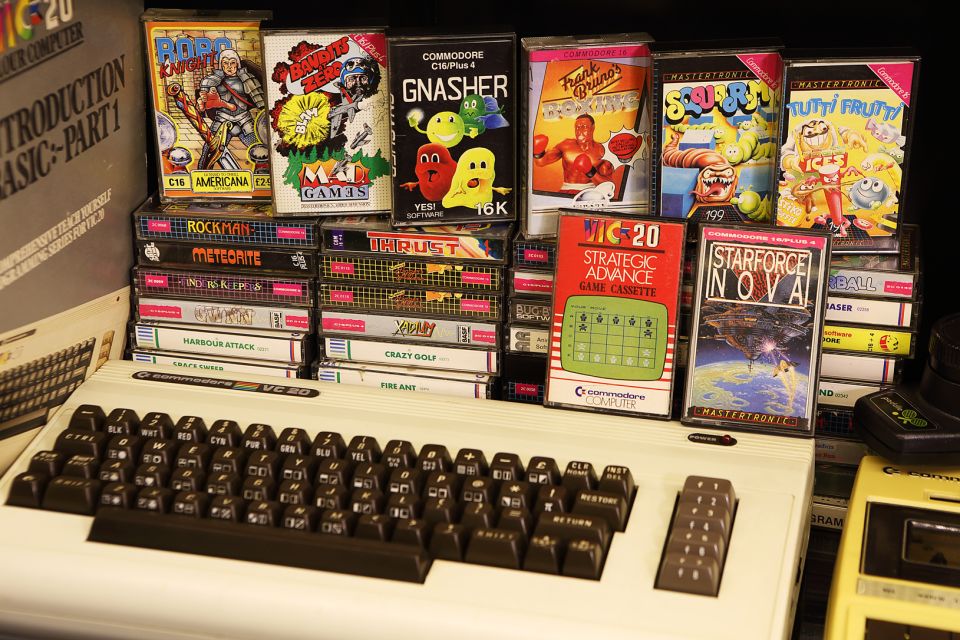
This is a 1-day museum visit, valid from the moment you first use your ticket. The big value is straightforward: you get skip-the-line entry to the museum itself, plus the temporary displays and the garden.
That means your ticket is doing the heavy lifting. Once you’re in, you’re not hunting for extra admissions or wondering what’s covered. The core experience is built around the Time Tunnel, and it’s where most of your time will go.
What’s not included is also important for budgeting. Food and drinks aren’t included, and personal expenses are obviously your call. The garden area includes the option to enjoy cake with a coffee, or a glass of Prosecco—but you should treat those as purchases, not part of the ticket.
The Time Tunnel: 200 years of consumer life in a clear timeline
The Time Tunnel is the heart of the museum. Think of it as a chronological walk through how consumer society evolved, starting from Victorian times and moving all the way to the digital age.
I like how the museum doesn’t isolate “brands” as a modern-only thing. Instead, it frames them as part of daily life—how railways, motor cars, and airplanes changed movement and expectations, and how major public events changed what people wanted and how they were sold it.
What you’ll see as you move through time
The exhibits link brand stories to big historical markers, including:
- royal coronations
- two world wars
- the moment of the man landing on the moon
- and the move into the digital age
You don’t need a background in advertising history to follow it. The timeline approach helps you keep your bearings fast, and it turns “old packaging” into a clue about the era that made it.
Why the chronology is more than decoration
A chronological layout does more than look neat. It shows cause and effect. You can see how advances in transport don’t just affect travel—they also change distribution, availability, and marketing. The same idea shows up with entertainment: new media changes how messages travel, so packaging and advertising adapt.
If you’ve ever wondered why marketing looks so different today, the Time Tunnel gives you a reason you can point to.
You can also read our reviews of more museum experiences in London



How railways, cars, and planes reshape everything you buy
One of the most practical ideas in the Time Tunnel is that everyday shopping didn’t evolve in a vacuum. The museum connects product culture to mobility—the railway, the motor car, and the airplane.
Here’s what that means for your visit. You’ll start noticing how “access” shows up in the displays. When people can travel further or faster, it changes:
- where products can be sold
- which goods become mainstream
- how brands compete for attention
It also helps you understand why packaging matters so much. When products spread wider, labels and visuals become faster ways to communicate quality and identity.
Even if you mainly came for nostalgia, this section gives the experience a backbone. You’re not only looking at old boxes—you’re seeing how society reorganized itself around new possibilities.
Entertainment, travel, leisure, and music—shown through media shifts
The Time Tunnel doesn’t stick to packaging. It tracks how entertainment and leisure changed as technology arrived.
You’ll see how these changes landed in popular culture:
- cinema
- radio
- television
That “media change” angle is one of the reasons this museum works for more than one type of visitor. If you’re a movie person, the cinema thread makes sense. If you remember hearing ads on the radio, the radio section clicks. If you grew up with TV commercials, the television angle feels personal—even when the ads are old.
And it’s not just about big inventions. It’s about the lifestyle adjustments. New ways to spend free time, new forms of celebrity, and new expectations for what counts as modern all show up in how brands speak.
Past TV adverts and the fun of recognizing the pattern
After the main Time Tunnel, you’ll get the chance to watch TV adverts from the past. This is a simple but effective move by the museum: it turns static packaging into something you can hear, with tone, pacing, and persuasion styles that make the era feel real.
If you like connecting the dots between advertising and culture, this part is a highlight. Even without reading every label, you’ll start picking up patterns—what people were promised, what values were used to sell products, and how attention was grabbed.
Rotating temporary displays keep the museum feeling alive
The museum also runs temporary displays. Based on what’s been featured, you might encounter themes like:
- 1950s Toys
- the London Punk scene
- chocolate brands
- biscuit tins
These rotating topics matter because they give the museum a reason to be more than one long hallway of “old stuff.” They also make it more likely you’ll find something you genuinely react to, whether that’s a childhood toy era or a food brand design you recognize by vibe alone.
The award-winning memorial garden: a break that’s part of the plan
When you finish the exhibition spaces, you can wind down in the memorial garden. It’s described as award-winning, and honestly, it’s the right finish for a museum that’s heavy on the idea of consumer time.
This is where you reset. You’ve just spent time absorbing the story of how society arrived where it is today, and the garden gives you breathing room instead of rushing into the next “thing.”
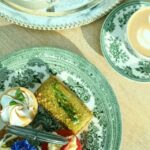
You can also grab refreshments in the garden area. There’s the option of cake with a coffee, or a glass of Prosecco. Since food and drinks aren’t included in the ticket price, treat these as add-ons you choose based on budget and appetite.
If you’re visiting on a busy day, this is also a practical benefit. Not every museum offers a calmer endpoint, and having one makes the whole experience feel more balanced.
Price and value: is $18 a fair deal?
At $18 per person, this museum ticket isn’t trying to be cheap or fancy. It’s pricing itself as a straightforward admission to a focused experience.
Here’s why I think the value holds up:
- You’re getting more than one exhibit space, not just a single gallery. The included entry covers the museum, temporary displays, and the garden.
- The museum emphasizes scale, with over 12,000 items in the collection. That kind of inventory often turns a quick visit into a longer one (in a good way).
- The Time Tunnel is built to explain the big picture, so you aren’t stuck only with labels. You’re getting context for how society, entertainment, and technology shaped consumer life.
The only real “value risk” is personal. If your interest in branding and packaging is low, the museum may feel like too much focus in that direction. But if you enjoy seeing how everyday life and marketing evolve, the ticket makes more sense.
Who should book this (and who might skip it)
This experience is a strong match if you like:
- nostalgia that’s tied to real cultural change
- stories that connect everyday objects to history
- branding and packaging design
- pop culture overlaps like entertainment tech and TV advertising
It also works well for mixed groups. Even if not everyone loves the word “advertising,” there are enough threads—travel, leisure, entertainment—that people can find something personal.
Who might find it less satisfying? If you want a museum focused mainly on art technique, architecture, or deep political history, you may want to spend your time elsewhere. This is about how society learned to want things—and how it was sold to.
Practical plan for a smooth one-day outing
You’re working with a 1-day ticket, so you’ll want to think in blocks: museum time first, then a lighter finish.
A good approach:
- Start when you’re fresh, especially if you want to take your time in the Time Tunnel.
- Save time after for the TV adverts and any temporary displays so they don’t feel rushed.
- Treat the garden as your cooldown, not an afterthought.
Since Portobello Road Market is so close, plan either a morning market browse before the museum or a post-museum stroll afterward. If you do that, you’ll get the best of both worlds: an indoor cultural story and an outdoor real-life neighborhood experience.
One more note: the museum is closed on specific dates. It’s closed August 27–29, December 24–26, and January 1. If your dates land there, you’ll want a backup plan.
Should you book the London Museum of Brands skip-the-line ticket?
If your idea of fun includes seeing how people once lived, shopped, and entertained themselves—and you enjoy the “why” behind packaging and ads—yes, book it. For $18, you’re buying a guided timeline experience, a chance to see over 12,000 items brought together with context, and a calm ending in the memorial garden.
I’d especially recommend it if you want something uniquely London that isn’t another standard big-ticket museum day. It’s niche in the best way: branded objects become cultural clues.
If you’re only mildly interested in advertising, skip it. This museum doesn’t pretend to be about everything. It’s focused, and that focus is exactly why it works for the right kind of curiosity.
FAQ
Where is the Museum of Brands located?
It’s on Lancaster Road in Notting Hill, around five minutes from Portobello Road Market.
How long is the ticket valid?
The ticket is valid for 1 day, from the first time you activate it.
What are the opening hours?
Monday to Saturday: 10:00 AM–6:00 PM. Sunday and bank holidays: 11:00 AM–5:00 PM.
What does the skip-the-line ticket include?
Entrance to the museum, temporary displays, and the memorial garden.
Are food and drinks included?
No. Food and drinks aren’t included, so any cake, coffee, or Prosecco would be an extra cost.
What can I see inside the Time Tunnel?
A chronological journey through consumer society from Victorian times to the digital age, including references to royal coronations, two world wars, the man landing on the moon, and the development of transport like railways, motor cars, and airplanes.
Are there temporary displays?
Yes. Temporary displays can focus on themes such as 1950s Toys, the London Punk scene, chocolate brands, and biscuit tins.
Is the museum wheelchair accessible?
Yes, it’s wheelchair accessible.
When is the museum closed, and what about cancellation?
It’s closed August 27–29, December 24–26, and January 1. You can cancel up to 24 hours in advance for a full refund.