REVIEW · LONDON
London: Apsley House Entry Ticket
Book on GetYourGuide →Operated by English Heritage · Bookable on GetYourGuide
You walk past London royalty, then step inside. Apsley House at Hyde Park Corner is the former home of the first Duke of Wellington, and this ticket turns a famous address into a real, walkable experience.
I love the sheer art collection—around 3,000 paintings, sculptures, and other works, with big-name artists like Velázquez and Rubens. I also like the way the house mixes masterpiece viewing with personal details about Wellington and his descendants.
One practical drawback: there doesn’t seem to be a tearoom right nearby, so you may want to plan where you’ll grab a drink or snack after.
In This Review
- Key highlights to focus on
- Apsley House at Hyde Park Corner: what your ticket actually covers
- Entering the Georgian home: start with the Inner Hall so the rooms make sense
- The art collection: 3,000 works and the names that anchor it
- Waterloo Gallery: the room where Wellington’s story becomes visual
- Basement gallery: the less-seen works that reward patience
- Audio guides and staff help: the best way to catch the details
- Don’t miss the standout objects: sculpture, Napoleon, and fine tableware
- How long to plan and when to go (without overthinking it)
- Price and value: is $17.51 a good deal for Apsley House?
- Who this fits best (and who might want something else)
- Should you book Apsley House tickets?
- FAQ
- Where is Apsley House?
- What is included in the entry ticket?
- How much does the ticket cost?
- Is the ticket valid for more than one day?
- What languages are available?
- Can I cancel for a full refund?
- What are the main highlights inside Apsley House?
- Is there anything special in the basement?
- Is there a place to sit and browse during the visit?
Key highlights to focus on
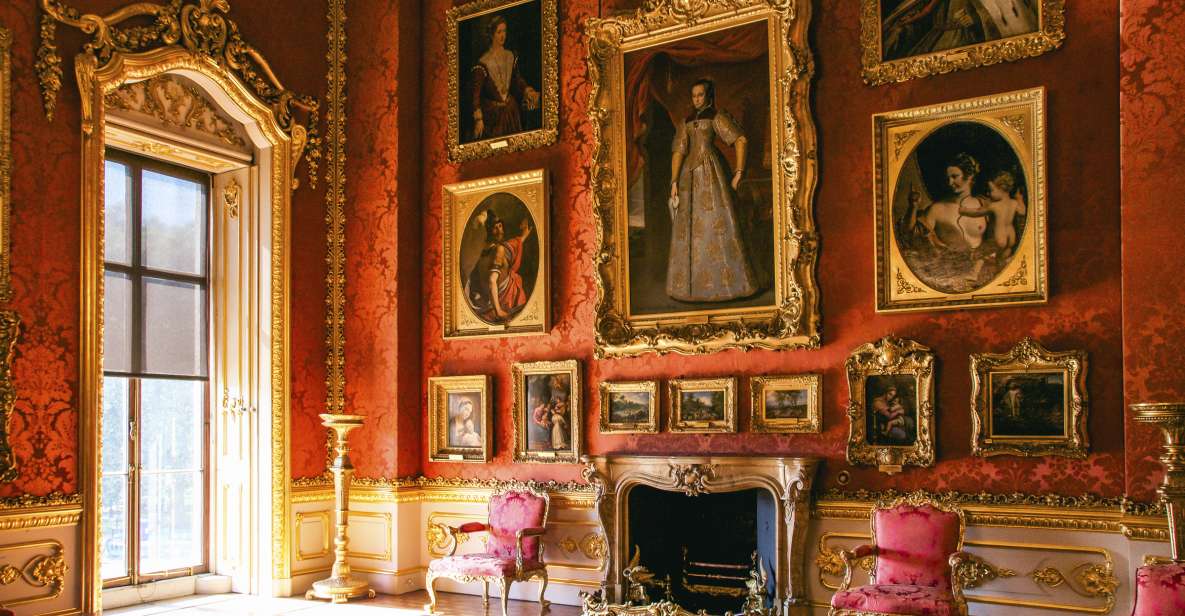
- A London “Number 1” townhouse: the only surviving aristocratic townhouse open to visitors today
- 3,000 artworks to work through: paintings, sculptures, and other standout pieces
- The Waterloo Gallery: a dedicated room that ties Wellington to his most famous legacy
- Rare basement pieces: you can see works shown less often in the basement gallery
- Inner Hall comfort + album browsing: seating and leather-bound image albums to give context as you go
- Audio guides plus helpful staff: get room-by-room explanations, and ask questions when you can
Apsley House at Hyde Park Corner: what your ticket actually covers

Apsley House is one of those London places where the location does half the job. You’re right by Hyde Park Corner, so it fits naturally into a day of walking around central sights. But the real payoff is inside: this is the London home of the first Duke of Wellington, a Georgian townhouse that was once known as Number 1 London.
Your entry ticket is your key to the interior—opulent rooms, organized galleries, and the museum-like approach English Heritage uses to keep things moving. You’re not just looking at isolated objects; you’re seeing a whole home that was built to impress, and then preserved to explain.
If you like history that feels lived-in (not behind glass only), you’ll appreciate how much of the display connects to Wellington’s life and legacy. And if you’re an art person, you’ll like the range—everything from major European painting names to more specific pieces tied directly to the house.
You can also read our reviews of more tours and experiences in London



Entering the Georgian home: start with the Inner Hall so the rooms make sense
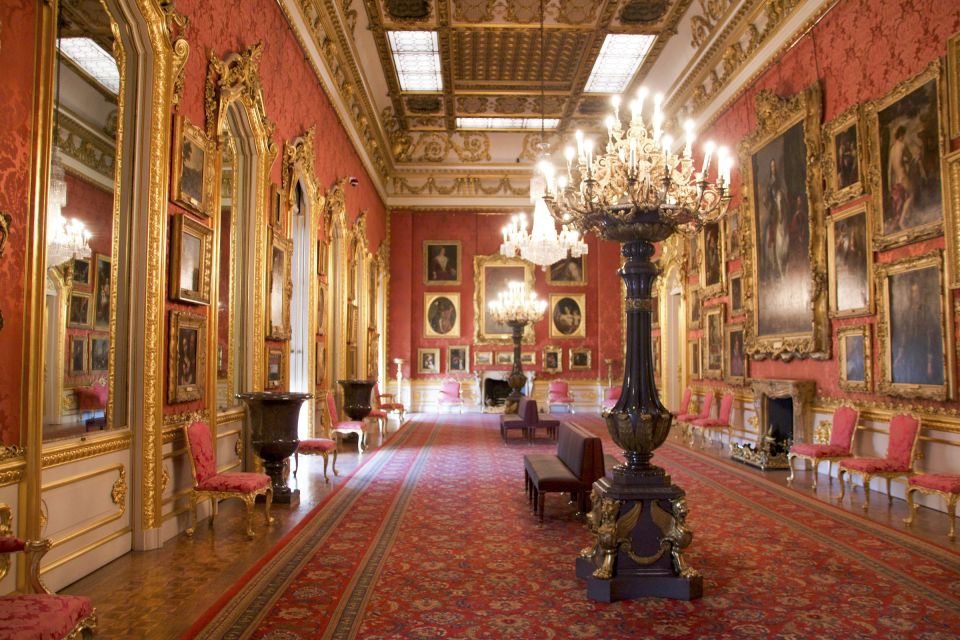
When you enter, I’d treat the Inner Hall as your orientation point. There’s now a comfortable seating area there, and visitors can browse leather-bound albums of images featuring Wellington, his descendants, and Apsley House itself.
That matters more than it sounds. Without a quick mental framework, a grand house can blur into a sequence of rooms and styles. With the albums as a visual guide, you’re better prepared to notice patterns: how the display supports the story of the Duke, how the family presence continues, and how the house’s identity is carried from room to room.
After you get oriented, you’ll move into the main galleries and reception spaces. The rooms are designed for looking slowly—especially if you want to take in both art and objects like the china and gold and silverware that get highlighted in the collection. Those are the kinds of details that turn a “nice building” into a believable household.
The art collection: 3,000 works and the names that anchor it
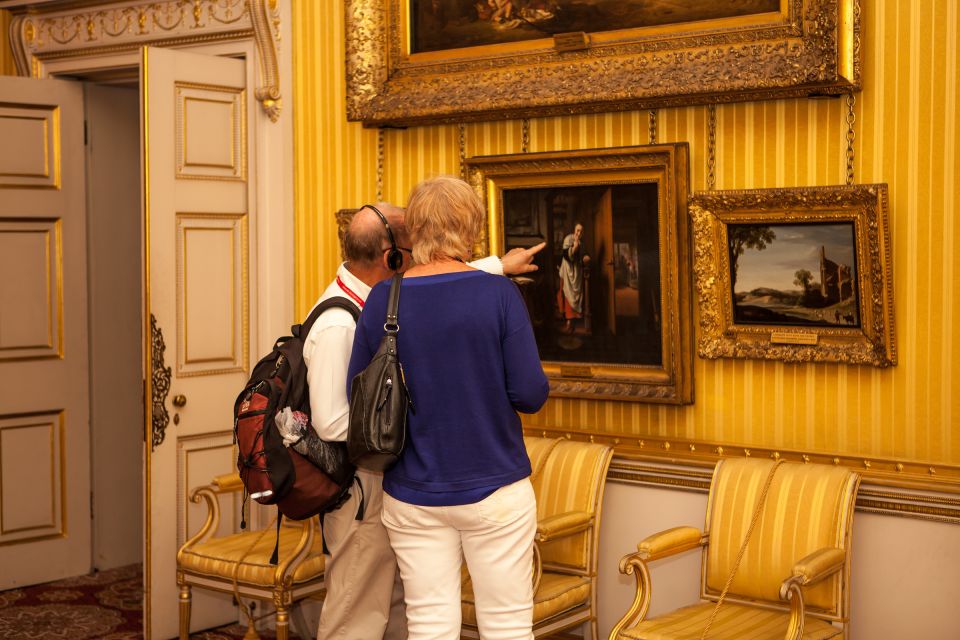
Apsley House gives you a lot to see. Think in terms of volume first: around 3,000 paintings, sculptures, and stunning artwork. That’s not a quick-hit museum. It’s a place to plan for time and to pick what you’ll focus on.
I love this collection for two reasons. First, it has big-ticket painting names that make even a short visit feel like you stepped into major art territory. You’ll find work by artists including Velázquez and Rubens, and the painting rooms can feel especially rewarding if you enjoy seeing famous artists in a setting that’s still connected to power and patronage.
Second, the house includes pieces that connect art to Wellington directly—not just to decorate the walls, but to communicate status, memory, and political storytelling. When you notice that connection, the art stops being “background” and becomes part of the message.
Here’s a smart way to approach it: don’t try to see everything in a single run-through. Instead, decide early if you want to prioritize painting galleries, sculpture, or the themed rooms tied to Wellington. Then let the rest fill in behind that focus.
Waterloo Gallery: the room where Wellington’s story becomes visual
The Waterloo Gallery is one of the headline stops for a reason. Waterloo isn’t just a historical footnote here; it’s presented as a central piece of identity for the Duke of Wellington and, by extension, the house itself.
Expect a grand, room-based experience. This is the kind of place where the architecture and display layout do work for you. Rather than scattering information across wall text only, the gallery design encourages you to absorb the idea of the Duke’s triumphs as something you can physically stand inside.
If you’re interested in the personal/professional life of Wellington, this is where it starts clicking. It helps explain why Apsley House feels like more than a pretty interior. It’s a crafted legacy space—built to make the story stick.
Basement gallery: the less-seen works that reward patience
Apsley House also includes a basement gallery, and this is where the experience gets interesting for art lovers. The collection includes rarely before seen pieces down there, which means you can’t rely only on what’s in the main rooms to feel like you’ve completed the visit.
Basements have a reputation for feeling secondary in some houses. Here, the opposite is the case: you’re going downstairs because there’s more to discover, and the selection adds a different texture to the overall story.
If you tend to rush, the basement is your “slow down” moment. It’s also a good place to revisit earlier themes you noticed upstairs—like the way the collection ties artworks and objects back to Wellington’s family line and the house’s identity.




Audio guides and staff help: the best way to catch the details
You’ll likely see audio guides available, and they’re useful for connecting the dots between rooms. The best part is that they don’t only list what you’re seeing—they can explain why certain display choices exist and what stories are attached to them.
One detail worth planning for: the house lighting has a history that’s more complicated than the obvious timeline. There’s a story about how lighting in the past wasn’t simply a straight path from candle to electricity. For example, paraffin candles were once competitive with oil, and Apsley reverted to candles at one point before later technologies came into use.
That kind of explanation turns “old-looking” into “old understanding.” It also makes the visit feel more human. You aren’t just touring objects; you’re seeing how the household adapted over time.
If you run into particularly helpful staff members in the rooms, take the chance to ask questions. The experience is designed for visitors who want to stop and interpret, not just snap photos and keep walking.
Don’t miss the standout objects: sculpture, Napoleon, and fine tableware
Paintings are the big draw, but Apsley House also leans into the kinds of objects that show wealth as a lived detail. In the rooms, you may notice impressive collections of china and gold and silverware—things that help the home feel real rather than staged.
One particularly striking mention is Canova’s Napoleon as Mars. It’s the sort of sculpture that makes people pause because it’s dramatic and iconic. You’ll also see that small parts matter here—there’s even been discussion about the fig leaf needing replacement occasionally, which is a reminder that preservation isn’t static. Objects get maintained because they’re valued.
If you’re the type who likes to build a “greatest hits” list, spend extra attention on the rooms that feature these standout pieces. They’re often where you’ll get the clearest sense of what makes the house special beyond its paintings.
How long to plan and when to go (without overthinking it)
Your ticket is valid for 1 day, and you’ll want to check the available starting times for the day you pick. For most people, this works best as a half-to-most-of-a-morning or a block of your day where you can move at a comfortable pace.
A few practical pacing tips:
- If you want art depth, plan more time and take breaks in the Inner Hall seating area.
- If you’re fitting this around other central London stops, use the Waterloo Gallery as your anchor; then decide how much time to allocate to the painting rooms afterward.
- Don’t skip the basement if you care about the “less seen” side of collections.
Also, start with the expectation that this isn’t a “quick walk-through” experience. The value is in the rooms and the connections between objects, not in checking a box.
Price and value: is $17.51 a good deal for Apsley House?
At about $17.51 per person, the entry ticket can feel like good value if your priority is art plus historic interior design. You’re getting access to a major art collection, themed galleries like the Waterloo Gallery, and additional works in the basement gallery.
The value equation gets better if you’ll actually slow down. If you do a thoughtful pass—looking at major painting rooms, spending time with the themed storytelling spaces, and not rushing the basement—the ticket supports the kind of visit where you leave with a stronger sense of what the house was and what it meant.
If your priorities are purely outside sightseeing or you only want one room, you might feel like you’re paying for a lot of interior time. But if you’re the sort of person who enjoys grand rooms and can handle several galleries in one go, it’s a sensible spend for central London.
Who this fits best (and who might want something else)
I think Apsley House is a strong match if you:
- Love art and want famous names in a historic setting
- Enjoy interiors where history is part of the display—not separate
- Like Wellington-related stories and want to see how his legacy gets staged through art and objects
It may be less ideal if you:
- Prefer minimal time in museums and don’t like multi-room visits
- Are looking for a modern museum experience with lots of interactive elements (this is a historic-house presentation)
Should you book Apsley House tickets?
Yes—if you want a central London experience that feels like a real aristocratic home, not just a building with paintings. The combination of big-name European art, the Waterloo Gallery, and the extra-room payoff of a basement gallery makes it easier to justify the ticket.
Book it especially if you’re planning a day near Hyde Park Corner and you’d like a quieter, smarter alternative to the biggest crowds. Just plan your snack strategy too, since there doesn’t appear to be a nearby tearoom included as part of the visit.
FAQ
Where is Apsley House?
Apsley House is located in central London at Hyde Park Corner.
What is included in the entry ticket?
The ticket includes entry to Apsley House.
How much does the ticket cost?
The price is listed as $17.51 per person.
Is the ticket valid for more than one day?
No. It is valid for 1 day, so you’ll choose a day and check starting times.
What languages are available?
The host or greeter is English, and English is listed for languages.
Can I cancel for a full refund?
Yes. Free cancellation is available up to 24 hours in advance for a full refund.
What are the main highlights inside Apsley House?
You can explore a large painting collection, the Waterloo Gallery, and the former home of the first Duke of Wellington.
Is there anything special in the basement?
Yes. The basement includes a gallery with works described as rarely seen.
Is there a place to sit and browse during the visit?
Yes. A comfortable seating area is available in the Inner Hall, along with leather-bound image albums to browse.