Holborn has secret platforms you can’t see today. This Hidden London tour takes you behind concealed doors at a working interchange, where you’ll spot Leslie Green station details, get an unexpected view of the Piccadilly line, and hear first-hand accounts tied to the Aldwych branch.
Two things I really like: the chance to stand in disused areas that have been closed to the public for about 30 years, and the way the guide connects design, engineering, and human stories. One catch to plan for: it’s a lot of walking in low lighting and on uneven ground, with stairs and no elevators.
In This Review
- Key things to know before you go
- Why Holborn Station makes this tour work so well
- Getting oriented: the short walk that sets the tone
- Behind concealed doors: what you’ll see in the disused areas
- The Aldwych branch platforms closed for 30 years
- A signalling cabin and the 1930s modernization shift
- Blitz-era shelter, scientific labs, and a model rail club
- Price and value: what $60.61 buys you here
- Who this tour suits best (and who should skip it)
- Should you book the Hidden Tube Tour of Holborn?
- FAQ
- How long is the London Hidden Tube Tour of Holborn’s secret platforms?
- Where do I meet for the tour?
- What should I bring?
- Is food or drink allowed during the tour?
- Is the tour suitable for people with mobility impairments?
- Is it okay for kids?
- Can I cancel and get a refund?
Key things to know before you go
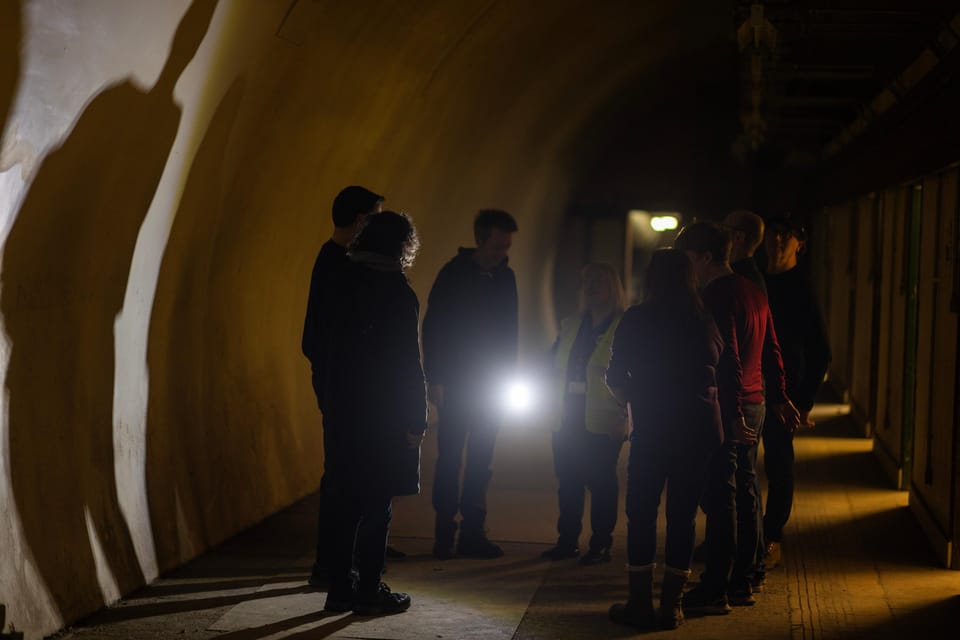
- 30-year-closed platforms: You’ll see the former Aldwych branch platforms that aren’t part of the normal station experience.
- Original design elements: Look for early-20th-century details tied to the station’s Edwardian-era feel.
- A signalling cabin you can actually view: Expect an up-close look at an early signalling space.
- Surprising reuses over time: Labs, wartime shelter, and even a model rail setting show up in the story.
- Modern upgrades matter here: You’ll learn how the Underground’s signalling improvements connect to what you’re seeing.
Why Holborn Station makes this tour work so well
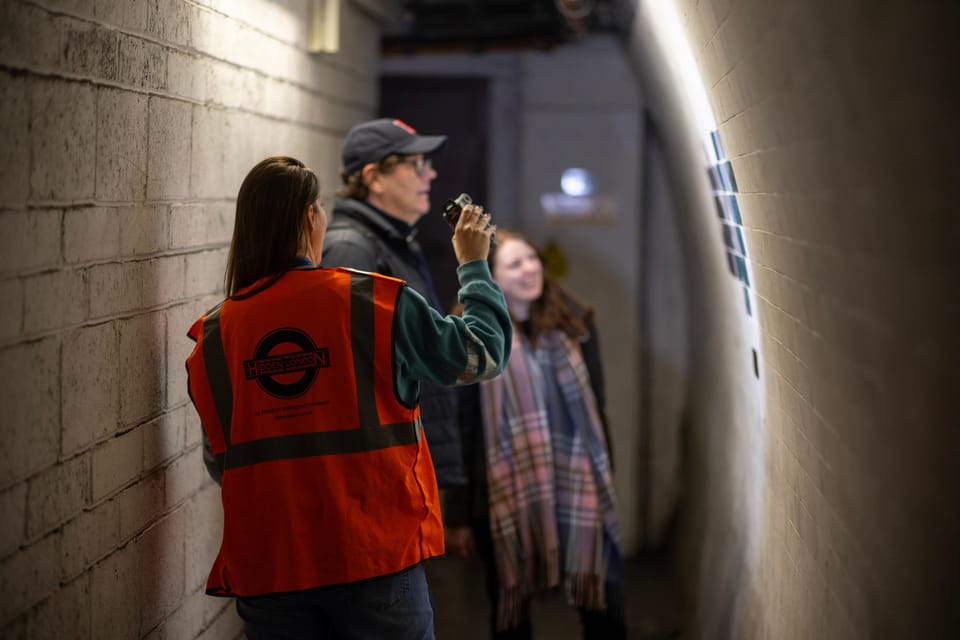
Holborn sits at the centre of London rail life, so it already has energy. But the best part of this tour is how it flips that sense of motion on its head. You’re not just hearing facts from a museum room. You’re stepping into the spaces that sit behind the day-to-day station routine.
I like that the tour keeps its focus tight on one station and what it became. Holborn originally opened in 1906 as a complex of four platforms serving the Piccadilly line. That matters because you quickly see the station as an evolving machine, not a single “old building” you pass by.
And the Aldwych angle adds extra weight. The branch line is the kind of railway story that feels almost impossible until you see what’s left: two closed platforms, vintage posters, and station features tied to the Edwardian design language.
You can also read our reviews of more tours and experiences in London.



Getting oriented: the short walk that sets the tone
The tour meets on the corner of Gate Street and Kingsway (WC2B 6AA). You’ll start there and end back at the same point, so you’re not dealing with transfers or long walks across town.
This is also a practical, time-boxed experience. It lasts about 85 minutes, so the guide can’t waste time with long theory lectures. Instead, you move through the station area, then step into the concealed spaces where the real visuals are.
Bring a passport or ID card, wear comfortable shoes, and plan on water. Food and drinks aren’t allowed, and you also should expect restrictions on bags: no luggage or large bags.
Behind concealed doors: what you’ll see in the disused areas
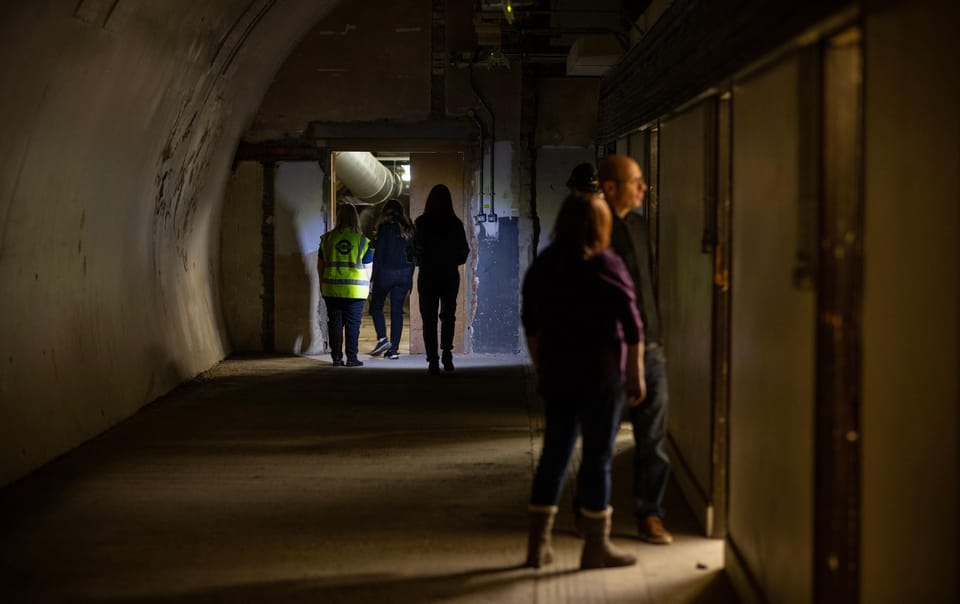
This tour’s core moment is entering disused areas behind the public station parts. The spaces you’ll visit aren’t just “quiet back rooms.” They’re substantial portions of the old infrastructure, which is exactly why the stories land harder when you can see where things happened.
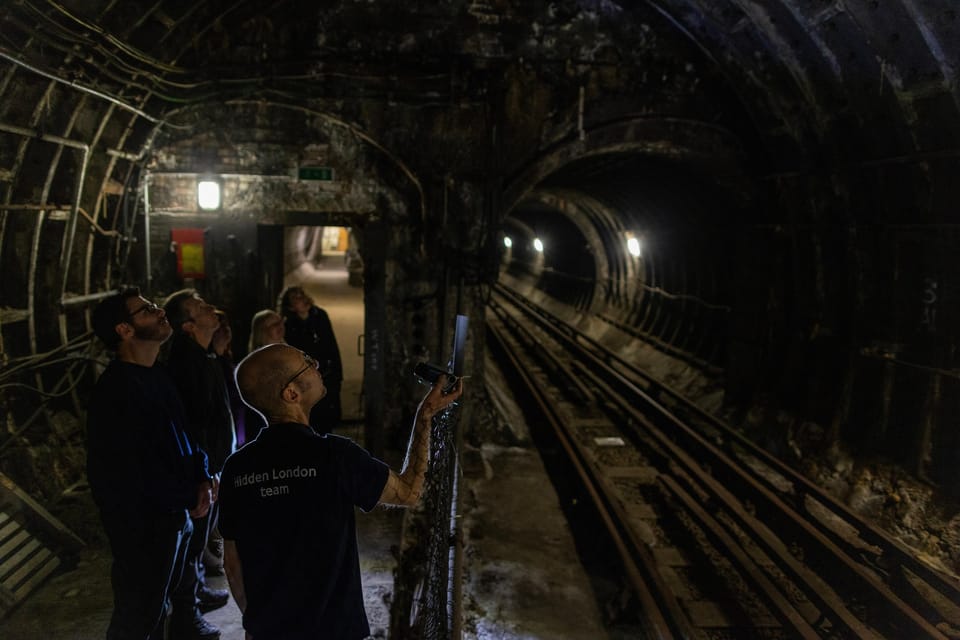
You’ll get an unexpected view of the Piccadilly line while you’re in the background areas. That contrast is fun. You’re seeing how the modern Underground sits beside the forgotten sections that used to serve a different flow of trains and passengers.
Inside, the guide points out early design details, including Leslie Green features. The building style matters because it helps you picture the station as it was when it first opened. You’re not only looking at old tracks and platforms. You’re seeing the original Edwardian-era station identity in the materials and layout still present in these spaces.
The Aldwych branch platforms closed for 30 years
This is the part that most people come for, and it’s also where the tour delivers the strongest “I can’t believe this is here” feeling.
You’ll explore two closed platforms from the former Aldwych branch line. Since they’ve been closed for roughly 30 years, you’re seeing an area that hasn’t been polished into a showpiece the way many attractions are. That makes the space feel more real and more grounded.
Expect to notice:
- vintage posters
- platform design elements linked to the early 20th century
- the sense of a rail line that once had a clear purpose, but later went quiet
The tour also ties these platforms to the broader story of how Holborn’s role changed over time. You’ll hear how the station evolved, and why the Aldwych connection ended up becoming part of the “behind-the-scenes” layer of London transport.
A signalling cabin and the 1930s modernization shift
Rail stations run on more than tracks. They run on systems: signalling, control, and upgrades that often rewrite how everything works.
During the tour, you’ll see an early-20th-century signalling cabin. Even if you’re not a tech person, it’s a powerful stop because it makes the abstract idea of rail control feel physical. You get a better sense of why modernization wasn’t just cosmetic. It changed operations.
The guide also connects this to the big modernization program of the 1930s. One of the most interesting pieces of context is how that project affected nearby stations. You’ll hear how the 1930s modernization led to the closure of nearby British Museum station. It’s the kind of “domino effect” story that helps you understand why some parts of London’s Underground infrastructure survived while others disappeared.
And if you like to think about the Underground as a living system, there’s good payoff here. The tour explains how Holborn still plays a key role today through a massive upgrade of the signalling system. So you get a clean line from 1906, to the 1930s changes, to what’s happening now.




Blitz-era shelter, scientific labs, and a model rail club
One reason I recommend this tour to more than just railway geeks is that the station’s hidden spaces didn’t stay “unused.” They changed hands and purposes.
You’ll relive the station’s twisty 20th-century story as the guide describes surprising uses for these areas over the decades. The tour includes episodes like:
- scientific laboratories
- wartime shelter for London Transport staff during the Blitz
- housing a model rail club
This matters because it turns “abandoned station” into something more human. In wartime, space wasn’t just architecture. It was protection and a place to keep services running. In quieter periods, you can hear how the same infrastructure became a workspace or a community hobby setting.
The guide also shares how staff members may have felt during the height of the Blitz. That emotional context gives the technical story a backbone.
Price and value: what $60.61 buys you here
At $60.61 per person for an 85-minute guided walking tour, this isn’t a cheap “walk-and-watch” activity. But it also isn’t priced like a generic museum talk.
The value comes from access. You’re paying to see disused platforms and restricted areas that have been closed to the public for decades. You’re also paying for interpretation: the guide connects what you see (platforms, posters, signalling) to why it exists and how it changed.
If your London plan already includes major attractions, this one fills a different niche: off-limits transport infrastructure with real visuals. If you’re the type who likes engineering stories, it’s an especially good match. If you only want sweeping landmarks and wide views, you might find the experience more niche than you expect.
Who this tour suits best (and who should skip it)
This works best for you if you enjoy:
- Underground history with a practical, station-specific focus
- seeing physical remains like platforms, posters, and a signalling cabin
- stories that connect rail upgrades to real life changes
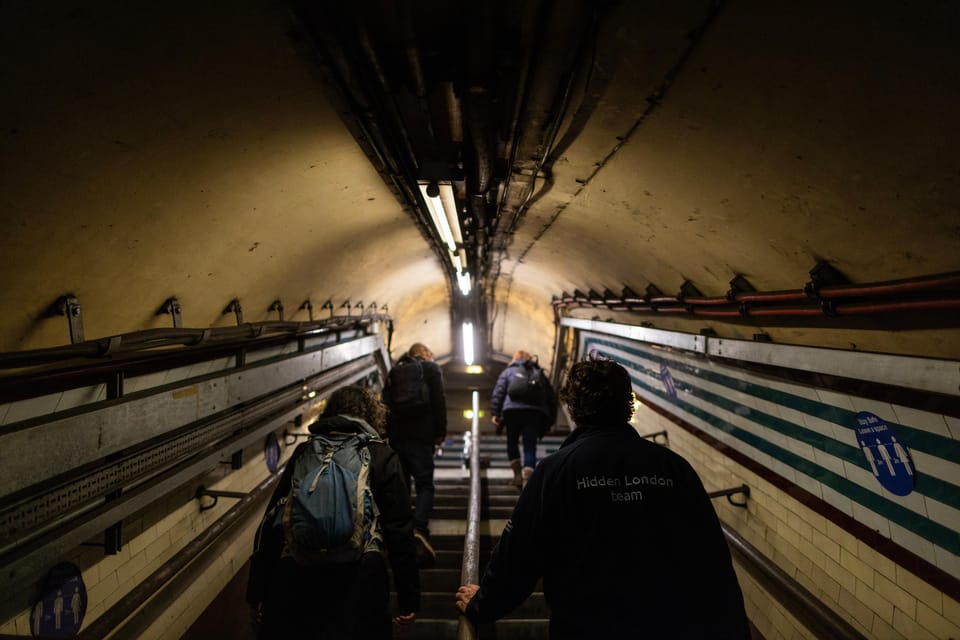
It’s not for everyone. The tour involves a lot of walking, including uneven ground, low lighting, and stairs. There are no elevators, and it isn’t suitable for people with mobility impairments. It’s also not suitable for people with claustrophobia.
There are child limits too: no children under 10, and a maximum of four children aged 10–15 per adult.
Should you book the Hidden Tube Tour of Holborn?
I’d book it if you want a London experience that feels different from the usual street-level sights. The reason is simple: you’re getting access to station spaces with an actual, visible past—Aldwych platforms, vintage posters, and a signalling cabin—plus the guide connects those details to the 1906 opening, 1930s modernization, Blitz-era use, and today’s signalling upgrades.
Skip it if you’re uncomfortable with stairs, low lighting, uneven surfaces, or tight-feeling areas. Also skip it if you want food stops, long breaks, or a mostly seated experience.
If those constraints don’t bother you, this is one of the better ways to see how London’s Underground has kept reinventing itself—sometimes in places most people never notice.
FAQ
How long is the London Hidden Tube Tour of Holborn’s secret platforms?
The tour runs for about 85 minutes. Starting times vary, so check availability for the next slots.
Where do I meet for the tour?
You meet at the corner of Gate Street and Kingsway, WC2B 6AA. The tour ends back at the same meeting point.
What should I bring?
Bring a passport or ID card, comfortable shoes, and water.
Is food or drink allowed during the tour?
No. Food and drinks are not allowed.
Is the tour suitable for people with mobility impairments?
No. It is not suitable for people with mobility impairments because the route involves stairs and uneven ground and there are no elevators.
Is it okay for kids?
It isn’t suitable for children under 10. For ages 10–15, there’s a limit of four children per adult.
Can I cancel and get a refund?
Yes. Free cancellation is available up to 24 hours in advance for a full refund.