REVIEW · LONDON
Booze, Brothels & the Bard: London’s Bawdy Borough
Book on GetYourGuide →Operated by Historic London Tours · Bookable on GetYourGuide
London goes dark in Southwark. This tour I’d put in the win category for prison history you can still sense and Shakespeare’s Globe seen up close, both old and new. The one drawback: it’s short and tightly timed, so you may want a second visit if you want deeper time inside any single stop.
I like the angle here: not polite sightseeing. You walk through the parts of London that were outside the City of London’s jurisdiction for centuries, where the mix of commerce, crime, and entertainment got permission to be… unruly. Expect stories that range from medieval brothel slang to Roman-era roots, plus nods to Charles Dickens and a few wonderfully named local characters.
One more practical thought before you go: it’s a 2-mile walking tour and it’s not designed for kids under 13. If you’re sensitive to the subject matter or you prefer only upbeat history, you’ll likely want to know that the tour leans into “seedy goings-on.”
In This Review
- Key highlights you’ll feel fast
- Southwark’s 2-mile walk: a perfect length for first-timers
- The “Bawdy Borough” idea makes history stick
- Marshalsea Prison: where punishment had a neighborhood address
- Crossbones Garden: the human scale behind the grim labels
- The Hop Exchange and the George Inn: booze isn’t just background
- Borough Market: the crowds, the rhythm, and why it matters to the story
- Old Operating Theatre Museum & Herb Garret: when medicine mixed with the streets
- Southwark Cathedral and London Bridge: the official face on an unofficial street
- Winchester Palace remnants: the bishop’s power meets the street’s mess
- Clink Prison Museum: a second prison changes the whole feel
- From the Globe Theatre site to the current theatre: Shakespeare in the same neighborhood
- Charles Dickens and the story characters that make Southwark memorable
- Price and value: $26 for a guided story through dozens of years
- Practical stuff that helps on the day
- Should you book Booze, Brothels & the Bard?
- FAQ
- How long is the walking tour?
- Where do I meet the guide?
- How far do we walk?
- What stops will we see?
- Is it suitable for children?
- What’s included in the price?
Key highlights you’ll feel fast
- Small group cap (15 people) keeps the pace friendly and questions easy to answer
- Two major prisons in one sweep: Marshalsea and the Clink, plus what still remains
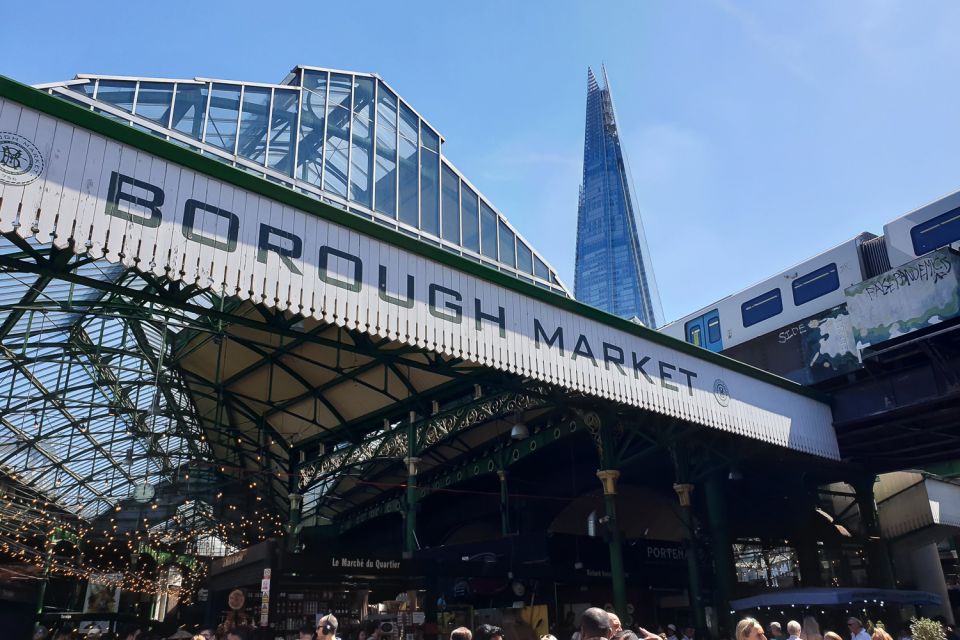
- Borough Market on the route, so you get the real Southwark vibe, not just stone facades
- Shakespeare’s Globe old site + current theatre, tying the Bard to the neighborhood
- A tight cast of characters in the storytelling: Winchester Geese, Dickens, and even Doorkins Magnificat
- Two-hour value for a route that covers Southwark’s street level across centuries
Southwark’s 2-mile walk: a perfect length for first-timers
This is a 2-hour guided walk that covers about 2 miles total. That matters more than it sounds. In central London, two hours is long enough for real story-telling to land, but short enough that you’re not trapped marching for half a day.
The tour starts just outside Borough Station on Borough High Street. Your guide stands by the exit with an Historic London Tours sign, which makes it easy to find even if you’re coming in from another line. You end at Shakespeare’s Globe, which is a smart finishing point because it’s one of the most useful places to tack on your own time afterward—meal, museum, or another wander toward London Bridge.
What I like is the way the route stays compact. Stops are close to each other, so you don’t lose the thread. You also get a guided “map” of the area: why Southwark became known for debauchery, how institutions shaped street life, and how the theatre world got stitched into the same neighborhood.
You can also read our reviews of more tours and experiences in London.


The “Bawdy Borough” idea makes history stick
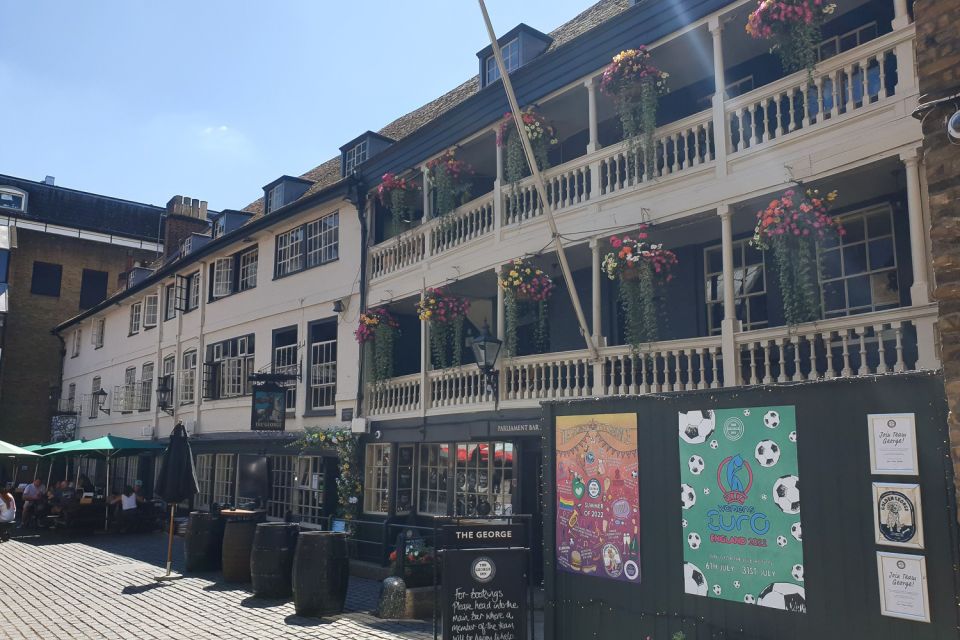
Southwark has a reputation, and this tour leans into it—literally in the title. The goal isn’t shock for shock’s sake. It’s to explain how the area developed over time when it sat just outside the City’s rules.
The tour frames Southwark as a long-running stage for vice. You learn that prostitution was notorious here from early settlement days, and the stories stretch forward through the medieval period and into the modern imagination. You’ll hear about Winchester Geese and the kind of work and language associated with brothels, along with references to a pub landlady ghost from the nineteenth century. That blend of characters and real places is what makes it memorable.
Also, the guide ties the “seedy” label to the logistics of urban life: markets need foot traffic, prisons need clients, taverns need customers, and theatres need audiences. You’re not just hearing gossip. You’re learning how a neighborhood’s economy and enforcement shaped what people did after dark.
Marshalsea Prison: where punishment had a neighborhood address
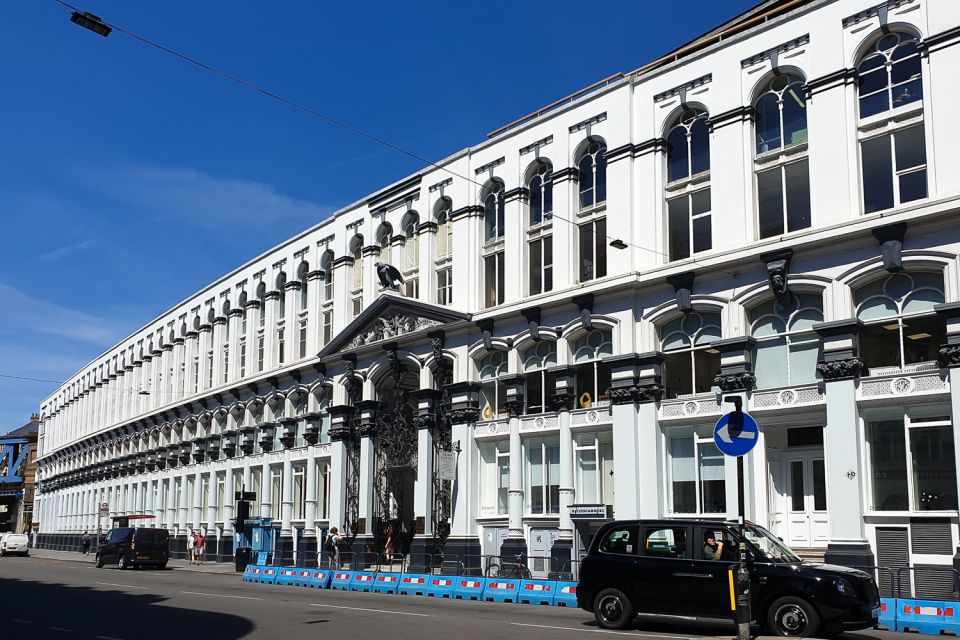
The walk kicks off with The Marshalsea Prison area. Even when only small portions remain, prison sites have a strange power: you stand where people once passed through an institution, not just a building.
What makes this stop worth your time is the way it connects confinement to the surrounding street reality. Prisons weren’t isolated bubbles. They sat in a lived-in city, close enough to shape commerce, travel routes, and everyday fears. The guide keeps it moving and pointed—about why the Marshalsea name mattered, what you can still interpret on the ground, and how it fed into Southwark’s grim reputation.
If you like history that’s grounded in geography (where one corner explains another), you’ll get a lot out of this. You’ll also appreciate that the guide keeps the information short at each stop, so the whole route doesn’t feel like one endless lecture.
Crossbones Garden: the human scale behind the grim labels
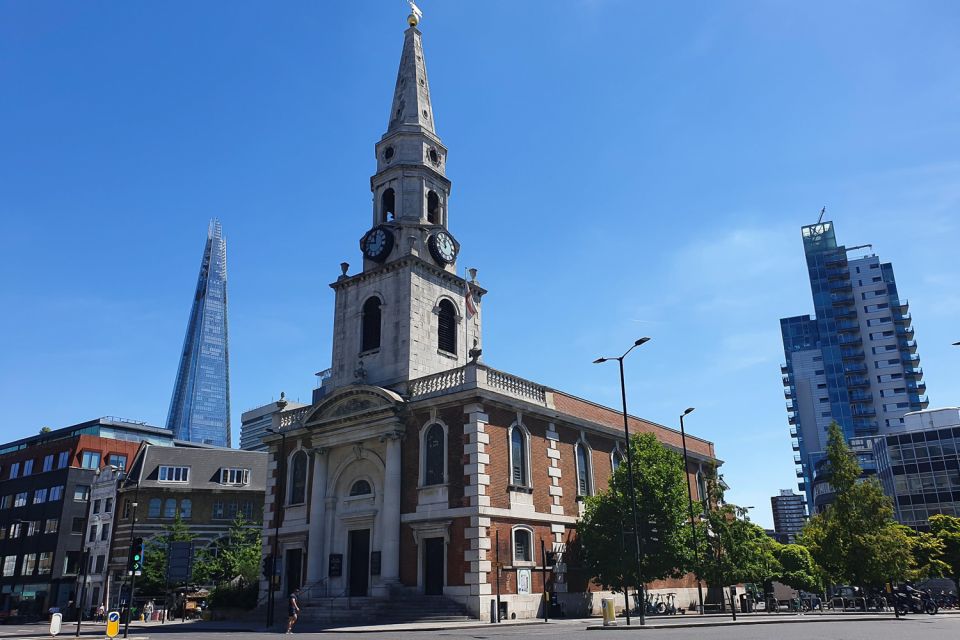
Next up is Crossbones Garden. The name alone sounds like a warning sign, and the context here is the payoff. This is another place where the tour reminds you that “criminal justice” in earlier centuries wasn’t abstract. It was physical and local.
The benefit of covering Crossbones right after Marshalsea is pacing. You move from one institution into a neighborhood area, and the story doesn’t reset. Instead, it builds. The tour helps you understand how Southwark held layers of suffering and social stigma—then still kept functioning as a place to live, trade, and gather.
The Hop Exchange and the George Inn: booze isn’t just background
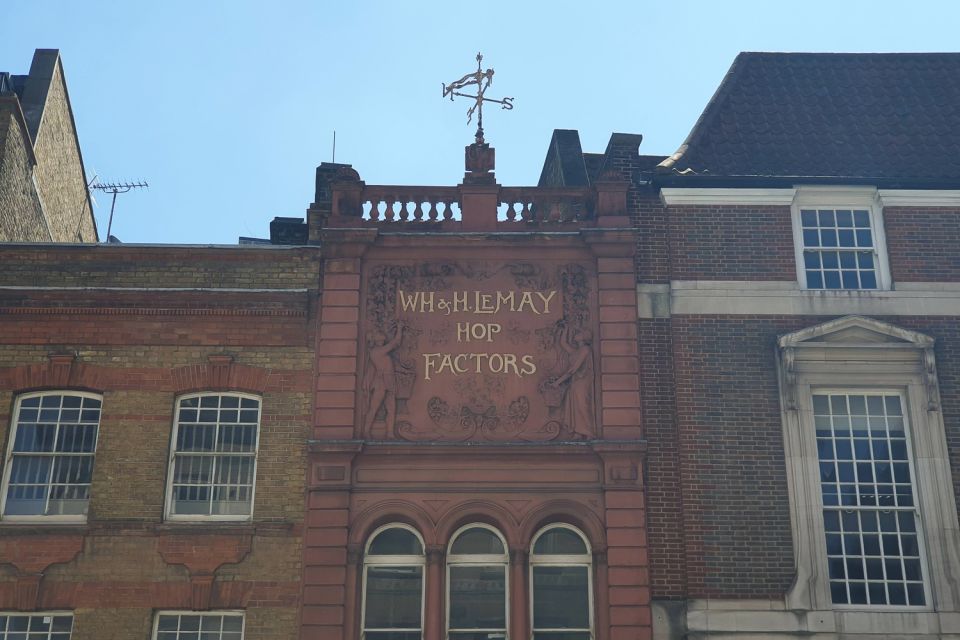
Southwark’s reputation gets explained best when you see the places where people gathered. This tour includes The Hop Exchange and The George Inn. These stops help you connect the dots between vice and daily life.
You’ll learn how brewing, shipping, and drinking spaces sat next to enforcement. If you’ve ever wondered why so many historic crime stories seem to orbit pubs and inns, this part answers it. The guide links the food-and-drink world to the street economy that fed brothels, prisons, and the marketplace crowds.
One thing I appreciate: the tour doesn’t treat pubs as costume set dressing. It uses them to explain how people spent money, how rumors spread, and why night life could grow in the same area as punishment.


Borough Market: the crowds, the rhythm, and why it matters to the story
Then comes Borough Market, and it’s a real-world contrast. You’re in a neighborhood still alive with vendors and foot traffic, not a museum corridor.
The value here is interpretive. You’re not just eating vicariously. You’re seeing why markets keep getting referenced in old street stories: they bring density, bodies, and money into one place. That density historically helped vice businesses survive, because there was always an audience wandering nearby.
Also, if you go on a busy day, expect crowds. The tour itself helps you move through them with less stress—your guide keeps the group together and helps you keep sight of what you’re there to notice.
Old Operating Theatre Museum & Herb Garret: when medicine mixed with the streets
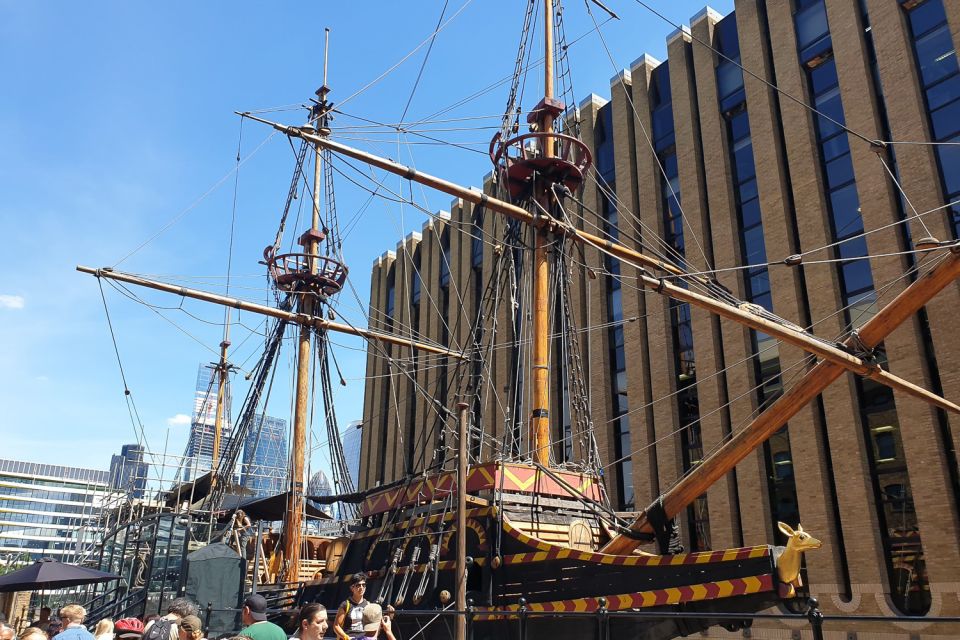
This stop, The Old Operating Theatre Museum & Herb Garret, brings a different angle: not punishment and romance, but the harsh side of life that people could not dodge. The guide’s pacing matters here. With only a few minutes at the site, you need the kind of direction that points you toward what to remember—not just what to look at.
It fits the tour theme perfectly. Southwark wasn’t only about scandal. It was also about care, commerce, and the reality of bodies in a crowded city. The herb garret angle connects medicine and everyday remedies to the same neighborhood that held prisons and pubs. It’s one of the strongest “why this area, why here?” moments.
Southwark Cathedral and London Bridge: the official face on an unofficial street
After the market and medicine stop, the tour shifts into landmarks that look more “official”: Southwark Cathedral and London Bridge.
This is useful because it gives you contrast. The neighborhood might be known for seedy goings-on, but it wasn’t lawless. It had institutions, too. Standing at the cathedral site helps you understand the push-pull: faith and order on one side, and the neighborhood’s entertainment and exploitation on the other.
London Bridge is the bigger anchor—less about one single story, more about orientation. It helps you lock the area into your mental map. That means later, when you wander on your own, you won’t feel like you’re walking in circles. You’ll know where the waterline, main routes, and key zones fit.
Winchester Palace remnants: the bishop’s power meets the street’s mess
The tour includes Winchester Palace—specifically what remains of the bishop’s palace. This stop is a lesson in power. When you look at leftovers of an elite residence, you’re reminded that medieval authority and everyday life were neighbors.
What I like about including palace remnants is that it balances the “bawdy” framing. It forces the contradiction into the open: the same streets where people paid for pleasure also sat under the shadow of serious hierarchy. The guide connects it to the broader story of Southwark’s reputation—how authority, wealth, and enforcement shaped the neighborhood’s behavior.
Clink Prison Museum: a second prison changes the whole feel
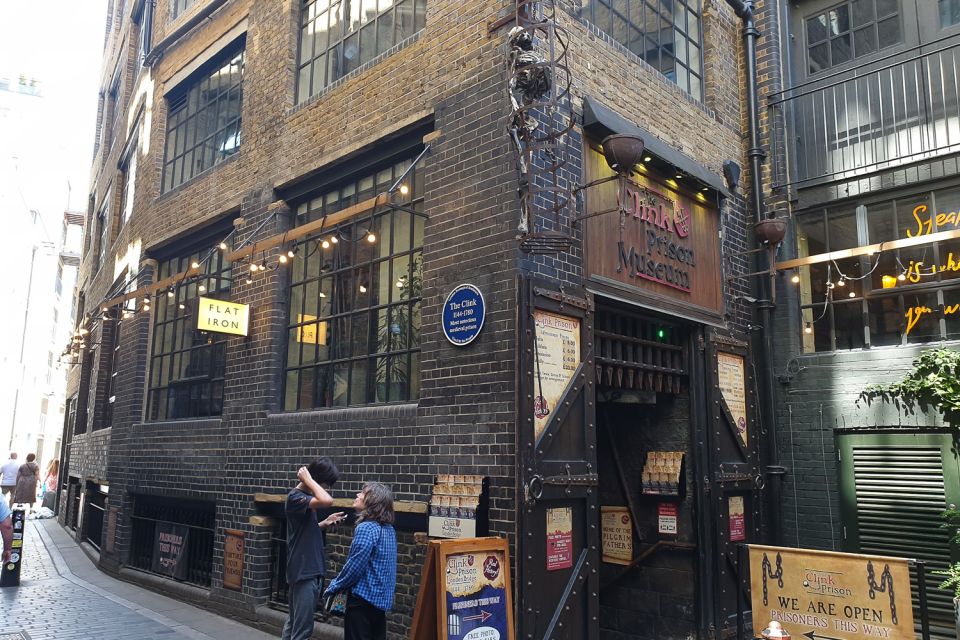
Then you reach Clink Prison Museum, the tour’s second major prison stop. Seeing two prisons back-to-back (with another key neighborhood stop or two in between) changes how you read the area. The vibe becomes clearer: Southwark’s reputation wasn’t only about vice; it was also about how the city handled trouble.
The Clink angle is especially satisfying if you like “place-based” history. Prison museums can sometimes feel like distant exhibits. Here, the tour keeps it connected to the surrounding streets you’ve already walked, so the prison doesn’t feel like an isolated block. It feels like part of the neighborhood’s machinery.
From the Globe Theatre site to the current theatre: Shakespeare in the same neighborhood
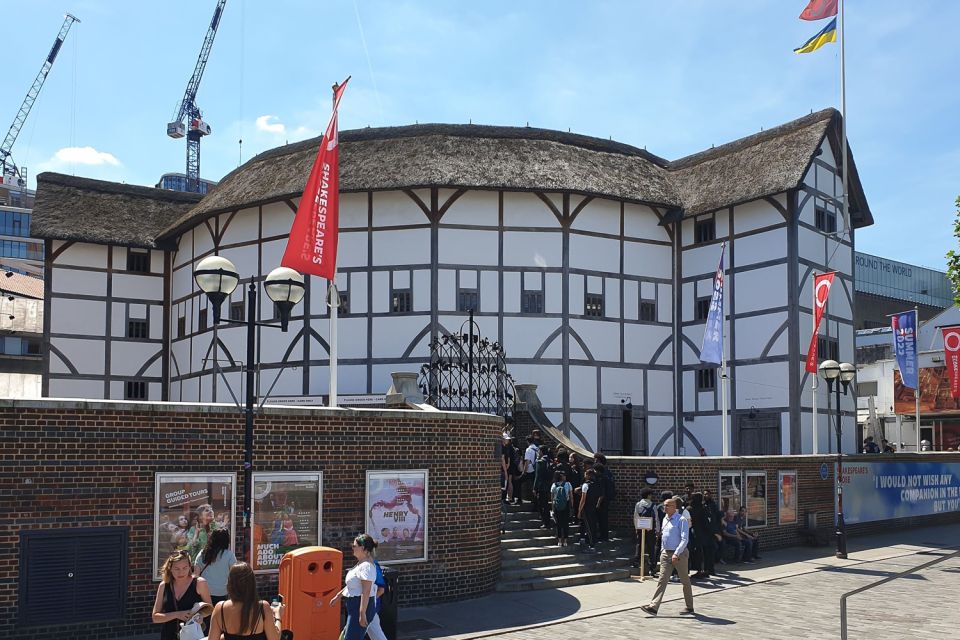
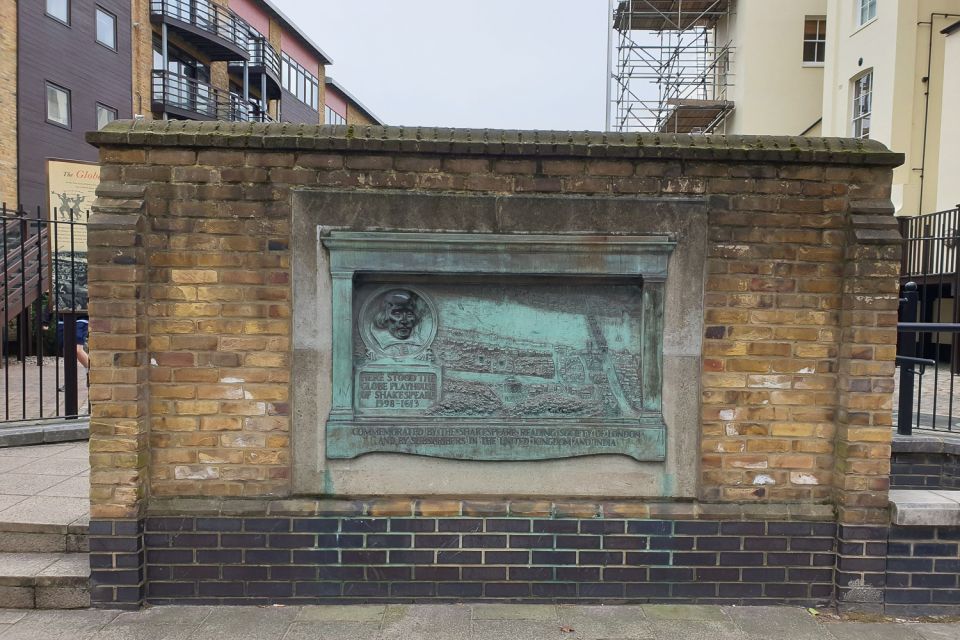
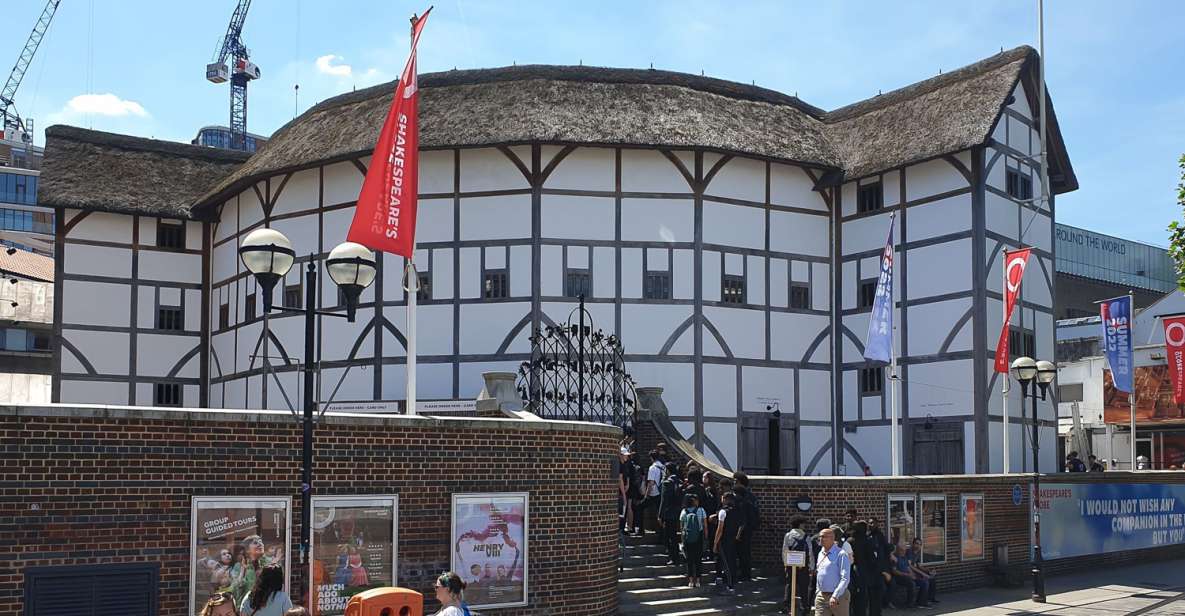
The tour finishes by tying the neighborhood back to Shakespeare. You visit the original site of the Globe Theatre, then walk to Shakespeare’s Globe (the current theatre).
This is one of the most rewarding parts because it answers a question you might have before you arrive: was Shakespeare’s theatre just a standalone art project? This walk makes it clear it belonged to a real neighborhood with real history, not a clean stage on a blank map.
Even better, the route puts the Globe stops after prisons and market areas. That ordering matters. It makes the theatre feel less like a fantasy escape and more like another kind of public gathering—crowds, money, reputation, and nightlife energy, just with plays instead of cages.
If you want a classic London “day plan,” finishing at the Globe gives you options. You can linger around the theatre district and pair it with other nearby stops without rushing.
Charles Dickens and the story characters that make Southwark memorable
A big selling point is the tour’s connection to Charles Dickens and the way storytelling uses characters and nicknames to bring the neighborhood’s reputation to life.
You’ll hear about Dickens’s tie-in to this area, plus the tour’s playful cast—like Doorkins Magnificat—that helps the guide turn history into something you can remember without memorizing dates. For me, that’s the difference between a good walk and a forgettable one. When the guide names the people and slang that once circulated here, the stones become a setting, not just scenery.
The best part is balance. The tour leans into bawdy lore, but it doesn’t turn into pure theatrics. It uses the drama to explain the real social conditions that produced it.
Price and value: $26 for a guided story through dozens of years
At about $26 per person for a 2-hour walking tour, this is priced like a practical experience, not a high-end museum add-on. And the value comes from the format: a guide walking you from site to site with just enough time at each stop to build a connected picture.
The small group limit of 15 attendees also matters for value. It means the guide can keep an eye on the group, answer questions, and maintain the rhythm. It also makes the tour feel less like you’re being marched by a megaphone.
For your money, you get a rare combo: prisons, a medieval palace remnant, a working-feeling market, medical history, a cathedral landmark, and both the Globe’s old site and the current theatre. That’s a lot for two miles, and it saves you the headache of trying to piece the story together on your own in an area full of similar-looking streets.
Practical stuff that helps on the day
This is a short walk, but it’s still walking. Plan on about two miles total, and wear shoes you trust. Since the tour involves indoor-outdoor site changes, bring layers, especially in changeable weather.
The tour is English and runs with a live guide (that matters because the story is part of the experience, not just an audio script). The tour also isn’t intended for children under 13, which is consistent with the topic and tone.
If you’re going as a history-first visitor, you’ll likely enjoy the tight structure: each stop gives you one key idea. If you’re going as a theatre fan, you’ll still get value because the Globe part isn’t just about Shakespeare. It’s about why he belonged here at all.
Should you book Booze, Brothels & the Bard?
I’d book this if you want London that feels honest and slightly wicked—in a good way. The mix of prisons, Borough Market, and the Globe gives you a neighborhood story with strong setting and clear context. The guide quality seems to be the big reason this tour earns such high marks, and the pace supports that: concise at each stop, enough time to absorb, and time to ask questions.
Skip it if you want a quiet, family-friendly history walk with minimal edge. Or if you’d rather spend hours inside museums than just getting orientation and key facts on the ground. This tour is built for a smart overview—and then you can choose where to go deeper on your own afterward.
FAQ
How long is the walking tour?
The tour lasts about 2 hours.
Where do I meet the guide?
Meet just outside Borough Station on Borough High Street. The guide will be standing there with an Historic London Tours sign.
How far do we walk?
The total walking distance is about 2 miles (3.2 km).
What stops will we see?
You’ll visit sites including Marshalsea Prison, Crossbones Garden, the Hop Exchange, The George Inn, Borough Market, the Old Operating Theatre Museum & Herb Garret, Southwark Cathedral, London Bridge, Winchester Palace, Clink Prison Museum, the original Globe Theatre site, and Shakespeare’s Globe.
Is it suitable for children?
No. It’s not suitable for children under 13.
What’s included in the price?
The guide is included. The tour is priced at about $26 per person.