REVIEW · JACK THE RIPPER TOURS
London: Jack the Ripper Walking Tour
Book on GetYourGuide →Operated by Where Now Tours · Bookable on GetYourGuide
Whitechapel turns dark fast. This Jack the Ripper walking tour uses a guided, step-by-step case approach to link the East End streets to the notorious murders. I also love the visual case materials along the way, including pictured evidence and a case study you can follow.
You’ll walk about 45 minutes (rain or shine), and the subject involves gruesome details. If you’re traveling with kids, read the age guidance closely and come prepared for a true crime tone.
In This Review
- Key highlights you should care about
- Meeting at The Bell Pub near Aldgate: where the night starts
- Whitechapel streets and the canonical five-murder case walkthrough
- Brick Lane and Fournier Street: photo stops that turn streets into evidence
- Ten Bells Spitalfields and Spitalfields streets: where legend meets place
- London Fruit Exchange, White’s Row, and Artillery Passage: following the route like a puzzle
- St Botolph without Aldgate and Mitre Square: finishing at Aldgate Station with closure
- The ripperologist style: theories, projector visuals, and real interaction
- Price and value: is $21.55 worth it?
- Who should book (and who should reconsider)
- Practical tips for a smoother, smarter night
- Should you book this Jack the Ripper walking tour?
- FAQ
- How long is the London Jack the Ripper Walking Tour?
- Where does the tour meet, and where does it end?
- What is included in the tour price?
- Are food and drinks included?
- Is the tour wheelchair accessible?
- Is the tour suitable for children?
- What language is the live guide?
- Can I cancel for a refund or pay later?
Key highlights you should care about
- Meet outside The Bell near Aldgate Station and start with a real sense of place in one of London’s oldest areas
- A guided Whitechapel route focused on the locations tied to the canonical five murders
- Photo evidence and a case study shown during the walk, not just talked about
- Architecture stops, including French Huguenot style from the late 18th century and old-pub vibes near Brick Lane
- Identity theories covered so you get more than one version of events
Meeting at The Bell Pub near Aldgate: where the night starts
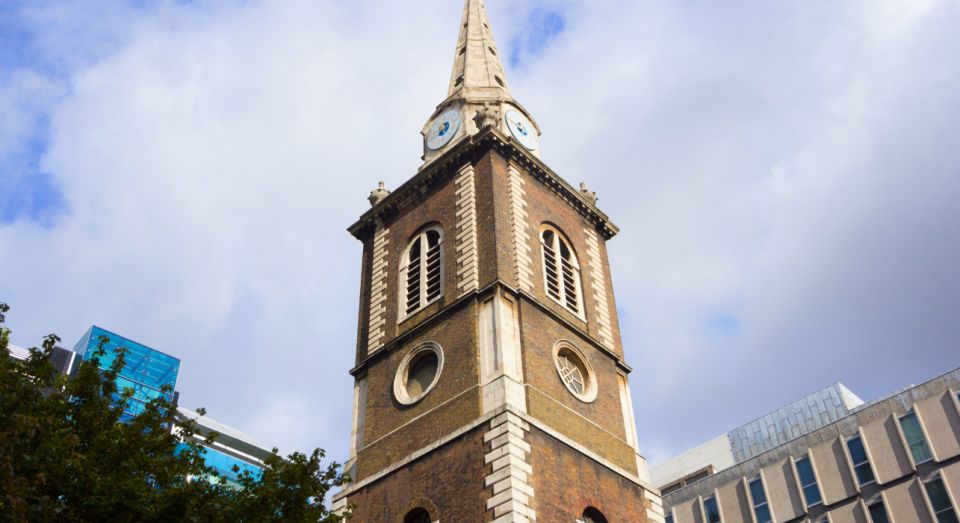
Your tour meets outside The Bell pub near Aldgate Station, which is a smart way to begin. It keeps things straightforward: you’re already in the East End, you can spot the meeting point, and the walk starts in a lived-in area rather than a museum corridor.
This opening stretch matters because you’re not just learning names and dates. You’re stepping into the look and feel of Whitechapel—cobbled streets, historic architecture, and the kind of neighborhood layers that made 19th-century London feel close-up. The tour also calls out French Huguenot architecture from the late 1700s, plus classic East End drinking-culture atmosphere around Brick Lane.
Practical note: bring comfortable shoes. The tour is short, but it includes a solid chunk of walking on city streets. And since it runs rain or shine, plan on dressing for weather—London loves to change its mind.
You can also read our reviews of more walking tours in London



Whitechapel streets and the canonical five-murder case walkthrough
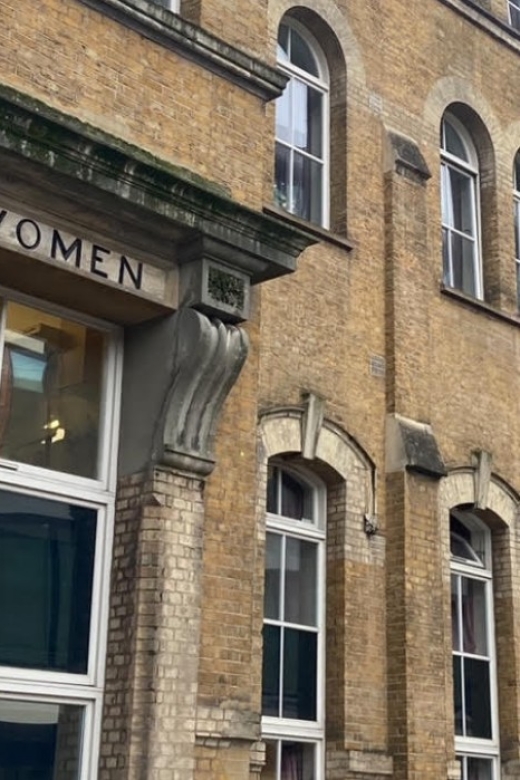
The core of the experience is a guided walkthrough of Whitechapel, centered on the unsolved case of Jack the Ripper. You’ll visit the locations tied to the five murders, with the guide connecting what you see around you to what’s documented in the case materials.
This is where the experience becomes more than sightseeing. The tour frames the story around the people, the area, and the timeline, so you can understand why the case became such a fixation for Londoners—and for the world. I like that the guide isn’t limited to repeating facts. They also cover the different theories about who Jack the Ripper might have been, which gives the case shape instead of turning it into a single, rigid storyline.
Expect the tone to be serious. The tour includes gruesome details and discusses where bodies were discovered. You should be ready for true crime content, especially if you’re bringing anyone under 18. The good news is that the structure is clear: you’re led from stop to stop, and the guide uses the route itself like a timeline.
Brick Lane and Fournier Street: photo stops that turn streets into evidence
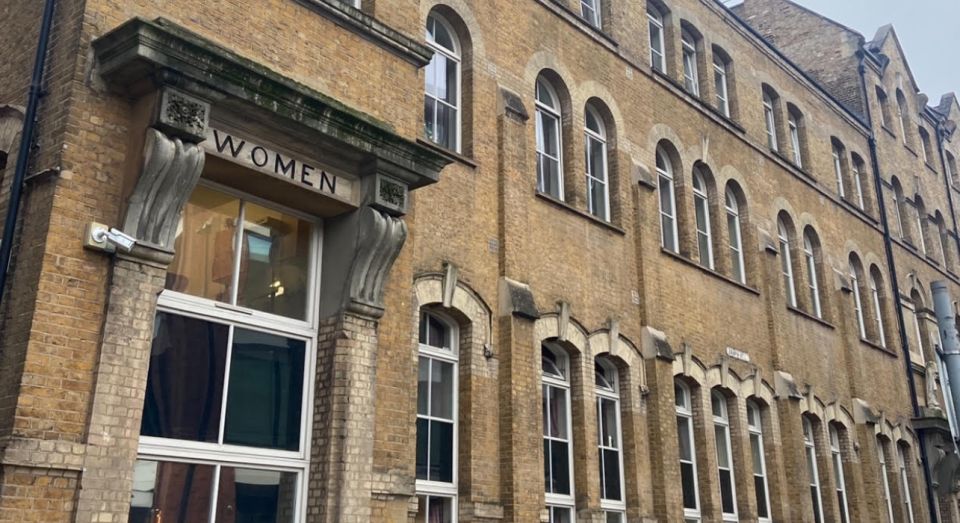
After Whitechapel, the walk continues with key photo stops and sightseeing along the route. Brick Lane is one of those moments where you can look at the street and then look again with new eyes. The tour leans into the area’s older pub culture, so it feels less like a set of coordinates and more like a living neighborhood—even when you know it was tied to terrible events.
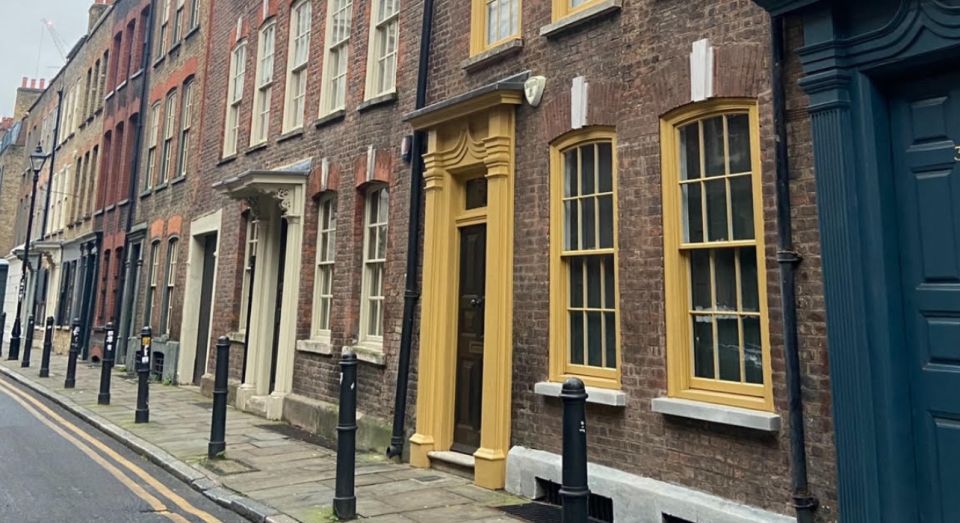
Then comes Fournier Street, another stop designed for viewing and context. Even though you’re not “touring” a crime scene in the movie sense, you’re doing something more practical: learning how evidence, witness information, and reported discoveries got connected to real locations in a rapidly changing city.
One nice feature of this tour style is the way visual support is woven into the walk. You’re not left squinting at your own notes. The tour includes picture evidence and case study material, so the facts have backup while you’re standing in the right place to make sense of them.
If you’re the type who likes to ask questions, this format also helps. You can react to what you see, then check your understanding with the guide.
Ten Bells Spitalfields and Spitalfields streets: where legend meets place
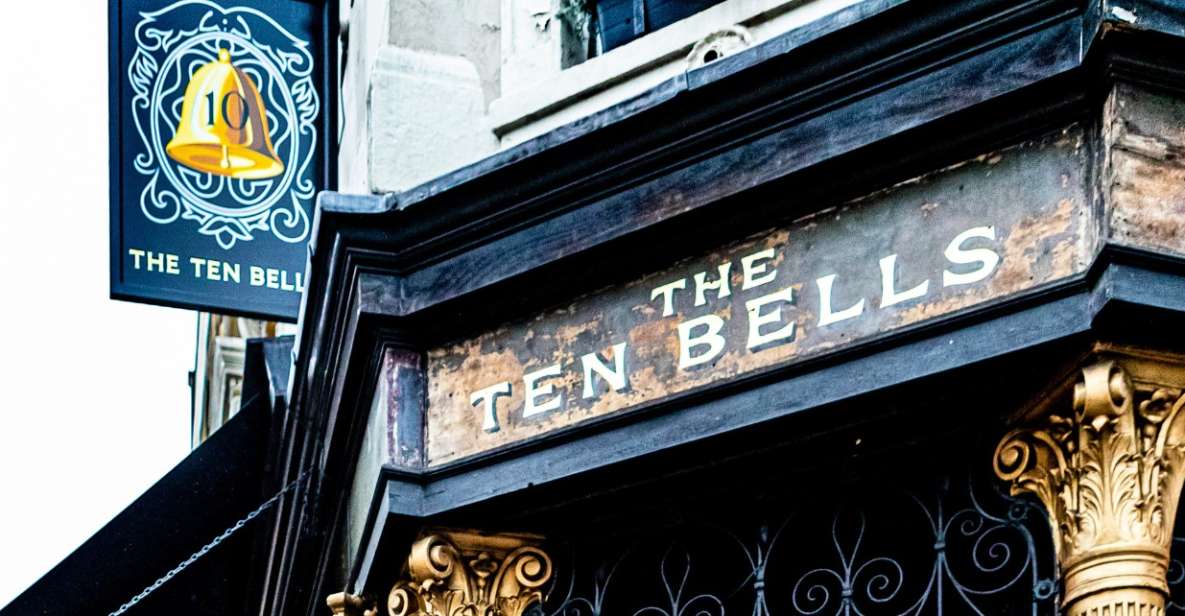
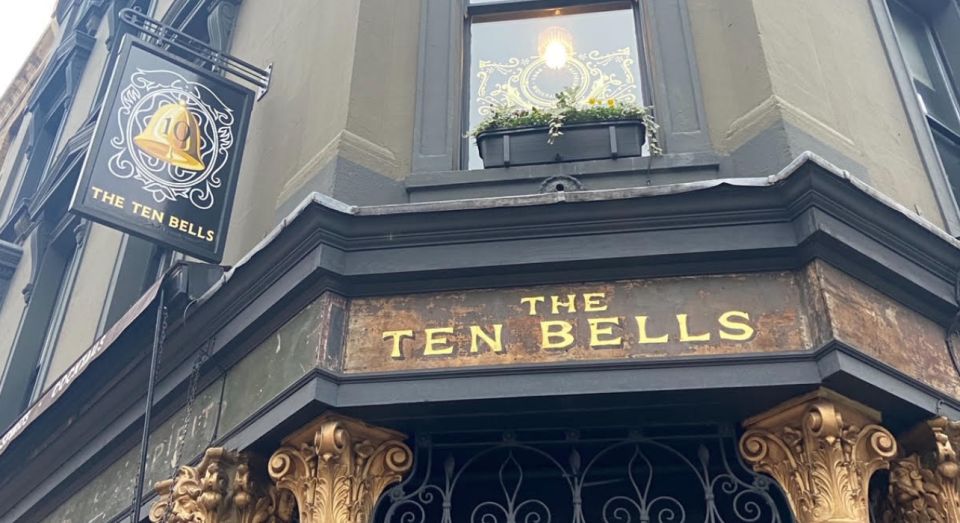
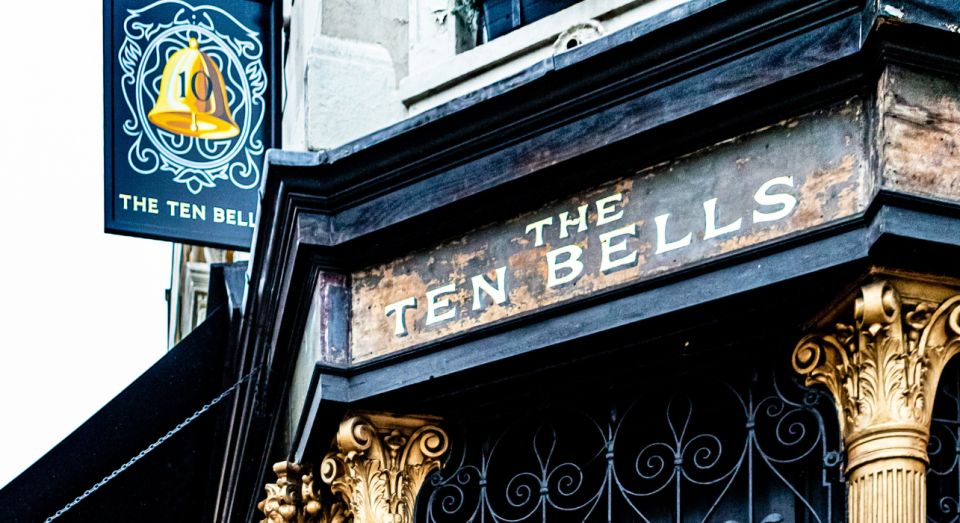
The route highlights The Ten Bells Spitalfields, plus additional Spitalfields stops. These are the kinds of locations where Jack the Ripper stories tend to collect, and this tour handles that carefully: legend is treated as part of the story, but it doesn’t replace the case details you’re there to learn.
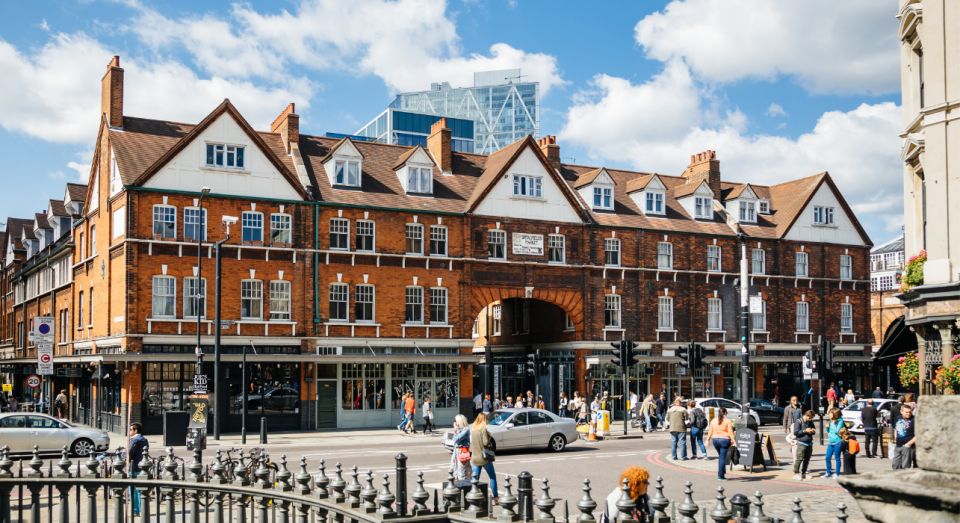
You’ll also spend time around Spitalfields itself, with another set of sightseeing/photo stops. This is valuable because it prevents the case from feeling isolated. Jack the Ripper wasn’t operating in a blank space. The story sits inside a real geography of homes, streets, and daily life.
A key benefit here: the guide connects these places to the idea of where the victims were discovered. That turns each stop into a specific point in the case rather than a vague “this is where it happened” moment. You’re building a map in your head—one that you can later revisit when you look at the included materials.
Watch for your surroundings, too. Even at night, you can catch the texture of the area: brick, street lines, corners where you can imagine crowds and movement. The tour’s visual aids help you connect that physical picture to the written record.
London Fruit Exchange, White’s Row, and Artillery Passage: following the route like a puzzle
Next, you move through more stops that feel like they each have their own role in the story. London Fruit Exchange is on the itinerary, followed by White’s Row and Artillery Passage, each with photo stops and sightseeing time.
These are good stops for people who like structure. The tour is essentially doing what a detective would do on foot: walking the route, placing evidence mentally, and comparing what you know to what you’re seeing. Even though you won’t be handling forensic artifacts, you’re still working through the case in a way that feels concrete.
This section also tends to be where people start thinking harder about the theories of identity. Since the guide brings up multiple possible explanations, your brain starts asking: What fits the geography? What fits the timeline? What fits the way the murders were discussed afterward?
And since you’re walking, you’re not just processing information. You’re getting that slow, step-by-step momentum that helps the case stick. It’s one of the reasons this kind of tour works better than reading about Jack the Ripper later in bed.




St Botolph without Aldgate and Mitre Square: finishing at Aldgate Station with closure
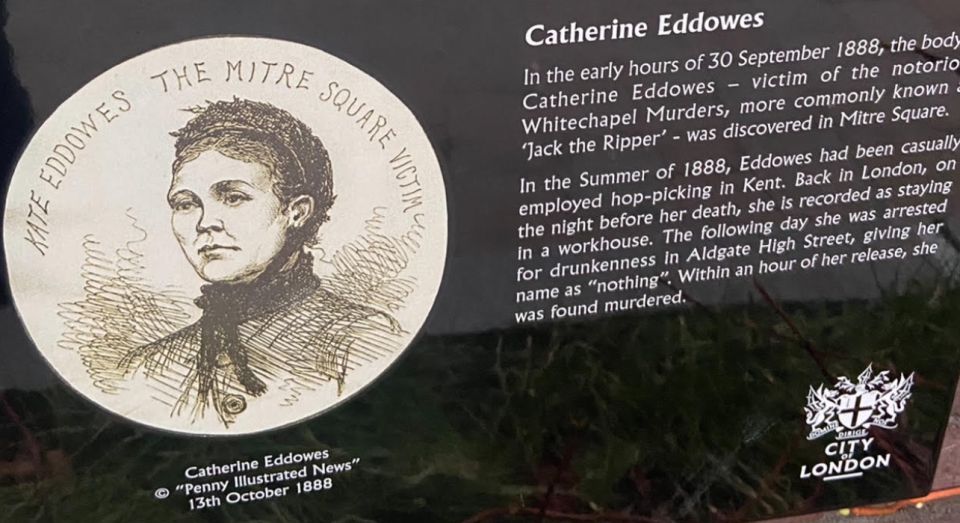
The final stretch includes St Botolph without Aldgate and Mitre Square, with photo stops and sightseeing, then the tour finishes at Aldgate Station.
This ending matters. You’re not just walking until the guide runs out of facts. You’re closing the loop by returning toward a transit point that makes it easy to get back to your hotel or next stop. It’s a clean landing after a heavy subject.
Also, these last stops shift your focus slightly—from the murder locations and evidence narrative to a broader sense of how the case lives in the area today. Places like St Botolph without Aldgate add that quiet, grounded feeling you need at the end of an intense walk. Mitre Square helps the story feel like it belongs to London, not just to a sensational headline.
If you want one last practical thing: plan for the walk to end where you can move on quickly. Aldgate Station is a convenient finish for continuing your evening without rushing.
The ripperologist style: theories, projector visuals, and real interaction
What makes this tour stand out is the guide’s performance style and the way visuals support the storytelling. Multiple guides have been described as lively, funny in a controlled way, and highly interactive—asking questions and keeping the group engaged instead of lecturing for two hours.
Guides such as Jamie and Ryan are specifically mentioned in the feedback. That’s a helpful clue for what the experience feels like: more actor-storyteller than stiff tour guide. It’s not just dark facts piled on top of each other. You get explanations tied to social and economic conditions in the area, plus a case-study approach with photographic evidence and copies of materials shown during the walk.
You’ll also notice that the visual side seems to be a key part of the pacing. People described projector images being used to bring the case to life at each stop, which helps when the subject is complex. Instead of you imagining everything alone, you’re shown images that help you track what the guide is explaining.
One more thing: age suitability is addressed directly. The tour notes that details may not be suitable for all ages, and anyone under 18 must be accompanied by an adult. If you choose to go with younger teens, it’s worth treating the tour as an adult-led true crime experience, not a casual neighborhood walk.
Price and value: is $21.55 worth it?
At $21.55 per person for a 2-hour guided walk, I see good value—especially compared with the cost of many London tours that focus only on narration. Here, you’re getting:
- a live guide
- a walking route built around specific murder-related locations
- case study and picture evidence
- a free guide book included on private tours
The private-tour guide book detail is important. If you want to keep learning after you finish, having something in hand helps you review what you just heard without trying to reconstruct it from memory.
The biggest value driver for me is the format: two hours, focused stops, and visual materials. You’re not spending half the time figuring out where you are. You’re spending it processing the case in context.
Who should book (and who should reconsider)
This tour is a good fit if you enjoy true crime, walking tours, and historical neighborhood context—especially the East End. It also works well if you like discussions of identity theories, because the guide doesn’t treat the case like one locked solution.
You might reconsider if:
- You’re uncomfortable with gruesome details.
- You’re traveling with kids and aren’t sure the topic fits. The tour explicitly warns it may not be suitable for all ages.
- You hate walking. It’s not an all-day slog, but there is about 45 minutes of walking on city streets.
On the plus side, the tour is wheelchair accessible according to the listing info, and it runs rain or shine, which is convenient in unpredictable weather. It’s also in English, with a live guide.
Practical tips for a smoother, smarter night
Go with comfortable shoes and weather-appropriate clothing. Since it’s rain or shine, bring layers or a light rain shell so you’re not distracted the entire time.
If you’re sensitive to intense content, decide ahead of time what you’re willing to hear. The tour includes gruesome details and explicitly notes age considerations, so don’t assume it will stay gentle.
Finally, treat it like a guided case experience, not a casual photo walk. If the guide asks questions, participate. The interaction style is part of what makes the story click.
Should you book this Jack the Ripper walking tour?
If you want a structured Whitechapel walk tied to where the victims were discovered, plus photo evidence and case study visuals, this tour is a strong pick for your London time. The low price for a 2-hour guided experience also helps, and the private-tour guide book adds value if you plan to keep reading afterward.
If you’re chasing upbeat sightseeing, this isn’t that kind of tour. But if you want a smart, on-foot way to understand one of London’s most famous unsolved cases, book it—and wear shoes you’ll feel good in when the story gets heavy.
FAQ
How long is the London Jack the Ripper Walking Tour?
It lasts about 2 hours. The tour notes roughly 45 minutes of walking during the experience.
Where does the tour meet, and where does it end?
You meet outside The Bell near Aldgate Station. The tour finishes back at Aldgate Station.
What is included in the tour price?
The tour includes a guide, a walking tour, and a case study and picture evidence as part of the experience.
Are food and drinks included?
No. Food and drinks are not included.
Is the tour wheelchair accessible?
Yes, the tour is listed as wheelchair accessible.
Is the tour suitable for children?
All ages are welcome, but details of the Jack the Ripper killings may not be suitable for all ages. Anyone under 18 must be accompanied by an adult.
What language is the live guide?
The live tour guide speaks English.
Can I cancel for a refund or pay later?
Yes. You can cancel up to 24 hours in advance for a full refund, and there is a reserve now & pay later option.