REVIEW · WALKING TOURS
The Old City of London – Guided Walking Tour 12 guests 2,5h
Book on GetYourGuide →Operated by Babylon Tours London · Bookable on GetYourGuide
London’s oldest bones walk beside modern crowds. This 2.5-hour Old City walking tour connects Roman-era London to the medieval power that followed, with vivid stops that help the timeline make sense. I love the way it spotlights Temple Church and Templar lore, and I also like the careful sequencing from St Paul’s to the Thames and the Tower area. One heads-up: this is mostly outdoors and on foot, and some sights may not be possible to enter due to security rules.
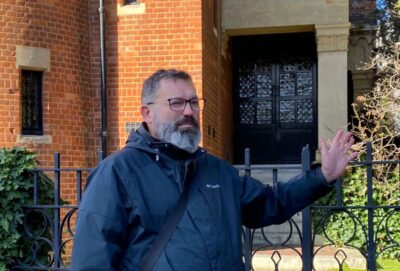
The guide, Colin, is the sort of person who keeps stories clear and pointed. He doesn’t just point at landmarks; he adds angles and context so you know why each place mattered in its own era. It helps that the group stays small, so questions don’t get lost in the noise.
You’ll cover major hitters—St Paul’s Cathedral, the Monument to the Great Fire, and both Tower Bridge and the more recent Millennium Bridge—plus a guided walk through the streets that make the City feel like a living map. Do bring comfortable shoes, a water bottle, and a backup plan for rain, because this tour runs in all weather.
In This Review
- Key highlights worth your time
- Old City to Tower Bridge in 2.5 hours (small-group pace)
- Meeting near Temple Station and getting your bearings fast
- Temple Church: where the Templars feel close (and the vibe hits)
- St Bride’s Church: a quick stop that adds real street-level context
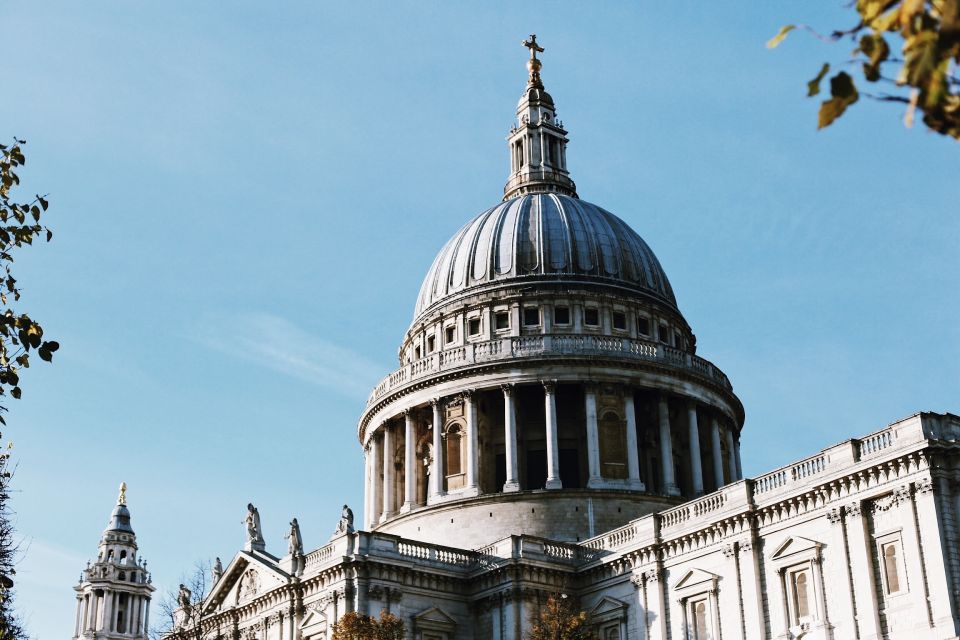
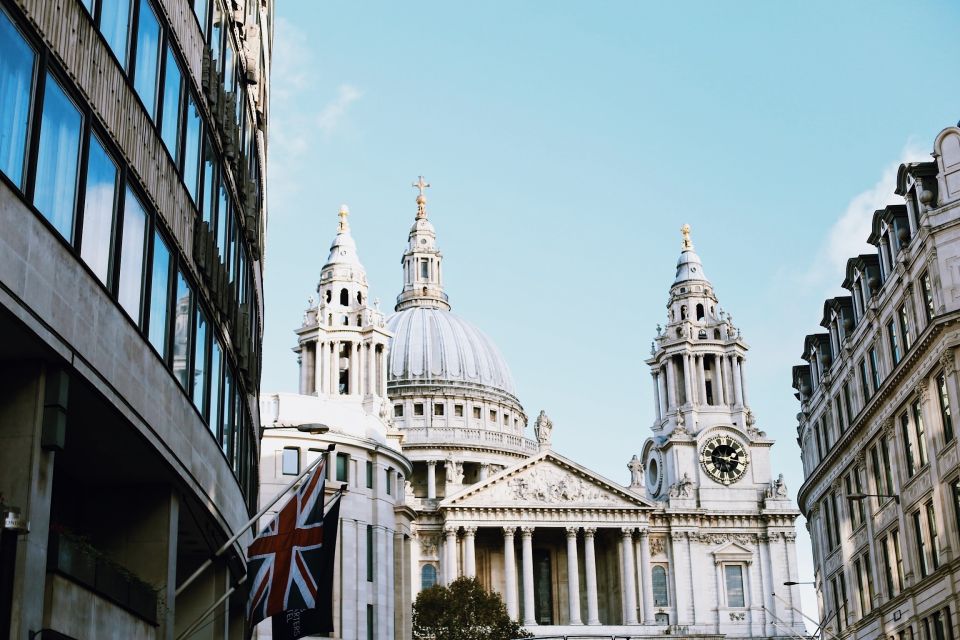
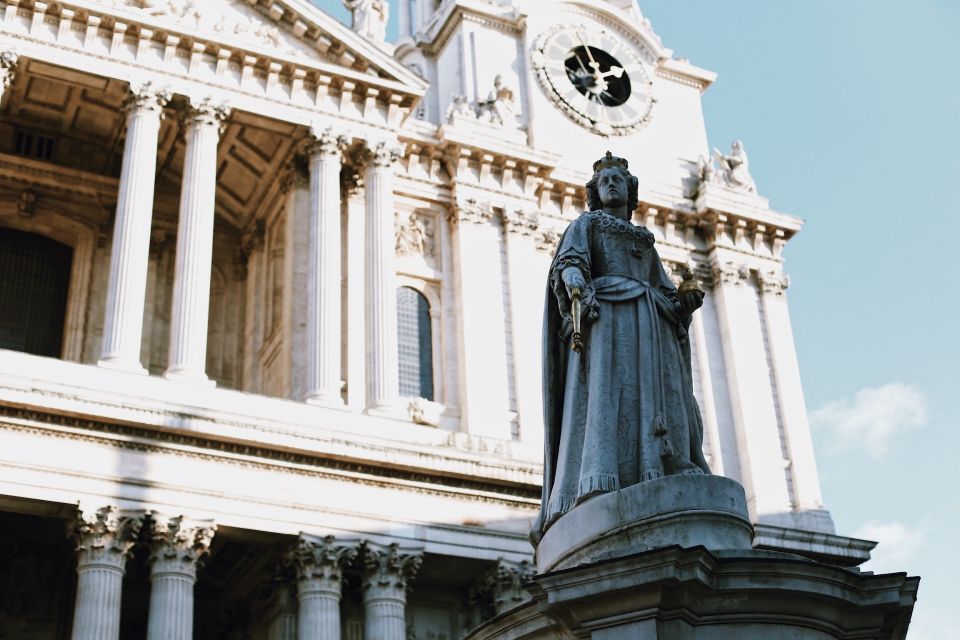
- St Paul’s Cathedral: using viewpoint time to understand the timeline
- St Mary-le-Bow and the City’s church-and-commerce connection
- Guildhall and the Bank of England: power isn’t far away
- Monument to the Great Fire: walking with London’s reset button
- Extra photo stops between the icons: why the pauses matter
- Tower Bridge and the Millennium Bridge comparison on the Thames
- Tower of London area: what you see (and why it’s still worth it)
- Price and value for a focused Old City highlights route
- What to pack and how to handle the walking
- Who should book this Old City walking tour
- Should you book this tour?
- FAQ
- How long is the Old City of London guided walking tour?
- Where do I meet for the tour?
- Is the tour available daily?
- What’s included in the tour price?
- Are food and beverages included?
- What should I bring?
- Can I bring luggage or large bags?
- What language is the tour guide?
- Can I enter all attractions inside?
- Is the tour wheelchair accessible?
- What’s the cancellation policy?
Key highlights worth your time
- Roman wall context you can actually see nearby: you’ll connect the fortifications of 220 AD to the later City layout.
- Temple Church’s Templar atmosphere: expect a walk through the Knights Templar story, including The Da Vinci Code touchpoints.
- St Paul’s on a focused route: you’ll get “why this matters” explanations at the right moment, not as a random photo stop.
- Great Fire memory at the Monument: the tour frames what burned, what changed, and what still shapes the City today.
- Thames viewpoints that compare bridges across centuries: Tower Bridge versus the Millennium Bridge makes modern London feel connected.
- Tower of London area walkthrough: you’ll see the presence of the fortress even when you’re not going inside.
Old City to Tower Bridge in 2.5 hours (small-group pace)
This is a compact highlights tour, built for people who want the big landmarks without spending a whole day hopping between ticket lines. The timing is tight in a good way: you get short guided moments plus enough walking to move through the City’s different layers.
In practical terms, you’ll be out for about 2 to 2.5 hours, and you’ll want to plan for standing, photo stops, and moderate walking. The tour is listed as daily, and English-speaking only.
Group size is where you’ll feel the biggest comfort difference. One version is described with 12 guests, but the provider also states a maximum of 8 people per tour. Either way, it’s meant to stay human-sized, which makes it easier to ask Colin follow-ups as you go.
You can also read our reviews of more walking tours in London



Meeting near Temple Station and getting your bearings fast
Your tour begins with a meeting point that can vary by option, and the listed options all point to Temple Station. That’s a smart starting spot because it drops you right into the historic core before you drift outward.
From there, the first part of your walk leans into the Temple area. The idea is simple: start with the story-heavy district, then keep moving forward in time—so you’re not just collecting photos. You’ll also get a feel for the street angles and pocket squares that make the City confusing when you’re on your own.
Tip: since you won’t have time to wander between stops, arrive a few minutes early and take a breath before you start walking.
Temple Church: where the Templars feel close (and the vibe hits)
Temple Church is one of the stops that makes this tour more than a sightseeing loop. You’ll get a photo stop, then a guided visit and walk-by time that’s designed to connect the building to its story.
This is where the tour leans into the Knights Templar angle, including The Da Vinci Code references that many people recognize. What’s useful is that it’s not treated like trivia; it’s used to explain why the Temple Church mattered in the broader sweep of London’s religious and political history.
One drawback to keep in mind: the tour’s format includes visits and sightseeing, but it also flags that some attractions can’t be visited from the inside due to security measures at many sites. So I’d plan on exterior viewing as your baseline, then treat any inside access as a bonus.
St Bride’s Church: a quick stop that adds real street-level context
After Temple Church, you’ll continue toward St Bride’s Church for another short photo stop and guided walk. This isn’t presented as a “stand and stare” landmark; it’s more like a hinge between the major set pieces.
What you get here is the feeling of walking through working London, not a theme park route. The City has a way of compressing big history into small spaces—St Bride’s helps you understand that the Old City doesn’t only live in the headline buildings.
For this stop, the value is timing. You’re still fresh, so the guide can keep you oriented while the route starts to widen toward bigger icons ahead.
St Paul’s Cathedral: using viewpoint time to understand the timeline
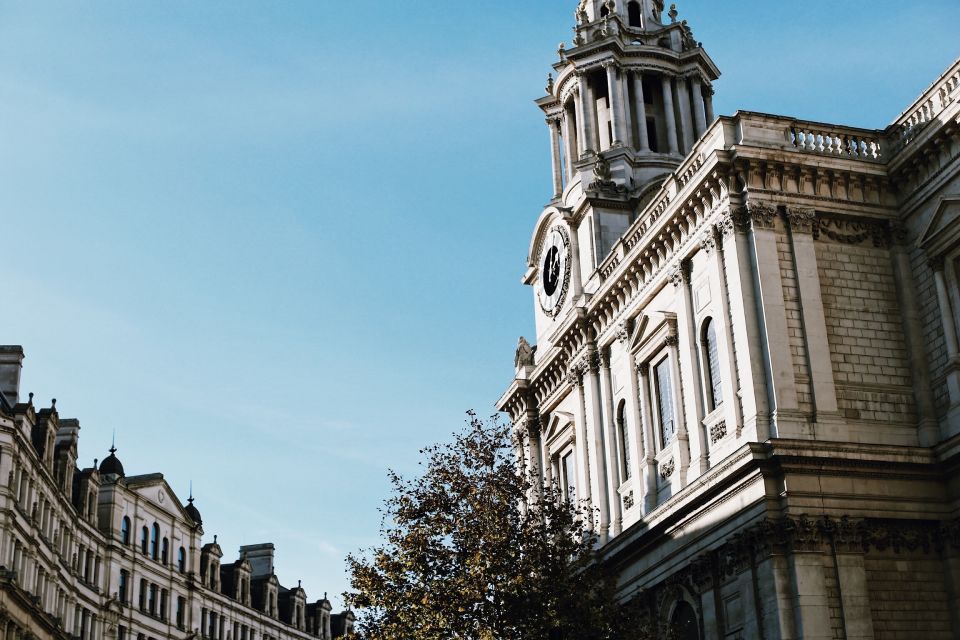
At St Paul’s Cathedral, you’ll have another photo stop followed by a guided visit and walk. The payoff isn’t just seeing the famous dome—it’s hearing how it fits into the “forward in time” theme.
This tour frames St Paul’s as a major milestone, including its connection to Charles and Princess Diana in 1981. That’s the kind of detail that makes a landmark feel less frozen and more like something people in modern London still shape and use.
One practical consideration: St Paul’s is busy. You’ll be moving with the group, so wear shoes you can stand in comfortably and keep your camera ready for quick moments. There’s no long free-roam window here, so don’t count on finding extra angles on your own.
You can also read our reviews of more guided tours in London





St Mary-le-Bow and the City’s church-and-commerce connection
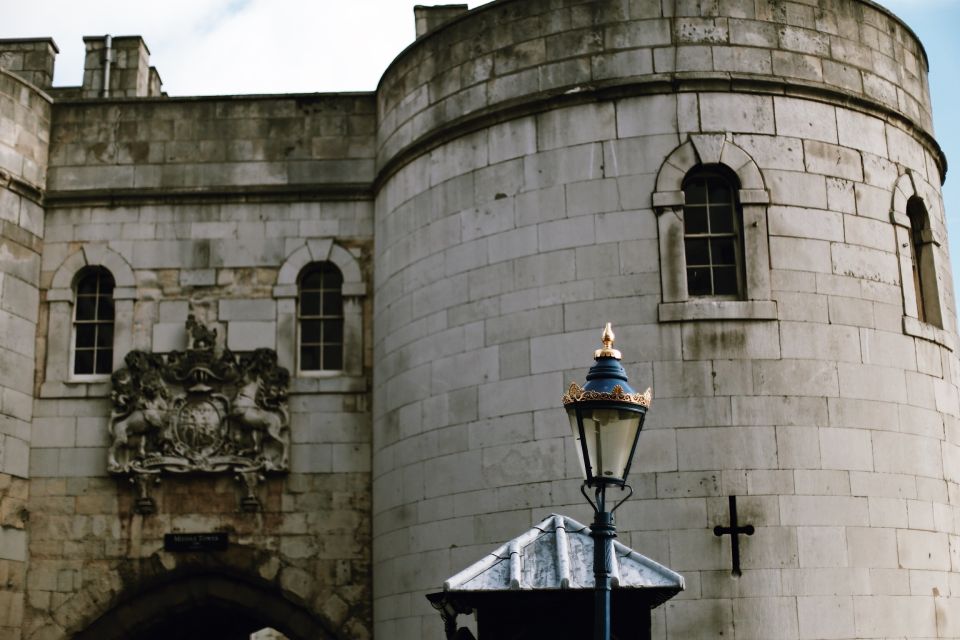
Next up is St Mary-le-Bow Church, again with a photo stop, guided time, and short walk. I like this kind of stop because it reinforces that the City’s history is tied to daily life, not only royal or military events.
The guide uses these church stops to layer meaning onto the architecture—so each building becomes a clue. You start to understand why people built and maintained religious sites in a place that also became a center of institutions and power.
If you’re the kind of traveler who enjoys “why this place exists” more than “what does it look like,” this stop will feel like a payoff rather than just another name.
Guildhall and the Bank of England: power isn’t far away
You’ll pass through the civic heart with stops like Guildhall and the Bank of England. Expect photo stops plus guided viewing and short walks at each location.
These are useful because they show how the City kept reorganizing itself. Even when you’re focused on Roman walls and medieval structures, the route reminds you that modern London’s institutions occupy the same geography.
I also appreciate that the tour doesn’t treat money and governance as separate from the rest. You’ll see how the Old City’s “who matters” story changed over time, and you’ll get that sense while walking real streets rather than reading a plaque in isolation.
Monument to the Great Fire: walking with London’s reset button
The Monument to the Great Fire is one of the most emotionally powerful stops on the route. You’ll have a photo moment plus guided time and a walk that’s designed to connect the shadow of the Monument to what happened in the city’s past.
This stop matters because it’s not just a disaster story. The guide uses it to explain why London re-built and re-shaped itself after the Great Fire, and why that memory is still part of how the City looks and works.
Bring water here if you can. The middle of the walk can feel a bit longer than the schedule suggests, especially if the weather turns or the crowds swell.
Extra photo stops between the icons: why the pauses matter
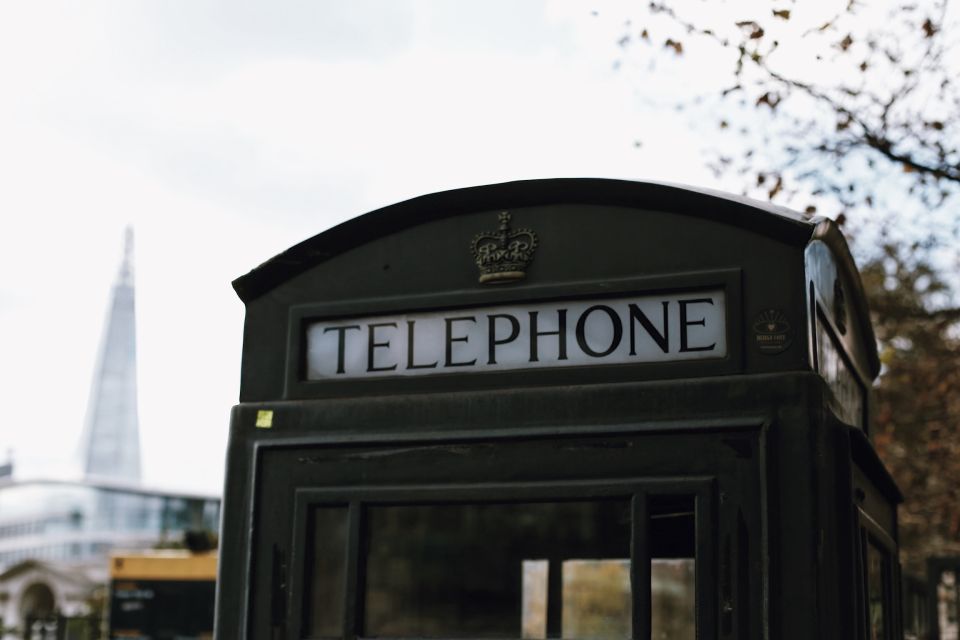
Your route includes additional photo and guided walk stops along the way, even when the main headline landmarks are coming up next. That structure is intentional.
Those quick pauses help you connect what you’re seeing—street patterns, sightlines, and the way the City’s center funnels you toward the river. If you skip attention at these points, you can miss the “how we got from here to there” logic.
So when the guide signals the next photo stop, take it. You might only have a few minutes, but the context they give will make the Tower Bridge moment land harder.
Tower Bridge and the Millennium Bridge comparison on the Thames
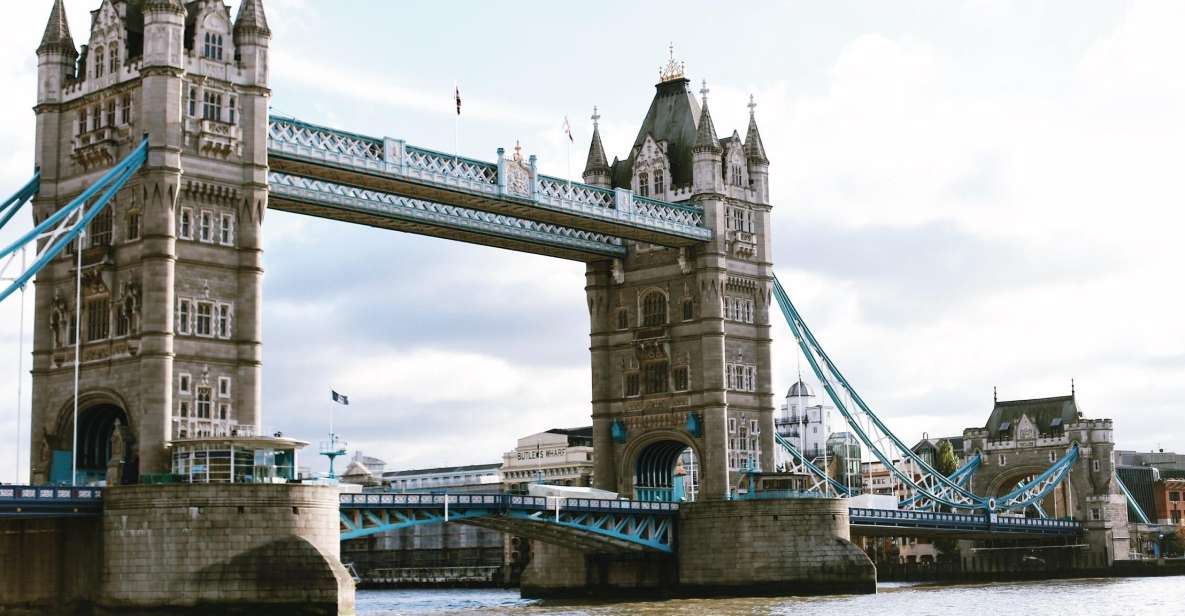
Toward the end of the walk, you’ll stroll along the River Thames and focus on planning your route out of the City. This is a practical and smart feature: you’re not just learning facts, you’re learning how to orient yourself.
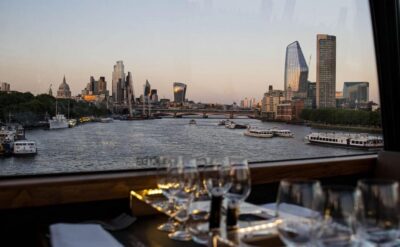
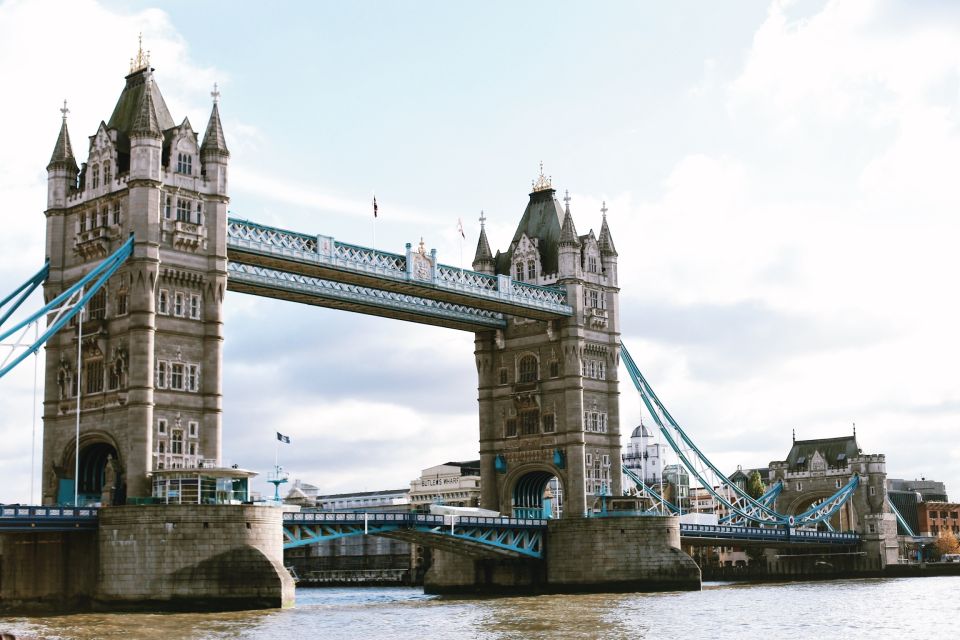
Tower Bridge is the big draw here, and the tour explicitly sets you up to compare it with the more recent Millennium Bridge. That contrast is more than visual. It’s a way to understand how London keeps layering new engineering and new city needs on top of the older power centers you’ve been hearing about.
This is also where photos work best, because you get lines down the river and wider views that help you grasp distances. If it’s rainy, umbrellas are your friend, but keep an eye on footing near the edges and stairs.
Tower of London area: what you see (and why it’s still worth it)
The final major highlight is the Tower of London area, with a photo stop and guided sightseeing plus walk-by time. Even if you don’t go inside on this particular format, you still get a strong sense of the fortress presence and its role in the medieval story the tour has been building.
This is where the earlier sections pay off. When you connect the Tower area to the Middle Ages and the City’s evolution, it stops feeling like a random famous place and starts feeling like the natural endpoint of everything you’ve heard.
One more reality check: since the tour notes that some sites can’t always be entered due to security measures, don’t schedule your expectations around an interior visit. Plan on seeing the place well and taking in the guided context from the vantage points you’re given.
Price and value for a focused Old City highlights route
The price is $61 per person for about 2.5 hours, which is a reasonable match for what you’re getting: a professional local guide, multiple major landmarks, and a route designed to tell a timeline rather than just check boxes.
Is it cheaper than doing it alone? Yes, in theory. But the value isn’t just admission savings—it’s the way the guide connects Roman foundations, medieval power, the Great Fire memory, and Thames geography into one walking narrative.
Think of it like buying time and clarity. If you’ve only got a short window in London’s Old City, this tour helps you make sense of where to go next, too.
What to pack and how to handle the walking
This tour involves moderate walking, and it operates in all weather conditions. You’ll want comfortable shoes and you’ll be happier with a hat in summer, plus a bottle of water.
Rain happens, so bring an umbrella. The route also restricts luggage and large bags—so keep your load light. And do bring a passport or ID card since you’ll need valid photo identification.
If you’re traveling with a mobility need, note that the tour is not suitable for wheelchair users, but wheelchair-friendly tours are available upon request. If that applies to you, ask directly before booking so you don’t show up to the wrong format.
Who should book this Old City walking tour
Book this if you want:
- a compact introduction to Roman-to-medieval London using real street geography
- guided storytelling that connects landmarks instead of treating them as separate postcards
- a clear end point near the Tower Bridge/river area so you can keep exploring afterward without guessing
It’s especially good for first-timers who feel overwhelmed by London’s scale. The tour gives you a mental map fast, then helps you move on with confidence.
It’s also a solid choice if you like famous places but want meaning behind them. St Paul’s and the Monument are big-name stops, but the value is in how the guide places them in the timeline.
Should you book this tour?
Yes, if your goal is to get oriented in the Old City and leave with a timeline you can remember. The combination of Temple Church lore, Great Fire context at the Monument, and the Thames bridge comparison makes it feel like more than standard landmark hopping.
Skip it or consider a different format if you want long interior visits, because security rules can limit what you can enter. Also keep it in mind if you need a very accessible route—this one isn’t listed as suitable for wheelchair users.
FAQ
How long is the Old City of London guided walking tour?
It runs about 2.5 hours.
Where do I meet for the tour?
The meeting point may vary depending on the option booked, and Temple Station is listed as the starting point options.
Is the tour available daily?
Yes, it’s available daily.
What’s included in the tour price?
You get a professional local tour guide and the 2 to 2.5 hour guided experience.
Are food and beverages included?
No, food and beverages are not included.
What should I bring?
Bring a passport or ID card, comfortable shoes, a bottle of water, and an umbrella in case of rain. A hat is recommended during summer.
Can I bring luggage or large bags?
No. Luggage or large bags are not allowed.
What language is the tour guide?
The live tour guide speaks English.
Can I enter all attractions inside?
Not always. Due to increased security measures at many attractions, some can’t be visited from the inside.
Is the tour wheelchair accessible?
The tour is not suitable for wheelchair users, but wheelchair-friendly tours are available upon request.
What’s the cancellation policy?
Free cancellation is available up to 24 hours in advance for a full refund.