REVIEW · LONDON
London: Secrets of Freddie Mercury Tour with a Cocktail
Book on GetYourGuide →Operated by Pigeon Tours London · Bookable on GetYourGuide
Freddie Mercury’s London gets oddly personal fast. You’ll track Freddie’s real-life locations—from studio walls to the places connected to Love of My Life—and you’ll do it with a guide who ties stops to the music and meetings that made Queen click. I also like the built-in break moments, plus the tour’s cocktail element that gives the walk a fun landing. One possible drawback: at $344 for 2.5 hours, you’ll want to make sure you’re getting the level of Freddie detail you expect, not just exterior photo stops.
This one starts at The Hand & Flower in Hammersmith, a great anchor point for a walking route that moves through London’s Queen-era zones. I like that it’s a private group, so you’re not lost in a crowd, and you’ll have a live guide in English (with Russian and Ukrainian options too). In at least one recent booking, Valery put real effort into communicating even when the group needed extra help with language.
Plan around the city’s pace and weather. You’ll be outside a lot, you’ll pass houses that are still lived in, and some stops are brief, so it helps to come with a clear idea of what you want: songs-to-streets storytelling, or a deeper fact-heavy biography style.
In This Review
- Key things that make this Freddie Mercury tour worth your time
- Starting at The Hand & Flower: where the walk really begins
- The studio-and-concert route: from Queen’s big moments to the recording rooms
- Freddie’s homes and final-years locations: what you’ll notice (and what you won’t)
- The pub stop and band connections: where stories meet street corners
- Royal Opera House and Montserrat Caballé: the classical crossover angle
- Covent Garden finale and Freddie’s last performance on 14 April 1988
- Price and value: $344 for 2.5 hours, what you’re really paying for
- Language, guide style, and how to get the most out of the tour
- Who this London Freddie Mercury tour fits best
- Should you book? My straight answer
- FAQ
- How long is the London Freddie Mercury Secrets of Freddie Mercury tour?
- Where do I meet the guide?
- Where does the tour end?
- Is the tour wheelchair accessible?
- What languages are available for the live guide?
- Do I need an Oyster card or day-travel tickets?
- Is there free cancellation?
Key things that make this Freddie Mercury tour worth your time
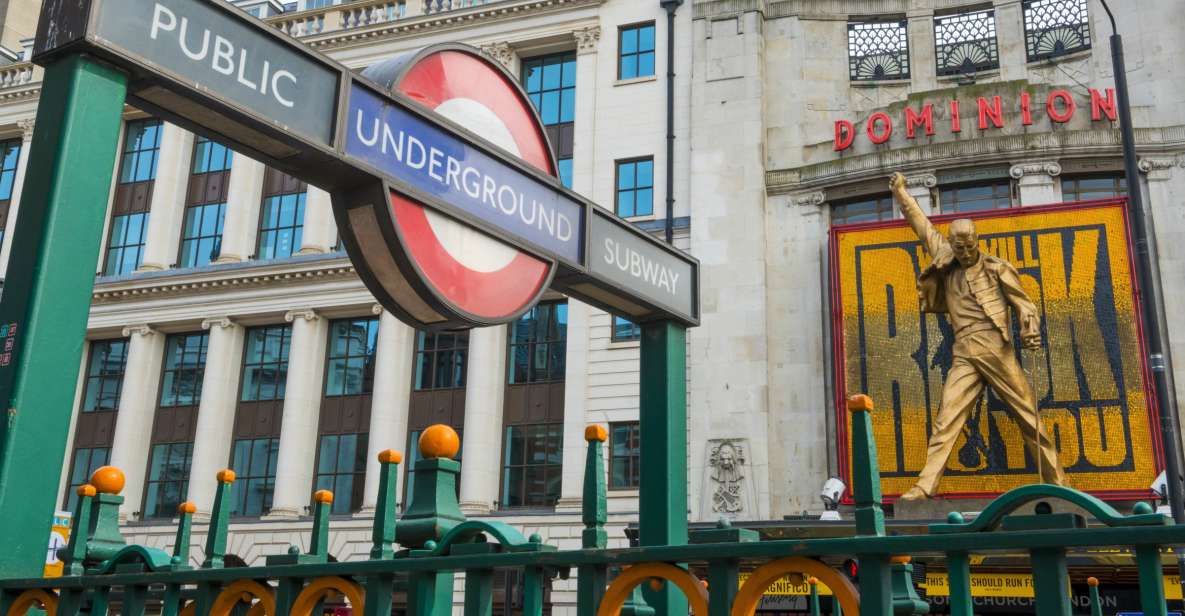
- The Mary Austin thread: you’ll see where Freddie lived with Mary and where Mary Austin still occupies the area tied to his last years
- The pub where connections happened: a stop at the iconic pub linked to Freddie meeting Brian, Roger, and Mary
- Trident Studios and more studio ground: you’ll visit the recording space connected to Bohemian Rhapsody, plus another studio used for rehearsals
- Royal Opera House + Montserrat Caballé: you’ll reach the location where Freddie met Montserrat Caballé
- Covent Garden finale tied to 14 April 1988: you’ll end at the spot connected to Freddie’s very last performance in Time
- A guided, private-group walk: live guide, English/Russian/Ukrainian, plus wheelchair accessibility listed
Starting at The Hand & Flower: where the walk really begins
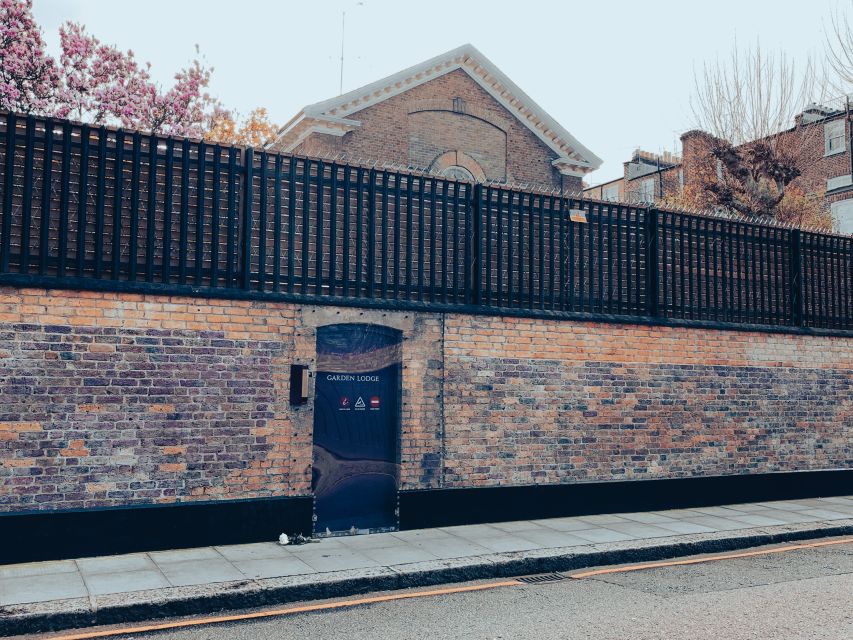
The tour meet-up spot is The Hand & Flower, on Hammersmith Rd in Hammersmith. I like this kind of start because it gives you an easy point to find, and it sets the mood for the day: you’re not starting in a museum, you’re starting in a real neighborhood.
After that first gather, you’ll have an early photo stop (about 30 minutes). That’s more than just a quick snap; it usually helps you get your bearings and understand what the guide will connect next—homes, studios, and the meeting places that shaped Queen’s story.
Then you’ll get a local café break (about 20 minutes). This matters on a short tour. Two and a half hours sounds tight, so having a planned pause keeps things from turning into nonstop street-walking.
And from the start, keep your eyes on the name-based details the guide is using. The tour is built around specific relationships—Freddie and Mary Austin, Freddie and Caballé, and Freddie’s band connections—so every time the guide says a name, you’re basically being handed a map to follow through the city.
You can also read our reviews of more tours and experiences in London.


The studio-and-concert route: from Queen’s big moments to the recording rooms
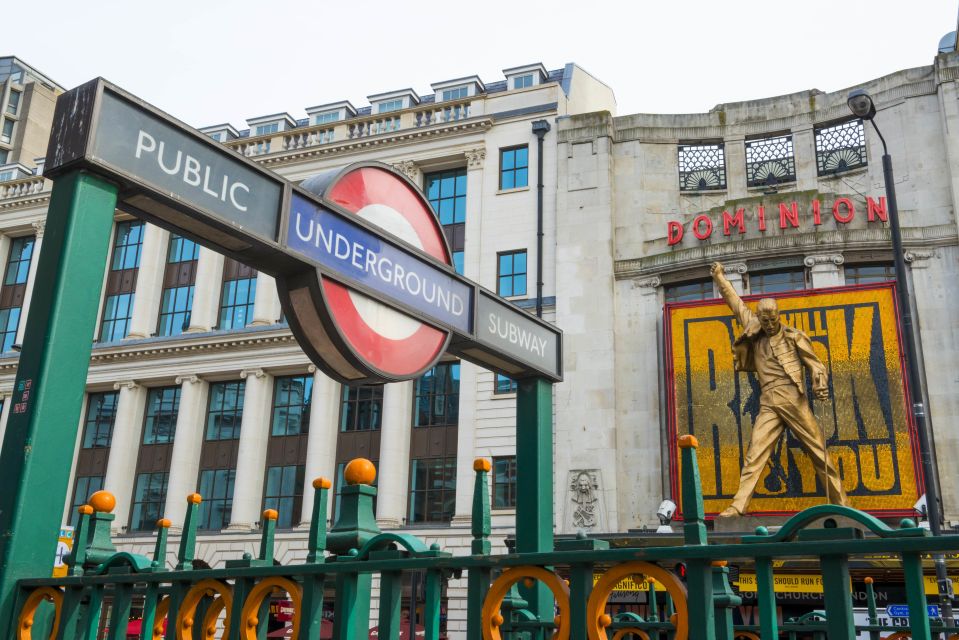
A big draw here is how the tour moves between performance London and recording London. You start the story by seeing a major concert venue where Queen played several concerts, including the legendary Xmas concerts in 1975 and 1979. Even without going inside, those stops help you imagine the scale of the audience energy behind the songs you know.
Then the route turns toward recording spaces. You’ll visit the most popular studio stop, tied to recordings including Who Wants to Live Forever and Barcelona. If you’re a Queen fan, this is where the tour shifts from “I saw a building” to “I get why these songs sound the way they do”—at least in spirit. The tour data specifically links these songs to the studio, so it gives you a direct thread between soundtrack and location.
There’s also a second studio stop used for rehearsals. That’s a smart choice for a short tour because it acknowledges that the magic wasn’t only in final takes. Rehearsal rooms are where a band tests ideas, tightens timing, and works out what stays and what gets tossed.
The highlight for many fans is Trident Studios, named here as the place where Bohemian Rhapsody was recorded. Trident is one of those London names that instantly signals serious music-making, and the tour’s emphasis on Trident helps you focus on one of Queen’s most iconic tracks without turning the day into a hundred different stop-and-stare detours.
Freddie’s homes and final-years locations: what you’ll notice (and what you won’t)
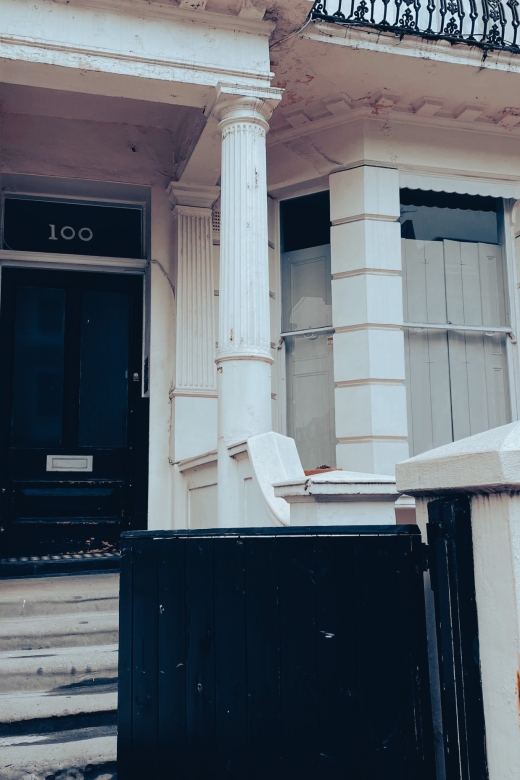
This tour leans hard into the “streets as biography” idea, and the home-related stops are the emotional core. You’ll be taken to the place where Freddie lived with Mary Austin, the person who received the dedication for Love of My Life. Even if you mostly know Queen through albums, this is the kind of stop that makes those songs feel tied to a real address, not just lyrics on a page.
Next, you walk toward the house tied to Freddie’s last years. The tour information notes that Mary Austin and her family occupy the area. This changes how the moment feels. You’re not touring a landmark with posted explanations. You’re passing near a private life, so the tour tone should be respectful and quiet—more “remember” than “inspect.”
Then you’ll continue to a flat where the band members shared space in the early 70s. The point isn’t only the building; it’s the idea of closeness—bandmates sharing a daily rhythm while writing and shaping their sound.
One of the most interesting add-ons is the mention of a Kensington Market-style area connected to Freddie being seen selling shoes and art. That detail stands out because it paints Freddie as someone who was out in the city, not just a backstage legend. It also gives you a fun contrast: the later stadium fame, followed by the earlier street-level creativity.
A practical note: some people expect lots of visual aids at these home stops. The tour data here doesn’t say there are archival photos shown, and one past comment suggested that the home moments didn’t come with enough visual context. So if you’re someone who needs photo comparisons or dense facts at each address, you might want to come prepared with a couple of questions for the guide and ask what you’ll see at each property.
The pub stop and band connections: where stories meet street corners
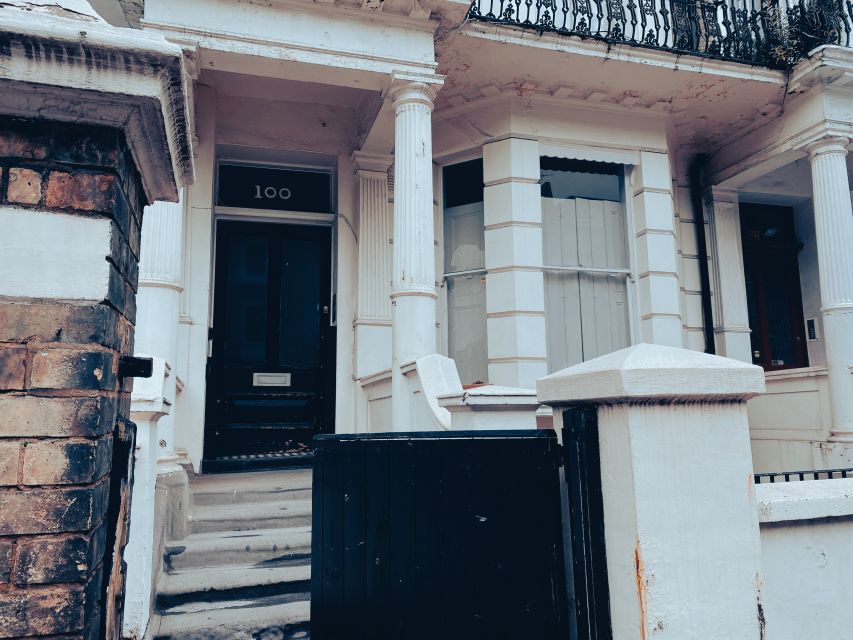
The iconic pub stop is one of the tour’s best hooks because it’s the kind of place where you can sense the social side of music. You’ll visit the pub where Freddie met Brian, Roger, and Mary. That’s not a vague “Freddie drank here once” type of stop. The tour’s framing links the pub to specific relationships, which keeps it from becoming generic.
I like this stop because it’s a break in pace without being a full break from the story. It’s also an easy place for the guide to connect names to song references. When you’re walking for only 2.5 hours, those connection moments matter.
And because the tour includes time for a café break and a pub area visit, it gives you a chance to regroup. That matters on rainy days too. London weather can shift fast, and if you end up spending more time outside, the timing of indoor or semi-indoor stops becomes the difference between a good day and a dragging one.
Royal Opera House and Montserrat Caballé: the classical crossover angle
If you only associate Freddie with rock, this part is a reminder that his story doesn’t stay in one genre box. The tour includes the Royal Opera House area, and specifically the location where Freddie met Montserrat Caballé.
That meeting point is interesting because it’s tied to a larger creative conversation—an artist crossing into a world with different rules, different vocal traditions, and different expectations. The tour also links the studio stop to Barcelona, which ties back into this classical crossover thread.
Even if you’re not a classical music person, this section can land well because the tour isn’t asking you to learn a new vocabulary. It’s using a recognizable London landmark (Royal Opera House) and pairing it with a single, memorable event: Freddie meeting Caballé.
The sightseeing time here is short, so don’t expect a guided architecture lecture. The value is in the connection: name → place → music.




Covent Garden finale and Freddie’s last performance on 14 April 1988
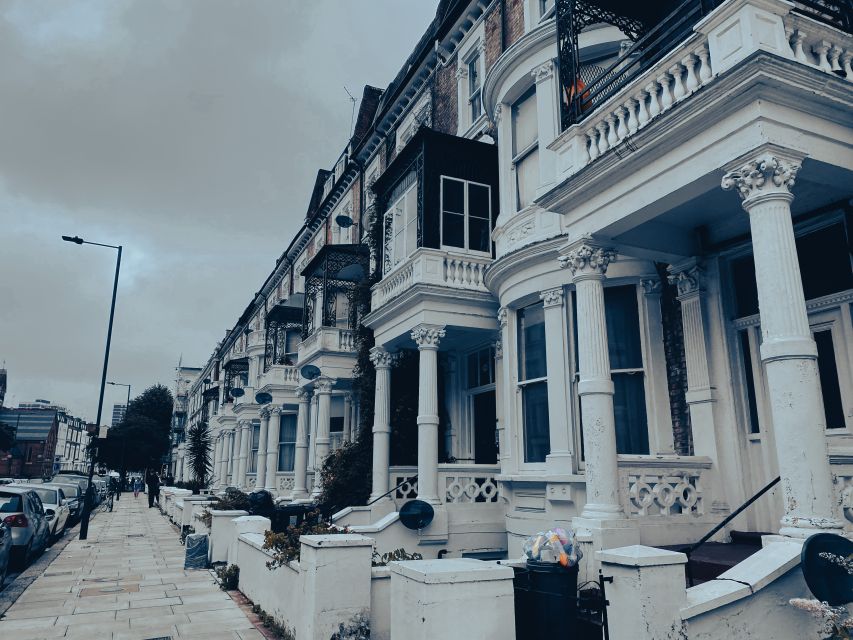
The ending lands in Covent Garden. The tour gives you a Covent Garden visit (about 20 minutes) and a short sightseeing window at the Royal Ballet and Opera area (about 10 minutes). Finishing here makes sense because it’s easy to walk through and easy to connect with after the tour—food, transit, and the general “London in motion” feel.
The emotional closer is the place tied to Freddie’s very last performance in Time, dated here as 14 April 1988. That date is specific, and it gives the tour a clear sense of arrival: you finish not just near famous music landmarks, but at a location connected to his final stage moment.
I like finals like this. They stop the tour from feeling like a random playlist of addresses. Instead, you’re led toward a timeline.
If you’re walking with a group, also note that the final area can be busy depending on the day. The tour ends in a lively zone, so keep a little buffer time after it if you plan to grab a bite or catch public transport.
Price and value: $344 for 2.5 hours, what you’re really paying for
At $344 per person for a 2.5-hour private walking tour, you’re paying for three things:
- Access to specific Freddie-linked locations (studios, homes, meeting places, and performance connections)
- A live guide who connects the dots between names, songs, and street-level London
- A private-group pace, meaning you’re not constantly sharing your questions with strangers
So the value depends on your expectations. If you’re a casual fan who mainly wants the “wow, that’s where it happened” feeling, this can be worth it if the guide keeps the flow moving and makes each stop feel tied to the music you care about.
If you’re a hard-core fan looking for deep biographical detail at every stop, you need to be careful. One negative experience described a lack of firm knowledge and a mismatch between price and depth. That doesn’t mean the tour is always like that—but it does mean you should arrive ready to engage. Ask follow-up questions like what to focus on at the studio stops, how the Mary Austin moments connect to Love of My Life, or what part of Freddie’s timeline the guide thinks matters most.
Also, a key practical point: you’re walking and likely moving through transit zones. The tour instructions ask you to have your day-travel tickets or Oyster cards ready, so build that cost and time assumption into your day.
Finally, the tour concept includes a cocktail. That can add value if it fits your taste, but don’t assume the drink replaces the storytelling. The real product is the guided walk and the connections between locations and Queen moments.
Language, guide style, and how to get the most out of the tour
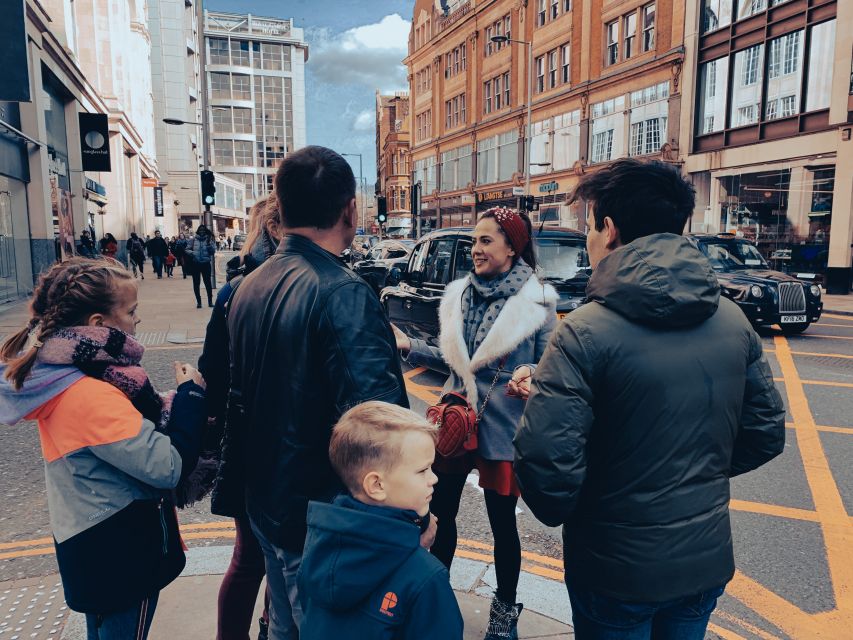
Languages listed are English, Russian, and Ukrainian. That flexibility is useful if you want a guide who can explain clearly rather than guessing from your own mental captions.
One detail that stood out from booking feedback: Valery made a strong effort to communicate when the tour was in English and the participants weren’t. That kind of adaptability can make a huge difference on a short tour, because you’ll miss fewer fine points when the guide is actively working to bridge gaps.
At the same time, guide quality can make or break the experience. One past comment criticized the guide for not seeming to have solid detail and even mentioned an album claim that didn’t feel accurate. I can’t tell you how often that happens, but I can tell you how to protect yourself: ask questions early. If you find yourself wanting more specifics, prompt the guide directly at the start—where they want to focus, and what they’ll cover in terms of dates, relationships, and song links.
Also, for house-focused stops, keep expectations grounded. You can admire the “this is the place” part, but you might not get a dramatic interior tour or a big photo display. If you love context, bring your own: know the key songs the tour mentions (Love of My Life, Who Wants to Live Forever, Barcelona, Bohemian Rhapsody), and you’ll get more out of the guide’s point of view.
Who this London Freddie Mercury tour fits best
This is a great match if you:
- Love Queen and want street-level connections to specific songs and relationships
- Prefer a walking tour with multiple stops in a short window
- Like a guided story that moves between studios, homes, and landmark London
- Want a private group pace and a guide available in English/Russian/Ukrainian
It’s less ideal if you:
- Want a long, classroom-style biography lecture with heavy detail at every location
- Expect a deep set of visuals inside every home-related stop
- Have a strict budget and don’t think a short private walk plus guided interpretation justifies $344
One more point: London weather is real. If rain hits, you’ll still be walking between exterior spots. The tour includes breaks, which helps, but you should plan for layers and a hooded jacket.
Should you book? My straight answer
I’d book this if you’re a Queen fan who likes connecting songs to places, and you value a guided, private-group walk through Hammersmith and Covent Garden. The combination of Mary Austin-linked locations, the pub connection to bandmates, Trident Studios for Bohemian Rhapsody, and the Royal Opera House meeting point with Montserrat Caballé gives you a lot of “this matters” stops packed into 2.5 hours.
I’d hesitate if you’re paying for very dense, fact-heavy storytelling and you know you’ll be disappointed by short stops at private homes. If that’s you, go in with a few questions ready and don’t be shy about steering the guide toward the details you care about most.
FAQ
How long is the London Freddie Mercury Secrets of Freddie Mercury tour?
The tour duration is 2.5 hours.
Where do I meet the guide?
Meet in front of The Hand & Flower at 1 Hammersmith Rd, Hammersmith, London W14 8XJ, UK.
Where does the tour end?
The tour finishes in Covent Garden.
Is the tour wheelchair accessible?
Yes, wheelchair accessibility is listed.
What languages are available for the live guide?
The guide is available in English, Russian, and Ukrainian.
Do I need an Oyster card or day-travel tickets?
Yes. The tour notes that you should have your day-travel tickets or Oyster cards ready.
Is there free cancellation?
Yes, free cancellation is available up to 24 hours in advance for a full refund.