Piccadilly Circus has more than a platform. You’ll step behind secret doors at Piccadilly Circus Underground and see Edwardian design features plus areas closed to the public since 1929. It’s one of the rare London walks where the city’s underground history feels physical, not dusty.
I love the mix of architecture and real stories: the original station layout, how the station was modernised in the 1920s, and what happened there during wartime. The second big win for me is the high-guidance format: a live guide keeps you moving with context, so you understand what you’re seeing while you’re seeing it.
One drawback to plan around: this tour has lots of walking, uneven ground, and low lighting, with flights of stairs and no elevator. If you get claustrophobic, or you need step-free routes, this won’t be the right fit.
In This Review
- Quick, high-value takeaways
- Entering Piccadilly Circus Station’s Hidden Layers
- Finding the Meeting Point at Exit 4 (and Starting Smooth)
- Your First Steps Behind Secret Doors
- Edwardian Design Features You Can Actually See
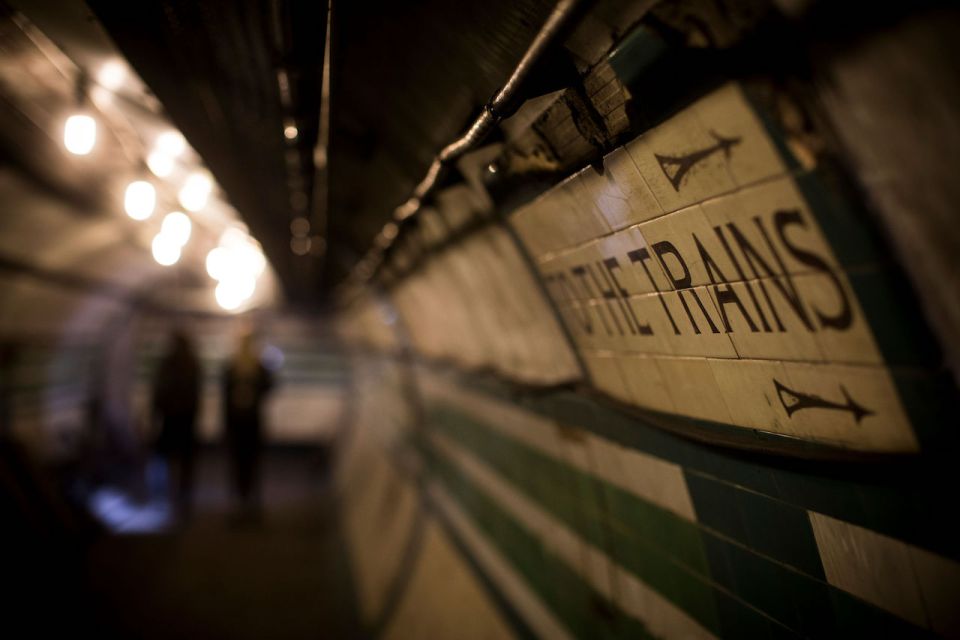
- The Disused Passenger Tunnels: What 1929 Looks Like
- Wartime Shelter Stories and Secret Station Use
- What the 75 Minutes Feels Like on the Ground
- Practical Tips That Make the Tour Easier (Not More Comfortably Hard)
- Price and Value: Is $60.61 Worth It?
- Who This Tour Is Best For
- Should You Book Hidden Tube Tour: Piccadilly Circus?
- FAQ
- Where is the meeting point for the Hidden Tube Tour at Piccadilly Circus?
- How long is the tour?
- What does the tour include?
- Which Underground lines does Piccadilly Circus station serve?
- Is the tour step free or elevator accessible?
- Is the tour suitable for claustrophobia?
- What should I bring to join the tour?
- What shoes and items are not allowed?
Quick, high-value takeaways
- Edwardian remains beneath a famous landmark: see the original station story in the spaces most people never reach
- Closed tunnels and access points from 1929: passageways and tunnels you can’t otherwise visit
- Wartime shelter and secret storage stories: you’ll hear how the station served people in crises
- Expert-written tours from London Transport Museum: historical guidance built from archive material
- You’ll walk and climb stairs in low light: come with sturdy shoes and a calm head
Entering Piccadilly Circus Station’s Hidden Layers
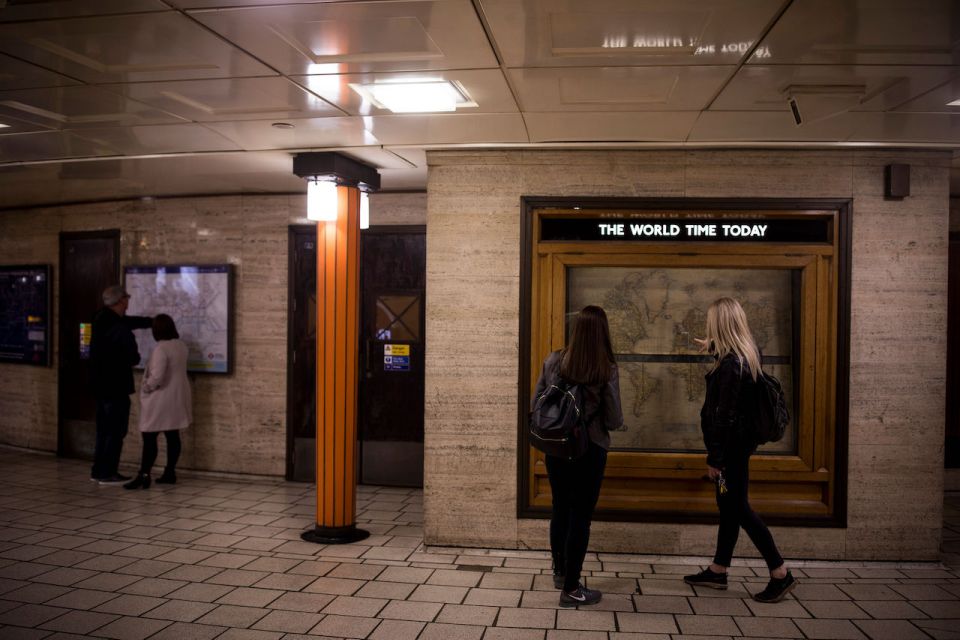
Piccadilly Circus station opened in 1906, right under one of London’s most recognizable squares. It served the Bakerloo and Piccadilly lines from the start, then went through major modernisation between 1925 and 1928 as passenger demand grew.
What I like about this Hidden Tube tour is that it treats the station like a living construction site across time. You’re not only looking at old brick; you’re walking through parts that still reflect the station’s different eras, including spaces tied to that 1920s push.
And yes, you’ll be in the real underground world under Piccadilly Circus. This isn’t a talk in a room. It’s movement, sightlines, and the feeling that you’re stepping into the station’s “off-duty” spaces.
You can also read our reviews of more tours and experiences in London.



Finding the Meeting Point at Exit 4 (and Starting Smooth)
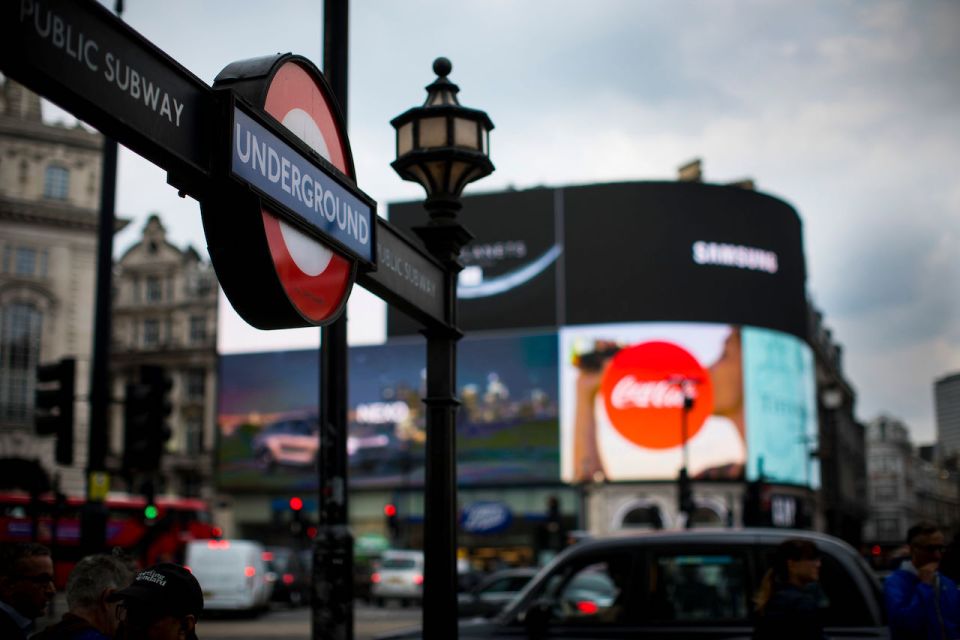
The tour meets at the bottom of the stairs of Exit 4 of Piccadilly Circus Underground. Exit 4 sits on the corner of Shaftesbury Avenue and Coventry Street, next to the Criterion Restaurant.
Plan to arrive a few minutes early. When you’re heading into a tightly scheduled guided visit, the easiest win is being in the right place before your group starts moving.
Also, take the ID rule seriously. You need a passport or ID card to join the tour, and there’s no mention of an alternative document.
Your First Steps Behind Secret Doors
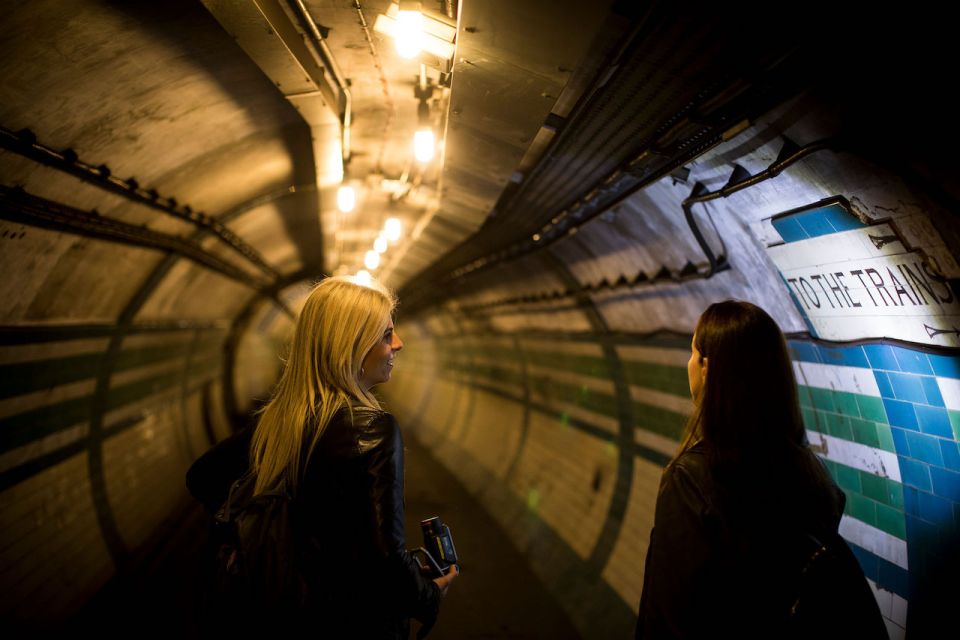
Once you’re with the guide, the tour quickly turns from normal station life into restricted-history access. You’ll step behind secret doors into passageways and lift areas that have been closed to the travelling public since 1929.
That 1929 detail matters. It’s not just “old stuff.” It’s spaces that stopped being open to passengers for almost a century. So when you see design choices that look intentional and polished, it helps to remember that people were meant to use these areas once, and then the station’s design and passenger flow changed.
This is also where the guide’s role becomes clear. Instead of asking you to guess what you’re looking at, the guide connects the visible features to the station’s development. You’ll be given a guided route that makes the station’s layers make sense as you move.
Edwardian Design Features You Can Actually See
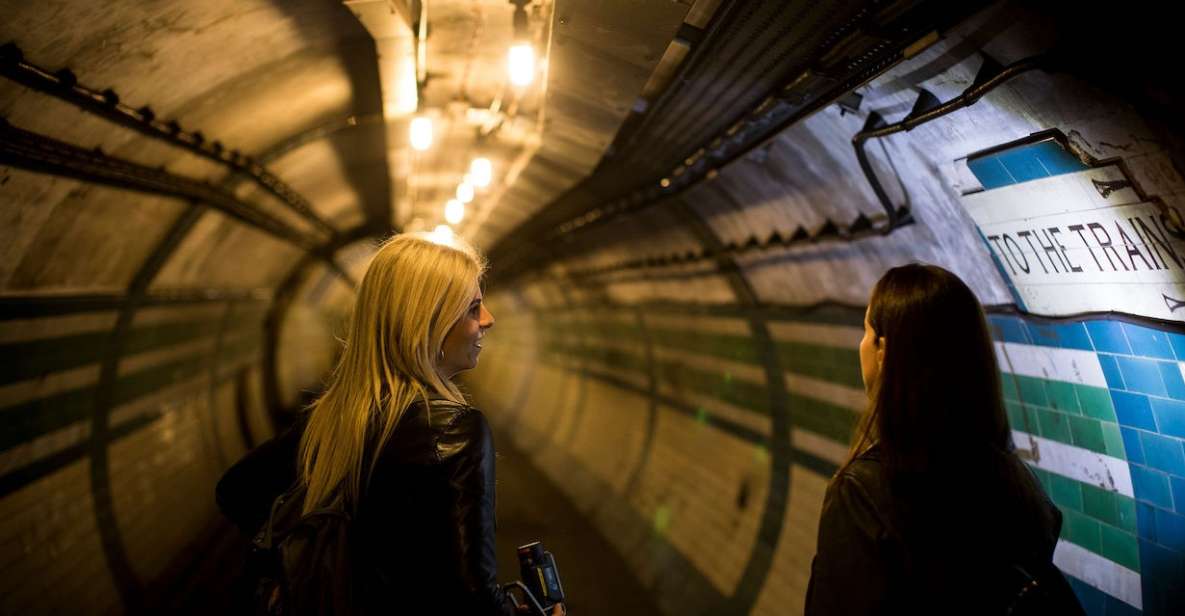
One of the most compelling parts of the experience is the chance to spot original Edwardian design features. Piccadilly Circus station opened in 1906, and you’ll be shown elements tied to that early period.
In many London sites, “old architecture” is presented as a backdrop—pretty, but not explained. Here, the explanation is practical: it helps you understand how a major underground station was built to handle real human traffic, long before today’s modern signage and flow.
A fun mental shift: think of this as urban design you can feel under your feet. You’re in the same general station world commuters use, but you’re seeing the parts that reveal how early engineers and designers solved problems with limited space and complex underground conditions.
The Disused Passenger Tunnels: What 1929 Looks Like
A major highlight is exploring disused passenger tunnels that have been closed to the travelling public since 1929. When you walk in these older underground sections, it can feel like time slows down. The station around you is busy, but the tunnel spaces themselves tell a different story.
I like how the tour uses these tunnels to explain change. The station didn’t just stay the same; it evolved. Modernisation in the 1920s meant new passenger demands, and the layout of routes had to adapt. By the time tunnels were closed, the station had already moved into a different phase.
You also get a clear sense of why those spaces are restricted today: low lighting and tight underground geometry are part of the environment. The tour doesn’t pretend these are easy areas. It gives you context and a route, not an artificial comfort bubble.





Wartime Shelter Stories and Secret Station Use
Piccadilly Circus station wasn’t only a transport machine. The tour includes fascinating stories of wartime shelterers who took refuge in the station.
That’s the part I find hardest to get from a normal museum visit: the scale and setting. You’re hearing about people taking shelter in real station-like spaces, which makes the story more grounded than a timeline on a wall.
The tour also references top-secret storage of priceless artefacts connected to station use during critical periods. The point isn’t sensational detail—it’s the reminder that London’s transport network was part of wider wartime planning.
If you’re the type who likes London history as lived-in infrastructure, these segments are the emotional payoff. The station stops being a place you pass through and becomes a place that mattered.
What the 75 Minutes Feels Like on the Ground
The tour runs 75 minutes, and you should treat it as a real walking experience, not a slow stroll.
The tour involves:
- lots of walking
- uneven ground
- low lighting
- stairs and no elevator
There’s no step-free route listed, and the tour is not suitable for people with mobility impairments. There’s also no cloakroom, so don’t plan to store bulky items on-site.
If you’re coming from another stop, think about how you’ll handle stairs even before you start. Piccadilly Circus can be busy above ground; underground routes add extra friction. A good day for this tour means you’re wearing the right shoes and keeping your bag situation simple.
Practical Tips That Make the Tour Easier (Not More Comfortably Hard)
You’ll want sturdy footwear. The tour specifically says no open-toed shoes, and that’s your clue the ground can be tricky.
Leave room in your day for slower movement. Low lighting and uneven sections mean you’ll walk more carefully than you would on a standard city sidewalk.
Also, pack light. The tour doesn’t allow food and drinks, and it doesn’t allow luggage or large bags. If you’re tempted to bring a tote with heavy gear, swap it for a smaller bag you can manage easily.
One more note that matters: this tour is not suitable for claustrophobia. That’s not a gentle warning. It’s a clear eligibility line.
Price and Value: Is $60.61 Worth It?
At $60.61 per person for a 75-minute guided tour, the price is not cheap. But I think it can be good value if you care about what you can only see this way.
Here’s why the cost can work:
- You’re getting access to areas closed to the public since 1929, including disused tunnels and restricted passageways.
- The tour is written by historical experts from London Transport Museum, based on archival material.
- You’re not only told facts; you’re shown spaces where those facts take shape under real underground conditions.
If you’re expecting this to feel like a simple add-on stop, it may feel pricey. If you’re the type who likes engineering details, transport history, and the stories behind infrastructure, it’s a focused experience for your money.
Who This Tour Is Best For
This tour hits hardest for people who like:
- transport history and how stations adapt over time
- architecture and design details you can actually point at
- wartime stories that connect to real places
It’s also a strong pick for anyone who finds London museums interesting but wants something more hands-on and location-specific.
But skip it if you:
- need a step-free, elevator-based route (this tour includes stairs and isn’t step free)
- get uncomfortable in enclosed, low-light spaces (it’s not suitable for claustrophobia)
- want to move with minimal walking (it’s a lot of walking on uneven ground)
Families: it’s not suitable for children under 10 years, and there’s a rule limiting children aged 10–15 to a maximum of four per adult.
Should You Book Hidden Tube Tour: Piccadilly Circus?
I’d book this if you want a practical, story-led way to see Piccadilly Circus station as more than a commute stop. The access to Edwardian remains, plus tunnels and passageways closed since 1929, is the core reason to do it. Add wartime shelter stories and secret storage details, and it becomes a rare mix of engineering and human history.
Don’t book if stairs, uneven ground, and low light will stress you out. This isn’t a slow, comfortable walk, and it’s not step free. And if claustrophobia is on your list of concerns, this one is a no.
FAQ
Where is the meeting point for the Hidden Tube Tour at Piccadilly Circus?
Meet at the bottom of the stairs of Exit 4 of Piccadilly Circus Underground station, on the corner of Shaftesbury Avenue and Coventry Street next to the Criterion Restaurant.
How long is the tour?
The tour lasts 75 minutes.
What does the tour include?
It includes a 75-minute guided tour of Piccadilly Circus Underground station, including disused parts of the station long closed to the travelling public.
Which Underground lines does Piccadilly Circus station serve?
Piccadilly Circus station opened in 1906 serving the Bakerloo and Piccadilly lines.
Is the tour step free or elevator accessible?
No. The tour is not step free and includes walking up and down flights of stairs, and there is no elevator.
Is the tour suitable for claustrophobia?
No. The tour involves areas with low lighting and walking in underground spaces, and it is not suitable for guests with claustrophobia.
What should I bring to join the tour?
Bring a passport or ID card.
What shoes and items are not allowed?
Open-toed shoes are not allowed. Food and drinks are not allowed, and luggage or large bags are not allowed.