REVIEW · WALKING TOURS
London: Kensington and Chelsea Guided Walking Tour
Book on GetYourGuide →Operated by Shimeji Creatives Ltd. · Bookable on GetYourGuide
Museums, mansions, and mews streets in two hours. I like how the route starts at South Kensington Station and links the museum district to royal-park calm, all with clear, walkable stops. I also love the way the tour connects the Great Exhibition legacy to what you see on the street today.
One thing to consider is that guide style can vary. One participant called out Simona as prepared and kind, and she even managed to keep two small kids engaged. Another person wanted more building-and-people detail and felt the stories were lighter, more personal.
If you want a good-looking, high-style slice of London with photo moments and architecture talk at a relaxed pace, this fits well. The route is step-free, and you’ll have time to stop and take pictures.
In This Review
- Key things to look for on this London walk
- South Kensington Station to Exhibition Road: why this start works
- The V&A stop and the Great Exhibition legacy in plain language
- Kensington Gardens, Albert Memorial, and Kensington Palace exterior views
- Knightsbridge: Harrods, mansions, and diplomatic street-level London
- Chelsea mews streets: stables turned into prime real estate
- Sloane Square ending: how to use the finish point
- Guide languages, pace, and what to expect from the walk style
- Value math: why the $26 price can make sense
- Who should book this Kensington and Chelsea guided walk
- Should you book? My practical take
- FAQ
- How long is the London Kensington and Chelsea guided walking tour?
- Where do I meet the guide?
- Where does the tour end?
- Is the tour wheelchair accessible?
- What languages are available?
- Are museum entrance fees included?
Key things to look for on this London walk
- South Kensington’s Albertopolis idea: education, art, and science tied together in one neighborhood plan
- V&A + 1851 context: you’ll connect the museum district to Prince Albert’s Great Exhibition legacy
- Kensington Gardens highlights: Albert Memorial stops plus the exterior of Kensington Palace
- Knightsbridge contrasts: mansions, embassies, and Harrods energy in one stretch
- Chelsea mews storytelling: former stables turned into sought-after residences
- Finish at Sloane Square: easy jump-off point for King’s Road shops and cafés
South Kensington Station to Exhibition Road: why this start works
This tour kicks off just outside South Kensington Station, by Thurloe Street near Viandas, with your guide holding a sign so you can spot them quickly. That meeting point matters. South Kensington is where London starts showing its “plan” side: wide roads, big institutions, and a sense that the city was designed for public learning—not just spectacle.
From there, you’re walking into the museum district, but you’re also learning how the area got that way. The tour frames South Kensington as part of Albertopolis, a Victorian vision of a cultural zone built around education, art, and science. Prince Albert’s name comes up for a reason: the story ties back to the Great Exhibition of 1851, when Britain broadcast its industrial confidence to the world.
Even if you don’t go inside every museum, this start gives you the map in your head. You start seeing why the buildings look the way they do and why this part of London became a magnet for institutions.
Practical tip: wear comfortable shoes. This is a walking tour, and the streets here reward steady pacing.
You can also read our reviews of more walking tours in London



The V&A stop and the Great Exhibition legacy in plain language
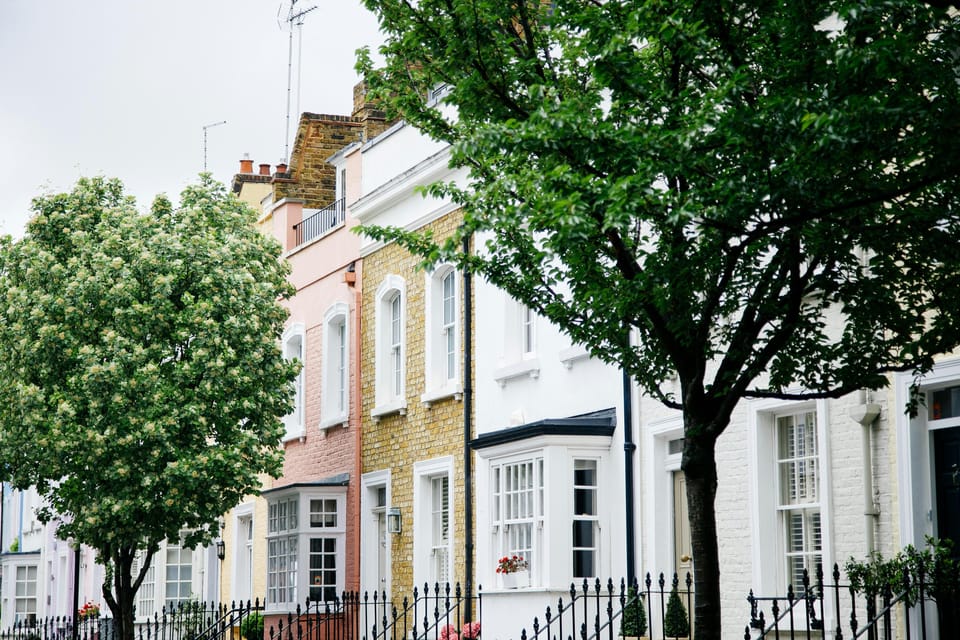
The headline stop is the Victoria & Albert Museum area, where the tour explains the legacy of the Great Exhibition. This is the part I’d recommend to you if you like understanding the “why” behind landmarks, not only the “what.”
Here’s what the tour does well: it turns a big, abstract event from 1851 into something you can point at in the real world. The Great Exhibition is presented as the spark. Prince Albert’s influence is the engine. And Albertopolis is the result you can still walk through today.
You’ll also get the bigger context of why the museum district clustered here. The tour describes Exhibition Road as the spine of a part of London that shifted from semi-rural land into a home for major institutions. If you’ve visited London before and felt the museum cluster was just…there, this kind of framing helps it click.
One possible drawback: if you’re the type who wants lots of highly specific stories about individual objects or deeply detailed art history, a walking tour can only cover so much. You may find it best as a set-up for choosing what to go see later.
Still, it’s a strong move for value. You’re paying for a guide and storytelling, not museum admission. That makes it a smart way to decide where your time and tickets should go next.
Kensington Gardens, Albert Memorial, and Kensington Palace exterior views
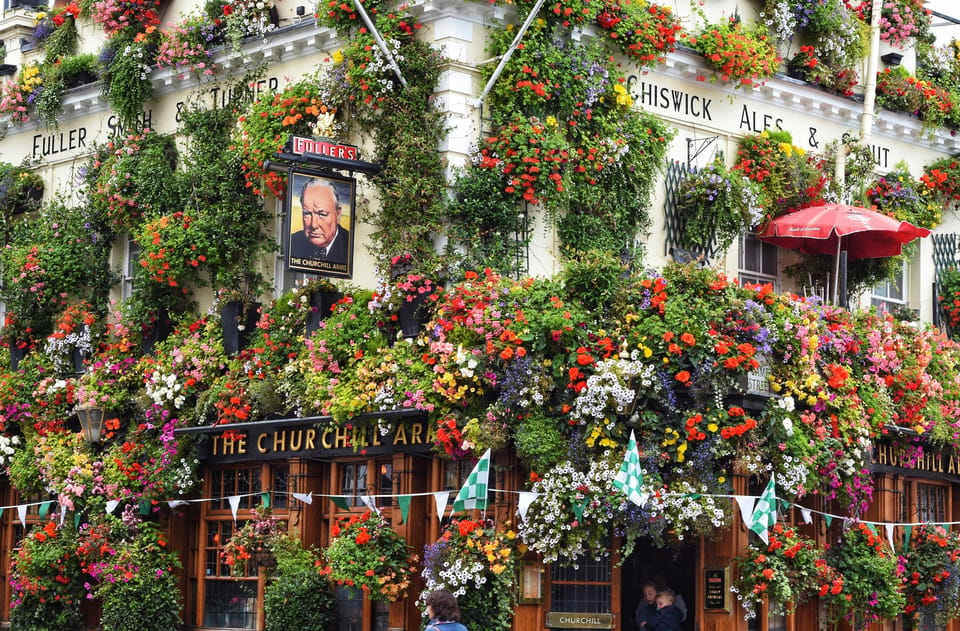
After the museum intensity, the tour shifts into a calmer rhythm with a stroll through Kensington Gardens. This transition is one of the tour’s best features. You go from grand Victorian buildings and institutional scale to a park setting that feels like a pause button.
You stop at the Albert Memorial area, which is a natural photo target. It’s the kind of monument that tells you who commissioned it and why public art mattered to the era. The tour links it back to the same Victorian ambition you hear about earlier: ideas turned into buildings and public spaces.
Then comes the Kensington Palace exterior, including the connection to Princess Diana. Even if you’re not a royal-history specialist, this stop gives you a more modern emotional layer to the same royal landscape. You can connect the park’s current identity to the people who lived and moved through it.
Two good reasons to enjoy this portion:
- You’re walking in a less traffic-heavy mood zone, with easy opportunities to stop for pictures.
- The guide’s storytelling makes the park feel like part of the same long thread as South Kensington and the museums, not a random detour.
For families: parks are easier on kids than long museum interiors. One participant specifically mentioned how the guide helped keep two small children engaged, which is a reassuring sign if you’re traveling with youngsters.
Knightsbridge: Harrods, mansions, and diplomatic street-level London
Next you move into Knightsbridge, and the vibe changes fast. Instead of museum grandeur, you get a different kind of London power: luxury shopping, classic architecture, and embassies.
Harrods is a major reference point here, and that matters because it gives you something immediately recognizable. But the tour doesn’t reduce Knightsbridge to a department store. You’ll also see the surrounding streetscape: red-brick mansions, embassies, and the kind of London streets where the buildings quietly do a lot of the talking.
Why I like this section for you: it’s a real contrast. Many visitors speed from museum to museum and miss how the city’s status neighborhoods look and feel day to day. Knightsbridge is how wealth and global influence show up on sidewalks.
It’s also a good place for people-watching, if that’s your thing. And it’s ideal for photography—especially if you like architecture more than crowds.
One consideration: if you prefer smaller, quieter stories, the Knightsbridge shopping buzz can feel loud. The tour is designed for a relaxed walking pace, but you’ll still notice the district’s energy.
Chelsea mews streets: stables turned into prime real estate
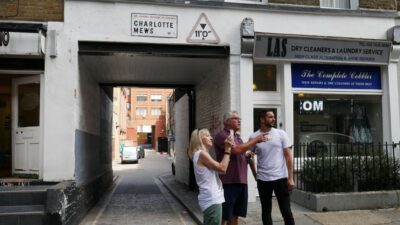
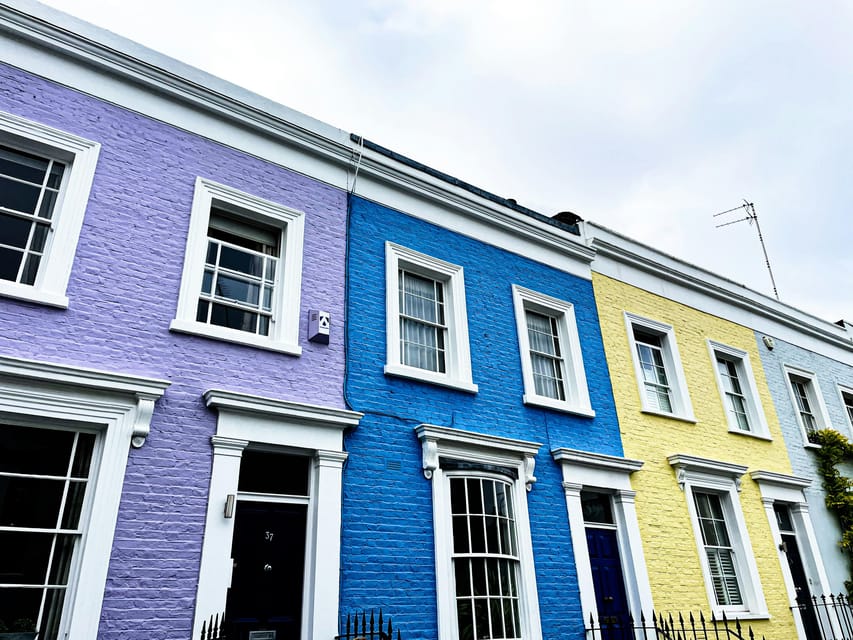
Then you head into Chelsea, and this is where the tour becomes more intimate. The highlights focus on mews streets—streets that were originally built as stables and later turned into residences. You don’t need to be a property-history nerd to appreciate what’s happening here.
You’re looking at a living timeline: utilitarian service spaces that became desirable homes. That’s a London theme you can keep in your pocket for other neighborhoods too. Chelsea is basically a masterclass in how the city repurposes buildings without erasing their original bones.
Along the way, you’ll see Georgian and Victorian townhouses and pause outside private garden squares. Those squares are a special kind of London. They’re enclosed, quiet, and often feel like a different world compared with the street outside the gates.
Blue plaques also come into the picture, and that’s important for you if you like connecting architecture to the people who shaped it. The tour points to the stories that those markers represent, helping you read the neighborhood like a page, not just a backdrop.
Chelsea’s creative pull is part of the explanation, too. You’ll hear that for centuries, artists, writers, designers, and radicals were drawn here—and that the creative legacy still echoes through the quiet lanes. That framing is useful because it helps you understand why Chelsea doesn’t feel like a museum district even when the buildings are historic. It feels lived-in and evolving.
If you’re traveling with kids: narrow mews streets and townhouse façades often hold children’s attention better than “big museum walls.” One guide can make a difference, and that’s where Simona’s praised ability to involve young children becomes relevant.
You can also read our reviews of more guided tours in London





Sloane Square ending: how to use the finish point
The tour closes at Sloane Square, which acts like a gateway to King’s Road. That ending isn’t just convenient—it’s smart. You’re stepping out into a street with a story of its own.
The tour ties King’s Road back to the 1960s, describing it as a center of fashion and rebellion, and it explains that it still has a lively mix of independent boutiques, cafés, and galleries. In other words, you finish with a practical next step. You’re not stuck wondering what to do after the guided portion.
If you want to keep the London feeling going, this is a natural place to do it. Grab a break, browse, and use the neighborhood context you learned on the walk to spot what makes it different from the museum district.
Guide languages, pace, and what to expect from the walk style
The tour is offered in English, German, and Italian. That matters if you prefer learning in your own language, because you’ll catch more of the story thread. You’ll also appreciate the pacing: it’s designed as a relaxed walk, and the route is described as step-free.
The guide can also take pictures for you using your phone. That’s a small detail, but it matters if you’re solo or you’re in a group and want fewer awkward moments trying to time a photo.
Now the balanced bit: guide quality is the main variable here. One participant highlighted Simona for being prepared and kind and for creating a tour that worked well even with two young daughters along. Another person found the guide less detailed than expected and wanted more concrete historical stories about people and buildings.
So here’s how I’d advise you to play it:
- If you want light-to-medium story coverage plus great neighborhood context, this should land well.
- If you want extremely specific building-by-building detail, you might mentally treat the tour as a guided orientation. Then you can add your own follow-up with museum tickets or self-guided reading.
Either way, the format is approachable. It’s suitable for all ages, and there’s a built-in photo rhythm.
Value math: why the $26 price can make sense
This costs $26 per person and runs 2 hours with a walking guide. Entrance fees aren’t included. That’s a big part of the value equation.
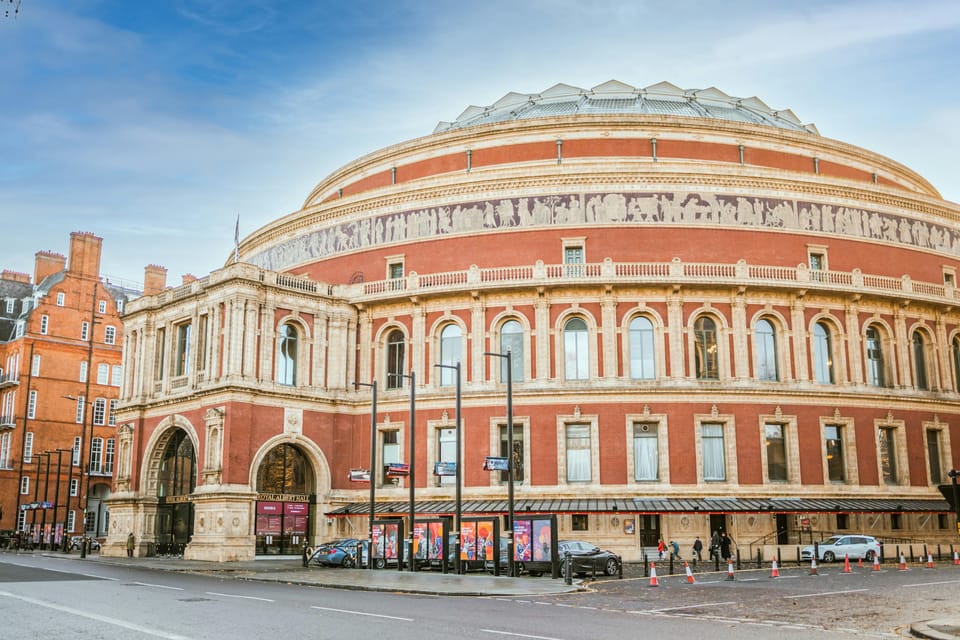
What you’re really buying is time and interpretation. In London, a guide can turn streets into a coherent story, especially in neighborhoods where the architecture changes every few corners. Since the tour includes the museum district and major landmarks like the V&A and Royal Albert Hall area from the outside, it’s a way to get meaning without paying for every ticket.
Here’s who benefits most:
- You’re short on time and want the highlights stitched together.
- You plan to come back later for a museum visit and want to choose with confidence.
- You like architecture, street-level London, and the way neighborhoods evolve.
What to watch: if you were hoping for lots of paid interior access, entrance fees aren’t part of this deal. You may still enjoy the landmark stops, but you’ll likely need separate planning for any ticketed museum time.
Who should book this Kensington and Chelsea guided walk
You should book if you want a refined London sampler that doesn’t feel rushed. This tour covers a rare mix: the museum district, royal park scenery, luxury shopping streets, and Chelsea’s mews and townhouses.
It’s also a good fit if you want a tour that works across ages. The step-free route and relaxed pace are built for that. The fact that at least one family had a positive experience with two small kids is a reassuring signal for your planning.
It may not be the best fit if your main goal is deep, exacting history packed into every corner. In that case, you can still use this walk to get oriented, then add a museum-focused visit afterward.
Solo travelers: there’s a mention that the tour generally needs at least two participants. If you’re trying to book and it won’t confirm, it’s worth messaging for available time slots. (That’s one of those details that can save your schedule.)
Should you book? My practical take
If you like London at street level—architecture, monuments, neighborhoods with personality—this is a solid way to spend two hours. The South Kensington to Kensington Gardens to Knightsbridge to Chelsea progression is logical, and the storytelling thread connects the Victorian era to the modern look of the area.
Book it if you want:
- guided orientation in a high-density part of London
- photo stops that actually make sense
- a mix of museums-and-royalty with luxury and creative Chelsea lanes
Skip or think twice if you need:
- heavy museum interior time
- extremely detailed person-by-person historical research at every stop
- one consistent guide style every time (because guide delivery can vary)
If you’re planning a first visit or a museum-heavy trip, this walk is a great warm-up. It helps you read what you’ll see next.
FAQ
How long is the London Kensington and Chelsea guided walking tour?
It runs for 2 hours.
Where do I meet the guide?
Meet outside South Kensington Station on Thurloe Street, in front of Viandas. The guide will be holding a sign with the name of the tour.
Where does the tour end?
The tour ends at Sloane Square.
Is the tour wheelchair accessible?
Yes. The route is step-free and wheelchair accessible.
What languages are available?
The live guide speaks English, German, and Italian.
Are museum entrance fees included?
No. Entrance fees are not included, and the tour focuses on the walk and guided stops.