REVIEW · JACK THE RIPPER TOURS
London: Jack the Ripper tour in Spanish (RLA Winner)
Book on GetYourGuide →Operated by Whitechapel Tours · Bookable on GetYourGuide
Jack the Ripper gets real fast on these streets. I especially liked the real locations aspect, and the way José Oranto ties each stop to documented history, not just spooky vibes. My one caution: video recording isn’t allowed, so you’ll want to rely on your ears and your questions rather than filming the whole walk.
This is a Spanish-only walking tour, and you’ll feel it in the best way: the guide talks like a historian and invites back-and-forth dialogue. The route is built for staying engaged without turning into a long, sloggy day, and the pace keeps room for explanations, debate, and curiosities.
You start at St Marys Whitechapel Church Memorial and spend about 2 hours moving through Whitechapel’s Victorian-era streets. Dress for the weather, plan on listening closely, and know that the tour is wheelchair accessible.
In This Review
- Key highlights that matter
- Meet José Oranto, the RLA 2023 guide behind the facts
- A 2-hour route starting at St Marys Whitechapel Church Memorial
- From Brick Lane to Gunthorpe Street: real addresses, careful storytelling
- Banglatown Arch and Mitre Square Garden: neighborhoods around the case
- Goulston Street to White’s Row: where you end your walk
- Price, pacing, and Spanish-only details you should know
- Should you book this Jack the Ripper tour in Spanish?
- FAQ
- How long is the Jack the Ripper tour?
- How much does the tour cost?
- Where does the tour start?
- What language is the tour guide?
- Is the tour wheelchair accessible?
- Is video recording allowed?
- Can I cancel for a full refund?
Key highlights that matter
- José Oranto’s research focus: historian-author energy, with sources and documented investigation
- Visit real Whitechapel locations tied to the case rather than doing a generic photo stop
- Spanish guide + open dialogue where questions and theories are welcomed
- A manageable, conversation-friendly walk rather than a marathon
- Stops are spread across the neighborhood so you see how the story sits in lived-in streets
- No video recording means you’ll pay attention and interact more
Meet José Oranto, the RLA 2023 guide behind the facts
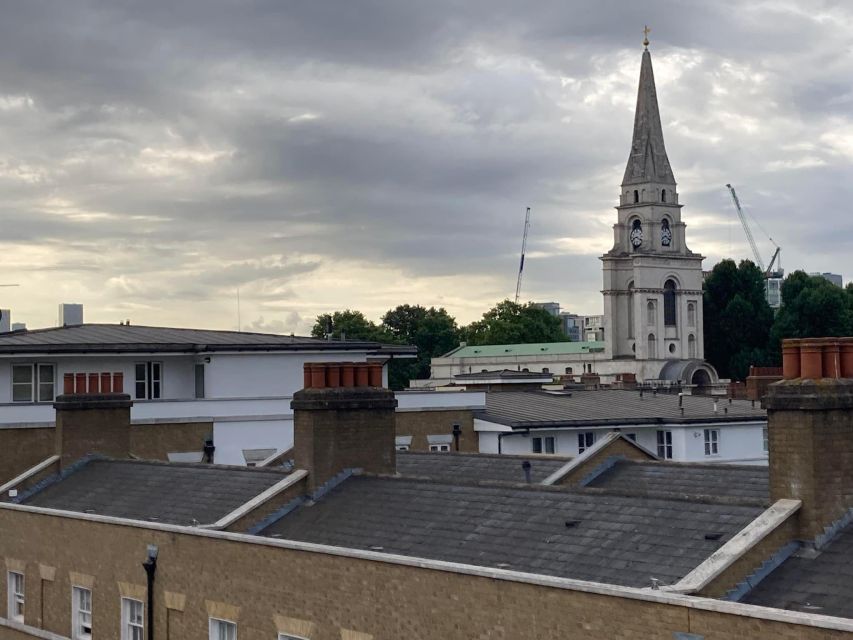
This tour’s biggest advantage is the guide. José Oranto isn’t just a storyteller. He’s a historian and a leading authority on the historical investigation of the Whitechapel murders, and the tour credits him with a Robert Linford Award (2023) connection plus RLA recognition (2023). He also authored Jack el Destripador y las crónicas de Whitechapel and has collaborated on specialized works, so when he talks, it’s with an academic backbone.
What I like for you as a visitor: the tour doesn’t treat Jack the Ripper as a simple legend with one “correct” answer. Instead, you get a guided route through real addresses and then you’re encouraged to ask questions and discuss possibilities. That open style is a practical gift in London, where you’ll quickly realize there’s always more going on than the brochure version.
From the way the tour is described and how it’s delivered, you should expect a guided conversation, not a lecture you survive. People are comfortable asking questions and even debating ideas out loud. If you enjoy learning, but you also like to test what you’re hearing, this format fits.
One more detail that makes a difference: the guide uses images/photos to support what’s happening on the streets. That matters because Whitechapel today isn’t the same place it was in the Victorian era. Visual anchors help you connect the current street view with what’s being argued and documented.
You can also read our reviews of more tours and experiences in London.



A 2-hour route starting at St Marys Whitechapel Church Memorial
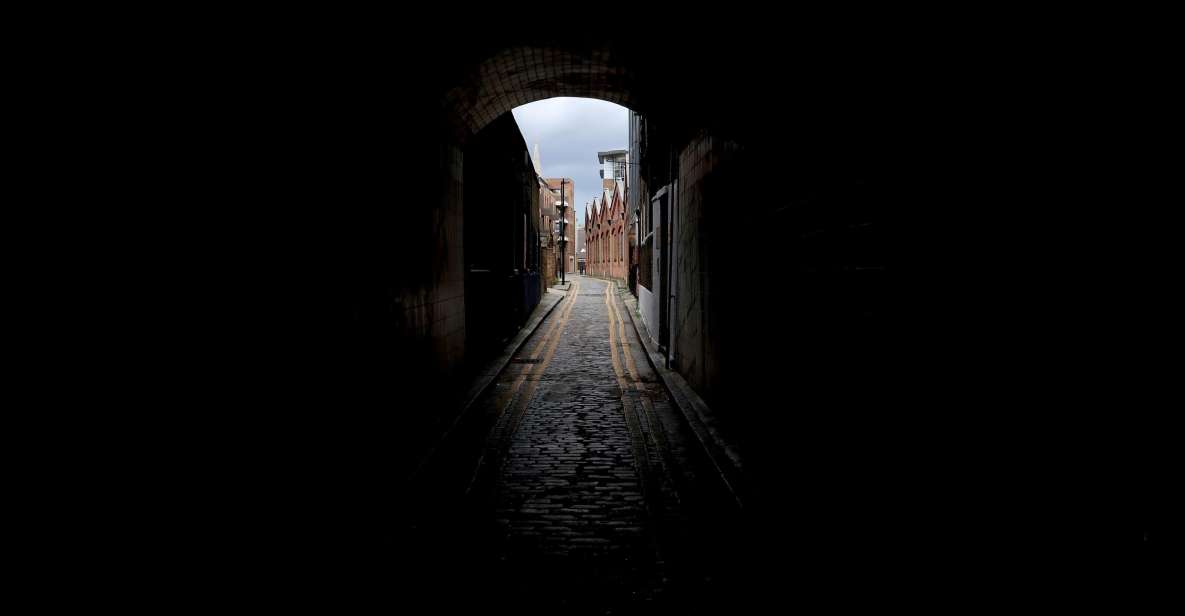
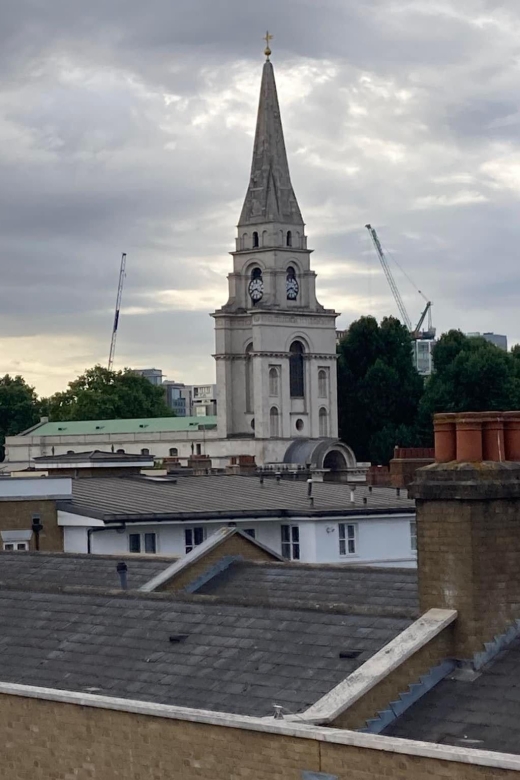
You begin at St Marys Whitechapel Church Memorial, which is a smart starting point because it frames the walk in place. Before you jump into a chain of street names, you get the case context and the “how to look” mindset for the neighborhood. In a topic like Jack the Ripper, that framing matters. If you start mid-story, the facts slide off. Starting with direction helps your brain organize what you’re hearing.
Since the tour is 2 hours, it’s paced to stay realistic. You’re not signing up for an all-day walking marathon, and the structure gives the guide time to keep the story moving while still pausing for questions. That balance shows up in the itinerary design too: you visit key locations and pass by others, so the walk rhythm stays smooth.
Language is Spanish, and that’s not a small detail. If you’re comfortable with Spanish, you’ll get more out of the dialogue and the back-and-forth. If your Spanish is beginner level, you can still follow the street names and the general story, but the “debate and question” part may feel slower. The good news is that the guide is described as patient and supportive, and that’s exactly what you want when you’re trying to learn in a second language.
A practical tip: dress for London weather and plan to listen more than you film. With no video recording, you’ll capture your memories with notes, photos where allowed (the policy only bans video), and the questions you ask on the spot.
From Brick Lane to Gunthorpe Street: real addresses, careful storytelling
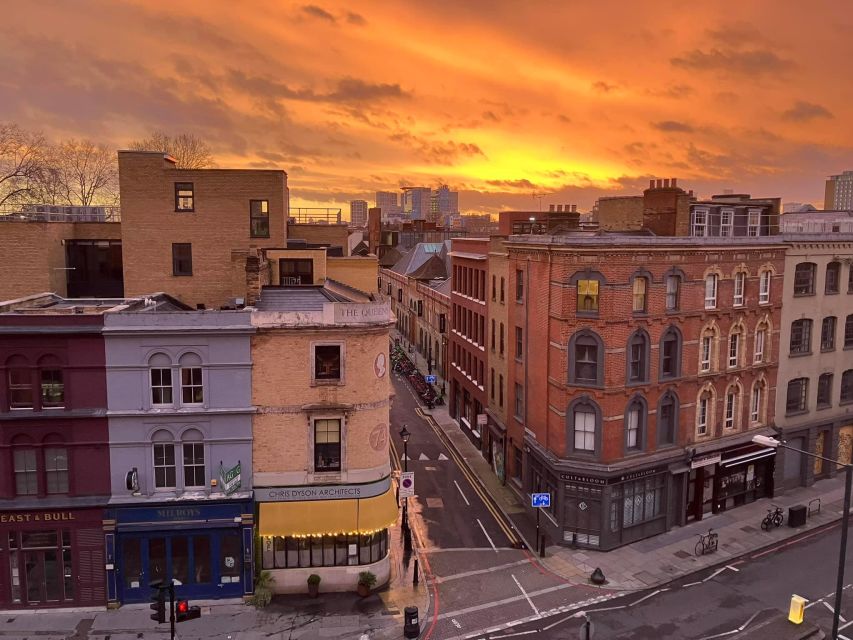
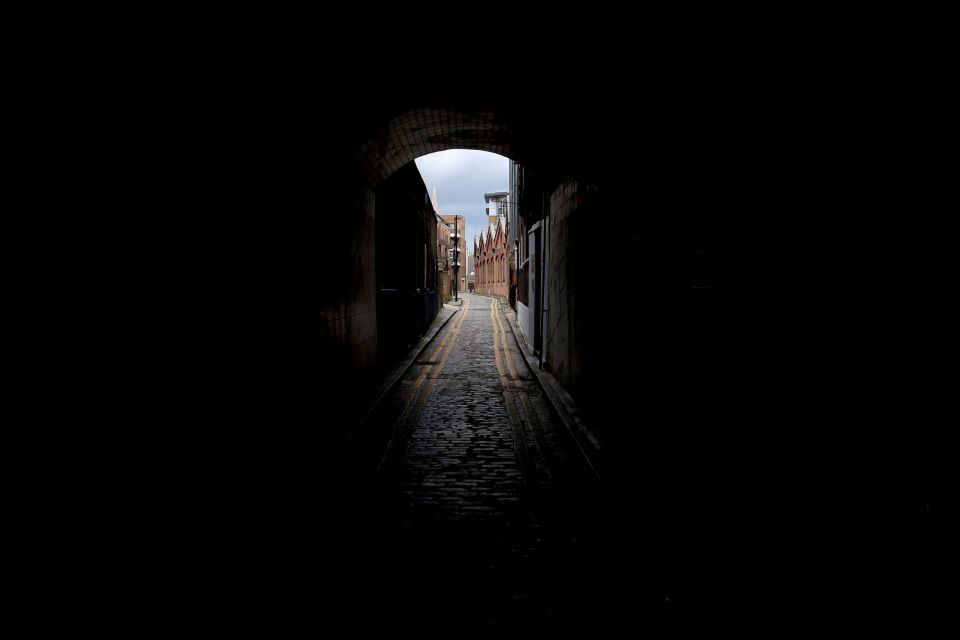
Your first city-moment stop comes at 1 Brick Lane (visit). Brick Lane is one of those streets where layers of London history sit close together. In this tour, you’re not just looking at the vibe—you’re using the street itself as evidence. The guide connects what you can see now with the Victorian-era context and the documented investigation around the Whitechapel murders.
Next is 16 Gunthorpe Street (visit). Gunthorpe Street is the kind of place where the narrow, residential feel helps you understand how these events unfolded in the everyday geography of Whitechapel. The tour’s value here is that it doesn’t treat the case as a single “spotlight crime scene.” It pushes you to think about how people lived, moved, and interacted on real streets.
Then you pass by 49 Flower and Dean Walk. Passing by still has a purpose. It keeps the flow without overloading you with too many stops at once. For your brain, that’s helpful: you’re not forced to track every single street name as if you’re studying for an exam. Instead, you get a curated sequence that supports the narrative.
If you’re wondering what to watch for, look for architectural cues the guide references—facades, street scale, and how neighborhoods were laid out. Even if you don’t know the era’s details yet, the guide’s explanations give you a lens. That’s especially useful in Whitechapel, where the modern cityscape can distract you if you don’t have something to focus on.
A small drawback to consider: because you’re visiting real locations in an active city area, you’ll have less control over outside noise and crowd movement than in a museum. The upside is that this is the point of the tour. You’re meant to experience the case in the streets where it happened, not behind glass.
Banglatown Arch and Mitre Square Garden: neighborhoods around the case
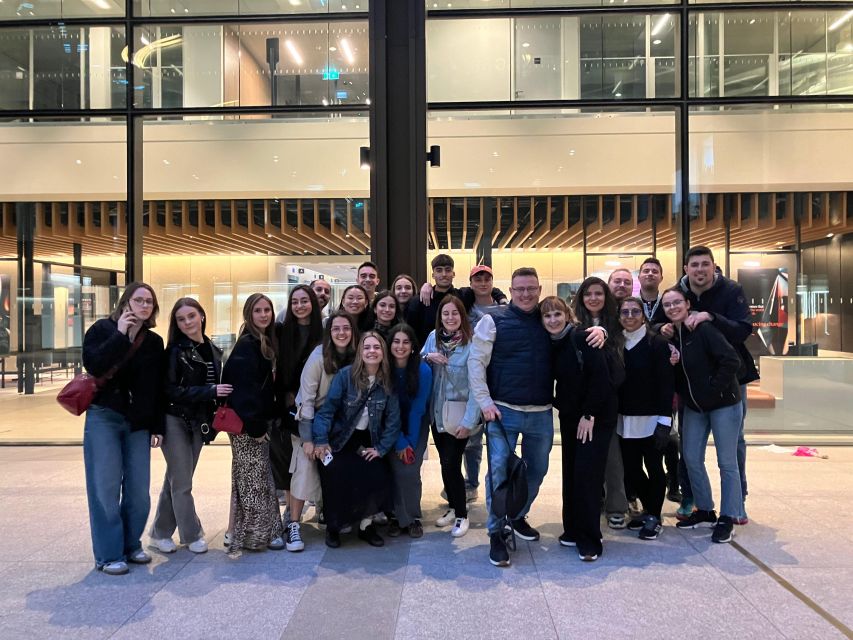
One of the standout stops is Banglatown Arch (visit). This is a visual landmark, and the tour uses landmarks like this to help you reorient the story in a real neighborhood, not a fantasy map. For me, this part of the route feels like the tour’s reminder: Whitechapel isn’t frozen in time. The neighborhood continued, changed, and grew—while the case remained part of its memory.
After that, you’ll visit 29 Hanbury Street (visit). This is where the walk starts to feel more like a guided “street-to-evidence” journey. The tour approach is about showing how the story sits in daily life geography—places tied to the victims’ world and the environment around the case. You’re not just collecting spooky facts; you’re learning how historical investigation works when you try to reconstruct events from places that still exist.
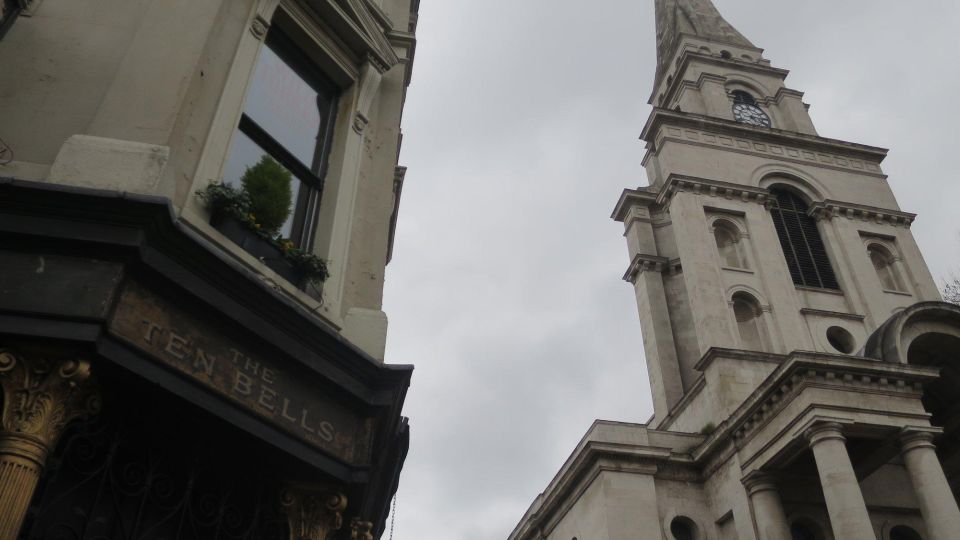
Then you pass by The Ten Bells Spitalfields. You’ll likely recognize the name because it appears in popular Jack the Ripper culture, but here it’s treated as a street marker within the route. Passing by means you get context without turning that stop into the whole experience. That’s a smart call because the real value of this tour is the full sequence, not one single famous spot.
Finally in this section, you visit Mitre Square Garden (visit). Garden space in London can feel like a pause button—less about speed, more about noticing your surroundings. In a case like this, a slower stop helps your notes and your understanding settle. It also gives the guide room to connect threads between earlier stops and what you’ll see next.
If you like tours that let you ask questions at the moment, this is a good part of the route to do it. A lot of the best dialogue tends to happen when you’ve had time to look around and then hear an explanation that makes your mental map click.
Goulston Street to White’s Row: where you end your walk
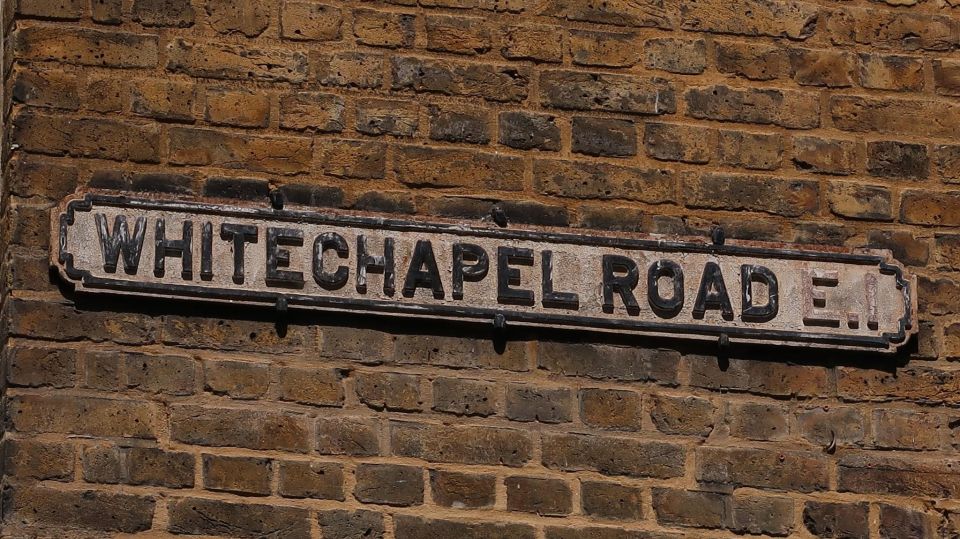
After Mitre Square Garden, the itinerary brings you to 46 Goulston Street (visit). This area helps reinforce the tour’s main message: the case is not just about one “big moment.” It’s about the chain of streets and circumstances across Whitechapel. You’re encouraged to think like an investigator—what do these locations tell you, and what do they not?
The last stop is 6 White’s Row (visit). Ending here matters because it closes the route with another real address tied to the case atmosphere. For your last stretch, you can treat the tour like a guided timeline you can keep in your head. By the end, the street names stop being random labels and start to function like a narrative structure.
This is also a good moment to compare what you’re hearing with the myths you already know. The tour’s style is built around the idea that you can separate legend from documented investigation. Even if you don’t walk away with certainty on every theory, you’ll likely leave with a clearer idea of what questions are reasonable and what kinds of explanations need proof.
One more practical note: since the tour is in Spanish, your final wrap-up is where you may feel the most benefit from asking one last question. If you’ve been jotting down unclear points during the walk, this is your chance to clarify without scrambling later.




Price, pacing, and Spanish-only details you should know
At $21 per person for about 2 hours, the value comes from the combination: award-winning guidance, real-location routing, and active dialogue. A cheaper tour might give you a list of famous places. This one gives you a thinking experience—street facts supported by research and backed by visuals.
The pacing is also a genuine part of the value. The tour isn’t framed as an endurance hike. You’ll walk a reasonable amount for the duration, and the structure includes both visits and pass-by segments, so you don’t spend the whole time moving just to move.
Language is Spanish-only. If you speak Spanish well, you’ll be able to follow not just the story but the back-and-forth. If your Spanish is basic, don’t panic. The guide is described as friendly, patient, and actively willing to resolve doubts. Still, I’d think of it as a learning tour where comprehension grows with attention, not a performance where everything is simplified.
Two practical considerations to keep you comfortable:
- Weather clothing matters since it’s a walking tour.
- No video recording means you should plan to take notes or stick to photos if you want memory backups.
Lastly, the guide’s support can extend beyond the case. Some participants mention help with practical London questions like getting around by metro and suggesting points of interest. That’s not the core of the tour, but it’s a nice extra when you’re trying to make the most of your time in the city.
Should you book this Jack the Ripper tour in Spanish?
Book it if you want Jack the Ripper in a more serious, evidence-minded way than the usual “spooky streets” format. The real-address route, the structure that mixes visits with quicker pass-bys, and José Oranto’s research-led approach make it a strong fit for people who like asking questions and comparing stories to documented investigation.
Skip it if you need a video-first experience or if Spanish-only dialogue would leave you constantly lost. And if you prefer pure museum-style learning with zero outdoor distractions, a street walk might feel less controlled.
If you’re excited by Whitechapel streets and want to understand how myths form when facts are harder to pin down, this is one of the more grounded ways to do it for the time and price.
FAQ
How long is the Jack the Ripper tour?
The tour lasts 2 hours.
How much does the tour cost?
The price is $21 per person.
Where does the tour start?
It starts at St Marys Whitechapel Church Memorial.
What language is the tour guide?
The guide speaks Spanish.
Is the tour wheelchair accessible?
Yes, the tour is wheelchair accessible.
Is video recording allowed?
No, video recording is not allowed during the tour.
Can I cancel for a full refund?
Yes. You can cancel up to 24 hours in advance for a full refund.