Baker Street has a secret below your feet. This London Transport Museum tour lets you step into hidden Baker Street station spaces and connect them to the Underground’s early days, including Victorian steam-era beginnings. Two things I really like: the exclusive off-limits access (not just a photo stop) and the way the tour turns station architecture into a living story.
The second standout for me is the human side. You’ll hear staff stories and how Baker Street functioned as an operational hub over the years, with guide teams described as lively and engaging (names like Anthony, Sophie and Pat pop up in the experience). One consideration: this is a walking tour in low light, uneven areas, and lots of stairs, with no elevators and no stop for people with mobility limits or claustrophobia.
In This Review
- Key things that make this tour special
- Where you meet the guide, and how to set yourself up
- Baker Street Station’s real claim to fame: 1863 and the Underground idea
- The hidden station spaces you’ll actually walk through
- Victorian steam travel, but make it practical
- Staff HQ stories: the Underground as a workplace
- The staff rifle range and why it matters
- Original platforms, lift shafts, and the 1945 boundary
- The guides: strong delivery, not just facts
- Price and value: is $60 worth 85 minutes?
- Who this tour suits best (and who should skip)
- Practical tips so your visit feels smooth
- Should you book this Hidden Baker Street tour?
- FAQ
- How long is the London Hidden Baker Street Tube Station tour?
- How much does it cost?
- Where do I meet the guide?
- What should I bring?
- What items are not allowed?
- Is the tour suitable for children?
- Is it okay if I’m claustrophobic or have mobility issues?
Key things that make this tour special
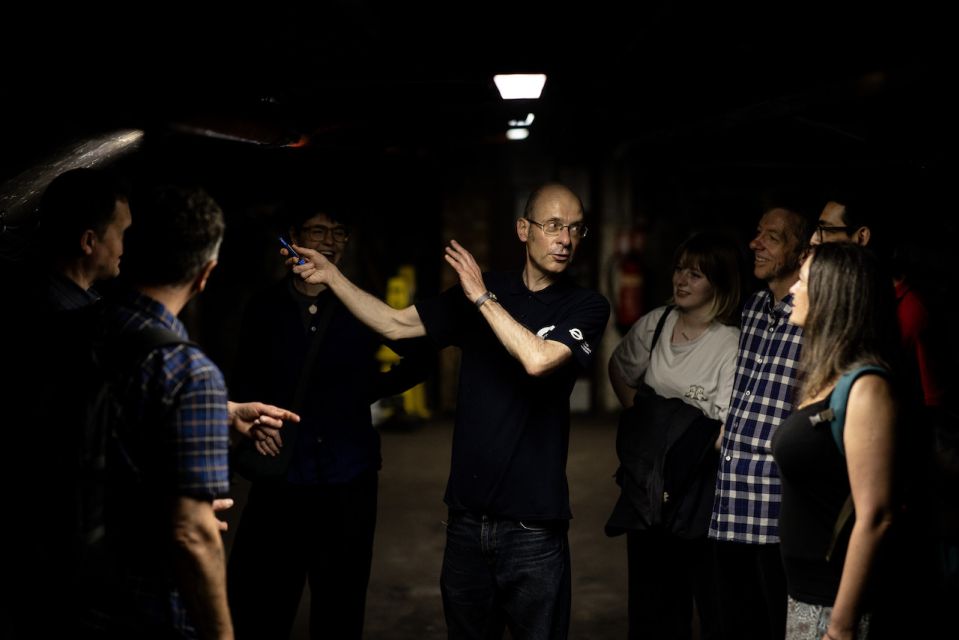
- Exclusive access to areas of Baker Street that haven’t been used for decades, including spaces last reached publicly as far back as 1945
- Victorian Underground origins tied directly to the station’s role in launching the Metropolitan Railway idea in 1863
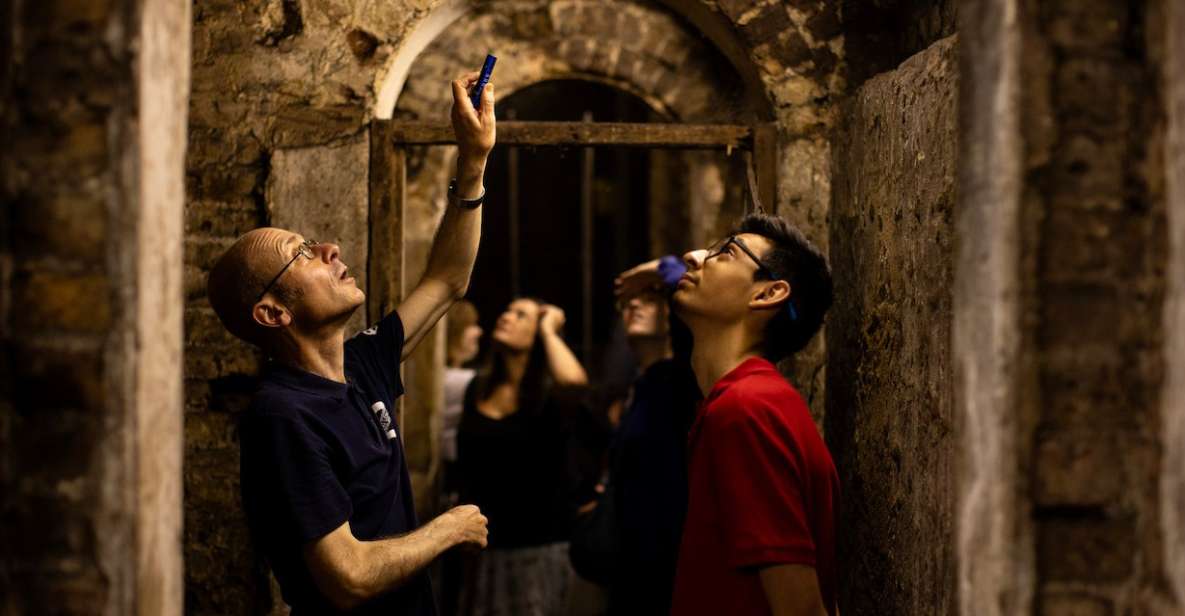
- Hidden station features you’ll walk through, like corridors and old lift shafts that are easy to miss from the public parts
- Staff life at Underground HQ, including stories about the people who worked (and played) there
- Low-key, real-world station textures: operational spaces and tight passageways, not a staged museum set
- A guide-led experience that keeps facts moving with character-driven storytelling
Where you meet the guide, and how to set yourself up
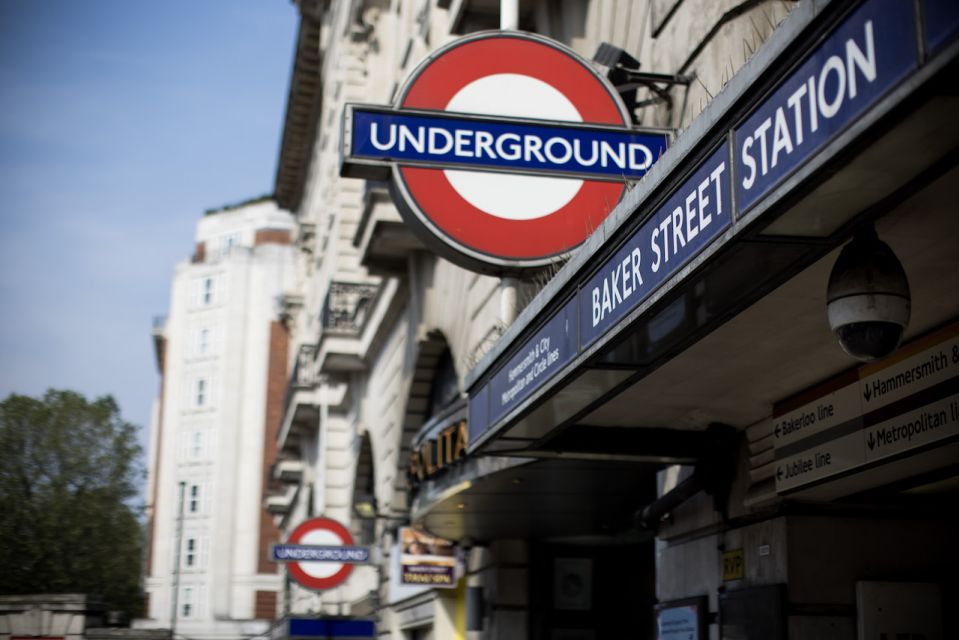
Start your tour at Baker Street Underground Station, outside in front of the Sherlock Holmes statue. That’s helpful because Baker Street can get confusing fast—this meeting point gives you a clear anchor right away.
You should also plan for the tour’s physical reality. This isn’t a sit-down talk with the occasional photo. You’ll do a lot of walking, including places with uneven ground and stairs, plus low lighting in some areas. There are no elevators, so the route is built for people who can comfortably handle that mix.
Before you go, bring comfortable shoes (open-toed footwear isn’t allowed) and water. You’ll also want passport or ID, since that’s listed as required. Skip food and drinks, and leave luggage or large bags behind—those aren’t permitted.
You can also read our reviews of more tours and experiences in London.



Baker Street Station’s real claim to fame: 1863 and the Underground idea
This tour starts with the big-picture story: Baker Street opened on January 10, 1863 as part of the Metropolitan Railway. The key idea was radical for its time—moving passengers beneath crowded Victorian London streets.
What makes this more than “just history” is how the tour links concept to place. You’re not reading about the Underground; you’re walking in an environment that helped shape what metro systems around the world would later copy. When you see station spaces connected to the original layout, it helps the dates click in your brain instead of staying as trivia.
And because the tour includes restricted areas tied to how the station operated, you get a sense of how the Underground wasn’t only for passengers. It was also a working machine for the people who ran it—messy, practical, and staffed.
The hidden station spaces you’ll actually walk through
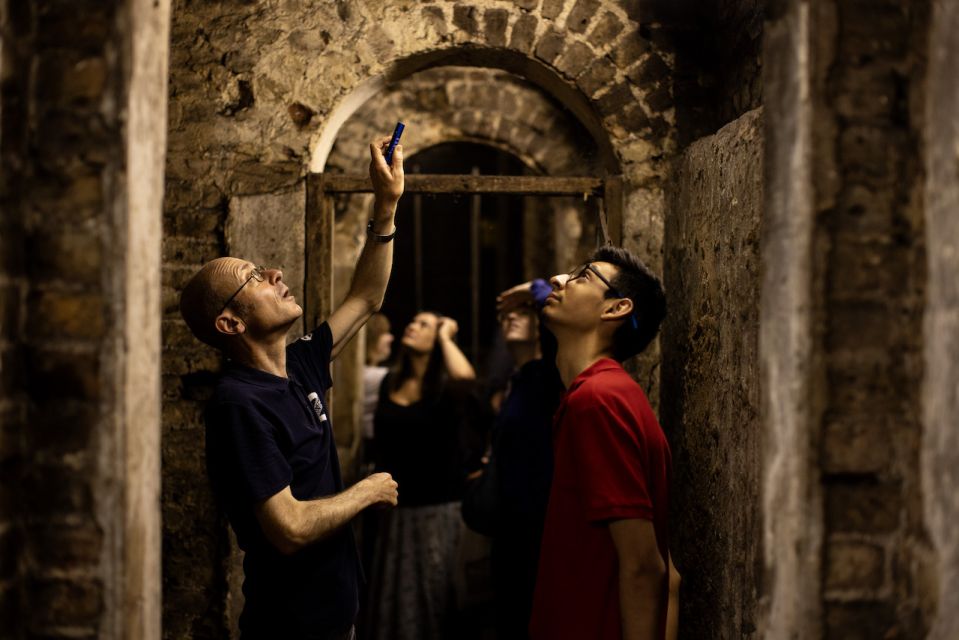
The headline is exclusive access. This is described as the only tour with access to the hidden areas of Baker Street that are typically not open to the public.
As you move through the station, you’ll see closed-off parts that include:
- Original platforms
- Old lift shafts
- Corridors and passageways hidden in plain sight from the public routes
A detail I think is especially compelling is the time gap. Some of these internal spaces were last accessed by the public as far back as 1945. Standing in places like that changes how you think about the station. You stop seeing it as a single experience you ride through and start seeing it as layers—Victorian decisions, operational needs, and later changes, all stacked in one location.
The “hidden” isn’t just marketing either. Baker Street’s public areas can feel familiar if you ride the line, but the tour reframes the station as a network of functional spaces. You’ll get the sense of how staff moved, how equipment and lift systems fit into the station rhythm, and why certain corridors became off-limits.
Victorian steam travel, but make it practical
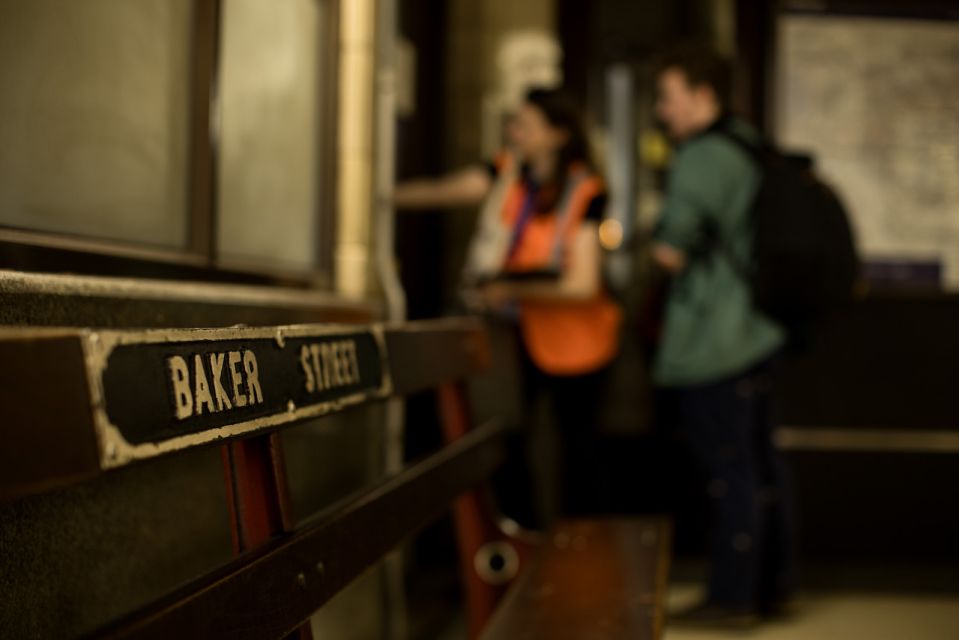
Even though steam travel is long gone, this tour treats the early era like something you can visualize. You’ll be led to “early years of Victorian steam travel” context while you look at station elements that supported those early passenger journeys.
I like that the tour doesn’t treat steam-era London like a costume drama. It stays connected to the station’s layout and function. That matters because the Underground’s success wasn’t only about the technology—it was about designing a system that could move people through a dense city while keeping operations running.
Expect the guide to connect:
- what people were trying to solve back in 1863 (congestion, street-level crowding)
- what that meant for building beneath London
- how Baker Street fit into the growth of the Underground beyond its first launch
If you’re the type who reads maps and then gets curious about how the machine works underneath, this is a strong match.
Staff HQ stories: the Underground as a workplace
One of the most interesting parts for me is that the tour isn’t solely passenger-focused. Baker Street served as the operational headquarters of the London Underground, and the guide brings in stories from staff who worked there over the years.
You’ll hear accounts of what it was like to work in a place where the public only sees a small slice: ticketing and platforms. Behind that, the station was a workplace with systems, routines, and real people. The tour also includes the idea that staff did not just work—they lived life around the job, including stories of those who worked and played there.
Another standout is the use of London Transport Museum’s archive and collection as the backbone for the facts and stories. That gives the tour a “pulled from real records” feel rather than a loose storytelling session.
And because the tour focuses on operational spaces and hidden routes, the stories land differently. You can point to the station elements and think: yes, this is where that function happened.






The staff rifle range and why it matters
One of the more unusual “hidden” mentions is the staff rifle range. That’s not the kind of detail you usually associate with the Underground, and that’s exactly why it sticks.
It matters because it shows the station wasn’t only about transport logistics. It was also a controlled environment with staff-only facilities that reflected security and operational needs of the time. When you hear those kinds of details and then look at the station layout, you start to understand why certain areas stayed off-limits.
If you like your Underground facts a little unexpected, this is one of the moments that makes the tour feel genuinely different from a standard walk past platforms.
Original platforms, lift shafts, and the 1945 boundary
If you’re comparing this tour to a typical station tour, the “wow” is how long some areas stayed out of public view. You’ll see features like old lift shafts and corridors that were last accessed publicly as far back as 1945.
Lift shafts are especially interesting because they represent transitions—mechanical solutions that made moving between levels possible before today’s norms. Seeing them tied to what the station used to require gives you a clearer picture of how station operations evolved.
The overall effect is that the tour becomes part time-travel, part “how engineering shaped daily life.” The station isn’t frozen. It’s adapted. And these off-limits spaces help explain how and why.
The guides: strong delivery, not just facts
The experience is powered by the guide team. Based on names that show up repeatedly—Anthony, Sophie, and Pat—the tone is described as enthusiastic, personable, and character-driven, with strong command of the material.
I like this kind of guiding because the tour is walking plus tight spaces plus history. If the guide’s delivery is dry, it’s easy to lose the thread. Here, the structure is built so the stories and facts keep pace with what you’re seeing on the route.
So if you value a guide who can turn dates and functions into something you can picture, this is a good bet.
Price and value: is $60 worth 85 minutes?
At $60 per person for an 85-minute guided tour, you’re paying for something specific: access. You’re not just learning about Baker Street—you’re seeing closed-off areas that aren’t open during normal station hours.
That’s the value equation. The time is long enough to walk through multiple hidden sections and still stay coherent, and the access justifies the price more than a generic history walk would.
Where the math may tip against you is if you:
- only want big landmarks from street level
- prefer totally flat, elevator-access routes
- aren’t interested in how transit systems operated behind the scenes
But if you want the story tied to the building itself, this price feels more like an admission to a specialized experience than a standard sightseeing add-on.
Who this tour suits best (and who should skip)
You’ll enjoy this most if you’re into:
- London transport history
- Underground engineering and station design
- behind-the-scenes details about how systems run
- stories from real staff life, not just famous events
You should skip (or reconsider) if you have:
- mobility impairments (the tour involves uneven ground, low lighting, and stairs, with no elevators)
- claustrophobia (the route includes tight, hidden corridors and dim areas)
- a preference for food breaks and long pauses (the tour doesn’t include those, and food/drink isn’t allowed)
For families, there’s a clear rule: children under 10 aren’t suitable, and there’s a max of four children aged 10–15 per adult. So it can work for older kids who can handle the physical side.
Practical tips so your visit feels smooth
Here’s how to make the experience easier on you:
- Wear closed-toe, comfortable shoes with good traction for uneven ground
- Bring water and nothing else you’ll need to eat (food/drink isn’t allowed)
- Use a daypack approach: keep bags minimal since large bags and luggage aren’t allowed
- If you’re prone to anxiety in dim, tight spaces, take that seriously—this tour isn’t designed for that comfort level
- Bring your passport or ID so you don’t get stuck at the start
Also, the tour is only English, so plan for that if English isn’t your first language.
Should you book this Hidden Baker Street tour?
I’d book it if you want something beyond the usual London Underground storyline. This gives you exclusive station access, strong guide storytelling, and a hands-on view of how Baker Street functioned as a working operational hub—not just a stop on a line.
Skip it if you need step-free access, hate low lighting, or know you struggle with confined spaces. The tour’s value is tied to the fact that it goes where the public usually can’t.
If you’re on the fence, ask yourself one question: do you want London that feels practical and real, with history you can see in walls and corridors? If yes, this is a strong pick.
FAQ
How long is the London Hidden Baker Street Tube Station tour?
The tour lasts 85 minutes.
How much does it cost?
The price is $60 per person.
Where do I meet the guide?
Meet your guide outside Baker Street Underground Station, in front of the Sherlock Holmes statue.
What should I bring?
Bring comfortable shoes and water, and have your passport or ID card with you.
What items are not allowed?
Food and drinks aren’t allowed, and you also can’t bring luggage or large bags. Open-toed shoes are not allowed.
Is the tour suitable for children?
Children under 10 aren’t suitable. There’s also a maximum of four children aged 10–15 per adult.
Is it okay if I’m claustrophobic or have mobility issues?
No. The tour isn’t suitable for people with mobility impairments and isn’t suitable for people with claustrophobia. It involves uneven ground, low lighting, stairs, and there are no elevators.