REVIEW · WESTMINSTER & BIG BEN TOURS
London: Guided Tour of Houses of Parliament & Westminster
Book on GetYourGuide →Operated by Walks - UK · Bookable on GetYourGuide
Westminster runs on ritual, and this tour shows you why. You get the best time of day for a calm Westminster Abbey visit, then a guided look at the Houses of Parliament where you can see how decisions actually happen. Add in headsets and an expert guide, and it turns big landmarks into a clear story you can follow.
I especially love two things: the live guiding (not just a headset-and-guess audio loop) and the way the tour connects the Abbey’s coronation tradition to the day-to-day drama of Parliament. It also helps that the Abbey entry is skip-the-line, so you’re not wasting your morning in queues.
The main catch is time and feet. This is a long walking tour (about 225 minutes) with hard stone surfaces and some stairs, so you’ll want comfortable shoes and a plan for taking breaks when offered.
In This Review
- Key things to know before you go
- Entering Westminster Abbey in the calmest window
- Westminster Abbey: coronations, burials, and the stories people forget
- Parliament Square and the walk that sets the pace
- Westminster Hall: where medieval ritual still feels real
- House of Lords: the room with the gravitas
- House of Commons: where the King is not allowed
- Headsets and hearing the guide in busy rooms
- Photography, rest stops, and what to expect from your body
- Who should book this Westminster Abbey plus Parliament tour
- Price and value: what you’re really paying for
- Should you book? My straight answer
- FAQ
- How long is the London guided tour of Westminster Abbey and Houses of Parliament?
- Where do I meet the guide?
- Is photography allowed inside Westminster Abbey and Parliament?
- Do you provide headsets?
- Is the tour suitable for wheelchair users or mobility impairments?
- What should I bring?
Key things to know before you go
- Skip-the-line Westminster Abbey entry at a calmer time of day.
- Fully guided Houses of Parliament, including the House of Lords and the House of Commons chambers.
- Headsets included so you can actually hear the guide in busy rooms.
- Start at Parliament Square by the Viscount Palmerston statue, easy to find for transit users.
- No photos inside and no strollers allowed, plus limited suitability for mobility needs.
Entering Westminster Abbey in the calmest window
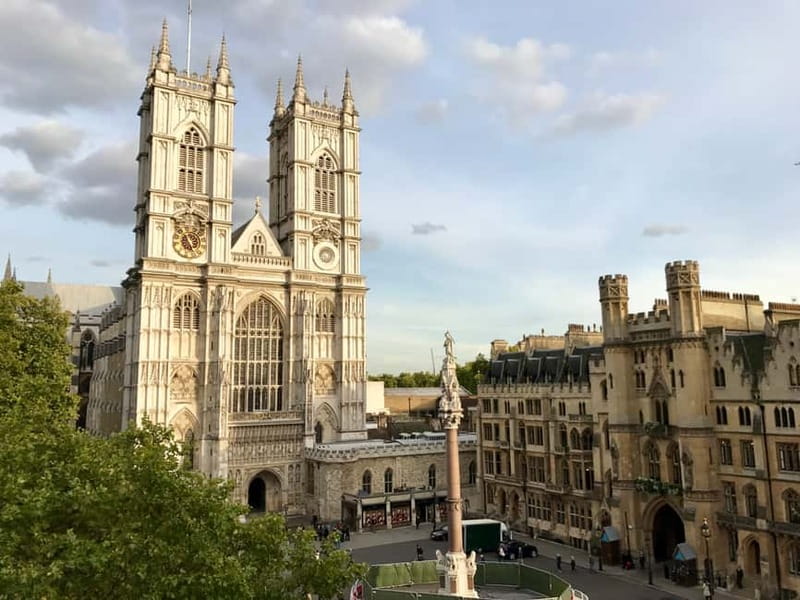
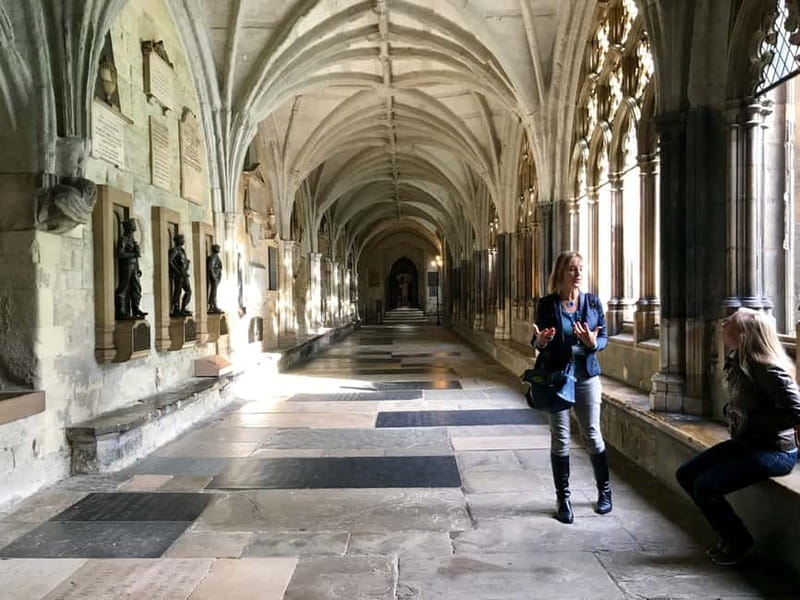
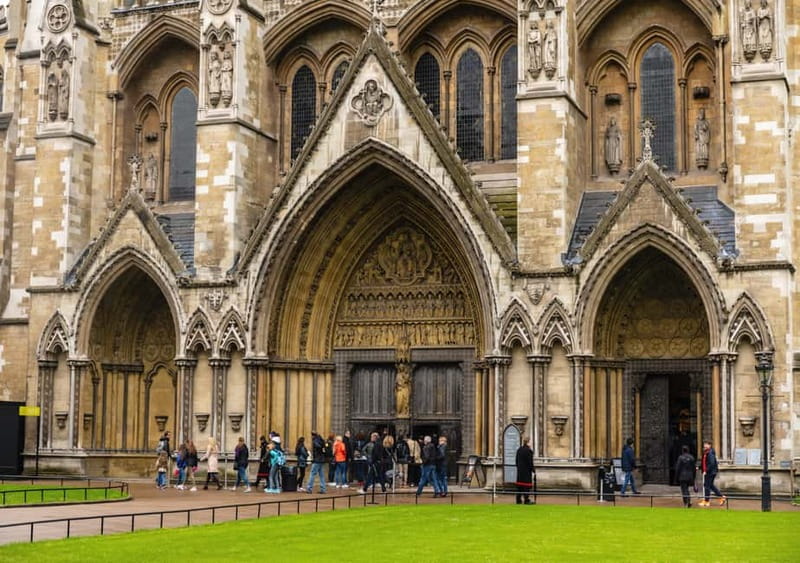
Westminster Abbey is one of those places where your first instinct is to look up. Then your guide starts stitching the details together, from the building’s Gothic style to the people who shaped Britain’s story.
The biggest quality of this tour is timing. You’re scheduled for the serene part of the day, which matters because the Abbey can get crowded. With skip-the-line entry, you also avoid the most painful part of visiting this site: watching people file past while you wait.
Inside, you’re not just touring as a tourist. You’re walking through a place linked to Royal coronations since 1066 and a burial ground for kings, queens, and national heroes. The guide also points out how the monarchy helped steer the country toward democracy—so you’re not only seeing stone and stained glass, you’re learning the political meaning behind it.
You can also read our reviews of more guided tours in London



Westminster Abbey: coronations, burials, and the stories people forget
Westminster Abbey is huge, and it can swallow your attention if you don’t have a roadmap. The guide gives you that roadmap fast, so you know what you’re looking at and why it’s there.
You’ll learn about well-known figures connected to the Abbey, including Isaac Newton, Charles Darwin, and William Wilberforce. You’ll also hear a specific story about Winston Churchill, one of the only non-royals to lie in state in the Abbey after his death. That kind of detail is what makes the Abbey feel less like a museum and more like a living record.
One practical note: the Abbey is a serious place of national importance. The “no photography inside” rule means you’ll rely on memory and notes rather than turning your camera into your main tool. If you really want photos, plan to take them outside before or after, when it’s allowed.
Parliament Square and the walk that sets the pace
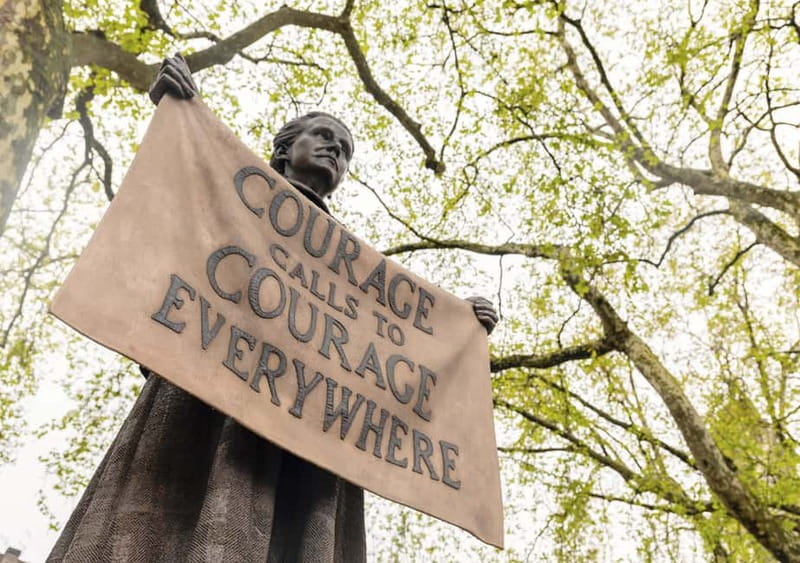
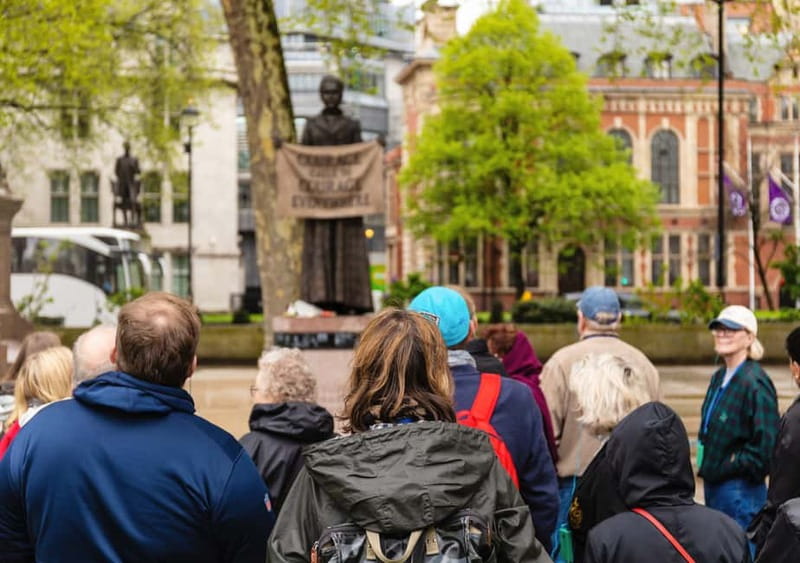
The tour starts at Parliament Square, meeting at the statue of Viscount Palmerston. Arrive about 15 minutes early and look for your guide holding a green Walks sign. This matters because Westminster is busy, and you’ll want to start together rather than hunting each other down between crowds.
From there, you’ll keep moving. This isn’t a slow, sit-down museum tour. It’s a walking route built around two major sites. If you like to linger, build in that instinct—but also respect that time is tight, especially when Parliament logistics kick in.
Bring comfortable shoes. Seriously. You’ll be on hard surfaces and you should expect some stairs. More than one guide and group story in the reviews points to that reality, and it matches the experience: this tour gives you access to rooms, but you still have to get there on foot.
Westminster Hall: where medieval ritual still feels real
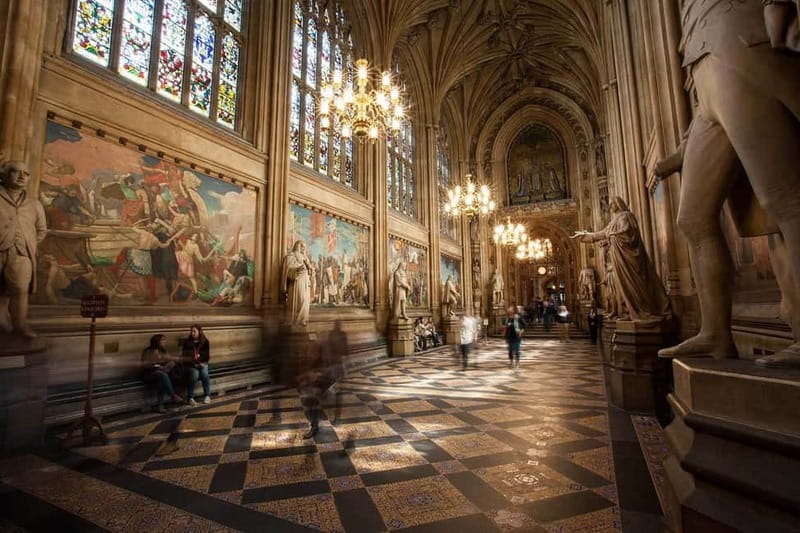
Your Parliament portion begins in Westminster Hall, and that’s a smart choice. It’s older than most visitors expect, and it helps you understand Parliament as an institution that didn’t pop into existence overnight.
Westminster Hall has hosted state functions for nearly 1,000 years. You’ll also see one of the finest surviving examples of medieval timber architecture in the world. That sounds like a trivia list, but it actually changes how you look at the building. Timber details aren’t just decoration here—they’re clues about how the site evolved and why continuity matters in British political life.
You’ll also get a peek into the room where the monarch dons a crown and ermine-trimmed cape before opening sessions of Parliament. It’s a small moment in the tour schedule, but it connects the monarchy’s ceremonial role to the working machinery of legislation.
House of Lords: the room with the gravitas
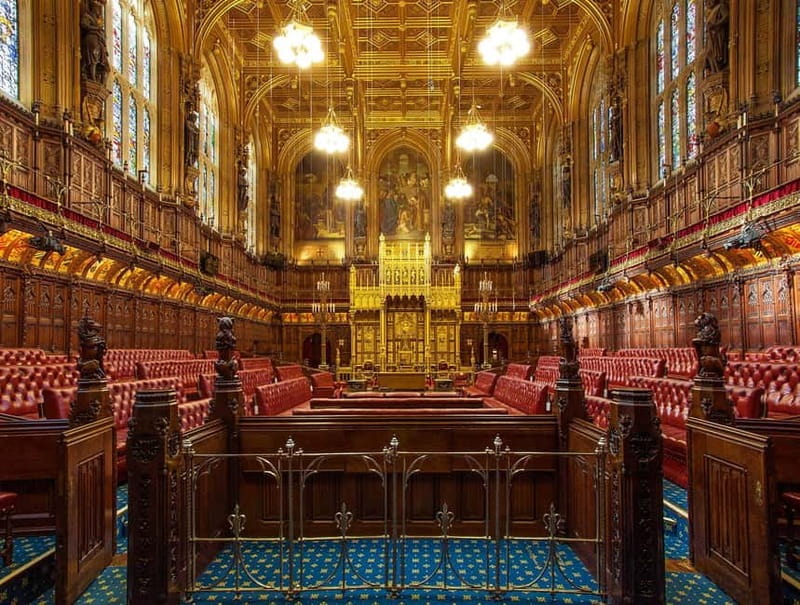
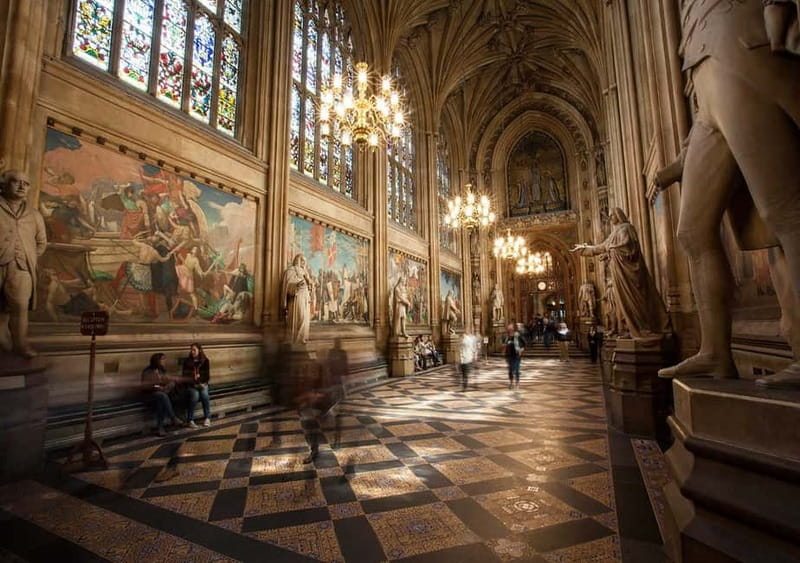
Next comes the House of Lords chamber. It’s impressive in the straightforward sense—scale, layout, and the feeling that rules have been practiced here for ages.
In the guide’s hands, the Lords aren’t just a photo stop. You’ll learn how Parliament’s traditions keep today’s debates connected to older forms of governance. This is where the tour becomes more than sightseeing: you start to see why the building’s design supports its purpose.
The Lords chamber also gives you a “you are here” moment. It’s not filmed TV drama. It’s a real room with real proportions. You’ll likely notice how formal the atmosphere is—and why the Brits treat procedure like a kind of national language.

House of Commons: where the King is not allowed
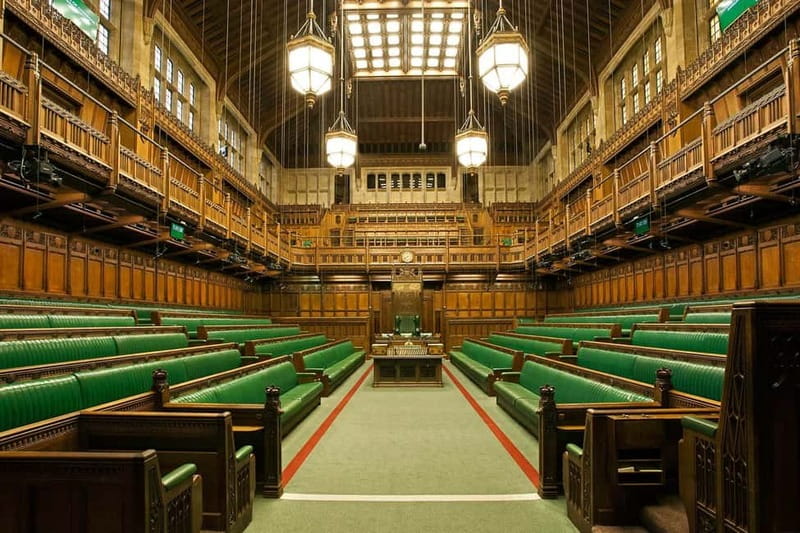
Then you get to the engine room: the House of Commons chamber. This is where the tour earns its fully guided label, because you’re not just walking through; you’re being guided through meaning.
You’ll hear about centuries-old ceremonies that keep this modern legislative body tied to its past. And you’ll learn a fun-but-useful detail: the King is not allowed to enter this room. That’s the kind of fact that instantly clarifies how constitutional democracy works in practice—especially if you’ve only ever seen Parliament through news headlines.
As you move through halls and chambers, you’ll trace history through footsteps. The tour ties major figures—like Henry VIII and Winston Churchill—to the spaces you’re standing in. It’s a strong way to make big names feel less abstract.
One more constraint to remember: you can’t take photos inside. The room is set up for serious use, not tourism. Your guide helps you notice what’s worth remembering so the camera isn’t the main point.
Headsets and hearing the guide in busy rooms
Included headsets are a big deal on this tour. Westminster Abbey and Parliament can be noisy, and without amplification, you miss half the guide’s details.
You should also understand how this affects your mindset. Instead of narrating for a small group at the edges, the guide can speak at a normal pace because the sound carries to your headset. That makes it easier to stay close and follow along rather than constantly turning your head to keep up.
One timing reality: there can be some regrouping between the Abbey and Parliament. It’s usually about handing off equipment and moving through security and check-in flow. Build in patience. This tour works best when you accept that this is a functioning political site, not a theme park queue.
Photography, rest stops, and what to expect from your body
Two things can shape your comfort level more than you’d think: standing time and where you can put your feet.
This is a walking tour with plenty of standing on hard surfaces. Some areas involve stairs. That means even with comfortable shoes, you might feel it after a few hours. If you’re combining this with other big sights the same day, consider adding lighter plans afterward.
Rest and pacing can be part of the guide’s skill. In the reviews, guides are praised for finding places to rest along the way when possible. That’s not guaranteed everywhere, but it’s a good sign that the tour is aware you’re human, not a statue.
Also remember: no photography inside. If you need a photo for your travel album, plan to take your pictures outside permitted areas and save your “inside memories” for your notes and mindset.
Who should book this Westminster Abbey plus Parliament tour
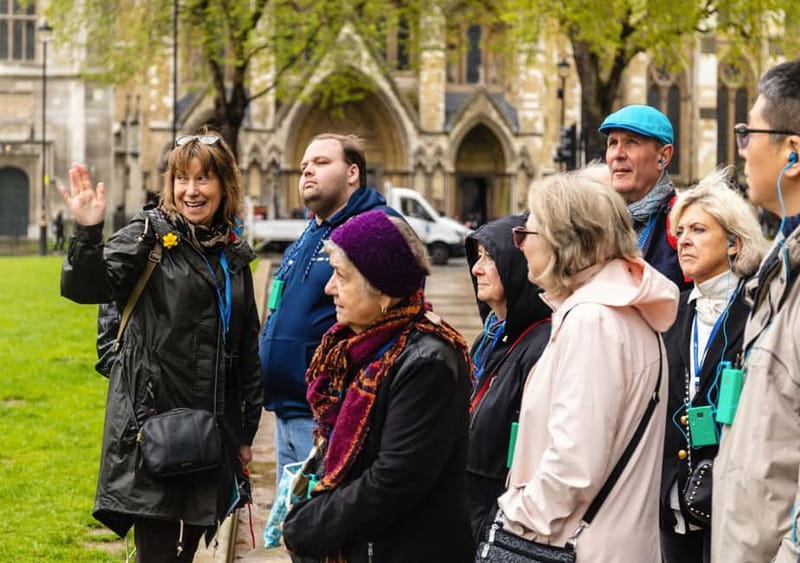
This tour is a great fit if you:
- want the key political and religious sites in one organized visit
- prefer a human guide who can explain context and connections
- like hearing how tradition shapes modern decision-making
- are comfortable with walking and standing for most of the morning/afternoon stretch
It’s not a great fit if you:
- use a wheelchair or need mobility accommodations (the tour states it’s not suitable)
- rely on baby strollers (strollers are not allowed)
- need lots of sitting space or fully step-free access
If you’re traveling with someone who gets tired easily, you’ll want to go in with eyes open. People often underestimate the “standing and steps” part, even when they think they’re reasonably fit.
Price and value: what you’re really paying for
At $187.23 per person, this is not a budget add-on. But the value isn’t just access. It’s the pairing of two top-tier sites with a guide-led approach at both ends.
You’re paying for:
- skip-the-line entry into Westminster Abbey
- a guided walkthrough of Parliament spaces (including the Lords and Commons chambers), not just self-guided roaming
- headsets so you can actually process the story in real time
The total time (about 225 minutes) also matters. You’re getting a long-form narrative, not a quick drive-by. If you tried to do this yourself, you’d still need to line up for Abbey entry and you’d likely miss the “why it matters” details that make the building come alive.
The one “value risk” is your energy level. If you’re expecting a short stroll, this tour will feel like work. If you’re ready for a structured day with walking, it can feel like a smart use of limited time in London.
Should you book? My straight answer
Book it if you want Westminster to make sense fast. The skip-the-line Abbey entry plus a guided, chamber-focused Parliament visit is a strong combo, especially if you care about how Britain’s constitutional story got written over centuries.
Don’t book it if you want something fully comfortable and relaxed. This is a walking tour with stairs and hard surfaces, plus strict rules like no strollers and no photos inside.
If you’re the kind of traveler who likes connections—coronations leading to democracy, monarchy rituals next to modern debate—this is the right kind of London day.
FAQ
How long is the London guided tour of Westminster Abbey and Houses of Parliament?
The tour duration is 225 minutes.
Where do I meet the guide?
Meet at Parliament Square at the statue of Viscount Palmerston (SW1P 3JX). Arrive about 15 minutes early and look for a green Walks sign.
Is photography allowed inside Westminster Abbey and Parliament?
No. Photography is not allowed inside.
Do you provide headsets?
Yes. Headsets are included.
Is the tour suitable for wheelchair users or mobility impairments?
No. The tour is not suitable for guests with mobility impairments, wheelchair users, or strollers.
What should I bring?
Wear comfortable shoes, since it’s a walking tour with moderate walking pace requirements.