REVIEW · BEATLES & MUSIC TOURS
London: Beatles Walking Tour with Abbey Road Crossing
Book on GetYourGuide →Operated by London Walks and All · Bookable on GetYourGuide
Streets, songs, and a zebra crossing. This 2.5-hour Beatles walking tour turns central London into a timeline, from John Lennon blue-plaque moments to the final-concert stop at 3 Savile Row. I like how it keeps the focus on place and context, not just trivia, so you understand why each corner matters.
What I really like: you get a guided walk that includes Abbey Road Crossing and the studio-area story, plus the guide may show historical footage on a screen while you’re standing near the sites. I also appreciate the photo-game—at Abbey Road, you have the chance to get a picture from the classic angle, with help from the guide if you want.
One thing to consider: it is a lot of walking for the time, and the pacing can feel brisk. If you or your group needs frequent breaks, plan for that up front.
In This Review
- Key Points Worth Knowing Before You Go
- First Stop at St. John’s Wood: Getting Your Bearings Fast
- Abbey Road Crossing: The Photo Stop That Actually Feels Timed Right
- Marylebone to Film-London: Hard Day’s Night Locations and a Tube Break
- Apple Boutique, Marriages, and the Band’s Public Side
- John Lennon Blue Plaque: A Headline With Real Consequences
- Paul’s Dream, Beatlemania, and Where the Business Got Loud
- Carnaby Street and the Bag ’o’ Nails: Style, Statues, and a First Meeting
- 3 Savile Row Ending: The Last Ever Beatles Concert Venue
- Price and Time: Is $26 for 2.5 Hours Good Value?
- What to Wear, What to Bring, and Who Should Skip It
- Should You Book This Beatles Walking Tour?
- FAQ
- How long is the London Beatles Walking Tour?
- Where does the tour start?
- Where does the tour finish?
- What are the main stops on the route?
- Is there a Tube journey included?
- Are meals included?
- Are attraction entrance fees included?
- What should I bring?
- Is the tour suitable for children and mobility needs?
Key Points Worth Knowing Before You Go
- Abbey Road Crossing: the tour builds in a proper photo moment at the iconic zebras.
- Abbey Road Studios area: you’ll hear how the studio’s reputation formed and where it fits in the Beatles story.
- Tube hop to Marylebone: you get from one film-and-street cluster to another without doing all of it on foot.
- John Lennon Blue Plaque + arrest story: the tour doesn’t shy away from the messy headlines tied to Lennon and Yoko.
- Brian Epstein and Beatles business sites: you’ll pass locations connected to NEMS and Beatlemania.
- Bag ’o’ Nails and 3 Savile Row: the walk ends with the music-fan payoff, including the last ever Beatles concert venue.
First Stop at St. John’s Wood: Getting Your Bearings Fast
The tour begins in St. John’s Wood, with the meeting point outside the Helter Skelter Coffee Shop. That location is handy because it sets you up for the Abbey Road stretch without feeling like you’ve been dropped in the middle of nowhere.
Right away, you’re in Beatles-mode: the guide points out former homes and nearby landmarks that shaped the band’s daily world in London. The opening portion includes two shorter guided blocks (about 30 minutes, then 20 minutes), which helps you settle into the rhythm of the tour: walk, stop, story, photo, move on.
A big practical note: since this is a walking tour, you’ll want to start hydrated and with good footwear. The itinerary includes some Tube time later, but most of the experience is on foot.
You can also read our reviews of more walking tours in London

Abbey Road Crossing: The Photo Stop That Actually Feels Timed Right
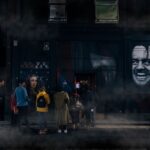
Yes, the Abbey Road zebra crossing is tourist-famous. But on this tour, it’s not treated like a quick drive-by.
You cross and get your photo taken at the heart of the moment. The guide typically offers to help with pictures or video, and some guides (including a guide named Grant) have been known to step in so you don’t spend your whole stop fighting the crowd and the camera angle. Either way, bring your camera and position yourself so you can get the classic shot without rushing.
From there, the tour shifts to the Abbey Road Studios area and gives you the background that makes the place click. If you’ve only ever heard the Beatles’ music, this is where you start imagining the city as part of the recording process—streets, travel routes, and the physical London that surrounded sessions.
Marylebone to Film-London: Hard Day’s Night Locations and a Tube Break
One of the smarter parts of the itinerary is that it includes a short Tube journey to Marylebone Train Station. That break matters. After walking, a quick transit segment helps you reset before the next cluster of stories.
Marylebone is also a film-location stop, tied to Hard Day’s Night. So instead of hearing about London only as a music backdrop, you see how the Beatles’ London was turned into movie London. That’s useful if you’re a fan of how media shapes our image of the past.
This section also folds in a few important theme shifts: you’re moving from studio-adjacent legends to the city as a stage where branding, headlines, and public image all played out.
Apple Boutique, Marriages, and the Band’s Public Side
The tour includes stops near the Apple Boutique location and addresses the Beatles’ complicated public life beyond the music. You’ll also hear about the locations tied to two Beatles getting married three times—an odd-but-fascinating detail that helps you understand how the band’s personal moments were never just private.
This is one area where the guide’s storytelling quality matters. Some people love the quirky symbolism of Apple’s London appearance; others prefer the more direct studio and street-history stops. Either way, you’ll leave knowing that the Beatles brand wasn’t only songs and headlines—it was also about physical places in the city.
If you’re the type who enjoys the less-obvious details, this block can feel fun. If you want only the most famous landmarks, you might wish a bit more time went to the studio and the final concert stop.
John Lennon Blue Plaque: A Headline With Real Consequences
A Blue Plaque for John Lennon is built into the route, and the tour uses it as a doorway into a darker storyline. You’ll hear about the drug-bust incident that led to Lennon and Yoko being arrested.
This matters because it keeps the tour honest. The Beatles legend is often presented as smooth and mythic. But the real Beatles lived inside a world of police scrutiny, tabloid pressure, and public risk. Standing near the plaque while hearing the story gives the moment a grounded feeling—like the myth has paperwork behind it.
It’s also a good reminder that London itself carried consequences. Places you might think of as just locations—streets and buildings—were where public life happened fast.


Paul’s Dream, Beatlemania, and Where the Business Got Loud
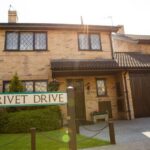
The tour includes the former home of the Asher family, where Paul dreamt what has become the most covered song in history. Even if you don’t connect emotionally to dream-to-songwriter origin stories, the point is clear: creativity often looks mysterious, but it comes from real human spaces.
From there, the walking shifts toward the behind-the-scenes side of fandom. You’ll pass the BBC, see the former site of the Speakeasy Club, and hear about where Beatlemania was created. Those stops help you see that mass hysteria didn’t just happen; it was built through clubs, media, and social networks.
The route also includes where Brian Epstein’s NEMs offices were located. For fans, this is one of the most valuable “connection points” on the day. It turns Epstein from a name you recognize into a person linked to actual London offices—where decisions, promotion, and management shaped what the Beatles became.
If you like your music history organized like a map—creative sparks on one street, industry mechanics on another—this portion will feel especially satisfying.
Carnaby Street and the Bag ’o’ Nails: Style, Statues, and a First Meeting
Next up: Carnaby Street and John Lennon’s statue. This part leans into the London look—fashion, street identity, and the way the Beatles became tied to style as much as sound.
Then comes Paul’s favorite club, the Bag ’o’ Nails, where he first met Linda. It’s a grounded, human-sized story inside all the big legend stuff. You stop and listen to how a personal connection fit into the London of music, nights out, and evolving careers.
This section works best if you like the Beatles as people, not only performers. The statue and club-location details are the kind of thing you can picture later when you remember an era. Even on days when you’re not in peak nostalgia mode, the vibe stays fun because it’s anchored to real places you can still imagine walking into today.
3 Savile Row Ending: The Last Ever Beatles Concert Venue
The final stretch lands at Burlington Arcade, with the tour’s wrap-up stop at 3 Savile Row, the venue of the last ever Beatles concert. That pairing is powerful because it ends with a concrete place tied to a specific event, not just an open-ended vibe.
This is also where the tour’s structure makes sense. You started with the band’s daily London footprint and hit the famous crosswalk moment. Along the way, you learned about studio zones, media-linked landmarks, management offices, and the personal-meets-public story that came with fame. Ending with Savile Row gives you closure.
If you’re a big fan of the Beatles’ late-period arc, this stop can feel like the emotional punctuation mark of the whole walk.
Price and Time: Is $26 for 2.5 Hours Good Value?
At about $26 per person for 2.5 hours, the value is strongest if you care about guided context more than just taking pictures.
Here’s why that price can make sense:
- You’re getting a guided walk plus a Tube journey within the route.
- Stops include Abbey Road Crossing, the studio-area context, and multiple landmark categories (homes, media sites, business offices, and a final concert venue).
- The guide is live and can provide photo help at key moments, plus extra context using on-the-go visuals for comparison.
But it’s not a “hop on and off bus” experience. If you dislike walking, or you expect every single stop to feel equally essential, this tour might not feel like perfect value. It’s built for people who enjoy stitching together a story across neighborhoods rather than ticking off a single highlight.
What to Wear, What to Bring, and Who Should Skip It
This tour is for people who can handle walking in changing weather. Bring comfortable shoes, a camera, and water. Expect outdoor time and plan for all-weather conditions.
Also, this experience is not suitable for:
- children under 10
- people with mobility impairments
- wheelchair users
- people with heart problems
- people over 95
If any of those apply, you’ll have a better day choosing a different format with fewer physical demands.
And if you’re traveling with someone who tires easily, do it thoughtfully. Build in cushion time. The tour’s structure includes many stops close enough for photos and stories, but it still adds up.
Should You Book This Beatles Walking Tour?
Book it if you want London Beatles history with built-in photo moments and clear place-based storytelling. It’s a good fit for dedicated fans, music-history lovers, and anyone who gets satisfaction from connecting song legends to real streets.
Skip it if you want minimal walking, or if you only want the absolute top-tier icons with no detours into offices, plaques, and side-stories. The route is packed, and the day rewards stamina and curiosity.
If you’re on the fence, here’s the quick deciding rule: can you comfortably spend about 2.5 hours on your feet while listening? If yes, this is a strong way to experience Beatles London in one focused outing.
FAQ
How long is the London Beatles Walking Tour?
The tour lasts about 2.5 hours.
Where does the tour start?
It meets outside the Helter Skelter Coffee Shop, with the starting area in St. John’s Wood.
Where does the tour finish?
It finishes at Burlington Arcade, with the last stop at 3 Savile Row (the venue of the last ever Beatles concert).
What are the main stops on the route?
You’ll see Abbey Road Crossing, locations tied to Abbey Road Studios, the Marylebone Train Station area, the Apple Boutique area, a John Lennon Blue Plaque, Carnaby Street (including a John Lennon statue), and the Bag ’o’ Nails location, plus the 3 Savile Row concert venue.
Is there a Tube journey included?
Yes. There’s a short Tube journey to Marylebone Train Station included in the tour.
Are meals included?
No. Meals and drinks are not included.
Are attraction entrance fees included?
No. Entrance fees to attractions are not included, and some locations may require fees.
What should I bring?
Wear comfortable walking shoes, and bring a camera and water.
Is the tour suitable for children and mobility needs?
It is not suitable for children under 10, wheelchair users, or people with mobility impairments, and it’s also listed as not suitable for people with heart problems or people over 95.